Blog

  • Heavy-Duty Cabro Paving: Thickness Guide for Driveways vs. Walkways

    Heavy-Duty Cabro Paving: Thickness Guide for Driveways vs. Walkways

    Cabro Paving Blocks

    Cabro paving blocks are among the most durable and versatile solutions for hardscaping in Kenya. From residential driveways to commercial walkways, their interlocking design, compressive strength, and aesthetic appeal make them ideal for long-lasting surfaces. However, one critical factor often overlooked is cabro paving blocks thickness Kenya.

    Choosing the right thickness ensures that surfaces can withstand the intended load without cracking or uneven settling. Driveways subjected to heavy vehicles require thicker blocks, while pedestrian walkways can safely use thinner options. Incorrect selection can result in early failure, costly repairs, and compromised safety.

    In this guide, we explore the technical differences between 50mm, 60mm, and 80mm cabro paving blocks, step-by-step installation methods, best practices for Kenyan weather and soil conditions, and tips for optimizing both durability and appearance. Whether you are paving a high-traffic driveway in Nairobi or a garden walkway in Kisumu, understanding cabro block thickness ensures long-term performance.

    For high-quality paving blocks and landscaping solutions, check our Landscaping & Paving product section.


    Understanding Cabro Paving Blocks

    Cabro blocks are made from high-strength concrete, designed to interlock and distribute loads efficiently. Their durability, slip resistance, and low maintenance make them suitable for both residential and commercial applications.

    Standard Sizes and Thicknesses

    • 50mm: Suitable for pedestrian walkways and light foot traffic.

    • 60mm: Ideal for residential driveways with occasional vehicle movement.

    • 80mm: Recommended for heavy-duty driveways, commercial parking lots, and areas with trucks or machinery.

    The thickness directly correlates with compressive strength, load-bearing capacity, and lifespan.

    Advantages of Proper Thickness Selection

    • Reduces cracking under heavy loads

    • Enhances load distribution

    • Ensures long-term durability

    • Minimizes maintenance and replacement costs


    Driveways vs Walkways: Choosing the Right Thickness

    Pedestrian Walkways

    • Recommended Thickness: 50mm

    • Designed to support foot traffic, bicycles, and light garden vehicles

    • Allows for smooth troweling and ease of installation

    • Ideal for sidewalks, garden paths, and patios

    Residential Driveways

    • Recommended Thickness: 60–80mm depending on vehicle type

    • 60mm works for cars and light pickups

    • 80mm is preferred for SUVs, trucks, and heavy machinery

    • Proper sub-base preparation is essential to prevent settlement

    Commercial and Industrial Areas

    • Recommended Thickness: 80mm

    • Withstands constant heavy traffic and forklifts

    • High compressive strength ensures longevity even in Nairobi industrial estates or Mombasa port access roads


    Sub-Base Preparation

    The foundation determines the lifespan of cabro paving.

    Step 1: Excavation

    • Excavate to the required depth, considering sub-base and bedding layers

    • Ensure uniform base for even load distribution

    Step 2: Sub-Base Layer

    • Commonly crushed stone or hardcore (75–150mm)

    • Compact thoroughly using a plate compactor or vibrating roller

    • Drainage should slope at 1–2% to prevent water pooling

    Step 3: Bedding Layer

    • 30–50mm layer of coarse sand or sharp sand

    • Level and compact gently

    • Provides uniform surface for block placement


    Installation of Cabro Paving Blocks

    Step 1: Layout Planning

    • Determine pattern (herringbone, stretcher bond, basket weave)

    • Mark edges with pegs and string lines for accuracy

    Step 2: Block Placement

    • Start from one corner, laying blocks tightly together

    • Use interlocking features to enhance stability

    • Cut blocks at edges using a power saw or angle grinder if necessary

    Step 3: Compaction

    • After placement, compact blocks with a plate compactor

    • Spread kiln-dried sand over joints and sweep into gaps

    • Repeat compaction to lock blocks in place

    Step 4: Edge Restraints

    • Install concrete or stone kerbs to prevent lateral movement

    • Essential for driveways with vehicular traffic


    Maintenance for Longevity

    Regular maintenance ensures cabro paving remains functional and attractive for years.

    • Sweep regularly to remove debris

    • Wash surface with water and mild detergent for algae or moss removal

    • Refill sand in joints periodically

    • Inspect for sunken or cracked blocks and replace as needed

    Correct thickness selection minimizes stress on blocks, reducing maintenance frequency.


    Regional Considerations in Kenya

    Coastal Regions (Mombasa, Malindi)

    • High humidity and occasional flooding require excellent drainage

    • UV-resistant and color-coated blocks last longer

    Nairobi and Central Highlands

    • Moderate rainfall and temperature fluctuations

    • Sub-base compaction is critical to prevent frost heave or minor cracking

    Arid Areas (Kajiado, Machakos)

    • Hard, dry soils may require additional bedding layer to absorb movement

    • Sand joints can dry quickly; maintain moisture during compaction


    Common Mistakes to Avoid

    1. Choosing block thickness based solely on aesthetics

    2. Skipping proper sub-base and bedding preparation

    3. Ignoring edge restraints leading to lateral displacement

    4. Using low-quality sand or incorrect joint filling

    5. Overlooking slope for drainage

    Avoiding these mistakes ensures functional and durable surfaces.


    Applications of Cabro Paving in Kenya

    • Residential Driveways: Durable and attractive, supporting cars and light trucks

    • Pedestrian Walkways: Smooth, slip-resistant surfaces for foot traffic

    • Commercial Parking Lots: Withstand heavy daily use and reduce pothole formation

    • Garden and Patio Areas: Combines aesthetics with functional flooring

    High-quality cabro paving blocks from Ngong Hills Merchants meet these requirements and are ideal for both small-scale residential and large-scale commercial projects.


    Cost Considerations

    Factors influencing cost include:

    • Block thickness (50mm vs 80mm)

    • Area size (square metres)

    • Sub-base preparation

    • Labor and compaction equipment

    • Optional color or surface finish

    While thicker blocks have a higher upfront cost, the long-term durability and reduced maintenance make them a cost-effective choice for driveways and industrial areas.


    Conclusion

    Selecting the right cabro paving blocks thickness Kenya is essential for long-lasting driveways and walkways. Pedestrian paths can use 50mm blocks, residential driveways benefit from 60–80mm, and high-traffic commercial areas require 80mm. Proper sub-base preparation, compaction, joint filling, and edge restraints complement the block thickness to deliver a durable, visually appealing, and functional surface.

    Explore our Landscaping & Paving products for high-quality cabro paving blocks and professional advice tailored to Kenyan conditions. Invest in the right thickness and installation for surfaces that last for decades.
  • River Sand vs. Machine Cut Sand: Which is Better for Plastering in Kenya

    River Sand vs. Machine Cut Sand: Which is Better for Plastering in Kenya

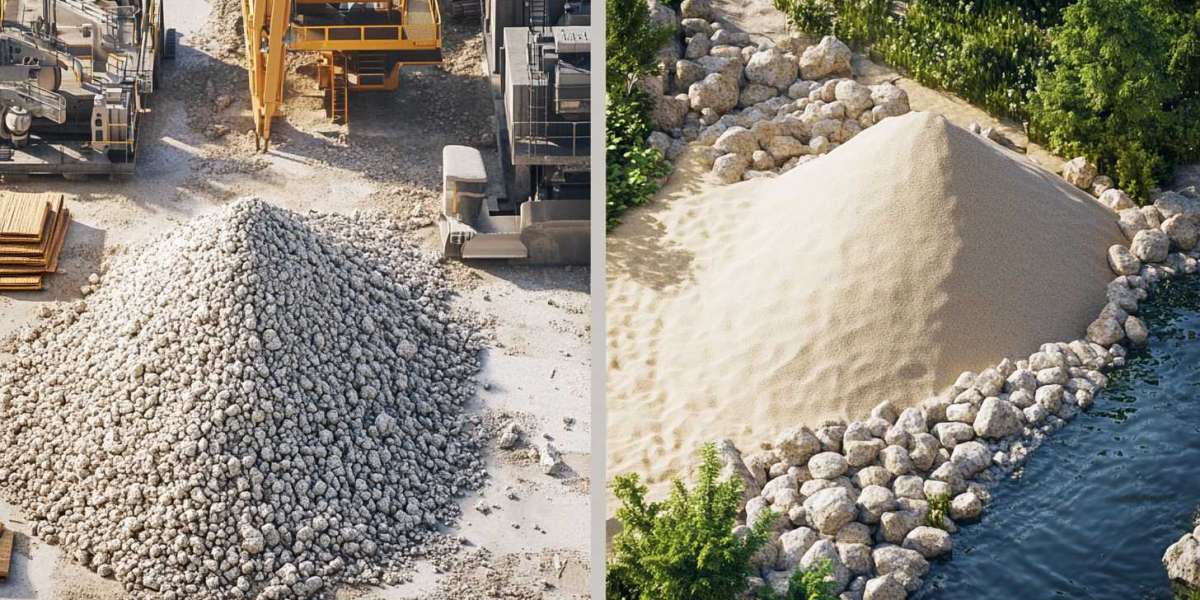
    River Sand vs Machine Sand

    River Sand vs Machine Sand In Kenya, the choice of sand can make or break a plastering project. Plaster acts as a protective and aesthetic layer on walls, smoothing surfaces, preventing moisture ingress, and providing a base for paint. However, the quality, texture, and source of sand directly influence plaster strength, adhesion, and durability.

    Two of the most common sand types used in Kenyan construction are river sand and machine cut sand. Builders, homeowners, and contractors often debate which one offers better results for wall plastering, especially in regions like Nairobi, Mombasa, Kajiado, and Machakos.

    This guide explores the technical properties, advantages, and disadvantages of river sand versus machine sand in the Kenyan context. We also cover sourcing considerations, plastering techniques, preparation, and best practices to achieve strong, crack-free walls.


    Understanding Sand Types

    Sand is a granular material essential for concrete, mortar, and plastering. Its shape, particle size, and cleanliness determine workability, water retention, and bonding strength.

    River Sand

    • Naturally sourced from riverbeds

    • Fine and rounded grains

    • Smooth texture ideal for troweling

    • Traditionally favored for plastering

    Machine Cut (Crushed) Sand

    • Produced by crushing hard stones using machinery

    • Angular, rough-textured particles

    • More abrasive than river sand

    • Increasingly popular due to river sand scarcity

    Each type has unique properties that affect plaster adhesion, shrinkage, and finish quality.


    Key Properties Affecting Plastering

    1. Grain Shape and Texture

    • River Sand: Rounded grains allow for smooth plaster surfaces but may reduce mechanical bonding due to lower angularity.

    • Machine Sand: Angular grains create better interlocking with cement paste, increasing bond strength, though finishing requires careful troweling to avoid rough patches.

    2. Particle Size Distribution

    • Well-graded sand ensures proper cement-sand ratio and minimizes shrinkage.

    • Machine sand often requires sieving to remove fine dust that can affect water-cement ratio.

    3. Moisture Content

    • Excess moisture in river sand can alter mix ratios.

    • Machine sand is typically dry, making mix proportions more consistent.


    Advantages and Disadvantages

    Property River Sand Machine Cut Sand
    Availability Traditionally abundant but increasingly scarce Easily manufactured locally
    Workability Smooth and easy to trowel Requires more effort for smooth finishing
    Bond Strength Lower due to rounded grains Higher due to angular grains
    Cost Higher in urban centers Generally lower and stable
    Environmental Impact Sand dredging causes ecological harm Controlled quarrying, less environmental disruption

    River Sand vs Machine Sand: Local Context in Kenya

    Sourcing sand in Kajiado and Machakos presents unique challenges.
    River sand is often transported from distant rivers, increasing cost and delivery time. Environmental regulations around sand dredging have tightened to protect ecosystems. In contrast, machine cut sand can be sourced from local quarries in Kajiado hills or Machakos highlands, reducing transport costs, supporting local industry, and ensuring a consistent supply for large-scale housing projects.

    Builders in semi-arid counties such as Kajiado must also consider the dryness and fineness of sand to prevent excessive water absorption in plaster mixes, which can cause cracking as the plaster cures. Machine sand’s angular particles allow for better structural bonding even under these conditions.


    Step-by-Step Plastering Guide Using Either Sand

    Proper preparation and technique ensure optimal plaster strength regardless of sand type.

    Step 1: Surface Preparation of River Sand vs Machine Sand

    • Remove dust, debris, and loose material from walls

    • Apply a bonding slurry (cement paste or sand-cement slurry) for better adhesion

    • For old walls, roughen the surface lightly with a wire brush


    Step 2: Mixing Plaster

    • Standard mix ratio: 1 part cement : 4–6 parts sand (depending on sand type and desired strength)

    • Add clean water gradually to achieve a workable paste

    • For machine sand, sieve out fine dust to prevent weak points

    Using high-quality cement from Ngong Hills Merchants ensures consistency and durability.


    Step 3: Application

    • Apply the first coat (scratch coat) 10–12 mm thick

    • Use a straight edge or trowel to level the surface

    • For rounded river sand, ensure adequate pressing to achieve mechanical bond

    • For angular machine sand, extra attention is required to smooth rough texture


    Step 4: Curing

    • Mist walls lightly with water for 7–14 days

    • Avoid rapid drying under direct sun to prevent cracks

    • Cover freshly plastered walls with damp hessian if necessary

    Curing is critical in dry counties like Machakos to maintain plaster strength.


    Step 5: Finishing Coat

    • Apply a 3–5 mm finishing coat for smooth appearance

    • Fine river sand works well for high-gloss finish

    • Machine sand may require additional smoothing with a finishing trowel


    Comparative Performance in Kenyan Conditions

    Feature River Sand Machine Sand
    Crack Resistance Moderate; prone to shrinkage cracks High; better interlocking reduces cracks
    Smooth Finish Excellent; easy troweling Slightly rough; may need extra finishing work
    Suitability for Coastal Regions Good if washed to remove salts Excellent; reduces risk of salt-related efflorescence
    Structural Strength Adequate for small residential walls Ideal for heavy-duty plastering and multi-storey structures

    Environmental and Sustainability Considerations

    Kenya has increasingly regulated sand mining due to ecological concerns. Using machine cut sand:

    • Reduces riverbed degradation

    • Supports sustainable quarrying practices

    • Allows controlled particle size for better quality plaster

    River sand, while traditional, requires careful sourcing to comply with environmental standards, particularly in ecologically sensitive areas near rivers in Machakos and Kajiado.


    Cost Considerations

    • River Sand: Higher in urban centers due to transport from distant sources

    • Machine Sand: Local production keeps prices stable and reduces reliance on transport

    For large plastering projects, machine sand often provides the most economical and consistent solution.


    Common Mistakes to Avoid

    1. Using sand with excessive clay or silt

    2. Skipping sieving of machine sand fine dust

    3. Applying plaster too thickly in a single coat

    4. Poor surface preparation or inadequate bonding slurry

    5. Ignoring curing requirements, especially in dry climates

    Proper technique ensures durability regardless of sand type.


    Typical Applications in Kenya

    • Residential wall plastering in Nairobi and Machakos

    • Commercial buildings in Kajiado and Kisumu

    • Schools, hospitals, and government structures requiring strong, crack-resistant plaster

    • Renovation projects needing consistent material quality

    Using machine sand in regions with limited river sand availability ensures timely project completion without compromising quality.


    Conclusion

    Choosing between river sand vs machine sand Kenya depends on availability, budget, and project requirements.

    • River sand provides smooth finishes ideal for decorative plastering but is increasingly scarce and costly.

    • Machine cut sand offers better bond strength, crack resistance, and environmental sustainability, making it an excellent choice for modern construction across Kenya, especially in Kajiado and Machakos.

    By following proper plastering techniques—including surface preparation, correct mix ratios, application, and curing—you can achieve durable, crack-free walls regardless of sand type.

    For high-quality materials suitable for Kenyan construction, explore the Ngong Hills Merchants products and ensure your plastering projects are strong, reliable, and long-lasting.

  • Mabati Buying Guide: Box Profile vs. Corrugated Roofing Sheets

    Mabati Buying Guide: Box Profile vs. Corrugated Roofing Sheets

    Choosing The Right roofing material for Your Home

    Choosing the right roofing material is one of the most critical decisions when constructing or renovating a home in Kenya. The roof protects your home from heavy rains, intense sun, and wind, while also contributing to the overall aesthetic of your property. Among the most popular roofing options in Kenya are mabati sheets, specifically box profile vs corrugated mabati. Both types have their unique advantages, disadvantages, and applications depending on your climate, budget, and architectural style.

    Kenyan homeowners, contractors, and developers often debate which profile offers the best balance of durability, cost, and appearance. This guide provides a comprehensive, technical comparison between box profile and corrugated roofing sheets. It also covers installation practices, maintenance tips, and regional considerations for optimal performance.

    Whether you are roofing a coastal home in Mombasa, a highland bungalow in Nairobi, or a lakeside house in Kisumu, understanding the properties of these roofing materials ensures long-term protection and value.

    For an expanded selection of high-quality roofing sheets, explore our Roofing Materials page.


    Understanding Roofing Profiles

    Roofing sheets differ not only in material but also in profile, which influences structural strength, water drainage, and aesthetics.

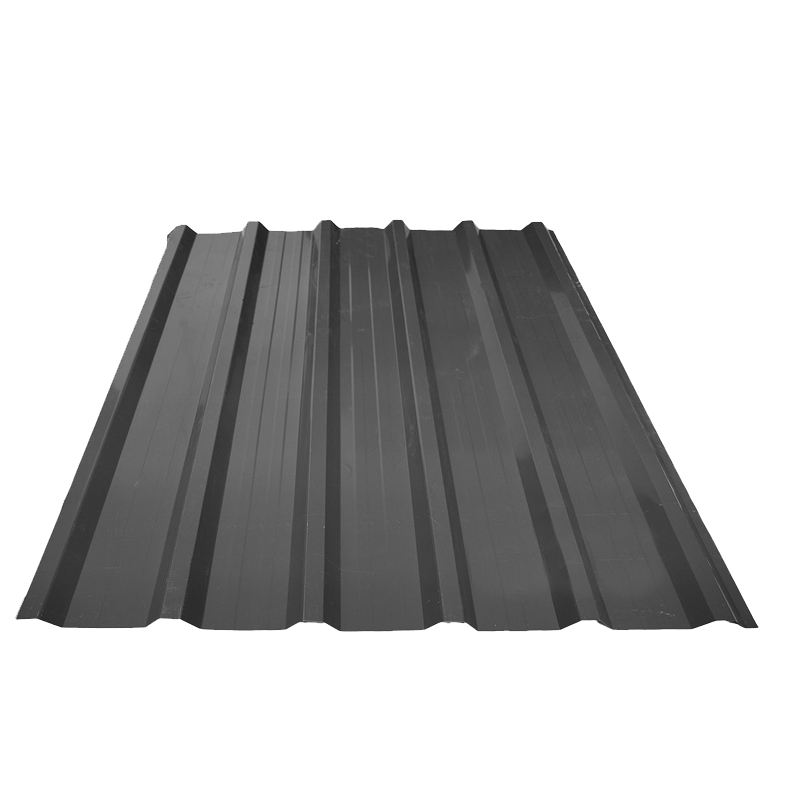
    • Box Profile Mabati: Characterized by squared-off corrugations, offering a flat, modern appearance with higher load-bearing capacity.

    • Corrugated Mabati: Features traditional wavy patterns that are lightweight, flexible, and widely used in both urban and rural homes.

    The profile affects not just visual appeal but also performance under Kenyan weather conditions.


    Box Profile vs Corrugated Mabati: Technical Comparison

    When evaluating box profile vs corrugated mabati, consider the following key parameters: durability, load-bearing capacity, water shedding efficiency, cost, and installation ease.

    1. Material Thickness and Strength

    • Box Profile: Typically available in thicker gauges (0.35mm–0.50mm). Provides superior strength and is ideal for larger spans without intermediate support.

    • Corrugated: Commonly thinner (0.25mm–0.35mm). Lighter but may require additional support structures for wide roofs.

    Thicker box profile sheets resist denting from hail or debris more effectively, making them suitable for areas like the central highlands and Nairobi suburbs where occasional hail can occur.


    2. Load-Bearing Capacity

    Box profile mabati can withstand heavier loads due to its squared ribs. This makes it ideal for:

    • Multi-storey houses

    • Roofs with high wind exposure

    • Regions receiving occasional snowfall or hail (rare but occasionally in Kenyan highlands)

    Corrugated sheets, while strong, are more flexible and prone to bending under concentrated weight. They are better suited for small-scale residential roofs or temporary structures.


    3. Water Drainage and Rain Handling

    Efficient water drainage is crucial in Kenya, especially during the long rainy season.

    • Box Profile: Flat sections require steeper pitches to avoid water pooling. Excellent for modern homes with gutters and rainwater harvesting systems.

    • Corrugated: Wavy profile naturally channels water downhill, reducing pooling even on moderate roof pitches.

    In high-rainfall areas like Kisumu, corrugated mabati often performs better in traditional pitched roofs, while box profile requires precise installation and gutter alignment.


    4. Aesthetic Considerations

    • Box Profile: Clean, contemporary lines suit modern urban homes. Works well for minimalist designs in Nairobi, Mombasa, and Eldoret.

    • Corrugated: Traditional wavy appearance blends with rural and coastal housing styles. Offers a familiar Kenyan aesthetic.

    Color choice further affects heat reflection, with lighter colors reducing indoor temperatures in sunny regions. High-quality coated sheets from the paints and coatings category improve longevity and reduce corrosion.


    5. Installation Complexity

    • Box Profile: Installation requires careful alignment and more precision due to its flat sections. Improper placement can lead to leaks. Recommended for professional installers.

    • Corrugated: Easier for DIY or semi-skilled workers. The wavy design provides natural overlap, reducing risk of water infiltration.

    Professional tools, including power drills and fasteners, ensure secure installation and longevity for both profiles.


    6. Cost Comparison

    Box profile sheets are generally more expensive due to:

    • Thicker gauge

    • Modern aesthetic

    • Higher structural strength

    Corrugated mabati remains a cost-effective option for budget-conscious projects, rural housing, and small workshops.


    7. Durability and Environmental Performance

    Both profiles are made from galvanized steel or color-coated materials. Durability depends on:

    • Quality of zinc coating

    • Paint or enamel layer

    • Exposure to coastal humidity or acidic rainfall

    Box profile sheets tend to resist denting and deformation better, while corrugated sheets excel in high-wind areas due to flexibility.


    Regional Considerations in Kenya

    Kenya’s diverse climate affects roof material performance.

    Coastal Region – Mombasa

    • High humidity, salt-laden air, and strong UV

    • Both profiles require corrosion-resistant coatings

    • Box profile preferred for modern homes with precise guttering

    Lake Region – Kisumu

    • Heavy rainfall requires excellent water drainage

    • Corrugated sheets are ideal for traditional pitched roofs

    Central Highlands – Nairobi, Eldoret, Limuru

    • Occasional hail and strong sun exposure

    • Box profile offers higher load-bearing capacity and durability


    Installation Best Practices

    Proper installation ensures that mabati sheets perform for 10–20 years.

    1. Measure and plan roof layout to minimize cuts and overlaps.

    2. Install appropriate support purlins according to sheet thickness.

    3. Use corrosion-resistant screws and fasteners to prevent rust.

    4. Maintain correct sheet overlap (usually 100–150mm for corrugated; 50–100mm for box profile).

    5. Align sheets carefully to avoid gaps that allow water ingress.

    6. Seal ridges and valleys with appropriate roofing tape or sealant.

    Tools like sledge hammers and hand riveters help secure flashings and ridge caps properly.


    Maintenance Tips for Longevity

    • Regularly inspect for rust spots or loose screws

    • Clean debris to prevent water pooling

    • Repaint using high-quality roof paints for extra protection

    • Replace damaged sheets promptly to avoid leaks

    Proper maintenance is particularly important in coastal towns and industrial areas with high pollution.


    Common Mistakes to Avoid

    1. Choosing a profile without considering local rainfall or wind exposure

    2. Skipping the underlayment or insulation layer

    3. Using low-quality fasteners that corrode quickly

    4. Painting over improperly cleaned surfaces

    5. Incorrect sheet overlap leading to leaks

    Avoiding these mistakes ensures long-term protection and performance.


    Typical Applications in Kenya

    Box Profile Mabati

    • Modern residential homes

    • Commercial buildings and showrooms

    • Multi-storey structures

    • Roofs with heavy load requirements

    Corrugated Mabati

    • Rural housing

    • Garages and workshops

    • Temporary structures

    • Pitched roofs with high rainfall areas

    Choosing the right profile depends on your project type, aesthetic preference, and structural requirements.


    Conclusion

    Choosing between box profile vs corrugated mabati involves balancing durability, cost, water drainage, aesthetics, and installation complexity. Box profile sheets offer modern aesthetics, superior strength, and are ideal for urban developments. Corrugated sheets are cost-effective, flexible, and excel in traditional roof designs and rural applications.

    For high-quality roofing sheets suitable for all Kenyan conditions, visit the Roofing Materials page. Our experts can guide you on the best profile and gauge for your project, ensuring long-lasting protection for your home or commercial building.

    Upgrade your roof with the right mabati profile today and invest in durability, aesthetics, and peace of mind for years to come.

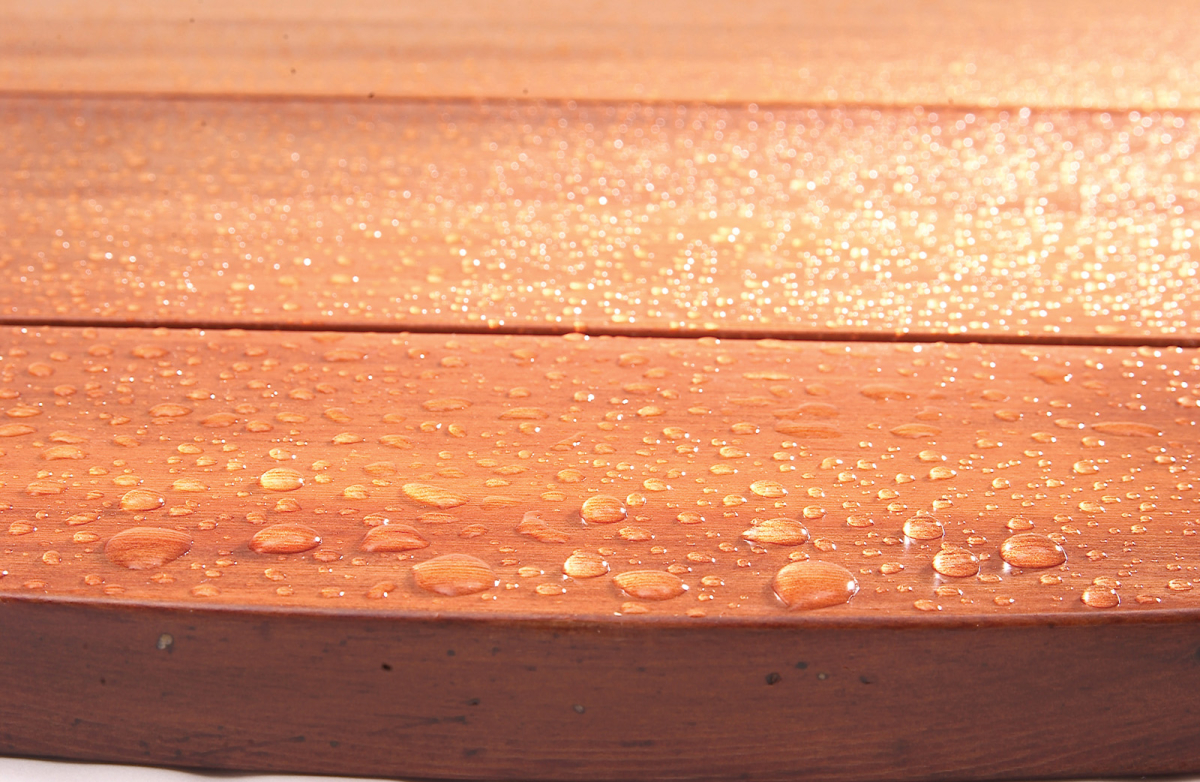
  • How to Apply Clear Wood Varnish for Outdoor Furniture

    How to Apply Clear Wood Varnish for Outdoor Furniture

    Applying Clear wood Varnish

    Outdoor wooden furniture, doors, pergolas, and decks add warmth and character to Kenyan homes. However, exposure to intense sun, heavy rainfall, coastal humidity, and dust can quickly degrade untreated timber. Without proper protection, wood may crack, fade, warp, or develop mold. Applying clear wood varnish Kenya is one of the most effective ways to preserve both the appearance and structural integrity of exterior timber.

    In regions such as Mombasa, where UV radiation and salt-laden air are constant threats, and in highland towns like Nairobi or Limuru where temperature fluctuations affect wood movement, a high-quality varnish creates a protective barrier against moisture and sunlight. Whether you are refinishing a hardwood front door or protecting patio furniture in Kisumu, understanding the correct preparation and application techniques ensures long-lasting results.

    This detailed guide explains the types of exterior varnishes available, environmental considerations in Kenya, step-by-step application methods, drying times, maintenance tips, and answers to common questions homeowners frequently search online.


    Why Clear Wood Varnish Is Essential for Outdoor Timber

    Exterior wood is constantly exposed to moisture, ultraviolet radiation, and temperature changes. Clear varnish acts as a transparent protective shield. It enhances the natural grain of timber while providing durability against harsh environmental conditions.

    Key benefits include:

    • UV protection to reduce fading

    • Water resistance to prevent swelling and rot

    • Improved scratch resistance

    • Enhanced wood grain appearance

    • Easier cleaning and maintenance

    In coastal counties such as Mombasa and Malindi, high humidity increases the risk of fungal growth. A properly sealed surface reduces moisture penetration and extends the lifespan of wooden structures.

    To achieve reliable results, selecting high-quality products from the paints and wood finishes category ensures compatibility with Kenya’s climate.


    Types of Clear Wood Varnish Suitable for Kenyan Exteriors

    Not all varnishes are designed for outdoor exposure. Choosing the correct formulation is critical for durability.

    1. Polyurethane Varnish

    • Strong abrasion resistance

    • High durability

    • Suitable for doors and furniture

    Exterior-grade polyurethane provides strong UV resistance when properly formulated.


    2. Marine Varnish

    • Designed for high-moisture environments

    • Flexible to accommodate wood expansion

    • Excellent for coastal climates

    Marine varnish performs particularly well in humid areas like Kisumu and Mombasa.


    3. Acrylic Water-Based Varnish

    • Low odour

    • Faster drying

    • Easier cleanup

    Suitable for shaded patios and moderate climates, though oil-based varnishes often provide superior water resistance for heavy exposure.

    When purchasing clear wood varnish Kenya, always confirm it is rated for exterior use.


    Environmental Factors in Kenya That Affect Varnish Performance

    Kenya’s diverse climate requires careful product selection and application timing.

    Coastal Regions (Mombasa, Malindi)

    • High humidity

    • Salt exposure

    • Strong sunlight

    Use flexible, moisture-resistant varnishes and apply during dry weather.


    Lake Region (Kisumu)

    • Warm temperatures

    • Seasonal rains

    • Increased fungal risk

    Ensure surfaces are completely dry before application.


    Central Highlands (Nairobi, Limuru)

    • Cooler nights

    • Moderate sunshine

    • Occasional condensation

    Allow extended drying times during colder seasons.


    Step-by-Step Guide: How to Apply Clear Wood Varnish

    Proper preparation determines the longevity of the varnish finish. Skipping steps leads to peeling, bubbling, or uneven gloss.


    Step 1: Inspect and Prepare the Surface

    Check for:

    • Cracks

    • Old flaking varnish

    • Mold or mildew

    • Rough patches

    Remove old coatings by sanding. Mechanical sanding tools from the power tools section can speed up preparation for larger projects.


    Step 2: Clean the Wood Thoroughly

    Dust and dirt interfere with adhesion. Use suitable cleaning materials from the cleaning items category to wipe down the surface.

    Allow the wood to dry completely before proceeding.


    Step 3: Sand Smoothly

    Sand along the grain using medium-grit sandpaper, then finish with fine grit for a smooth surface.

    • Always sand in the direction of the grain

    • Remove all dust after sanding

    A smooth surface enhances final appearance and adhesion.


    Step 4: Stir the Varnish Properly

    Do not shake the container, as this introduces air bubbles. Stir gently until the mixture is uniform.


    Step 5: Apply the First Coat

    Using quality brushes or rollers from the miscellaneous tools section:

    • Apply thin, even coats

    • Work along the wood grain

    • Avoid over-brushing

    Thin coats dry more evenly and reduce bubbling.


    Step 6: Allow Proper Drying Time

    Drying times vary depending on temperature and humidity.

    Typical drying times in Kenya:

    • Touch dry: 4–6 hours

    • Recoat time: 12–24 hours

    • Full cure: 5–7 days

    In humid coastal areas, drying may take longer.


    Step 7: Light Sanding Between Coats

    Lightly sand with fine-grit paper between coats to ensure smoothness and adhesion.

    Apply at least two to three coats for exterior protection.


    Common Mistakes to Avoid

    1. Applying varnish in direct midday sun

    2. Coating damp or wet wood

    3. Skipping sanding between coats

    4. Applying thick layers

    5. Ignoring weather forecasts

    These errors often lead to peeling or uneven finishes.


    Maintenance Tips for Long-Lasting Protection

    Routine maintenance extends the life of your varnished surfaces.

    • Clean surfaces regularly

    • Inspect annually for cracks or dull areas

    • Lightly sand and recoat when sheen reduces

    • Avoid harsh chemical cleaners

    Outdoor furniture may require reapplication every 2–3 years depending on exposure intensity.


    Typical Applications in Kenya

    Clear varnish is commonly used for:

    • Front entrance doors

    • Patio furniture

    • Deck railings

    • Wooden gates

    • Pergolas

    • Window frames

    In coastal homes in Mombasa, marine-grade varnish protects against moisture damage. In Nairobi suburbs, varnished hardwood doors maintain their rich appearance despite fluctuating temperatures.

    For woodworking projects requiring assembly or repairs before varnishing, compatible bonding materials from the adhesives section ensure structural integrity.

    Across different regions, clear wood varnish Kenya remains a reliable solution for preserving outdoor timber aesthetics and strength.


    Frequently Asked Questions (FAQ)

    How long does wood varnish take to dry?

    In Kenya’s typical climate, varnish becomes touch dry within 4–6 hours. Recoating usually requires 12–24 hours. Full curing may take up to 7 days, depending on humidity and temperature.


    How many coats of clear varnish should I apply?

    For exterior wood, apply at least two to three coats. High-exposure areas such as doors facing direct sunlight may require an additional protective coat.


    Can I apply varnish over old varnish?

    Yes, but the surface must be lightly sanded to remove gloss and ensure proper adhesion. Any peeling areas should be fully removed before recoating.


    Is clear wood varnish waterproof?

    Exterior varnish is water-resistant, not fully waterproof. It protects against rain and moisture but should be maintained regularly to prevent degradation.


    When is the best time to apply varnish in Kenya?

    Apply varnish during dry weather with moderate temperatures. Avoid rainy seasons and extremely hot midday conditions.


    Conclusion

    Outdoor wooden surfaces in Kenya face constant exposure to sun, rain, humidity, and dust. Applying high-quality clear wood varnish Kenya protects against UV damage, moisture penetration, and surface wear while enhancing the natural beauty of timber.

    With proper preparation, thin even coats, and adequate drying time, varnish can significantly extend the life of wooden doors, patio furniture, and exterior structures. Regular maintenance ensures continued protection for years to come.

    Explore our complete range of exterior wood finishes and supplies here:

    shop

    For professional guidance on selecting the right varnish for your region and project, contact our expert team today:
    contact-us

    Protect your wood the right way—durable, beautiful, and built for Kenya’s climate.

  • Epoxy Flooring for Kenyan Garages and Workshops

    Epoxy Flooring for Kenyan Garages and Workshops

    Epoxy Flooring

    Concrete floors are common in Kenyan garages, workshops, warehouses, and light industrial spaces. While plain concrete is durable, it is also porous, dusty, prone to oil staining, and vulnerable to cracking under heavy mechanical loads. For homeowners, mechanics, fabricators, and contractors looking for a long-term upgrade, epoxy flooring in Kenya offers a practical and professional solution.

    Epoxy flooring transforms ordinary concrete into a seamless, high-strength, chemical-resistant surface that withstands vehicle traffic, dropped tools, oil spills, and frequent cleaning. In busy garages in Nairobi, automotive workshops in Kisumu, and coastal storage units in Mombasa, epoxy coatings significantly improve floor durability while enhancing cleanliness and safety.

    This comprehensive guide explains how epoxy flooring works, its benefits in Kenyan conditions, step-by-step application methods, drying times, cost considerations, and common mistakes to avoid. Whether you are upgrading a home garage or finishing a commercial workshop, understanding epoxy flooring in Kenya ensures you achieve maximum performance and long-term value.


    What Is Epoxy Flooring?

    Epoxy flooring is a two-component system consisting of resin and hardener that chemically react to form a rigid, durable plastic-like surface. Once cured, it bonds tightly to concrete, creating a seamless and highly resistant coating.

    Unlike ordinary paint, epoxy does not simply dry—it cures through a chemical reaction. This curing process produces:

    • High compressive strength

    • Excellent abrasion resistance

    • Chemical and oil resistance

    • Low porosity

    For Kenyan garages where vehicles leak oil or workshops handle machinery and tools, this level of durability is essential.

    To achieve optimal performance, it is critical to use quality epoxy resins and floor coating products designed for heavy-duty flooring applications.


    Why Epoxy Flooring Is Ideal for Kenyan Garages

    Garages and workshops in Kenya face heavy mechanical stress, dust accumulation, oil spills, and fluctuating temperatures. Epoxy coatings address these challenges effectively.

    1. Resistance to Oil and Chemicals

    Vehicle maintenance areas frequently experience oil drips, brake fluid spills, and cleaning solvents. Bare concrete absorbs these liquids, leading to permanent stains and gradual deterioration.

    Epoxy creates a non-porous barrier that prevents absorption, making cleaning easier and protecting the concrete beneath.


    2. Durability Under Heavy Loads

    In workshops handling engines, welding equipment, and heavy machinery, floors endure significant point loads. Properly installed epoxy flooring in Kenya provides:

    • Strong adhesion to concrete

    • Resistance to cracking under weight

    • Improved load distribution

    This is especially valuable for automotive repair shops in Nairobi’s industrial areas.


    3. Dust Reduction

    Concrete floors naturally generate dust as they wear down. This dust can damage equipment and create unhealthy indoor air conditions.

    Epoxy seals the surface, eliminating dust formation and creating a cleaner working environment.


    4. Moisture Resistance in Coastal Regions

    In humid cities like Mombasa, moisture vapor can rise through concrete slabs. High-quality epoxy systems resist moisture penetration, preventing peeling and delamination when correctly installed over dry, prepared surfaces.


    Types of Epoxy Flooring Systems

    Not all epoxy systems are the same. The right system depends on usage intensity and environmental conditions.

    Self-Leveling Epoxy

    • Smooth, seamless finish

    • Ideal for garages and showrooms

    • Provides uniform thickness

    High-Build Epoxy

    • Thicker coating

    • Greater impact resistance

    • Suitable for heavy workshops

    Epoxy Mortar Systems

    • Extremely durable

    • Used in industrial environments

    • Resists heavy machinery vibration

    For standard residential garages, a high-build system is typically sufficient.


    Step-by-Step Application Process

    Proper installation determines whether epoxy flooring lasts 2 years or 15 years. Surface preparation is the most critical stage.


    Step 1: Surface Inspection

    Check for:

    • Cracks in concrete

    • Oil contamination

    • Moisture issues

    • Uneven surfaces

    Repair structural cracks before coating.


    Step 2: Mechanical Surface Preparation

    Concrete must be roughened to allow epoxy bonding. This can be done using grinders or mechanical tools from the power tools category.

    The goal is to achieve a slightly textured profile for maximum adhesion.


    Step 3: Cleaning and Degreasing

    Remove:

    • Dust

    • Grease

    • Loose particles

    Use appropriate cleaning solutions from the cleaning items section to ensure the floor is completely clean and dry.

    Any contamination left behind can cause bonding failure.


    Step 4: Mixing Epoxy Resin and Hardener

    Epoxy flooring systems require precise mixing of resin and hardener in manufacturer-specified ratios.

    • Mix thoroughly using mechanical stirrers

    • Avoid whipping air into the mixture

    • Prepare only the quantity usable within the pot life

    Using compatible hardeners and epoxy systems ensures proper curing and strength development.


    Step 5: Application with Heavy-Duty Rollers

    Apply the mixed epoxy evenly across the surface using professional heavy-duty floor rollers.

    • Start from one corner and work systematically

    • Maintain consistent thickness

    • Use spiked shoes if walking over wet epoxy

    Rollers must be solvent-resistant and capable of handling thick coatings.


    Step 6: Curing and Drying Time

    Drying and curing times vary based on temperature and humidity.

    Typical curing timeline in Kenya:

    • Light foot traffic: 12–24 hours

    • Vehicle traffic: 48–72 hours

    • Full chemical cure: 5–7 days

    In cooler highland areas, curing may take slightly longer. In hot regions, working time may shorten due to faster chemical reactions.


    Environmental Performance in Kenyan Conditions

    Climate plays a major role in epoxy performance.

    Nairobi and Central Highlands

    • Moderate temperatures

    • Stable curing conditions

    • Ideal for controlled installations

    Mombasa and Coastal Areas

    • High humidity

    • Requires moisture testing before application

    • Proper ventilation is critical

    Kisumu and Lake Region

    • Warm temperatures

    • Good curing speed

    • Ensure slab dryness before coating

    Managing moisture and ventilation is essential to prevent bubbling or delamination.


    Cost Considerations for Epoxy Flooring in Kenya

    Cost depends on surface preparation, thickness, and material quality.

    Key factors influencing pricing:

    • Condition of concrete slab

    • Area size (square metres)

    • Type of epoxy system

    • Labour requirements

    While epoxy flooring in Kenya may have a higher upfront cost than ordinary floor paint, it significantly reduces maintenance expenses and repainting frequency.

    For commercial workshops, the return on investment is often realized within a few years due to reduced repairs and improved cleanliness.


    Typical Applications in Kenya

    Epoxy flooring is suitable for various residential and commercial spaces.

    Residential Garages

    • Protects concrete from vehicle wear

    • Enhances property value

    • Easier cleaning

    Automotive Workshops

    • Withstands oil spills and mechanical impact

    • Improves professional appearance

    Fabrication and Engineering Shops

    • Resists abrasion

    • Supports heavy equipment

    Warehouses

    • Reduces dust

    • Improves lighting reflection

    Across urban centres like Nairobi, Kisumu, and Mombasa, epoxy flooring in Kenya is becoming the preferred solution for durable workshop environments.


    Common Mistakes to Avoid

    1. Skipping surface grinding

    2. Applying epoxy over damp concrete

    3. Incorrect resin-to-hardener ratio

    4. Applying too thin or too thick

    5. Allowing dust contamination during curing

    Professional preparation and high-quality materials ensure long-term success.


    Maintenance and Longevity

    Properly installed epoxy floors can last 10–15 years or more.

    Maintenance tips:

    • Clean spills promptly

    • Avoid dragging sharp metal objects

    • Inspect annually for wear

    • Recoat high-traffic zones when needed

    Regular cleaning preserves gloss and slip resistance.

    Upgrade Your Garage the Right Way

    Concrete floors in Kenyan garages and workshops endure heavy stress, chemical exposure, and temperature fluctuations. Investing in high-quality epoxy flooring in Kenya transforms these spaces into durable, professional, and easy-to-maintain environments.

    With proper surface preparation, accurate resin and hardener mixing, and application using heavy-duty rollers, epoxy flooring delivers long-term protection and performance.

    Explore our range of epoxy systems and floor coating solutions at:
    shop

    For technical guidance, bulk purchases, or expert recommendations tailored to your project, contact our team today:
    contact-us

    Upgrade your garage or workshop with a floor built to withstand Kenya’s toughest demands.

  • The Best Roof Paint Colors for Heat Reflection in Kenya

    The Best Roof Paint Colors for Heat Reflection in Kenya

    Best Roof Paint Colors for Heat Reflection in Kenya

    Choosing the Best Roof Paint Colors in Kenya is one of the most practical ways to reduce indoor heat, improve comfort, and lower energy costs in both residential and commercial buildings. In Kenya’s climate—where strong sunlight and high daytime temperatures are common—roof surfaces can absorb significant heat and transfer it into living spaces.

    Without proper roof color selection, buildings become warmer, increasing the need for fans or air conditioning. However, heat-reflective roof paints can significantly reduce this effect by reflecting sunlight instead of absorbing it.

    At Ngong Hills Merchants, we support builders and homeowners with quality materials for long-lasting construction performance. You can explore reliable finishing solutions through our paints category designed for Kenyan conditions.


    Best Roof Paint Colors in Kenya: Why Roof Color Matters

    The importance of Best Roof Paint Colors in Kenya comes down to how surfaces interact with solar radiation.

    When sunlight hits a roof, it is either:

    • Reflected back into the atmosphere
    • Absorbed and converted into heat
    • Transferred into indoor spaces

    Light-colored roofs reflect more sunlight and absorb less heat, while dark colors absorb more heat and raise indoor temperatures significantly.

    Research shows that light reflective roofs can reflect a large portion of solar radiation, reducing cooling needs and improving indoor comfort in hot climates.


    Best Roof Paint Colors in Kenya: White as the Top Heat Reflector

    White is widely recognized as the most effective option in the Best Roof Paint Colors in Kenya category.

    White roofs reflect the highest amount of solar radiation, reducing roof surface temperature and indoor heat gain. They are especially effective in hot regions such as coastal and lowland areas.

    Advantages:

    • Maximum heat reflection
    • Lower indoor temperatures
    • Reduced energy costs
    • Best performance in hot climates

    However, white roofs may require more frequent cleaning due to visible dust and dirt accumulation.


    Best Roof Paint Colors in Kenya: Light Grey for Balanced Performance

    Light grey is one of the most practical choices in Best Roof Paint Colors in Kenya.

    It provides strong heat reflection while maintaining a modern and clean appearance. It also hides dirt better than pure white, making it ideal for urban homes and commercial buildings.

    Advantages:

    • Good heat reflection
    • Aesthetic appeal
    • Low maintenance appearance
    • Suitable for modern architecture

    Light grey is commonly used in Nairobi and surrounding urban developments where both appearance and performance matter.


    Best Roof Paint Colors in Kenya: Beige and Sand Tones

    Beige and sand tones are excellent options in the Best Roof Paint Colors in Kenya range, especially for semi-arid regions.

    These earthy shades reflect a good amount of sunlight while blending naturally with the environment.

    Advantages:

    • Moderate to high heat reflection
    • Natural aesthetic
    • Reduced glare compared to white
    • Suitable for rural and suburban homes

    These tones are popular in areas with dry climates and dusty conditions.


    Best Roof Paint Colors in Kenya: Light Blue and Pastel Shades

    Light blue and pastel shades also perform well in Best Roof Paint Colors in Kenya, especially when formulated with reflective pigments.

    They provide moderate heat reflection while offering a unique architectural appearance.

    Advantages:

    • Moderate heat reduction
    • Visually appealing
    • Suitable for residential designs
    • Works well in coastal regions

    These shades are often chosen for aesthetic balance rather than maximum thermal performance.


    Best Roof Paint Colors in Kenya: Aluminium Reflective Coatings

    Aluminium-based coatings are among the most efficient in Best Roof Paint Colors in Kenya for metal roofs.

    These coatings contain reflective particles that bounce back sunlight effectively, reducing heat absorption significantly.

    Advantages:

    • High infrared reflection
    • Excellent for metal roofs
    • Corrosion resistance
    • Long-lasting performance

    They are commonly used in industrial buildings, warehouses, and commercial structures.


    Best Roof Paint Colors in Kenya: Colours to Avoid in Hot Areas

    Not all colours are suitable when choosing the Best Roof Paint Colors in Kenya for heat reduction.

    Dark colours should generally be avoided in hot regions because they absorb more heat.

    Avoid:

    • Black
    • Dark brown
    • Deep green
    • Charcoal grey

    These colours increase roof temperature and transfer more heat into indoor spaces, making buildings warmer.


    Best Roof Paint Colors in Kenya: Regional Climate Considerations

    Kenya’s diverse climate affects the choice of Best Roof Paint Colors in Kenya.

    Coastal Regions (Mombasa, Malindi)

    • High humidity and intense sun
    • Best choice: White or aluminium reflective coatings

    Nairobi and Central Kenya

    • Moderate temperatures
    • Best choice: Light grey or beige

    Arid and Semi-Arid Regions

    • Strong sunlight and dry conditions
    • Best choice: Sand tones and reflective coatings

    Different regions require different levels of heat reflection for optimal performance.


    Best Roof Paint Colors in Kenya: Energy Efficiency Benefits

    Using the Best Roof Paint Colors in Kenya can significantly improve energy efficiency in buildings.

    Benefits include:

    • Reduced indoor temperatures
    • Lower electricity bills
    • Reduced dependence on cooling systems
    • Improved roof lifespan due to lower thermal stress

    Cool roof technology has been shown to reduce indoor temperatures and energy usage in hot climates.


    Best Roof Paint Colors in Kenya: Application and Maintenance Tips

    Even the Best Roof Paint Colors in Kenya require proper application to perform effectively.

    Key tips:

    • Clean roof surface thoroughly before painting
    • Apply primer for better adhesion
    • Use multiple thin coats instead of one thick coat
    • Recoat every few years depending on exposure

    Proper maintenance ensures long-term performance and consistent heat reflection.


    Conclusion: Choosing the Right Roof Paint Color in Kenya

    Selecting the Best Roof Paint Colors in Kenya is not just about aesthetics—it is about comfort, energy efficiency, and long-term building performance.

    White, light grey, beige, and aluminium coatings offer the best combination of heat reflection and durability. Dark colours should be avoided in hot climates due to higher heat absorption.

    For homeowners and builders, investing in the right roof paint is a simple but powerful way to improve indoor comfort and reduce long-term energy costs.


    Call To Action

    Your One-Stop Hardware Partner in Ngong

    Imagine completing your project with the right tools, the best materials, and expert advice. At Ngong Hills Merchants, we turn your DIY or construction vision into reality with a complete selection of plumbing, electrical, glass, and sanitary ware.

    Contact our team for a consultation and get the right supplies, right now.

    QUALITY HARDWARE & SUPPLIES IN NGONG

     Complete Range of Plumbing & Electrical

     Power Tools, Adhesives & Paints

     Glass, Framing & Sanitary Ware

     Serving Ngong, Karen, Matasia, Kiserian & beyond.

     Request Your Free Consultation: Ngong Hills Merchants

     Email: ngonghillsmerchants [at] gmail.com

     Phone: +254 715974811

     Visit Us: Ngong Township, Ngong, Kenya

     Website: https://ngonghillsmerchants.com/

  • Silk vs. Vinyl Matt Paint: Choosing Your Interior Finish

    Silk vs. Vinyl Matt Paint: Choosing Your Interior Finish

    Silk vs Vinyl Matt Paint Kenya: Choosing Your Interior Finish

    Choosing the right finish in Silk vs Vinyl Matt Paint Kenya is one of the most important decisions when painting interior walls. While colour often gets most of the attention, the finish determines how your walls look under light, how easy they are to clean, and how long they maintain their appearance.

    In Kenya’s residential and commercial buildings—from apartments in Nairobi to homes in Ngong and rental units across the country—these two finishes dominate interior design choices. Each has unique strengths depending on the room, lighting, and usage.

    At Ngong Hills Merchants, we support homeowners and contractors with quality finishing materials. You can explore reliable products in our paints category designed for Kenyan building conditions.


    Silk vs Vinyl Matt Paint Kenya: Understanding Interior Paint Finishes

    To properly compare Silk vs Vinyl Matt Paint Kenya, you first need to understand what paint finishes actually do.

    Paint finish refers to the level of sheen or reflectivity on a wall surface. It affects:

    • Light reflection
    • Washability
    • Durability
    • Appearance of wall imperfections

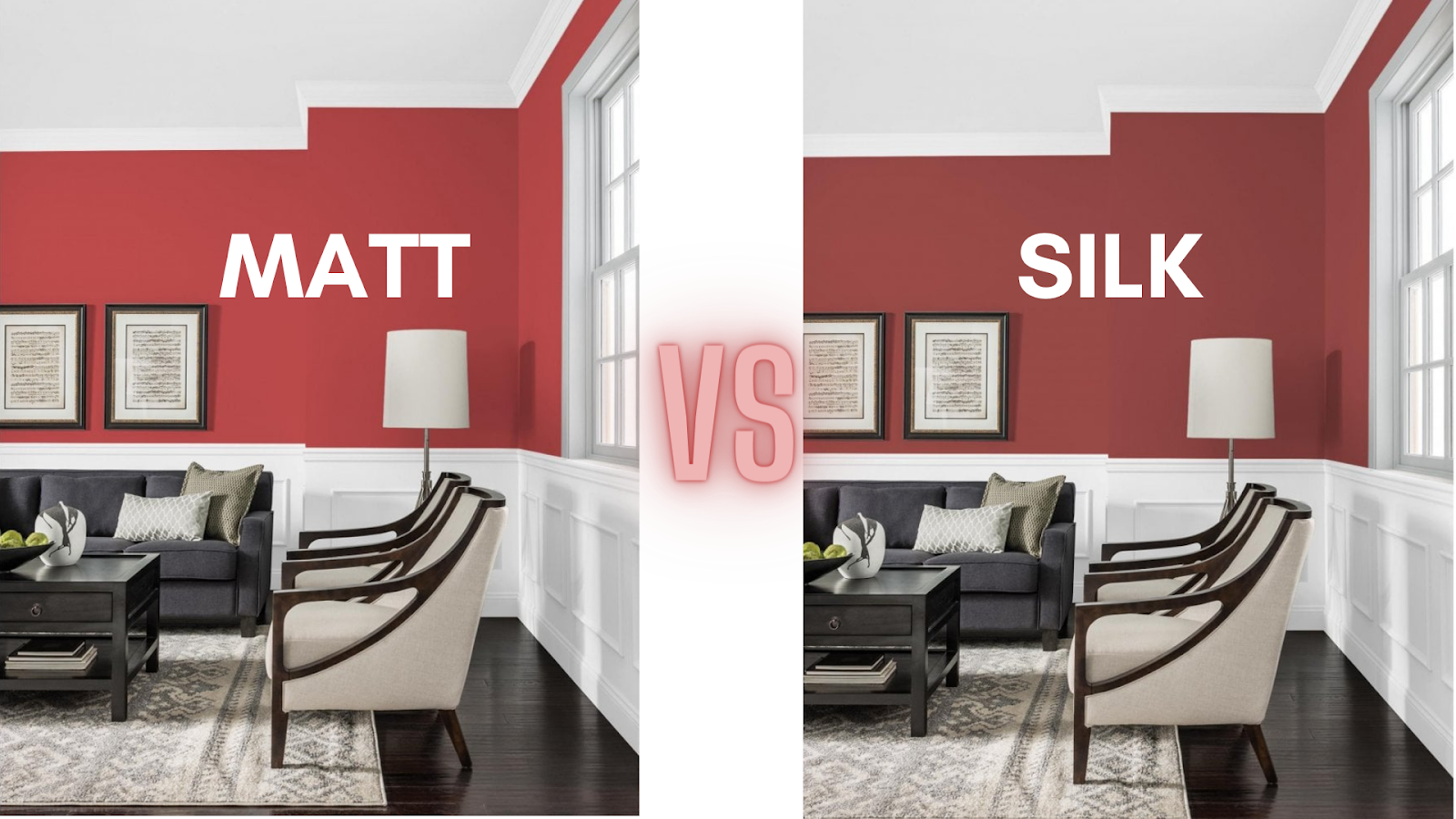
    Vinyl matt has a flat, non-reflective surface, while silk has a soft sheen that reflects light gently. This difference influences both aesthetics and performance.


    Silk vs Vinyl Matt Paint Kenya: What is Vinyl Matt Paint?

    Vinyl matt paint is a water-based emulsion that dries to a smooth, non-glossy finish. In Silk vs Vinyl Matt Paint Kenya, it is widely used for modern homes due to its clean, elegant appearance.

    Key characteristics:

    • Non-reflective finish
    • Hides wall imperfections well
    • Soft and smooth appearance
    • Modern minimalist look

    Vinyl matt is ideal for ceilings, bedrooms, and low-traffic living areas where durability is less critical than appearance.

    For proper wall preparation, you can also explore tools like our hand tools collection to achieve smoother finishing results.


    Silk vs Vinyl Matt Paint Kenya: What is Silk Paint?

    Silk paint has a soft sheen finish that reflects light more than vinyl matt. In Silk vs Vinyl Matt Paint Kenya, it is often chosen for its durability and easy cleaning properties.

    Key characteristics:

    • Slight reflective finish
    • Easier to clean
    • More durable than matt finishes
    • Brighter wall appearance

    Silk paint is commonly used in living rooms, kitchens, hallways, and rental units where walls are exposed to frequent contact.


    Silk vs Vinyl Matt Paint Kenya: Appearance and Aesthetic Differences

    A major factor in Silk vs Vinyl Matt Paint Kenya is how each finish affects room appearance.

    Vinyl matt:

    • Creates a smooth, soft look
    • Absorbs light
    • Hides imperfections better
    • Ideal for calm, modern interiors

    Silk:

    • Reflects light
    • Makes rooms appear brighter
    • Enhances space perception
    • Highlights wall imperfections slightly

    In smaller Kenyan apartments with limited natural light, silk can make rooms feel more open, while vinyl matt creates a more refined and subtle atmosphere.


    Silk vs Vinyl Matt Paint Kenya: Durability and Washability

    Durability is a key deciding factor in Silk vs Vinyl Matt Paint Kenya.

    Vinyl matt:

    • Less resistant to scrubbing
    • Better for low-contact areas
    • May mark more easily

    Silk:

    • Highly washable
    • Resistant to stains and fingerprints
    • Better for high-traffic areas

    For areas requiring stronger fittings and installations alongside painting, you can explore our fittings category for complementary construction materials.


    Silk vs Vinyl Matt Paint Kenya: Maintenance and Cleaning

    Maintenance requirements differ significantly in Silk vs Vinyl Matt Paint Kenya.

    Vinyl matt requires:

    • Gentle cleaning only
    • Careful handling to avoid marks
    • Occasional touch-ups

    Silk allows:

    • Wiping with damp cloth
    • Easier stain removal
    • Lower long-term maintenance effort

    This makes silk a preferred option in homes with children or rental properties where wall maintenance is frequent.


    Silk vs Vinyl Matt Paint Kenya: Cost Considerations

    Cost is another important factor in Silk vs Vinyl Matt Paint Kenya.

    Vinyl matt:

    • Generally more affordable
    • Suitable for large surface coverage
    • Cost-effective for ceilings and bedrooms

    Silk:

    • Slightly more expensive
    • Higher long-term value due to durability
    • Reduces repainting frequency

    For full interior renovation projects, many contractors combine both finishes to balance cost and performance.


    Silk vs Vinyl Matt Paint Kenya: Best Room Applications

    Different rooms require different performance levels in Silk vs Vinyl Matt Paint Kenya.

    Vinyl matt is best for:

    • Bedrooms
    • Ceilings
    • Formal living areas
    • Low-traffic rooms

    Silk is best for:

    • Hallways
    • Kitchens
    • Living rooms
    • Children’s rooms
    • Rental units

    For full home renovation projects, you can also explore our plumbing category when coordinating multi-trade finishing work.


    Silk vs Vinyl Matt Paint Kenya: Climate and Kenyan Conditions

    Kenya’s climate influences performance in Silk vs Vinyl Matt Paint Kenya.

    In humid coastal areas:

    • Silk performs better due to moisture resistance

    In dry regions:

    • Vinyl matt performs well with minimal moisture exposure

    In urban environments like Nairobi:

    • Both are widely used depending on room function

    Proper surface preparation ensures both finishes perform optimally regardless of location.


    Silk vs Vinyl Matt Paint Kenya: Common Mistakes to Avoid

    Many homeowners make mistakes when choosing between Silk vs Vinyl Matt Paint Kenya, including:

    • Choosing based only on price
    • Ignoring room usage
    • Applying silk on poorly prepared walls
    • Using matt in high-traffic areas

    Proper planning ensures longer-lasting results and better visual appeal.


    Conclusion: Which Is Better in Silk vs Vinyl Matt Paint Kenya?

    There is no universal winner in Silk vs Vinyl Matt Paint Kenya. Each finish serves a different purpose.

    • Vinyl matt is best for elegance, smoothness, and subtle interiors
    • Silk is best for durability, brightness, and easy maintenance

    The best approach is often a combination of both depending on room function and usage.


     Call To Action

    Your One-Stop Hardware Partner in Ngong

    Imagine completing your project with the right tools, the best materials, and expert advice. At Ngong Hills Merchants, we turn your DIY or construction vision into reality with a complete selection of plumbing, electrical, glass, and sanitary ware.

    Contact our team for a consultation and get the right supplies, right now.

    QUALITY HARDWARE & SUPPLIES IN NGONG

     Complete Range of Plumbing & Electrical

     Power Tools, Adhesives & Paints

     Glass, Framing & Sanitary Ware

     Serving Ngong, Karen, Matasia, Kiserian & beyond.

     Request Your Free Consultation: Ngong Hills Merchants

     Email: ngonghillsmerchants [at] gmail.com

     Phone: +254 715974811

     Visit Us: Ngong Township, Ngong, Kenya

     Website: https://ngonghillsmerchants.com/

  • Why You Should Never Skip Wall Primer Before Painting

    Why You Should Never Skip Wall Primer Before Painting

    Wall Primer Kenya: Why You Should Never Skip Wall Primer Before Painting

    Understanding the importance of Wall Primer Kenya is essential for anyone planning a painting project, whether for a home, office, or commercial building. Many people focus only on paint colour and finish, but they ignore one of the most critical steps—priming the wall before painting.

    Skipping primer may seem like a way to save time or money, but in reality, it often leads to poor paint adhesion, uneven finishes, and higher long-term costs due to frequent repainting.

    At Ngong Hills Merchants, we provide quality painting and surface preparation materials designed for long-lasting results. You can explore reliable options in our paints category for professional-grade finishes.


    Wall Primer Kenya: What Primer Actually Does

    To understand Wall Primer Kenya, you must first understand its role in painting.

    Wall primer is a preparatory coating applied before paint. It:

    • Seals porous surfaces
    • Improves paint adhesion
    • Creates a uniform base
    • Reduces paint absorption

    Without primer, paint is absorbed unevenly into the wall surface, leading to patchy and inconsistent colour results.

    Primer essentially acts as the foundation layer that determines how well your final paint performs.


    Wall Primer Kenya: Improves Paint Adhesion and Bonding

    One of the most important benefits of Wall Primer Kenya is improved adhesion.

    Primer creates a strong bonding layer between the wall surface and the paint. This ensures that paint sticks properly and does not peel or flake over time.

    Without primer:

    • Paint may peel early
    • Walls may develop bubbles
    • Surface finish becomes unstable

    With primer:

    • Paint bonds firmly
    • Finish lasts longer
    • Surface remains smooth

    This is especially important in Kenya’s varying climate conditions, where heat and humidity can affect wall surfaces.


    Wall Primer Kenya: Prevents Uneven Paint Absorption

    Walls are naturally porous, meaning they absorb liquids at different rates. This makes Wall Primer  essential for achieving a consistent finish.

    Primer seals the surface and ensures:

    • Even paint distribution
    • Uniform colour appearance
    • Reduced patchiness

    Without primer, some areas absorb more paint than others, leading to visible inconsistencies after drying.

    This is one of the most common problems in DIY painting projects across Kenya.


    Wall Primer Kenya: Reduces Overall Paint Consumption

    Using Wall Primer can significantly reduce the amount of paint needed for a project.

    Because primer seals the surface:

    • Less paint is absorbed into the wall
    • Fewer coats are required
    • Overall material cost decreases

    Although primer adds an initial cost, it reduces total paint usage, making it more cost-effective in the long run.

    For supporting construction materials, you can also explore our fittings category for complete finishing solutions.


    Wall Primer Kenya: Enhances Colour Accuracy and Finish

    A major advantage of Wall Primer  is improved colour accuracy.

    Primer creates a neutral base that allows paint colours to appear:

    • More vibrant
    • More consistent
    • True to shade

    Without primer, wall colours may appear dull or uneven due to interference from the original wall surface or previous paint layers.

    This is especially important for modern interior designs where colour precision matters.


    Wall Primer Kenya: Seals Stains and Wall Imperfections

    Another key benefit of Wall Primer  is its ability to seal stains and imperfections.

    Primer helps cover:

    • Water stains
    • Smoke marks
    • Old paint patches
    • Minor wall discoloration

    This creates a clean, uniform surface for painting.

    In older buildings or renovated spaces, this step is crucial for achieving a professional finish.


    Wall Primer Kenya: Increases Paint Durability

    Durability is a major reason why Wall Primer should never be skipped.

    Primer strengthens the bond between wall and paint, ensuring:

    • Longer-lasting finish
    • Resistance to peeling
    • Better protection against moisture

    For construction professionals, you can also explore our hand tools category for proper surface preparation tools.

    A properly primed wall can significantly extend the lifespan of your paint job.


    Wall Primer Kenya: Works on Different Wall Surfaces

    Different surfaces require proper priming, making Wall Primer  essential for versatility.

    Primer works effectively on:

    • Plastered walls
    • Concrete surfaces
    • Gypsum boards
    • Previously painted surfaces

    Each surface has different absorption levels, and primer ensures uniform performance across all types.


    Wall Primer Kenya: Common Mistakes People Make

    Many homeowners and contractors make mistakes when dealing with Wall Primer  such as:

    • Skipping primer on new walls
    • Using low-quality primer products
    • Applying paint too soon after priming
    • Not matching primer type to wall surface

    These mistakes often lead to poor paint performance and early deterioration.


    Wall Primer Kenya: Professional vs DIY Application

    In professional painting projects, Wall Primer is always treated as a mandatory step.

    Professionals:

    • Apply primer evenly
    • Allow proper drying time
    • Match primer type to paint system

    DIY users sometimes skip or rush this step, leading to uneven results.

    For plumbing-related finishing coordination, you can explore our plumbing category for integrated renovation projects.


    Wall Primer Kenya: Cost vs Long-Term Value

    While some may view Wall Primer as an extra cost, it actually saves money over time.

    Benefits include:

    • Reduced paint usage
    • Fewer repainting cycles
    • Lower maintenance costs
    • Longer-lasting finishes

    This makes primer one of the most cost-effective steps in any painting project.


    Conclusion: Why Wall Primer Kenya Is Essential

    Skipping Wall Primer  is one of the biggest mistakes in painting projects. Primer ensures strong adhesion, uniform colour, better durability, and long-term cost savings.

    Whether you are painting a new home or renovating an old building, primer is not optional—it is essential for professional-quality results.


    Call To Action

    Your One-Stop Hardware Partner in Ngong

    Imagine completing your project with the right tools, the best materials, and expert advice. At Ngong Hills Merchants, we turn your DIY or construction vision into reality with a complete selection of plumbing, electrical, glass, and sanitary ware.

    Contact our team for a consultation and get the right supplies, right now.

    QUALITY HARDWARE & SUPPLIES IN NGONG

     Complete Range of Plumbing & Electrical

     Power Tools, Adhesives & Paints

     Glass, Framing & Sanitary Ware

     Serving Ngong, Karen, Matasia, Kiserian & beyond.

     Request Your Free Consultation: Ngong Hills Merchants

     Email: ngonghillsmerchants [at] gmail.com

     Phone: +254 715974811

     Visit Us: Ngong Township, Ngong, Kenya

     Website: https://ngonghillsmerchants.com/

  • Best Ceramic Tile Cleaner Kenya – Top Post-Construction Solutions

    Best Ceramic Tile Cleaner Kenya – Top Post-Construction Solutions

    Best Ceramic Tile Cleaner Kenya – Top Post-Construction Solutions

    Choosing the Best Ceramic Tile Cleaner Kenya is essential after any construction or renovation project. Once tiles are installed, they are often left with cement stains, grout haze, dust, adhesive residue, and строитель debris that cannot be removed with ordinary water and soap.

    In Kenya’s growing construction and real estate sector, especially in urban areas like Nairobi, Ngong, and Mombasa, post-construction cleaning has become a critical final step in delivering a polished, professional finish. Without proper cleaning, even high-quality tiles can look dull, stained, or poorly installed.

    At Ngong Hills Merchants, we support builders and homeowners with quality finishing and cleaning-related construction supplies. You can explore essential tools and materials through our cleaning items category designed for post-construction care.


    Best Ceramic Tile Cleaner Kenya: Why Post-Construction Cleaning Matters

    Understanding the importance of the Best Ceramic Tile Cleaner Kenya begins with recognizing what happens after tiling work.

    During installation, tiles are exposed to:

    • Cement residue
    • Grout haze
    • Adhesive stains
    • Dust and construction debris

    If not properly cleaned, these residues harden and become difficult to remove later. This affects both appearance and durability.

    Proper post-construction cleaning ensures:

    • A polished and professional finish
    • Longer tile lifespan
    • Better surface hygiene
    • Improved aesthetic appeal

    Best Ceramic Tile Cleaner Kenya: Cement and Grout Stain Removal

    One of the biggest challenges in Best Ceramic Tile Cleaner Kenya applications is removing cement and grout stains.

    Cement residue hardens quickly and bonds strongly to ceramic surfaces. Ordinary detergents are not effective against it.

    Effective cleaning solutions include:

    • Acid-based tile cleaners (mild formulations)
    • Specialized grout haze removers
    • Mechanical scrubbing with non-abrasive pads

    These solutions break down cement particles without damaging the tile surface when used correctly.


    Best Ceramic Tile Cleaner Kenya: Removing Adhesive and Glue Residue

    During installation, adhesives are often used to fix tiles in place. After drying, leftover glue can remain on tile surfaces.

    The Best Ceramic Tile Cleaner Kenya solutions for adhesive removal include:

    • Solvent-based tile cleaners
    • Warm water combined with mild detergents for fresh residue
    • Plastic scrapers for hardened spots

    Care must be taken to avoid scratching polished ceramic surfaces during removal.


    Best Ceramic Tile Cleaner Kenya: Dust and Fine Construction Debris

    Construction dust is one of the most common issues after tiling, making Best Ceramic Tile Cleaner Kenya essential for final finishing.

    Fine dust particles settle into grout lines and tile textures, making surfaces look dull.

    Effective cleaning approach:

    • Dry vacuuming first
    • Followed by damp mopping
    • Use microfiber cloths for polishing

    This ensures that dust is fully removed without spreading it further across the surface.


    Best Ceramic Tile Cleaner Kenya: Choosing Safe Cleaning Chemicals

    Safety is a key factor when selecting the Best Ceramic Tile Cleaner Kenya.

    Not all cleaners are suitable for ceramic tiles. Harsh chemicals can damage tile glaze or discolor grout lines.

    Safe cleaning products should:

    • Be tile-safe and non-corrosive
    • Be suitable for glazed ceramic surfaces
    • Have balanced pH levels

    Always test cleaning solutions on a small hidden area before full application.

    For supporting installation work, you can also explore our adhesive category for reliable bonding materials used during tiling projects.


    Best Ceramic Tile Cleaner Kenya: Manual vs Machine Cleaning Methods

    In professional post-construction work, Best Ceramic Tile Cleaner Kenya involves both manual and mechanical methods.

    Manual cleaning:

    • Scrubbing with brushes or pads
    • Ideal for small residential projects
    • More controlled and precise

    Machine cleaning:

    • Floor polishers and scrubbers
    • Used in large commercial buildings
    • Faster and more efficient

    The choice depends on project size and level of contamination.


    Best Ceramic Tile Cleaner Kenya: Common Cleaning Mistakes

    Many contractors and homeowners make mistakes when selecting the Best Ceramic Tile Cleaner Kenya, such as:

    • Using overly acidic cleaners that damage tiles
    • Delaying cleaning until stains harden
    • Using metal scrapers on ceramic surfaces
    • Skipping grout line cleaning

    These mistakes often lead to permanent surface damage or reduced tile lifespan.


    Best Ceramic Tile Cleaner Kenya: Floor vs Wall Tile Cleaning

    Different surfaces require different approaches in Best Ceramic Tile Cleaner Kenya applications.

    Floor tiles:

    • Experience heavy traffic
    • Require deep scrubbing
    • More exposure to dirt and stains

    Wall tiles:

    • Require gentle cleaning
    • Focus on stain removal and polishing
    • Less abrasive methods used

    Understanding this difference ensures proper cleaning without damage.


    Best Ceramic Tile Cleaner Kenya: Water Quality and Cleaning Efficiency

    Water quality plays an important role in Best Ceramic Tile Cleaner Kenya performance.

    Hard water can leave mineral deposits on tiles, reducing shine even after cleaning. Soft or filtered water improves cleaning results and prevents residue buildup.

    In many Kenyan urban areas, water quality varies, making proper rinsing techniques important.


    Best Ceramic Tile Cleaner Kenya: Tools Used in Professional Cleaning

    Professional post-construction cleaning uses specific tools to achieve the best results in Best Ceramic Tile Cleaner Kenya applications.

    Common tools include:

    • Microfiber cloths
    • Soft-bristle brushes
    • Floor scrubbers
    • Rubber squeegees
    • Mop systems

    For construction and finishing support tools, you can also explore our hand tools category for job site efficiency.


    Best Ceramic Tile Cleaner Kenya: Long-Term Maintenance After Cleaning

    Once post-construction cleaning is complete, maintaining results is important.

    To preserve tile quality:

    • Clean spills immediately
    • Avoid abrasive cleaners
    • Mop regularly with mild detergents
    • Re-seal grout lines if necessary

    This helps maintain the appearance achieved using the Best Ceramic Tile Cleaner Kenya solutions.


    Conclusion: Choosing the Best Ceramic Tile Cleaner Kenya

    Selecting the Best Ceramic Tile Cleaner Kenya is essential for achieving a professional, polished finish after construction or renovation.

    From removing cement stains and adhesive residue to polishing and maintaining tile surfaces, proper cleaning ensures long-term durability and visual appeal.

    Investing in the right cleaning methods and tools guarantees that ceramic tiles retain their beauty and value for years.


    Call To Action

    Your One-Stop Hardware Partner in Ngong

    Imagine completing your project with the right tools, the best materials, and expert advice. At Ngong Hills Merchants, we turn your DIY or construction vision into reality with a complete selection of plumbing, electrical, glass, and sanitary ware.

    Contact our team for a consultation and get the right supplies, right now.

    QUALITY HARDWARE & SUPPLIES IN NGONG

     Complete Range of Plumbing & Electrical

     Power Tools, Adhesives & Paints

     Glass, Framing & Sanitary Ware

     Serving Ngong, Karen, Matasia, Kiserian & beyond.

     Request Your Free Consultation: Ngong Hills Merchants

     Email: ngonghillsmerchants [at] gmail.com

     Phone: +254 715974811

     Visit Us: Ngong Township, Ngong, Kenya

     Website: https://ngonghillsmerchants.com/

  • What Size Solar Battery Do You Need for Backup Lighting?

    What Size Solar Battery Do You Need for Backup Lighting?

    Solar Battery Size for Lighting Kenya: What Size Do You Really Need for Backup Lighting?

    Understanding the correct Solar Battery Size for Lighting Kenya is one of the most important steps when designing a reliable solar backup lighting system for homes, offices, shops, and rental units. In Kenya, where power interruptions can happen unexpectedly, having the right battery size ensures your lights stay on when the grid goes down.

    Many people either oversize or undersize their solar batteries. An undersized system runs out of power quickly, while an oversized system increases unnecessary cost. The correct approach is to match energy consumption, backup duration, and system efficiency.

    At Ngong Hills Merchants, we support complete electrical and solar installations. You can explore essential system components in our electrical category and find installation materials in our fittings category for complete system setup.


    Solar Battery Size for Lighting Kenya: Understanding Your Lighting Load

    To correctly size Solar Battery Size for Lighting Kenya, you must first calculate your total lighting load.

    This includes:

    • Number of bulbs in the system
    • Wattage per bulb
    • Number of hours used daily

    For example:

    • 6 LED bulbs × 10W = 60W total load
    • Used for 8 hours = 480Wh daily consumption

    LED lighting is widely recommended in Kenya because it reduces total energy demand significantly while improving efficiency.

    For installation support tools, you can explore our hand tools collection used by electricians and solar technicians.


    Solar Battery Size for Lighting Kenya: How Backup Time Affects Battery Size

    Backup duration is one of the most important factors in determining Solar Battery Size for Lighting Kenya.

    Common scenarios include:

    • 4–6 hours (evening lighting only)
    • 8–12 hours (overnight lighting)
    • 24 hours or more (full backup autonomy)

    The longer the backup requirement, the larger the battery capacity needed. This is why understanding usage patterns is critical before purchasing a system.


    Solar Battery Size for Lighting Kenya: Basic Sizing Formula Explained

    A simple formula helps estimate Solar Battery Size for Lighting Kenya:

    Battery Capacity (Wh) = Total Load (W) × Hours of Use ÷ Efficiency Factor

    Efficiency losses typically range between 10%–20%, depending on system quality.

    For related installation components, you can also explore our power tools category for reliable site equipment.


    Solar Battery Size for Lighting Kenya: Choosing the Right Voltage

    Voltage selection plays a major role in Solar Battery Size for Lighting Kenya system performance.

    Common configurations include:

    • 12V systems → small homes and basic lighting
    • 24V systems → medium homes and shops
    • 48V systems → large homes and commercial setups

    Higher voltage systems reduce energy loss and improve efficiency, especially in larger installations.


    Solar Battery Size for Lighting Kenya: Lithium vs Lead-Acid Batteries

    Battery type significantly affects Solar Battery Size for Lighting Kenya requirements.

    Lithium batteries:

    • High efficiency (80–95% usable capacity)
    • Long lifespan
    • Compact size
    • Higher upfront cost

    Lead-acid batteries:

    • Lower initial cost
    • Heavier and bulkier
    • Lower usable capacity (~50%)
    • Shorter lifespan

    Lithium batteries are increasingly preferred in modern Kenyan solar lighting systems due to efficiency and durability.

    For plumbing-related integrated projects, you can also explore our plumbing category for complete construction support.


    Solar Battery Size for Lighting Kenya: Depth of Discharge (DoD)

    Depth of Discharge is a critical factor in Solar Battery Size for Lighting Kenya design.

    • Lithium batteries allow deeper discharge (high usable energy)
    • Lead-acid batteries require limited discharge to extend lifespan

    Ignoring DoD leads to undersized systems and early battery failure.


    Solar Battery Size for Lighting Kenya: Solar Panel Matching

    Battery size alone is not enough. In Solar Battery Size for Lighting Kenya, solar panels must be correctly matched.

    If panels are too small:

    • Battery will not fully charge
    • Backup power becomes unreliable

    Proper system design ensures daily full recharge even under normal Kenyan weather conditions.


    Solar Battery Size for Lighting Kenya: Common Sizing Mistakes

    Many users make mistakes when calculating Solar Battery Size for Lighting Kenya, including:

    • Ignoring total wattage load
    • Not factoring in backup duration
    • Overlooking system losses
    • Choosing battery before load calculation
    • Mismatching solar panel capacity

    These mistakes often lead to system inefficiency or failure.


    Solar Battery Size for Lighting Kenya: Practical Example Calculation

    Example:

    • 60W total lighting load
    • 10 hours backup needed

    Calculation:

    • 60W × 10h = 600Wh
    • Add system losses → ~750Wh required

    This typically fits a 12V 100Ah lithium battery system for reliable backup lighting.

    For cleaning and maintenance after installation, you can also explore our cleaning items category for post-project upkeep tools.


    Solar Battery Size for Lighting Kenya: Best Practice Recommendations

    To correctly size Solar Battery Size for Lighting Kenya, follow these best practices:

    • Calculate total lighting load accurately
    • Add 20–30% safety margin
    • Prefer lithium batteries for efficiency
    • Match battery with correct solar panel capacity
    • Ensure proper installation materials and fittings

    Proper planning ensures long-lasting, efficient performance.


    Conclusion: Choosing the Right Solar Battery Size for Lighting Kenya

    Selecting the correct Solar Battery Size for Lighting Kenya ensures reliable backup lighting, improved energy efficiency, and long-term system stability.

    A properly sized system depends on load calculation, backup duration, battery type, voltage selection, and solar panel matching. When correctly designed, a solar lighting system provides dependable and cost-effective lighting even during prolonged power outages.


    Call To Action

    Your One-Stop Hardware Partner in Ngong

    Imagine completing your project with the right tools, the best materials, and expert advice. At Ngong Hills Merchants, we turn your DIY or construction vision into reality with a complete selection of plumbing, electrical, glass, and sanitary ware.

    Contact our team for a consultation and get the right supplies, right now.

    QUALITY HARDWARE & SUPPLIES IN NGONG

     Complete Range of Plumbing & Electrical

     Power Tools, Adhesives & Paints

     Glass, Framing & Sanitary Ware

     Serving Ngong, Karen, Matasia, Kiserian & beyond.

     Request Your Free Consultation: Ngong Hills Merchants

     Email: ngonghillsmerchants [at] gmail.com

     Phone: +254 715974811

     Visit Us: Ngong Township, Ngong, Kenya

     Website: https://ngonghillsmerchants.com/