Blog

  • The Ultimate Guide to Double Bowl Kitchen Sinks Kenya

    The Ultimate Guide to Double Bowl Kitchen Sinks Kenya

    Upgrading your kitchen is a major decision for homeowners in Kenya, balancing aesthetics, functionality, and long-term durability. Among the most important elements of this upgrade is selecting the right sink. Today, double bowl kitchen sinks Kenya are widely preferred by homeowners and contractors for their versatility, practical design, and compatibility with modern kitchens.

    Double bowl sinks allow simultaneous use for washing and food preparation, improving workflow efficiency. When paired with durable materials like stainless steel, these sinks offer long-lasting performance under Kenya’s variable water pressure, hard water conditions, and frequent use in both domestic and commercial settings.

    This comprehensive guide explores everything you need to know about double bowl kitchen sinks Kenya, including material selection, sizing, installation, maintenance, common mistakes, and practical applications in Kenyan homes. It also highlights products and accessories available through Ngong Hills Merchants to ensure your kitchen upgrade is both stylish and functional.

    Why Choose Double Bowl Kitchen Sinks in Kenya

    Double bowl sinks combine practicality and style, making them a preferred choice in Kenyan kitchens of all sizes.

    Functional Advantages

    1. Simultaneous Use: One bowl can handle dishwashing while the other manages food preparation.

    2. Organization: Separates clean and dirty tasks, reducing cross-contamination.

    3. Water Efficiency: Allows selective use of water for different tasks.

    For many homeowners in Nairobi, Mombasa, and Kisumu, a double bowl stainless steel sink is the solution for high-demand kitchens, whether in apartments, standalone homes, or commercial kitchens.

    Design Benefits

    • Sleek, modern look complements countertops like granite and quartz.

    • Stainless steel reflects light, enhancing visual space in smaller kitchens.

    • Compatible with both under-mount and top-mount installations.

    Choosing double bowl kitchen sinks Kenya is not just about functionality; it’s also about long-term value and aesthetics. For example, integrating accessories like drainer boards or cutting boards can further optimize workflow. You can explore compatible kitchen accessories through the miscellaneous category.

    Material Quality and Durability

    The material of your sink determines its lifespan, resistance to wear, and ability to withstand Kenya’s environmental conditions.

    Stainless Steel Kitchen Sinks

    • Most common choice for double bowl sinks.

    • Resistant to corrosion, staining, and heat.

    • Easy to clean and maintain, especially in areas with hard water.

    Key Specifications

    • Gauge: 18–16 gauge recommended for durability without excessive noise.

    • Finish: Brushed or satin finish minimizes visible scratches.

    • Edge Quality: Rolled edges prevent chipping and water seepage.

    Using premium stainless steel ensures that double bowl kitchen sinks Kenya perform reliably under high daily usage. Consider complementing installation with professional tools like the Ingco Hand Riveter 8 HR081 for securing brackets or supports.

    Sizing Your Double Bowl Sink

    Choosing the right sink size is critical to balance counter space, usability, and plumbing compatibility.

    Standard Dimensions

    • Width: 760–1000 mm

    • Depth: 400–500 mm

    • Bowl Depth: 180–220 mm

    Considerations for Kenyan Kitchens

    1. Countertop Size: Ensure sink fits without compromising preparation space.

    2. Cabinet Clearance: Double bowl sinks need wider base cabinets (minimum 900 mm recommended).

    3. Plumbing Access: Proper alignment with waste outlet prevents leaks and simplifies installation.

    For precision cutting and alignment, using tools like a Prescott Circular Saw 1400W PT0618505 can ensure accurate cabinetry adjustments.

    Installation Guidelines

    Correct installation is crucial for long-term functionality and avoiding water damage.

    Step-by-Step Guide

    1. Cabinet Preparation: Ensure cabinet base is level and reinforced for sink weight.

    2. Cutting the Countertop: Measure and cut accurately using appropriate saws or jigs.

    3. Position the Sink: Dry-fit to confirm alignment with faucet and waste outlet.

    4. Seal the Edges: Apply food-grade silicone around the sink perimeter to prevent water seepage.

    5. Connect Plumbing: Use high-quality P-traps, flexible hoses, and shut-off valves.

    For efficient installation, browse the plumbing category for pipes, fittings, and connectors.

    Common Mistakes to Avoid

    • Using inadequate cabinet reinforcement

    • Incorrectly sealing edges leading to leaks

    • Misaligned drain placement

    • Over-tightening fixtures causing deformation

    Proper installation ensures your double bowl kitchen sinks Kenya maintain both functionality and visual appeal for decades.

    Accessories and Functional Enhancements

    Enhancing your sink with the right accessories improves usability and workflow.

    Popular Additions

    • Draining Boards: Integrated boards to dry dishes efficiently.

    • Cutting Boards: Custom-fit boards allow meal prep directly over the sink.

    • Colanders and Strainers: Fit inside bowls for convenient washing.

    • Waste Disposals: Integrated disposal units for organic waste management.

    Ngong Hills Merchants offers a variety of functional accessories in the miscellaneous category that integrate seamlessly with stainless steel double bowl sinks.

    Cleaning and Maintenance

    Regular cleaning is essential to prevent staining, scratches, and bacterial growth.

    Recommended Practices

    1. Rinse after each use to prevent residue build-up.

    2. Use non-abrasive sponges and mild detergents.

    3. Dry with a soft cloth to prevent water spots.

    4. Periodically polish with stainless steel cleaner.

    Avoid steel wool or harsh chemicals that can damage the sink surface. Stainless steel’s durability ensures that double bowl kitchen sinks Kenya remain in excellent condition even with daily heavy usage.

    Compatibility with Kenyan Kitchens

    Double bowl sinks are versatile and suit a variety of Kenyan kitchen designs, from compact apartments to large family homes.

    • Urban Apartments: Smaller double bowl designs maximize counter utility.

    • Standalone Homes: Larger bowls accommodate heavy daily use.

    • Commercial Kitchens: Industrial-grade stainless steel sinks withstand high-volume tasks.

    For homeowners who require precision in installation or fabrication, tools like UYUS Tools Flat Steel File 10 LMP910 help achieve smooth edges and finishes during custom installations.

    Typical Applications in Kenya

    Residential Homes

    Double bowl sinks are ideal for Kenyan households that require separation of washing and food prep. They fit seamlessly into granite or quartz countertops and accommodate modern faucets and spray systems.

    Commercial Kitchens

    Restaurants, cafes, and hotels in Nairobi, Mombasa, and Kisumu often use stainless steel double bowl sinks for their durability and hygienic properties.

    Rental Units

    Property managers prefer double bowl sinks because they are easy to maintain, water-efficient, and durable, reducing long-term maintenance costs.

    DIY Home Upgrades

    Homeowners can enhance kitchens using the Air Blower AB20 EC Karcher to clean work surfaces during installation and prevent debris from scratching stainless steel surfaces.

    Final Thoughts on Double Bowl Kitchen Sinks Kenya

    Investing in Double Bowl Kitchen Sinks Kenya is a smart decision for modern kitchens. They improve efficiency, enhance hygiene, and support better kitchen organization. With proper installation and quality materials, they offer long-term durability and performance for both homes and businesses.

    Call To Action

    Imagine completing your project with the right tools, the best materials, and expert advice. At Ngong Hills Merchants, we turn your DIY or construction vision into reality with a complete selection of plumbing, electrical, glass, and sanitary ware.

    Contact our team for a consultation and get the right supplies, right now.

    QUALITY HARDWARE & SUPPLIES IN NGONG

     Complete Range of Plumbing & Electrical

     Power Tools, Adhesives & Paints

     Glass, Framing & Sanitary Ware

     Serving Ngong, Karen, Matasia, Kiserian & beyond.

     Request Your Free Consultation: Ngong Hills Merchants

     Email: ngonghillsmerchants [at] gmail.com

     Phone: +254 715974811

     Visit Us: Ngong Township, Ngong, Kenya

     Website: https://ngonghillsmerchants.com/

  • Upgrading Your Bathroom: Close-Coupled vs Wall-Hung Toilets in Kenya

    Upgrading Your Bathroom: Close-Coupled vs Wall-Hung Toilets in Kenya

    Close vs Wall-Hung Toilets Kenya: 7 Smart Bathroom Upgrade Insights

    Upgrading bathroom spaces in Kenya has become an essential part of modern home improvement, driven by the need for better hygiene, efficient water usage, improved comfort, and stylish interior design. One of the most important decisions homeowners and contractors face is selecting between Close vs Wall-Hung Toilets Kenya.

    These two toilet systems dominate the modern sanitary ware market, yet they differ significantly in structure, installation, cost, maintenance, and long-term usability. Choosing the right option can dramatically influence your bathroom’s performance, appearance, and maintenance costs over time.

    Reliable sanitary ware and plumbing materials are available from trusted suppliers such as Ngong Hills Merchants through their sanitary ware collection.

    Close vs Wall-Hung Toilets Kenya in Modern Bathroom Design Trends

    Understanding Close vs Wall-Hung Toilets Kenya begins with how modern bathrooms have evolved.

    Bathrooms are no longer purely functional spaces; they are now designed for comfort, aesthetics, and efficiency. As a result, toilet design plays a major role in defining the overall bathroom experience.

    Close-coupled toilets remain the most common in Kenyan households due to affordability and simplicity. Wall-hung toilets, however, represent a modern architectural shift toward minimalism and space optimization.

    Both options serve the same purpose, but their design philosophies differ significantly.

    Close vs Wall-Hung Toilets Kenya Design and Structural Differences

    Close vs Wall-Hung Toilets Kenya Visual Design Impact

    Wall-hung toilets are designed to create a floating effect. The cistern is hidden inside the wall, leaving only the bowl visible. This creates a clean, modern, and spacious appearance.

    Close-coupled toilets have an exposed cistern attached directly to the bowl, giving them a more traditional look. While less modern in appearance, they remain practical and widely accepted.

    Close vs Wall-Hung Toilets Kenya Space Optimization

    Wall-hung toilets maximize visible floor space, making small bathrooms appear larger. This is especially useful in urban apartments and compact homes.

    Close-coupled toilets occupy more visual and physical floor space due to their base structure.

    Close vs Wall-Hung Toilets Kenya Installation Process Explained

    Close vs Wall-Hung Toilets Kenya Installation Simplicity

    Close-coupled toilets are straightforward to install. They require basic floor mounting and simple plumbing connections, making them ideal for quick installations and renovations.

    Close vs Wall-Hung Toilets Kenya Structural Installation Requirements

    Wall-hung toilets require a concealed steel frame installed inside the wall. This frame supports the weight of the user and must be properly anchored into the wall structure.

    This makes installation more complex, requiring skilled labor and precise measurements.

    Quality installation materials can be sourced from plumbing fittings and accessories.

    Close vs Wall-Hung Toilets Kenya Cost Breakdown

    Close vs Wall-Hung Toilets Kenya Budget Considerations

    Close-coupled toilets are more affordable in both product cost and installation.

    Wall-hung toilets are significantly more expensive due to:

    • Concealed cistern systems
    • Steel mounting frames
    • Higher installation labor costs
    • Specialized plumbing requirements

    However, they add long-term aesthetic and property value.


    Close vs Wall-Hung Toilets Kenya Maintenance and Repair Comparison

    Close vs Wall-Hung Toilets Kenya Easy Maintenance Advantage

    Close-coupled toilets are easier to maintain because all components are visible and accessible. Repairs can be done quickly without structural work.

    Close vs Wall-Hung Toilets Kenya Maintenance Complexity

    Wall-hung toilets require access through a flush plate system. While day-to-day maintenance is simple, major repairs may require wall access, making them more complex.

    Close vs Wall-Hung Toilets Kenya Hygiene and Cleaning Benefits

    Wall-hung toilets offer a major hygiene advantage because the floor underneath is fully exposed. This makes cleaning easier and reduces dirt accumulation.

    Close-coupled toilets require more effort to clean around the base and joints.

    For cleaning tools and hygiene solutions, homeowners can explore cleaning supplies and materials.

    Close vs Wall-Hung Toilets Kenya Structural Safety Considerations

    Close vs Wall-Hung Toilets Kenya Load Bearing Strength

    Wall-hung toilets must be installed on reinforced walls capable of supporting significant weight. A steel frame distributes this load safely.

    Close vs Wall-Hung Toilets Kenya Stability Factor

    Close-coupled toilets rely on floor support, making them naturally stable and suitable for most residential structures.

    Close vs Wall-Hung Toilets Kenya Water Efficiency and Performance

    Both toilet types can be equipped with modern dual-flush systems that reduce water consumption.

    Performance depends more on cistern quality and plumbing design than mounting style. Proper installation ensures efficient flushing and reduced water wastage.

    Close vs Wall-Hung Toilets Kenya Ideal Use Cases

    Close vs Wall-Hung Toilets in Residential Housing

    Close-coupled toilets are ideal for standard homes, rental units, and budget-friendly construction projects.

    Close vs Wall-Hung Toilets  in Luxury Developments

    Wall-hung toilets are preferred in modern apartments, hotels, and high-end homes due to their premium appearance and space efficiency.

    Close vs Wall-Hung Toilets Common Installation Mistakes

    Many bathroom failures result from poor installation practices:

    • Incorrect frame alignment for wall-hung toilets
    • Poor sealing around floor joints
    • Weak wall support structures
    • Use of low-quality fittings

    Avoiding these mistakes ensures long-term performance and prevents costly repairs.

    Close vs Wall-Hung Toilets  Long-Term Value Analysis

    While close-coupled toilets are cheaper initially, wall-hung toilets may increase property value due to their modern design appeal.

    Homeowners must balance upfront cost with long-term aesthetics, maintenance expectations, and resale value.

    Close vs Wall-Hung Toilets  Expert Recommendation

    There is no single “best” option. The right choice depends on:

    • Budget
    • Bathroom size
    • Design preference
    • Maintenance capability
    • Structural readiness

    Both systems perform effectively when installed using quality materials from trusted suppliers such as Ngong Hills Merchants’ hardware shop.

    Final Thoughts on Close vs Wall-Hung Toilets Kenya

    The debate around Close vs Wall-Hung Toilets Kenya ultimately comes down to lifestyle needs and design goals. Close-coupled toilets offer affordability, simplicity, and easy maintenance, while wall-hung toilets deliver modern aesthetics, space efficiency, and premium appeal.

    When installed correctly and supported with quality plumbing systems, both options provide reliable long-term performance.

    Call To Action

    Your One-Stop Hardware Partner in Ngong

    Imagine completing your project with the right tools, the best materials, and expert advice. At Ngong Hills Merchants, we turn your DIY or construction vision into reality with a complete selection of plumbing, electrical, glass, and sanitary ware.

    Contact our team for a consultation and get the right supplies, right now.

    QUALITY HARDWARE & SUPPLIES IN NGONG

     Complete Range of Plumbing & Electrical

     Power Tools, Adhesives & Paints

     Glass, Framing & Sanitary Ware

     Serving Ngong, Karen, Matasia, Kiserian & beyond.

     Request Your Free Consultation: Ngong Hills Merchants

     Email: ngonghillsmerchants [at] gmail.com

     Phone: +254 715974811

     Visit Us: Ngong Township, Ngong, Kenya

     Website: https://ngonghillsmerchants.com/

  • Sizing Your Borehole Pump: Submersible Borehole Pumps Kenya Explained

    Sizing Your Borehole Pump: Submersible Borehole Pumps Kenya Explained

    Submersible Borehole Pumps Kenya: 7 Smart Sizing Guide Tips

    Water access is one of the most critical infrastructure needs in Kenya today. With increasing demand in residential estates, agricultural farms, institutions, and commercial developments, boreholes have become a reliable alternative to municipal supply. However, the effectiveness of any borehole system depends heavily on one key component — the pump. Understanding Submersible Borehole Pumps Kenya is essential for ensuring consistent water flow, system efficiency, and long-term reliability.

    A poorly sized or incorrectly selected pump leads to frequent breakdowns, low water pressure, high electricity costs, and reduced system lifespan. On the other hand, a properly sized submersible pump ensures stable water delivery, energy efficiency, and minimal maintenance requirements.

    High-quality pumping systems and installation materials can be sourced from trusted suppliers such as Ngong Hills Merchants through their plumbing product category.

    Submersible Borehole Pumps Kenya for Reliable Water Supply Systems

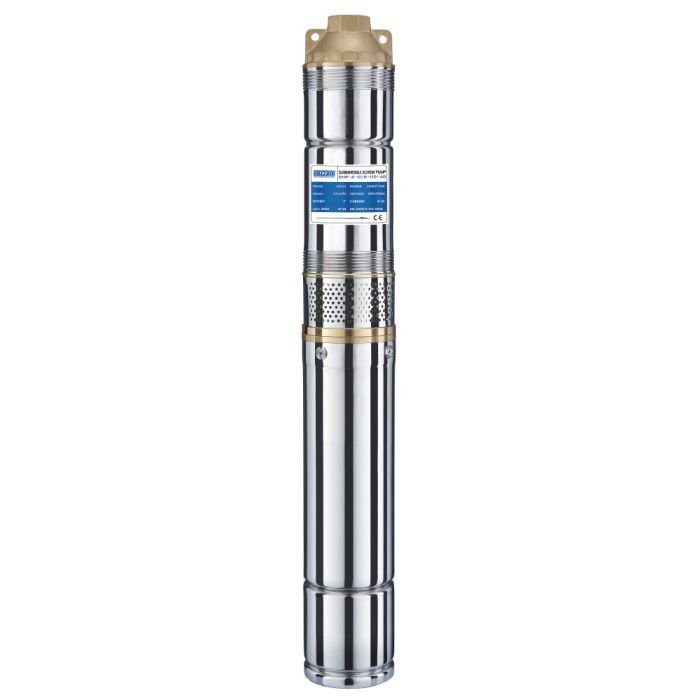
    The importance of Submersible Borehole Pumps Kenya lies in their ability to extract water from deep underground sources efficiently. Unlike surface pumps that rely on suction, submersible pumps operate while fully submerged, pushing water upward through a discharge pipe.

    This design eliminates suction limitations and allows them to function effectively in deep boreholes commonly found across Kenya.

    They are widely used in:

    • Residential estates
    • Agricultural irrigation systems
    • Schools and universities
    • Hotels and hospitality facilities
    • Industrial water systems

    Their versatility and reliability make them one of the most important water infrastructure components in the country.

    Submersible Borehole Pumps Kenya Working Principle Explained

    Understanding how these pumps work is essential for correct sizing and installation.

    Submersible Borehole Pumps Kenya Pressure Generation System

    A submersible pump operates using an impeller system that converts rotational energy into kinetic energy. This energy pushes water upward through the delivery pipe.

    Because the pump is already submerged, it does not need priming, unlike surface pumps. This improves efficiency and reduces energy loss.

    Submersible Borehole Pumps Kenya Energy Efficiency Advantage

    Since the pump is located inside the water column, it requires less energy to move water compared to surface systems. This makes it highly efficient for deep borehole applications.

    Submersible Borehole Pumps Kenya Sizing Fundamentals

    Proper sizing is the most important step in selecting a borehole pump. Incorrect sizing leads to system inefficiency and early failure.

    Submersible Borehole Pumps Kenya Total Dynamic Head Calculation

    The Total Dynamic Head (TDH) is the most important factor in pump sizing. It represents the total height the pump must overcome to deliver water.

    H=Hs+Hd+HfH = H_s + H_d + H_f

    Where:

    • H = Total Dynamic Head
    • H_s = Static water level depth
    • H_d = Delivery height above ground
    • H_f = Friction losses in pipes

    Accurate calculation ensures the pump can deliver water efficiently without overloading.

    Submersible Borehole Pumps Kenya Flow Rate Considerations

    Submersible Borehole Pumps Kenya Domestic Water Demand

    For residential use, flow rate requirements are generally moderate. Water is needed for bathing, cleaning, cooking, and general household use.

    Submersible Borehole Pumps Kenya Agricultural Demand

    Agricultural systems require significantly higher flow rates for irrigation, livestock watering, and crop production.

    Submersible Borehole Pumps Kenya Institutional Demand

    Schools, hospitals, and hotels require continuous water supply, often demanding high-capacity pump systems.

    Submersible Borehole Pumps Kenya Power Rating Selection

    Submersible Borehole Pumps  Low Power Systems

    Low horsepower pumps are suitable for shallow boreholes and small households with limited water needs.

    Submersible Borehole Pumps Medium Power Systems

    Medium-range pumps serve most residential estates and small institutions.

    Submersible Borehole Pumps High Power Systems

    High-capacity pumps are required for deep boreholes and large-scale commercial or agricultural applications.

    Submersible Borehole Pumps Kenya Installation Requirements

    Correct installation ensures optimal performance and long service life.

    Submersible Borehole Pumps  Pipe Sizing and Selection

    Pipe diameter affects water flow efficiency. Smaller pipes increase friction losses, while properly sized pipes improve efficiency.

    Quality fittings and plumbing accessories can be sourced from Ngong Hills Merchants fittings category.

    Submersible Borehole Pumps Kenya Electrical Installation Safety

    Proper electrical setup is essential to prevent motor burnout, voltage fluctuations, and system failure.

    Submersible Borehole Pumps Kenya Control Systems

    Modern systems include control panels that regulate pump operation.

    Submersible Borehole Pumps  Automatic Control Systems

    Automatic controllers regulate water levels and prevent dry running, which protects the pump from damage.

    Submersible Borehole Pumps  Manual Control Systems

    Manual systems require operator supervision but are cheaper to install.

    Submersible Borehole Pumps Kenya Maintenance Practices

    Regular maintenance ensures efficiency and longevity.

    Submersible Borehole Pumps  Routine Inspection

    Regular inspection helps identify early signs of wear or system failure.

    Submersible Borehole Pumps Sediment Management

    Sediment buildup can reduce pump efficiency and damage internal components.

    Maintenance tools can be sourced from hand tools and equipment.

    Submersible Borehole Pumps Kenya Common Sizing Mistakes

    Many pump failures result from incorrect sizing decisions.

    Submersible Borehole Pumps  Oversizing Problems

    Oversized pumps consume excessive energy and increase operational costs.

    Submersible Borehole Pumps  Undersizing Problems

    Undersized pumps fail to meet water demand and cause pressure shortages.

    Submersible Borehole Pumps Ignoring Head Loss

    Friction losses in pipes are often ignored, leading to incorrect pump selection.

    Submersible Borehole Pumps Kenya Applications in Kenya

    These systems are widely used across multiple sectors:

    • Residential housing developments
    • Agricultural irrigation projects
    • Industrial facilities
    • Commercial buildings
    • Public institutions

    Their flexibility makes them essential for Kenya’s growing infrastructure needs.

    Submersible Borehole Pumps Kenya Cost vs Performance Analysis

    Although high-quality pumps may have higher initial costs, they provide:

    • Lower maintenance expenses
    • Higher energy efficiency
    • Longer lifespan
    • Stable and reliable water supply

    This makes them a cost-effective long-term investment.


    Submersible Borehole Pumps Kenya Environmental Considerations

    Efficient pump selection reduces energy consumption and water wastage. Proper system design ensures sustainable groundwater usage.

    Submersible Borehole Pumps Kenya Expert Recommendations

    Professionals recommend:

    • Proper borehole testing before pump selection
    • Accurate TDH calculation
    • Quality installation materials
    • Regular maintenance schedules

    Reliable equipment is available through Ngong Hills Merchants’ hardware shop.

    Final Thoughts on Submersible Borehole Pumps Kenya

    Selecting the right Submersible Borehole Pumps  system requires technical understanding, accurate sizing, and quality installation. When properly implemented, these systems provide reliable, efficient, and long-term water solutions for homes, farms, and businesses across Kenya.

    Call To Action

    Your One-Stop Hardware Partner in Ngong

    Imagine completing your project with the right tools, the best materials, and expert advice. At Ngong Hills Merchants, we turn your DIY or construction vision into reality with a complete selection of plumbing, electrical, glass, and sanitary ware.

    Contact our team for a consultation and get the right supplies, right now.

    QUALITY HARDWARE & SUPPLIES IN NGONG

    Complete Range of Plumbing & Electrical

    Power Tools, Adhesives & Paints

    Glass, Framing & Sanitary Ware

    Serving Ngong, Karen, Matasia, Kiserian & beyond.

    Request Your Free Consultation: Ngong Hills Merchants

    Email: ngonghillsmerchants [at] gmail.com

    Phone: +254 715974811

    Visit Us: Ngong Township, Ngong, Kenya

    Website: https://ngonghillsmerchants.com/

  • PPR vs. PVC Pipes: Which is Best for Hot Water Plumbing?

    PPR vs. PVC Pipes: Which is Best for Hot Water Plumbing?

    PPR vs PVC Pipes Kenya: 7 Smart Hot Water Guide Tips

    Choosing the right piping system is one of the most important decisions in any plumbing project in Kenya. Whether you are constructing a new home or upgrading an existing water system, understanding PPR vs PVC Pipes Kenya is essential for ensuring durability, safety, and long-term performance.

    Incorrect pipe selection can lead to leaks, burst pipes, poor hot water delivery, and high maintenance costs. This makes it critical to choose the right material based on application, especially for hot water systems.

    High-quality plumbing materials can be sourced from trusted suppliers such as Ngong Hills Merchants through their plumbing category.

    PPR vs PVC Pipes Kenya for Hot Water Plumbing Systems

    Understanding PPR vs PVC Pipes  begins with their core usage differences in plumbing systems.

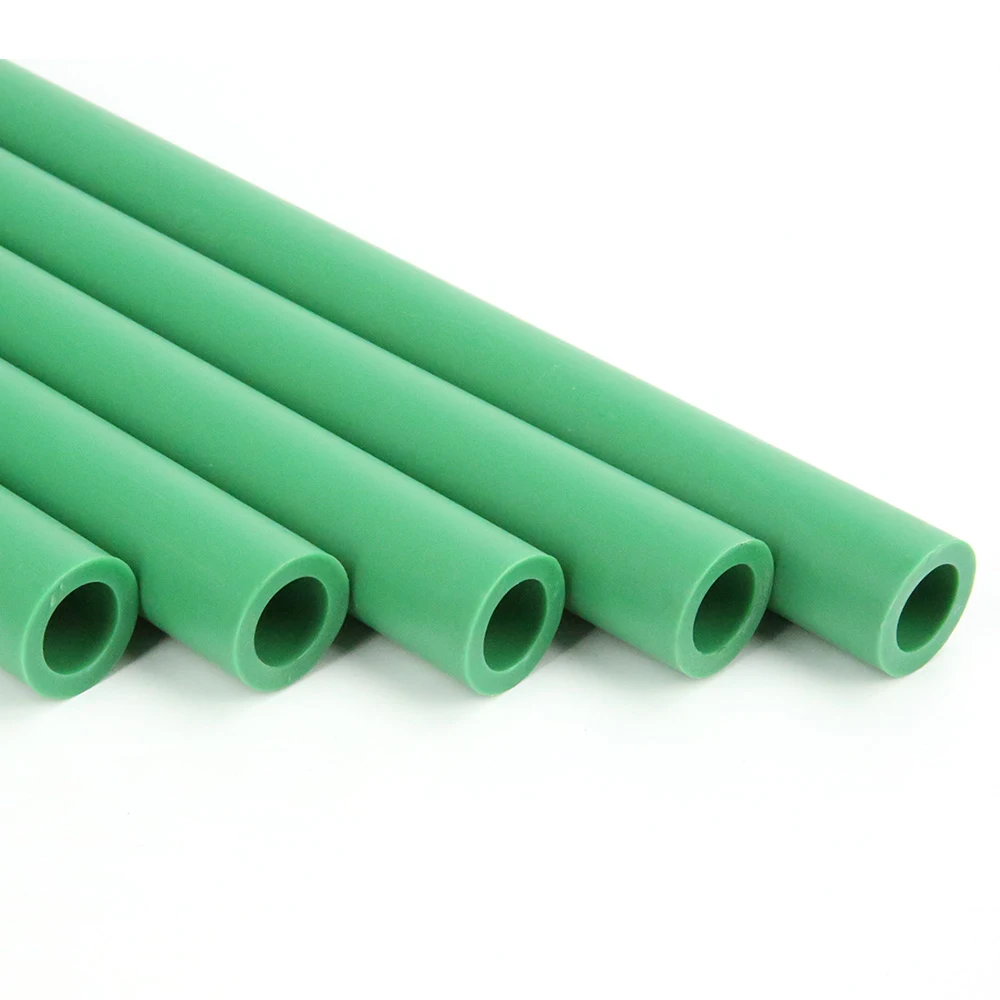
    PPR pipes are designed for both hot and cold water systems, making them ideal for modern Kenyan homes. PVC pipes are primarily used for cold water and drainage systems.

    This difference is the foundation of correct pipe selection.

    PPR vs PVC Pipes Kenya Material Composition Differences

    PPR vs PVC Pipes Structural Strength Comparison

    PPR pipes are made from polypropylene random copolymer, a heat-resistant thermoplastic designed for pressurized water systems.

    PVC pipes are made from rigid polyvinyl chloride, which is strong but less suitable for high-temperature applications.

    PPR vs PVC Pipes Kenya Chemical Stability Properties

    PPR is chemically stable and safe for potable water systems.

    PVC is suitable for drainage and cold water but is less ideal for long-term hot water exposure.

    PPR vs PVC Pipes Kenya Heat Resistance Performance

    PPR vs PVC Pipes Hot Water Suitability

    PPR pipes can handle high temperatures typically used in household hot water systems.

    PVC pipes soften under heat and are not recommended for hot water applications.

    PPR vs PVC Pipes Kenya Temperature Durability Advantage

    PPR maintains structural integrity even under continuous heating cycles, making it reliable for geysers and bathroom hot water lines.

    PPR vs PVC Pipes Kenya Pressure Handling Capacity

    PPR vs PVC Pipes High Pressure Performance

    PPR pipes handle high pressure efficiently due to fusion-welded joints that eliminate leakage points.

    PPR vs PVC Pipes Kenya Low Pressure Systems

    PVC pipes are suitable for low-pressure applications like drainage and irrigation.

    PPR vs PVC Pipes Kenya Installation Methods

    PPR vs PVC Pipes Fusion Welding vs Cement Jointing

    PPR pipes are joined using heat fusion welding, creating a seamless, leak-free system.

    PVC pipes use solvent cement or mechanical fittings.

    PPR vs PVC Pipes Kenya Installation Reliability

    Fusion joints in PPR systems are stronger and more durable than adhesive joints in PVC systems.

    Reliable fittings can be sourced from plumbing fittings and accessories.

    PPR vs PVC Pipes Kenya Cost Comparison

    PPR vs PVC Pipes Initial Investment Differences

    PVC is cheaper upfront, making it attractive for low-budget projects.

    PPR costs more initially but provides better long-term value.

    PPR vs PVC Pipes Kenya Long-Term Cost Efficiency

    PPR reduces repair frequency and maintenance costs, making it more economical over time.

    PPR vs PVC Pipes Kenya Durability and Lifespan

    PPR vs PVC Pipes  Service Life Expectancy

    PPR pipes can last more than 50 years under proper installation conditions.

    PVC pipes have a shorter lifespan when exposed to heat and pressure variations.

    PPR vs PVC Pipes Kenya Wear Resistance

    PPR resists corrosion, scaling, and internal buildup more effectively than PVC.

    PPR vs PVC Pipes Kenya Applications in Kenyan Homes

    PPR vs PVC Pipes  Hot Water Applications

    PPR is ideal for:

    • Bathrooms
    • Kitchens
    • Water heaters
    • Internal plumbing systems

    PPR vs PVC Pipes Kenya Cold Water and Drainage Use

    PVC is commonly used for:

    • Drainage systems
    • Irrigation lines
    • Cold water supply

    PPR vs PVC Pipes Kenya Safety and Health Standards

    PPR vs PVC Pipes Drinking Water Safety

    PPR is safer for potable water due to its non-toxic composition.

    PVC is best limited to non-hot water applications.

    PPR vs PVC Pipes Kenya Common Plumbing Mistakes

    PPR vs PVC Pipes Wrong Material Selection

    Using PVC for hot water systems is one of the most common installation mistakes in Kenya.

    PPR vs PVC Pipes Poor Jointing Techniques

    Improper joint sealing leads to leaks and system failure.

    PPR vs PVC Pipes Kenya Expert Recommendation

    PPR vs PVC Pipes  Professional Plumbing Advice

    For modern Kenyan homes, PPR is recommended for all internal water systems, especially hot water lines.

    PVC should be reserved for drainage and cold water applications.

    Reliable materials can be found through Ngong Hills Merchants’ hardware shop.

    Final Thoughts on PPR vs PVC Pipes Kenya

    The comparison of PPR vs PVC Pipes Kenya clearly shows that each material serves a specific purpose. However, for hot water systems, PPR is the superior choice due to its heat resistance, durability, and long-term reliability.

    PVC remains useful in drainage systems but should not be used where heat and pressure are involved.

    Call To Action

    Your One-Stop Hardware Partner in Ngong

    Imagine completing your project with the right tools, the best materials, and expert advice. At Ngong Hills Merchants, we turn your DIY or construction vision into reality with a complete selection of plumbing, electrical, glass, and sanitary ware.

    Contact our team for a consultation and get the right supplies, right now.

    QUALITY HARDWARE & SUPPLIES IN NGONG

     Complete Range of Plumbing & Electrical

     Power Tools, Adhesives & Paints

     Glass, Framing & Sanitary Ware

     Serving Ngong, Karen, Matasia, Kiserian & beyond.

     Request Your Free Consultation: Ngong Hills Merchants

     Email: ngonghillsmerchants [at] gmail.com

     Phone: +254 715974811

     Visit Us: Ngong Township, Ngong, Kenya

     Website: https://ngonghillsmerchants.com/

  • How to Replace Sliding Door Rollers Kenya: A Complete DIY Guide

    How to Replace Sliding Door Rollers Kenya: A Complete DIY Guide

    Sliding Door Roller Replacement Kenya: 7 Smart DIY Steps

    Sliding doors have become a standard feature in modern Kenyan homes, offices, retail shops, and apartment buildings due to their space-saving design and clean architectural appeal. However, despite their advantages, sliding doors are prone to wear and tear, especially at the roller mechanism. Understanding Sliding Door Roller Replacement Kenya is essential for homeowners and technicians who want to maintain smooth, silent, and efficient door movement.

    In most cases, when a sliding door becomes hard to move, noisy, or misaligned, the issue is not the entire door system but worn-out rollers. Instead of replacing the whole door frame, replacing the rollers is a cost-effective and practical solution that restores functionality.

    High-quality replacement parts and tools can be sourced from trusted suppliers such as Ngong Hills Merchants through their hardware shop and fittings category.

    Sliding Door Roller Replacement Kenya for Smooth Door Performance

    Understanding Sliding Door Roller Replacement Kenya begins with the role rollers play in door operation. Rollers are small wheel assemblies located at the bottom of sliding doors. They allow the door to glide smoothly along a track with minimal friction.

    When rollers wear out due to dust, rust, weight pressure, or poor maintenance, the door becomes difficult to operate. In many Kenyan homes, this is one of the most common door-related repair issues.

    Replacing rollers restores smooth movement, reduces strain on the door frame, and improves long-term durability.

    Sliding Door Roller Replacement Kenya Common Door Problems

    Sliding Door Roller Replacement Kenya Hard Movement Issues

    When a sliding door becomes difficult to open or close, the rollers are usually worn out or misaligned.

    Sliding Door Roller Replacement Kenya Noise and Friction Problems

    Grinding, squeaking, or dragging noises indicate damaged or dry rollers that require replacement or lubrication.

    Sliding Door Roller Replacement Door Misalignment

    If the door tilts or does not sit evenly on the track, one or both rollers may be damaged.

    Sliding Door Roller Replacement Kenya Full Step-by-Step Guide

    Sliding Door Roller Replacement Door Removal Process

    The first step is safely removing the sliding door from its track. Lift the door slightly, tilt the bottom outward, and carefully remove it. Due to weight, assistance is recommended.

    Sliding Door Roller Replacement Kenya Accessing Roller System

    Place the door on a flat, stable surface. Locate the roller assembly at the bottom edge of the frame.

    Sliding Door Roller Replacement Removing Old Rollers

    Unscrew and detach the worn roller system carefully without damaging the frame.

    Sliding Door Roller Replacement Installing New Rollers

    Install the replacement rollers ensuring correct alignment and secure tightening.

    Reliable components can be found through glass and accessories fittings.

    Sliding Door Roller Replacement Kenya Tools Required for Repair

    Sliding Door Roller Replacement  Essential Tools List

    To complete the repair successfully, you will need:

    • Screwdriver set
    • Adjustable wrench
    • Measuring tape
    • Replacement roller kit
    • Lubricant spray

    Quality tools are available from hand tools category.

    Sliding Door Roller Replacement Kenya Reinstallation Process

    Sliding Door Roller Replacement Placing Door Back on Track

    After replacing the rollers, carefully reinstall the door by placing it into the upper track first, then lowering it into the bottom track.

    Sliding Door Roller Replacement Testing Movement

    Slide the door several times to confirm smooth movement and proper alignment.

    Sliding Door Roller Replacement Kenya Adjustment Techniques

    Sliding Door Roller Replacement  Height Adjustment

    Most roller systems include adjustment screws that allow height balancing for smooth sliding.

    Sliding Door Roller Replacement  Balance Correction

    Ensure both sides of the door are evenly aligned to prevent uneven wear.

    Sliding Door Roller Replacement Kenya Maintenance Tips

    Sliding Door Roller Replacement Lubrication Routine

    Apply silicone-based lubricant regularly to reduce friction and extend roller lifespan.

    Sliding Door Roller Replacement Track Cleaning

    Remove dust, sand, and debris from the track to prevent roller damage.

    Sliding Door Roller Replacement Kenya Common Installation Mistakes

    Many DIY repairs fail due to avoidable errors:

    • Installing incompatible roller sizes
    • Ignoring track damage
    • Over-tightening screws
    • Forcing misaligned doors

    Avoiding these mistakes ensures long-lasting performance.

    Sliding Door Roller Replacement Kenya Cost Breakdown

    Replacing rollers is significantly cheaper than replacing the entire door system.

    Costs depend on:

    • Roller quality
    • Door size
    • Labor (if using a technician)
    • Material type (aluminium, glass, etc.)

    DIY replacement reduces overall cost significantly.

    Sliding Door Roller Replacement Kenya When to Replace vs Repair

    If rollers are slightly worn, lubrication may help temporarily. However, if movement remains stiff or noisy, full replacement is necessary.

    If the track or frame is damaged, professional repair may be required.

    Sliding Door Roller Replacement Kenya Safety Considerations

    Sliding Door Roller Replacement Handling Heavy Glass Doors

    Glass sliding doors can be heavy and fragile. Always handle with care and ideally with assistance.

    Sliding Door Roller Replacement Secure Installation Checks

    Ensure all screws and fittings are tightly secured before reinstalling the door.

    Sliding Door Roller Replacement Expert Maintenance Strategy

    Experts recommend:

    • Inspecting rollers every 6–12 months
    • Cleaning tracks monthly
    • Lubricating moving parts regularly
    • Replacing worn rollers early

    Sliding Door Roller Replacement Kenya Applications in Kenya

    Sliding doors using roller systems are common in:

    • Residential homes
    • Office buildings
    • Shops and malls
    • Apartments
    • Hotels

    Their convenience makes them a preferred modern architectural feature.

    Sliding Door Roller Replacement Kenya Long-Term Durability Tips

    Proper maintenance ensures rollers last longer:

    • Avoid excessive force when sliding
    • Keep tracks clean and dry
    • Use quality replacement parts
    • Install correctly aligned systems

    Final Thoughts on Sliding Door Roller Replacement Kenya

    Understanding Sliding Door Roller Replacement is a valuable DIY skill that saves money and extends the life of sliding door systems. With proper tools, quality replacement rollers, and careful installation, most sliding door problems can be fixed without replacing the entire door.

    For durable hardware, fittings, and professional-grade tools, Ngong Hills Merchants provides reliable solutions for all construction and renovation needs.

    Call To Acction

    Your One-Stop Hardware Partner in Ngong

    Imagine completing your project with the right tools, the best materials, and expert advice. At Ngong Hills Merchants, we turn your DIY or construction vision into reality with a complete selection of plumbing, electrical, glass, and sanitary ware.

    Contact our team for a consultation and get the right supplies, right now.

    QUALITY HARDWARE & SUPPLIES IN NGONG

    Complete Range of Plumbing & Electrical

    Power Tools, Adhesives & Paints

    Glass, Framing & Sanitary Ware

    Serving Ngong, Karen, Matasia, Kiserian & beyond.

    Request Your Free Consultation: Ngong Hills Merchants

    Email: ngonghillsmerchants [at] gmail.com

    Phone: +254 715974811

    Visit Us: Ngong Township, Ngong, Kenya

    Website: https://ngonghillsmerchants.com/

  • Frosted Bathroom Glass Kenya: Privacy and Light Solutions for Modern Bathrooms

    Frosted Bathroom Glass Kenya: Privacy and Light Solutions for Modern Bathrooms

    Frosted Bathroom Glass Kenya: 7 Smart Privacy & Style Ideas

    Modern bathroom design in Kenya has evolved significantly over the past decade, moving away from basic cemented enclosures and curtains toward sleek, modern glass solutions. Among the most popular innovations is Frosted Bathroom Glass Kenya, which combines privacy, elegance, and natural light in one functional design.

    Homeowners, architects, and interior designers increasingly prefer frosted glass because it enhances bathroom aesthetics while maintaining privacy and hygiene. Unlike traditional opaque partitions, frosted glass creates a soft visual barrier that allows light to pass through while obscuring visibility.

    As urban housing expands in areas like Nairobi, Ngong, Kiserian, and Karen, demand for modern bathroom solutions continues to grow, making frosted glass a key feature in contemporary construction.

    For quality materials, fittings, and installation accessories, homeowners can explore Ngong Hills Merchants through their glass product category.

    Frosted Bathroom Glass Kenya for Modern Bathroom Design

    Understanding Frosted Bathroom Glass Kenya starts with its role in modern interior architecture. Bathrooms are no longer purely functional spaces—they are now designed as comfort zones that reflect personal style and luxury.

    Frosted glass fits perfectly into this transformation because it creates a clean, minimalistic look while maintaining full privacy. It is widely used in residential homes, hotels, apartments, and commercial washrooms across Kenya.

    The versatility of frosted glass makes it suitable for both small and large bathroom spaces, enhancing light distribution and spatial perception.

    Frosted Bathroom Glass Kenya Privacy and Light Balance

    Frosted Bathroom Glass Kenya Natural Lighting Advantage

    One of the main benefits of Frosted Bathroom Glass Kenya is its ability to allow natural light to pass through while blocking direct visibility. This reduces dependence on artificial lighting during the day and improves energy efficiency.

    Bathrooms with frosted glass feel brighter, more open, and less confined compared to traditional enclosed designs.

    Frosted Bathroom Glass Kenya Privacy Enhancement Feature

    Privacy is a major concern in bathroom design. Frosted glass ensures that occupants cannot be seen from outside while still allowing a soft glow of light to pass through. This balance is ideal for shared homes, apartments, and guest bathrooms.

    Frosted Bathroom Glass Kenya Design Applications

    Frosted Bathroom Glass Kenya Shower Enclosures

    Frosted glass is commonly used in shower cubicles to create a private bathing space without making the bathroom feel small or dark.

    Frosted Bathroom Glass Kenya Bathroom Partitions

    It is also used to divide toilet areas from sink or shower zones, especially in modern open-plan bathrooms.

    Frosted Bathroom Glass Kenya Decorative Glass Doors

    Frosted glass doors add a premium aesthetic to bathrooms while maintaining full functionality.

    For fittings and installation materials, explore glass accessories and hardware.

    Frosted Bathroom Glass Kenya Installation Process

    Frosted Bathroom Glass Kenya Frame Preparation

    Proper framing is essential for structural stability. Aluminum or stainless-steel frames are commonly used in Kenyan installations due to their durability and resistance to moisture.

    Frosted Bathroom Glass Kenya Glass Mounting Techniques

    Glass panels must be carefully mounted using precision fittings to avoid stress cracks or misalignment.

    Frosted Bathroom Glass Kenya Sealing and Waterproofing

    Silicone sealing is applied along edges to prevent water leakage and maintain hygiene.

    Installation tools and materials can be sourced from hardware fittings and supplies.

    Frosted Bathroom Glass Kenya Durability and Maintenance

    Frosted Bathroom Glass  Scratch Resistance

    High-quality tempered frosted glass is highly resistant to scratches and daily wear, making it ideal for high-traffic bathrooms.

    Frosted Bathroom Glass  Cleaning Requirements

    Cleaning requires mild soap solutions and soft cloths to maintain clarity and finish without damaging the frosted surface.

    Frosted Bathroom Glass Long-Term Performance

    With proper installation and maintenance, frosted glass can last over 10–15 years without major issues.

    Frosted Bathroom Glass  Cost Considerations

    Frosted Bathroom Glass  Material Pricing

    Costs vary depending on thickness, frosting technique, and frame type. Etched glass is generally more expensive than film-frosted options.

    Frosted Bathroom Glass Kenya Installation Costs

    Professional installation adds to the cost but ensures long-term durability and safety.

    Frosted Bathroom Glass Kenya Value for Money

    Despite higher initial costs compared to curtains or plastic partitions, frosted glass offers long-term durability, better aesthetics, and improved property value.

    Frosted Bathroom Glass Kenya Safety Standards

    Tempered frosted glass is designed to withstand pressure and temperature changes. In case of breakage, it shatters into small, blunt pieces, reducing injury risk. This makes it a safe choice for homes with children and commercial buildings.

    Frosted Bathroom Glass Kenya Design Trends in Kenya

    Frosted Bathroom Glass  Minimalist Interiors

    Minimalism is a major trend in Kenyan home design. Frosted glass supports this trend by offering clean lines and simple elegance.

    Frosted Bathroom Glass Luxury Bathroom Styling

    High-end homes and hotels use frosted glass combined with aluminum framing and LED lighting to create luxury bathroom experiences.

    Frosted Bathroom Glass Common Installation Mistakes

    • Using low-quality glass sheets
    • Poor sealing leading to leaks
    • Incorrect frame alignment
    • Ignoring proper thickness standards
    • Using non-tempered glass in wet areas

    Avoiding these mistakes ensures long-term performance.

    Frosted Bathroom Glass Applications Across Kenya

    Frosted glass is widely used in:

    • Residential homes
    • Apartments and condos
    • Hotels and lodges
    • Office washrooms
    • Commercial buildings

    Its versatility makes it suitable for nearly all modern construction projects.

    Frosted Bathroom Glass  Expert Recommendations

    Experts recommend:

    • Using tempered frosted glass for safety
    • Choosing aluminum or stainless steel frames
    • Hiring professionals for installation
    • Regular maintenance and cleaning
    • Sourcing materials from trusted suppliers like Ngong Hills Merchants shop

    Final Thoughts on Frosted Bathroom Glass Kenya

    Frosted Bathroom Glass  represents one of the best modern solutions for combining privacy, elegance, and functionality in bathroom design. It enhances natural lighting, improves aesthetics, and increases property value, making it a preferred choice for Kenyan homeowners and developers.

    Call To Action

    Your One-Stop Hardware Partner in Ngong

    Imagine completing your project with the right tools, the best materials, and expert advice. At Ngong Hills Merchants, we turn your DIY or construction vision into reality with a complete selection of plumbing, electrical, glass, and sanitary ware.

    Contact our team for a consultation and get the right supplies, right now.

    QUALITY HARDWARE & SUPPLIES IN NGONG

     Complete Range of Plumbing & Electrical

     Power Tools, Adhesives & Paints

     Glass, Framing & Sanitary Ware

     Serving Ngong, Karen, Matasia, Kiserian & beyond.

     Request Your Free Consultation: Ngong Hills Merchants

     Email: ngonghillsmerchants [at] gmail.com

     Phone: +254 715974811

     Visit Us: Ngong Township, Ngong, Kenya

     Website: https://ngonghillsmerchants.com/

  • The Ultimate Guide to Building with Glass Blocks Kenya: Brighten Stairwells and Corridors Safely

    The Ultimate Guide to Building with Glass Blocks Kenya: Brighten Stairwells and Corridors Safely

    Glass Blocks Kenya: 7 Ultimate Safe Stairwell Lighting Ideas

    Modern architecture in Kenya is rapidly shifting toward designs that prioritize natural lighting, energy efficiency, and safety without compromising aesthetics. One of the most effective materials used in achieving this balance is Glass Blocks Kenya. These translucent masonry units have become increasingly popular in residential homes, commercial buildings, and institutional facilities, especially in areas like stairwells, corridors, bathrooms, and basement spaces where natural light is limited.

    Glass blocks offer a unique combination of structural strength and light diffusion. Unlike traditional windows, they provide privacy while still allowing daylight to pass through, making them ideal for enclosed or semi-enclosed architectural spaces. In Kenya’s growing urban developments, they are now widely used as a smart solution for improving indoor lighting without increasing energy consumption.

    For quality building materials, adhesives, and installation accessories, homeowners and contractors can explore Ngong Hills Merchants through their adhesive and bonding solutions and glass product category.

    Glass Blocks Kenya for Modern Architectural Lighting

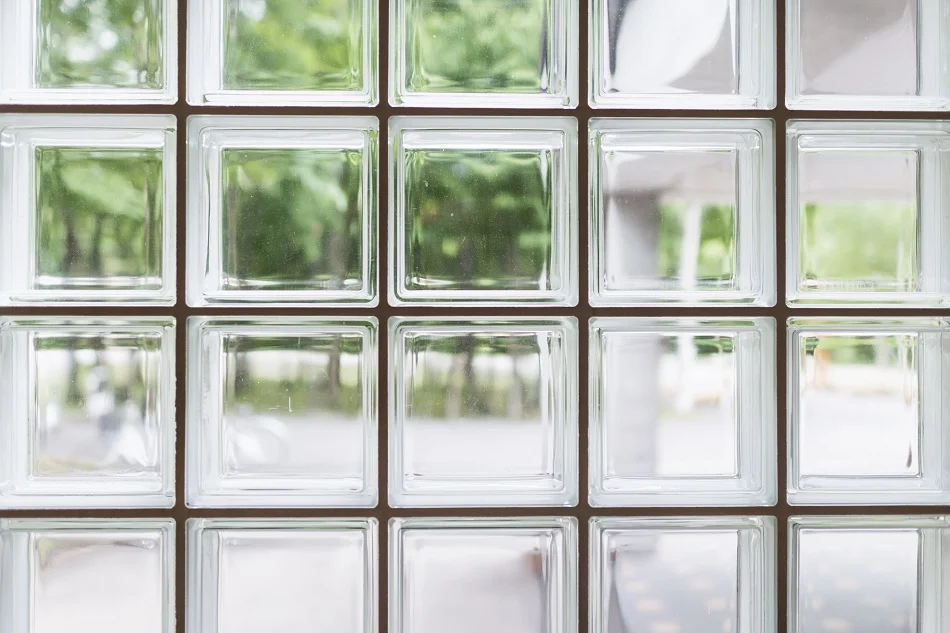
    Understanding Glass Blocks begins with their core function in modern construction: enhancing natural light distribution while maintaining structural integrity. These blocks are manufactured from molded glass units that are either hollow or solid, designed to be stacked like bricks and bonded using specialized mortar.

    In stairwells and corridors, where lighting is often insufficient, glass blocks help reduce reliance on artificial lighting during daytime hours. This not only improves energy efficiency but also enhances safety by increasing visibility in commonly used walkways.

    Their ability to blend functionality with aesthetic appeal makes them a preferred choice in both residential and commercial construction projects across Kenya.

    Glass Blocks Kenya for Stairwell and Corridor Safety

    Glass Blocks Kenya Natural Light Enhancement

    One of the primary advantages of Glass Blocks  is their ability to transmit diffused natural light into enclosed stairwells. This reduces dark spots that often lead to accidents in poorly lit buildings.

    Glass Blocks Kenya Visibility and Safety Improvement

    Unlike opaque walls, glass blocks improve visibility without compromising privacy. This is especially important in multi-storey buildings where stairwells must remain safe and well-lit at all times.

    Glass Blocks Kenya Design and Structural Applications

    Glass Blocks Kenya Wall Construction Systems

    Glass blocks are commonly used in non-load-bearing walls. They are installed in a grid system using mortar or specialized spacers to ensure uniform alignment.

    Glass Blocks Kenya Decorative Architectural Features

    Beyond functionality, glass blocks also serve as decorative elements. They can be arranged in patterns, curves, or combined with colored glass to create visually appealing interiors.

    For installation components and framing systems, explore glass accessories and fittings.

    Glass Blocks Kenya Installation Process

    Glass Blocks Kenya Foundation Preparation

    A stable base is essential before installing glass blocks. The surface must be level and reinforced to support the weight of the glass masonry.

    Glass Blocks Mortar Application Technique

    Special glass block mortar is applied between each block to ensure strong bonding and prevent shifting over time.

    Glass Blocks Kenya Spacing and Alignment

    Plastic spacers are used to maintain consistent gaps and alignment, ensuring a clean and professional finish.

    Reliable tools and support materials can be sourced through hardware fittings and construction supplies.

    Glass Blocks Kenya Durability and Strength

    Glass Blocks  Impact Resistance

    Glass blocks are manufactured to be highly durable and resistant to impact, making them suitable for high-traffic areas like stairwells.

    Glass Blocks Kenya Weather and Moisture Resistance

    They are also resistant to moisture, making them ideal for both indoor and semi-exposed environments.

    Glass Blocks Kenya Long-Term Performance

    When properly installed, glass block structures can last for decades with minimal maintenance.

    Glass Blocks  Cost Considerations

    Glass Blocks  Material Costs

    The cost of glass blocks varies depending on thickness, design, and quality. Imported decorative blocks tend to be more expensive than standard clear blocks.

    Glass Blocks  Installation Costs

    Professional installation is recommended due to the precision required, which may increase overall project cost.

    Glass Blocks Kenya Value for Investment

    Despite higher initial costs, glass blocks reduce electricity usage and improve property value, making them a long-term investment.

    Glass Blocks Kenya Maintenance and Cleaning

    Glass Blocks  Cleaning Methods

    Glass blocks require minimal maintenance. Regular cleaning with mild soap and water keeps them clear and attractive.

    Glass Blocks  Structural Inspection

    Periodic inspection ensures that mortar joints remain intact and there are no cracks or displacement.

    Glass Blocks  Design Trends in Kenya

    Glass Blocks  Modern Minimalist Interiors

    Minimalist architecture in Kenya is increasingly incorporating glass blocks for clean, light-filled spaces.

    Glass Blocks  Commercial Building Applications

    Office buildings and shopping complexes use glass blocks to enhance natural lighting in internal corridors.

    Glass Blocks Kenya Common Installation Mistakes

    • Poor leveling of base surfaces
    • Incorrect mortar mixing
    • Inadequate spacing between blocks
    • Using non-specialized adhesives
    • Ignoring structural reinforcement requirements

    Avoiding these mistakes ensures durability and safety.

    Glass Blocks Kenya Applications in Kenyan Construction

    Glass blocks are widely used in:

    • Stairwells in apartment buildings
    • Basement corridors
    • Bathroom walls
    • Office partitions
    • Hotel interiors

    Their versatility makes them suitable for both residential and commercial construction projects.

    Glass Blocks Kenya Expert Installation Recommendations

    Construction experts recommend:

    • Using high-quality tempered glass blocks
    • Ensuring proper structural support
    • Hiring experienced installers for large projects
    • Using specialized mortar and spacers
    • Sourcing materials from trusted suppliers like Ngong Hills Merchants shop

    Final Thoughts on Glass Blocks Kenya

    Glass Blocks Kenya offer one of the most effective solutions for improving lighting, safety, and aesthetics in modern buildings. Their ability to combine durability with natural light transmission makes them ideal for stairwells, corridors, and interior architectural features across Kenya.

    As construction trends continue to evolve, glass blocks will remain a key material in sustainable and modern building design.

    Call To Action

    Your One-Stop Hardware Partner in Ngong

    Imagine completing your project with the right tools, the best materials, and expert advice. At Ngong Hills Merchants, we turn your DIY or construction vision into reality with a complete selection of plumbing, electrical, glass, and sanitary ware.

    Contact our team for a consultation and get the right supplies, right now.

    QUALITY HARDWARE & SUPPLIES IN NGONG

     Complete Range of Plumbing & Electrical

     Power Tools, Adhesives & Paints

     Glass, Framing & Sanitary Ware

     Serving Ngong, Karen, Matasia, Kiserian & beyond.

     Request Your Free Consultation: Ngong Hills Merchants

     Email: ngonghillsmerchants [at] gmail.com

     Phone: +254 715974811

     Visit Us: Ngong Township, Ngong, Kenya

     Website: https://ngonghillsmerchants.com/

  • Silicone Sealant vs Window Putty in Kenya – Ultimate Comparison

    Silicone Sealant vs Window Putty in Kenya – Ultimate Comparison

    Windows are essential elements of any building, providing natural light, ventilation, and aesthetic appeal. However, the materials used to seal window frames can dramatically affect performance, longevity, and maintenance. In Kenya, where climates range from humid coastal regions to cooler highlands, choosing the right sealing material is critical. This article explores the modern choice of silicone sealant vs window putty, examining their technical properties, installation methods, and real-world applications across Kenyan homes and commercial projects.

    For decades, traditional window putty was the standard for sealing wooden and metal frames in Kenya. It offers a moldable consistency, easy application, and a familiar installation process. Yet, as building standards evolve and homeowners demand long-lasting, waterproof, and low-maintenance solutions, silicone sealants have emerged as a superior alternative. Unlike putty, silicone offers flexibility, excellent adhesion, and resistance to environmental factors such as UV exposure, rain, and temperature fluctuations.

    The purpose of this article is to provide Kenyan builders, contractors, and homeowners with an in-depth comparison of silicone sealant vs window putty. By understanding the technical differences, installation procedures, and practical applications, you can make an informed decision that ensures durability and performance in local construction projects.

    Understanding Silicone Sealants and Window Putty

    Silicone sealants are polymer-based materials designed to create flexible, watertight seals between surfaces. They are widely used in glazing, plumbing, and general construction due to their elasticity, chemical resistance, and long service life. In Kenya, silicone sealants are particularly valuable in coastal regions like Mombasa, where high humidity and salt-laden air can degrade traditional materials.

    Window putty, on the other hand, is a pliable, oil-based or linseed-oil compound traditionally applied around glass panes to secure and seal them within frames. While cost-effective and easy to mold, it is prone to cracking, shrinking, and water absorption over time, especially under intense sunlight or heavy rainfall.

    Material Quality, Durability, and Environmental Performance

    Silicone Sealants

    Silicone sealants excel in several critical areas:

    • Durability: Silicone maintains its elasticity for 20+ years, resisting shrinkage, cracking, or peeling.

    • Waterproofing: Fully waterproof, making it ideal for Kenya’s rainy seasons.

    • UV and Temperature Resistance: Performs under temperatures from -40°C to +200°C, suitable for highland chills in Nairobi or scorching conditions in Eldoret.

    • Chemical Resistance: Resistant to cleaning agents, salt, and pollutants—essential for coastal and urban environments.

    For example, using high-quality silicone tubes ensures that window seals remain intact during heavy rains in Kisumu or Mombasa.

    Window Putty

    Window putty has limitations:

    • Brittleness Over Time: Putty can crack or crumble in dry conditions and may require frequent touch-ups.

    • Moisture Sensitivity: Susceptible to water absorption, which may lead to mold growth or wood frame decay.

    • Maintenance: Requires repainting or reapplication every 3–5 years, increasing long-term costs.

    In coastal towns like Malindi, repeated exposure to humidity accelerates the degradation of traditional putty, making silicone a more practical choice.

    Step-by-Step Installation: Silicone vs. Putty

    Installing Silicone Sealant

    1. Surface Preparation: Clean and dry the frame thoroughly, removing dust, grease, or old sealant.

    2. Masking: Apply painter’s tape along edges to ensure neat lines.

    3. Application: Using a quality caulking gun, dispense a consistent bead of silicone along the gap.

    4. Smoothing: Tool the bead with a silicone spatula or a wet finger to achieve a uniform finish.

    5. Curing: Allow 24–48 hours for full curing; avoid exposure to water during this period.

    Silicone’s flexibility accommodates frame movement due to temperature fluctuations or wood expansion, reducing the risk of cracks or leaks.

    Applying Traditional Window Putty

    1. Prepare the Frame: Ensure the frame is dry and remove any old putty residues.

    2. Kneading Putty: Roll the putty into a rope-like shape that fits snugly around the glass pane.

    3. Pressing: Push the putty into the frame-glass junction using a putty knife.

    4. Shaping: Smooth the edges for aesthetic finish and paint once it has partially set.

    5. Drying Time: Initial set takes 2–7 days; full curing may take weeks.

    Putty is less forgiving than silicone; any frame movement during curing can cause cracks, particularly in highland areas with cooler temperatures that slow drying.

    Common Mistakes to Avoid in Kenya

    1. Ignoring Surface Prep: Dust, grease, or moisture reduces adhesion of both putty and silicone.

    2. Over-application: Excess material leads to messiness and waste.

    3. Neglecting Curing Time: Silicone requires at least 24 hours; putty may need weeks to fully harden.

    4. Painting Too Soon: Painting uncured putty traps moisture and accelerates cracking.

    5. Using Low-Quality Materials: Cheap sealants or putty deteriorate faster under Kenyan climatic conditions.

    Using proper tools, such as an Ingco Hand Riveter or fixtec spanners, can also improve precision and longevity when installing window frames or sealing components.

    Comparing Cost and Lifecycle Performance

    Feature Silicone Sealant Window Putty
    Initial Cost Moderate Low
    Maintenance Low High
    Durability 15–20+ years 3–5 years
    Weather Resistance Excellent Moderate
    Flexibility High Low

    While silicone sealants have a higher upfront cost, their low maintenance and superior durability often make them more cost-effective in the long term, particularly for commercial buildings or coastal residences.

    Tools Needed for Optimal Installation

    • Caulking gun – for controlled silicone application

    • Silicone spatula or smoothing tool – ensures clean lines

    • Putty knife – essential for shaping traditional putty

    • Cleaning agents – remove old residues and dust

    • Safety gloves – protect hands from chemical irritation

    Investing in quality tools improves efficiency, reduces errors, and extends the lifespan of your window seals.


    Silicone Sealant vs Window Putty: Environmental Considerations

    • Coastal Kenya: High humidity, salty air, and strong UV exposure favor silicone’s durability.

    • Highlands (Nairobi, Eldoret): Cooler temperatures slow putty curing; silicone adapts better to expansion and contraction.

    • Urban Areas (Mombasa, Nairobi): Pollution and cleaning agents can degrade putty faster; silicone offers chemical resistance.

    Selecting the right material is as much about local climate adaptation as it is about cost or appearance.

    Step-by-Step Maintenance Tips

    For Silicone Seals

    • Inspect annually for minor gaps.

    • Remove debris or dust along the bead.

    • Avoid using abrasive chemicals directly on the sealant.

    For Putty

    • Repaint every 2–3 years.

    • Check for cracks or shrinkage after rainy seasons.

    • Replace damaged sections promptly to prevent water ingress.

    Typical Applications in Kenya

    1. Residential Homes: Silicone sealants are ideal for window frames in coastal apartments or highland villas, ensuring long-term waterproofing.

    2. Commercial Buildings: Offices and retail spaces in Nairobi or Mombasa benefit from reduced maintenance and enhanced aesthetics.

    3. Public Institutions: Schools, hospitals, and government buildings require low-maintenance, durable window seals.

    4. DIY Projects: Homeowners upgrading or repairing windows can achieve professional results with silicone tubes and a caulking gun.

    5. Fabrication and Glazing: Contractors installing glass partitions or aluminum frames find silicone easier to work with and less prone to failure.

    In all these contexts, using silicone sealant vs window putty ensures compliance with modern building standards, reduces maintenance costs, and improves long-term performance.

    Conclusion

    Choosing between silicone sealant and traditional window putty is no longer just a matter of habit—it’s a strategic decision that impacts durability, maintenance, and overall building performance. Silicone sealants provide superior waterproofing, flexibility, and long-term cost savings, making them the preferred choice for most Kenyan climates. While traditional putty remains viable for small projects or historical restorations, modern construction increasingly favors silicone.

    For your next window installation or upgrade, explore the full range of sealing solutions at Ngong Hills Merchants Shop and get expert advice tailored to Kenyan conditions. Contact our team for guidance on materials, tools, and best practices at Contact Us.

    Equip your project with quality products, including caulking guns and silicone tubes, to achieve long-lasting results and a professional finish.

  • D12 vs D16 Y-Bars: Choosing the Right Steel for Your Slab

    D12 vs D16 Y-Bars: Choosing the Right Steel for Your Slab

    D12 vs D16 Y-Bars: Choosing the Right Steel for Your Slab

    D12 vs D16 steel bars Kenya, reinforced concrete slabs rely on the correct choice of steel reinforcement bars for strength, durability, and safety. Two of the most common options for suspended slabs and pillars are D12 and D16 Y-Bars. Selecting the wrong diameter can compromise slab performance, increase deflection, or even risk structural failure.

    This guide explains the differences between D12 and D16 steel bars, their applications in domestic and commercial projects, technical performance considerations, and practical handling techniques. By understanding D12 vs D16 steel bars Kenya, builders, contractors, and homeowners can make informed choices and optimize the performance of their slabs.

    Understanding Y-Bars and Their Role of D12 vs D16 steel bars Kenya

    Y-Bars, or hooked steel reinforcement bars, are essential in suspended slabs, beams, and columns. They improve concrete’s tensile capacity, which naturally resists compression but is weak in tension. Proper bar selection ensures slab stability under live and dead loads while reducing cracking.

    D12 vs D16 Y-Bar Specifications

    Feature D12 Y-Bar D16 Y-Bar
    Diameter 12 mm 16 mm
    Cross-sectional Area 113 mm² 201 mm²
    Standard Length 12 m 12 m
    Approx. Weight 0.888 kg/m 1.578 kg/m
    Recommended Use Domestic floors, light slabs Heavy slabs, commercial floors, reinforced pillars

    Technical Implications:

    • D12 is easier to cut, bend, and position; ideal for lightweight applications.

    • D16 offers higher load capacity; suitable for reinforced concrete in multi-storey buildings and industrial floors.

    Material Quality and Standards in D12 vs D16 steel bars Kenya

    All steel reinforcement bars in Kenya must comply with KS EAS 18-1:2014 to ensure proper tensile strength, ductility, and corrosion resistance.

    • Steel Grade: Thermo-Mechanically Treated (TMT) steel is preferred for slabs due to superior strength and bendability.

    • Corrosion Resistance: Critical for coastal regions like Mombasa, where chloride exposure can lead to early deterioration.

    • Durability: D16 bars embedded in high-load slabs ensure long-term structural stability.

    Comparing Tensile Strength of D12 vs D16 Steel Bars

    Focus Keyword Usage: This section highlights D12 vs D16 steel bars Kenya directly.

    Tensile strength measures the maximum stress a steel bar can withstand before failure.

    • D12 Bars: Typical tensile strength ~500 MPa. Suitable for domestic slabs, balconies, and light beams.

    • D16 Bars: Tensile strength ~500–550 MPa, with larger cross-sectional area providing higher moment resistance. Ideal for multi-storey buildings, industrial slabs, and reinforced pillars.

    Implications: Using D12 where D16 is required can lead to excessive deflection, microcracking, or even slab sagging. Conversely, using D16 for light slabs can be overkill, increasing cost and handling complexity.

    CTA: For large-scale projects, request a quote for bulk steel orders to ensure timely supply of KEBS-certified D12 and D16 Y-Bars.

    Step-by-Step Handling and Installation of  D12 vs D16 steel bars Kenya

    Proper handling ensures safety and full performance of steel reinforcement in slabs.

    Tools Required

    Installation Procedure of  D12 vs D16 steel bars Kenya

    1. Site Preparation: Clear and level the slab area; compact base.

    2. Bar Cutting & Bending: Use KEBS-compliant D12/D16 bars; bend carefully to maintain structural integrity.

    3. Placing Bars: Position bars according to structural drawings; maintain proper concrete cover.

    4. Tying Bars: Use binding wire to secure bar placement.

    5. Pouring Concrete: Avoid displacing bars; use mechanical vibrators for proper compaction.

    6. Curing: Maintain moisture for 7–14 days depending on slab thickness.

    Common Mistakes to Avoid in  D12 vs D16 steel bars Kenya

    • Using D12 bars for heavy or multi-storey slabs.

    • Incorrect bar spacing or insufficient concrete cover.

    • Mixing different bar diameters without engineering approval.

    • Inadequate curing in hot or humid conditions.

    • Storing bars directly on the ground leading to corrosion.

    Material Performance in Kenyan Environments

    Coastal Areas

    • D16 bars recommended to handle humidity and chloride exposure.

    • Apply anti-corrosion coatings if exposed.

    Highland Regions

    • D12 bars sufficient for domestic floors.

    • D16 bars for multi-storey structures and high-load slabs.

    Industrial Zones

    • Heavy-load floors require D16 Y-Bars.

    • KEBS-certified steel ensures compliance and long-term durability.

    Typical Applications in Kenya

    • Residential Slabs: D12 for light floors, balconies, and domestic patios.

    • Commercial Buildings: D16 for offices, shopping malls, and multi-storey buildings.

    • Industrial Floors: D16 for warehouses and factories.

    • Public Infrastructure: Bridges, roads, and pillars require D16 for high-load tolerance.

    Conclusion

    Choosing the correct bar diameter is critical for the safety, performance, and longevity of slabs. D12 Y-Bars suit light domestic projects, while D16 Y-Bars provide higher strength for commercial, industrial, and multi-storey structures.

    Using KEBS-certified D12 vs D16 steel bars Kenya, combined with proper handling, placement, and curing, ensures optimal results.

    Request a quote for bulk steel orders today to secure the right D12 and D16 Y-Bars for your next project.

    Contact Us – Ngong Hills Merchants

  • Cement Grades Explained: 32.5 vs 42.5 for Kenyan Builders

    Cement Grades Explained: 32.5 vs 42.5 for Kenyan Builders

    Cement Grades Explained: 32.5 vs 42.5 for Kenyan Builders

    Cement grades in Kenya understanding is crucial for any construction project in Kenya, where varying climates, soil types, and building standards impact structural performance. Builders, contractors, and homeowners often face the choice between the common 32.5 and 42.5 cement grades. Selecting the right grade affects durability, safety, and cost efficiency.

    This article provides a detailed comparison of 32.5 and 42.5 cement grades, their applications, and best practices for handling and installation. Kenyan construction projects, from coastal houses in Mombasa to highland structures in Nairobi, require careful selection of general construction materials to ensure longevity and compliance with KEBS standards. By the end, you will have clear guidance to choose the right cement grade for your project while maximizing quality and efficiency.

    Understanding Cement Grades

    Cement grades indicate the compressive strength of hardened cement after 28 days, measured in megapascals (MPa). In Kenya, 32.5 and 42.5 grades dominate construction projects.

    • 32.5 Grade Cement: Achieves 32.5 MPa compressive strength. Ideal for plastering, small walls, and general-purpose domestic use.

    • 42.5 Grade Cement: Achieves 42.5 MPa compressive strength. Suitable for structural elements, reinforced concrete, and commercial projects.

    Cement Composition of

    of cement grades in Kenya

    Cement quality depends on clinker, gypsum, and additional compounds. Kenyan manufacturers ensure compliance with KEBS standards to withstand local conditions:

    • Clinker: Provides strength; higher content in 42.5-grade cement allows faster early strength gain.

    • Gypsum: Controls setting time. Insufficient gypsum leads to flash setting; too much weakens the cement.

    • Additives: Fly ash or slag improve workability, durability, and resistance to chloride attack, especially in coastal environments.

    Key Differences Between 32.5 and 42.5

    of cement grades in Kenya

    Choosing the correct grade depends on load requirements, cost, and regional conditions.

    Feature 32.5 Grade 42.5 Grade
    Compressive Strength 32.5 MPa 42.5 MPa
    Setting Time Normal Faster early strength
    Use Non-load-bearing walls, plastering, domestic repairs Structural elements, foundations, reinforced concrete
    Cost Lower Higher
    Workability Easier Slightly stiffer, may require more water or admixtures
    Durability Moderate High, ideal for high-stress structures

    Implications for Kenyan Builders with

     cement grades in Kenya

    • Highland regions (Nairobi, Nakuru) benefit from 42.5-grade cement for foundations and load-bearing walls.

    • Domestic and decorative works in dry areas can use 32.5-grade cement economically.

    • Coastal constructions should use 42.5-grade cement with additives to prevent chloride-induced corrosion.

    Correct selection reduces structural failures and ensures general construction materials are used effectively.

    Step-by-Step Cement Handling and Mixing Guide

    of cement grades in Kenya

    Proper handling and mixing practices are as important as grade selection. Mismanagement can weaken concrete and reduce durability.

    Essential Tools

    Mixing Procedure of

    of cement grades in Kenya

    1. Measure Ingredients: Standard concrete mix 1:2:4 (cement:sand:aggregate).

    2. Mix Dry Materials: Blend cement and sand before adding gravel.

    3. Add Water Gradually: Maintain a water-cement ratio of ~0.5.

    4. Mix Thoroughly: Use mechanical or manual mixing for uniform consistency.

    5. Pour Quickly: Concrete should be poured within 30–60 minutes.

    6. Curing: Keep concrete moist—7 days for 32.5-grade, 10–14 days for 42.5-grade.

    Material Durability and Performance

    of cement grades in Kenya

    Kenya’s climate influences cement performance. Correct grade choice ensures longevity.

    Moisture Resistance of

    of cement grades in Kenya

    • Coastal areas require cement that withstands humidity and chloride exposure.

    • 42.5-grade cement with additives performs best for exposed structures.

    Thermal Stability

    • Highland regions experience temperature swings; 42.5-grade cement reduces early-age cracking.

    Corrosion Resistance

    • Industrial zones and coastal constructions benefit from high-strength cement with low porosity.

    Compliance

    • Always check KEBS certification for quality assurance. Using certified general construction materials ensures safety and durability.

    Common Mistakes to Avoid in

    cement grades in Kenya

    1. Using 32.5-grade cement for load-bearing structures.

    2. Poor storage leading to moisture absorption.

    3. Excessive water in the mix.

    4. Skipping proper curing.

    5. Mixing different cement grades within the same structural element.

    Tools and Accessories for Cement Applications

    Using proper tools improves work quality and efficiency:

    Step-by-Step Installation Tips

    of cement grades in Kenya

    Foundations

    1. Excavate and level the base.

    2. Lay compacted gravel or hardcore.

    3. Pour 42.5-grade cement concrete for structural support.

    4. Compact thoroughly to remove air pockets.

    5. Cure consistently for 10–14 days.

    Walls and Columns

    • 42.5-grade cement for reinforced walls.

    • 32.5-grade cement for partitions and non-load-bearing applications.

    Floors and Pavements

    • Domestic floors: 32.5-grade cement (1:3:6 mix).

    • Commercial/industrial slabs: 42.5-grade cement for higher compressive requirements.

    Typical Applications in Kenya

    Kenya’s construction projects include:

    • Contractors: Multi-storey buildings, bridges, reinforced concrete structures use 42.5-grade cement.

    • Builders: Domestic plastering, patios, garden paths use 32.5-grade cement.

    • Fabricators: Precast elements require high-strength cement for transport durability.

    • Homeowners: DIY floor tiling, pathways, and minor repair works are suitable for 32.5-grade cement.

    • Commercial Projects: High-traffic floors and industrial structures need 42.5-grade cement.

    Sourcing from trusted suppliers guarantees KEBS-certified general construction materials suited to the local environment.

    Conclusion

    Choosing the correct cement grade is critical for structural safety, durability, and compliance with Kenyan standards. 32.5-grade cement is ideal for plastering, non-load-bearing walls, and domestic repairs, while 42.5-grade cement is essential for reinforced concrete, foundations, and high-stress applications.

    Proper handling, storage, curing, and use of the right tools ensures high-quality construction results. Kenyan builders, contractors, and homeowners can reduce waste, increase efficiency, and guarantee long-lasting structures by applying these practices with trusted general construction materials.

    For all your cement and construction needs, visit the Ngong Hills Merchants Shop or contact us via Contact Us to consult with our experts.

    Contact Us – Ngong Hills Merchants
    Email: ngonghillsmerchants[at]gmail.com
    Phone: +254 715974811
    Visit Us: Ngong Township, Ngong, Kenya
    Website: https://ngonghillsmerchants.com/