Blog

  • Bathroom Waterproofing Kenya Methods for Leak-Free Bathrooms

    Bathroom Waterproofing Kenya Methods for Leak-Free Bathrooms

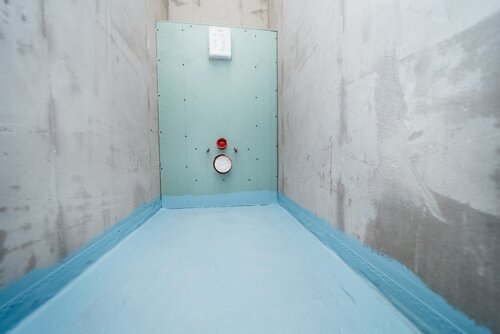
    Bathroom and balcony leakage is one of the most common construction problems affecting homes and apartments across Kenya. From Nairobi high-rise developments to residential houses in Ngong, Kiserian, and Kiambu, water seepage in wet areas continues to damage floors, ceilings, and internal wall structures. Proper bathroom waterproofing Kenya solutions are therefore essential to ensure long-term durability, hygiene, and structural protection.

    Bathrooms and balconies are constantly exposed to water. Unlike other parts of a building, these areas experience direct and continuous moisture exposure from daily use and rainfall. When waterproofing is not properly done during construction, water gradually penetrates through tiles, screeds, and concrete slabs, leading to damp patches, mold growth, and sometimes leakage into lower floors.

    Modern construction in Kenya increasingly relies on waterproof cement additives and cement-based waterproofing compounds to create durable moisture barriers within bathroom and balcony structures. These systems are far more effective than surface coatings alone because they integrate waterproofing properties directly into the cement matrix.

    At Ngong Hills Merchants, builders and homeowners can access a full range of waterproofing materials, construction additives, and building supplies through ngonghillsmerchants and source project-ready materials from shop for reliable construction solutions.

    Why Bathroom Waterproofing Kenya Systems Are Essential

    The importance of bathroom waterproofing Kenya solutions cannot be overstated in modern construction. Bathrooms are exposed to constant water flow from showers, sinks, and floor washing. Without proper waterproofing, this water easily penetrates tile joints and concrete surfaces.

    Over time, moisture infiltration leads to:

    • Tile lifting and loosening
    • Damp ceiling stains in lower floors
    • Mold and mildew growth
    • Cracked grout lines
    • Structural weakening of slabs
    • Unpleasant odors and hygiene issues

    Balconies face similar risks, especially when exposed to rainfall and poor drainage systems. Water accumulation on balcony floors can quickly seep into adjoining walls and interior rooms if waterproofing is inadequate.

    This is why professional contractors increasingly use waterproof cement bathroom systems combined with chemical additives for long-lasting protection.

    Builders can also source supporting construction materials such as adhesives and sealants through adhesive for improved waterproofing performance.

    Understanding Waterproof Cement Bathroom Systems

    Waterproof cement bathroom systems are designed to reduce the permeability of concrete and mortar used in wet areas. Cement naturally contains microscopic pores that allow water to pass through unless properly treated.

    Waterproof additives Kenya solutions work by modifying the internal structure of cement during hydration. This reduces water absorption and increases density.

    These systems typically work in three main ways:

    • Blocking capillary pores within cement
    • Reducing micro-crack formation in screeds and plaster
    • Creating hydrophobic properties that repel water

    Unlike surface paints or coatings, cement-based waterproofing becomes part of the structure itself, making it more durable and long-lasting.

    For complete bathroom installation systems, homeowners can explore sanitary and plumbing solutions at sanitary-ware and plumbing

    Step-by-Step Bathroom Waterproofing Kenya Process

    Proper installation is critical for successful bathroom waterproofing Kenya systems. Even the best materials can fail if the application process is incorrect.

    1. Surface Preparation

    The first step involves cleaning the substrate thoroughly. All dust, oil, loose particles, and construction debris must be removed to ensure proper bonding of waterproof cement.

    Any cracks should be repaired before waterproofing begins.

    2. Mixing Cement with Waterproof Additives

    Cement, sand, and waterproof additives are mixed according to manufacturer specifications. The goal is to ensure uniform distribution of waterproofing compounds throughout the mixture.

    Correct water-to-cement ratio is essential to avoid weakening the mix.

    3. Applying Waterproof Screed

    A cement-based screed is applied to bathroom and balcony floors with proper slope direction toward drainage points. This ensures water does not pool on surfaces.

    This step is critical for balcony waterproofing where rainwater accumulation is common.

    4. Wall Plastering with Waterproof Cement

    Walls exposed to water, especially around showers and sinks, should be plastered using waterproof cement bathroom mixtures to prevent seepage behind tiles.

    5. Curing Process

    Proper curing ensures maximum strength and waterproofing efficiency. The surface should be kept moist for several days to allow proper hydration.

    Builders can use quality tools for application from hand-tools and power-tools

    Balcony Waterproofing Challenges in Kenya

    Balcony waterproofing is often overlooked during construction, yet it is one of the most vulnerable areas in a building.

    Common balcony waterproofing problems include:

    • Poor slope design causing water pooling
    • Cracked screeds due to thermal expansion
    • Inadequate drainage outlets
    • Weak tile grouting
    • Exposure to direct rainfall and UV damage

    Without proper waterproofing, water can seep into adjacent rooms and cause serious structural damage over time.

    Using waterproof additives Kenya systems in balcony screeds significantly reduces water penetration and enhances long-term durability.

    For modern balcony designs, builders often combine waterproof systems with structural framing solutions available at framing

    Waterproof Cement Bathroom vs Surface Coatings

    One of the most important distinctions in waterproofing is between cement-based systems and surface coatings.

    Cement-Based Waterproofing

    • Integrated into concrete structure
    • Long-lasting protection
    • Resistant to wear and mechanical damage
    • Ideal for hidden waterproofing layers

    Surface Coatings

    • Applied on top of finished surfaces
    • Easier to install but less durable
    • Requires periodic maintenance
    • Can peel or wear over time

    For bathroom waterproofing Kenya applications, cement-based systems are generally preferred because they provide structural protection rather than temporary surface sealing.

    Common Mistakes in Bathroom Waterproofing Kenya Projects

    Many waterproofing failures in Kenyan buildings are caused by poor workmanship rather than material failure.

    Common mistakes include:

    • Incorrect mixing ratios of additives
    • Skipping surface preparation
    • Poor slope design toward drainage
    • Inadequate curing time
    • Using low-quality cement or sand
    • Ignoring wall waterproofing in wet zones

    Avoiding these mistakes significantly improves waterproofing performance and reduces future repair costs.

    Maintenance of Waterproof Bathrooms and Balconies

    Properly installed waterproof systems require minimal maintenance, but regular inspection is still important.

    Maintenance practices include:

    • Checking grout lines for cracks
    • Ensuring drainage outlets are clear
    • Repairing surface damage early
    • Monitoring ceiling areas below bathrooms
    • Reapplying sealants where necessary

    Early detection of minor issues prevents costly structural repairs later.

    Cost Considerations for Waterproofing in Kenya

    The cost of bathroom waterproofing Kenya systems depends on:

    • Size of the bathroom or balcony
    • Type of waterproof additive used
    • Quality of cement and materials
    • Labour and workmanship quality

    While cement-based waterproofing may slightly increase initial construction costs, it significantly reduces long-term repair expenses caused by leaks and moisture damage.

    Builders can compare materials and plan budgets through shop

    Choosing the Right Waterproofing Strategy

    Selecting the right waterproofing approach depends on project type and exposure level.

    For bathrooms:

    • Cement-based waterproof screeds are ideal
    • Wall plastering should include waterproof additives
    • Tile grouting should be moisture-resistant

    For balconies:

    • Proper slope design is essential
    • Waterproof screeds must be reinforced
    • Drainage systems must be well-planned

    Combining these elements ensures long-term durability and leak-free performance.

    For modern architectural finishing systems, builders can also explore glass-windows-and-partitions-in-kenya and hardware-fittings-glass-doors-partitions

    Bathroom waterproofing Kenya solutions are essential for protecting homes and buildings from moisture damage, especially in high-use wet areas like bathrooms and balconies. By using cement-based waterproof additives, proper installation techniques, and quality construction materials, homeowners can significantly reduce the risk of leakage, dampness, and structural deterioration.

    When correctly implemented, waterproof cement bathroom systems provide long-term protection, improved hygiene, and increased property value. In Kenya’s growing construction sector, investing in proper waterproofing during the building stage remains one of the most cost-effective ways to ensure durable and leak-free structures.

    Your One-Stop Hardware Partner in Ngong

    Imagine completing your project with the right tools, the best materials, and expert advice. At Ngong Hills Merchants, we turn your DIY or construction vision into reality with a complete selection of plumbing, electrical, glass, and sanitary ware.

    Contact our team for a consultation and get the right supplies, right now.

    QUALITY HARDWARE & SUPPLIES IN NGONG

    Complete Range of Plumbing & Electrical

    Power Tools, Adhesives & Paints

    Glass, Framing & Sanitary Ware

    Serving Ngong, Karen, Matasia, Kiserian & beyond.

    Request Your Free Consultation: Ngong Hills Merchants

    Email: ngonghillsmerchants [at] gmail.com

    Phone: +254 715974811

    Visit Us: Ngong Township, Ngong, Kenya

    Website: https://ngonghillsmerchants.com/
  • Pudlo Waterproof Additive Kenya Comparisons for Buildings

    Pudlo Waterproof Additive Kenya Comparisons for Buildings

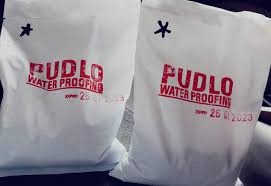
    Pudlo waterproof additive Kenya solutions are becoming increasingly important in modern construction as homeowners, contractors, and developers seek stronger protection against wall dampness, roof leakage, and structural water damage. Across Kenya, moisture infiltration continues to affect residential homes, apartment buildings, commercial projects, and industrial structures, especially during heavy rainy seasons. Choosing between Pudlo Economy and Pudlo Premium therefore requires understanding how each waterproofing system performs under different construction conditions and long-term durability requirements.

    Many Kenyan buildings begin experiencing leakage problems only a few years after completion. Damp walls, peeling paint, cracked plaster, ceiling stains, and mold growth are all signs that water has penetrated the structure. Once moisture enters concrete or masonry, it gradually weakens the building and increases maintenance costs. This is why selecting the right Pudlo waterproof additive Kenya product is no longer optional in quality construction projects.

    At Ngong Hills Merchants, contractors and homeowners can access complete waterproofing and construction material solutions through ngonghillsmerchants and source project-ready supplies from shop for residential and commercial developments.

    Why Pudlo Waterproof Additive Kenya Solutions Matter

    The demand for Pudlo waterproof additive Kenya systems has increased significantly because ordinary cement alone cannot fully resist water penetration. Concrete naturally contains microscopic pores and capillary channels that allow moisture to travel through walls, slabs, foundations, and roofs.

    When water enters these pores, buildings begin experiencing:

    • Damp internal walls
    • Paint blistering
    • Mold and mildew growth
    • Corrosion of reinforcement steel
    • Cracked plaster and screeds
    • Ceiling leakage

    Waterproof additives are designed to reduce concrete permeability by improving density and limiting water absorption. Unlike surface paints or coatings, a Pudlo waterproof additive Kenya system works internally within the cement structure itself, providing longer-lasting moisture protection.

    Builders often combine waterproof additives with quality construction materials available through adhesive for complete waterproofing systems.

    What Is Pudlo Economy Waterproof Additive?

    Pudlo Economy is a budget-friendly Pudlo waterproof additive Kenya product designed for moderate waterproofing applications in residential construction.

    It is commonly used for:

    • Internal wall plastering
    • Bathroom screeds
    • Kitchen wet areas
    • Standard residential rendering
    • General repair works

    One of the major advantages of Pudlo Economy is affordability. Contractors working on cost-sensitive projects often choose this waterproof additive because it provides improved moisture resistance without significantly increasing overall construction costs.

    However, while effective in standard residential applications, Pudlo Economy may not deliver the same advanced moisture resistance required for high-exposure environments such as basements, water tanks, or flat concrete roofs.

    For complete residential construction systems, homeowners can also explore our sanitary and plumbing supplies at sanitary-ware and plumbing

    Pudlo Waterproof Additive Kenya Premium Solutions Explained

    Pudlo Premium is a higher-performance Pudlo waterproof additive Kenya solution engineered for projects that require stronger moisture resistance and longer-term durability.

    Compared to economy-grade waterproofing additives, Pudlo Premium typically offers:

    • Enhanced pore blocking capability
    • Improved crack resistance
    • Stronger water repellency
    • Better performance under hydrostatic pressure
    • Greater long-term structural protection

    Pudlo Premium is commonly used in:

    • Flat roof waterproofing
    • Water storage tanks
    • Basement structures
    • Commercial developments
    • Apartment complexes
    • External walls exposed to heavy rainfall

    Because of its superior waterproofing performance, many contractors consider Pudlo Premium the better long-term investment despite its higher upfront cost.

    Pudlo Waterproof Additive Kenya Performance Comparison

    Selecting between Pudlo Economy and Pudlo Premium depends on understanding how each product performs under different construction conditions.

    Waterproofing Strength

    Pudlo Premium generally provides stronger protection against moisture penetration than Pudlo Economy. It performs better in environments exposed to continuous rainfall, standing water, or groundwater pressure.

    Pudlo Economy remains effective for moderate residential applications but may require additional waterproofing systems in high-risk areas.

    Durability

    Premium waterproof additives are formulated for longer-lasting structural protection. This reduces future maintenance and repair requirements.

    Economy-grade systems are suitable for lighter waterproofing demands but may not perform as effectively over extended periods under severe environmental exposure.

    Crack Resistance

    One of the biggest causes of leakage in Kenyan buildings is cracking. Pudlo Premium often provides better crack resistance due to enhanced cement matrix stability.

    Cost Considerations

    Pudlo Economy is more affordable during initial construction stages. However, Pudlo Premium often reduces future repair costs associated with leakage, dampness, and structural moisture damage.

    Builders comparing overall project budgets can browse construction materials and accessories through shop

    Best Applications for Pudlo Waterproof Additive Kenya Economy Systems

    Pudlo Economy remains a highly practical waterproofing solution for many residential applications.

    Ideal uses include:

    • Standard home construction
    • Internal wet areas
    • Bathroom wall plaster
    • Kitchen rendering
    • Moderate rainfall regions

    For homeowners seeking affordable waterproofing improvements, this Pudlo waterproof additive Kenya solution often provides adequate performance when combined with proper workmanship and drainage systems.

    Best Applications for Pudlo Waterproof Additive Kenya Premium Systems

    Pudlo Premium is better suited for demanding waterproofing environments where structural protection is critical.

    Recommended applications include:

    • Commercial buildings
    • Underground foundations
    • Rooftop slabs
    • Retaining walls
    • Water-retaining structures
    • External façades exposed to harsh weather

    In such environments, waterproofing failure can lead to extremely expensive structural repairs. This is why engineers often specify premium-grade waterproof additives during the design stage.

    For advanced construction systems, builders can also explore framing and glass

    How Pudlo Waterproof Additive Kenya Systems Prevent Damp Walls

    One of the main reasons builders use Pudlo waterproof additive Kenya products is to prevent wall dampness.

    Damp walls occur when moisture penetrates porous plaster or concrete and becomes trapped inside the structure. Over time, this causes:

    • Peeling paint
    • Salt deposits
    • Surface staining
    • Mold growth
    • Weak plaster adhesion

    Waterproof additives reduce these problems by decreasing the movement of water through cement-based materials.

    This makes them especially valuable in Kenyan regions experiencing seasonal heavy rainfall and poor external drainage conditions.

    Proper Installation of Pudlo Waterproof Additive Kenya Products

    Even the best waterproofing product can fail if improperly installed.

    To maximize performance, contractors should ensure:

    Correct Mixing Ratios

    Overdosing or underdosing waterproof additives reduces effectiveness.

    Controlled Water Content

    Too much mixing water increases concrete porosity and weakens waterproofing performance.

    Proper Surface Preparation

    Walls and substrates must be clean and free from dust or contaminants before plastering.

    Adequate Curing

    Proper curing improves cement hydration and enhances waterproof durability.

    Professional installation tools are available through hand-tools and power-tools Long-Term Maintenance and Structural Protection

    Buildings protected using quality Pudlo waterproof additive Kenya systems generally experience lower maintenance requirements.

    Effective waterproofing helps reduce:

    • Frequent repainting
    • Ceiling repairs
    • Mold remediation
    • Structural crack repair
    • Water seepage restoration costs

    This contributes significantly to long-term property value and structural lifespan.

    For commercial and architectural finishing systems, builders can also explore:

    Choosing the Right Pudlo Waterproof Additive Kenya Solution

    There is no single waterproofing product suitable for every project. The right choice depends on:

    • Environmental exposure
    • Building design
    • Moisture risk level
    • Budget constraints
    • Expected maintenance requirements

    Pudlo Economy is often ideal for cost-effective residential waterproofing, while Pudlo Premium provides stronger long-term protection for high-risk structural applications.

    Builders should always evaluate waterproofing as a long-term investment rather than simply a short-term material cost.

    You can also learn more about our project support expertise at about-us

    The growing demand for reliable waterproofing systems has made Pudlo waterproof additive Kenya products increasingly important in residential and commercial construction. Both Pudlo Economy and Pudlo Premium offer valuable moisture protection benefits, but they serve different construction priorities and performance expectations.

    For budget-conscious residential projects, Pudlo Economy provides practical waterproofing performance. For demanding commercial structures, rooftops, foundations, and high-moisture environments, Pudlo Premium delivers stronger durability and longer-term structural protection.

    Selecting the correct waterproof additive ensures that buildings remain protected against seepage, damp walls, and water-related deterioration for many years while reducing costly future repairs.

    Contact our team for a consultation and get the right supplies, right now.

    QUALITY HARDWARE & SUPPLIES IN NGONG

    Complete Range of Plumbing & Electrical

    Power Tools, Adhesives & Paints

    Glass, Framing & Sanitary Ware

    Serving Ngong, Karen, Matasia, Kiserian & beyond.

    Request Your Free Consultation: Ngong Hills Merchants

    Email: ngonghillsmerchants [at] gmail.com

    Phone: +254 715974811

    Visit Us: Ngong Township, Ngong, Kenya

    Website: https://ngonghillsmerchants.com/
  • Water Leakage Solutions Kenya Homeowners Need

    Water Leakage Solutions Kenya Homeowners Need

    Modern water leakage solutions Kenya contractors recommend now focus on preventive waterproofing rather than expensive post-construction repairs.. From damp walls in Nairobi apartments to leaking roofs in Ngong and water seepage in basements throughout rapidly developing urban areas, moisture intrusion continues to damage buildings long before their expected lifespan. Understanding the most effective water leakage solutions Kenya property owners can implement is essential for protecting structural integrity, indoor comfort, and long-term property value.

    Many homeowners initially treat leaks as cosmetic issues because the first signs often appear as peeling paint, stains, or mold growth. However, water infiltration gradually weakens concrete, corrodes reinforcement steel, damages finishes, and compromises electrical safety. In severe cases, prolonged moisture exposure can result in structural cracking and expensive rehabilitation works.

    Kenya’s changing weather patterns, rapid urban construction, and inconsistent building practices have increased the demand for professional waterproofing systems and durable construction materials. Today, successful leak prevention requires more than temporary patch repairs. It involves proper waterproofing design, quality materials, correct installation methods, and ongoing maintenance.

    At Ngong Hills Merchants, builders and homeowners can access a complete range of construction and waterproofing materials through ngonghillsmerchants and source project-ready supplies from shop for reliable building performance.

    Why Water Leakage Is a Growing Problem in Kenyan Buildings

    The increase in water leakage cases across Kenya is linked to several construction and environmental factors. Urban expansion has accelerated building activity, but in many projects waterproofing is either underestimated or poorly implemented.

    Concrete and masonry structures naturally contain microscopic pores. Without proper waterproofing systems, these pores allow moisture to penetrate walls, slabs, and foundations. During rainy seasons, especially in areas with prolonged storms, water infiltration becomes more severe.

    Common contributing factors include:

    • Low-quality building materials
    • Poor workmanship during plastering and roofing
    • Inadequate drainage systems
    • Cracks caused by settlement or structural movement
    • Improper waterproofing in bathrooms and wet areas

    Over time, these issues combine to create persistent leakage problems that affect both aesthetics and structural durability.

    1. Roof Leakage and Poor Drainage Systems

    Professional builders increasingly rely on advanced water leakage solutions Kenya property owners can use to protect roofs from seasonal rain damage.

    When rainwater accumulates on rooftops, it gradually penetrates through cracks and porous concrete surfaces. Thermal expansion caused by intense sunlight during dry periods further weakens roof structures, creating micro-cracks that worsen during rainy seasons.

    Signs of roof leakage include:

    • Ceiling stains
    • Bubbling paint
    • Mold growth near roof slabs
    • Water dripping during rainfall

    The most effective water leakage solutions Kenya contractors recommend for roofs include integral waterproofing additives, waterproof membranes, proper drainage channels, and crack repair systems.

    Builders can also strengthen roof installations using quality construction materials and fittings available through fittings and roofing support tools from hand-tools

    2. Bathroom and Wet Area Seepage

    Bathroom waterproof membranes remain one of the most effective water leakage solutions Kenya homeowners should prioritize during construction.

    Improper waterproofing beneath tiles often allows moisture to seep into walls and floors. In upper-floor bathrooms, this can lead to leakage into lower rooms, damaging ceilings and electrical systems.

    The most common causes include:

    • Poor tile joint sealing
    • Missing waterproof membranes
    • Cracked grout lines
    • Inadequate floor slope toward drainage outlets

    Modern bathroom waterproofing systems use cementitious waterproof coatings and waterproof cement additives to create moisture-resistant barriers beneath tiles and screeds.

    For complete bathroom installations, homeowners can explore modern sanitary and plumbing solutions at sanitary-ware and plumbing

    3. Wall Dampness and External Water Penetration

    Wall seepage is especially common in regions exposed to heavy rainfall and poor drainage. External walls absorb moisture through porous plaster, cracks, and defective paint systems.
    For long-term durability, water leakage solutions Kenya experts recommend combining waterproof plaster with exterior protective coatings.

    One of the biggest mistakes in Kenyan construction is relying solely on decorative paint without integrating waterproof plastering systems. While paint improves appearance, it cannot prevent moisture migration within wall structures.

    Leaking wall repair Kenya solutions typically involve:

    • Removing damaged plaster
    • Applying waterproof cement additives
    • Sealing cracks with waterproof compounds
    • Replastering using water-resistant mortar
    • Applying weather-resistant exterior coatings

    Quality waterproofing compounds and construction adhesives can be sourced through adhesive for durable wall protection systems.

    4. Foundation Moisture and Rising Damp

    Foundation sealing systems are among the most important water leakage solutions Kenya engineers use in high-moisture areas.

    Signs of rising damp include:

    • Peeling skirting paint
    • Salt deposits on lower walls
    • Persistent musty odor
    • Crumbling plaster near floor level

    The most effective waterproofing guide Kenya professionals recommend includes damp-proof membranes, waterproof foundation concrete, and proper site drainage planning.

    Foundation waterproofing should always be integrated during construction rather than added after structural completion.

    5. Cracked Concrete Structures

    Concrete cracks are natural to some extent, but uncontrolled cracking creates pathways for water infiltration.

    Cracks may result from:

    • Poor curing practices
    • Structural settlement
    • Thermal expansion
    • Excessive water in concrete mixes

    Once water enters cracks, it accelerates deterioration by corroding reinforcement bars and weakening concrete internally.

    Repair solutions often involve epoxy injection systems, crack sealants, and waterproof cement repair mortars.

    To support such repair projects, contractors often rely on specialized equipment and accessories available under power-tools

    6. Poor Plumbing Installations

    Modern plumbing inspection methods have improved how water leakage solutions Kenya technicians diagnose hidden pipe failures.

    Poor pipe joint installation, low-quality fittings, and aging plumbing systems often cause slow leaks inside walls and floors. Because these leaks remain hidden for long periods, they can cause significant structural and mold damage before detection.

    Common indicators include:

    • Unexplained water bills
    • Damp walls near pipe routes
    • Reduced water pressure
    • Mold growth around plumbing areas

    Using durable plumbing fittings and professional installation methods significantly reduces future leakage risks.

    Homeowners can browse our extensive range of plumbing supplies through plumbing for reliable installation systems.

    7. Window and Glass Installation Failures

    Modern buildings increasingly use large glass installations and aluminum framing systems. However, poor sealing around windows and partitions often leads to water penetration during heavy rain.

    Common causes include:

    • Improper silicone sealing
    • Poorly aligned frames
    • Low-quality installation hardware

    Water entering around windows can damage interior finishes and weaken adjacent wall sections.

    Builders can improve moisture resistance using quality aluminum and glass systems available at aluminium-glass-fittings and explore advanced glazing solutions via glass-windows-and-partitions-in-kenya

    8. Inadequate Exterior Drainage Systems

    Many water leakage solutions originate outside the building rather than inside it.

    Poor landscaping, blocked gutters, and improper surface drainage direct water toward foundations and external walls. Over time, this increases hydrostatic pressure against structures and encourages seepage.

    Effective drainage systems should include:

    • Proper roof gutters
    • Surface grading away from buildings
    • Functional drainage channels
    • Controlled rainwater discharge points

    Preventive drainage planning remains one of the most cost-effective water leakage solutions Kenya property owners can implement.

    9. Low-Quality Construction Materials

    One of the root causes of water leakage solutions in many buildings is the use of poor-quality materials. Weak cement, contaminated sand, and inferior waterproofing products compromise durability from the beginning.

    Professional contractors prioritize sourcing materials from reliable suppliers to ensure long-term performance.

    At Ngong Hills Merchants, builders can access dependable construction materials, electrical fittings, and finishing systems through electrical and paints for complete project support.

    Preventive Waterproofing vs Reactive Repairs

    Preventive waterproofing is always more affordable than repairing moisture damage after construction.

    Proactive waterproofing systems include:

    • Waterproof cement additives
    • Roof membranes
    • Foundation damp-proofing
    • Waterproof bathroom screeds
    • Exterior wall coatings

    Reactive repairs, on the other hand, often involve demolition, replastering, repainting, and structural rehabilitation.

    Investing in quality waterproofing during construction protects both the building and future maintenance budgets.

    Long-Term Benefits of Proper Waterproofing

    Effective waterproofing delivers several long-term advantages:

    • Increased structural durability
    • Reduced maintenance costs
    • Improved indoor air quality
    • Prevention of mold and mildew
    • Better property value retention

    In Kenya’s increasingly competitive property market, well-maintained leak-free buildings command stronger resale and rental value.

    Choosing the Right Waterproofing Contractor and Materials

    Not all waterproofing systems are equal. Successful results depend on proper diagnosis, quality materials, and skilled installation.

    When selecting waterproofing contractors Kenya property owners should evaluate:

    • Experience with similar projects
    • Quality of materials used
    • Surface preparation methods
    • Long-term maintenance recommendations

    Working with trusted hardware and construction suppliers ensures consistency and durability throughout the project lifecycle.

    You can also learn more about Ngong Hills Merchants and our commitment to quality construction support at about-us

    Water leakage remains one of the most destructive challenges facing Kenyan buildings today. From leaking roofs and damp walls to plumbing failures and foundation seepage, moisture intrusion can compromise both structural integrity and indoor comfort if left unresolved.

    By understanding the root causes of water leakage solutions and implementing modern waterproofing strategies early, homeowners and contractors can significantly reduce repair costs and extend the lifespan of buildings. Combining proper design, quality workmanship, and reliable construction materials remains the most effective approach to long-term moisture protection in Kenya.Investing early in professional water leakage solutions Kenya builders trust can significantly reduce future structural repair costs.

    Your One-Stop Hardware Partner in Ngong

    Imagine completing your project with the right tools, the best materials, and expert advice. At Ngong Hills Merchants, we turn your DIY or construction vision into reality with a complete selection of plumbing, electrical, glass, and sanitary ware.

    Contact our team for a consultation and get the right supplies, right now.

    QUALITY HARDWARE & SUPPLIES IN NGONG

    Complete Range of Plumbing & Electrical

    Power Tools, Adhesives & Paints

    Glass, Framing & Sanitary Ware

    Serving Ngong, Karen, Matasia, Kiserian & beyond.

    Request Your Free Consultation: Ngong Hills Merchants

    Email: ngonghillsmerchants [at] gmail.com

    Phone: +254 715974811

    Visit Us: Ngong Township, Ngong, Kenya

    Website: https://ngonghillsmerchants.com/
  • Pudlo cement Kenya Solutions to Stop Damp Walls

    Pudlo cement Kenya Solutions to Stop Damp Walls

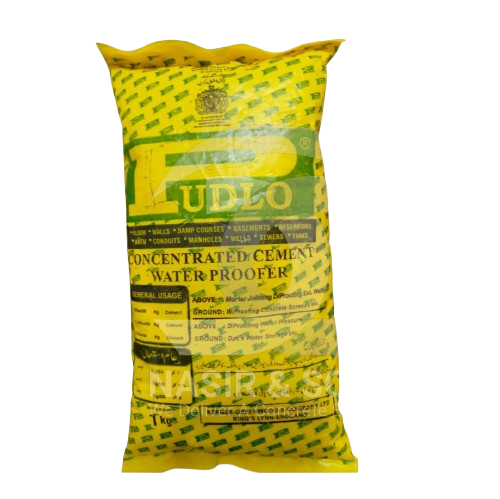
    Water ingress and wall dampness remain among the most persistent challenges in Kenya’s construction industry, affecting both newly built and aging structures. In many homes across Nairobi, Ngong, Kiserian, and surrounding areas, homeowners often notice peeling paint, discolored plaster, and musty odors within a few years of construction. These symptoms are usually linked to moisture penetration through concrete and masonry walls. One of the most widely used solutions to this problem is pudlo cement Kenya, a specialized waterproofing additive designed to reduce water absorption in cementitious structures and extend the lifespan of buildings.

    Understanding how pudlo waterproof cement works requires a closer look at how water interacts with concrete. Concrete may appear solid and impermeable, but at a microscopic level it contains a network of capillary pores. These pores allow moisture to travel through walls, especially in environments with heavy rainfall or poor drainage. Over time, this moisture accumulates, leading to damp patches, efflorescence, paint failure, and even structural weakening due to corrosion of embedded steel reinforcement.

    In modern Kenyan construction practice, waterproofing is no longer treated as an optional finishing step. It is a core component of structural durability planning. Builders, contractors, and developers increasingly rely on cement waterproof additive solutions like pudlo cement Kenya to ensure that buildings remain dry, stable, and resistant to long-term environmental damage.

    At Ngong Hills Merchants, waterproofing and construction durability solutions are integrated into a wider portfolio of building materials designed for both professional contractors and homeowners. You can explore our full range of construction essentials through ngonghillsmerchants or browse practical project materials via shop for immediate sourcing support.

    Understanding Wall Dampness in Kenyan Buildings

    Wall dampness is one of the most common structural complaints in Kenyan homes, especially in regions with seasonal heavy rainfall. It occurs when moisture penetrates building materials such as bricks, blocks, or concrete and becomes trapped within wall layers.

    The main causes of damp walls include:

    • Poor or missing waterproofing during construction
    • Inadequate curing of concrete and plaster
    • Cracked walls or structural settlement
    • Capillary rise of groundwater from foundations
    • Poor drainage around building perimeters

    Once moisture enters a wall system, it tends to migrate upward or sideways, depending on environmental conditions. This leads to visible signs such as blistering paint, salt deposits, and weakening plaster.

    Traditional surface coatings may temporarily hide these symptoms, but they do not address the underlying cause. This is where pudlo waterproof cement offers a more structural solution by reducing the ability of water to penetrate the concrete matrix itself.

    For builders sourcing complementary materials used in wall finishing and repair, you can explore our adhesives and bonding products at adhesive and paints which play a supporting role in wall protection systems.

    What Is Pudlo Cement and How It Works

    Pudlo waterproof cement Kenya refers to a waterproofing admixture that is blended with cement, sand, and aggregates to reduce permeability in concrete and mortar. Unlike surface coatings that act externally, pudlo works internally by modifying the physical structure of cement as it cures.

    When cement hydrates, it forms a hardened matrix with interconnected pores. Water can travel through these pores unless they are blocked or reduced in size. Pudlo additives function in three main ways:

    First, they reduce capillary pore size by altering the hydration process. This creates a denser cement structure that restricts water movement.

    Second, they introduce hydrophobic compounds that repel water molecules, preventing absorption into the wall system.

    Third, they improve overall compaction and cohesion of the cement mix, reducing micro-cracks that often serve as entry points for moisture.

    The result is a waterproof wall cement system that significantly reduces seepage and dampness over time.

    In practical construction applications, pudlo is often used in plastering, screeding, and rendering works where wall protection is essential.

    Why Wall Dampness Is a Serious Structural Problem

    Many property owners underestimate wall dampness because it often begins as a cosmetic issue. However, untreated moisture penetration can lead to long-term structural damage.

    When water enters walls, it carries dissolved salts that crystallize as moisture evaporates. This process, known as efflorescence, leads to surface staining and plaster breakdown.

    More importantly, moisture can reach steel reinforcement bars inside concrete structures. Once steel begins to corrode, it expands, creating internal pressure that leads to cracking and spalling of concrete surfaces.

    In extreme cases, prolonged dampness can compromise structural integrity and significantly reduce the lifespan of a building.

    This makes the use of cement waterproof additive systems like pudlo cement Kenya not just a finishing choice, but a critical structural safeguard.

    Application Areas of Pudlo Cement in Kenya

    Pudlo waterproof cement is widely used across different construction applications in Kenya, depending on exposure levels and structural requirements.

    In residential construction, it is commonly applied in internal and external plastering to prevent damp patches and paint failure. Bathrooms and kitchens benefit significantly from its moisture-resistant properties.

    In commercial buildings, pudlo is used in basements, parking structures, and lift pits where groundwater exposure is high.

    It is also widely used in water-retaining structures such as tanks, reservoirs, and swimming pools. These applications require a high level of impermeability to prevent leakage and contamination.

    In foundation works, pudlo enhances resistance against rising damp from the soil, particularly in areas with high water tables.

    To support such applications, construction professionals often rely on complementary materials such as plumbing systems available at plumbing and structural fittings found at fittings to ensure full system integrity.

    Comparison: Pudlo Cement vs Surface Waterproofing

    One of the most important distinctions in waterproofing is between integral and surface-based systems.

    Surface waterproofing methods include paints, membranes, and coatings applied after construction. While these can provide temporary protection, they are vulnerable to wear, peeling, and mechanical damage over time.

    Pudlo cement, on the other hand, is an integral waterproofing system. This means the protection is embedded within the cement structure itself.

    Key differences include:

    Durability: Pudlo-treated cement remains effective for the lifetime of the structure, while coatings degrade over time.

    Maintenance: Surface systems require frequent reapplication, whereas pudlo systems require minimal maintenance.

    Effectiveness: Internal waterproofing prevents hidden leaks within walls, while surface systems only protect outer layers.

    Cost efficiency: Although initial costs may be slightly higher, long-term savings are significant due to reduced repair needs.

    This is why many contractors in Kenya now prefer waterproof wall cement systems integrated at the mixing stage rather than relying solely on surface treatments.

    Proper Mixing and Application Techniques

    The effectiveness of pudlo cement Kenya depends heavily on correct application practices. Improper mixing can reduce its waterproofing efficiency.

    For best results, pudlo should be thoroughly mixed with cement and sand before adding water. This ensures even distribution of waterproofing agents throughout the mixture.

    The water-to-cement ratio should be carefully controlled, as excessive water can weaken the mix and reduce waterproofing performance.

    Surface preparation is also critical. Walls should be clean, free from dust, oil, and loose particles before plastering begins.

    Curing is another essential step. Proper curing allows the cement to hydrate fully and develop maximum strength and impermeability. In hot or dry conditions, walls should be kept moist for several days after application.

    For contractors and DIY builders, quality tools and accessories can be sourced from hand-tools which support accurate and efficient application.

    Cost Considerations and Value in Kenyan Construction

    The cost of using pudlo cement in Kenya varies depending on project size, brand availability, and mixing ratios. However, it is generally considered an affordable waterproofing solution compared to more advanced membrane systems.

    The real value lies in long-term savings. Repairing damp walls, repainting interiors, and fixing structural damage caused by moisture is significantly more expensive than preventive waterproofing during construction.

    For developers and homeowners, investing in waterproofing at the early stages of construction ensures better property value and reduced maintenance costs over time.

    Builders can compare material options and plan budgets effectively through shop where a wide range of construction materials is available.

    Long-Term Performance and Maintenance

    Once properly applied, pudlo cement requires very little maintenance. Unlike external coatings that degrade, internal waterproofing remains effective as long as the structure is intact.

    However, building maintenance practices still play a role in long-term performance. Proper drainage around buildings, regular inspection of cracks, and timely repairs help maintain waterproofing effectiveness.

    In Kenyan climates where rainfall patterns can be intense and unpredictable, combining good construction practices with quality materials is essential for long-term durability.

    For project consultation and expert guidance, builders can reach out via contact-us for professional support.

    Integration with Modern Building Systems

    Modern construction in Kenya increasingly combines waterproofing systems with advanced building technologies such as reinforced framing, aluminum fittings, and high-performance adhesives.

    For example, waterproof plastering systems are often integrated with structural finishes like aluminium-glass-fittings in modern architectural designs.

    This integrated approach ensures that both structural and aesthetic components of a building contribute to overall moisture resistance.

    At Ngong Hills Merchants, these systems are supported through a wide selection of construction materials available across categories such as glass and electrical ensuring builders can source complete project solutions in one place.

    Choosing the Right Waterproofing Strategy

    Selecting the right waterproofing solution depends on several factors including building type, exposure level, and budget constraints.

    For general residential plastering, pudlo cement is often sufficient. For high-risk environments such as basements or water tanks, additional waterproofing systems may be required.

    Contractors must also consider soil conditions, drainage systems, and structural design when planning waterproofing strategies.

    A well-designed waterproofing system ensures that moisture is controlled at every level—from foundation to finishing.

    Final Thoughts on Pudlo Cement in Kenya

    Pudlo waterproof cement Kenya remains one of the most practical and widely used solutions for preventing wall dampness in the construction industry. Its ability to integrate directly into cement mixtures makes it an efficient and reliable method of structural waterproofing.

    By addressing moisture penetration at the material level, it provides long-term protection against one of the most persistent challenges in Kenyan buildings. When combined with proper construction practices and quality materials, it significantly enhances durability, safety, and property value.

    Your One-Stop Hardware Partner in Ngong

    Imagine completing your project with the right tools, the best materials, and expert advice. At Ngong Hills Merchants, we turn your DIY or construction vision into reality with a complete selection of plumbing, electrical, glass, and sanitary ware.

    Contact our team for a consultation and get the right supplies, right now.

    QUALITY HARDWARE & SUPPLIES IN NGONG

    Complete Range of Plumbing & Electrical

    Power Tools, Adhesives & Paints

    Glass, Framing & Sanitary Ware

    Serving Kiserian, Ongata Rongai, Ngong Hills… & beyond.

    Request Your Free Consultation: Ngong Hills Merchants

    Email: ngonghillsmerchants [at] gmail.com

    Phone: +254 715974811

    Visit Us: Ngong Township, Ngong, Kenya

    Website: https://ngonghillsmerchants.com/

  • Best Waterproof Cement Kenya 2026 | Leak-Proof Additives Guide

    Best Waterproof Cement Kenya 2026 | Leak-Proof Additives Guide

    Waterproof cement Kenya is one of the most critical construction considerations for anyone building or renovating in regions that experience seasonal heavy rainfall, fluctuating temperatures, or high groundwater pressure. In Kenya, where residential and commercial structures are increasingly being built with reinforced concrete, the demand for durable waterproofing solutions has grown significantly. From rooftops in Nairobi to water tanks in Kiserian and basements in Kiambu, moisture penetration remains one of the leading causes of structural deterioration, costly repairs, and aesthetic damage.

    Understanding waterproof cement Kenya solutions requires more than just choosing a branded product. It involves understanding how cement chemistry interacts with additives, how water ingress occurs in porous concrete, and how long-term durability can be engineered from the foundation stage. The right waterproofing strategy ensures that buildings remain structurally sound, resistant to dampness, and protected against mold growth and steel reinforcement corrosion.

    In modern construction practice, waterproofing is no longer treated as an optional finishing step. Instead, it is integrated into the structural design through specialized cement additives, surface coatings, and admixtures that alter the permeability of concrete. These additives are particularly important in Kenyan environments where rainfall intensity and soil moisture levels vary significantly across regions.

    At Ngong Hills Merchants, waterproofing solutions are part of a broader construction materials ecosystem designed for builders, contractors, and homeowners seeking long-term reliability. You can explore our full selection of building essentials through our main platform at ngonghillsmerchants or browse construction-ready supplies at shop for practical project sourcing.

    Understanding Waterproof Cement and Why It Matters in Kenya

    Waterproof cement Kenya solutions are designed to reduce the porosity of concrete and mortar, making them resistant to water penetration. Ordinary cement naturally contains microscopic capillary pores formed during hydration. When exposed to water, these pores allow moisture to seep through, eventually causing damp patches, cracks, and weakening of structural integrity.

    Waterproofing additives modify this internal structure. They either block capillary channels, reduce pore size, or create hydrophobic (water-repelling) properties within the cement matrix. The result is a denser, more durable concrete structure capable of withstanding prolonged exposure to moisture.

    In Kenya’s construction environment, waterproofing is especially important in:

    • Rooftop slabs exposed to direct rainfall
    • Bathrooms and wet areas
    • Underground foundations and basements
    • Water storage tanks and reservoirs
    • External walls exposed to wind-driven rain

    Without proper waterproofing, even well-built structures begin to show signs of efflorescence, cracking, and reinforcement rusting within a few years.

    This is why contractors increasingly rely on waterproof cement additives Kenya solutions rather than relying solely on surface coatings after construction.

    How Waterproof Cement Additives Work

    Waterproofing additives function at a microscopic level. When mixed into cement or concrete, they react chemically or physically with hydration products to reduce permeability.

    There are three primary mechanisms:

    First, pore blocking additives introduce fine particles that fill voids in the cement matrix. This reduces the number of channels through which water can pass.

    Second, hydrophobic additives coat internal capillaries with water-repelling compounds. Instead of absorbing water, the concrete surface naturally repels it.

    Third, crystalline waterproofing additives react with free lime and moisture to form insoluble crystals. These crystals grow within pores and micro-cracks, sealing them permanently.

    Each system has its advantages depending on application. For example, crystalline systems are preferred in water tanks and foundations, while hydrophobic additives are commonly used in plastering and roofing applications.

    For builders sourcing these materials, our range of construction adhesives and bonding agents can be explored here: adhesive

    Common Types of Waterproof Cement Additives in Kenya

    The Kenyan construction market offers several types of waterproofing solutions, each suited for specific applications and budgets.

    1. Liquid Waterproofing Admixtures

    These are added directly into mixing water before concrete is poured. They are widely used in slabs, beams, and foundations. Their advantage lies in uniform distribution throughout the concrete mass.

    2. Powder Waterproofing Compounds

    Powder additives are blended with cement and sand before water is added. They are commonly used in plastering and screeding applications where surface protection is needed.

    3. Crystalline Waterproofing Agents

    These are advanced systems that react chemically within concrete to form insoluble crystals. They provide long-term waterproofing and are often used in water tanks and basements.

    4. Bituminous and Polymer-Based Additives

    These enhance flexibility and are commonly used in roof waterproofing systems where structural movement occurs due to temperature changes.

    5. Proprietary Products like Pudlo Waterproof Cement

    Products such as pudlo waterproof cement have been widely used in construction for decades due to their reliability in reducing water absorption in concrete structures.

    Each of these options contributes differently to waterproof cement Kenya solutions depending on project requirements and environmental exposure.

    Waterproofing Applications in Kenyan Construction

    Waterproofing is not limited to luxury buildings or large commercial projects. It is now a standard requirement across all construction categories.

    In residential homes, waterproof cement additives are used in bathrooms to prevent tile lifting and wall dampness. Rooftops benefit from reduced cracking and leakage, especially in flat slab designs common in urban Kenya.

    In commercial construction, basements and parking structures require heavy-duty waterproofing systems to prevent groundwater infiltration. Industrial facilities, especially those handling liquids, rely heavily on waterproof concrete systems for containment structures.

    Water storage tanks, whether underground or elevated, are among the most critical applications. Even minor leakage in such systems can lead to contamination and structural failure.

    To support such applications, Ngong Hills Merchants offers essential building materials through fittings and plumbing for integrated project support.

    Comparative Analysis: Waterproof Cement Additives vs Traditional Methods

    Traditional waterproofing in Kenya often relied on external coatings such as bituminous paint or cement slurry coatings. While these methods provide short-term protection, they are prone to wear and require frequent maintenance.

    Waterproof cement additives, on the other hand, provide integral waterproofing. This means protection is built into the concrete itself rather than applied on the surface.

    The key differences include:

    Durability: Additives last as long as the concrete structure itself, while coatings degrade over time.

    Maintenance: Additive-based waterproofing requires minimal maintenance compared to surface treatments.

    Effectiveness: Internal waterproofing prevents hidden leaks, whereas surface coatings only protect exposed areas.

    Cost efficiency: Although additives may increase initial material costs slightly, they significantly reduce long-term repair expenses.

    This shift in preference has made waterproof cement Kenya solutions a standard in modern construction planning.

    Installation and Mixing Guidelines for Waterproof Cement

    Proper application is essential for achieving full waterproofing performance. Even the best additive will fail if not mixed or applied correctly.

    For liquid admixtures, they should be added to clean mixing water before combining with cement and aggregates. Overdosing should be avoided as it may reduce compressive strength.

    For powder additives, dry mixing with cement and sand ensures even distribution before water is introduced.

    Surface preparation is equally important. Substrates must be clean, free from dust, oil, or loose particles. Proper curing after application also plays a major role in ensuring long-term performance.

    Builders often combine waterproof cement additives with quality hand tools and application equipment available here: hand-tools

    Cost Considerations and Long-Term Value

    The cost of waterproof cement Kenya solutions varies depending on the type of additive used, brand quality, and project scale. While basic additives are relatively affordable, advanced crystalline systems may require higher initial investment.

    However, the real value lies in lifecycle cost savings. Waterproofing failures often lead to expensive repairs involving structural rehabilitation, repainting, and sometimes demolition of affected sections.

    Investing in proper waterproofing from the start significantly reduces these risks. It also improves property value, especially in commercial and residential real estate markets where structural integrity is a key selling point.

    Builders can conveniently compare construction materials and pricing through shop to make informed purchasing decisions.

    Maintenance, Durability, and Structural Longevity

    One of the most important benefits of waterproof cement additives is reduced maintenance. Once properly installed, they require minimal intervention.

    However, periodic inspections are still recommended, especially in high-moisture environments. Checking for cracks, joint failures, and drainage issues ensures that the waterproofing system continues to perform effectively.

    In Kenyan climates where rainfall intensity can be unpredictable, long-term durability depends on a combination of good materials, proper design, and skilled workmanship.

    For project consultation and technical guidance, builders can reach out through contact-us for expert assistance.

    Integration with Modern Construction Systems

    Modern construction in Kenya increasingly combines waterproof cement systems with advanced materials such as aluminum glass fittings, reinforced framing, and high-performance adhesives.

    You can explore complementary construction solutions such as aluminium-glass-fittings which are often used in waterproof balcony and façade systems.

    This integrated approach ensures that not only the structural core but also finishing elements contribute to overall water resistance and building durability.

    Choosing the Right Waterproof Cement Solution

    Selecting the right waterproof cement Kenya product depends on several factors including exposure level, structural design, and budget.

    For rooftops and general plastering, powder-based additives are often sufficient. For water tanks and basements, crystalline systems provide superior long-term protection. For general construction, liquid admixtures offer a balanced combination of convenience and performance.

    Contractors should always consider the specific environmental conditions of the project site before making a final decision.

    The Role of Quality Materials in Successful Waterproofing

    Even the best waterproofing additive cannot compensate for poor-quality cement, sand, or workmanship. Successful waterproofing is a system, not a single product.

    This is why sourcing materials from reliable suppliers is critical. Ngong Hills Merchants supports construction professionals with a wide range of building essentials including electrical and paints which complement waterproofing systems in complete construction workflows.

    Waterproof cement Kenya solutions represent one of the most important advancements in modern building technology in the country. When properly selected and applied, they eliminate common structural issues such as leakage, damp walls, and premature concrete deterioration. Whether for residential homes, commercial buildings, or industrial infrastructure, waterproofing ensures long-term durability, safety, and value preservation.

    Your One-Stop Hardware Partner in Ngong

    Imagine completing your project with the right tools, the best materials, and expert advice. At Ngong Hills Merchants, we turn your DIY or construction vision into reality with a complete selection of plumbing, electrical, glass, and sanitary ware.

    Contact our team for a consultation and get the right supplies, right now.

    QUALITY HARDWARE & SUPPLIES IN NGONG

    Complete Range of Plumbing & Electrical

    Power Tools, Adhesives & Paints

    Glass, Framing & Sanitary Ware

    Serving Kiserian, Ongata Rongai, Ngong Hills… & beyond.

    Request Your Free Consultation: Ngong Hills Merchants

    Email: ngonghillsmerchants [at] gmail.com

     Phone: +254 715974811

    Visit Us: Ngong Township, Ngong, Kenya

     Website: https://ngonghillsmerchants.com/

  • Heavy Duty Door Hinges Kenya: Stop Sagging and Squeaking Doors

    Heavy Duty Door Hinges Kenya: Stop Sagging and Squeaking Doors

    Heavy Duty Door Hinges Kenya: Stop Sagging and Squeaking Doors

    Heavy doors are a defining feature in modern Kenyan construction, used in residential homes, apartments, offices, schools, and commercial buildings. They provide security, insulation, and a strong architectural presence. However, despite their strength, one of the most overlooked components often determines whether a door performs well or fails prematurely—the hinges.

    When poorly selected or improperly installed, doors begin to sag, scrape the floor, or produce persistent squeaking sounds. These problems are not just cosmetic; they indicate structural stress that can worsen over time. This is why Heavy Duty Door Hinges Kenya are essential in ensuring long-term performance, stability, and user comfort in any building.

    In Kenya’s rapidly growing construction sector, hardware quality has become a critical factor in building durability. Contractors, carpenters, and homeowners are now prioritizing reliable suppliers such as Ngong Hills Merchants, where quality building materials can be sourced through their main hardware platform at .

    Understanding Heavy Duty Door Hinges Kenya and Their Importance in Construction

    To fully appreciate the role of Heavy Duty Door Hinges Kenya, it is important to understand how doors function structurally. A door is not just a flat panel; it is a moving load that constantly transfers weight onto its supporting points. The hinge system is responsible for carrying this load while maintaining alignment and smooth motion.

    Every time a door opens or closes, force is applied to the hinge knuckle, screws, and frame. On heavy doors—such as solid wood or steel doors—this force is significantly higher. Over time, this leads to wear, misalignment, and eventual failure if standard hinges are used.

    Heavy-duty hinges are designed specifically to solve this problem by increasing load-bearing capacity, improving material strength, and distributing pressure more evenly across multiple points.

    Why Heavy Duty Door Hinges Kenya Are Essential for Modern Homes

    Modern Kenyan homes are increasingly adopting heavy solid-core doors for improved security and aesthetics. However, these doors can weigh several times more than hollow-core alternatives, making standard hinges inadequate.

    Heavy Duty Door Hinges Kenya are engineered to support these heavier loads without deformation. They provide:

    • Improved structural stability
    • Reduced door sagging over time
    • Smooth and quiet operation
    • Enhanced lifespan of door frames
    • Better alignment under frequent use

    In urban areas like Nairobi, Ngong, Karen, and Rongai, this has become particularly important due to high-density housing and frequent door usage in apartments and commercial buildings.

    How Heavy Duty Door Hinges Kenya Prevent Door Sagging

    Door sagging is one of the most common and frustrating issues faced by homeowners and builders. It occurs gradually, often unnoticed until the door starts scraping the floor or becomes difficult to close.

    Load Distribution and Structural Reinforcement

    The main cause of sagging is uneven weight distribution. Standard hinges concentrate stress on a few screws, which slowly loosen under pressure.

    Heavy Duty Door Hinges Kenya solve this through:

    • Thicker steel construction for higher load tolerance
    • Reinforced screw holes to prevent loosening
    • Multi-point load distribution across the door frame
    • Reduced bending stress on hinge pins

    This ensures that even after years of use, the door maintains its original alignment.

    Heavy Duty Door Hinges Kenya and the Problem of Squeaking Doors

    Squeaking doors are usually caused by friction between metal components inside the hinge mechanism. This happens when lubrication dries out, or when low-quality materials begin to wear unevenly.

    Ball-Bearing Technology and Smooth Operation

    Modern Heavy Duty Door Hinges Kenya often use ball-bearing systems that significantly reduce friction. These bearings allow smoother rotation and reduce metal-to-metal contact, resulting in:

    • Silent door operation
    • Reduced wear and tear
    • Longer hinge lifespan
    • Less frequent maintenance requirements

    This makes them ideal for bedrooms, offices, hotels, and any environment where noise control is important.

    Material Comparison of Heavy Duty Door Hinges Kenya

    The performance of hinges depends heavily on material composition. In Kenya, three main types dominate the market.

    Stainless Steel Heavy Duty Door Hinges Kenya

    Stainless steel is the most widely used material due to its resistance to rust and corrosion. It is ideal for both interior and exterior applications, especially in humid or coastal environments.

    Advantages include:

    • High corrosion resistance
    • Strong structural integrity
    • Long service life
    • Low maintenance requirements

    Ball-Bearing Heavy Duty Door Hinges Kenya

    These are designed for high-performance applications where doors are frequently used. The internal bearings reduce friction and make them ideal for commercial buildings and heavy wooden doors.

    Brass Hinges for Decorative Use

    Brass hinges are often chosen for aesthetic reasons in interior design. While visually appealing, they are not typically used for heavy structural doors due to lower load capacity.

    Installation Process for Heavy Duty Door Hinges Kenya

    Even the highest-quality hinges will fail if installed incorrectly. Proper installation is critical for performance and durability.

    Proper Door Alignment and Positioning

    When installing Heavy Duty Door Hinges Kenya, professionals follow strict alignment procedures:

    • At least three hinges per heavy door
    • Top hinge placed closer to the load-bearing point
    • Equal spacing between hinges
    • Precise vertical alignment

    Incorrect alignment leads to uneven load distribution, which accelerates wear.

    Secure Fastening and Frame Reinforcement

    Screws used in installation must be long enough to anchor deep into the frame. Short screws are one of the leading causes of hinge failure in Kenya.

    Professional installers also use reinforced tools and accessories sourced from reliable suppliers such as hand tools and equipment to ensure precision and durability.

    Common Problems Solved by Heavy Duty Door Hinges Kenya

    Many door issues in Kenyan buildings are directly linked to poor hinge quality.

    Door Misalignment

    Caused by weak hinges or loose screws. Heavy-duty hinges maintain alignment under continuous pressure.

    Door Dragging on Floor

    Occurs when hinge support weakens. Stronger hinges prevent downward shift.

    Frequent Repairs

    Low-quality hinges require constant tightening or replacement. Heavy-duty options reduce maintenance frequency.

    Frame Damage

    Weak hinges transfer stress to door frames, causing cracks or loosening over time.

    Maintenance Practices for Heavy Duty Door Hinges Kenya

    Even though these hinges are built for durability, maintenance improves longevity significantly.

    Recommended practices include:

    • Lubricating hinges every 3–6 months
    • Checking screw tightness regularly
    • Cleaning dust and rust buildup
    • Replacing worn-out hinges promptly

    Preventive maintenance is far more cost-effective than repairs or replacements.

    Heavy Duty Door Hinges Kenya in Commercial Construction

    Commercial buildings place much higher demands on door systems. Offices, hotels, hospitals, and schools require doors that can withstand constant opening and closing.

    In such environments, Heavy Duty Door Hinges Kenya are essential because they:

    • Support continuous high-frequency use
    • Maintain silent operation in professional environments
    • Reduce maintenance downtime
    • Improve safety and accessibility

    Choosing the Right Supplier for Heavy Duty Door Hinges Kenya

    The quality of hinges is only as reliable as the supplier. Builders in Kenya increasingly prefer established hardware providers who offer tested and durable materials.

    Ngong Hills Merchants is one such supplier, offering a wide range of construction materials, tools, and fittings. Their full selection can be explored through their online hardware shop, which supports both small-scale DIY users and large contractors.

    Additional related product categories include:

    Cost Considerations of Heavy Duty Door Hinges Kenya

    While heavy-duty hinges cost more than standard options, they provide significantly better long-term value. Cheap hinges often fail within months, leading to repeated replacements and higher cumulative costs.

    In contrast, heavy-duty hinges:

    • Last significantly longer
    • Reduce repair frequency
    • Protect door and frame integrity
    • Improve property value over time

    This makes them a cost-effective investment in the long run.

    Final Thoughts on Heavy Duty Door Hinges Kenya

    Investing in Heavy Duty Door Hinges Kenya is one of the most effective ways to ensure door stability, safety, and long-term performance. Whether for residential homes or commercial buildings, high-quality hinges eliminate common issues such as sagging, squeaking, and misalignment.

    With proper installation, correct material selection, and routine maintenance, doors can function smoothly for many years without structural failure.

    Call To Action

    Your One-Stop Hardware Partner in Ngong

    Imagine completing your project with the right tools, the best materials, and expert advice. At Ngong Hills Merchants, we turn your DIY or construction vision into reality with a complete selection of plumbing, electrical, glass, and sanitary ware.

    Contact our team for a consultation and get the right supplies, right now.

    QUALITY HARDWARE & SUPPLIES IN NGONG

    Complete Range of Plumbing & Electrical

    Power Tools, Adhesives & Paints

    Glass, Framing & Sanitary Ware

    Serving Ngong, Karen, Matasia, Kiserian & beyond.

    Request Your Free Consultation: Ngong Hills Merchants

    Email: ngonghillsmerchants [at] gmail.com

    Phone: +254 715974811

    Visit Us: Ngong Township, Ngong, Kenya

    Website: https://ngonghillsmerchants.com/
  • Roofing Nails vs Concrete Nails: Complete Comparison Guide Kenya

    Roofing Nails vs Concrete Nails: Complete Comparison Guide Kenya

    Roofing Nails vs Concrete Nails Kenya: Complete Comparison Guide

    In Kenya’s rapidly expanding construction sector, selecting the right fastening materials is a crucial decision that directly affects structural strength, durability, and long-term maintenance costs. One of the most misunderstood yet important comparisons in building hardware is Roofing Nails vs Concrete Nails Kenya. Although both are used for fastening, they serve entirely different structural roles and are designed for very different environments.

    Using the wrong nail type can lead to roofing failure, weak wall anchoring, corrosion damage, and expensive repairs. That is why professional builders and contractors increasingly rely on quality materials sourced from trusted suppliers such as Ngong Hills Merchants, where you can explore a full range of construction solutions through their main hardware shop collection.

    Roofing Nails vs Concrete Nails Kenya in Modern Construction

    Understanding Roofing Nails vs Concrete Nails Kenya starts with recognizing how each performs within a building system.

    Roofing nails are designed for securing lightweight materials such as iron sheets, shingles, and insulation onto wooden roof structures. They are engineered with wide heads and corrosion-resistant coatings to withstand harsh weather conditions and prevent roofing materials from lifting under wind pressure.

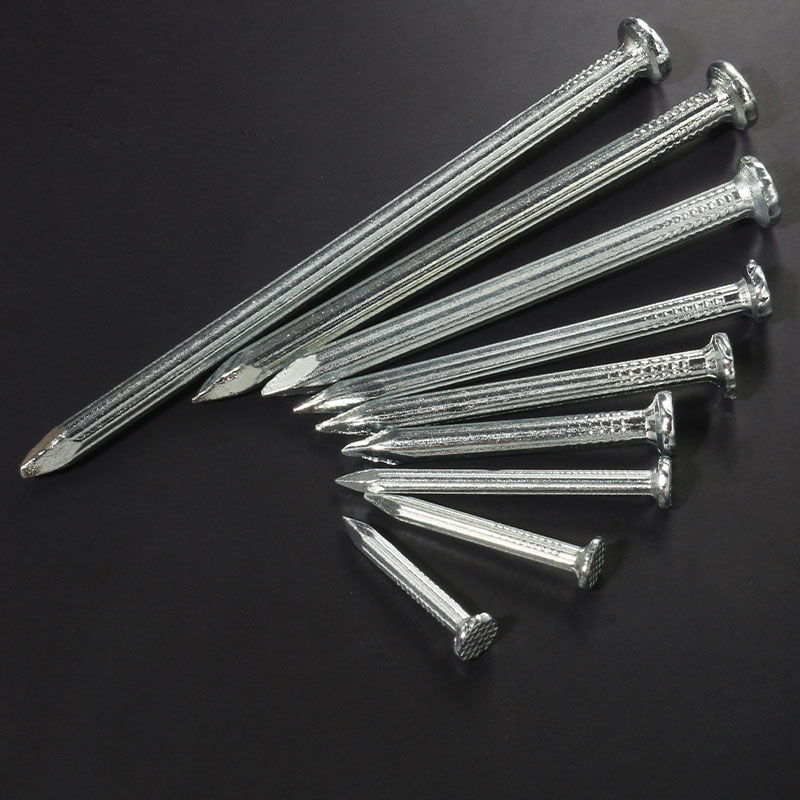
    Concrete nails, in contrast, are designed for penetration into hard surfaces like concrete, brick, and stone. Made from hardened steel, they are capable of withstanding high impact force during installation while maintaining structural grip inside masonry materials.

    Roofing Nails vs Concrete Nails Kenya: Why Their Functions Cannot Be Interchanged

    A major misconception in construction is that all nails serve similar purposes. In reality, Roofing Nails vs Concrete Nails Kenya differ significantly in design, strength, and application.

    Roofing nails are optimized for surface fastening, meaning they hold materials onto softer surfaces like timber. Their wide heads distribute pressure evenly to prevent tearing of roofing sheets.

    Concrete nails, on the other hand, are engineered for deep structural anchoring. They are hardened to withstand forceful hammering into dense materials without bending or breaking.

    This fundamental difference makes them non-interchangeable in professional construction.

    Roofing Nails vs Concrete Nails Kenya: Structural Design Differences

    Roofing Nails vs Concrete Nails Kenya and Head Structure

    Roofing nails feature large, flat heads designed to spread pressure over a wider surface area. This prevents damage to roofing materials and ensures a tight hold against wind uplift.

    Concrete nails have smaller, stronger heads built to withstand repeated hammer strikes during installation into masonry surfaces.

    Roofing Nails vs Concrete Nails Kenya and Shank Design

    Roofing nails typically have smooth or lightly ringed shanks that grip wood effectively without splitting it.

    Concrete nails feature fluted or grooved shanks that lock tightly into concrete after penetration, increasing holding strength significanty.

    Roofing Nails vs Concrete Nails Kenya: Material Composition and Durability

    Material composition plays a critical role in performance and longevity.

    Roofing nails are usually made from galvanized steel or aluminum, making them resistant to rust caused by rain, humidity, and temperature changes. This makes them ideal for outdoor roofing applications exposed to harsh weather.

    Concrete nails are manufactured from hardened or tempered steel, allowing them to withstand impact and penetration into dense materials without deformation. This makes them ideal for structural masonry work.

    Roofing Nails vs Concrete Nails Kenya: Practical Applications in Kenya

    Roofing Nails vs Concrete Nails Kenya for Roofing Systems

    Roofing nails are commonly used in:

    • Fixing iron sheets onto timber trusses
    • Installing roofing felt and insulation layers
    • Securing shingles and ceiling boards
    • Outdoor wooden roofing structures exposed to weather

    Roofing Nails vs Concrete Nails Kenya for Masonry Applications

    Concrete nails are commonly used in:

    • Fixing wooden battens onto concrete walls
    • Installing skirting boards on masonry surfaces
    • Anchoring fixtures into brick or stone
    • General structural fastening in construction work

    Roofing Nails vs Concrete Nails Kenya: Strength and Load Performance

    Roofing nails are designed primarily for holding power against environmental forces such as wind and rain. They are not intended for structural load-bearing applications.

    Concrete nails are designed to withstand both impact force during installation and long-term structural loads once embedded in masonry. Their strength makes them essential for heavy-duty construction work.

    Roofing Nails vs Concrete Nails Kenya: Installation Process Differences

    Roofing Nails vs Concrete Nails Kenya in Roofing Installation

    Roofing nails are installed using hammers or nail guns. Proper installation ensures that roofing sheets remain secure without being damaged by overdriving the nail.

    Roofing Nails vs Concrete Nails Kenya in Concrete Installation

    Concrete nails require higher impact force and are driven directly into masonry surfaces. In some cases, pre-drilling may be necessary for extremely hard concrete structures.

    Correct installation is essential for long-term performance and structural integrity.

    Roofing Nails vs Concrete Nails Kenya: Common Construction Errors

    Many construction failures in Kenya are caused by incorrect nail selection or poor installation practices.

    Common mistakes include:

    • Using roofing nails for concrete walls
    • Using concrete nails on roofing sheets
    • Ignoring corrosion resistance requirements
    • Selecting incorrect nail length for material thickness

    These mistakes often lead to leaks, loose fittings, and premature structural damage.

    Roofing Nails vs Concrete Nails Kenya: Cost and Long-Term Value

    Roofing nails are generally more affordable due to simpler design and lighter material requirements. Concrete nails are slightly more expensive because they require hardened steel and specialized manufacturing processes.

    However, long-term value is more important than initial cost. Using the wrong nail type often results in repeated repairs, making proper selection more cost-effective over time.

    Roofing Nails vs Concrete Nails Kenya: Where to Buy Quality Materials

    Choosing the right supplier is just as important as choosing the right nail type. Low-quality fasteners can fail even when correctly installed.

    Builders and homeowners trust Ngong Hills Merchants for reliable construction materials, available through their full hardware shop. You can also explore specialized categories such as hand tools and equipment, fittings and accessories, and other essential building materials.

    High-quality sourcing ensures durability, reduces maintenance costs, and improves overall construction safety.

    Roofing Nails vs Concrete Nails Kenya: Final Expert Insight

    Understanding Roofing Nails vs Concrete Nails Kenya is essential for successful construction projects. Each nail type is engineered for a specific purpose, and using them interchangeably can compromise structural integrity.

    Roofing nails are best suited for lightweight roofing applications, while concrete nails are designed for heavy-duty masonry fastening. Choosing correctly ensures durability, safety, and long-term performance in any construction environment.

    Call To Action

    Your One-Stop Hardware Partner in Ngong

    Imagine completing your project with the right tools, the best materials, and expert advice. At Ngong Hills Merchants, we turn your DIY or construction vision into reality with a complete selection of plumbing, electrical, glass, and sanitary ware.

    Contact our team for a consultation and get the right supplies, right now.

    QUALITY HARDWARE & SUPPLIES IN NGONG

     Complete Range of Plumbing & Electrical

     Power Tools, Adhesives & Paints

     Glass, Framing & Sanitary Ware

     Serving Ngong, Karen, Matasia, Kiserian & beyond.

     Request Your Free Consultation: Ngong Hills Merchants

     Email: ngonghillsmerchants [at] gmail.com

     Phone: +254 715974811

     Visit Us: Ngong Township, Ngong, Kenya

     Website: https://ngonghillsmerchants.com/
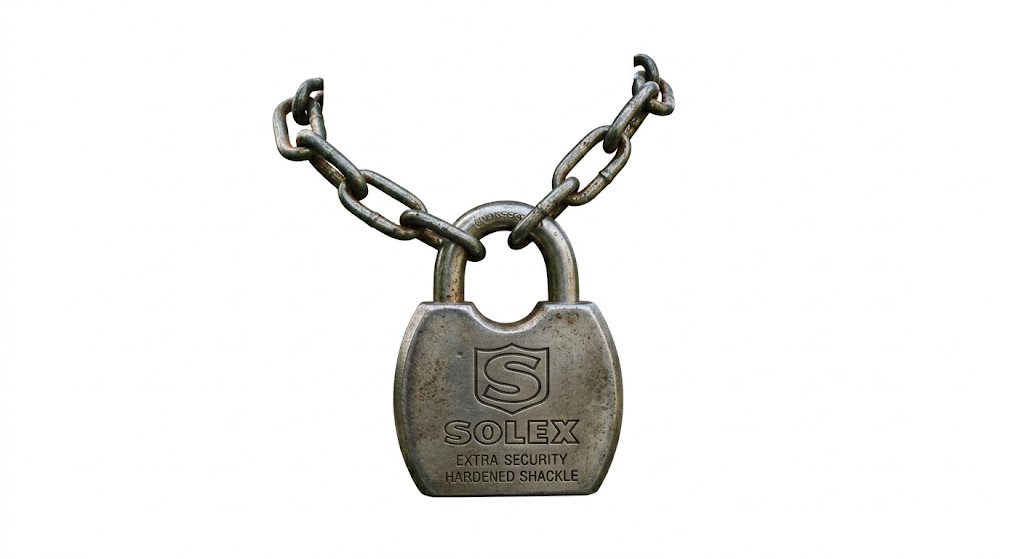
  • Heavy Duty Padlocks Kenya: Expert Guide to Securing Your Gates

    Heavy Duty Padlocks Kenya: Expert Guide to Securing Your Gates

    7 Best Heavy Duty Padlocks Kenya: Expert Guide to Securing Your Gates

    Security remains one of the most important concerns for homeowners, businesses, institutions, and property developers across Kenya. Gates, doors, storage units, and perimeter fences all rely on strong locking systems to prevent unauthorized access. Among the most reliable and widely used solutions are Heavy Duty Padlocks Kenya, designed to withstand cutting tools, forced entry attempts, corrosion, and harsh environmental conditions.

    Unlike standard locks that fail under pressure, heavy-duty padlocks are engineered for long-term durability and high resistance. They are now the preferred choice for securing residential gates, commercial buildings, warehouses, and industrial sites. Many professionals source reliable hardware from trusted suppliers such as Ngong Hills Merchants, where quality construction materials can be accessed through their main hardware shop.

    Heavy Duty Padlocks Kenya for Maximum Gate Security Performance

    The real strength of Heavy Duty Padlocks  lies in their ability to provide consistent security under pressure. Gates are the first line of defense for any property, and weak locking systems create easy entry points for intruders.

    Heavy-duty padlocks are built using reinforced steel bodies and hardened shackles that resist cutting, sawing, and hammering. They are specifically designed for outdoor use, where exposure to weather conditions can quickly degrade weaker materials.

    These locks are commonly used in estates, apartments, business premises, and storage yards where reliable security is essential.

    Heavy Duty Padlocks Kenya and Why Standard Locks Fail in Real Conditions

    Standard padlocks are often designed for light-duty applications. While they may appear similar externally, their internal structures are significantly weaker.

    In real-world conditions, standard locks fail due to:

    • Thin shackles that can be cut easily
    • Low-grade internal springs that wear out quickly
    • Poor resistance to rust and moisture
    • Simple locking systems vulnerable to picking

    In contrast, Heavy Duty Padlocks  are designed specifically to overcome these weaknesses through reinforced engineering and stronger materials.

    They provide higher resistance against physical attack and environmental damage, making them far more reliable for outdoor gate security.

    Heavy Duty Padlocks Kenya and Structural Engineering Design

    Heavy Duty Padlocks Kenya Body Construction Strength

    The body of a heavy-duty padlock is made from hardened steel or reinforced alloys. This gives it strong resistance against impact, drilling, and prying tools.

    The internal structure is tightly engineered to reduce weak points, making forced break-ins significantly more difficult.

    Heavy Duty Padlocks Kenya Shackle Protection System

    The shackle is the most exposed part of any padlock. In heavy-duty designs, it is thickened and hardened to resist cutting tools such as bolt cutters and hacksaws.

    Some models also include hidden or shielded shackles, making them even more secure against attack.

    Heavy Duty Padlocks Kenya for Residential Gate Security

    Home security is one of the most common applications for Heavy Duty Padlocks .

    Homeowners use them to secure:

    • Main entrance gates
    • Backyard access points
    • Storage sheds
    • Garage doors

    A strong padlock not only protects property but also acts as a visible deterrent to intruders. In many cases, the presence of a heavy-duty lock discourages attempted break-ins altogether.

    Heavy Duty Padlocks Kenya for Commercial and Industrial Use

    Commercial properties require a higher level of security due to the value of stored goods and equipment.

    Businesses use Heavy Duty Padlocks  for:

    • Warehouses and storage facilities
    • Office gate entrances
    • Construction sites
    • Transport and logistics containers

    Industrial environments demand locks that can withstand frequent use, dust exposure, and mechanical stress. Heavy-duty padlocks are designed precisely for these conditions.

    Heavy Duty Padlocks Kenya and Lock Mechanism Technology

    The internal locking mechanism plays a major role in determining security effectiveness.

    Heavy Duty Padlocks Kenya Cylinder Lock Systems

    Cylinder-based locks use pin-tumbler technology, which is highly resistant to picking. This makes unauthorized duplication or manipulation extremely difficult.

    Heavy Duty Padlocks Kenya Disc Detainer Systems

    Disc detainer locks provide enhanced resistance against drilling and physical tampering. They are often used in high-security applications.

    Heavy Duty Padlocks Kenya Combination Lock Systems

    Combination locks eliminate the need for physical keys, reducing the risk of key loss or duplication.

    Heavy Duty Padlocks Kenya and Material Durability Factors

    Heavy Duty Padlocks Kenya Hardened Steel Advantage

    Hardened steel is the strongest material commonly used in padlock construction. It provides excellent resistance against cutting and impact forces.

    Heavy Duty Padlocks Kenya Brass and Alloy Components

    Internal components often use brass or alloy materials for smooth operation and corrosion resistance.

    Heavy Duty Padlocks Kenya Anti-Corrosion Protection

    Since most padlocks are exposed outdoors, anti-rust coatings are essential for long-term durability, especially in humid or coastal regions.

    Heavy Duty Padlocks Kenya Installation Best Practices

    Even the strongest padlock can fail if installed incorrectly.

    Heavy Duty Padlocks  Proper Gate Alignment

    Misaligned gates create unnecessary pressure on the locking system, reducing its lifespan and effectiveness.

    Heavy Duty Padlocks  Hasp and Hardware Strength

    Always pair padlocks with hardened steel hasps. Weak hasps can be cut even if the padlock is strong.

    Heavy Duty Padlocks  Secure Mounting Techniques

    Use reinforced screws and ensure tight installation to prevent movement or loosening over time.

    Tools from hand tools and equipment are commonly used for proper installation.

    Heavy Duty Padlocks Kenya Maintenance and Longevity

    Proper maintenance ensures long-term performance.

    • Apply lubricant regularly to internal mechanisms
    • Clean dust and debris from keyholes
    • Check for rust or corrosion
    • Replace worn-out locks immediately

    Well-maintained padlocks can last many years without performance loss.

    Heavy Duty Padlocks Kenya Common Security Mistakes

    Many security failures in Kenya are caused by simple mistakes:

    • Using lightweight padlocks for high-security gates
    • Ignoring weather exposure effects
    • Poor installation of locking hardware
    • Not replacing old or damaged locks

    Avoiding these mistakes significantly improves overall property security.

    Heavy Duty Padlocks Kenya Cost vs Value Analysis

    While heavy-duty padlocks cost more than standard options, they offer significantly better long-term value.

    Cheap locks often fail quickly, leading to repeated replacements and higher cumulative costs. Heavy-duty options reduce maintenance frequency and improve security reliability.

    This makes them a cost-effective investment for serious property protection.

    Where to Buy Heavy Duty Padlocks Kenya

    Choosing a trusted supplier is critical for security hardware.

    Ngong Hills Merchants provides reliable construction and security solutions for residential, commercial, and industrial use. You can explore their full selection through their hardware shop, or browse related categories such as fittings and accessories and adhesives and construction materials.

    High-quality sourcing ensures better durability, reliability, and security performance.

    Final Thoughts on Heavy Duty Padlocks Kenya

    Investing in Heavy Duty Padlocks  is one of the most effective ways to improve property security. With strong materials, advanced locking mechanisms, and proper installation, these padlocks provide long-lasting protection for gates, doors, and storage areas.

    Whether for residential or commercial use, selecting high-quality padlocks ensures peace of mind, durability, and reliable security performance.

    Call To Action

    Your One-Stop Hardware Partner in Ngong

    Imagine completing your project with the right tools, the best materials, and expert advice. At Ngong Hills Merchants, we turn your DIY or construction vision into reality with a complete selection of plumbing, electrical, glass, and sanitary ware.

    Contact our team for a consultation and get the right supplies, right now.

    QUALITY HARDWARE & SUPPLIES IN NGONG

     Complete Range of Plumbing & Electrical

     Power Tools, Adhesives & Paints

     Glass, Framing & Sanitary Ware

     Serving Ngong, Karen, Matasia, Kiserian & beyond.

     Request Your Free Consultation: Ngong Hills Merchants

     Email: ngonghillsmerchants [at] gmail.com

     Phone: +254 715974811

     Visit Us: Ngong Township, Ngong, Kenya

     Website: https://ngonghillsmerchants.com/
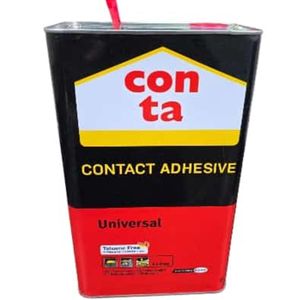
  • Powerful Uses for Contact Adhesive in Carpentry and Upholstery in Kenya

    Powerful Uses for Contact Adhesive in Carpentry and Upholstery in Kenya


  • Overcoming Low Water Pressure for Your Instant Shower

    Overcoming Low Water Pressure for Your Instant Shower

    A consistent, strong shower flow is essential for a comfortable daily routine in Kenyan homes. Unfortunately, many households face issues with low water pressure instant shower Kenya, resulting in trickling water, cold spots, and a frustrating bathing experience. Whether you have an Ariston, Lorenzetti, or other popular instant shower brand, understanding the causes and solutions of low water pressure is critical for ensuring comfort and efficiency.

    This guide provides a detailed, Kenya-focused exploration of low water pressure issues, including technical causes, troubleshooting steps, installation best practices, and maintenance tips. Additionally, it incorporates practical solutions using locally available plumbing tools and materials from Ngong Hills Merchants. By the end of this article, homeowners, landlords, and installers will have a clear roadmap to restore optimal shower performance.

    Common Causes of Low Water Pressure in Instant Showers

    Understanding the root cause is the first step toward fixing low water pressure in an instant shower.

    1. Inadequate Household Water Supply

    In many Kenyan neighborhoods, water supply from municipal networks or boreholes can fluctuate, particularly during peak usage hours. In areas like Nairobi’s densely populated suburbs or coastal towns like Mombasa, low municipal water pressure can directly affect shower performance.

    2. Pipe Diameter and Plumbing Layout

    Incorrect pipe sizing reduces water flow to the shower unit. Standard installations in Kenyan homes often use 15–20 mm piping for bathroom supply, but long runs or multiple bends can cause significant pressure loss. Ensuring compliance with recommended pipe standards from Ngong Hills Merchants plumbing category is crucial.

    3. Blockages or Scaling

    Limescale buildup, debris, or rust in pipes or shower heads reduces water flow. Hard water areas like Kisumu and Eldoret experience higher scaling in older plumbing systems. Regular descaling and pipe cleaning can restore optimal instant shower water flow.

    4. Shower Unit Restrictions

    Some instant showers have internal flow restrictors to conserve energy and water. While beneficial for efficiency, these can limit water pressure if municipal supply is already low. Checking specifications for devices like Lorenzetti or Ariston instant showers is essential.

    How to fix low water pressure in an instant shower?

    This step-by-step guide provides practical solutions suitable for Kenyan homes.

    Step 1: Assess Household Water Pressure

    • Use a water pressure gauge at the inlet to measure supply.

    • Ideal pressure for instant showers: 20–30 psi (1.4–2 bar).

    • If below this range, consider pressure boosters or pumps.

    For borehole-fed homes, submersible pumps can maintain consistent pressure. Explore the submersible water pumps catalog for reliable options.

    Step 2: Inspect Plumbing Layout

    • Check pipe diameters and run lengths.

    • Replace narrow or corroded pipes using quality materials from Ngong Hills Merchants plumbing category.

    • Reduce unnecessary bends or fittings to minimize pressure drops.

    Step 3: Clean Shower Head and Hoses

    • Remove and soak shower heads in a mild vinegar solution to dissolve mineral deposits.

    • Replace old or blocked hoses with new flexible piping.

    • For precise adjustments, tools like the Ingco Hand Riveter 8 HR081 help secure brackets and supports.

    Step 4: Check for Flow Restrictors

    • Some instant showers include built-in restrictors to limit flow.

    • Consult the manufacturer manual and consider adjusting or removing if supply allows.

    Step 5: Install a Pressure Booster

    • If water supply is consistently low, a booster pump increases instant shower water flow.

    • Compact, energy-efficient pumps are available for residential installations. Refer to the plumbing category for pump options.

    Step 6: Test and Optimize

    • After modifications, measure flow at multiple times of day.

    • Adjust temperature and flow settings on the instant shower unit to match supply conditions.

    Proper maintenance ensures that low water pressure instant shower Kenya issues do not recur, keeping daily routines smooth and comfortable.

    Tools and Materials for Fixing Low Water Pressure

    Using the right tools and materials is essential for a safe and lasting repair.

    Recommended Tools

    Recommended Materials

    • High-quality flexible hoses

    • PPR or PVC pipes (depending on compatibility with your shower unit)

    • Teflon tape and pipe sealant for leak-free connections

    Investing in durable materials ensures that instant shower water flow is restored and maintained over time.

    Installation Best Practices in Kenya

    Proper installation reduces the risk of low water pressure instant shower

    Placement and Height

    • Install instant showers according to manufacturer specifications (typically 1.2–1.5 m from the floor).

    • Avoid long pipe runs from the main supply to the shower.

    Pipe Sizing

    • Use minimum 20 mm supply piping for single showers.

    • For multiple units or long runs, increase diameter to 25 mm or use a booster pump.

    Electrical Safety

    • Instant showers are electric; always switch off the main before servicing.

    • Ensure compliance with KEBS and local wiring standards.

    Proper installation ensures that your low water pressure instant shower Kenya issue is prevented before it starts.

    Common Mistakes to Avoid

    1. Ignoring inlet water pressure before installation.

    2. Using undersized pipes for long plumbing runs.

    3. Failing to clean or maintain shower heads regularly.

    4. Overlooking manufacturer restrictions on flow rate.

    5. Installing booster pumps without checking electrical compatibility.

    Correcting these mistakes can prevent recurring low water pressure issues and reduce maintenance costs in Kenyan homes.

    Maintenance Tips for Consistent Flow

    Regular maintenance ensures strong, reliable instant shower water flow.

    • Clean shower heads monthly to prevent limescale buildup.

    • Inspect flexible hoses for kinks or blockages.

    • Check inlet filters on Ariston or Lorenzetti units.

    • Periodically test pressure using a gauge to ensure consistent flow.

    Using these proactive steps, homeowners can enjoy hassle-free showers and extend the lifespan of their units.

    Real-World Applications in Kenyan Homes

    Urban Apartments

    • Commonly affected by low municipal supply during peak hours.

    • Installing booster pumps restores adequate flow for daily routines.

    Standalone Homes with Boreholes

    • Borehole-fed showers often suffer pressure drops due to pipe friction.

    • Submersible pumps and proper pipe sizing improve instant shower water flow.

    Luxury Homes and Hotels

    • Multiple shower units require larger supply pipes and pressure regulators.

    • Regular maintenance ensures consistent comfort for residents or guests.

    Ngong Hills Merchants offers all necessary plumbing supplies, from high-quality hoses to pumps, accessible via the Shop.

    Choosing the Right Shower Unit

    Selecting an instant shower compatible with your water pressure is critical.

    • Lorenzetti: Works best with minimum 20 psi; includes internal flow restrictor adjustments.

    • Ariston: Efficient heating element but sensitive to low pressure.

    • Ensure unit supports desired flow rates for double or multi-bowl bathroom setups.

    Using quality fittings and tools from Ngong Hills Merchants Plumbing category guarantees compatibility and long-term performance.

    Final Thoughts on Overcoming low water pressure instant shower

    Successfully Overcoming Low Water Pressure for Your Instant Shower requires understanding both the plumbing system and the shower unit itself. From pipe upgrades and booster pumps to proper installation and maintenance, multiple solutions can restore strong and consistent water flow.

    With the right approach and quality materials, homeowners can transform weak shower performance into a reliable and comfortable bathing experience.

    Call To Action

    Your One-Stop Hardware Partner in Ngong

    Imagine completing your project with the right tools, the best materials, and expert advice. At Ngong Hills Merchants, we turn your DIY or construction vision into reality with a complete selection of plumbing, electrical, glass, and sanitary ware.

    Contact our team for a consultation and get the right supplies, right now.

    QUALITY HARDWARE & SUPPLIES IN NGONG

     Complete Range of Plumbing & Electrical

     Power Tools, Adhesives & Paints

     Glass, Framing & Sanitary Ware

     Serving Ngong, Karen, Matasia, Kiserian & beyond.

     Request Your Free Consultation: Ngong Hills Merchants

     Email: ngonghillsmerchants [at] gmail.com

     Phone: +254 715974811

     Visit Us: Ngong Township, Ngong, Kenya

     Website: https://ngonghillsmerchants.com/