Blog

  • Soundproof & Bulletproof Glass Options for High-Security Installations in Nairobi

    Soundproof & Bulletproof Glass Options for High-Security Installations in Nairobi

    Glass technology has evolved tremendously over the last decade, enabling both residential and commercial projects to achieve levels of security and acoustic comfort that were previously impossible. For homeowners, business owners, and institutions in Nairobi, selecting the right soundproof and bulletproof glass in Nairobi is no longer a luxury but a necessity for safeguarding property, employees, and peace of mind. This guide dives deep into everything you need to know—from design inspiration and material comparison to technical specifications, installation, and long-term maintenance—ensuring that your high-security glass investment is both functional and enduring.

    Understanding Soundproof and Bulletproof Glass

    At its core, soundproof glass focuses on reducing unwanted noise transmission, while bulletproof (or ballistic-resistant) glass is engineered to withstand projectiles and forced entry. Though each type serves a distinct purpose, modern fabrication techniques often combine these features, creating hybrid panels ideal for offices near busy roads, banks, jewelry stores, and luxury residences in Nairobi.

    Soundproof glass typically involves multiple layers of laminated glass with interlayers designed to dampen sound waves. Meanwhile, bulletproof glass uses thick polycarbonate or laminated layers capable of absorbing and dispersing the energy from firearms. Both solutions demand precise installation, as gaps or poor framing can compromise performance. For reliable sourcing, explore our full range of glass products suitable for high-security applications.

    Design and Application Inspiration

    High-security glass is no longer purely functional; it also contributes to aesthetics and design. Contemporary offices and homes in Nairobi leverage large glass facades to maximize natural light while maintaining safety. For example, banks often integrate laminated bulletproof glass into teller counters, while corporate boardrooms utilize soundproof panels to ensure privacy during sensitive discussions.

    Residential applications are equally transformative. Floor-to-ceiling windows in Nairobi apartments can incorporate soundproof glass to reduce traffic noise, offering serene urban retreats without sacrificing style. When planning a high-security installation, consider pairing your glass choice with complementary framing systems and glass accessories to enhance both safety and visual appeal.

    Functional and Durability Benefits

    The advantages of investing in quality soundproof and bulletproof glass extend beyond security.

    • Enhanced Safety: Bullet-resistant glass protects against break-ins and ballistic threats, safeguarding both people and assets.

    • Noise Reduction: Laminated layers absorb sound waves, making workspaces or homes quieter and more productive.

    • UV Protection: Many laminated glass panels filter UV rays, preventing interior fading and damage to furnishings.

    • Thermal Insulation: High-quality soundproof glass also contributes to energy efficiency, maintaining consistent indoor temperatures.

    These benefits demonstrate that high-security glass is not merely an expense but a long-term investment in safety, comfort, and property value. For maintenance supplies that complement your installation, browse our selection of cleaning items.

    Comparative Material Analysis

    Selecting the right glass type depends on intended use, budget, and security requirements. Here’s a practical comparison:

    Type of Glass Thickness Security Rating Acoustic Performance Ideal Use
    Laminated Glass 6–19mm Low–Medium Excellent Offices, homes
    Tempered Glass 8–12mm Medium Moderate Commercial facades
    Bulletproof Laminated Glass 19–76mm+ High Moderate–High Banks, jewelry stores
    Polycarbonate Composite 12–50mm Very High Moderate Vaults, armored doors

    Understanding the composition of each option helps in making informed decisions. Bulletproof laminated glass usually consists of multiple layers of glass and polyvinyl butyral (PVB), which together absorb impact energy. Soundproof variants often feature asymmetrical layering and thicker interlayers to block specific frequency ranges. For project-specific advice, contact our team for expert consultation.

    Cost and Investment Considerations

    High-security glass represents a significant upfront investment, but the long-term benefits often outweigh initial costs. Key factors influencing pricing include:

    • Glass thickness and number of layers

    • Interlayer material quality

    • Frame and installation complexity

    • Customization requirements (e.g., tinting, UV protection)

    For projects in Nairobi, combining functional performance with aesthetics may increase initial costs, yet well-chosen installations can improve property value, reduce noise-related stress, and enhance overall safety. Pairing your glass with complementary products such as adhesives or plumbing fittings ensures a holistic approach to high-quality construction.

    Technical Specifications and Composition Details

    When evaluating high-security glass, pay attention to specifications:

    • Thickness: Determines resistance to penetration and sound attenuation.

    • Layering: Multiple laminated layers improve both bullet resistance and acoustic isolation.

    • Frame Integration: Proper sealing is critical to maintain performance; even minor gaps can compromise security.

    • Certifications: Look for ISO or EN-rated glass for guaranteed safety performance.

    Modern installations often combine tempered outer layers with inner laminated layers, creating glass capable of surviving multiple impacts while minimizing splinter risk. Professional contractors rely on precise measurements and high-quality drill bits or power tools to achieve flawless results.

    Fabrication, Installation, and Aftercare Guidance

    Proper installation is as crucial as material selection. Here are key considerations:

    1. Preparation: Ensure frames and supports are structurally sound.

    2. Handling: Use gloves and lifting equipment to prevent scratches or cracks.

    3. Sealing and Fixing: Apply specialized adhesives to maintain integrity and prevent air gaps.

    4. Maintenance: Regular inspection and cleaning prolong glass lifespan. Avoid abrasive cleaners; opt for solutions compatible with laminated surfaces.

    DIY enthusiasts can handle minor replacements, but high-security glass typically requires trained professionals to maintain warranty and safety standards. Learn more about our power tools and installation accessories for guidance.

    Maintenance, Longevity, and Home Value

    With proper care, soundproof and bulletproof glass can last decades. Routine cleaning, frame checks, and monitoring for interlayer delamination ensure longevity. Investing in high-quality installation not only protects property and occupants but also enhances resale value. Prospective buyers and tenants in Nairobi increasingly seek properties with robust safety features, making such glass a strategic addition.


    Your One-Stop Hardware Partner in Ngong

    Imagine completing your project with the right tools, the best materials, and expert advice. At Ngong Hills Merchants, we turn your DIY or construction vision into reality with a complete selection of plumbing, electrical, glass, and sanitary ware.

    Contact our team for a consultation and get the right supplies, right now.

    QUALITY HARDWARE & SUPPLIES IN NGONG

    ✔ Complete Range of Plumbing & Electrical
    ✔ Power Tools, Adhesives & Paints
    ✔ Glass, Framing & Sanitary Ware

    Serving Ngong, Karen, Matasia, Kiserian & beyond.

     Request Your Free Consultation: Ngong Hills Merchants
     Email: ngonghillsmerchants [at] gmail.com
     Phone: +254 715974811
     Visit Us: Ngong Township, Ngong, Kenya
     Website: https://ngonghillsmerchants.com/
  • Polycarbonate Sheets vs Glass: What’s Best for Your Kenyan Industrial Project?

    Polycarbonate Sheets vs Glass: What’s Best for Your Kenyan Industrial Project?

    Polycarbonate Sheets vs Glass: What’s Best for Your Kenyan Industrial Project?

    Selecting the right material for industrial buildings in Kenya requires careful consideration, especially when deciding between polycarbonate sheets vs glass. Both materials have distinct advantages and are widely used in factories, warehouses, and commercial facilities. At Ngong Hills Merchants, we provide expert guidance, premium products, and installation tips to help your project succeed from start to finish.

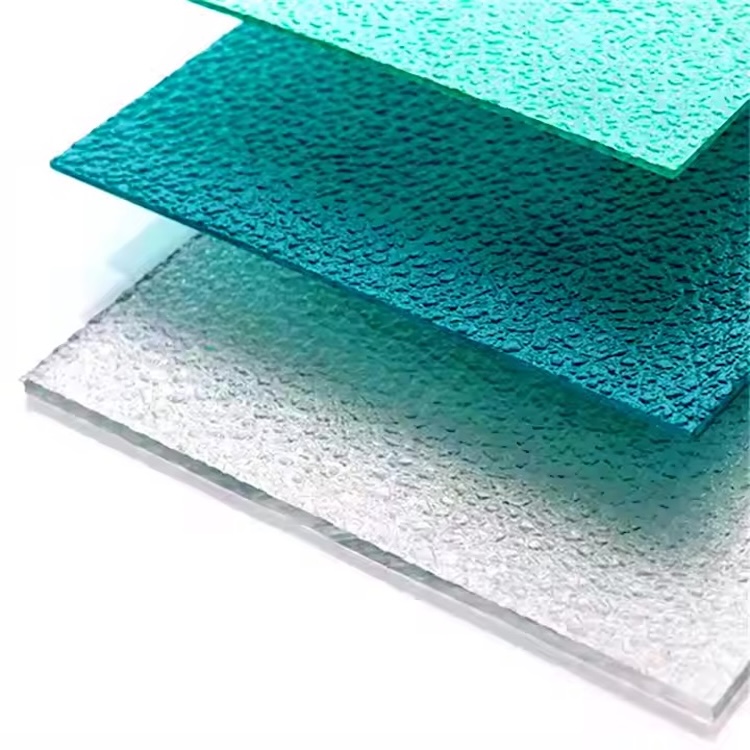
    Polycarbonate sheets are lightweight yet exceptionally strong, making them ideal for roofing, skylights, and large-span windows in industrial structures. Unlike traditional glass, polycarbonate is virtually unbreakable, reducing the risk of damage from impact or harsh weather. When paired with high-quality fittings from our glass accessories collection, polycarbonate installations offer both safety and long-term reliability. These sheets also provide excellent thermal insulation and UV protection, helping to maintain comfortable indoor conditions while lowering energy costs.

    Glass, on the other hand, provides a sleek, premium look that many commercial projects desire. With proper framing and reinforced safety glass from our glass range, industrial windows and partitions can be both aesthetically striking and durable. However, glass is heavier, more fragile, and generally requires stronger support structures, such as aluminium or steel frames from our framing category. Proper installation using adhesives and sealing solutions ensures that glass panels perform optimally over time.

    Cost is an essential consideration. Polycarbonate sheets tend to have a lower upfront cost compared to reinforced glass and may reduce labor and transportation expenses due to their lighter weight. However, high-quality glass can add value to a facility by enhancing natural light, visibility, and professional appeal. Balancing material costs with maintenance, longevity, and energy efficiency is key to making the right decision for your industrial project in Kenya.

    Maintenance is relatively simple for both materials when proper care is applied. Polycarbonate sheets can be cleaned with mild detergents and are less prone to cracking or chipping. Glass requires periodic inspections for chips or cracks, especially in high-traffic areas. Using premium fixtures such as our bolts and nuts and selecting the right electrical fittings nearby can simplify ongoing building management and prevent costly replacements.

    From a DIY or contractor perspective, polycarbonate sheets are easier to handle, cut, and install using our power tools collection. Glass installation requires more precision and safety measures, often involving multiple installers and specialized hardware. By exploring our adhesive and sealant range, both materials can be installed to meet stringent industrial standards, ensuring durability, safety, and functional performance.

    Choosing between polycarbonate sheets and glass ultimately depends on your project’s design goals, budget, and functional requirements. At Ngong Hills Merchants, we provide the materials, tools, and expert advice to ensure that your industrial facility in Kenya benefits from the best possible solution, whether that is lightweight polycarbonate panels or durable glass installations.


    Your One-Stop Hardware Partner in Ngong

    Imagine completing your project with the right tools, the best materials, and expert advice. At Ngong Hills Merchants, we turn your DIY or construction vision into reality with a complete selection of plumbing, electrical, glass, and sanitary ware.

    Contact our team for a consultation and get the right supplies, right now.

    QUALITY HARDWARE & SUPPLIES IN NGONG

    ✔ Complete Range of Plumbing & Electrical
    ✔ Power Tools, Adhesives & Paints
    ✔ Glass, Framing & Sanitary Ware

    Serving Ngong, Karen, Matasia, Kiserian & beyond.

     Request Your Free Consultation: Ngong Hills Merchants.
     Email: ngonghillsmerchants [at] gmail.com. 
     Phone: +254 715974811
     Visit Us: Ngong Township, Ngong, Kenya
     Website: https://ngonghillsmerchants.com/

  • A Guide to Aluminium-Framed Glass Doors and Windows for East African Homes

    A Guide to Aluminium-Framed Glass Doors and Windows for East African Homes

    Aluminium-Framed Glass Doors and Windows for East African Homes

    Aluminium-framed glass doors and windows have become an essential feature in modern East African homes, offering a perfect balance between style, durability, and functionality. Whether you are renovating your living room, upgrading your kitchen, or enhancing natural light in a workspace, choosing the right aluminium-framed installations can transform your space. At Ngong Hills Merchants, we provide expert guidance and a wide range of quality materials to help homeowners make informed decisions.

    One of the main advantages of aluminium frames is their strength-to-weight ratio, which allows for larger glass panels without compromising structural integrity. Unlike timber or PVC frames, aluminium resists warping, corrosion, and termite damage, making it ideal for the varying climates across Kenya and neighboring regions. When paired with tempered or laminated glass from our glass collection, these installations not only look sleek but also improve energy efficiency and security in your home.

    Design flexibility is another compelling reason homeowners choose aluminium-framed windows and doors. From sliding and casement windows to French-style doors, the versatility in shape, color, and finish allows customization to complement any architectural style. Incorporating glass accessories such as hinges, handles, and locks further enhances both functionality and aesthetic appeal. For those undertaking DIY projects, understanding the right adhesives and sealing techniques is crucial to ensure a professional finish and long-term performance.

    When evaluating the cost of aluminium-framed doors and windows, it’s essential to consider both initial investment and long-term value. While aluminium products may have a higher upfront price than timber or PVC alternatives, their longevity and low maintenance reduce replacement costs over time. Our team can advise on optimal frame thickness, glass types, and finish coatings to match your budget without compromising quality. For technical support, you can also explore our power tools and framing supplies to simplify installation and achieve precise results.

    Maintenance is straightforward—occasional cleaning with non-abrasive solutions and inspection of frame seals can prolong the lifespan of your aluminium doors and windows. Choosing premium components from Ngong Hills Merchants, including bolts and nuts and electrical fittings, ensures reliable operation and adds value to your home. Properly installed aluminium frames also improve natural lighting, airflow, and overall comfort, enhancing the living experience while boosting property appeal.

    Whether you are a homeowner, contractor, or DIY enthusiast, understanding the material properties, installation techniques, and design possibilities of aluminium-framed glass doors and windows is essential. Our extensive range of plumbing and sanitary ware products can complement your renovation, offering a holistic approach to home improvement projects in Kenya.


    Your One-Stop Hardware Partner in Ngong

    Imagine completing your project with the right tools, the best materials, and expert advice. At Ngong Hills Merchants, we turn your DIY or construction vision into reality with a complete selection of plumbing, electrical, glass, and sanitary ware.

    Contact our team for a consultation and get the right supplies, right now.

    QUALITY HARDWARE & SUPPLIES IN NGONG

    ✔ Complete Range of Plumbing & Electrical
    ✔ Power Tools, Adhesives & Paints
    ✔ Glass, Framing & Sanitary Ware

    Serving Ngong, Karen, Matasia, Kiserian & beyond.

     Request Your Free Consultation: Ngong Hills Merchants
     Email: ngonghillsmerchants [at] gmail.com
     Phone: +254 715974811
     Visit Us: Ngong Township, Ngong, Kenya
     Website: https://ngonghillsmerchants.com/
  • Choosing the Right Glass for Windows & Partitions in Kenya

    Choosing the Right Glass for Windows & Partitions in Kenya

    Glass windows and partitions in Kenya

    Glass has become a cornerstone of modern architecture in Kenya. Whether you are designing a contemporary office, a stylish retail space, or a residential home, choosing the right glass for windows and partitions in Kenya is essential for safety, functionality, aesthetics, and energy efficiency. Glass is no longer just a transparent barrier — it’s a design element that influences light, privacy, comfort, and building performance.

    From tempered safety glass to decorative laminated panels, understanding the differences between available options ensures you select the right product for your project. For architects, contractors, and homeowners alike, sourcing from trusted office partition glass suppliers like Ngong Hills Merchants guarantees quality, compliance, and long-term satisfaction.


    Why Selecting the Right Glass Matters

    The choice of glass affects more than just the look of a building. Properly selected glass contributes to:

    • Safety: Prevents injuries in case of accidental breakage.

    • Thermal Comfort: Helps regulate indoor temperatures and reduces energy bills.

    • Noise Reduction: Minimizes external noise in offices and residential spaces.

    • Aesthetics: Enhances natural light, openness, and overall design appeal.

    In Kenya’s urban centers such as Nairobi, Mombasa, and Kisumu, environmental factors like heat, humidity, and occasional storms make durable and energy-efficient glass critical for long-term performance.


    Types of Glass for Windows & Partitions

    When considering glass, it is important to match the material to the intended function. Below are the most commonly used types in Kenya:

    1. Tempered Glass

    Tempered glass for offices is heat-treated to increase its strength. It is ideal for high-traffic areas such as office partitions, shopfronts, and conference rooms. When broken, tempered glass shatters into small, blunt pieces, reducing the risk of injury.

    Benefits:

    • High impact resistance

    • Safety compliant for commercial spaces

    • Works well for frameless partitions

    Explore our selection of glass products for durable tempered options.


    2. Laminated Glass

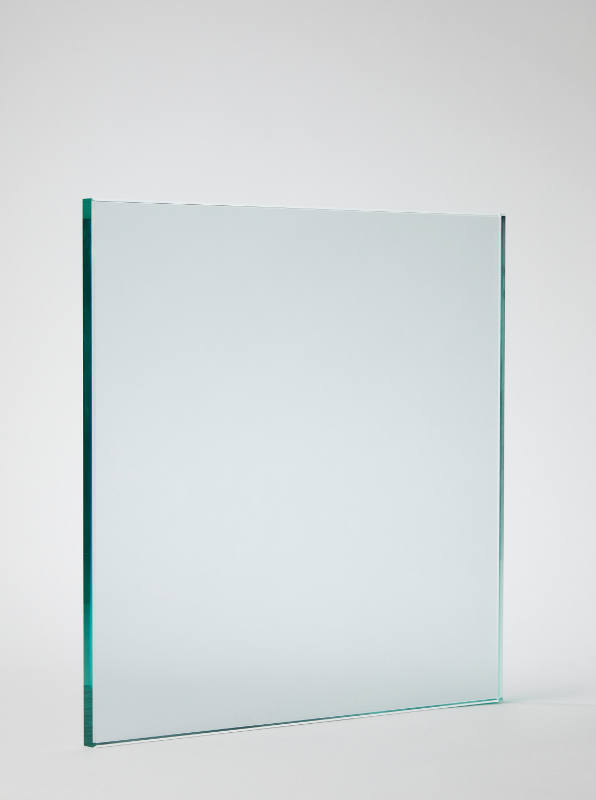
    Laminated glass is made by bonding two or more glass layers with a polyvinyl butyral (PVB) interlayer. This type is ideal for areas requiring added security or soundproofing.

    Benefits:

    • Holds together when shattered

    • Excellent acoustic insulation

    • Provides additional privacy with frosted or tinted interlayers

    Laminated glass is popular for office partition panels and residential windows where safety and privacy are important.


    3. Float Glass

    Float glass is standard clear glass suitable for internal partitions or low-impact areas. While cost-effective, it lacks the strength and safety properties of tempered or laminated glass, so it is not recommended for high-traffic or external applications.


    4. Decorative & Frosted Glass

    Decorative glass adds style while maintaining privacy. Frosted, etched, or patterned glass is often used in office partitions, bathroom windows, and boardrooms.

    Benefits:

    • Enhances visual appeal

    • Provides privacy without blocking light

    • Customizable designs for branding or interiors

    Ngong Hills Merchants offers glass accessories to complement decorative panels and ensure secure installation.


    5. Energy-Efficient Glass

    Energy-efficient window glass in Kenya reduces solar heat gain and improves thermal comfort. Low-emissivity (Low-E) coatings reflect heat while allowing natural light to pass through. Double-glazed units are particularly effective in urban buildings with high sun exposure.

    Benefits:

    • Lower cooling and heating costs

    • Maintains consistent indoor temperatures

    • Environmentally friendly solution


    How to Choose the Right Glass

    Selecting the right glass involves evaluating several factors:

    1. Location & Usage:

      • High-traffic areas: tempered glass

      • Security areas: laminated glass

      • Decorative applications: frosted or patterned glass

    2. Safety Requirements:
      Ensure the glass meets Kenya Bureau of Standards (KEBS) safety regulations.

    3. Privacy Needs:
      Consider frosted, tinted, or laminated options for private office partitions or bathrooms.

    4. Energy Efficiency:
      Low-E or double-glazed glass reduces heat and cooling costs.

    5. Aesthetic Goals:
      Match the glass type with interior design, branding, and natural light requirements.

    6. Maintenance & Longevity:
      Quality glass combined with professional glass installation services ensures long-term durability and minimal upkeep.


    Installation Tips

    Proper installation is key to maximizing performance and lifespan:

    • Use professional-grade adhesives and sealants from our adhesive collection.

    • Ensure precise alignment to prevent stress points and potential cracking.

    • Use compatible fittings and hardware, available in our fittings section.

    • For office partitions, frameless systems require careful handling and proper anchoring.

    Regular inspections and cleaning with approved cleaning items maintain clarity and prevent scratches or chemical damage.


    Combining Glass with Other Materials

    Glass often works best when integrated with other elements:

    • Aluminum & Steel Frames: Provide structural stability and aesthetic appeal.

    • Wooden Accents: For residential or boutique office designs, wood frames add warmth.

    • Electrical & Lighting Fixtures: Strategically placed lights highlight transparency and design.


    Cost Considerations

    High-quality glass may have higher initial costs but offers better safety, durability, and energy savings. Laminated and tempered options prevent frequent replacements and reduce maintenance expenses over time. Partnering with Ngong Hills Merchants ensures access to competitively priced, high-performance materials, along with expert advice for balancing cost and quality.


    Maintenance & Longevity

    To maintain glass partitions and windows:

    • Clean regularly with non-abrasive solutions.

    • Inspect for sealant deterioration, cracks, or chips.

    • Avoid heavy impact on fragile areas.

    Durable glass and professional installation extend lifespan, protect your investment, and maintain the building’s professional appearance.


    Why Partner with Ngong Hills Merchants

    Ngong Hills Merchants is a trusted architectural glass supplier in Nairobi, offering:

    We help clients select, install, and maintain glass systems that meet Kenya’s performance and safety standards.


    Conclusion

    Selecting the right glass for windows and partitions in Kenya is a combination of safety, performance, aesthetics, and energy efficiency. By understanding the differences between tempered, laminated, decorative, and energy-efficient glass, you can make informed decisions for your building project. Partnering with a trusted supplier like Ngong Hills Merchants ensures durable materials, professional guidance, and long-term satisfaction.

    Your One-Stop Hardware Partner in Ngong

    Imagine completing your glass windows and partitions in Kenya project with the right tools, the best materials, and expert advice. At Ngong Hills Merchants, we turn your DIY or construction vision into reality with a complete selection of plumbing, electrical, glass, and sanitary ware.

    Contact our team for a consultation and get the right supplies, right now.

    QUALITY HARDWARE & SUPPLIES IN NGONG

    ✔ Complete Range of Plumbing & Electrical
    ✔ Power Tools, Adhesives & Paints
    ✔ Glass, Framing & Sanitary Ware

    Serving Ngong, Karen, Matasia, Kiserian & beyond.

     Request Your Free Consultation: Ngong Hills Merchants
     Email: ngonghillsmerchants [at] gmail.com
     Phone: +254 715974811
     Visit Us: Ngong Township, Ngong, Kenya
     Website: https://ngonghillsmerchants.com/

  • Why Quality Commercial Glass Facades Matter in Nairobi’s Modern Architecture

    Why Quality Commercial Glass Facades Matter in Nairobi’s Modern Architecture

    Commercial glass facades in Nairobi

    Quality Commercial Glass Facades in Nairobi Building Projects

    As Nairobi’s skyline continues to evolve, one defining feature stands out — the growing use of commercial glass facades. From towering business centers in Upper Hill to sleek hotels and malls in Westlands, these transparent exteriors reflect Kenya’s architectural transformation. But beyond their striking appearance lies a deeper reason why quality commercial glass facades are shaping modern construction in Nairobi: they merge functionality, sustainability, and beauty.

    The city’s developers, architects, and contractors increasingly rely on trusted architectural glass suppliers like Ngong Hills Merchants to deliver materials that not only look good but also perform exceptionally under local conditions. Understanding why glass facades matter — and what sets quality products apart — can make a significant difference in any building project’s long-term success.


    The Rise of Glass Facades in Nairobi’s Architecture

    Over the past decade, Nairobi has experienced a construction boom driven by urban growth and international investment. Glass-clad buildings have become the hallmark of progress and modernity. They symbolize openness, sophistication, and efficiency — qualities that businesses want to project in a competitive market.

    Whether it’s an office block in Kilimani or a shopping mall in Karen, modern glass buildings in Nairobi are redefining what contemporary design looks like. Glass facades allow natural light to flood interiors, reduce artificial lighting costs, and give spaces an airy, welcoming atmosphere. However, the performance of these systems depends entirely on the quality of glass materials and the precision of their installation.


    Functional and Aesthetic Benefits of Quality Glass Facades

    Quality commercial glass facades are more than just visually appealing; they serve multiple functional roles in building performance.

    1. Energy Efficiency and Climate Control

    Nairobi’s climate — moderate but sunny — makes energy-efficient facades a practical necessity. High-quality glass systems with low-emissivity (Low-E) coatings help regulate heat transfer, keeping interiors cooler during the day and warmer at night. This reduces air-conditioning demands and significantly lowers energy bills.

    For developers prioritizing sustainability, investing in energy-efficient facades supports Kenya’s green building initiatives while enhancing comfort for occupants.

    2. Acoustic Insulation

    Commercial centers near busy roads like Ngong Road or Waiyaki Way benefit greatly from double-glazed glass facades. These systems dampen external noise, creating calm, productive indoor environments.

    3. Enhanced Natural Lighting

    Glass facades increase daylight penetration, improving occupant wellbeing and reducing reliance on artificial lighting. Studies show that well-lit spaces boost productivity, making them ideal for offices and educational facilities.

    4. Aesthetic Versatility

    Architects prefer glass for its versatility — it complements both steel and concrete frameworks and can be tinted, frosted, laminated, or clear depending on design intent. This flexibility enables visually stunning projects that stand out in Nairobi’s growing skyline.


    Comparing Glass Facade Options

    Understanding the available types of glass facades helps project managers and builders choose systems that best suit their goals.

    1. Curtain Wall Systems

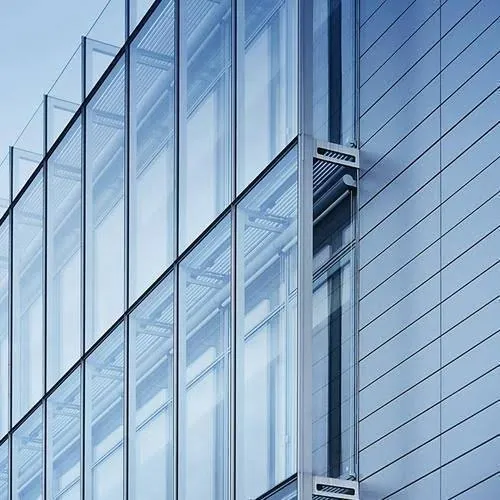
    These are non-structural outer coverings attached to a building’s framework. Curtain walls are popular for high-rise commercial buildings because they are lightweight and can span large areas. Modern glass curtain walls in Kenya often feature aluminum framing, which combines strength and minimal visual obstruction.

    2. Structural Glazing Systems

    In this setup, glass panels are fixed to the structure using specialized sealants or fittings, eliminating visible frames. This creates a sleek, seamless look favored in corporate and hospitality buildings.

    3. Double-Skin Facades

    This advanced system consists of two glass layers separated by a ventilated cavity. The result is improved insulation and reduced solar gain — ideal for eco-conscious developments in Nairobi’s climate.

    Each type has unique maintenance and installation needs, so consulting with experienced glass installation services in Nairobi ensures durability and safety compliance.


    Quality Considerations: What Makes a Good Glass Facade

    Not all glass is created equal. The difference between a cheap facade and a durable one lies in the quality of materials, proper fitting, and reliable sourcing.

    1. Glass Thickness and Composition

    Commercial facades often use tempered or laminated safety glass. These materials resist impact, reduce shattering risk, and offer added security.

    2. UV and Solar Control

    Quality glass should include UV-blocking features to protect interiors and occupants from harmful rays while minimizing glare.

    3. Sealants and Accessories

    The structural integrity of any facade depends on the quality of sealants, fittings, and glass accessories used. Explore our range of glass accessories for professional-grade components that enhance performance and longevity.

    4. Installation Expertise

    Even the best glass fails when poorly installed. Partnering with professionals ensures airtight seals, alignment accuracy, and structural stability over time.


    Cost, Investment, and Long-Term Value

    While premium glass facades may seem expensive initially, they offer impressive returns through energy savings, reduced maintenance, and enhanced property value. Developers in Nairobi are realizing that cheap alternatives often lead to higher long-term costs — especially when repairs or replacements are required.

    At Ngong Hills Merchants, clients can access competitively priced, high-quality glass materials and sealants, along with reliable advice to guide product selection and installation best practices.


    Maintenance and Aftercare for Glass Facades

    Regular cleaning and inspection extend a facade’s lifespan and maintain its brilliance. Use appropriate cleaning items such as pH-neutral detergents, soft microfiber cloths, and extendable squeegees to avoid scratches. Browse our cleaning items section for durable, professional-grade tools ideal for facade maintenance.

    Check for sealant degradation, glass cracks, or corrosion around fittings at least once a year. Addressing minor issues early prevents costly replacements.

    For interior partitions or decorative glass, pairing facades with compatible framing systems enhances both stability and visual harmony. See our framing products for options suited to commercial and residential designs.


    Integrating Glass Facades with Other Building Materials

    High-end projects in Nairobi combine glass with materials like aluminum, concrete, and steel. The key is balance — achieving visual contrast while maintaining structural strength.

    Choosing the right adhesives and sealants is critical for long-term adhesion and weather resistance. Explore our adhesive solutions for products that provide superior bonding strength under Kenya’s conditions.

    Electrical fittings and lighting systems also complement glass surfaces beautifully, adding depth and dimension after dark. For project-ready options, browse our electrical collection.


    Energy-Efficient Glass: The Future of Building Design in Kenya

    Energy conservation is no longer optional in modern construction. Nairobi’s developers increasingly incorporate energy-efficient facades that use insulated glass units (IGUs), reflective coatings, and smart tint technologies. These innovations minimize heat transfer while maintaining transparency and aesthetics.

    As green certification programs expand across Kenya, quality facade systems will play a key role in meeting sustainability standards. Builders who choose architectural glass suppliers that understand both performance and compliance requirements position their projects for long-term success.


    Choosing the Right Partner: Ngong Hills Merchants

    Selecting a reliable supplier is as crucial as the glass itself. Ngong Hills Merchants provides:

    • A complete range of glass and facade materials

    • Specialized fittings for structural and decorative applications

    • Trusted adhesives and sealants

    • Power tools and accessories for installation efficiency

    Our team combines technical know-how with a deep understanding of Nairobi’s architectural trends, ensuring your project meets both aesthetic and performance goals.


    Final Thoughts

    The rise of glass architecture in Nairobi reflects a global shift toward transparency, energy efficiency, and modern aesthetics. Yet behind every stunning facade lies a story of material science, engineering precision, and expert craftsmanship.

    Quality commercial glass facades aren’t just about beauty — they’re about building smarter, safer, and more sustainably. With the right supplier and materials, developers can bring visionary designs to life that define Nairobi’s skyline for decades.


    Your One-Stop Hardware Partner in Ngong

    Imagine completing your project with the right tools, the best materials, and expert advice. At Ngong Hills Merchants, we turn your DIY or construction vision into reality with a complete selection of plumbing, electrical, glass, and sanitary ware.

    Contact our team for a consultation and get the right supplies, right now.

    QUALITY HARDWARE & SUPPLIES IN NGONG
    ✔ Complete Range of Plumbing & Electrical
    ✔ Power Tools, Adhesives & Paints
    ✔ Glass, Framing & Sanitary Ware
    ✔ Serving Ngong, Karen, Kiserian, Matasia, and Ongata Rongai & beyond.

     Request Your Free Consultation: Ngong Hills Merchants
     Email: ngonghillsmerchants [at] gmail.com
     Phone: +254 715974811
     Visit Us: Ngong Township, Ngong, Kenya
     Website: https://ngonghillsmerchants.com/

  • Hand Driven Tools for August month

    Hand Driven Tools for August month

    A power tool is a tool that is actuated by an additional power source and mechanism other than the solely manual labor used with hand tools. The most common types of power tools use electric motors. Internal combustion engines and compressed air are also commonly used. Other power sources include steam engines, direct burning of fuels and propellants, such as in powder-actuated tools, or even natural power sources such as wind or moving water. Tools directly driven by animal power are not generally considered electronics power tools. Power tools are used in industry, in construction, in the garden, for housework tasks such as cooking, cleaning, and around the house for purposes of driving (fasteners), drilling, cutting, shaping, sanding, grinding, routing, polishing, painting, heating and more. Power tools are classified as either stationary or portable, where portable means hand-held. Portable power tools have obvious advantages in mobility. Stationary power tools, however, often have advantages in speed and precision. A typical table saw, for instance, not only cuts faster than a regular hand saw, but the cuts are smoother, straighter, and more square than what is normally achievable with a hand-held power saw. Some stationary power tools can produce objects that cannot be made in any other way. Lathes, for example, produce truly round objects.


    Currently as of 2021, an electric motor is the most popular choice to power stationary tools, though in the past they were powered by windmills, water wheels, and steam. Some museums and hobbyists still maintain and operate stationary tools powered by these older power sources. Portable electric tools may be either corded or battery-powered. Compressed air is the customary power source for nailers and paint sprayers.A few tools (called powder-actuated tools) are powered by explosive cartridges. Tools that run on gasoline or gasoline-oil mixes are made for outdoor use; typical examples include most chainsaws and string trimmers. Other tools like blowtorches will burn their fuel externally to generate heat. Compressed air is universally used where there is a possibility of fuel or vapor ignition – such as automotive workshops. Professional level electric tools differ from DIY or ‘consumer’ tools by being double insulated and not earthed – in fact, they must not be earthed for safety reasons.
    Stationary power tools for metalworking are usually called machine tools. The term machine tool is not usually applied to stationary power tools for woodworking, although such usage is occasionally heard, and in some cases, such as drill presses and bench grinders, exactly the same tool is used for both woodworking and metalworking.

  • Inch to Millimeter Conversion Chart Molybdenum

    Inch to Millimeter Conversion Chart Molybdenum

    A power tool is a tool that is actuated by an additional power source and mechanism other than the solely manual labor used with hand tools. The most common types of power tools use electric motors. Internal combustion engines and compressed air are also commonly used. Other power sources include steam engines, direct burning of fuels and propellants, such as in powder-actuated tools, or even natural power sources such as wind or moving water. Tools directly driven by animal power are not generally considered electronics power tools. Power tools are used in industry, in construction, in the garden, for housework tasks such as cooking, cleaning, and around the house for purposes of driving (fasteners), drilling, cutting, shaping, sanding, grinding, routing, polishing, painting, heating and more. Power tools are classified as either stationary or portable, where portable means hand-held. Portable power tools have obvious advantages in mobility. Stationary power tools, however, often have advantages in speed and precision. A typical table saw, for instance, not only cuts faster than a regular hand saw, but the cuts are smoother, straighter, and more square than what is normally achievable with a hand-held power saw. Some stationary power tools can produce objects that cannot be made in any other way. Lathes, for example, produce truly round objects.


    Currently as of 2021, an electric motor is the most popular choice to power stationary tools, though in the past they were powered by windmills, water wheels, and steam. Some museums and hobbyists still maintain and operate stationary tools powered by these older power sources. Portable electric tools may be either corded or battery-powered. Compressed air is the customary power source for nailers and paint sprayers.A few tools (called powder-actuated tools) are powered by explosive cartridges. Tools that run on gasoline or gasoline-oil mixes are made for outdoor use; typical examples include most chainsaws and string trimmers. Other tools like blowtorches will burn their fuel externally to generate heat. Compressed air is universally used where there is a possibility of fuel or vapor ignition – such as automotive workshops. Professional level electric tools differ from DIY or ‘consumer’ tools by being double insulated and not earthed – in fact, they must not be earthed for safety reasons.
    Stationary power tools for metalworking are usually called machine tools. The term machine tool is not usually applied to stationary power tools for woodworking, although such usage is occasionally heard, and in some cases, such as drill presses and bench grinders, exactly the same tool is used for both woodworking and metalworking.

  • How to Use a Torque Wrench with Crow Wrench

    How to Use a Torque Wrench with Crow Wrench

    A power tool is a tool that is actuated by an additional power source and mechanism other than the solely manual labor used with hand tools. The most common types of power tools use electric motors. Internal combustion engines and compressed air are also commonly used. Other power sources include steam engines, direct burning of fuels and propellants, such as in powder-actuated tools, or even natural power sources such as wind or moving water. Tools directly driven by animal power are not generally considered electronics power tools. Power tools are used in industry, in construction, in the garden, for housework tasks such as cooking, cleaning, and around the house for purposes of driving (fasteners), drilling, cutting, shaping, sanding, grinding, routing, polishing, painting, heating and more. Power tools are classified as either stationary or portable, where portable means hand-held. Portable power tools have obvious advantages in mobility. Stationary power tools, however, often have advantages in speed and precision. A typical table saw, for instance, not only cuts faster than a regular hand saw, but the cuts are smoother, straighter, and more square than what is normally achievable with a hand-held power saw. Some stationary power tools can produce objects that cannot be made in any other way. Lathes, for example, produce truly round objects.


    Currently as of 2021, an electric motor is the most popular choice to power stationary tools, though in the past they were powered by windmills, water wheels, and steam. Some museums and hobbyists still maintain and operate stationary tools powered by these older power sources. Portable electric tools may be either corded or battery-powered. Compressed air is the customary power source for nailers and paint sprayers.A few tools (called powder-actuated tools) are powered by explosive cartridges. Tools that run on gasoline or gasoline-oil mixes are made for outdoor use; typical examples include most chainsaws and string trimmers. Other tools like blowtorches will burn their fuel externally to generate heat. Compressed air is universally used where there is a possibility of fuel or vapor ignition – such as automotive workshops. Professional level electric tools differ from DIY or ‘consumer’ tools by being double insulated and not earthed – in fact, they must not be earthed for safety reasons.
    Stationary power tools for metalworking are usually called machine tools. The term machine tool is not usually applied to stationary power tools for woodworking, although such usage is occasionally heard, and in some cases, such as drill presses and bench grinders, exactly the same tool is used for both woodworking and metalworking.