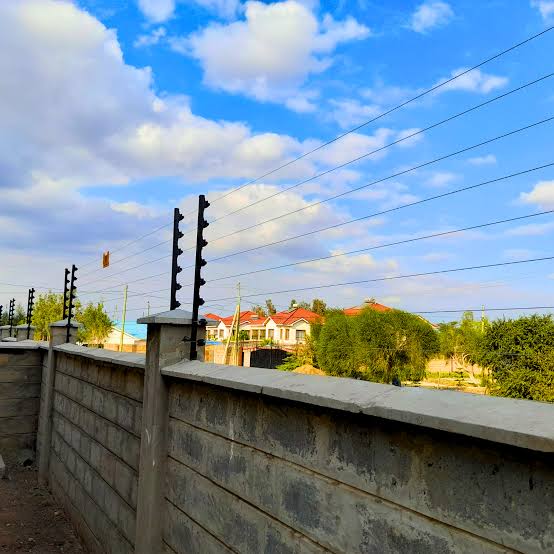
An electric fence Kenya system should be designed around the perimeter layout, fence length, vegetation, power supply, earthing and security requirements rather than selecting an energiser by output alone.
Electric fencing is widely used as an additional layer of perimeter security for homes, commercial properties, farms, institutions, warehouses and other premises.
Unlike a conventional wall or fence, an electric fence can create a deterrent that makes unauthorised access more difficult. However, the effectiveness of the installation depends on much more than the energiser.
The system needs suitable conductors, insulators, posts, tensioning hardware, earthing, warning signs, power protection and appropriate installation.
A poorly designed electric fence may produce unreliable pulses, lose effectiveness because of vegetation or grounding problems, or create unnecessary safety risks.
The energiser also needs to be matched to the fence system. A unit that is too small may struggle with a long or heavily loaded fence, while selecting equipment without considering the installation’s actual requirements can result in unnecessary expense.
This guide explains the main components of electric fencing, how energisers work, how to approach energiser sizing, why earthing matters, which perimeter hardware is required and how safety signage should be handled.
Electric Fence Kenya: What Is an Electric Fence?
An electric fence is a perimeter security system that uses an energiser to deliver controlled electrical pulses through insulated conductors installed along a boundary.
The basic system can include:
- Energiser.
- Fence wires.
- Insulators.
- Fence posts.
- Tensioners.
- Connectors.
- Earthing system.
- High-voltage leads.
- Warning signs.
- Gate equipment.
- Battery backup.
- Surge protection where required.
The energiser produces pulses rather than continuously applying conventional mains electricity directly to the fence conductors.
When a person or animal makes contact with the fence and provides a path through the appropriate circuit, the system produces a deterrent shock.
The exact characteristics of the energiser and installation must comply with applicable requirements and manufacturer specifications.
Electric Fence Kenya: Why the Energiser Matters
The energiser is the central electrical component of an electric fence because it generates and controls the pulses delivered to the fence conductors.
It influences:
- Fence performance.
- Effective fence length.
- Ability to cope with leakage.
- Battery requirements.
- Alarm integration.
- Monitoring capability.
The energiser must be suitable for the intended installation.
A long perimeter with vegetation and multiple leakage points can place different demands on the system compared with a short, clean residential boundary.
This is why energiser selection should happen after assessing the complete fence.
Electric Fence Kenya: How an Energiser Works
An energiser stores electrical energy and releases it as controlled high-voltage pulses through the fence circuit, creating the deterrent effect associated with electric fencing.
The basic sequence is:
- Power enters the energiser.
- Energy is stored within the unit.
- The energiser releases a pulse.
- The pulse travels along the fence conductor.
- The circuit returns through the earthing arrangement.
- The energiser prepares for the next pulse.
The pulse characteristics are controlled by the equipment’s design.
This differs from simply connecting fence wires directly to a household electrical supply, which is unsafe and inappropriate.
An electric fence should use a purpose-designed energiser.
Electric Fence Kenya: AC and Battery-Powered Energisers
Energisers can be designed for mains electricity, battery operation or systems that combine mains power with rechargeable backup, depending on the application.
A property with reliable electricity may use a mains-powered energiser with battery backup.
A remote farm or property without dependable mains electricity may require a battery or solar-supported arrangement.
The choice depends on:
- Electricity availability.
- Fence size.
- Security requirements.
- Expected outage duration.
- Maintenance access.
- Solar availability.
For critical perimeter security, backup power deserves particular attention.
Electric Fence Kenya: Battery Backup
Battery backup can keep an electric fence operational during a power outage, making it an important part of perimeter security where continuous protection is required.
A typical backup system may include:
- Rechargeable battery.
- Charger.
- Energiser.
- Appropriate battery enclosure.
- Solar panel where applicable.
Battery runtime depends on:
- Battery capacity.
- Energiser consumption.
- Battery condition.
- Temperature.
- Alarm equipment.
- Fence monitoring equipment.
A larger battery is not automatically the best answer.
The backup system should be sized around the actual energy consumption and required autonomy.
Electric Fence Kenya: Solar-Powered Systems
Solar power can provide a practical option for electric fences in locations where mains electricity is unavailable or unreliable, provided the solar system is correctly sized.
A solar-powered installation can include:
- Solar panel.
- Charge controller.
- Battery.
- Energiser.
- Fence monitoring equipment.
The panel must generate enough energy to replenish what the energiser consumes while also accounting for periods of poor sunlight.
System sizing should consider:
- Daily energy demand.
- Battery storage.
- Solar exposure.
- Seasonal conditions.
- Required backup period.
Solar installations should be designed by someone familiar with both solar power and electric fence requirements.
Electric Fence Kenya: What Is Energiser Sizing?
Energiser sizing means selecting an energiser whose specifications are suitable for the fence’s electrical and physical characteristics, including length, leakage conditions and the type of installation.
A common mistake is to ask:
“How many metres can this energiser handle?”
Fence length is important, but it is not the only factor.
Performance can be affected by:
- Vegetation.
- Wet conditions.
- Insulation quality.
- Number of wires.
- Damaged insulators.
- Earthing.
- Corrosion.
- Fence design.
The manufacturer’s rated fence capacity should therefore be interpreted alongside the actual installation conditions.
Electric Fence Kenya: Fence Length
Longer fences generally require more careful energiser selection because there are more opportunities for electrical leakage and greater conductor resistance.
For example, a small residential boundary may have a relatively short perimeter.
A large property may have:
- Hundreds of metres of fence.
- Multiple gates.
- Corners.
- Different terrain.
- Several fence sections.
As fence length increases, correct design becomes increasingly important.
Do not simply multiply a small installation’s design without checking the energiser’s specifications.
Electric Fence Kenya: Number of Fence Wires
The number of conductors affects the overall fence design and should be considered when selecting and installing the energiser and associated hardware.
A perimeter fence may contain several horizontal conductors.
The spacing and number depend on:
- Fence height.
- Security design.
- Property type.
- Risk assessment.
- Local requirements.
- Manufacturer guidance.
More wires do not automatically mean better security.
The complete system should be designed around the intended security objective.
Electric Fence Kenya: Vegetation and Electrical Leakage
Vegetation touching an electric fence can cause leakage that reduces system performance and increases the load on the energiser.
Common problems include:
- Grass touching lower wires.
- Tree branches touching conductors.
- Bushes growing into the fence.
- Wet leaves contacting wires.
Vegetation can become particularly problematic after rain.
Routine vegetation management is therefore part of electric fence maintenance.
A powerful energiser should not be used as a substitute for basic fence maintenance.
Electric Fence Kenya: Fence Insulators
Insulators keep the live conductors electrically separated from the supporting posts and other conductive structures.
Poor insulation can cause leakage.
Insulators should be:
- Appropriate for the fence system.
- Properly positioned.
- Firmly attached.
- Resistant to outdoor conditions.
- Kept clean.
Damaged or cracked insulators should be replaced.
The quality of the insulator can be particularly important in environments exposed to rain, dust and sunlight.
Electric Fence Kenya: Fence Posts
Fence posts provide the physical support for the conductors and must be strong enough to maintain alignment and spacing over time.
Posts can be made from different materials depending on the system.
Important considerations include:
- Strength.
- Spacing.
- Ground stability.
- Corrosion resistance.
- Height.
- Compatibility with insulators.
Posts should remain stable under wind and normal physical conditions.
A loose post can cause wires to sag or move closer to other structures.
Electric Fence Kenya: Fence Wire and Conductors
Electric fence conductors must provide reliable electrical continuity while remaining mechanically suitable for outdoor installation.
Conductors should be selected according to the fence system.
Potential considerations include:
- Conductivity.
- Mechanical strength.
- Corrosion resistance.
- Diameter.
- Compatibility with connectors.
Do not assume that any ordinary metal wire is suitable for an electric fence.
Purpose-designed fencing conductors are generally preferable because the system depends on both electrical and mechanical performance.
Electric Fence Kenya: Wire Tension
Correct conductor tension keeps the fence properly aligned and reduces sagging, but excessive tension can place unnecessary stress on posts, insulators and fittings.
Fence wires should be tensioned according to the system design.
A properly installed conductor should:
- Remain appropriately positioned.
- Avoid excessive sagging.
- Maintain required clearances.
- Remain secure at corners.
Temperature changes can also affect wire tension.
The installation should therefore allow for the environmental conditions of the site.
Electric Fence Kenya: Connectors and Joiners
Electrical connectors provide continuity between sections of the fence and should be suitable for outdoor use and the conductor being joined.
Poor connections can create:
- Increased resistance.
- Intermittent operation.
- Corrosion.
- Weak mechanical joints.
Connections should be secure and protected according to the manufacturer’s requirements.
Avoid improvised joins that can deteriorate rapidly outdoors.
Electric Fence Kenya: Earthing System
Earthing is one of the most important parts of an electric fence because the electrical circuit depends on an effective return path through the ground.
A basic system can include:
- Earth rods.
- Earth cables.
- Clamps.
- Suitable connection points.
The earthing system must be installed according to the energiser manufacturer’s requirements and applicable standards.
Poor earthing can result in:
- Weak fence performance.
- Unreliable pulses.
- Poor alarm operation.
- Difficulty detecting faults.
If the fence appears weak despite the energiser operating correctly, the earthing system should be among the components checked by a qualified installer.
Electric Fence Kenya: Earth Rods
Earth rods provide the connection between the energiser’s earth terminal and the surrounding soil, so their installation and condition can significantly affect system performance.
The number and arrangement of earth rods depend on:
- Energiser specification.
- Soil conditions.
- Fence size.
- Installation requirements.
Dry or high-resistance soil can create additional challenges.
The installer should follow the manufacturer’s earthing requirements rather than choosing the number of rods arbitrarily.
Electric Fence Kenya: Testing the Earth
Testing the earthing system can help identify problems that might otherwise be incorrectly attributed to the energiser.
A professional installer can assess:
- Earth resistance.
- Voltage performance.
- Leakage.
- Fence continuity.
Regular testing is useful for larger or security-critical installations.
If performance suddenly decreases, check the complete system rather than immediately replacing the energiser.
Electric Fence Kenya: Fence Alarm Monitoring
Modern perimeter security systems can monitor the electric fence and identify faults such as wire breaks, grounding problems or abnormal voltage conditions.
Depending on the equipment, monitoring can trigger:
- Local alarms.
- Warning lights.
- Security control panels.
- Remote notifications.
This provides more information than simply knowing that the fence is switched on.
For larger properties, monitoring can help security personnel respond more quickly to faults.
Electric Fence Kenya: Electric Fence Alarm Systems
An electric fence alarm can provide an additional security layer by notifying users when the fence is tampered with or experiences a fault.
The alarm may respond to:
- Broken conductors.
- Short circuits.
- Ground faults.
- Voltage abnormalities.
- Deliberate interference.
The exact detection capabilities depend on the energiser and monitoring system.
An alarm does not eliminate the need for physical inspection.
Electric Fence Kenya: Warning Signs
Safety warning signs should clearly identify electrified fencing so that people approaching or working around the perimeter understand the hazard.
Signs are particularly important around:
- Property boundaries.
- Public-facing fences.
- Gates.
- Access points.
- Areas where people may approach the fence.
The wording and placement should follow applicable safety requirements and the manufacturer’s recommendations.
Warning signs should remain:
- Visible.
- Legible.
- Weather-resistant.
- Securely attached.
Faded or damaged signs should be replaced.
Electric Fence Kenya: Safety Around Gates
Gate areas require careful design because people, vehicles and security personnel frequently interact with the perimeter at these points.
An installation may require appropriate:
- Insulation.
- Gate handles.
- Underground or protected connections.
- Warning signs.
- Isolation arrangements.
The exact design depends on whether the gate is:
- Pedestrian.
- Vehicle.
- Sliding.
- Swinging.
The electric fence should not create an uncontrolled hazard at an access point.
Electric Fence Kenya: Electric Fence and Metal Gates
An electrified perimeter must be designed so live conductors remain properly isolated from metal gates, posts and other conductive structures unless the system specifically incorporates them.
Metal gates can create unintended electrical paths.
Clearances and insulation should therefore be maintained.
This becomes especially important where the electric fence sits directly above:
- Steel gates.
- Metal walls.
- Metal railings.
- Corrugated structures.
The installer should assess all conductive materials near the fence.
Electric Fence Kenya: Clearance From Buildings
The distance between electrified conductors and buildings or other structures should be considered carefully to prevent unintended contact and maintain appropriate safety clearances.
Potential nearby structures include:
- Walls.
- Roofs.
- Balconies.
- Gutters.
- Trees.
- Water pipes.
- Metal structures.
The exact clearance requirements depend on the applicable installation standards and system design.
Do not install a conductor where it can easily be reached from a normal access point unless the installation has been specifically designed for that situation.
Electric Fence Kenya: Lightning Protection
Outdoor electric fences can be exposed to lightning and electrical surges, so appropriate surge and lightning protection should be considered during system design.
A protection strategy can involve:
- Surge protection.
- Proper earthing.
- Appropriate cable routing.
- Equipment protection.
Lightning can damage:
- Energisers.
- Control boards.
- Alarm systems.
- Power supplies.
A lightning protection system should be designed according to the site’s risk and the equipment manufacturer’s requirements.
Electric Fence Kenya: Power Supply Protection
The energiser’s power supply should be appropriately protected against electrical faults and environmental exposure.
The installation may require:
- Circuit protection.
- Isolation.
- Surge protection.
- Correct earthing.
- Weather-resistant enclosures.
Do not place electrical equipment where it is likely to be repeatedly exposed to rain or flooding.
Electric Fence Kenya: Perimeter Security Hardware
A reliable electric fence depends on a complete collection of perimeter security hardware rather than the energiser alone.
Depending on the installation, this may include:
- Energisers.
- Earth rods.
- Fence wire.
- Insulators.
- Posts.
- Wire tensioners.
- Connectors.
- Warning signs.
- Gate handles.
- High-voltage cable.
- Lightning protection.
- Battery backup.
- Solar equipment.
- Alarm equipment.
Each component has a specific role.
A missing or poorly selected component can affect the whole installation.
Electric Fence Kenya: Combining Electric Fencing With Walls
An electric fence is often installed above a physical wall or boundary fence to create an additional security layer rather than replacing the physical barrier completely.
A wall provides:
- Physical separation.
- Privacy.
- Boundary definition.
The electric fence can provide an additional deterrent.
The combination may be useful for:
- Homes.
- Offices.
- Warehouses.
- Schools.
- Commercial properties.
However, the design must ensure that the electrified conductors remain appropriately positioned and inaccessible to unintended users.
Electric Fence Kenya: Electric Fence Above a Metal Fence
Installing electrified conductors above a metal perimeter requires careful insulation and separation because the metal structure can create unwanted electrical paths.
The installer should consider:
- Insulator positioning.
- Conductor spacing.
- Metalwork geometry.
- Earthing.
- Access points.
A small design error can create recurring leakage.
This is why installation should be handled as an electrical security system rather than ordinary fence fabrication.
Electric Fence Kenya: Maintenance Schedule
Regular maintenance helps maintain reliable perimeter protection by identifying vegetation, damaged insulators, loose wires, corrosion and power problems before they become major faults.
A maintenance inspection should check:
Fence
- Broken wires.
- Loose wires.
- Sagging.
- Corrosion.
Insulators
- Cracks.
- Damage.
- Contamination.
Vegetation
- Branches.
- Grass.
- Leaves.
Energiser
- Power status.
- Fault indicators.
- Connections.
Earthing
- Connections.
- Rod condition.
- Performance.
Safety
- Warning signs.
- Access points.
- Physical clearances.
Electric Fence Kenya: Common Causes of Weak Fence Performance
A weak electric fence is not necessarily caused by a faulty energiser because leakage and poor installation can reduce performance even when the energiser itself is functioning normally.
Common causes include:
- Vegetation touching conductors.
- Broken insulators.
- Poor earthing.
- Loose connections.
- Corroded wires.
- Damaged cables.
- Excessive fence length for the system.
- Short circuits.
- Poor installation.
Troubleshooting should therefore start with the complete system.
Electric Fence Kenya: Common Installation Mistakes
Avoiding basic installation mistakes can significantly improve electric fence reliability and reduce maintenance problems.
Common mistakes include:
Choosing an energiser without measuring the fence
The system should be selected based on actual requirements.
Ignoring earthing
Poor earthing can undermine the entire installation.
Allowing vegetation to touch wires
This creates leakage.
Using unsuitable insulators
Outdoor exposure requires suitable components.
Poor wire connections
Weak connections can increase resistance.
Ignoring warning signs
People need to know that the fence is electrified.
No backup power
The perimeter may become inactive during an outage.
Poor maintenance
Minor problems can develop into major faults.
Electric Fence Kenya: Choosing an Energiser for a Home
A residential electric fence normally requires an energiser selected according to the perimeter length, fence design, vegetation conditions, available power and expected security requirements.
Before purchasing, measure:
- Perimeter length.
- Number of fence wires.
- Power availability.
- Distance from the power source.
- Backup requirement.
Also inspect:
- Vegetation.
- Existing wall.
- Gate configuration.
- Earthing possibilities.
For a small residential perimeter, avoid paying for capacity that is far beyond the actual requirements.
Electric Fence Kenya: Choosing an Energiser for a Commercial Property
Commercial properties may require more robust energisers and monitoring systems because the perimeter can be longer, more complex and more important to continuous security operations.
Consider:
- Large perimeter length.
- Multiple access points.
- Vehicle gates.
- Security personnel.
- Alarm integration.
- Backup power.
- Fault monitoring.
A commercial system should be designed as part of the site’s broader security plan.
Electric Fence Kenya: Choosing an Energiser for Farms
Farm perimeter fencing may require special consideration because long boundaries, vegetation, livestock and remote locations can create different operating conditions from urban residential fences.
A farm system may need:
- Longer fence runs.
- Solar power.
- Larger battery storage.
- Vegetation management.
- More extensive earthing.
- Multiple fence zones.
The fence must also be designed so it does not create unacceptable risks to people or animals.
Electric Fence Kenya: Cost Factors
The total cost of an electric fence depends on the perimeter length, fence construction, energiser, posts, conductors, installation, power supply and additional security equipment.
Major cost factors include:
- Fence length.
- Number of wires.
- Energiser capacity.
- Posts.
- Insulators.
- Earth rods.
- Battery.
- Solar components.
- Warning signs.
- Alarm integration.
- Labour.
- Existing wall condition.
A short fence with a simple installation will naturally cost less than a long perimeter requiring multiple zones and backup systems.
Electric Fence Kenya: Buying Hardware for a New Installation
Buying the complete system together can reduce compatibility problems because the energiser, insulators, conductors, connectors and other hardware need to work as one installation.
Before purchasing, prepare a materials schedule.
For example:
| Component | Purpose |
|---|---|
| Energiser | Generates fence pulses |
| Fence wire | Carries electrical pulses |
| Insulators | Electrically isolate conductors |
| Posts | Support fence hardware |
| Tensioners | Maintain wire tension |
| Connectors | Maintain electrical continuity |
| Earth rods | Provide return path |
| High-voltage cable | Connects energiser to fence |
| Warning signs | Identify electrified fence |
| Battery | Provides backup |
| Solar panel | Recharges battery where applicable |
Actual quantities depend on the perimeter design.
For related hardware requirements, you can explore our fittings range and discuss the appropriate materials for your project.
Electric Fence Kenya: Working With an Installer
A qualified installer should assess the property before finalising the energiser and perimeter hardware because site conditions can significantly affect system performance and safety.
The assessment should consider:
- Boundary dimensions.
- Existing fence.
- Gate locations.
- Power source.
- Earthing.
- Vegetation.
- Access points.
- Security requirements.
- Backup power.
The installer should also explain:
- How to operate the system.
- How to isolate it.
- How to test it.
- What the warning indicators mean.
- How to use backup power.
- How to use any manual isolation or emergency procedures.
Electric Fence Kenya: Safety Comes Before Output
The goal of an electric fence is controlled perimeter security, not maximum electrical output, so equipment should always be selected and installed according to applicable safety requirements and manufacturer specifications.
Do not modify an energiser to increase its output.
Do not connect an electric fence directly to mains electricity.
Do not bypass safety equipment.
Do not remove warning signs.
Do not allow unauthorised people to interfere with the installation.
Where the fence is accessible to the public or installed around sensitive areas, professional assessment is particularly important.
Electric Fence Kenya: Frequently Asked Questions
What is an electric fence energiser?
An energiser is the device that generates controlled electrical pulses and supplies them to the electric fence conductors.
How do I choose the right energiser?
Consider fence length, number of wires, vegetation, leakage conditions, power supply, backup requirements and the manufacturer’s rated capacity.
Does a longer fence need a bigger energiser?
Not necessarily in a simple linear sense. Longer fences can create greater electrical demands, but the correct energiser depends on the complete system and installation conditions.
Why is my electric fence weak?
Possible causes include poor earthing, vegetation touching wires, damaged insulators, loose connections, broken wires or an energiser that is unsuitable for the installation.
Does an electric fence need a battery?
Not necessarily, but battery backup is valuable where continuous operation is required during power outages.
Can an electric fence run on solar?
Yes. Solar-supported systems can be designed for locations where mains electricity is unavailable or unreliable.
Why does vegetation affect an electric fence?
Vegetation touching the conductors can create a path for electrical leakage, reducing the effective performance of the fence.
How important is earthing?
Very important. The earthing system forms part of the electrical circuit and poor earthing can significantly affect fence performance.
Do electric fences need warning signs?
Safety signage is an important part of a properly designed perimeter and should be provided in accordance with applicable requirements.
Can an electric fence be installed above a wall?
Yes, electric fencing is commonly incorporated into perimeter wall designs, provided appropriate clearances, insulation and safety requirements are maintained.
Can an electric fence be installed above a metal gate?
It can be incorporated into a suitable design, but metalwork must be carefully considered because it can create unwanted electrical paths.
Does an electric fence work during a power outage?
A system with adequate battery backup can continue operating for a limited period. Without backup, the energiser may stop when mains power fails.
How often should an electric fence be maintained?
Maintenance frequency depends on the environment and security requirements. Vegetation, insulators, connections, earthing and power systems should be checked regularly.
Can I install an electric fence myself?
Electric fencing involves electrical, mechanical and safety considerations. For a permanent security installation, professional design and installation are strongly recommended.
Electric Fence Kenya: Build the Perimeter as a Complete Security System
Electric fence Kenya installations work best when the energiser, conductors, insulators, earthing, warning signs, power supply and perimeter structure are designed together.
Start by measuring the perimeter.
Then assess:
- Fence length.
- Number of wires.
- Existing wall or fence.
- Vegetation.
- Gate configuration.
- Power availability.
- Backup requirements.
- Security objectives.
From there, select an energiser that matches the installation rather than simply choosing the largest or cheapest model.
Pay particular attention to earthing because a poor earth system can undermine otherwise good equipment. Keep vegetation under control, inspect insulators and connections, maintain warning signs and test the system regularly.
For properties where continuous security is important, battery or solar backup can provide an additional layer of resilience during power interruptions.
Most importantly, electric fencing should be treated as a complete perimeter security system. The right hardware, professional installation and ongoing maintenance work together to create a reliable installation.
Your One-Stop Hardware Partner in Ngong
Imagine completing your project with the right tools, the best materials, and expert advice. At Ngong Hills Merchants, we turn your DIY or construction vision into reality with a complete selection of plumbing, electrical, glass, and sanitary ware.
Contact our team for a consultation and get the right supplies, right now.
QUALITY HARDWARE & SUPPLIES IN NGONG ✔ Complete Range of Plumbing & Electrical ✔ Power Tools, Adhesives & Paints ✔ Glass, Framing & Sanitary Ware ✔ Serving Ngong, Karen, Matasia, Kiserian & beyond.
Request Your Free Consultation: Ngong Hills Merchants
Email: ngonghillsmerchants [at] gmail.com
Phone: +254 715974811
Visit Us: Ngong Township, Ngong, Kenya
Website: https://ngonghillsmerchants.com/