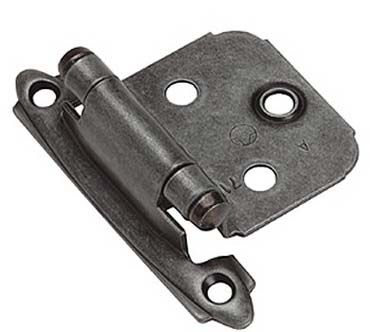
Choosing cabinet hinges Kenya homeowners can depend on is an important part of designing a functional kitchen. Hinges, drawer runners and handles may be small components compared with cabinets and worktops, but they determine how doors open, how drawers move and how comfortably the kitchen is used every day.
When planning cabinet hinges Kenya buyers often focus on the cabinet material, colour and worktop first. Hardware is sometimes treated as an afterthought. However, a kitchen door can look excellent while performing poorly if the hinges are incorrectly selected or poorly installed.
The same applies to drawer runners.
A drawer that sticks, drops, becomes difficult to open or fails to carry its intended load can quickly turn a well-designed kitchen into a frustrating space.
Handles also have a practical role beyond appearance. Their size, shape, position and fixing method influence how easily users can open doors and drawers.
For a kitchen in Kenya, environmental conditions should also be considered. Humidity, dust, frequent cleaning and heavy daily use can affect hardware over time.
This makes the selection of cabinet hinges Kenya homeowners need more important than simply choosing the cheapest fitting available.
A good kitchen hardware system should provide smooth movement, reliable alignment, appropriate load capacity, resistance to normal kitchen conditions and a finish that complements the overall design.
Understanding the differences between hinges, drawer runners and handles allows homeowners, carpenters, contractors and property developers to specify better hardware before installation begins.
What Are the Main Types of Kitchen Cabinet Hardware?
Kitchen cabinet hardware generally falls into three major groups: hinges for doors, runners or slides for drawers, and handles or pulls for user interaction. Each component has a different job and should be selected according to the construction and expected use of the cabinet.
The first category is cabinet hinges.
Hinges connect doors to cabinet boxes and allow the doors to open and close. Modern concealed hinges can also provide adjustment for height, depth and side-to-side alignment.
The second category is drawer runners.
Drawer runners support the drawer box and control its movement. Depending on the design, they may be mounted at the sides, underneath or in other configurations.
The third category is handles.
Handles provide the point of contact between the user and the cabinet. They can be selected for appearance, comfort and ease of use.
When choosing cabinet hinges Kenya homeowners should consider all three systems together.
A premium hinge cannot compensate for an unsuitable drawer runner, and an attractive handle does not improve a drawer that has been incorrectly installed.
The hardware should therefore be treated as a complete functional system.
Cabinet Hinges Kenya: Understanding How Hinges Work
Cabinet hinges allow doors to pivot while keeping them securely attached to the cabinet, and modern hinges can provide adjustment features that make accurate alignment easier.
The basic purpose of a hinge is simple, but kitchen cabinet hinges come in different designs and configurations.
Concealed hinges are widely used in modern cabinetry because most of the mechanism is hidden when the cabinet door is closed.
Visible or decorative hinges may instead form part of the kitchen’s aesthetic.
The correct choice depends on the cabinet construction, door design and desired appearance.
When selecting cabinet hinges Kenya buyers should first establish the door overlay and cabinet configuration.
The overlay describes how the door relates to the cabinet frame or cabinet side.
A full-overlay door covers most or all of the cabinet side.
A half-overlay configuration allows two doors to share a cabinet partition.
An inset door sits within the cabinet opening rather than covering the cabinet side.
These configurations require compatible hinge arrangements.
Buying a hinge without checking the cabinet construction can therefore lead to alignment problems or an installation that does not operate correctly.
Full-Overlay, Half-Overlay and Inset Hinges
The relationship between the cabinet door and cabinet box determines which hinge configuration is appropriate, so overlay should be confirmed before purchasing hinges.
Full-overlay applications are common in contemporary kitchens where cabinet doors create a relatively continuous appearance.
Half-overlay arrangements can be useful where two doors share a central partition.
Inset cabinetry places the door within the cabinet opening and usually requires a hinge designed for that particular arrangement.
For cabinet hinges Kenya projects, the installer should confirm the cabinet design before drilling hinge cups or fixing mounting plates.
A mistake at this stage can affect both the appearance and operation of the finished kitchen.
The correct hinge must also provide the required opening angle and clearance.
A door that needs to open widely for access may require a different hinge arrangement from a cabinet in a restricted corner.
What Is a Soft Close Hinge?
A soft close hinge uses a damping mechanism to slow the door during closing, reducing slamming and creating smoother, quieter cabinet operation.
The soft close hinge has become a popular upgrade in modern kitchens because it improves everyday comfort.
Instead of allowing a cabinet door to close rapidly and hit the cabinet frame, the damping mechanism controls the final part of the movement.
This can reduce noise and make the kitchen feel more refined.
For households with frequently used cabinets, the benefit becomes noticeable because the doors may be opened and closed dozens of times every day.
A soft close hinge can also reduce repeated impact on the cabinet structure.
However, soft-close does not mean damage-proof.
Forcing a door shut, hanging heavy objects from the door or incorrectly installing the hinge can still cause problems.
When selecting a soft close hinge, check that its specifications are appropriate for the door size and weight.
Cabinet Hinges Kenya and Humid Kitchen Conditions
Humidity and moisture can affect kitchen hardware, particularly where metal components, mounting points or cabinet materials are exposed to persistent damp conditions.
For cabinet hinges Kenya installations, the local environment should therefore be part of the specification process.
Kitchens naturally contain moisture from washing, cooking and cleaning.
Cabinets located near sinks may experience more exposure than those positioned elsewhere.
Coastal and particularly humid environments may present different conditions from dry inland locations.
This does not mean that hardware will automatically fail in humid areas.
Instead, it means that material quality, protective finishes, installation and maintenance become more important.
Hardware should not be repeatedly exposed to standing water.
Leaks should be repaired promptly.
Cabinet interiors should be allowed to dry where moisture has entered.
The correct hardware finish should also be considered according to the intended environment.
What Fails First in Kitchen Cabinet Hinges?
Poor-quality hinges, incorrect installation, excessive loading, repeated impact and moisture exposure can all contribute to premature hinge failure.
The first signs of a hinge problem are often relatively small.
A door may begin to sag.
The gap between adjacent doors may become uneven.
The door may no longer close properly.
The soft-close mechanism may stop damping the final movement.
Screws may begin to loosen.
These issues should be addressed early.
A sagging door can place additional stress on the hinge and mounting points.
If the hinge is repeatedly forced into an incorrect position, the problem can become worse.
For cabinet hinges Kenya users, regular inspection is therefore a practical maintenance habit.
Check the screws periodically.
Look for loose mounting plates.
Inspect the cabinet material around the fixing points.
If a hinge becomes loose repeatedly, the problem may not be the hinge itself. The underlying cabinet material or fixing method may need attention.
Choosing Drawer Runners
Drawer runners determine how smoothly drawers open and close and how much weight they can safely carry, making runner selection critical for kitchen functionality.
A drawer runner must do more than allow movement.
It needs to support the drawer box and its contents while maintaining smooth operation.
Kitchen drawers can become surprisingly heavy.
A drawer containing pots, pans, plates, utensils or food items may carry a significant load.
Choosing drawer runners based only on appearance or price can therefore be a mistake.
The runner should be matched to the expected load and drawer construction.
There are several runner configurations available, including side-mounted and concealed systems.
Side-mounted runners are visible along the drawer sides when the drawer is opened.
Concealed runners are installed beneath or within the drawer system and can provide a cleaner appearance.
The correct choice depends on the cabinet construction and desired performance.
Drawer Runner Load Capacity
The load rating of a drawer runner should match the weight of the drawer box and its contents, with an appropriate margin for normal use.
This is particularly important for deep kitchen drawers.
A drawer used for lightweight cutlery has different requirements from a drawer storing cookware.
When selecting drawer runners, think about what the drawer will contain rather than the drawer dimensions alone.
Overloading can cause poor movement, premature wear or mechanical failure.
A runner that works perfectly with a lightly loaded drawer may struggle when repeatedly used with heavy cookware.
The installation must also be accurate.
If runners are not parallel, the drawer can bind or move unevenly.
Correct spacing is equally important.
Full-Extension Drawer Runners
Full-extension runners allow a drawer to travel far enough forward to expose most or all of its usable interior, improving visibility and access.
This is particularly useful in deep kitchen drawers.
Without adequate extension, items stored at the back can be difficult to reach.
Full-extension drawer runners can make better use of cabinet space because the user can access more of the drawer’s depth.
They are particularly useful for:
- Pots and pans
- Food storage
- Kitchen utensils
- Baking equipment
- Plates
- Cleaning supplies
The choice should still be based on the manufacturer’s load and installation specifications.
A full-extension runner does not automatically mean it can carry unlimited weight.
Soft-Close Drawer Runners
Soft-close drawer runners use a damping mechanism to control the final closing movement, reducing slamming and improving the feel of the drawer.
Soft-close systems can complement a soft close hinge system to create a consistent kitchen experience.
When both doors and drawers close smoothly, the kitchen feels more refined and can produce less noise during everyday use.
However, soft-close mechanisms contain additional components compared with basic runners.
This means installation accuracy becomes especially important.
Forcing an overloaded drawer or pushing it sideways can place unnecessary stress on the mechanism.
Users should allow the system to perform its intended closing movement rather than repeatedly slamming or forcing the drawer.
Side-Mount vs Concealed Drawer Runners
Side-mounted runners are generally straightforward to install and inspect, while concealed runners provide a cleaner appearance but may require more precise cabinet and drawer construction.
Side-mounted drawer runners are visible when the drawer is opened.
This can make maintenance and replacement relatively straightforward.
Concealed runners are hidden from normal view.
They can create a cleaner appearance and may work particularly well with contemporary cabinetry.
However, concealed systems often require careful dimensional planning.
The drawer box must be manufactured to the correct dimensions and the cabinet must provide suitable clearances.
For a new kitchen, the runner should therefore be selected before the drawer boxes are constructed.
Changing the runner after fabrication can create unnecessary complications.
Cabinet Handles Kenya: Function Before Decoration
Cabinet handles provide the user’s main point of contact with doors and drawers, so comfort, grip, position and durability should be considered alongside appearance.
When choosing cabinet handles Kenya homeowners often focus heavily on colour and style.
These are important, but the handle must also be comfortable to use.
A handle that looks excellent but has an uncomfortable grip can become irritating in everyday use.
The handle should also be appropriately sized for the cabinet door or drawer.
Small handles can look proportionate on narrow doors.
Longer pulls can work well on wide drawers and tall pantry doors.
Knob-style handles offer another option and can suit both traditional and contemporary designs.
The best cabinet handles Kenya choice depends on the overall kitchen style and how frequently each cabinet is accessed.
Knobs, Pulls and Profile Handles
Knobs are compact and versatile, pulls provide a larger gripping area, and profile handles can create a minimalist appearance by reducing visual hardware.
Knobs can be useful on cabinet doors because they require only one fixing point.
Pull handles generally provide a more substantial grip and can be particularly convenient on large drawers.
Profile handles are integrated into or attached along the cabinet edge and can produce a clean modern appearance.
For cabinet handles Kenya buyers, ergonomics should be considered.
Think about whether the user can easily place their fingers behind the handle.
Consider whether the handle will catch clothing or obstruct nearby doors.
Check that adjacent handles do not collide when doors or drawers are opened.
These small details can make a significant difference to the finished kitchen.
Choosing Handle Size
Handle size should be proportional to the cabinet while providing enough space for a comfortable grip.
A tiny handle on a wide drawer can look visually unbalanced and may be less comfortable to use.
An oversized handle on a small door can dominate the design.
For cabinet handles Kenya projects, consistency is also important.
Using several unrelated handle styles throughout one kitchen can make the design feel disjointed.
A coordinated set can create a more professional appearance.
However, different handle sizes can still be used within the same design family.
For example, smaller pulls can be used on doors while longer versions of the same style are used on wide drawers.
How Humidity Affects Kitchen Hardware
Humidity does not automatically destroy kitchen hardware, but persistent moisture, poor ventilation, water leaks and unsuitable finishes can accelerate deterioration.
This is an important consideration when choosing cabinet hinges Kenya homeowners intend to use in areas with significant humidity.
Hardware around sinks is particularly vulnerable because it can be exposed to splashes.
Cabinet interiors can also become damp when plumbing leaks occur.
The solution is not simply to purchase the most expensive hardware.
Good kitchen design should prevent unnecessary moisture exposure in the first place.
Check plumbing connections regularly.
Repair leaks quickly.
Avoid allowing wet cleaning cloths to remain inside cabinets.
Ensure the kitchen has adequate ventilation.
Keep hardware dry wherever practical.
For supporting plumbing requirements during a kitchen renovation, browse our plumbing supplies and plan service connections before cabinetry is finalised.
Cleaning Kitchen Cabinet Hardware
Regular cleaning helps preserve cabinet hardware, but cleaning products should be appropriate for the finish and should not leave excessive moisture on hinges, runners or handles.
A cabinet hinges Kenya installation can accumulate dust and cooking residue over time, particularly around frequently used doors.
Handles can also collect oils from hands.
A soft cloth and suitable cleaning method are generally preferable to aggressive scrubbing.
Do not flood hinges or runners with water.
If moisture enters mechanical components repeatedly, it can contribute to deterioration.
After cleaning, wipe surfaces dry.
The same principle applies to cabinet interiors.
A clean, dry environment can help protect both hardware and cabinetry.
If your kitchen renovation includes broader cleaning requirements, explore our cleaning items for suitable project and household supplies.
Cabinet Hardware and Cabinet Material
The fixing method should be compatible with the cabinet material because screws and mounting points must hold securely without damaging the board or frame.
Different cabinet constructions may require different fixing approaches.
Particleboard, MDF, plywood and solid timber do not behave identically.
For cabinet hinges Kenya installations, hinge mounting plates and screws should be selected and installed according to the cabinet construction and hinge manufacturer’s requirements.
Over-tightening can damage the board.
Under-tightening can allow movement.
Repeated movement can enlarge fixing holes and eventually make the hinge difficult to secure.
Where fixing points have been damaged, simply using a larger screw is not always the correct repair.
The cabinet material may require a suitable repair method before the hardware is reinstalled.
Correct Hinge Installation
Accurate hinge installation requires correct drilling, spacing, alignment and adjustment so that doors operate smoothly and remain properly positioned.
The hinge cup must be positioned correctly in the cabinet door.
The mounting plate must also be correctly positioned on the cabinet.
Small measurement errors can create visible problems.
The door may sit too high or low.
Gaps may become uneven.
Adjacent doors may collide.
A soft close hinge can provide excellent performance, but only when it has been correctly installed and adjusted.
Modern concealed hinges commonly provide multiple adjustment directions.
These adjustments allow installers to correct small alignment differences after the doors have been mounted.
Adjusting Cabinet Doors
Regular hinge adjustment can correct minor door alignment problems before they become more serious, especially where cabinets experience repeated daily use.
If one door is higher than another, the hinge adjustment may allow its position to be corrected.
If the gap between doors changes, side-to-side adjustment may help.
If the door sits too far forward or backward, depth adjustment may be required.
The exact adjustment method depends on the hinge design.
Do not force the mechanism.
If a hinge will not adjust correctly, inspect the mounting plate, screws and cabinet material before applying excessive force.
For cabinet hinges Kenya installations, correct adjustment can improve both appearance and operation.
Why Drawer Runners Fail
Drawer runners commonly develop problems because of overloading, incorrect alignment, poor installation, excessive force or normal mechanical wear.
A drawer that becomes difficult to open should not simply be forced.
Check whether the drawer is overloaded.
Inspect whether objects are obstructing the movement.
Check whether the runner has become loose.
Look for uneven gaps between the drawer and cabinet.
If the runner is bent or damaged, replacement may be necessary.
For drawer runners, correct installation is just as important as the quality of the product.
A high-quality runner installed incorrectly may perform worse than a simpler runner installed properly.
Kitchen Hardware and Heavy Drawers
Heavy kitchen drawers require runners designed for their intended load, especially when they are used for pots, pans, appliances or other dense items.
A common mistake is using the same runner specification throughout the entire kitchen.
Not every drawer has the same purpose.
Cutlery drawers may carry relatively little weight.
Pan drawers can become extremely heavy.
Tall pantry-style pull-outs may also require specialist hardware.
When planning drawer runners, identify which drawers will carry the greatest loads.
This allows the hardware to be specified according to actual use.
Coordinating Hinges, Runners and Handles
A well-designed kitchen uses hinges, runners and handles as a coordinated hardware system, balancing appearance, movement, load capacity and user comfort.
There is little benefit in specifying a premium soft close hinge while installing poor-quality runners on drawers that carry heavy cookware.
Likewise, expensive handles cannot compensate for doors that sag or drawers that bind.
A good kitchen specification should therefore consider:
- Door weight
- Door size
- Door overlay
- Opening angle
- Drawer width
- Drawer depth
- Drawer load
- Cabinet material
- Handle size
- Handle position
- Environmental conditions
- Expected frequency of use
This approach produces a more reliable result.
Kitchen Hardware for High-Use Homes
A busy family kitchen should prioritise durable hardware with suitable load capacity because doors and drawers may be operated many times every day.
In a high-use kitchen, investing in better cabinet hinges Kenya options can make sense because the hardware experiences repeated movement.
The same applies to drawer runners.
Frequently used drawers should have runners suitable for their expected load and frequency of operation.
Handles should also be comfortable because they may be used hundreds of times over the life of the kitchen.
This is an area where spending slightly more on appropriate hardware can potentially deliver better long-term value than repeatedly replacing failed components.
Kitchen Hardware for Rental Properties
Rental kitchens often benefit from practical, durable and easily replaceable hardware rather than highly specialised systems that are expensive to maintain.
For landlords, a cabinet hinges Kenya selection should consider both performance and replacement availability.
The same principle applies to drawer runners.
If a particular component fails, replacement should be reasonably straightforward.
Simple, commonly available hardware can therefore have a practical advantage.
This does not mean choosing the cheapest product.
It means balancing initial cost with expected service life, maintenance and replacement.
Handles should also be robust enough to tolerate different users.
Kitchen Hardware for Modern Minimalist Kitchens
Minimalist kitchens benefit from hardware that maintains clean visual lines while providing reliable operation and comfortable daily use.
Concealed hinges and integrated or understated handles can support a minimalist aesthetic.
Quartz or other clean worktop designs can complement this approach.
If the kitchen incorporates glass elements, explore our glass range and coordinate the design with the cabinetry.
The hardware should support the design rather than competing with it.
When to Replace Cabinet Hinges
Cabinet hinges should be replaced when they are damaged, repeatedly lose alignment, develop mechanical problems or can no longer hold the door securely.
A hinge does not need to be replaced simply because it is old if it continues to perform correctly.
However, certain warning signs should not be ignored.
Replace or repair hardware when:
- Doors sag repeatedly
- Screws no longer hold securely
- The hinge is visibly bent
- The damping mechanism fails
- Doors no longer close properly
- The mounting plate is damaged
- Excessive movement develops
- Corrosion affects the mechanism
For cabinet hinges Kenya users, replacing a failing hinge early can prevent further damage to the cabinet door or box.
When to Replace Drawer Runners
Drawer runners should be replaced when they become bent, excessively worn, unsafe, or incapable of carrying the drawer’s intended load smoothly.
Do not continue forcing a drawer that repeatedly sticks.
First determine whether the problem is caused by overloading, misalignment or an obstruction.
If the runner itself is damaged, replacement is usually the appropriate solution.
When installing new drawer runners, check the drawer dimensions and cabinet clearances before purchasing.
Do not assume that a replacement runner will automatically fit because it has the same approximate length.
Choosing Hardware by Budget
The right kitchen hardware budget should reflect how heavily the kitchen will be used and which components carry the greatest mechanical demands.
Not every component needs to be the most expensive available.
For a budget-conscious kitchen, it may be sensible to prioritise reliable cabinet hinges Kenya options and strong runners for heavy drawers while selecting simpler handles.
In a premium kitchen, soft-close systems throughout the doors and drawers can provide a more consistent user experience.
The important point is to avoid cutting costs on components that carry substantial loads or experience frequent movement.
Kitchen Hardware and Long-Term Value
Good-quality kitchen hardware can improve the everyday usability and longevity of cabinetry, making it a small investment with a noticeable impact on the finished kitchen.
A cabinet is used through its hardware.
The door may be made from high-quality board or timber, but if the hinge fails, the cabinet cannot function properly.
The same is true of drawers.
A well-built drawer box needs an appropriate runner to operate effectively.
This is why cabinet hinges Kenya should be considered part of the cabinet system rather than an optional finishing detail.
The hardware should be specified at the design stage.
Doing so gives the carpenter or cabinetmaker the correct dimensions before construction begins.
A Practical Kitchen Hardware Checklist
Before purchasing kitchen hardware, confirm the cabinet construction, door configuration, drawer dimensions, load requirements, environmental conditions and desired style.
Use this checklist when planning your project:
For hinges:
- Confirm door overlay.
- Confirm door size and weight.
- Decide whether soft-close operation is required.
- Check opening-angle requirements.
- Confirm mounting and drilling requirements.
- Check adjustment options.
- Consider the kitchen environment.
For drawer runners:
- Measure drawer dimensions.
- Determine expected load.
- Choose appropriate extension.
- Decide whether soft-close operation is required.
- Check mounting requirements.
- Confirm cabinet clearances.
- Consider replacement availability.
For handles:
- Select a consistent design.
- Consider grip comfort.
- Match size to the cabinet.
- Check fixing-hole spacing.
- Consider handle projection.
- Coordinate the finish with other kitchen features.
Following these steps can make selecting cabinet hinges Kenya products considerably easier.
Final Verdict: Choosing the Right Kitchen Hardware
The best kitchen hardware is not necessarily the most expensive hardware; it is hardware correctly matched to the cabinet construction, expected load, frequency of use, environment and design.
For cabinet doors, good-quality cabinet hinges Kenya homeowners can rely on should provide secure attachment, smooth movement and reliable alignment.
For drawers, properly specified drawer runners should support the expected load while providing smooth and consistent movement.
For doors and drawers, a soft close hinge can provide quieter and more controlled operation.
Handles should be selected for both appearance and comfort.
The most important lesson is that kitchen hardware should be specified before the cabinetry is constructed.
This allows the cabinetmaker to account for hinge cup positions, mounting plates, runner clearances, drawer dimensions and handle positions from the beginning.
It also reduces the risk of expensive modifications after the cabinets have been completed.
For Kenyan kitchens, moisture and humidity should be considered alongside normal mechanical wear. Good ventilation, prompt leak repairs and sensible cleaning can help protect the hardware.
If your kitchen project requires additional materials, Ngong Hills Merchants can also support related requirements. You can browse our fittings for complementary project components or explore other hardware categories according to your renovation needs.
Ultimately, the right cabinet hinges Kenya selection is one that performs reliably every time the kitchen is used.
The right drawer runners should allow drawers to open smoothly, carry their intended contents and close properly.
The right soft close hinge should provide controlled movement without being forced or overloaded.
And the right handles should make every cabinet comfortable to use while contributing to the overall appearance of the kitchen.
By treating hinges, runners and handles as essential parts of the kitchen rather than minor accessories, homeowners can achieve cabinetry that looks better, operates more smoothly and remains practical for years.
Your One-Stop Hardware Partner in Ngong
Imagine completing your project with the right tools, the best materials, and expert advice. At Ngong Hills Merchants, we turn your DIY or construction vision into reality with a complete selection of plumbing, electrical, glass, and sanitary ware.
Contact our team for a consultation and get the right supplies, right now.
QUALITY HARDWARE & SUPPLIES IN NGONG ✔ Complete Range of Plumbing & Electrical ✔ Power Tools, Adhesives & Paints ✔ Glass, Framing & Sanitary Ware ✔ Serving Ngong, Karen, Matasia, Kiserian & beyond.
Request Your Free Consultation: Ngong Hills Merchants
Email: ngonghillsmerchants [at] gmail.com
Phone: +254 715974811
Visit Us: Ngong Township, Ngong, Kenya
Website: https://ngonghillsmerchants.com/