Blog

  • Hardware Kikuyu: Building Materials and Hardware Supplies for Kikuyu and Kinoo

    Hardware Kikuyu: Building Materials and Hardware Supplies for Kikuyu and Kinoo

    Finding reliable hardware Kikuyu homeowners, contractors, fundis, property developers and businesses can depend on makes construction and maintenance projects easier to organise. Whether you are building a new house, renovating a property, fitting out a commercial space or completing a smaller repair, the right hardware and construction materials are essential.

    Customers searching for building materials Kinoo may need several product categories for a single project. Plumbing installations require pipes and fittings, electrical work requires suitable accessories, painting requires preparation materials and tools, while finishing projects may require sanitary ware, glass, adhesives and other products.

    Ngong Hills Merchants serves customers from its location in Ngong Township and offers a broad selection of hardware and construction-related products. Customers in Kikuyu, Kinoo and surrounding areas can contact the business to discuss product requirements, availability and delivery arrangements.

    A successful materials purchase begins with a clear project list. Measure the required areas, establish quantities, confirm specifications and identify the products needed at each stage. This can reduce forgotten items and unnecessary repeat trips.

    Hardware Kikuyu: Building Supplies for Construction Projects

    Construction projects in Kikuyu and Kinoo require different hardware products depending on whether the work involves structural construction, services, finishing or maintenance.

    A typical project may require:

    • Plumbing supplies
    • Electrical fittings
    • Paints
    • Adhesives
    • Glass
    • Sanitary ware
    • Bolts and nuts
    • Power tools
    • Drill bits
    • Framing materials
    • Cleaning products
    • General hardware

    Organising materials by construction stage can make procurement easier.

    For example, general construction may require tools, fasteners and framing products. Plumbing and electrical installations require their own fittings and accessories, while final finishing may involve paints, sanitary ware, glass and adhesives.

    Buying according to the construction programme can also reduce unnecessary storage on site.

    Hardware Kikuyu: Plumbing Supplies for Homes and Businesses

    Plumbing materials are used for water supply, drainage, bathrooms, kitchens, renovations and property maintenance, making correct sizing and compatibility important.

    A plumbing materials list may include:

    • Pipes
    • Elbows
    • Tees
    • Couplers
    • Valves
    • Connectors
    • Taps
    • Waste fittings
    • Drainage components
    • Plumbing accessories

    Before purchasing, confirm the required pipe diameter, fitting type and intended application.

    A residential bathroom, kitchen installation and drainage project can all require different combinations of products.

    You can explore our extensive range of plumbing supplies when preparing your Kikuyu or Kinoo project order.

    Hardware Kikuyu: Electrical Fittings and Accessories

    Electrical projects require correctly specified fittings and accessories that match the requirements of the installation.

    Common requirements can include:

    • Switches
    • Sockets
    • Electrical accessories
    • Installation fittings
    • Lighting-related products
    • Other electrical components

    For new construction, materials should follow the project’s electrical drawings and specifications.

    For replacement work, photographs or details of the existing component can help identify the required product.

    You can browse our electrical fittings when preparing your electrical shopping list.

    Electrical work involving mains power should be performed by a qualified professional.

    Hardware Kikuyu: Paint and Decorating Supplies

    A complete painting project involves surface preparation, application tools and finishing materials as well as the paint itself.

    Depending on the project, you may require:

    • Interior paint
    • Exterior paint
    • Ceiling paint
    • Primer
    • Filler
    • Sandpaper
    • Brushes
    • Rollers
    • Paint trays
    • Masking materials
    • Protective coverings

    Estimate the surface area before purchasing paint.

    For a complete property, calculate walls, ceilings, doors, exterior surfaces and other areas separately.

    You can browse our paints collection when planning a new-build or renovation project.

    Hardware Kikuyu: Sanitary Ware for Bathroom Projects

    Bathroom installations require coordinated sanitary ware and plumbing products, so it is useful to plan the complete layout before ordering individual fixtures.

    A bathroom project may require:

    • Toilets
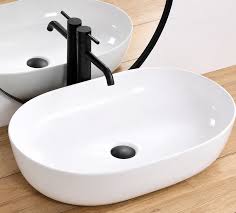
    • Basins
    • Taps
    • Bathroom fittings
    • Waste connections
    • Plumbing accessories
    • Installation materials

    Consider the room dimensions and plumbing positions before choosing fixtures.

    You can explore our modern sanitary ware for bathroom construction and renovation projects.

    Building Materials Kinoo: Adhesives and Installation Products

    Adhesives can support selected construction, repair and finishing applications, but the product must be suitable for the surfaces being joined and the intended environment.

    Adhesives may be used for:

    • Repairs
    • Construction
    • Installation
    • Finishing
    • Bonding compatible surfaces

    Always check product instructions before use.

    You can discover the full range of adhesives when preparing your materials list.

    Hardware Kikuyu: Power Tools for Construction and DIY

    Power tools can make drilling, cutting, grinding, fastening and other repetitive tasks more efficient when the correct equipment is selected for the job.

    Depending on the project, contractors and DIY users may require:

    • Drills
    • Drivers
    • Grinders
    • Sanders
    • Cutting tools
    • Other power equipment

    When selecting a tool, consider the material being worked on, the intended task, frequency of use and required accessories.

    You can learn more about our power tools before starting your project.

    Building Materials Kinoo: Drill Bits for Different Applications

    Drill bits should be selected according to the material being drilled, the required hole diameter and the drilling application.

    Common applications include:

    • Masonry
    • Metal
    • Timber
    • Tile
    • Other construction materials

    Confirm the diameter, length and drill compatibility before purchasing.

    You can browse our drill bits for installation and construction work.

    Hardware Kikuyu: Glass for Construction and Renovation

    Glass can be used in windows, partitions, doors and other architectural applications, with the required specification depending on the installation.

    Before ordering glass, consider:

    • Dimensions
    • Thickness
    • Application
    • Safety requirements
    • Installation method

    Some projects may also require additional glass accessories.

    You can browse our glass range and explore our glass accessories when planning a glazing project.

    Hardware Kikuyu: Bolts, Nuts and Fasteners

    Fasteners are used throughout construction, fabrication, installation and property maintenance, with size and specification determined by the application.

    Before ordering bolts and nuts, confirm:

    • Diameter
    • Length
    • Thread
    • Material
    • Head configuration
    • Quantity

    For exposed applications, environmental conditions should also be considered.

    You can browse our bolts and nuts for construction and maintenance requirements.

    Hardware Kikuyu: Building Materials for New Homes

    A new home requires materials across several construction stages, so planned procurement can help control costs, storage and project timing.

    A simple procurement schedule can include:

    General construction

    Tools, fasteners, framing products and general hardware.

    Plumbing and electrical

    Pipes, fittings, valves, switches, sockets and accessories.

    Finishing

    Paints, adhesives, glass and sanitary ware.

    Final installation

    Fixtures, accessories and replacement items.

    Purchasing too early can create storage challenges, while purchasing too late can delay work. A staged materials plan provides a useful middle ground.

    Building Materials Kinoo: Renovation and Property Maintenance

    Renovation projects can require additional products after old fixtures or installations are removed, making access to hardware supplies useful for responding to changing requirements.

    For example, a bathroom renovation might initially require sanitary ware and plumbing fittings.

    After removing existing fixtures, the contractor may discover:

    • Damaged pipework
    • Worn valves
    • Additional connections
    • Missing fasteners
    • Surface repairs
    • Additional finishing requirements

    Prepare an initial materials list while allowing for reasonable project contingencies.

    Hardware Kikuyu: Supplies for Contractors and Fundis

    Contractors and fundis depend on timely access to materials because a missing fitting, fastener or consumable can interrupt work and affect labour scheduling.

    Regular requirements can include:

    • Plumbing fittings
    • Electrical products
    • Paint
    • Adhesives
    • Fasteners
    • Drill bits
    • Power tools
    • General hardware

    For larger projects, prepare a detailed bill of materials containing product descriptions, specifications and quantities.

    If delivery is required, include the complete site location and preferred delivery date.

    Building Materials Kinoo: Supplies for Property Developers

    Property developers can make procurement more manageable by organising material purchases around the construction schedule rather than buying every item at the start.

    For example:

    Construction stage: tools, framing products and fasteners.

    Services stage: plumbing and electrical materials.

    Finishing stage: paints, glass, sanitary ware and adhesives.

    Completion stage: fixtures, accessories and maintenance items.

    This approach can also help minimise the amount of valuable finishing stock stored on an active construction site.

    Hardware Kikuyu: Delivery Planning

    Delivery can be useful for customers purchasing multiple products, large quantities or materials that are inconvenient to transport independently.

    When arranging delivery, provide:

    • Complete order list
    • Quantity
    • Delivery location
    • Site contact
    • Preferred date
    • Any relevant access information

    Delivery timing can depend on product availability, order size, destination and logistics.

    Customers in Kikuyu and Kinoo should confirm delivery arrangements before relying on a particular delivery date for time-sensitive work.

    Building Materials Kinoo: How to Prepare a Shopping List

    A structured shopping list helps reduce forgotten components and makes it easier to check whether all materials required for a project have been included.

    Divide the list into categories.

    Plumbing

    Pipes, fittings, valves and connectors.

    Electrical

    Switches, sockets and electrical accessories.

    Finishing

    Paint, adhesive, glass and sanitary ware.

    Tools

    Drills, drill bits and other equipment.

    General hardware

    Bolts, nuts and fasteners.

    Once the list is complete, check quantities against the project drawings, measurements or contractor’s requirements.

    Hardware Kikuyu: Choosing Materials Based on Application

    The cheapest product is not necessarily the most appropriate product, because material selection should consider application, compatibility, dimensions and expected performance.

    Before buying, ask:

    • What is the product used for?
    • What material will it connect to?
    • Is it indoors or outdoors?
    • Will it be exposed to water?
    • What dimensions are required?
    • What quantity is needed?
    • Does it match the project specification?

    For specialised construction work, follow the relevant professional specifications and project drawings.

    Building Materials Kinoo: Common Ordering Mistakes

    Incomplete information and incorrect measurements can result in wrong products, additional costs and project delays.

    Common mistakes include:

    Ordering without measurements

    Take accurate dimensions before buying.

    Forgetting accessories

    Check whether the main product requires connectors, fasteners or other installation components.

    Choosing only by price

    Consider suitability and durability.

    Ignoring compatibility

    Confirm that components are designed to work together.

    Ordering at the last minute

    Allow enough time for stock confirmation and delivery.

    Giving unclear delivery information

    Provide a clear site location and contact person.

    Hardware Kikuyu: What Information Should You Give a Supplier?

    Clear information helps a hardware supplier understand the project and prepare an accurate order or quotation.

    For plumbing, provide the pipe size, fitting type, application and quantity.

    For electrical supplies, provide the product type, quantity and installation requirements.

    For paint, provide the approximate surface area, interior or exterior application, number of coats and surface condition.

    For tools, explain the material being worked on and the task to be performed.

    Photographs can also be helpful when replacing an existing fitting or component.

    Hardware Kikuyu: Supporting Homeowners and DIY Projects

    Hardware supplies are useful for everyday home maintenance and smaller improvement projects as well as major construction work.

    Homeowners may require supplies for:

    • Repainting rooms
    • Repairing plumbing
    • Replacing taps
    • Installing shelves
    • Repairing doors
    • Drilling walls
    • Replacing electrical fittings
    • Maintaining outdoor structures

    For DIY work, select tools and materials appropriate to the task and follow manufacturer instructions.

    For electrical installations and technically demanding work, use a qualified professional.

    Hardware Kikuyu: Multiple Hardware Categories in One Place

    Having access to several hardware categories can make procurement more convenient when one project requires products for construction, installation, finishing and maintenance.

    Ngong Hills Merchants provides product categories including:

    • Plumbing
    • Electrical
    • Paints
    • Glass
    • Glass accessories
    • Sanitary ware
    • Adhesives
    • Power tools
    • Drill bits
    • Bolts and nuts
    • Framing
    • Cleaning items
    • Other hardware products

    This range can support homeowners, contractors, fundis and property managers working on different types of projects.

    Hardware Kikuyu: Contact Ngong Hills Merchants

    Customers in Kikuyu, Kinoo and surrounding areas can contact Ngong Hills Merchants to discuss hardware requirements, product availability and delivery arrangements.

    The business is located in Ngong Township, Ngong, Kenya.

    When requesting materials, provide:

    • Product descriptions
    • Quantities
    • Measurements
    • Specifications
    • Delivery location
    • Preferred delivery timing

    For larger construction projects, advance planning is recommended so product availability and logistics can be confirmed.

    You can contact our team for project consultation before placing a major order.

    Hardware Kikuyu: Frequently Asked Questions

    Does Ngong Hills Merchants serve Kikuyu?

    Customers in Kikuyu can contact Ngong Hills Merchants regarding available hardware products, building materials and delivery arrangements.

    Does the business serve Kinoo?

    Customers in Kinoo can contact the business to discuss hardware requirements, product availability and delivery options.

    What building materials are available?

    Available categories include plumbing, electrical, paints, glass, sanitary ware, adhesives, power tools, drill bits, bolts and nuts, framing and other hardware products.

    Can contractors order hardware in bulk?

    Yes. Contractors can prepare a detailed materials list and contact the supplier regarding larger quantities, availability and delivery requirements.

    Can I order plumbing supplies?

    Yes. Plumbing is one of the available product categories. You can browse the plumbing range when preparing your order.

    Does the store sell paint?

    Yes. Paints are among the available hardware categories, together with related construction and finishing products.

    Can I buy sanitary ware?

    Yes. Customers can explore the sanitary ware category for bathroom construction and renovation requirements.

    Does Ngong Hills Merchants sell tools?

    Yes. The range includes power tools and drill bits alongside other hardware supplies.

    Is delivery available to Kikuyu and Kinoo?

    Delivery arrangements depend on the order, destination, stock availability and logistics. Confirm the current delivery options when placing your order.

    How should I prepare a construction order?

    Prepare a detailed list containing product descriptions, quantities, specifications and delivery information before contacting the supplier.

    Where is Ngong Hills Merchants located?

    Ngong Hills Merchants is located in Ngong Township, Ngong, Kenya.

    How can I contact the business?

    You can contact Ngong Hills Merchants on +254 715 974 811 or via ngonghillsmerchants [at] gmail.com.

    Hardware Kikuyu: Reliable Supplies for Kikuyu and Kinoo Projects

    Reliable hardware sourcing can make construction, renovation and maintenance projects easier to organise, particularly when several product categories are required at different stages.

    Start by preparing a complete materials list.

    Take accurate measurements.

    Confirm product specifications.

    Check availability.

    Then arrange collection or delivery according to the project programme.

    For homeowners, this can reduce unnecessary trips. For contractors, it can help prevent delays caused by missing components. For property managers, it can make maintenance purchases easier to organise.

    If you are searching for hardware Kikuyu or building materials Kinoo, Ngong Hills Merchants provides a broad selection of construction, hardware and finishing products from its Ngong Township location.

    From plumbing and electrical supplies to paints, sanitary ware, glass, adhesives, tools and general hardware, you can organise multiple project requirements through one supplier.

    Your One-Stop Hardware Partner in Ngong

    Imagine completing your project with the right tools, the best materials, and expert advice. At Ngong Hills Merchants, we turn your DIY or construction vision into reality with a complete selection of plumbing, electrical, glass, and sanitary ware.

    Contact our team for a consultation and get the right supplies, right now.

    QUALITY HARDWARE & SUPPLIES IN NGONG ✔ Complete Range of Plumbing & Electrical ✔ Power Tools, Adhesives & Paints ✔ Glass, Framing & Sanitary Ware ✔ Serving Kikuyu, Kinoo, Ngong, Kiserian & beyond.

    Request Your Free Consultation: Ngong Hills Merchants
    Email: ngonghillsmerchants [at] gmail.com
    Phone: +254 715974811
    Visit Us: Ngong Township, Ngong, Kenya
    Website: https://ngonghillsmerchants.com/
  • Hardware Kajiado and Matasia: Building, Farm and Construction Supplies

    Hardware Kajiado and Matasia: Building, Farm and Construction Supplies

    Finding dependable hardware Kajiado homeowners, contractors, farmers, fundis and property developers can rely on is an important part of keeping construction, repair and maintenance projects moving. Whether you are constructing a new home, renovating an existing property, installing plumbing, completing electrical work or handling routine farm maintenance, having access to suitable hardware supplies makes procurement easier.

    Ngong Hills Merchants serves customers from its location in Ngong Township and provides a broad selection of hardware and construction-related products for customers in the wider Ngong, Matasia, Kajiado and surrounding areas.

    For customers searching for building materials Matasia, local access to hardware products can be particularly useful when a project requires additional fittings, tools, consumables or finishing materials.

    Construction projects rarely require only one type of product. A single house project, for example, may need plumbing fittings, electrical accessories, paints, adhesives, sanitary ware, glass, fasteners and tools at different stages.

    The most effective way to purchase these materials is to start with a clear list, confirm quantities and specifications, and then arrange collection or delivery according to the project schedule.

    Hardware Kajiado: Building Materials for Local Construction

    Construction projects across Kajiado County and Matasia can involve residential buildings, commercial properties, renovations, agricultural structures and general property improvements, each requiring different hardware products.

    Depending on the project, materials may include:

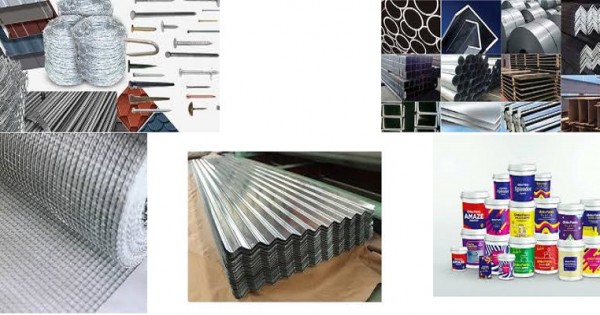
    • Plumbing supplies.
    • Electrical fittings.
    • Paints.
    • Adhesives.
    • Glass.
    • Sanitary ware.
    • Bolts and nuts.
    • Power tools.
    • Drill bits.
    • Framing materials.
    • Cleaning supplies.
    • General hardware.

    Instead of buying everything at once, organise materials according to the construction stage.

    For example:

    General construction: tools, fasteners and framing materials.

    Plumbing: pipes, valves and fittings.

    Electrical: switches, sockets and accessories.

    Finishing: paints, glass, sanitary ware and adhesives.

    Maintenance: replacement parts, consumables and tools.

    This approach makes it easier to control quantities, storage and project expenditure.

    Hardware Kajiado: Plumbing Supplies for Homes and Buildings

    Plumbing materials are required for water supply, drainage, bathrooms, kitchens, renovations and general property maintenance, making accurate product selection important.

    A typical plumbing order may contain:

    • Pipes.
    • Elbows.
    • Tees.
    • Couplers.
    • Valves.
    • Connectors.
    • Taps.
    • Waste fittings.
    • Drainage components.
    • Plumbing accessories.

    Before purchasing plumbing products, establish the required pipe diameter, connection type and application.

    For example, materials for potable water supply should be selected according to their intended use, while drainage installations require appropriate drainage components.

    You can explore our extensive range of plumbing supplies when preparing a construction or renovation order.

    Hardware Kajiado: Electrical Supplies

    Electrical installations require correctly specified fittings and accessories, and materials should be selected according to the project’s electrical design and application.

    Electrical requirements can include:

    • Switches.
    • Sockets.
    • Electrical accessories.
    • Installation fittings.
    • Lighting-related products.
    • Other electrical components.

    For a new building, the materials should correspond with the electrical drawings and specifications.

    For repairs and replacement work, provide details or photographs of the existing component where possible.

    You can browse our electrical fittings when preparing an electrical materials list.

    Electrical installations involving mains power should be carried out by an appropriately qualified professional.

    Hardware Kajiado: Paints and Finishing Supplies

    A complete painting project requires more than paint, with surface preparation products and application tools also forming part of the materials budget.

    Depending on the project, you may require:

    • Interior paint.
    • Exterior paint.
    • Ceiling paint.
    • Primer.
    • Filler.
    • Sandpaper.
    • Brushes.
    • Rollers.
    • Paint trays.
    • Masking materials.
    • Protective coverings.

    Before ordering paint, calculate the surface area and estimate the number of coats required.

    For a complete property, separate the calculation into walls, ceilings, doors, exterior surfaces and other areas.

    You can browse our paints collection when planning a painting project in Kajiado or Matasia.

    Hardware Kajiado: Sanitary Ware for Bathrooms

    Bathroom construction and renovation require compatible sanitary ware, plumbing fittings and installation products, so the complete bathroom layout should be considered before purchasing.

    A bathroom project may require:

    • Toilets.
    • Basins.
    • Taps.
    • Bathroom fittings.
    • Waste connections.
    • Plumbing accessories.
    • Installation materials.

    Consider the available space, plumbing points and intended layout before selecting sanitary ware.

    You can explore our sanitary ware range when planning a bathroom project.

    Hardware Kajiado: Adhesives for Construction and Repairs

    Adhesives are important consumables for selected construction, repair and finishing applications, but the correct product depends on the materials being bonded and the working environment.

    Adhesives can be required for:

    • Repairs.
    • Construction.
    • Installation.
    • Finishing.
    • Bonding compatible surfaces.

    Always check the product instructions for suitable surfaces, preparation requirements and curing conditions.

    You can discover our range of adhesives when preparing your project materials.

    Hardware Kajiado: Power Tools for Contractors and DIY

    Power tools can improve efficiency during drilling, cutting, grinding, fastening and other construction tasks, particularly when the same operation must be repeated many times.

    Depending on the job, customers may require:

    • Drills.
    • Drivers.
    • Grinders.
    • Sanders.
    • Cutting tools.
    • Other power equipment.

    Before selecting a tool, consider the material being worked on, required task, frequency of use and available accessories.

    You can learn more about our power tools when preparing your equipment list.

    Building Materials Matasia: Drill Bits and Accessories

    The correct drill bit should match the material being drilled and the type of drilling required, making bit selection an important part of construction preparation.

    Different materials can require different drill bits, including applications involving:

    • Masonry.
    • Metal.
    • Timber.
    • Tile.
    • Other construction materials.

    Before ordering, confirm the required:

    • Diameter.
    • Length.
    • Drilling depth.
    • Material.
    • Drill compatibility.

    You can browse our drill bits for construction, installation and repair work.

    Hardware Kajiado: Glass and Glass Accessories

    Glass can be used for windows, partitions, doors and other architectural applications, with the required specification depending on the installation and safety requirements.

    When planning a glass project, consider:

    • Dimensions.
    • Thickness.
    • Application.
    • Safety requirements.
    • Installation method.

    Depending on the design, glass accessories may also be required.

    You can browse our glass products and explore our glass accessories when preparing your glazing requirements.

    Hardware Kajiado: Bolts, Nuts and Fasteners

    Fasteners are essential for construction, fabrication, installation, repairs and maintenance, but their dimensions and material should match the application.

    Before purchasing bolts and nuts, check:

    • Diameter.
    • Length.
    • Thread.
    • Material.
    • Head configuration.
    • Quantity.

    For outdoor or exposed applications, environmental conditions should also be considered.

    You can browse our bolts and nuts for construction and maintenance requirements.

    Hardware Kajiado: Materials for New House Construction

    Building a new house requires different materials at different stages, so organising procurement around the construction programme can make the process more manageable.

    A typical house project may be divided into:

    General construction

    Tools, fasteners and other hardware.

    Plumbing and electrical

    Pipes, fittings, valves and electrical accessories.

    Finishing

    Paints, adhesives, glass and sanitary ware.

    Final installation

    Fixtures, accessories and replacement items.

    Buying according to these stages can reduce unnecessary storage and make it easier to track expenditure.

    Building Materials Matasia: Renovation and Repair Supplies

    Renovation projects can require additional materials once existing structures are opened or removed, making reliable access to hardware particularly useful.

    A bathroom renovation may initially require:

    • Sanitary ware.
    • Plumbing fittings.
    • Adhesive.
    • Finishing products.

    Once work begins, the contractor may discover:

    • Damaged pipework.
    • Additional connections.
    • Worn valves.
    • Extra fasteners.
    • Replacement accessories.

    A local supplier can make it easier to obtain additional materials without significantly interrupting the work schedule.

    Hardware Kajiado: Farm and Agricultural Maintenance Supplies

    Hardware supplies can also support agricultural property maintenance, farm improvements and repairs, although the exact materials required depend on the structure, equipment and task.

    Farm-related projects may involve general requirements such as:

    • Fasteners.
    • Tools.
    • Repair materials.
    • Adhesives.
    • Plumbing components.
    • Electrical accessories.
    • Maintenance supplies.

    For a farm water system, for example, the materials list may include pipes, connectors and valves.

    For building maintenance, fasteners, tools and other hardware may be required.

    The best approach is to identify the specific repair or installation before purchasing materials.

    Hardware Kajiado: Supplies for Contractors and Fundis

    Contractors and fundis working around Kajiado and Matasia need reliable access to materials because a missing component can delay labour and affect the project programme.

    Regular requirements can include:

    • Plumbing fittings.
    • Electrical products.
    • Paint.
    • Adhesives.
    • Fasteners.
    • Drill bits.
    • Power tools.
    • General hardware.

    For larger projects, prepare a bill of materials or detailed shopping list.

    Include:

    • Product description.
    • Quantity.
    • Dimensions.
    • Required specifications.
    • Delivery location.
    • Preferred delivery date.

    This allows the supplier to understand the complete requirement.

    Hardware Kajiado: Materials for Property Developers

    Property developers can benefit from structured hardware procurement because materials are required over several stages and quantities can change as construction progresses.

    A procurement schedule can divide purchases into:

    Construction: general hardware, fasteners and tools.

    Services: plumbing and electrical supplies.

    Finishing: paints, glass, sanitary ware and adhesives.

    Completion: fixtures, accessories and maintenance items.

    This reduces the risk of storing finishing materials at a construction site long before they are needed.

    Building Materials Matasia: Local Supply and Delivery

    Delivery can make hardware procurement more convenient when customers are purchasing multiple products, large quantities or materials that are difficult to transport independently.

    Delivery arrangements can depend on:

    • Product availability.
    • Order quantity.
    • Product size.
    • Delivery location.
    • Transport requirements.
    • Current logistics.

    Customers in Matasia should confirm delivery details when placing an order, particularly for larger or time-sensitive purchases.

    For a construction project, provide a clear delivery location and ensure someone is available to receive the materials.

    Hardware Kajiado: How to Plan a Materials Order

    A clear materials list is one of the simplest ways to reduce forgotten items, incorrect quantities and unnecessary repeat trips to a hardware supplier.

    Start by dividing the project into categories.

    Plumbing

    List every pipe, fitting, valve and connector.

    Electrical

    List switches, sockets and other required accessories.

    Finishing

    List paint, adhesive, glass and sanitary ware.

    Tools

    List drills, drill bits and other equipment.

    General hardware

    List bolts, nuts, fasteners and related components.

    Review the list before placing the order.

    Hardware Kajiado: How to Choose the Right Materials

    The right building material should be selected according to the application, compatibility, dimensions and performance requirements rather than price alone.

    Before purchasing, ask:

    • What will the product be used for?
    • What material will it interact with?
    • Is the application indoors or outdoors?
    • Will it be exposed to moisture?
    • What size is required?
    • What quantity is required?
    • Does it meet the project specification?

    For technical construction work, professional specifications and project drawings should guide product selection.

    Building Materials Matasia: Avoiding Common Purchasing Mistakes

    Simple purchasing mistakes can cause construction delays and additional costs, especially when a project is operating on a tight schedule.

    Avoid:

    Buying without measurements

    Take accurate dimensions before ordering.

    Forgetting accessories

    Primary products may require connectors, fasteners or installation components.

    Choosing only by price

    Consider application and expected performance.

    Ignoring compatibility

    Make sure products are designed to work together.

    Ordering too late

    Allow enough time for stock confirmation and delivery.

    Providing incomplete delivery details

    Give the supplier an accurate location and site contact.

    Hardware Kajiado: What to Provide When Requesting a Quote

    Providing complete project information helps a supplier understand exactly what is required and makes large orders easier to prepare.

    For plumbing, provide:

    • Pipe size.
    • Fitting type.
    • Application.
    • Quantity.

    For electrical products, provide:

    • Product type.
    • Quantity.
    • Installation requirements.

    For paint, provide:

    • Surface area.
    • Interior or exterior application.
    • Number of coats.
    • Surface condition.

    For tools, provide:

    • Material.
    • Task.
    • Required tool type.

    Photographs can be useful when requesting replacement parts.

    Hardware Kajiado: Supporting Homeowners and DIY Projects

    Homeowners can use hardware supplies for routine maintenance, repairs and improvements without undertaking a major construction project.

    Common household projects include:

    • Repainting rooms.
    • Repairing plumbing.
    • Replacing taps.
    • Installing shelves.
    • Repairing doors.
    • Drilling walls.
    • Replacing electrical fittings.
    • Maintaining outdoor areas.

    For DIY work, select products and tools appropriate to the task and follow the manufacturer’s instructions.

    For electrical or technically demanding work, use a qualified professional.

    Hardware Kajiado: One Supplier for Multiple Project Categories

    Having several hardware categories available through one supplier can simplify procurement when a project requires products for construction, services, finishing and maintenance.

    Ngong Hills Merchants offers categories including:

    • Plumbing.
    • Electrical.
    • Paints.
    • Glass.
    • Glass accessories.
    • Sanitary ware.
    • Adhesives.
    • Power tools.
    • Drill bits.
    • Bolts and nuts.
    • Framing.
    • Cleaning items.
    • Other hardware products.

    This makes the product range suitable for different types of construction and maintenance requirements.

    Hardware Kajiado: Contact Ngong Hills Merchants

    Customers in Kajiado, Matasia and surrounding areas can contact Ngong Hills Merchants to discuss hardware requirements, product availability and delivery options.

    The business is located in Ngong Township, Ngong, Kenya, making it a practical supply point for customers in the wider area.

    When contacting the team, provide:

    • Product descriptions.
    • Quantities.
    • Measurements.
    • Specifications.
    • Delivery location.
    • Preferred timing.

    For larger construction orders, advance planning is recommended.

    You can contact our team for project consultation before placing a large order.

    Hardware Kajiado: Frequently Asked Questions

    Where can I find hardware supplies for Kajiado?

    Ngong Hills Merchants is based in Ngong Township and serves customers in the wider surrounding area. Contact the business to confirm current stock and delivery options for your location.

    Does Ngong Hills Merchants serve Matasia?

    Customers in Matasia can contact the business regarding hardware supplies, building materials and available delivery arrangements.

    What building materials are available?

    The product categories include plumbing, electrical, paints, glass, sanitary ware, adhesives, power tools, drill bits, bolts and nuts, framing and other hardware supplies.

    Does the business provide farm supplies?

    Hardware products can support various farm construction, plumbing, repair and maintenance requirements. The exact products available depend on the project, so customers should contact the supplier with their specific requirements.

    Can contractors order in bulk?

    Yes. Contractors can prepare a detailed materials list and contact the supplier regarding larger quantities, product availability and delivery arrangements.

    Can I get plumbing supplies for a farm?

    Yes. Plumbing is among the available product categories. You can browse the plumbing supplies when preparing your requirements.

    Does the store sell tools?

    Yes. Power tools and drill bits are among the available categories, alongside other hardware supplies.

    Does Ngong Hills Merchants deliver?

    Delivery options depend on the order, destination, product availability and logistics. Customers should confirm the current arrangement when placing an order.

    How can I order materials for a construction project?

    Prepare a detailed list showing the products, quantities, specifications and delivery location, then contact Ngong Hills Merchants to discuss availability and logistics.

    Where is Ngong Hills Merchants located?

    Ngong Hills Merchants is located in Ngong Township, Ngong, Kenya.

    Hardware Kajiado: Your Local Source for Construction and Maintenance Supplies

    Reliable access to hardware supplies can help keep construction, renovation, farm maintenance and property improvement projects organised across Kajiado and Matasia.

    Start with a detailed materials list.

    Measure accurately.

    Confirm specifications.

    Check availability.

    Then arrange collection or delivery according to the project schedule.

    For homeowners, this approach reduces unnecessary trips.

    For contractors, it can help prevent delays caused by missing materials.

    For farmers and property managers, it makes recurring maintenance requirements easier to organise.

    If you are searching for hardware Kajiado or building materials Matasia, Ngong Hills Merchants provides a broad range of hardware and construction-related products from its Ngong Township location.

    From plumbing and electrical supplies to paints, sanitary ware, glass, adhesives, tools and general hardware, customers can organise multiple project requirements through one supplier.

    Your One-Stop Hardware Partner in Ngong

    Imagine completing your project with the right tools, the best materials, and expert advice. At Ngong Hills Merchants, we turn your DIY or construction vision into reality with a complete selection of plumbing, electrical, glass, and sanitary ware.

    Contact our team for a consultation and get the right supplies, right now.

    QUALITY HARDWARE & SUPPLIES IN NGONG ✔ Complete Range of Plumbing & Electrical ✔ Power Tools, Adhesives & Paints ✔ Glass, Framing & Sanitary Ware ✔ Serving Kajiado, Matasia, Ngong, Kiserian & beyond.

    Request Your Free Consultation: Ngong Hills Merchants
    Email: ngonghillsmerchants [at] gmail.com
    Phone: +254 715974811
    Visit Us: Ngong Township, Ngong, Kenya
    Website: https://ngonghillsmerchants.com/
  • Building Materials Karen and Langata: Hardware, Tools and Local Delivery

    Building Materials Karen and Langata: Hardware, Tools and Local Delivery

    Finding dependable hardware Karen Nairobi homeowners, contractors, property managers and developers can use for construction and renovation projects makes material procurement easier. When a project is taking place in Karen or Langata, having access to plumbing supplies, electrical fittings, paints, tools, glass, sanitary ware and other building materials can reduce unnecessary trips and help keep work moving.

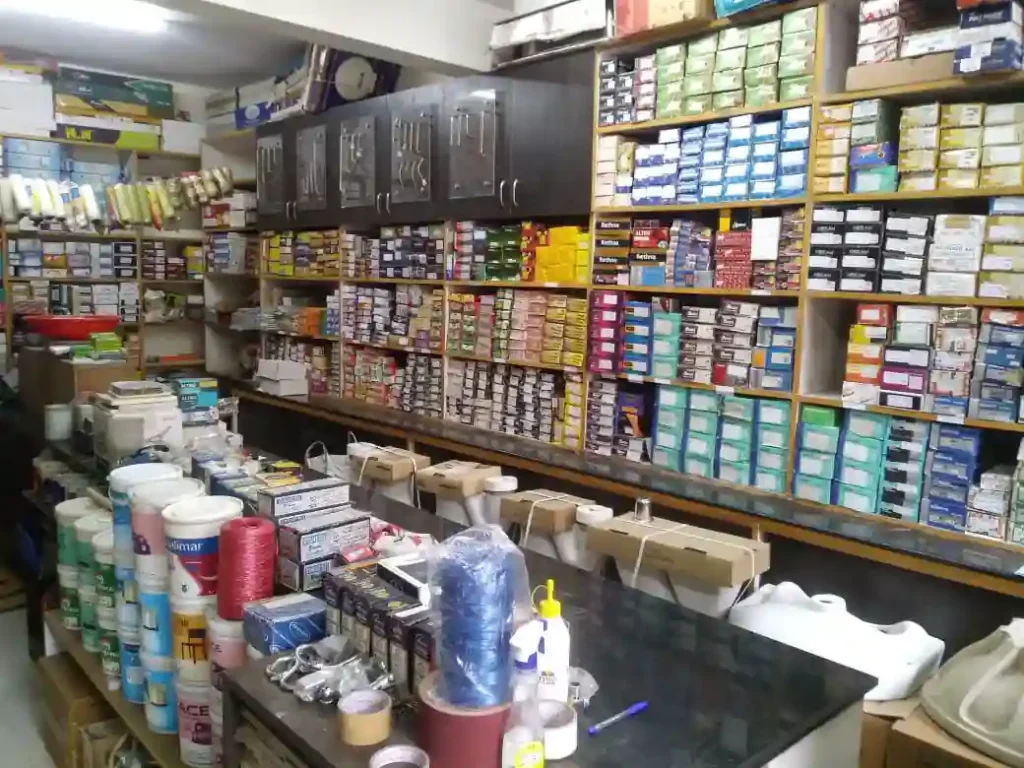
    Ngong Hills Merchants serves customers across the wider Ngong, Karen, Langata, Kiserian and surrounding areas from its location in Ngong Township. The business offers a broad range of hardware and construction-related products suitable for residential maintenance, renovations, new construction, commercial projects and DIY work.

    For customers in Karen and Langata, delivery can be particularly useful when purchasing multiple products or when materials are required at an active construction site. Before placing an order, however, it is important to confirm product availability, quantities, delivery arrangements and expected lead time.

    Whether you need materials for a new house, bathroom renovation, painting project, plumbing repair or general property maintenance, a well-prepared materials list makes procurement much more efficient.

    Hardware Karen Nairobi: Building Materials for Local Projects

    Karen and Langata contain a wide variety of residential, commercial and property-maintenance projects, creating demand for reliable construction materials and hardware supplies.

    Depending on the project stage, customers may require:

    • Plumbing materials.
    • Electrical fittings.
    • Paints.
    • Adhesives.
    • Glass.
    • Sanitary ware.
    • Power tools.
    • Drill bits.
    • Bolts and nuts.
    • Framing materials.
    • Cleaning products.
    • General hardware.

    The most efficient approach is to organise your requirements according to the work being completed.

    For example:

    Plumbing: pipes, fittings, valves and connections.

    Electrical: switches, sockets and installation accessories.

    Finishing: paints, adhesives, glass and sanitary ware.

    Installation: tools, drill bits and fasteners.

    This makes it easier to check that all required components have been included before ordering.

    Hardware Karen Nairobi: Plumbing Materials Delivered to Your Project

    Plumbing installations require several compatible components, and obtaining all the necessary materials before work begins can help prevent avoidable interruptions.

    A typical plumbing materials list can include:

    • Pipes.
    • Elbows.
    • Tees.
    • Couplers.
    • Valves.
    • Connectors.
    • Taps.
    • Waste fittings.
    • Drainage components.
    • Plumbing accessories.

    When requesting plumbing supplies, provide the pipe diameter, connection type and intended application.

    For example, materials for a cold-water installation may differ from those required for drainage or hot-water applications.

    You can explore our extensive range of plumbing supplies when preparing an order for Karen or Langata.

    Hardware Karen Nairobi: Electrical Supplies

    Electrical materials should be selected according to the requirements of the installation, with the correct fittings and accessories available before electrical work begins.

    Electrical shopping lists may include:

    • Switches.
    • Sockets.
    • Electrical accessories.
    • Installation fittings.
    • Lighting-related components.
    • Other electrical products.

    For a new construction project, the electrical materials should follow the project drawings and specifications.

    For replacement work, photographs or details of the existing fitting can help identify the required product.

    You can browse our electrical supplies when preparing materials for a Karen or Langata project.

    Electrical installation involving mains power should be undertaken by a qualified professional.

    Hardware Karen Nairobi: Paint and Finishing Materials

    A complete painting project requires preparation materials, application tools and finishing products in addition to the paint itself.

    A house-painting order may include:

    • Interior paint.
    • Exterior paint.
    • Ceiling paint.
    • Primer.
    • Filler.
    • Sandpaper.
    • Brushes.
    • Rollers.
    • Paint trays.
    • Masking materials.
    • Protective coverings.

    Before ordering, calculate the approximate surface area and determine the number of coats required.

    For a large property, separate the calculation into:

    • Interior walls.
    • Ceilings.
    • Exterior walls.
    • Doors.
    • Metal surfaces.
    • Other painted areas.

    You can browse our paints collection when preparing your decorating order.

    Hardware Karen Nairobi: Sanitary Ware for Bathrooms

    Bathroom construction and renovation require coordinated sanitary ware and plumbing products, so planning the complete installation before ordering can help avoid compatibility issues.

    A bathroom project may require:

    • Toilets.
    • Basins.
    • Taps.
    • Bathroom fittings.
    • Waste connections.
    • Plumbing accessories.
    • Installation materials.

    Consider the bathroom dimensions and existing plumbing positions before selecting products.

    You can explore our sanitary ware range for bathroom projects in Karen and Langata.

    Hardware Karen Nairobi: Adhesives and Installation Consumables

    Adhesives are often small items in a construction budget but can be essential for installation, repair and finishing work.

    Depending on the application, adhesives may be used for:

    • Construction.
    • Repairs.
    • Finishing.
    • Installation.
    • Bonding selected surfaces.

    The adhesive should be appropriate for the materials being joined and the conditions in which it will be used.

    You can discover our range of adhesives when preparing your project order.

    Hardware Karen Nairobi: Power Tools and Equipment

    Power tools can make construction and renovation work more efficient, especially for repetitive drilling, cutting, grinding and fastening operations.

    Depending on the project, you may require:

    • Drills.
    • Drivers.
    • Grinders.
    • Sanders.
    • Cutting tools.
    • Other power equipment.

    The correct tool depends on the material and task.

    Before purchasing, consider:

    • Material being worked on.
    • Required power.
    • Frequency of use.
    • Accessories.
    • Intended working environment.

    You can learn more about our power tools when preparing for a construction project.

    Hardware Karen Nairobi: Drill Bits and Accessories

    Selecting the right drill bit for the material being drilled improves drilling performance and reduces the risk of damaging the workpiece or tool.

    Different drilling applications may require bits designed for:

    • Masonry.
    • Metal.
    • Timber.
    • Tile.
    • Other construction materials.

    Before ordering, confirm the required diameter and drilling depth.

    You can browse our drill bits for your installation and construction requirements.

    Hardware Karen Nairobi: Glass and Glass Accessories

    Glass can be an important part of residential and commercial finishing, particularly for windows, partitions, doors and other architectural applications.

    When specifying glass, consider:

    • Dimensions.
    • Thickness.
    • Application.
    • Safety requirements.
    • Installation method.

    Depending on the project, additional glass accessories may also be required.

    You can browse our glass products and explore our glass accessories when planning a glazing project.

    Hardware Karen Nairobi: Bolts, Nuts and Fasteners

    Fasteners are used across construction, fabrication, installation and maintenance, and selecting the correct size and type is important for a secure installation.

    When ordering bolts and nuts, confirm:

    • Diameter.
    • Length.
    • Thread.
    • Material.
    • Head type.
    • Quantity.

    For outdoor or exposed installations, environmental conditions should also be considered.

    You can browse our bolts and nuts for construction and maintenance projects.

    Hardware Karen Nairobi: Building Materials for New Construction

    New construction projects require materials at different stages, so organising procurement around the construction programme can improve efficiency and reduce unnecessary storage.

    A typical project can be divided into several procurement stages.

    General construction

    Tools, fasteners and other hardware requirements.

    Plumbing and electrical

    Pipes, fittings, valves, electrical accessories and related products.

    Finishing

    Paint, sanitary ware, glass, adhesives and finishing accessories.

    Final installation

    Fixtures, accessories, replacement components and consumables.

    Purchasing according to these stages can make it easier to manage cash flow and site storage.

    Building Materials Langata: Supplies for Renovation

    Renovation projects in Langata can involve unexpected material requirements, making convenient access to hardware supplies valuable when existing installations are removed or modified.

    A bathroom renovation might initially require:

    • Sanitary ware.
    • Plumbing fittings.
    • Adhesive.
    • Finishing materials.

    Once work begins, additional requirements can appear, including:

    • Replacement pipe fittings.
    • Valves.
    • Sealants.
    • Fasteners.
    • Drilling accessories.
    • Additional finishing products.

    A local delivery option can help customers obtain additional supplies without unnecessarily interrupting the project.

    Building Materials Langata: Supplies for Homeowners

    Homeowners do not need to be undertaking a major construction project to require building materials, as routine property maintenance creates regular demand for hardware supplies.

    Common jobs include:

    • Repainting.
    • Plumbing repairs.
    • Replacing taps.
    • Installing shelves.
    • Repairing doors.
    • Drilling walls.
    • Replacing electrical fittings.
    • Maintaining outdoor structures.

    For a small repair, provide accurate measurements or a photograph when requesting a replacement product.

    This can make it easier to identify the correct item before arranging delivery.

    Building Materials Langata: Contractor and Fundi Supplies

    Contractors and fundis need dependable access to materials because delays in obtaining a single component can affect labour and project schedules.

    A contractor working in Langata or Karen may require recurring supplies such as:

    • Plumbing fittings.
    • Electrical products.
    • Paint.
    • Adhesives.
    • Fasteners.
    • Drill bits.
    • Power tools.
    • General hardware.

    For large projects, prepare a materials list or bill of quantities before contacting the supplier.

    Include:

    • Product description.
    • Quantity.
    • Required specifications.
    • Delivery location.
    • Preferred delivery date.

    This gives the supplier clearer information when preparing the order.

    Hardware Delivery Karen: Planning Your Order

    Good delivery planning starts with a complete materials list, accurate quantities and a clear site location.

    Before requesting delivery, prepare:

    1. A product list.
    2. Quantities.
    3. Measurements.
    4. Product specifications.
    5. Delivery address.
    6. Site contact details.
    7. Preferred delivery date.

    For large construction sites, provide clear directions and ensure someone is available to receive the materials.

    This is especially important when ordering multiple categories of products.

    Hardware Delivery Karen: Understanding Lead Times

    Delivery lead times can vary according to product availability, order size, destination and transport arrangements, so customers should confirm the expected delivery period before placing an urgent order.

    For standard products that are available, delivery can generally be organised more quickly than for special-order or unavailable products.

    Factors that can affect lead time include:

    • Stock availability.
    • Order quantity.
    • Product size.
    • Delivery distance.
    • Traffic and transport conditions.
    • Special-order requirements.
    • Courier arrangements.

    If your construction programme depends on a particular product, confirm availability and delivery timing before scheduling installation.

    Building Materials Langata: Minimum Order Considerations

    Minimum order requirements can depend on the product, quantity, delivery method and supplier arrangements, so customers should confirm any applicable minimums when requesting delivery.

    For a small order, collection may be practical.

    For a larger order, delivery may be more convenient.

    For bulky materials, transport requirements can differ from those for small hardware items.

    When contacting the supplier, provide the complete order rather than asking about individual products separately.

    This makes it easier to assess the overall delivery requirement.

    Hardware Karen Nairobi: How to Prepare a Materials List

    A detailed materials list helps prevent forgotten components and makes it easier to obtain accurate quantities before construction or renovation begins.

    For example, a bathroom project can be divided into:

    Plumbing

    • Pipes.
    • Elbows.
    • Tees.
    • Valves.
    • Connectors.

    Sanitary ware

    • Toilet.
    • Basin.
    • Taps.
    • Accessories.

    Installation

    • Adhesive.
    • Sealant.
    • Fasteners.

    Tools

    • Drill.
    • Drill bits.
    • Screwdrivers.
    • Measuring tools.

    A similar system can be used for a full house or commercial project.

    Building Materials Langata: Choosing the Right Product

    The most appropriate building material is determined by the application, compatibility and required performance, not simply by the lowest purchase price.

    Before ordering, ask:

    • What is the product being used for?
    • What material will it connect to?
    • Is it indoors or outdoors?
    • Will it be exposed to moisture?
    • What dimensions are required?
    • What quantity is needed?
    • Does it match the project specification?

    For technical installations, follow the relevant project drawings and professional specifications.

    Hardware Karen Nairobi: Avoiding Common Ordering Mistakes

    Incorrect measurements, incomplete materials lists and unconfirmed stock can cause unnecessary delays, particularly when materials are being delivered to a construction site.

    Avoid these common mistakes:

    Ordering without measurements

    Take accurate dimensions first.

    Forgetting accessories

    A primary product may require connectors, fasteners or installation accessories.

    Choosing by price alone

    Consider suitability and expected performance.

    Not checking compatibility

    Make sure products can be used together.

    Ordering too late

    Allow time for availability and delivery.

    Giving unclear delivery information

    Provide an accurate site location and contact person.

    Hardware Karen Nairobi: What Information Should You Send?

    Clear information makes it easier for a hardware supplier to understand your requirements and prepare an order for collection or delivery.

    For plumbing, provide:

    • Pipe size.
    • Fitting type.
    • Application.
    • Required quantity.

    For electrical supplies, provide:

    • Product type.
    • Quantity.
    • Installation requirements.

    For paint, provide:

    • Surface area.
    • Interior or exterior use.
    • Number of coats.
    • Existing surface condition.

    For tools, provide:

    • Material being worked on.
    • Task.
    • Required tool size or capacity.

    Photographs can also be useful for identifying replacement items.

    Hardware Karen Nairobi: Why Use a Local Hardware Supplier?

    Local procurement can reduce the time required to source additional materials and make it easier to respond when project requirements change.

    For customers in Karen and Langata, a supplier serving the wider area can be useful for:

    • Planned construction purchases.
    • Renovation materials.
    • Maintenance supplies.
    • Emergency replacement items.
    • Tools.
    • Consumables.
    • Repeat contractor orders.

    A supplier relationship can become particularly valuable for contractors managing several projects.

    Building Materials Langata: Construction Procurement by Project Stage

    Organising material purchases according to project stages can help reduce storage problems and ensure that the correct products are available when needed.

    A simple procurement plan might include:

    Stage 1: General construction

    Tools, fasteners and other hardware.

    Stage 2: Services

    Plumbing and electrical supplies.

    Stage 3: Finishing

    Paints, adhesives, glass and sanitary ware.

    Stage 4: Final installation

    Fixtures, accessories and replacement items.

    This approach also helps property owners track spending more accurately.

    Hardware Karen Nairobi: Supporting Home Improvement

    Hardware supplies are useful not only for major construction but also for smaller home improvements that can increase comfort, functionality and property maintenance standards.

    Projects can include:

    • Repainting a living room.
    • Upgrading bathroom fittings.
    • Installing shelves.
    • Replacing damaged plumbing.
    • Improving lighting.
    • Repairing doors.
    • Replacing hardware.
    • Completing general maintenance.

    Before starting, identify the complete set of materials and tools required.

    Hardware Karen Nairobi: Contact Ngong Hills Merchants

    Customers looking for hardware and building materials for Karen and Langata can contact Ngong Hills Merchants to discuss their requirements, product availability and delivery arrangements.

    The business is located in Ngong Township, Ngong, Kenya, and provides access to several construction and hardware categories.

    When requesting a quotation or delivery, provide:

    • Product descriptions.
    • Quantities.
    • Required specifications.
    • Delivery location.
    • Preferred delivery date.

    For large orders, advance planning is recommended.

    You can contact our team for project consultation before placing a major construction or renovation order.

    Hardware Karen Nairobi: Frequently Asked Questions

    Does Ngong Hills Merchants deliver building materials to Karen?

    Customers in Karen can contact Ngong Hills Merchants to discuss available delivery options, product availability and delivery timing for their specific order.

    Does the business serve Langata?

    Yes, customers in Langata can contact the business regarding hardware supplies and delivery arrangements.

    What building materials can I order?

    The catalogue includes plumbing, electrical products, paints, glass, sanitary ware, adhesives, power tools, drill bits, bolts and nuts, framing and other hardware categories.

    Is there a minimum order for delivery?

    Minimum-order requirements can depend on the products, quantities and delivery arrangements. Confirm the current requirement when placing your order.

    How long does delivery take?

    Lead times depend on stock availability, order size, destination and logistics. Customers should confirm the expected delivery time before placing an urgent order.

    Can contractors order in bulk?

    Yes. Contractors can prepare a detailed materials list and contact the supplier to discuss larger quantities, availability and delivery requirements.

    Can I order plumbing supplies for a renovation?

    Yes. Plumbing is one of the available product categories. You can view the plumbing supplies when preparing your renovation order.

    Does the store sell power tools?

    Yes. Power tools and drill bits are available among the store’s hardware categories.

    Can I get paint and sanitary ware from the same supplier?

    Yes. Paints and sanitary ware are both among the available product categories, allowing customers to combine several finishing requirements into one procurement plan.

    Where is Ngong Hills Merchants located?

    The business is located in Ngong Township, Ngong, Kenya.

    How can I contact the business?

    Ngong Hills Merchants can be contacted on +254 715 974 811 or through its listed email, ngonghillsmerchants [at] gmail.com.

    Hardware Karen Nairobi: Reliable Materials for Karen and Langata Projects

    Sourcing building materials from a supplier that can support different stages of construction can make procurement more convenient for homeowners, contractors and property managers.

    For customers in Karen and Langata, the process should begin with a clear materials list.

    Measure the areas involved.

    Confirm product specifications.

    Check availability.

    Discuss delivery requirements.

    Then arrange collection or delivery according to the project’s schedule.

    Whether you need plumbing supplies for a bathroom, electrical fittings for a renovation, paint for an entire house, tools for a construction team, glass for a finishing project or general hardware for property maintenance, Ngong Hills Merchants provides a broad selection from its Ngong Township location.

    If you are searching for building materials Langata or hardware Karen Nairobi, contact the team with your project requirements and confirm the products, quantities and delivery arrangements before placing your order.

    Your One-Stop Hardware Partner in Ngong

    Imagine completing your project with the right tools, the best materials, and expert advice. At Ngong Hills Merchants, we turn your DIY or construction vision into reality with a complete selection of plumbing, electrical, glass, and sanitary ware.

    Contact our team for a consultation and get the right supplies, right now.

    QUALITY HARDWARE & SUPPLIES IN NGONG ✔ Complete Range of Plumbing & Electrical ✔ Power Tools, Adhesives & Paints ✔ Glass, Framing & Sanitary Ware ✔ Serving Karen, Langata, Ngong, Kiserian & beyond.

    Request Your Free Consultation: Ngong Hills Merchants
    Email: ngonghillsmerchants [at] gmail.com
    Phone: +254 715974811
    Visit Us: Ngong Township, Ngong, Kenya
    Website: https://ngonghillsmerchants.com/
  • Hardware Rongai: Building Materials, Tools and Supplies for Ongata Rongai

    Hardware Rongai: Building Materials, Tools and Supplies for Ongata Rongai

    Finding reliable hardware Rongai homeowners, contractors, fundis and property developers can depend on makes construction and maintenance easier to organise. Whether you are building a new house, renovating an existing property, repairing plumbing, installing electrical fittings or simply handling a DIY project, access to the right materials can save time and reduce unnecessary trips.

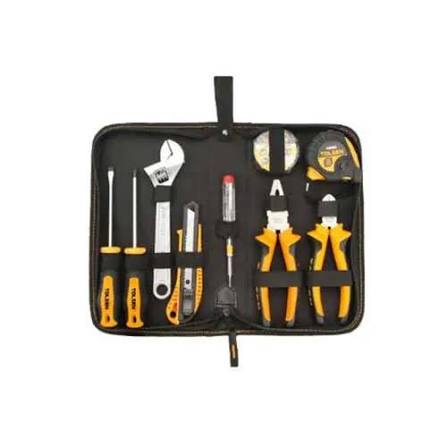
    Ngong Hills Merchants serves customers in and around the wider Ngong, Kiserian and Ongata Rongai area from its location in Ngong Township. Its product range covers essential hardware categories including plumbing, electrical supplies, paints, adhesives, glass, sanitary ware, power tools, drill bits, bolts and nuts and other construction-related products.

    For a customer in Ongata Rongai, the practical advantage of working with a local hardware supplier is the ability to plan materials according to the project stage and obtain additional supplies when requirements change.

    A good starting point is always a complete materials list. Identify what you need, take measurements, confirm specifications and then check product availability before making a large purchase.

    Hardware Rongai: Building Materials for Ongata Rongai Projects

    Construction in Ongata Rongai ranges from individual home repairs and renovations to larger residential and commercial developments, creating demand for hardware supplies at different stages of a project.

    Depending on the project, building materials may include:

    • Plumbing supplies.
    • Electrical fittings.
    • Paints.
    • Adhesives.
    • Glass.
    • Sanitary ware.
    • Fasteners.
    • Tools.
    • Drill bits.
    • Framing materials.
    • Cleaning products.
    • General hardware.

    Rather than treating hardware procurement as one large purchase, divide the requirements according to the construction programme.

    For example:

    Services: plumbing and electrical materials.

    Finishing: paints, adhesives, glass and sanitary ware.

    Installation: tools, drill bits, fasteners and accessories.

    Maintenance: replacement parts, consumables and general hardware.

    This makes it easier to control quantities and avoid purchasing materials too early.

    Hardware Rongai: Plumbing Supplies

    Plumbing materials are essential for new construction, bathroom installations, kitchen renovations, drainage work and everyday property repairs.

    A plumbing shopping list may include:

    • Pipes.
    • Elbows.
    • Tees.
    • Couplers.
    • Valves.
    • Connectors.
    • Taps.
    • Waste fittings.
    • Drainage components.
    • Plumbing accessories.

    Before purchasing, establish the pipe diameter and connection type required. Also identify whether the product is intended for water supply, drainage, waste or another application.

    You can explore our extensive range of plumbing supplies when preparing your Rongai construction or renovation materials list.

    Hardware Rongai: Electrical Supplies

    Electrical fittings should be selected according to the installation design and application, with the appropriate products and accessories sourced before installation begins.

    Electrical requirements can include:

    • Switches.
    • Sockets.
    • Electrical accessories.
    • Installation fittings.
    • Lighting-related components.
    • Other electrical products.

    For new construction, the electrical materials should correspond with the electrical drawings and specifications.

    For repairs, provide the existing product details or a photograph where possible so the correct replacement can be identified.

    You can browse our electrical fittings when preparing an electrical materials list.

    Electrical installation and alterations involving mains power should be handled by appropriately qualified personnel.

    Hardware Rongai: Paint and Decorating Materials

    Painting a home or commercial property requires preparation materials as well as the final paint, so a complete shopping list should include primers, fillers, tools and other application products.

    Depending on the project, you may need:

    • Interior wall paint.
    • Exterior paint.
    • Ceiling paint.
    • Primer.
    • Wall filler.
    • Sandpaper.
    • Brushes.
    • Rollers.
    • Paint trays.
    • Masking materials.
    • Protective coverings.

    Before purchasing, calculate the surface area to be painted and determine how many coats are required.

    For a complete house, separate the calculation into walls, ceilings, doors, windows and exterior surfaces.

    You can browse our paints collection when planning your decorating project.

    Hardware Rongai: Sanitary Ware for Bathrooms

    A bathroom installation requires coordinated sanitary ware, plumbing products and finishing materials, so selecting the complete system before installation can reduce compatibility problems.

    Bathroom projects may require:

    • Toilets.
    • Basins.
    • Taps.
    • Bathroom fittings.
    • Waste connections.
    • Plumbing accessories.
    • Installation materials.

    Before buying sanitary ware, consider the available space and existing plumbing positions.

    You can explore our modern sanitary ware for bathroom construction and renovation projects.

    Hardware Rongai: Adhesives and Consumables

    Adhesives and other consumables are often small components of a construction budget but can be essential for completing finishing and installation work correctly.

    Adhesives can be required for:

    • Repairs.
    • Construction applications.
    • Finishing.
    • Installation.
    • Bonding selected surfaces.

    The correct product depends on the materials being joined and the conditions in which the bond will be exposed.

    Check the manufacturer’s instructions for surface preparation, application and curing requirements.

    You can discover our full range of adhesives when preparing your shopping list.

    Hardware Rongai: Power Tools for Construction and DIY

    The right power tool can improve productivity during drilling, cutting, grinding, fastening and other repetitive construction tasks.

    Depending on the job, contractors and homeowners may require:

    • Drills.
    • Drivers.
    • Grinders.
    • Sanders.
    • Cutting tools.
    • Other power equipment.

    When selecting a tool, consider the material being worked on, the frequency of use and the accessories required.

    For professional work, tool durability and suitability should be considered alongside the purchase price.

    You can learn more about our power tools when planning your next construction or renovation job.

    Hardware Rongai: Drill Bits and Accessories

    A drill is only as effective as the bit selected for the material and application, making drill-bit selection an important part of hardware procurement.

    Different applications may require bits designed for:

    • Masonry.
    • Metal.
    • Timber.
    • Tile.
    • Other construction materials.

    Before purchasing, confirm the:

    • Required diameter.
    • Drilling depth.
    • Material.
    • Drill type.
    • Application.

    You can browse our drill bits for drilling requirements.

    Hardware Rongai: Glass and Glass Accessories

    Glass is used in residential and commercial construction for applications such as windows, partitions, doors and other architectural installations.

    Glass selection should consider:

    • Application.
    • Dimensions.
    • Thickness.
    • Safety requirements.
    • Installation method.

    Glass accessories may also be required depending on the design.

    You can browse our glass products and explore our glass accessories when preparing a glazing project.

    Hardware Rongai: Bolts, Nuts and Fasteners

    Fasteners are used across construction, fabrication, installation and maintenance, but the correct fastener depends on the dimensions, material and application.

    When purchasing bolts and nuts, check:

    • Diameter.
    • Length.
    • Thread.
    • Material.
    • Head type.
    • Quantity.

    For external installations, consider the environmental conditions and the required corrosion resistance.

    You can browse our bolts and nuts for construction and repair requirements.

    Hardware Rongai: Supplies for New House Construction

    New house construction requires different hardware products at different stages, so a planned procurement schedule can make material purchasing more efficient.

    Early construction may require general hardware and tools.

    Service installation may then require:

    • Plumbing materials.
    • Electrical fittings.
    • Related accessories.

    Finishing stages can require:

    • Paint.
    • Sanitary ware.
    • Glass.
    • Adhesives.
    • Other finishing products.

    Buying materials according to the construction schedule helps avoid unnecessary storage and protects products from damage before they are needed.

    Hardware Rongai: Materials for Home Renovation

    Renovation projects often reveal additional material requirements once existing walls, floors, plumbing or electrical installations are opened, making convenient access to a local hardware supplier particularly useful.

    A bathroom renovation, for example, could initially require:

    • Sanitary ware.
    • Plumbing fittings.
    • Adhesive.
    • Finishing materials.

    During demolition or installation, the project might reveal:

    • Damaged pipework.
    • Worn valves.
    • Additional connections.
    • Replacement electrical accessories.
    • Extra finishing materials.

    Having a nearby procurement option can help reduce project interruptions.

    Hardware Rongai: Hardware for Homeowners

    Homeowners in Ongata Rongai can use a local hardware supplier for everyday maintenance, repairs, improvements and DIY projects without needing a large construction order.

    Common household projects include:

    • Repainting rooms.
    • Fixing plumbing leaks.
    • Replacing taps.
    • Installing shelves.
    • Repairing doors.
    • Drilling walls.
    • Replacing electrical accessories.
    • Maintaining outdoor areas.

    When buying replacement components, take measurements and photographs where practical.

    For example, if you need a replacement plumbing fitting, knowing the pipe diameter and connection type can help prevent purchasing the wrong component.

    Hardware Rongai: Hardware for Contractors and Fundis

    Contractors and fundis benefit from dependable material sourcing because a missing fitting, fastener or consumable can delay an entire day’s work.

    A contractor working around Ongata Rongai may regularly require:

    • Plumbing supplies.
    • Electrical products.
    • Paint.
    • Adhesives.
    • Fasteners.
    • Drill bits.
    • Power tools.
    • General hardware.

    For larger projects, prepare a bill of materials and contact the supplier before visiting.

    This allows you to confirm:

    • Product availability.
    • Quantities.
    • Alternative products.
    • Delivery arrangements.
    • Collection options.

    Hardware Rongai: Building Materials for Property Developers

    Property developers can benefit from structured procurement because multiple construction stages require different materials and quantities over an extended period.

    A project procurement schedule can separate requirements into:

    Structural stage

    General hardware, fasteners and tools.

    Services stage

    Plumbing and electrical products.

    Finishing stage

    Paints, sanitary ware, glass and adhesives.

    Final installation and maintenance

    Replacement items, accessories and consumables.

    This approach can improve stock control and reduce the amount of material stored unnecessarily at the construction site.

    Hardware Rongai: Local Delivery for Construction Projects

    Delivery can be especially useful for construction customers purchasing multiple products or materials that are inconvenient to transport personally.

    Ngong Hills Merchants provides delivery options, with its published information indicating service to Nairobi and surrounding areas as well as other parts of Kenya.

    Actual delivery arrangements can depend on:

    • Location.
    • Product availability.
    • Order size.
    • Product weight.
    • Transport arrangements.
    • Delivery destination.

    For an Ongata Rongai project, confirm delivery details before placing a large order.

    This can be particularly helpful for contractors managing active sites.

    Hardware Rongai: Why Local Procurement Matters

    Sourcing materials from a local hardware supplier can reduce travel time and make it easier to respond when a project requires an additional product unexpectedly.

    Local procurement can help customers:

    • Replenish materials quickly.
    • Purchase small quantities when needed.
    • Reduce unnecessary travel.
    • Arrange delivery.
    • Follow up on project requirements.
    • Build an ongoing supplier relationship.

    For contractors, this can be particularly valuable when a project is progressing through several stages.

    Hardware Rongai: How to Prepare a Hardware Shopping List

    A well-organised shopping list helps prevent forgotten materials and makes it easier to compare quantities before purchasing.

    For example, a bathroom renovation list could be organised as follows.

    Plumbing

    • Pipes.
    • Elbows.
    • Tees.
    • Valves.
    • Connectors.

    Sanitary ware

    • Toilet.
    • Basin.
    • Taps.
    • Accessories.

    Installation

    • Adhesive.
    • Sealant.
    • Fasteners.

    Tools

    • Drill.
    • Drill bits.
    • Screwdrivers.
    • Measuring tape.

    For a larger project, repeat the same structure for each construction stage.

    Hardware Rongai: How to Choose Construction Materials

    The correct construction material is determined by its application, compatibility, specifications and required performance rather than simply its purchase price.

    Before buying, consider:

    • What will the product be used for?
    • What material will it interact with?
    • Is the application indoors or outdoors?
    • Will it be exposed to water?
    • What dimensions are required?
    • What quantity is needed?
    • Does it meet the project’s specifications?

    For specialised construction materials, the project drawings or professional specifications should take priority.

    Hardware Rongai: Avoiding Common Hardware Shopping Mistakes

    Many avoidable construction delays result from incorrect measurements, incompatible products or forgotten accessories, making preparation important before visiting the hardware store.

    Common mistakes include:

    Buying without measurements

    Take accurate dimensions before purchasing.

    Ignoring supporting components

    A pipe, for example, may also require elbows, connectors, valves and other fittings.

    Choosing solely on price

    A cheaper product may not provide the required performance for the application.

    Forgetting consumables

    Adhesives, fasteners, sealants and drill bits can be essential to completing a job.

    Purchasing too early

    Some finishing products are better purchased when the construction stage is ready for installation.

    Not confirming stock

    For a specific product or large order, contact the supplier before travelling.

    Hardware Rongai: What Information Should You Provide?

    Providing clear project information can make product selection easier and reduce the risk of purchasing the wrong item.

    For plumbing, provide:

    • Pipe diameter.
    • Connection type.
    • Application.
    • Existing fitting information.

    For electrical products, provide:

    • Product type.
    • Installation requirement.
    • Quantity.
    • Existing configuration where relevant.

    For paint, provide:

    • Surface area.
    • Interior or exterior application.
    • Existing surface condition.
    • Number of coats.

    For tools, explain:

    • Material.
    • Task.
    • Required dimensions.
    • Frequency of use.

    Photographs can also help communicate an existing installation.

    Hardware Rongai: Construction and Maintenance Supplies in One Place

    A hardware supplier with multiple categories can make procurement easier because a single project may require products from several different areas of construction.

    Ngong Hills Merchants’ product categories include:

    • Plumbing.
    • Electrical.
    • Paints.
    • Glass.
    • Glass accessories.
    • Sanitary ware.
    • Adhesives.
    • Power tools.
    • Drill bits.
    • Bolts and nuts.
    • Framing.
    • Cleaning items.
    • Other hardware products.

    This broad range can support homeowners, contractors, fundis and property managers working on projects around Ongata Rongai and neighbouring areas.

    Hardware Rongai: Visit Ngong Hills Merchants

    If you are searching for hardware supplies for an Ongata Rongai construction, renovation or maintenance project, Ngong Hills Merchants can be contacted from its Ngong Township location to discuss your requirements.

    Before visiting, prepare your:

    • Product list.
    • Quantities.
    • Measurements.
    • Specifications.
    • Delivery requirements.

    For larger orders, contacting the business in advance can help confirm availability and logistics.

    Ngong Hills Merchants

    Location: Ngong Township, Ngong, Kenya

    Phone: +254 715 974 811

    Email: ngonghillsmerchants [at] gmail.com

    You can contact our team for project consultation when planning a larger construction or renovation project.

    Hardware Rongai: Frequently Asked Questions

    Where can I find hardware supplies for Ongata Rongai?

    Ngong Hills Merchants is located in Ngong Township and serves customers in the wider area, including Ongata Rongai. Contact the business to confirm product availability and current delivery arrangements.

    What building materials are available?

    The product range includes plumbing, electrical, paints, glass, sanitary ware, adhesives, power tools, drill bits, bolts and nuts, framing and other hardware categories.

    Does Ngong Hills Merchants deliver to Ongata Rongai?

    Delivery options are available depending on the order, location and logistics. Customers should contact the business to confirm the current delivery arrangement before placing a large order.

    Can contractors order materials in bulk?

    Yes. Contractors can prepare a materials list and contact the supplier to discuss quantities, product availability and delivery requirements.

    Does the store sell plumbing materials?

    Yes. Plumbing is one of the main product categories. Customers can view the plumbing supplies available through the online catalogue.

    Can I buy paint for a house in Rongai?

    Yes. Paint is among the available product categories. For a complete house, calculate the total surface area and required coats before determining the quantity.

    Does the store sell power tools?

    Yes. Power tools and drill bits are among the categories available through Ngong Hills Merchants.

    What areas are served?

    Customers around Ongata Rongai, Kiserian, Matasia, Ngong, Karen and surrounding areas can contact the business regarding supply and delivery options.

    How can I contact Ngong Hills Merchants?

    The published phone number is +254 715 974 811, while the listed email is ngonghillsmerchants [at] gmail.com.

    Hardware Rongai: A Practical Source for Ongata Rongai Projects

    Reliable access to hardware and building materials can help homeowners, contractors and developers keep construction and renovation projects organised.

    For small repairs, start with accurate measurements and identify the replacement component.

    For renovations, prepare a complete materials list covering plumbing, electrical, finishing and installation requirements.

    For new construction, organise procurement according to the project programme.

    For larger orders, confirm product availability and delivery arrangements before making the purchase.

    If you are searching for building materials Ongata Rongai customers can source through a local supplier, Ngong Hills Merchants provides a broad selection from its Ngong Township location.

    Whether you need plumbing fittings, electrical supplies, paints, sanitary ware, glass, adhesives, tools or general hardware, preparing your requirements in advance can make the purchasing process faster and more efficient.

    Your One-Stop Hardware Partner in Ngong

    Imagine completing your project with the right tools, the best materials, and expert advice. At Ngong Hills Merchants, we turn your DIY or construction vision into reality with a complete selection of plumbing, electrical, glass, and sanitary ware.

    Contact our team for a consultation and get the right supplies, right now.

    QUALITY HARDWARE & SUPPLIES IN NGONG ✔ Complete Range of Plumbing & Electrical ✔ Power Tools, Adhesives & Paints ✔ Glass, Framing & Sanitary Ware ✔ Serving Ongata Rongai, Kiserian, Matasia, Ngong & beyond.

    Request Your Free Consultation: Ngong Hills Merchants
    Email: ngonghillsmerchants [at] gmail.com
    Phone: +254 715974811
    Visit Us: Ngong Township, Ngong, Kenya
    Website: https://ngonghillsmerchants.com/
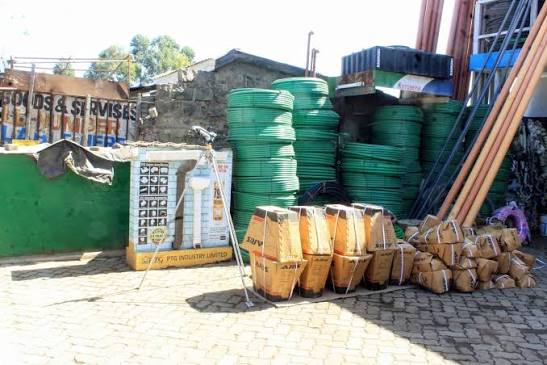
  • Hardware Kiserian: Building Materials, Tools and Supplies Near Kiserian

    Hardware Kiserian: Building Materials, Tools and Supplies Near Kiserian

    Finding reliable hardware Kiserian customers can use for construction, renovation, repairs and maintenance makes it easier to keep projects moving. From plumbing fittings and electrical accessories to paints, adhesives, power tools, glass and sanitary ware, having access to multiple hardware categories can simplify procurement.

    Ngong Hills Merchants serves customers in and around the Kiserian area from its location in Ngong Township. The business provides a broad range of hardware and building-related supplies for homeowners, contractors, property managers, fundis and DIY customers.

    Whether you are building a house, renovating a bathroom, repainting a property, repairing plumbing or purchasing tools for a construction job, the first step is to prepare a clear materials list. This makes it easier to identify the right products, quantities and delivery requirements.

    For customers in Kiserian, Matasia, Ngong and surrounding areas, local sourcing can also reduce unnecessary trips when additional materials are required during a project.

    Hardware Kiserian: Building Materials for Local Construction Projects

    Construction projects in Kiserian can range from individual home improvements to new residential developments, making access to dependable hardware supplies important at different stages of construction.

    A typical construction project may require:

    • Plumbing materials.
    • Electrical fittings.
    • Paints.
    • Adhesives.
    • Tools.
    • Fasteners.
    • Glass.
    • Sanitary ware.
    • Framing materials.
    • Finishing products.

    The exact materials depend on the building design, specifications and construction stage.

    Instead of purchasing materials as an unorganised list, divide the requirements according to the work being carried out.

    For example:

    Plumbing: pipes, fittings, valves and connections.

    Electrical: switches, sockets and related accessories.

    Finishing: paint, adhesives, glass and sanitary ware.

    Tools: drills, drill bits, cutting tools and other equipment.

    This approach makes procurement more efficient.

    Hardware Kiserian: Plumbing Supplies

    Plumbing materials are among the most frequently required hardware products for new construction, bathroom renovations, kitchen upgrades and property maintenance.

    Plumbing projects can involve:

    • Water-supply pipes.
    • Waste pipes.
    • Elbows.
    • Tees.
    • Connectors.
    • Valves.
    • Taps.
    • Drainage components.
    • Plumbing accessories.

    When purchasing plumbing materials, know the pipe diameter and connection type required.

    It is also useful to understand whether the component is intended for:

    • Cold water.
    • Hot water.
    • Wastewater.
    • Drainage.
    • External water systems.

    You can explore our extensive range of plumbing supplies when preparing a plumbing shopping list.

    Hardware Kiserian: Electrical Supplies

    Electrical installations require appropriate fittings and accessories selected according to the electrical design and intended application. A local hardware supplier can make it easier to source commonly required electrical products for construction and renovation work.

    Electrical requirements may include:

    • Switches.
    • Sockets.
    • Electrical accessories.
    • Installation fittings.
    • Lighting-related components.
    • Other electrical products.

    Electrical work should be carried out by appropriately qualified personnel, particularly where the work involves mains electricity.

    For project procurement, prepare a list based on the electrical drawings or requirements rather than purchasing components at random.

    You can browse our electrical fittings and supplies when planning your project.

    Hardware Kiserian: Paint and Decorating Supplies

    Painting a house requires more than buying tins of paint. Proper preparation, priming and application require additional materials and tools that should be included in the project shopping list.

    A typical painting project may require:

    • Interior wall paint.
    • Exterior paint.
    • Ceiling paint.
    • Primer.
    • Filler.
    • Sandpaper.
    • Brushes.
    • Rollers.
    • Paint trays.
    • Masking tape.
    • Protective sheets.

    Before purchasing paint, calculate the total surface area and number of coats.

    For a large project, separate the quantities by:

    • Interior walls.
    • Exterior walls.
    • Ceilings.
    • Doors.
    • Windows.
    • Metalwork.

    You can browse our paints and finishing products when preparing your painting materials list.

    Hardware Kiserian: Sanitary Ware

    Bathroom projects require compatible sanitary ware, plumbing products and finishing materials, making it useful to plan the complete bathroom installation before purchasing individual items.

    A bathroom may require:

    • Toilets.
    • Basins.
    • Bathroom fittings.
    • Plumbing connections.
    • Accessories.
    • Installation materials.

    When selecting sanitary ware, consider the available bathroom space, plumbing configuration and intended installation.

    You can explore our collection of sanitary ware when planning a bathroom construction or renovation project.

    Hardware Kiserian: Adhesives and Installation Materials

    Adhesives are important consumables in many construction and finishing applications, but the correct adhesive depends on the materials being joined and the conditions in which the bond will be used.

    Adhesives may be required for:

    • Construction.
    • Repairs.
    • Finishing.
    • Installation.
    • Bonding selected surfaces.

    Always check the manufacturer’s instructions for:

    • Suitable surfaces.
    • Preparation.
    • Application.
    • Curing.
    • Environmental conditions.

    You can discover our range of adhesives when preparing your project materials.

    Hardware Kiserian: Power Tools

    Power tools can improve productivity during construction, fabrication, installation and renovation work, particularly where repetitive drilling, cutting or fastening is involved.

    Depending on the project, contractors and DIY users may require:

    • Drills.
    • Drivers.
    • Grinders.
    • Cutting tools.
    • Sanders.
    • Other power equipment.

    The right tool depends on:

    • Material being worked on.
    • Required task.
    • Frequency of use.
    • Power source.
    • Accessories required.

    You can learn more about our power tools when preparing for a construction or renovation project.

    Hardware Kiserian: Drill Bits and Accessories

    The correct drill bit is essential because drill bits are designed for different materials and applications. Using the wrong bit can result in poor performance, damaged materials or premature tool wear.

    Common drilling applications include:

    • Masonry.
    • Metal.
    • Timber.
    • Tile.
    • Other construction materials.

    Before purchasing a drill bit, confirm:

    • Material being drilled.
    • Required diameter.
    • Required depth.
    • Drill compatibility.
    • Whether impact drilling is required.

    You can browse our drill bits when selecting drilling accessories.

    Hardware Kiserian: Glass and Glass Accessories

    Glass can form part of residential, commercial and renovation projects, particularly for windows, partitions, doors and other architectural applications.

    Glass requirements should be specified according to:

    • Application.
    • Dimensions.
    • Thickness.
    • Safety requirements.
    • Installation method.

    Associated accessories may also be required depending on the design.

    You can browse our glass products and explore glass accessories when planning glazing work.

    Hardware Kiserian: Bolts, Nuts and Fasteners

    Fasteners are essential for construction, fabrication, machinery, repairs and general maintenance. The correct fastener should be selected according to the material, dimensions and application.

    When purchasing bolts and nuts, check:

    • Diameter.
    • Length.
    • Thread type.
    • Material.
    • Head configuration.
    • Quantity.

    For outdoor or demanding applications, environmental exposure should also be considered.

    You can browse our bolts and nuts for common fastening requirements.

    Hardware Kiserian: Supplies for New House Construction

    A new house requires different hardware products at different stages, so procurement should be planned around the construction programme rather than purchasing everything at once.

    For example, early stages may require general construction tools and hardware.

    Later stages can involve:

    • Plumbing.
    • Electrical installation.
    • Doors and fittings.
    • Painting.
    • Sanitary ware.
    • Glass.
    • Finishing materials.

    A stage-based purchasing system can help with:

    • Storage.
    • Cash flow.
    • Material protection.
    • Project organisation.

    It also reduces the chance of purchasing finishing products too early and storing them unnecessarily on a busy construction site.

    Hardware Kiserian: Supplies for Renovation Projects

    Renovation projects can benefit significantly from a local hardware supplier because unexpected material requirements often arise after walls, floors or existing installations are opened up.

    A bathroom renovation, for example, might begin with:

    • Sanitary ware.
    • Plumbing fittings.
    • Tiles.
    • Adhesive.

    During the work, additional requirements could include:

    • Replacement plumbing components.
    • Repair materials.
    • Sealants.
    • Drilling accessories.
    • Additional finishing products.

    Having a local source for additional supplies can help keep the project moving.

    Hardware Kiserian: Serving Homeowners

    Homeowners frequently require hardware supplies for maintenance, repairs and improvements even when they are not undertaking major construction projects.

    Common jobs include:

    • Fixing leaking taps.
    • Replacing electrical accessories.
    • Hanging shelves.
    • Repainting rooms.
    • Repairing doors.
    • Installing bathroom fittings.
    • Drilling walls.
    • Maintaining outdoor structures.

    When buying materials for a repair, bring accurate measurements or photographs where possible.

    This can make it easier to identify the correct replacement.

    Hardware Kiserian: Serving Contractors and Fundis

    Contractors and fundis depend on reliable material availability because delays in obtaining a small component can interrupt an entire installation.

    A contractor working in Kiserian may need regular supplies for:

    • Plumbing.
    • Electrical work.
    • Painting.
    • Carpentry.
    • Glass installation.
    • General construction.
    • Property maintenance.

    For larger orders, it is advisable to prepare a bill of quantities or materials list and contact the supplier before visiting.

    This can help establish:

    • Product availability.
    • Required quantities.
    • Alternative products.
    • Collection arrangements.
    • Delivery requirements.

    Hardware Kiserian: Local Delivery

    Local delivery can be useful for customers purchasing bulky, heavy or multiple hardware products, particularly contractors managing active construction sites.

    Ngong Hills Merchants provides delivery options, with its published information indicating deliveries to Nairobi and surrounding areas as well as other parts of Kenya.

    Delivery timing depends on:

    • Customer location.
    • Product availability.
    • Order size.
    • Delivery method.
    • Courier or transport arrangements.

    For a large order in Kiserian, confirm delivery arrangements before finalising the purchase.

    This is especially useful for:

    • Bulk paint orders.
    • Multiple plumbing products.
    • Large tool orders.
    • Construction supplies.
    • Heavy or bulky items.

    Hardware Kiserian: Why Buy From a Local Supplier?

    A nearby hardware supplier can reduce the time and transport costs associated with sourcing materials, while also making it easier to purchase additional items when project requirements change.

    Local sourcing can be useful because:

    • You can obtain additional materials quickly.
    • Smaller purchases become more practical.
    • Contractors can replenish supplies during a project.
    • Homeowners can address urgent repairs.
    • Delivery can be arranged where available.

    For projects around Kiserian and nearby areas, Ngong Township provides a practical local procurement point.

    Hardware Kiserian: Preparing Your Materials List

    The best way to make a hardware shopping trip efficient is to prepare a complete materials list before visiting or contacting the supplier.

    For example, a bathroom renovation list might look like this:

    Plumbing

    • Pipes.
    • Elbows.
    • Tees.
    • Valves.
    • Connectors.

    Bathroom

    • Toilet.
    • Basin.
    • Taps.
    • Accessories.

    Finishing

    • Adhesive.
    • Sealant.
    • Other finishing materials.

    Tools

    • Drill.
    • Drill bits.
    • Measuring tape.
    • Screwdrivers.

    The same approach can be applied to larger construction projects.

    Hardware Kiserian: How to Choose the Right Materials

    Choosing construction materials should be based on the intended application, compatibility and required performance rather than price alone.

    Before purchasing a product, consider:

    • What will it be used for?
    • What material will it interact with?
    • Will it be exposed to water?
    • Will it be exposed outdoors?
    • What dimensions are required?
    • What quantity is needed?
    • Does it meet the project’s specifications?

    For technical materials, product specifications are more useful than choosing based solely on appearance.

    Hardware Kiserian: Building Materials and Project Planning

    Good construction planning connects materials, labour and project timing so that the correct products are available when each stage begins.

    A simple procurement plan can be divided into:

    Stage 1: Structural and general work

    Tools, fasteners and other construction requirements.

    Stage 2: Services

    Plumbing and electrical materials.

    Stage 3: Finishing

    Paints, sanitary ware, glass, adhesives and other finishing products.

    Stage 4: Maintenance

    Replacement products, tools and consumables.

    This approach is particularly useful for homeowners managing construction budgets.

    Hardware Kiserian: Avoiding Common Shopping Mistakes

    Buying the wrong quantity or incompatible materials can increase construction costs and cause avoidable delays, so project requirements should be checked before purchasing.

    Common mistakes include:

    Buying without measurements

    Always measure before purchasing.

    Forgetting supporting components

    A pipe installation also needs appropriate fittings and connections.

    Buying incompatible products

    Check product compatibility.

    Underestimating consumables

    Adhesives, sealants and fasteners can be easy to overlook.

    Buying finishing materials too early

    Some products are better purchased closer to installation.

    Failing to confirm availability

    For large orders, check with the supplier first.

    Hardware Kiserian: What to Bring When Buying

    Measurements, photographs and product specifications can help a hardware supplier identify the correct product more efficiently.

    For plumbing, provide:

    • Pipe diameter.
    • Connection type.
    • Application.

    For electrical products, provide:

    • Product type.
    • Installation requirement.
    • Quantity.

    For paint, provide:

    • Surface area.
    • Existing colour.
    • New colour.
    • Interior or exterior application.

    For tools, explain:

    • Material.
    • Task.
    • Required size.

    Hardware Kiserian: A Convenient Source for Multiple Categories

    A hardware supplier with multiple product categories can simplify construction procurement by allowing customers to source different requirements through one local business.

    Ngong Hills Merchants’ catalogue includes categories covering:

    • Plumbing.
    • Electrical.
    • Paints.
    • Glass.
    • Sanitary ware.
    • Adhesives.
    • Power tools.
    • Drill bits.
    • Bolts and nuts.
    • Framing.
    • Cleaning items.
    • Other hardware supplies.

    This range can be useful for customers working on both individual repairs and larger construction projects.

    Hardware Kiserian: Visit Ngong Hills Merchants

    Customers in Kiserian looking for building supplies can contact Ngong Hills Merchants in Ngong Township to discuss product requirements, availability and delivery options.

    The business can be contacted for:

    • Product enquiries.
    • Large orders.
    • Project requirements.
    • Delivery arrangements.
    • Hardware recommendations.

    Before making a trip for a specific product, it is sensible to confirm availability.

    Ngong Hills Merchants

    Location: Ngong Township, Ngong, Kenya

    Phone: +254 715 974 811

    Email: ngonghillsmerchants [at] gmail.com

    You can contact our team for project consultation before purchasing materials for a larger construction or renovation project.

    Hardware Kiserian: Frequently Asked Questions

    Where can I find hardware supplies near Kiserian?

    Ngong Hills Merchants is located in Ngong Township and serves customers in Kiserian and surrounding areas. Contact the business to confirm current product availability and delivery arrangements.

    What building materials can I get?

    The store provides multiple hardware categories, including plumbing, electrical products, paints, glass, sanitary ware, adhesives, power tools, drill bits, bolts and nuts and other construction-related supplies.

    Does Ngong Hills Merchants deliver to Kiserian?

    Delivery options can be arranged depending on the order and location. For larger or bulky purchases, contact the business before ordering to confirm the current delivery arrangement.

    Can contractors buy materials in bulk?

    Contractors can prepare a materials list and contact the supplier about larger orders, quantities and availability before visiting.

    Does the store sell plumbing supplies?

    Yes. Plumbing is one of the product categories available through Ngong Hills Merchants. You can view the plumbing category when preparing your requirements.

    Can I buy paint for a complete house?

    Yes. Paint is one of the store’s product categories. For a full-house project, calculate the wall and ceiling areas and number of coats before purchasing.

    Does the store sell tools?

    Yes. The catalogue includes power tools and drill bits among other hardware products.

    Which areas around Kiserian can be served?

    Customers in Kiserian and neighbouring areas such as Matasia, Ngong, Karen and surrounding communities can contact the business to discuss supply and delivery options.

    Hardware Kiserian: Making Construction Procurement Easier

    Reliable access to hardware and building materials can make a significant difference to construction, renovation and maintenance projects in Kiserian. Preparing an accurate materials list, confirming product specifications and arranging delivery where appropriate can help keep work organised.

    For homeowners, the process starts with identifying the job and taking accurate measurements.

    For contractors, it starts with preparing a bill of materials and confirming quantities.

    For property managers, it means having a reliable source for recurring maintenance requirements.

    And for DIY customers, it means choosing products that are appropriate for the task rather than buying based only on price.

    If you are searching for building materials Kiserian customers can source through a local supplier, Ngong Hills Merchants provides a broad selection from its Ngong Township location.

    Whether you need plumbing supplies, electrical fittings, paints, adhesives, tools, glass, sanitary ware or general hardware, prepare your requirements and contact the team to discuss what you need.

    Your One-Stop Hardware Partner in Ngong

    Imagine completing your project with the right tools, the best materials, and expert advice. At Ngong Hills Merchants, we turn your DIY or construction vision into reality with a complete selection of plumbing, electrical, glass, and sanitary ware.

    Contact our team for a consultation and get the right supplies, right now.

    QUALITY HARDWARE & SUPPLIES IN NGONG ✔ Complete Range of Plumbing & Electrical ✔ Power Tools, Adhesives & Paints ✔ Glass, Framing & Sanitary Ware ✔ Serving Kiserian, Matasia, Ngong, Karen & beyond.

    Request Your Free Consultation: Ngong Hills Merchants
    Email: ngonghillsmerchants [at] gmail.com
    Phone: +254 715974811
    Visit Us: Ngong Township, Ngong, Kenya
    Website: https://ngonghillsmerchants.com/
  • Hardware Shop in Ngong Township: Building Materials, Tools and Supplies

    Hardware Shop in Ngong Township: Building Materials, Tools and Supplies

    Finding a reliable hardware shop Ngong residents, contractors and property owners can use for everyday repairs and larger construction projects makes material sourcing much easier. Ngong Hills Merchants is located in Ngong Township and provides a broad range of hardware, tools, plumbing, electrical, paints, glass, sanitary ware and related building supplies.

    Whether you are repairing a leaking pipe, fitting electrical accessories, painting a house, installing sanitary ware, working on a renovation or managing a larger construction project, having access to multiple product categories in one place can save time and simplify procurement.

    Ngong Hills Merchants lists its location as Ngong Township, Ngong, Kenya, with a local contact number of +254 715 974 811.

    Ngong Hills Merchants

    5.0•Hardware store•Open
    ••

    Hardware Shop Ngong: Where Is Ngong Hills Merchants Located?

    Ngong Hills Merchants is located in Ngong Township, making it a convenient local option for customers looking for hardware supplies in Ngong and surrounding areas. The business lists Ngong Township, Ngong, Kenya as its location.

    For customers planning a visit, the official contact information currently lists:

    Location: Ngong Township, Ngong, Kenya
    Phone: +254 715 974 811
    Email: ngonghillsmerchants [at] gmail.com

    Because opening times can change, it is sensible to contact the shop before making a special trip, particularly for large orders or specific products.

    The business’s current online listing shows regular weekday and Saturday opening hours, including Friday 8:00 am–5:00 pm and Saturday 8:00 am–4:00 pm.

    For directions, availability or a specific product enquiry, you can contact Ngong Hills Merchants directly.

    Hardware Shop Ngong: What Can You Buy?

    A good hardware store should provide access to multiple product categories because construction and maintenance projects rarely require just one type of material. Ngong Hills Merchants stocks a broad selection ranging from plumbing and electrical products to power tools, paints, glass and sanitary ware.

    The company’s online product catalogue includes categories such as:

    • Plumbing.
    • Electrical.
    • Paints.
    • Glass.
    • Glass accessories.
    • Sanitary ware.
    • Adhesives.
    • Power tools.
    • Hand tools.
    • Drill bits.
    • Bolts and nuts.
    • Framing.
    • Cleaning items.
    • Automobile products.
    • Safety products.
    • Ladders.
    • Pumps.
    • Locks.
    • Garden products.
    • Generators.
    • Spare parts.

    The current online catalogue shows these product categories across its store.

    This makes the shop relevant to both small household jobs and broader building and renovation requirements.

    Hardware Shop Ngong: Plumbing Supplies

    Plumbing is one of the most important hardware categories for homeowners and contractors because plumbing projects involve pipes, fittings, valves, connections and installation accessories.

    Plumbing requirements can arise during:

    • New house construction.
    • Bathroom renovation.
    • Kitchen renovation.
    • Water-system installation.
    • Leak repairs.
    • Replacement of damaged fittings.
    • Sanitary ware installation.

    Instead of purchasing each component separately from different suppliers, a project manager can prepare a complete materials list and check the required plumbing products together.

    You can explore our extensive range of plumbing supplies when preparing your project requirements.

    Hardware Shop Ngong: Electrical Supplies

    Electrical work requires appropriate fittings and accessories selected according to the installation, so sourcing electrical products from a dedicated hardware supplier can make project planning easier.

    Electrical requirements may include:

    • Switches.
    • Sockets.
    • Electrical accessories.
    • Installation components.
    • Lighting-related products.
    • Cable-management accessories.
    • Other electrical fittings.

    For electrical installations, product selection should always be based on the requirements of the installation and applicable standards.

    You can browse our electrical fittings and supplies when preparing a residential or commercial project.

    Hardware Shop Ngong: Paints and Decorating Supplies

    Painting projects require more than paint, with preparation and application tools often making up an important part of the shopping list. A local hardware shop can help customers source the materials needed for both small repainting jobs and larger house projects.

    A painting project may require:

    • Interior paint.
    • Exterior paint.
    • Primers.
    • Brushes.
    • Rollers.
    • Paint trays.
    • Sanding products.
    • Preparation materials.
    • Related finishing supplies.

    Before purchasing paint, calculate the surface area and number of coats required.

    You can explore our paints collection when preparing your decorating materials.

    Hardware Shop Ngong: Sanitary Ware

    Bathroom construction and renovation often require several products that need to work together, including sanitary ware, plumbing connections and finishing materials.

    A bathroom project may involve:

    • Toilets.
    • Basins.
    • Bathroom fittings.
    • Related plumbing products.
    • Accessories.
    • Installation materials.

    Choosing sanitary ware before finalising plumbing positions can help avoid compatibility problems.

    You can explore our collection of modern sanitary ware for bathroom projects.

    Hardware Shop Ngong: Glass and Glass Accessories

    Glass products are useful in modern construction, renovation and interior finishing, particularly where customers require glazing, partitions or related applications.

    Glass-related requirements may include:

    • Glass products.
    • Glass accessories.
    • Installation accessories.
    • Related fittings.

    The appropriate glass and accessories depend on the application, dimensions and required performance.

    You can browse our glass products and explore glass accessories when planning your project.

    Hardware Shop Ngong: Power Tools and Hand Tools

    Tools are essential for installation, repair, fabrication and construction work, from occasional DIY tasks to professional contracting. Having access to both power tools and supporting accessories helps contractors prepare for different stages of a project.

    Common tool requirements include:

    • Drills.
    • Drivers.
    • Cutting tools.
    • Grinding equipment.
    • Hand tools.
    • Drill bits.
    • Accessories.
    • Safety equipment.

    Ngong Hills Merchants’ online catalogue includes dedicated power-tool and hand-tool categories.

    You can learn more about our power tools before starting a construction or repair project.

    For drilling requirements, you can also browse our drill bits.

    Hardware Shop Ngong: Adhesives and Construction Consumables

    Adhesives and other consumables are easy to overlook when preparing a construction shopping list, yet they can be essential to completing installations and finishing work.

    Depending on the project, adhesives may be used for:

    • Construction applications.
    • Repairs.
    • Finishing.
    • Installation.
    • Bonding selected materials.

    Always select an adhesive according to the surfaces being bonded and the intended application.

    You can discover the full range of adhesives available through the store.

    Hardware Shop Ngong: Bolts, Nuts and Fixings

    Fasteners are fundamental to construction, fabrication, maintenance and installation work. The correct bolt, nut or fixing should be selected according to the material, load, environment and application.

    A project may require different fasteners for:

    • Steelwork.
    • Timber.
    • Machinery.
    • Hardware installation.
    • General repairs.

    When preparing your shopping list, identify the required:

    • Diameter.
    • Length.
    • Thread.
    • Material.
    • Head type.
    • Quantity.

    You can browse our bolts and nuts for suitable hardware requirements.

    Hardware Shop Ngong: Supplies for Home Renovation

    A home renovation often involves several trades at once, making a broad hardware supplier particularly useful. One project can require plumbing, electrical, painting, adhesives, tools, sanitary ware and finishing products.

    For example, a bathroom renovation could require:

    1. Plumbing products.
    2. Waterproofing materials.
    3. Adhesives.
    4. Tiles and finishing products.
    5. Sanitary ware.
    6. Electrical accessories.
    7. Sealants.
    8. Tools.

    Similarly, repainting a house may require:

    • Paint.
    • Primer.
    • Filler.
    • Sandpaper.
    • Brushes.
    • Rollers.
    • Masking tape.
    • Protective materials.

    Preparing the complete list before shopping helps reduce repeated trips.

    Hardware Shop Ngong: Supplies for New Construction

    New construction requires careful material coordination because products are needed at different stages of the project. A hardware supplier can become a regular procurement point throughout construction rather than being used only for emergency purchases.

    Typical stages can include:

    Foundation and structural work

    Materials may include:

    • Fixings.
    • Hand tools.
    • General hardware.
    • Related construction accessories.

    Plumbing installation

    Requirements can include:

    • Pipes.
    • Fittings.
    • Valves.
    • Connections.

    Electrical installation

    Requirements can include:

    • Electrical fittings.
    • Accessories.
    • Installation products.

    Finishing

    Requirements may include:

    • Paints.
    • Adhesives.
    • Sanitary ware.
    • Glass.
    • Finishing accessories.

    The exact materials depend on the design and specifications of the building.

    Hardware Shop Ngong: Serving Contractors

    Contractors need dependable access to materials because project delays can affect labour, schedules and client handovers. A local hardware supplier can help contractors source frequently required products without travelling unnecessarily far from the project.

    Contractors may purchase for:

    • Residential construction.
    • Commercial projects.
    • Renovations.
    • Plumbing work.
    • Electrical work.
    • Painting.
    • General maintenance.
    • Installation work.

    For larger orders, it is useful to contact the supplier in advance with a prepared bill of materials.

    This allows product availability and quantities to be discussed before visiting the shop.

    Hardware Shop Ngong: Serving Homeowners and DIY Customers

    Hardware shopping is not limited to professional contractors. Homeowners frequently need materials for repairs, upgrades, maintenance and DIY projects.

    Common household jobs include:

    • Fixing leaking plumbing.
    • Replacing electrical accessories.
    • Repainting rooms.
    • Installing shelves.
    • Repairing doors.
    • Drilling into masonry.
    • Replacing bathroom fittings.
    • Maintaining outdoor areas.

    The key is to identify the problem accurately before purchasing materials.

    For example, a leaking connection may require a replacement fitting rather than simply applying an adhesive or sealant.

    Hardware Shop Ngong: Building Materials for Local Projects

    Local building projects around Ngong can involve anything from individual room renovations to complete residential developments. The right materials depend on the project stage, specifications and construction method.

    Areas around Ngong and its surrounding communities can include projects in:

    • Ngong Township.
    • Karen.
    • Matasia.
    • Kiserian.
    • Ongata Rongai.
    • Nearby residential areas.

    Ngong Hills Merchants states that it serves Ngong, Karen, Matasia, Kiserian and surrounding areas.

    For projects outside the immediate area, delivery arrangements can also be discussed.

    Hardware Shop Ngong: Delivery and Ordering

    Customers do not always need to make repeated trips to a hardware store, particularly when purchasing larger quantities or managing a project remotely. Ngong Hills Merchants provides delivery options, with its online product information stating that deliveries are available across Kenya.

    The published delivery information indicates:

    • Nairobi and surrounding areas: same-day or next-day delivery.
    • Kiambu, Kajiado, Machakos and Nakuru counties: approximately 1–2 working days.
    • Other major towns: approximately 2–4 working days through courier partners.

    Delivery times can depend on the product, order size, location and logistics.

    For a large construction order, contact the business before placing the order so the delivery requirements can be confirmed.

    Hardware Shop Ngong: How to Prepare Your Shopping List

    Preparing a materials list before visiting the hardware shop can make purchasing faster and reduce forgotten items. Organise the list according to the project rather than simply writing down individual products as they come to mind.

    For example, for a bathroom renovation:

    Plumbing

    • Pipes.
    • Elbows.
    • Tees.
    • Valves.
    • Connectors.

    Electrical

    • Switches.
    • Sockets.
    • Accessories.

    Finishing

    • Sanitary ware.
    • Adhesives.
    • Sealants.
    • Other finishing materials.

    Tools

    • Drill.
    • Drill bits.
    • Screwdrivers.
    • Measuring tools.

    This approach makes it easier to identify missing components.

    Hardware Shop Ngong: Buying the Right Product

    The cheapest product is not necessarily the most economical choice if it fails prematurely or is unsuitable for the application. Product selection should consider compatibility, specifications, expected service conditions and the quality requirements of the project.

    Before buying, ask:

    • What material am I working with?
    • What is the product being used for?
    • Is it an indoor or outdoor application?
    • What load or exposure will it experience?
    • Is the product compatible with existing materials?
    • How much do I need?
    • Are there manufacturer instructions to follow?

    For technical products, having dimensions, photographs or specifications available can help the supplier understand what you require.

    Hardware Shop Ngong: Why Local Sourcing Can Help

    Buying construction supplies locally can reduce unnecessary travel and make it easier to obtain additional materials when a project changes. This can be particularly useful for renovation and repair work where the exact material requirement may become clearer during installation.

    Local sourcing can help with:

    • Faster procurement.
    • Easier follow-up.
    • Additional materials.
    • Project-specific enquiries.
    • Reduced travel time.
    • Local delivery coordination.

    This is especially useful for contractors managing several projects in the Ngong area.

    Hardware Shop Ngong: What to Bring When Shopping

    The more information you provide about a project, the easier it is to identify the correct material. Measurements, photographs and existing product information can be valuable when buying hardware supplies.

    Bring or provide:

    • Dimensions.
    • Quantities.
    • Photos.
    • Product names.
    • Existing component samples where practical.
    • Drawings where available.
    • Specifications.

    For plumbing, provide pipe diameter and connection details.

    For electrical accessories, provide the required type and installation configuration.

    For tools, provide the material being cut, drilled or worked on.

    Hardware Shop Ngong: Planning a Large Construction Order

    Large construction purchases should be organised by project stage so that materials arrive when they are needed without unnecessarily tying up funds in products that will remain unused for months.

    A useful procurement schedule can divide materials into:

    Immediate requirements

    Materials needed for the current stage.

    Near-term requirements

    Materials needed within the next few weeks.

    Later requirements

    Finishing products and materials that should be purchased closer to installation.

    This approach can improve storage, cash-flow and project organisation.

    Hardware Shop Ngong: Check Product Compatibility

    Many construction problems occur when individually suitable products are combined into an unsuitable system. Compatibility should therefore be checked before purchasing installation materials.

    Examples include:

    • Adhesive and substrate compatibility.
    • Paint and primer compatibility.
    • Pipe and fitting compatibility.
    • Drill bit and material compatibility.
    • Sealant and surface compatibility.

    If you are unsure, provide the supplier with the application details rather than simply asking for the cheapest available option.

    Hardware Shop Ngong: Tools for Maintenance and Repairs

    A small collection of quality tools can make routine home maintenance easier, while specialist tools can be purchased when a particular job requires them.

    Useful household tools may include:

    • Screwdrivers.
    • Pliers.
    • Spanners.
    • Hammers.
    • Tape measures.
    • Drill bits.
    • Utility blades.
    • Basic power tools.

    For larger work, specialised tools may be more appropriate.

    The Ngong Hills Merchants catalogue includes hand tools, power tools, drill bits, ladders and other hardware categories.

    Hardware Shop Ngong: A Practical Local Procurement Partner

    A hardware store is most valuable when it combines product availability with practical support and convenient purchasing. For Ngong customers, a local supplier can serve as a regular source for both planned projects and everyday maintenance requirements.

    Ngong Hills Merchants describes its approach around product quality, customer service, local knowledge and supporting customers’ projects.

    For a homeowner, this can mean sourcing several categories for a renovation.

    For a contractor, it can mean establishing a repeat procurement relationship.

    For a property manager, it can mean having a local supplier to contact when maintenance materials are required.

    Hardware Shop Ngong: Visit or Contact Ngong Hills Merchants

    If you are searching for a hardware shop in Ngong for tools, building supplies, plumbing, electrical, paint, glass, sanitary ware or related products, Ngong Hills Merchants provides a local point of supply in Ngong Township.

    Before visiting, you can prepare your requirements and contact the shop to confirm:

    • Product availability.
    • Quantity.
    • Current pricing.
    • Delivery options.
    • Suitable alternatives.
    • Collection arrangements.

    The business lists its phone number as +254 715 974 811 and its location as Ngong Township, Ngong, Kenya.

    Visit the Ngong Hills Merchants website

    Hardware Shop Ngong: Frequently Asked Questions

    Where is Ngong Hills Merchants located?

    Ngong Hills Merchants is located in Ngong Township, Ngong, Kenya. The company’s published contact information lists Ngong Township as its location.

    What does Ngong Hills Merchants sell?

    The online catalogue includes plumbing, electrical, paints, glass, sanitary ware, adhesives, power tools, hand tools, drill bits, bolts and nuts, framing, cleaning items and several other categories.

    Does the hardware shop serve contractors?

    Yes. Its broad product range is suitable for contractors, homeowners, maintenance teams and DIY customers, although larger project orders should be confirmed with the supplier in advance.

    Does Ngong Hills Merchants deliver?

    The business publishes delivery information covering Nairobi and surrounding areas as well as other parts of Kenya. Delivery timing depends on location, order and logistics.

    Can I ask about product availability before visiting?

    Yes. Contacting the shop before visiting is useful when you need a particular product, large quantity or project-specific material.

    What areas does the business serve?

    Ngong Hills Merchants states that it serves Ngong, Karen, Matasia, Kiserian and surrounding areas, with broader delivery options available.

    What is the contact number?

    The published phone number is +254 715 974 811. The listed email is ngonghillsmerchants [at] gmail.com.

    Hardware Shop Ngong: Your Local Building Materials Source

    Choosing a reliable hardware supplier in Ngong can make construction, renovation and maintenance projects easier to plan and execute. Ngong Hills Merchants provides access to multiple product categories from its location in Ngong Township, supported by local service and delivery options.

    Whether you need plumbing supplies for a bathroom, electrical fittings for a renovation, paint for a full house, sanitary ware for a new installation, tools for a DIY project or other building supplies, start by preparing your measurements and material requirements.

    For larger projects, organise the shopping list by construction stage.

    For repairs, bring measurements or photographs.

    For technical products, confirm compatibility before purchase.

    And for large orders, contact the supplier before travelling to confirm availability and delivery arrangements.

    If you are searching for a hardware store Ngong town residents and contractors can access locally, Ngong Hills Merchants is positioned in Ngong Township with a broad online catalogue covering hardware, tools, plumbing, electrical, finishing and related supplies.

    Your One-Stop Hardware Partner in Ngong

    Imagine completing your project with the right tools, the best materials, and expert advice. At Ngong Hills Merchants, we turn your DIY or construction vision into reality with a complete selection of plumbing, electrical, glass, and sanitary ware.

    Contact our team for a consultation and get the right supplies, right now.

    QUALITY HARDWARE & SUPPLIES IN NGONG ✔ Complete Range of Plumbing & Electrical ✔ Power Tools, Adhesives & Paints ✔ Glass, Framing & Sanitary Ware ✔ Serving Ngong, Karen, Matasia, Kiserian & beyond.

    Request Your Free Consultation: Ngong Hills Merchants
    Email: ngonghillsmerchants [at] gmail.com
    Phone: +254 715974811
    Visit Us: Ngong Township, Ngong, Kenya
    Website: https://ngonghillsmerchants.com/
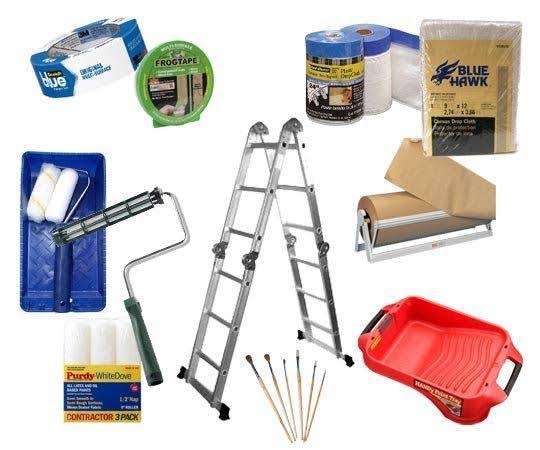
  • House Painting Materials List Kenya: Complete Interior and Exterior Shopping Guide

    House Painting Materials List Kenya: Complete Interior and Exterior Shopping Guide

    A complete house painting materials list Kenya homeowners can rely on should cover more than tins of paint. Painting a full house inside and outside requires primer, filler, undercoat where applicable, topcoat paint, brushes, rollers, trays, masking materials, sandpaper, protective sheets, cleaning supplies and other sundries.

    The quantities depend on the size of the house, the number of rooms, wall height, surface condition, number of coats, paint type and whether ceilings, doors, windows, fascia boards and other surfaces are included.

    A good house painting materials list Kenya should therefore begin with measurements rather than an estimate based only on the number of bedrooms.

    This guide provides a practical method for calculating painting materials for a complete house, including a worked example, interior and exterior requirements, tools, preparation materials, wastage allowances and a final procurement checklist.

    House Painting Materials List Kenya: What Materials Are Needed?

    A full-house painting project normally requires paint, preparation materials, application tools and protection or cleaning supplies. The exact selection depends on whether you are painting new or previously painted surfaces and whether the work is internal, external or both.

    A typical shopping list can include:

    • Interior wall paint.
    • Exterior wall paint.
    • Ceiling paint.
    • Primer.
    • Undercoat where required.
    • Wall filler.
    • Crack repair material.
    • Masonry repair material.
    • Sandpaper.
    • Paint brushes.
    • Paint rollers.
    • Roller frames.
    • Extension poles.
    • Paint trays.
    • Paint buckets.
    • Scrapers.
    • Masking tape.
    • Drop sheets.
    • Protective plastic.
    • Cleaning cloths.
    • Stirring sticks.
    • Paint strainers where required.
    • Appropriate thinner or cleaning solvent.
    • Gloves.
    • Ladders or access equipment.

    You may also need separate products for:

    • Timber doors.
    • Metal gates.
    • Window frames.
    • Fascia boards.
    • Railings.
    • Steelwork.

    House Painting Materials List Kenya: Start With the House Measurements

    Accurate measurements are the foundation of a reliable house painting materials list Kenya homeowners can use to avoid major shortages or unnecessary purchases. Measure each room and exterior surface separately before calculating paint.

    For a rectangular wall:

    Wall area = wall length × wall height

    For example:

    A wall measuring:

    5 m × 2.8 m

    has an area of:

    14 m²

    For four walls in a rectangular room, calculate the perimeter first:

    2 × (length + width)

    Then:

    Wall area = perimeter × wall height

    Finally, subtract major openings such as doors and windows.

    This method is more reliable than estimating paint from the floor area.

    House Painting Materials List Kenya: Worked Example

    A worked example makes it easier to understand how much paint and supporting material a full-house project may require. Consider a hypothetical three-bedroom house with approximately 100 m² of floor area and 2.8 m wall height.

    The exact wall area will depend on the floor plan, but suppose the measured interior wall surface after accounting for major openings is approximately:

    230 m²

    Assume ceilings add:

    100 m²

    Interior surface to be painted:

    330 m²

    Now assume the exterior wall surface after deductions is:

    180 m²

    Total major wall and ceiling surface:

    510 m²

    If two coats are required, the actual coating coverage becomes:

    510 × 2 = 1,020 m² of coat coverage

    The paint quantity is then calculated using the manufacturer’s stated coverage per litre.

    If a product covers approximately:

    10 m² per litre per coat

    then:

    1,020 ÷ 10 = 102 litres

    This is a planning example, not a universal consumption rate.

    Actual paint coverage varies considerably by product, surface texture and application method.

    House Painting Materials List Kenya: Why Paint Coverage Varies

    Paint coverage stated on the packaging is normally a theoretical or indicative figure, while real-world consumption can change according to the surface and application conditions.

    Paint usage can increase because of:

    • Rough plaster.
    • Porous surfaces.
    • Unsealed walls.
    • Dark colours.
    • Colour changes.
    • Heavy texture.
    • Uneven surfaces.
    • Excessive roller loading.
    • Overspray.
    • Poor application technique.

    A newly plastered wall may therefore consume more primer and paint than a smooth previously painted wall.

    House Painting Materials List Kenya: Interior Wall Paint

    Interior wall paint is usually the largest paint requirement in a full-house project because bedrooms, living rooms, corridors, dining areas and other internal spaces can contain substantial wall surface area.

    Before buying, determine:

    • Total wall area.
    • Number of coats.
    • Existing colour.
    • New colour.
    • Surface condition.
    • Paint coverage.

    For example, if the calculated interior wall area is:

    250 m²

    and two coats are planned:

    250 × 2 = 500 m²

    At a theoretical coverage of:

    10 m²/litre

    the estimated paint requirement would be:

    500 ÷ 10 = 50 litres

    Add a sensible allowance based on the product and application conditions.

    House Painting Materials List Kenya: Exterior Wall Paint

    Exterior paint must be suitable for outdoor exposure and the particular substrate being painted. Exterior walls experience sunlight, rain, dust and temperature changes that interior paints are not designed to withstand.

    Exterior requirements can include:

    • Exterior masonry primer.
    • Exterior wall paint.
    • Crack-repair products.
    • Masonry filler.
    • Cleaning materials.

    Before purchasing, assess:

    • Existing coating.
    • Wall condition.
    • Algae or mould.
    • Cracks.
    • Efflorescence.
    • Surface chalking.
    • Moisture problems.

    Painting over a damp or structurally defective wall does not solve the underlying problem.

    House Painting Materials List Kenya: Ceiling Paint

    Ceilings should be calculated separately because they often use a different product and have a different surface area from the walls.

    For a rectangular room:

    Ceiling area = length × width

    If a house contains rooms with a combined ceiling area of:

    100 m²

    and two coats are required:

    100 × 2 = 200 m²

    At 10 m²/litre theoretical coverage:

    200 ÷ 10 = 20 litres

    Again, use the actual product’s coverage rather than assuming every paint covers 10 m² per litre.

    House Painting Materials List Kenya: Primer

    Primer is used to improve adhesion, seal porous surfaces and prepare substrates for subsequent coats. Its importance is particularly high on new plaster, repaired surfaces and significant colour changes.

    Primer requirements depend on:

    • Surface porosity.
    • Substrate.
    • Existing coating.
    • Product type.
    • Number of primer coats.

    For new plaster, primer can be particularly important because unsealed surfaces may absorb topcoat unevenly.

    The primer should be compatible with the selected paint system.

    House Painting Materials List Kenya: How Much Primer?

    Primer quantity should be calculated using the same basic surface-area approach as paint, but the manufacturer’s coverage rate should be used for the selected product.

    Suppose:

    Total surfaces requiring primer:

    400 m²

    Product coverage:

    8 m²/litre

    One coat:

    400 ÷ 8 = 50 litres

    The final quantity should be rounded according to available packaging and adjusted for actual surface porosity.

    Do not automatically assume that primer and topcoat have identical coverage.

    House Painting Materials List Kenya: Wall Filler

    Wall filler is used to repair minor surface imperfections before painting, helping create a smoother and more uniform finish. The quantity required depends heavily on the condition of the walls.

    Filler may be required for:

    • Small holes.
    • Nail holes.
    • Surface depressions.
    • Minor cracks.
    • Imperfections.
    • Previous fixing points.

    A house with newly plastered, properly finished walls may require less filler than an older property with numerous defects.

    Do not use ordinary filler as a substitute for structural crack repair.

    House Painting Materials List Kenya: Crack Repair Materials

    Cracks should be assessed before painting because the correct repair method depends on their cause, size and movement. Cosmetic cracks can sometimes be repaired with suitable filler, while structural or recurring cracks require further investigation.

    Possible materials may include:

    • Flexible crack filler.
    • Repair mortar.
    • Mesh reinforcement.
    • Masonry repair products.

    The surface should be allowed to cure appropriately before painting.

    House Painting Materials List Kenya: Sandpaper

    Sandpaper helps smooth filled areas, remove loose coating and prepare surfaces between suitable coating stages. Different grades may be useful for different preparation tasks.

    A painting project may use:

    • Coarse abrasive.
    • Medium abrasive.
    • Fine abrasive.

    For example:

    Coarser paper may be used to remove rough defects.

    Medium grades can smooth filler.

    Fine grades can help prepare a surface for a smoother finish.

    Avoid excessively aggressive sanding that damages the substrate.

    House Painting Materials List Kenya: Paint Brushes

    Brushes remain important even when most walls are painted using rollers because they provide better control around corners, edges, trim and difficult areas.

    A full-house project may require:

    • Small detail brush.
    • Medium brush.
    • Large brush.
    • Angled cutting-in brush.

    Brush selection should suit the coating.

    Using a poor-quality brush can produce:

    • Loose bristles.
    • Uneven application.
    • Brush marks.
    • Slow productivity.

    House Painting Materials List Kenya: Paint Rollers

    Rollers are generally efficient for covering large wall and ceiling areas, but roller type and nap length should match the surface texture and paint.

    A painting project may require:

    • Short-nap roller.
    • Medium-nap roller.
    • Long-nap roller for rougher surfaces.

    A smoother wall generally requires a different roller from heavily textured masonry.

    Check the paint manufacturer’s recommendations.

    House Painting Materials List Kenya: Roller Frames and Extension Poles

    A roller is only useful when paired with an appropriate frame, while an extension pole can significantly improve productivity and reach on high walls and ceilings.

    An extension pole can help painters:

    • Reach ceilings.
    • Reduce ladder movement.
    • Maintain a more consistent application.
    • Work more efficiently.

    Always ensure access equipment is stable and appropriate for the working height.

    House Painting Materials List Kenya: Paint Trays

    Paint trays provide a controlled area for loading rollers and can reduce unnecessary paint spills during application.

    For large projects, multiple trays may be useful where:

    • Different colours are being used.
    • Interior and exterior products are separate.
    • Multiple painters are working simultaneously.

    Keep the tray clean when changing paint systems.

    House Painting Materials List Kenya: Masking Tape

    Masking tape helps protect clean edges around windows, doors, fittings and other surfaces where paint should not be applied.

    It can be useful around:

    • Door frames.
    • Window frames.
    • Skirting.
    • Electrical fittings.
    • Built-in cabinets.
    • Glass.

    Good preparation usually produces a cleaner result than trying to correct paint splashes afterwards.

    House Painting Materials List Kenya: Drop Sheets and Protective Covering

    Protective sheets prevent paint from damaging floors, furniture, fittings and other surfaces during application. They are especially important when painting occupied homes.

    Materials may include:

    • Canvas drop cloths.
    • Plastic sheeting.
    • Protective paper.
    • Furniture covers.

    Remove or cover:

    • Furniture.
    • Appliances.
    • Sanitary fixtures.
    • Flooring.
    • Countertops.

    Protection becomes particularly important when spraying.

    House Painting Materials List Kenya: Paint Scrapers

    Scrapers help remove loose paint, flaking coatings and surface debris before new paint is applied.

    They can be used on:

    • Walls.
    • Window frames.
    • Doors.
    • Metal surfaces.
    • Exterior masonry.

    Do not simply scrape and repaint if the underlying surface has a moisture or structural problem.

    House Painting Materials List Kenya: Wire Brushes

    Wire brushes are useful for removing loose rust, old coating and surface contamination from suitable metal surfaces before priming.

    They can be useful for:

    • Metal gates.
    • Railings.
    • Steel frames.
    • External metalwork.

    For larger corrosion problems, mechanical or abrasive preparation may be necessary.

    House Painting Materials List Kenya: Interior and Exterior Paint Should Not Be Treated the Same

    Interior and exterior surfaces have different exposure conditions, so the coating system should be selected for the intended environment. Exterior masonry requires products designed to withstand weather exposure, while interior paints are selected for factors such as appearance, cleaning and room use.

    Exterior walls face:

    • Rain.
    • Sunlight.
    • Dust.
    • Temperature changes.
    • Humidity.

    Interior walls may face:

    • Washing.
    • Household dirt.
    • Condensation.
    • Scuffing.
    • Cooking vapour.

    A single paint product should not automatically be assumed suitable for every surface.

    House Painting Materials List Kenya: Paint for Kitchens and Bathrooms

    High-moisture areas may require coatings with appropriate moisture and cleaning characteristics, while the underlying substrate should also be properly prepared.

    Bathrooms and kitchens can experience:

    • Humidity.
    • Steam.
    • Splashing.
    • Frequent cleaning.

    Before painting, address:

    • Leaks.
    • Condensation.
    • Dampness.
    • Mould.
    • Poor ventilation.

    Painting over persistent moisture usually produces a temporary result.

    House Painting Materials List Kenya: Doors

    Doors require separate planning because timber and metal doors may require different preparation and coating systems from ordinary plastered walls.

    For timber doors, materials can include:

    • Wood filler.
    • Sandpaper.
    • Primer or undercoat.
    • Suitable topcoat.
    • Brushes.

    For metal doors:

    • Rust-removal tools.
    • Metal primer.
    • Suitable metal topcoat.
    • Appropriate abrasives.

    Calculate door areas separately if they are included in the painting quotation.

    House Painting Materials List Kenya: Window Frames

    Window frames can require different materials depending on whether they are timber, steel, aluminium or another material.

    For timber or steel frames, the coating system may require:

    • Surface preparation.
    • Primer.
    • Undercoat.
    • Topcoat.

    Aluminium and other pre-finished surfaces may require specialist preparation and compatible coatings.

    Do not paint hardware such as handles, locks and moving mechanisms unless the product is specifically intended for that purpose.

    House Painting Materials List Kenya: Metal Gates and Railings

    Outdoor metalwork requires proper corrosion preparation before painting. The material list should include appropriate rust-removal and metal-protection products.

    A typical system may involve:

    1. Remove loose rust.
    2. Remove loose paint.
    3. Clean the surface.
    4. Apply suitable primer.
    5. Apply compatible topcoat.

    You can also browse paints and related finishing supplies when preparing a complete project shopping list.

    House Painting Materials List Kenya: Paint Quantity by Room

    For more accurate planning, calculate each room rather than applying one average paint quantity to the whole house. This makes it easier to account for different colours, ceiling areas and surface conditions.

    For each room record:

    Item Measurement
    Room length ___ m
    Room width ___ m
    Wall height ___ m
    Door area ___ m²
    Window area ___ m²
    Wall area ___ m²
    Ceiling area ___ m²
    Number of coats ___
    Paint coverage ___ m²/litre
    Estimated paint ___ litres

    Repeat this process for every room.

    House Painting Materials List Kenya: Example Bedroom

    A simple bedroom demonstrates how individual room calculations work.

    Suppose the room measures:

    4 m × 4 m

    Wall height:

    2.8 m

    Perimeter:

    2 × (4 + 4) = 16 m

    Wall area:

    16 × 2.8 = 44.8 m²

    Suppose the door and windows total:

    5 m²

    Net wall area:

    44.8 − 5 = 39.8 m²

    At two coats:

    39.8 × 2 = 79.6 m²

    At 10 m²/litre:

    79.6 ÷ 10 = 7.96 litres

    So the theoretical requirement is approximately:

    8 litres

    Actual purchasing should be based on the specific paint’s coverage and packaging.

    House Painting Materials List Kenya: Example Ceiling

    Ceiling calculations are simpler because they normally correspond closely to the floor area.

    For the same:

    4 m × 4 m bedroom

    Ceiling area:

    4 × 4 = 16 m²

    Two coats:

    16 × 2 = 32 m²

    At 10 m²/litre:

    32 ÷ 10 = 3.2 litres

    A suitable purchase might therefore be a packaging combination that provides at least the required amount.

    House Painting Materials List Kenya: Calculate Paint for Multiple Colours

    Using multiple colours makes quantity planning more important because leftover paint from one room may not be useful for another.

    Separate the calculation into:

    • Main interior colour.
    • Feature wall colour.
    • Ceiling colour.
    • Exterior wall colour.
    • Trim colour.
    • Door colour.
    • Metalwork colour.

    For example, do not calculate the entire house as one 100-litre paint requirement if the project actually involves four separate colour systems.

    Each colour should have its own calculated quantity.

    House Painting Materials List Kenya: Paint Wastage

    A realistic painting materials list should include a reasonable allowance for unavoidable wastage, spills, colour changes, touch-ups and application losses.

    Wastage can occur through:

    • Paint remaining in containers.
    • Roller absorption.
    • Brush loading.
    • Spillage.
    • Mixing.
    • Colour changes.
    • Touch-ups.

    The allowance should be reasonable rather than excessive.

    Buying too little can stop work.

    Buying too much creates unnecessary expense and storage problems.

    House Painting Materials List Kenya: How to Calculate Primer and Paint Together

    Primer and topcoat should be calculated as separate coating stages because they can have different coverage rates and application requirements.

    For example:

    Surface:

    300 m²

    Primer coverage:

    8 m²/litre

    One primer coat:

    300 ÷ 8 = 37.5 litres

    Topcoat coverage:

    10 m²/litre

    Two topcoats:

    300 × 2 ÷ 10 = 60 litres

    The project would therefore have a preliminary requirement of approximately:

    38 litres primer

    and

    60 litres topcoat

    before packaging and practical allowances are considered.

    House Painting Materials List Kenya: Surface Preparation Is Part of the Budget

    Surface preparation should be included in the material budget because filling, sanding, cleaning and priming directly influence the quality and durability of the finished coating.

    A neglected wall can require:

    • More filler.
    • More primer.
    • More paint.
    • More labour.
    • More sanding.

    Therefore, preparation is not simply an additional cost.

    It can reduce the likelihood of premature coating failure.

    House Painting Materials List Kenya: New Plaster

    Newly plastered walls normally require adequate curing, cleaning and preparation before painting. Applying paint prematurely can contribute to poor adhesion or other coating problems.

    Before painting new plaster, confirm:

    • The plaster has cured appropriately.
    • The surface is dry enough for the coating system.
    • Dust has been removed.
    • Defects have been repaired.
    • Primer is appropriate.

    Follow the coating manufacturer’s requirements for new masonry and plaster.

    House Painting Materials List Kenya: Previously Painted Walls

    Previously painted walls require inspection before repainting because the condition of the existing coating determines how much preparation is necessary.

    Check for:

    • Peeling.
    • Cracking.
    • Chalking.
    • Staining.
    • Dampness.
    • Mould.
    • Poor adhesion.

    Loose paint should be removed.

    Stable existing coatings may only require cleaning and appropriate preparation.

    House Painting Materials List Kenya: Exterior Wall Preparation

    Exterior walls should be inspected for weather-related damage before repainting. Cleaning and repair should happen before primer and topcoat application.

    Look for:

    • Cracks.
    • Algae.
    • Mould.
    • Efflorescence.
    • Loose paint.
    • Damp patches.
    • Surface erosion.

    Where water enters through the building envelope, painting alone will not solve the problem.

    House Painting Materials List Kenya: Painting Tools Checklist

    A complete painting supplies quantity plan should include tools and sundries as well as coating products.

    Application tools

    • Paint brushes.
    • Roller frames.
    • Rollers.
    • Paint trays.
    • Extension poles.
    • Stirring sticks.

    Preparation tools

    • Scrapers.
    • Sandpaper.
    • Wire brushes.
    • Filling knives.
    • Cleaning brushes.

    Protection

    • Masking tape.
    • Drop sheets.
    • Plastic sheeting.
    • Protective covers.

    Access

    • Ladder.
    • Scaffolding where necessary.
    • Extension equipment.

    Cleaning

    • Buckets.
    • Sponges.
    • Cleaning cloths.
    • Appropriate cleaning products.

    House Painting Materials List Kenya: Complete Example Shopping Schedule

    For a full-house painting project, separating the shopping list into categories makes procurement easier and reduces the chance of forgetting small but essential materials.

    Category Materials
    Interior paint Wall paint, ceiling paint
    Exterior paint Exterior masonry paint
    Primers Interior/exterior primers as required
    Preparation Filler, crack repair, sandpaper
    Application Brushes, rollers, frames, trays
    Access Extension poles, ladder/scaffolding
    Protection Masking tape, drop sheets, plastic
    Metalwork Metal primer, topcoat, abrasives
    Timber Wood filler, primer/undercoat, topcoat
    Cleaning Buckets, sponges, cloths
    Sundries Stirring sticks, strainers, appropriate thinner

    House Painting Materials List Kenya: How to Reduce Waste

    Good planning can significantly reduce unnecessary paint and material waste without compromising the finished result.

    Use these practices:

    1. Measure every surface.
    2. Calculate each colour separately.
    3. Check manufacturer’s coverage.
    4. Buy compatible products.
    5. Prepare surfaces properly.
    6. Avoid excessive paint loading.
    7. Store leftover paint correctly.
    8. Label leftover tins.
    9. Keep spare paint for future touch-ups.

    Leftover paint should be stored securely and according to the manufacturer’s recommendations.

    House Painting Materials List Kenya: Store Paint Properly

    Correct paint storage protects the material between coats and allows suitable leftovers to be used for future maintenance.

    Store paint:

    • In sealed containers.
    • Away from excessive heat.
    • Away from direct sunlight.
    • In a suitable dry location.
    • According to the manufacturer’s storage instructions.

    Label opened tins with:

    • Colour.
    • Room.
    • Date.
    • Product name.

    This makes future touch-ups easier.

    House Painting Materials List Kenya: Common Purchasing Mistakes

    Most painting-material mistakes occur when homeowners focus on the visible paint tins and overlook preparation products, tools and application accessories.

    Avoid these mistakes:

    Buying paint before measuring

    This encourages guesswork.

    Forgetting primer

    Porous or repaired surfaces may need it.

    Ignoring filler

    Small imperfections become highly visible after painting.

    Buying one brush

    Different surfaces need different tools.

    Forgetting masking materials

    Paint splashes can create additional cleaning work.

    Ignoring exterior preparation

    Weather-damaged surfaces require preparation.

    Buying incompatible coatings

    Primer and topcoat should form a suitable system.

    Underestimating ceilings

    Ceilings can add significant surface area.

    Ignoring doors and trim

    These surfaces may require separate coatings.

    House Painting Materials List Kenya: Final Quantity Checklist

    Before purchasing, calculate the house by surface and coating stage, then confirm packaging quantities with the supplier.

    Use this worksheet:

    • Interior wall area: ______ m²
    • Exterior wall area: ______ m²
    • Ceiling area: ______ m²
    • Door area: ______ m²
    • Window/trim area: ______ m²
    • Metalwork area: ______ m²
    • Number of coats: ______
    • Primer coverage: ______ m²/litre
    • Paint coverage: ______ m²/litre
    • Interior paint: ______ litres
    • Exterior paint: ______ litres
    • Ceiling paint: ______ litres
    • Primer: ______ litres
    • Filler: ______ kg
    • Crack repair: ______ kg
    • Sandpaper: ______ sheets
    • Brushes: ______
    • Rollers: ______
    • Roller frames: ______
    • Paint trays: ______
    • Masking tape: ______
    • Drop sheets: ______
    • Cleaning supplies: ______

    House Painting Materials List Kenya: Final Takeaway

    A reliable house painting materials list Kenya homeowners can use should be based on measured surfaces, product coverage and the actual condition of the house. Paint is only one part of the project; primer, filler, tools, protection materials and cleaning supplies are equally important to successful preparation and application.

    For a full interior and exterior painting project, start by measuring:

    • Interior walls.
    • Exterior walls.
    • Ceilings.
    • Doors.
    • Windows.
    • Metalwork.
    • Other painted surfaces.

    Then calculate the number of coats and divide the resulting coating area by the manufacturer’s stated coverage.

    For example:

    Paint required = Total surface area × Number of coats ÷ Coverage per litre

    This provides a useful starting calculation.

    However, real consumption can change because of surface porosity, texture, colour changes, application technique and wastage.

    Do not forget the supporting materials.

    A complete painting supplies quantity plan should include primer, filler, crack repair materials, sandpaper, brushes, rollers, trays, masking tape, drop sheets and cleaning supplies.

    For new plaster, allow sufficient curing and use the appropriate preparation system.

    For exterior walls, resolve dampness, cracks and surface deterioration before painting.

    For metalwork, remove loose rust and use a suitable protective coating system.

    For large or complicated houses, dividing the project into rooms and surface categories provides the most accurate result.

    You can also browse the paints and finishing products available from Ngong Hills Merchants and explore our wider hardware range when putting together your project shopping list.

    With the right measurements and a properly prepared house painting materials list Kenya, you can purchase more accurately, reduce material waste and approach the painting project with a clear understanding of what is required from preparation through to the final coat.

    Your One-Stop Hardware Partner in Ngong

    Imagine completing your project with the right tools, the best materials, and expert advice. At Ngong Hills Merchants, we turn your DIY or construction vision into reality with a complete selection of plumbing, electrical, glass, and sanitary ware.

    Contact our team for a consultation and get the right supplies, right now.

    QUALITY HARDWARE & SUPPLIES IN NGONG ✔ Complete Range of Plumbing & Electrical ✔ Power Tools, Adhesives & Paints ✔ Glass, Framing & Sanitary Ware ✔ Serving Ngong, Karen, Matasia, Kiserian & beyond.

    Request Your Free Consultation: Ngong Hills Merchants
    Email: ngonghillsmerchants [at] gmail.com
    Phone: +254 715974811
    Visit Us: Ngong Township, Ngong, Kenya
    Website: https://ngonghillsmerchants.com/
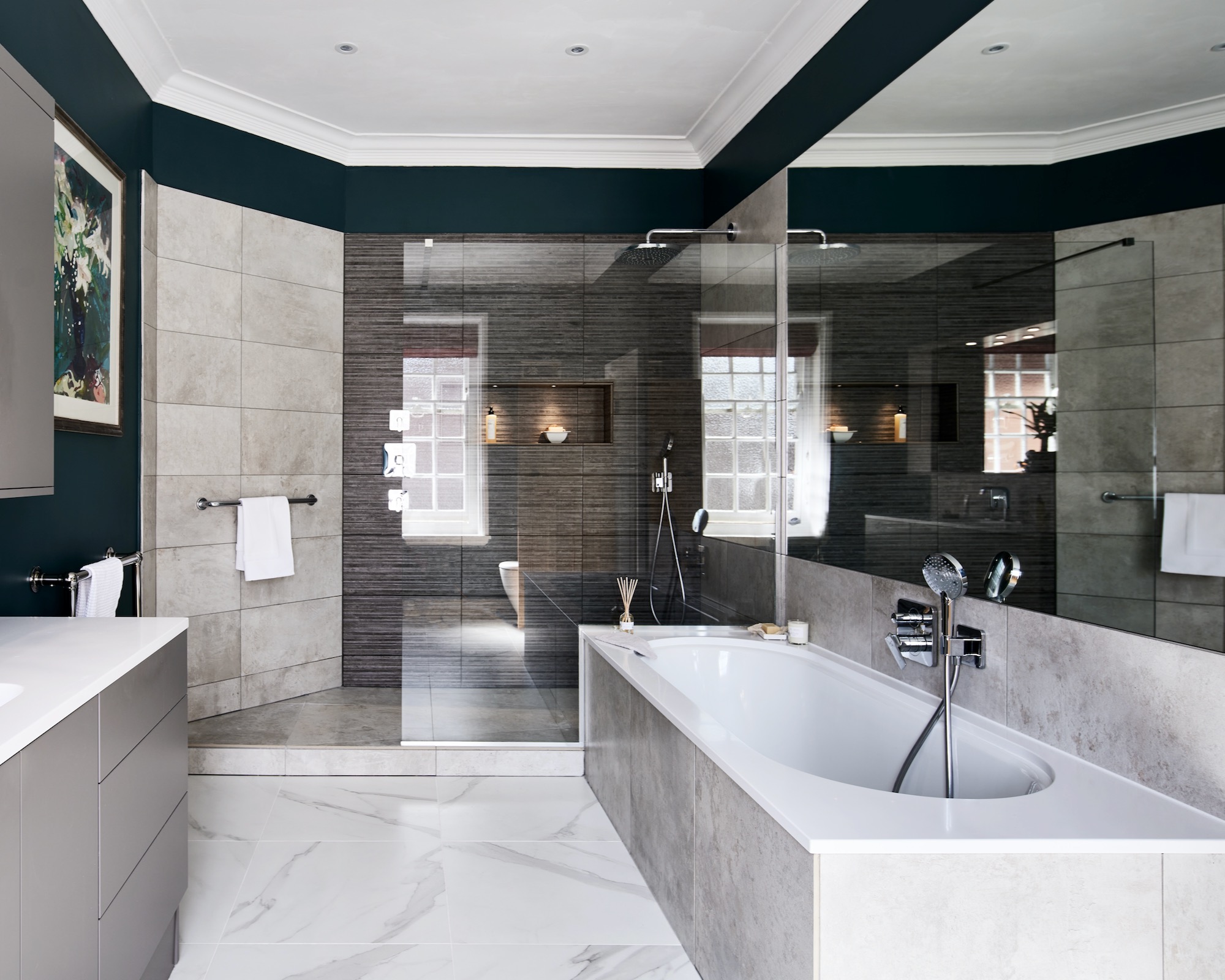
  • Bathroom Tiling Materials List: Complete Shopping List for a Kenyan Bathroom

    Bathroom Tiling Materials List: Complete Shopping List for a Kenyan Bathroom

    A complete bathroom tiling materials list should include much more than the tiles themselves. When tiling a bathroom from bare walls, the project may require floor tiles, wall tiles, tile adhesive, grout, spacers, trims, waterproofing materials, surface preparation products, sealants and the tools needed to cut and install the tiles correctly.

    Starting from bare walls is also an opportunity to prepare the room properly before covering the surfaces. Plumbing positions, wall flatness, waterproofing, floor falls and tile layout should be considered before the first tile is fixed.

    For a typical Kenyan bathroom, the bathroom tiling materials list should therefore be prepared from actual room measurements rather than by purchasing a standard number of boxes.

    This guide explains how to calculate the quantities, what each material does, how to avoid common shortages and how to build a practical tiling shopping list before work begins.

    Bathroom Tiling Materials List: What Do You Need?

    A complete bathroom tiling materials list includes tiles, adhesive, grout, spacers, trims, waterproofing and surface-preparation products, plus the tools required for installation. The exact quantities depend on bathroom dimensions, tile size, layout and wall coverage.

    A typical shopping list can include:

    • Floor tiles.
    • Wall tiles.
    • Tile adhesive.
    • Grout.
    • Tile spacers.
    • Tile trims.
    • Waterproofing membrane or system where specified.
    • Waterproofing accessories.
    • Surface levelling materials.
    • Screed or repair materials.
    • Silicone sealant.
    • Primer where required.
    • Tile-cutting equipment.
    • Notched trowel.
    • Rubber grout float.
    • Spirit level.
    • Measuring tape.
    • Buckets.
    • Sponges.
    • Cleaning materials.

    The tiles themselves are only one part of the installation.

    Bathroom Tiling Materials List: Start With Measurements

    The first step in preparing a bathroom tiling materials list is measuring every surface that will receive tiles. Calculate the floor, each wall and any special areas separately before adding the quantities together.

    For a rectangular bathroom floor:

    Floor area = length × width

    For example:

    2 m × 2.5 m = 5 m²

    The floor therefore requires approximately 5 m² of tile coverage before allowing for cuts and wastage.

    For walls:

    Wall area = wall length × wall height

    Measure all four walls individually.

    Then subtract significant openings such as:

    • Doors.
    • Windows.
    • Large permanent openings.

    Do not rely solely on the floor area when estimating wall tiles.

    A small bathroom can require a surprisingly large quantity of wall tiles if the walls are tiled from floor to ceiling.

    Bathroom Tiling Materials List: Worked Bathroom Example

    A worked example makes the shopping list easier to understand. Consider a 2 m × 2.5 m bathroom with 2.4 m high walls and full-height wall tiling.

    Floor

    Length:

    2 m

    Width:

    2.5 m

    Floor area:

    2 × 2.5 = 5 m²

    Walls

    Bathroom perimeter:

    2 + 2.5 + 2 + 2.5 = 9 m

    Wall height:

    2.4 m

    Total wall area:

    9 × 2.4 = 21.6 m²

    Assume the door opening is approximately 2 m².

    Net wall area:

    21.6 − 2 = 19.6 m²

    Total tiled area

    Floor:

    5 m²

    Walls:

    19.6 m²

    Total:

    24.6 m²

    Now add a waste allowance.

    At 10%:

    24.6 × 1.10 = 27.06 m²

    A practical starting point would therefore be approximately:

    27–28 m² of tiles

    This is an example only. Actual quantities should be based on the final room dimensions and tile layout.

    Bathroom Tiling Materials List: How Much Tile Should You Buy?

    Tile quantities should include an allowance for cutting, breakage and layout waste. A common preliminary allowance is around 5–15%, although the appropriate figure depends on the room and tile pattern.

    A simple rectangular bathroom with a straightforward layout may have relatively low waste.

    More complicated installations can require more.

    Waste can increase because of:

    • Corners.
    • Niches.
    • Pipe penetrations.
    • Diagonal layouts.
    • Pattern matching.
    • Small cut pieces.
    • Irregular walls.

    For example, if the calculated tile area is:

    25 m²

    With 10% allowance:

    25 × 1.10 = 27.5 m²

    You would plan for approximately:

    28 m²

    When ordering, round according to the supplier’s box coverage.

    Bathroom Tiling Materials List: Floor Tiles

    Floor tiles should be selected for the bathroom environment, particularly where water and bare feet create slip risks. The product should be appropriate for floor use and installed on a properly prepared surface.

    When selecting bathroom floor tiles, consider:

    • Slip resistance.
    • Water exposure.
    • Tile strength.
    • Surface texture.
    • Cleaning requirements.
    • Size.
    • Appearance.

    Avoid selecting a floor tile based only on colour.

    A highly polished surface may not be the most appropriate choice for a frequently wet bathroom floor.

    Bathroom Tiling Materials List: Wall Tiles

    Wall tiles provide a practical and decorative surface that is easier to clean than many unfinished wall materials. Their quantity depends primarily on the wall area and the height to which the bathroom will be tiled.

    Wall tiles can be installed:

    • Around the entire bathroom.
    • Around the shower area only.
    • To a partial height.
    • Full height.
    • As a feature wall.

    Full-height tiling generally requires substantially more material.

    If the budget is limited, homeowners can use a more economical wall tile and reserve decorative tiles for selected areas.

    Bathroom Tiling Materials List: Ceramic or Porcelain?

    Ceramic and porcelain tiles can both be suitable for bathroom applications, but the appropriate choice depends on the specific product and intended location. Floor and wall suitability should be confirmed before purchase.

    Ceramic tiles

    Often available in many:

    • Colours.
    • Patterns.
    • Sizes.
    • Finishes.

    They can be a practical option for many bathroom walls and selected floor applications.

    Porcelain tiles

    Generally denser and commonly selected for:

    • Bathroom floors.
    • High-traffic areas.
    • Modern large-format installations.

    The correct choice depends on the manufacturer’s specifications.

    Bathroom Tiling Materials List: Tile Size

    Tile dimensions affect the number of pieces required, cutting requirements, grout consumption and the visual appearance of the bathroom.

    For example, a:

    300 × 300 mm tile

    covers:

    0.3 × 0.3 = 0.09 m²

    Therefore:

    1 ÷ 0.09 = 11.11 tiles per m²

    before accounting for cuts and waste.

    A:

    600 × 600 mm tile

    covers:

    0.6 × 0.6 = 0.36 m²

    Therefore:

    1 ÷ 0.36 = 2.78 tiles per m²

    Always purchase according to the square-metre coverage stated on the packaging rather than relying only on the number of individual pieces.

    Bathroom Tiling Materials List: Tile Adhesive

    Tile adhesive bonds the tiles to the prepared substrate and should be selected according to the tile type, substrate and bathroom application. The required quantity depends on the manufacturer’s coverage and installation method.

    Adhesive consumption is influenced by:

    • Tile size.
    • Trowel size.
    • Substrate flatness.
    • Tile backs.
    • Application technique.
    • Adhesive type.

    A smooth, properly prepared surface can allow more predictable adhesive consumption.

    An uneven wall can require significantly more material.

    When preparing your bathroom tiling materials list, always check the adhesive manufacturer’s stated coverage rather than estimating the number of bags from floor area alone.

    You can explore our range of tile and construction adhesives when preparing your shopping list.

    Bathroom Tiling Materials List: How Many Bags of Adhesive?

    The number of adhesive bags required depends on the product’s coverage per bag and the total tiled area. Calculate the quantity using the manufacturer’s coverage rather than applying one universal consumption rate.

    For example, suppose an adhesive product covers approximately:

    4 m² per bag

    And the total tiled area is:

    27 m²

    Then:

    27 ÷ 4 = 6.75 bags

    You would need to purchase enough complete bags to cover the area, meaning approximately:

    7 bags

    The actual coverage may differ significantly between products and installation conditions.

    Always read the product packaging.

    Bathroom Tiling Materials List: Grout

    Grout fills the joints between tiles and provides the finished appearance of the tiled surface. Grout consumption depends on tile dimensions, thickness, joint width and total tiled area.

    Grout requirements increase with:

    • Smaller tiles.
    • Wider joints.
    • Thicker tiles.
    • Larger tiled areas.

    For example, mosaic tiles can consume substantially more grout than large-format tiles because they have many more joints.

    The selected grout should be appropriate for the bathroom environment.

    Bathroom Tiling Materials List: Choosing Grout Colour

    Grout colour affects both appearance and maintenance. Light grout can create a clean appearance but may show dirt more readily, while darker grout can be more forgiving in high-use areas.

    Common choices include:

    • White.
    • Grey.
    • Dark grey.
    • Beige.
    • Contrasting colours.

    The choice should complement the tile.

    For example:

    A light grey grout can create a softer transition between grey and white tiles.

    A contrasting grout can make the individual tile shapes more visible.

    Bathroom Tiling Materials List: Tile Spacers

    Tile spacers help create consistent joints between tiles and make it easier to maintain an even installation pattern. The appropriate spacer size depends on the tile and desired joint width.

    Common spacer sizes include:

    • 2 mm.
    • 3 mm.
    • 4 mm.
    • 5 mm.

    The correct size should consider:

    • Tile dimensions.
    • Tile type.
    • Edge finish.
    • Manufacturer recommendations.
    • Desired appearance.

    Spacers are inexpensive, but running out during installation can cause delays.

    Include them in every bathroom tiling materials list.

    Bathroom Tiling Materials List: Tile Trims

    Tile trims provide a clean finish at exposed tile edges and protect vulnerable tile corners. They are particularly useful around external corners, exposed wall ends and transitions.

    Trims can be made from:

    • PVC.
    • Aluminium.
    • Stainless steel.

    Measure trims in linear metres.

    For example, if an exposed tile edge measures:

    2.4 m

    and another edge measures:

    1.2 m

    total trim requirement is:

    3.6 m

    Allow for the available standard trim lengths and cutting.

    Bathroom Tiling Materials List: Waterproofing

    A bathroom should be treated as a wet-area system rather than assuming that tiles and grout alone provide complete waterproofing. Appropriate waterproofing should be considered for shower areas, floors, junctions and penetrations.

    Waterproofing materials may include:

    • Waterproofing membrane.
    • Waterproofing liquid system.
    • Reinforcing tape.
    • Corner treatment.
    • Pipe penetration seals.
    • Compatible primer.

    The exact system depends on the product and construction method.

    Pay particular attention to:

    • Shower corners.
    • Floor-to-wall junctions.
    • Pipe outlets.
    • Drain areas.
    • Wall penetrations.

    Bathroom Tiling Materials List: Waterproofing Around the Shower

    The shower area deserves particular attention because it receives repeated direct water exposure. Waterproofing should be installed according to the manufacturer’s system before tiles are applied.

    A typical system may involve:

    1. Prepare the substrate.
    2. Repair cracks and defects.
    3. Apply compatible primer where required.
    4. Treat corners and joints.
    5. Apply waterproofing.
    6. Treat pipe penetrations.
    7. Allow the system to cure.
    8. Install tile adhesive.
    9. Fix tiles.

    Do not rush the curing stage.

    Covering waterproofing before it has reached the required condition can compromise the system.

    Bathroom Tiling Materials List: Silicone Sealant

    Flexible sanitary-grade sealant is useful at movement joints and transitions where rigid grout may crack. It should be used according to the manufacturer’s recommendations.

    Common locations include:

    • Wall-to-floor junctions.
    • Internal corners.
    • Around sanitary fixtures.
    • Around bath edges.
    • Around shower frames.

    The exact locations depend on the bathroom design and construction system.

    Sealant should be compatible with the surrounding materials.

    Bathroom Tiling Materials List: Surface Preparation Materials

    Bare walls often require preparation before tiling. The substrate should be clean, sound, sufficiently flat and suitable for the selected tile adhesive.

    Preparation materials may include:

    • Repair mortar.
    • Screed.
    • Levelling compound.
    • Primer.
    • Cement-based repair material.
    • Waterproofing products.

    The exact products depend on the condition of the walls and floor.

    Do not attempt to correct major unevenness simply by applying excessive tile adhesive.

    Bathroom Tiling Materials List: Floor Screed

    A bathroom floor may require a properly formed screed or other suitable substrate to create a stable, level surface with the correct drainage falls.

    A bathroom floor should generally be designed so water moves towards the intended drain rather than collecting in low spots.

    Before tiling, confirm:

    • Floor levels.
    • Drain position.
    • Falls.
    • Surface strength.
    • Surface cleanliness.

    The final tile installation should follow the prepared floor rather than being used to create major structural corrections.

    Bathroom Tiling Materials List: Tile Cutting Tools

    Accurate tile cutting is essential for corners, doorways, pipe penetrations and fixture locations. The appropriate cutting tool depends on tile type, thickness and the required finish.

    Common tools include:

    • Manual tile cutter.
    • Tile nippers.
    • Diamond cutting blade.
    • Angle grinder.
    • Diamond hole saws.
    • Tile drilling accessories.

    For porcelain or large-format tiles, appropriate diamond tooling can make a significant difference.

    Bathroom Tiling Materials List: Tile Cutter

    A manual tile cutter can be useful for straight cuts, particularly on suitable ceramic and porcelain tiles. The cutter should be appropriate for the tile dimensions and material.

    Before purchasing or hiring a cutter, check:

    • Maximum tile length.
    • Maximum thickness.
    • Cutting capacity.
    • Tile type compatibility.

    For irregular cuts, additional tools may be necessary.

    Bathroom Tiling Materials List: Drill Bits and Hole Saws

    Bathrooms contain numerous pipes and fittings, making accurate holes essential. Appropriate diamond or tile-cutting accessories can help create clean penetrations without unnecessarily damaging the tile.

    Holes may be required for:

    • Shower pipes.
    • Basin plumbing.
    • Toilet connections.
    • Mixer outlets.
    • Accessories.

    Mark the centre carefully before drilling.

    You can browse suitable drill bits and drilling accessories as part of your preparation.

    Bathroom Tiling Materials List: Measuring and Layout Tools

    Accurate setting out helps prevent narrow, unattractive cuts and keeps tile joints aligned throughout the room. Measurement and layout tools should therefore be included in the installation plan.

    Useful tools include:

    • Tape measure.
    • Spirit level.
    • Laser level.
    • Straight edge.
    • Pencil or marker.
    • Chalk line.
    • Square.
    • Tile spacers.

    Before applying adhesive, establish:

    • Starting point.
    • Tile centreline.
    • Joint alignment.
    • Door cuts.
    • Fixture positions.
    • Feature areas.

    Bathroom Tiling Materials List: Grouting Tools

    Proper grouting requires simple but important tools that help force grout into the joints and remove excess material without damaging the tile surface.

    Useful items include:

    • Rubber grout float.
    • Mixing bucket.
    • Mixing paddle.
    • Sponge.
    • Clean water.
    • Cleaning cloths.

    Do not allow grout residue to remain on the tile surface until it becomes difficult to remove.

    Bathroom Tiling Materials List: Adhesive Mixing Tools

    Many cement-based tile adhesives require controlled mixing with clean water to achieve the manufacturer’s specified consistency.

    You may require:

    • Clean bucket.
    • Measuring container.
    • Mixing paddle.
    • Electric drill with appropriate mixing attachment.

    Follow the manufacturer’s:

    • Water ratio.
    • Mixing time.
    • Resting time.
    • Pot life.
    • Application instructions.

    Adding excessive water can affect adhesive performance.

    Bathroom Tiling Materials List: Notched Trowel

    A notched trowel helps distribute tile adhesive at a consistent thickness and improves coverage when used correctly. The appropriate notch size depends on the tile and adhesive system.

    Different tiles may require different trowel sizes.

    Large-format tiles may require additional attention to adhesive coverage.

    The goal is to achieve adequate contact between the tile and substrate without creating unnecessary voids.

    Bathroom Tiling Materials List: Cleaning Materials

    Cleaning should happen throughout installation rather than being left entirely until the end. Removing adhesive and grout residue while it is still workable makes final cleaning easier.

    Include:

    • Clean sponges.
    • Buckets.
    • Microfibre cloths.
    • Clean water.
    • Non-abrasive cleaning products where appropriate.

    Avoid aggressive cleaning products that could damage tile finishes or grout.

    Bathroom Tiling Materials List: Full Example Shopping List

    For the sample 2 m × 2.5 m bathroom with full-height wall tiles, the following provides a practical starting checklist. Actual quantities should be adjusted after the final measurements and tile selection.

    Material Approximate Planning Basis
    Floor tiles 5 m² + wastage
    Wall tiles 19.6 m² + wastage
    Total tiles Approximately 27–28 m²
    Tile adhesive Based on manufacturer coverage
    Grout Based on tile size and joint width
    Tile spacers Based on layout
    Tile trims Measured by exposed edge
    Waterproofing Measured wet-area surface
    Sealant Based on joints and fixtures
    Primer Based on substrate/product requirements
    Surface repair material Based on wall/floor condition
    Tile cutter 1 suitable unit
    Notched trowel 1 suitable size
    Grout float 1
    Spirit level 1
    Measuring tape 1
    Sponge Several
    Mixing bucket 1 or more
    Drill/diamond accessories As required

    This provides a useful tiling shopping list Kenya homeowners can take to a supplier or contractor.

    Bathroom Tiling Materials List: What Should You Buy First?

    Buy structural preparation materials and confirm the tile selection before purchasing installation quantities. This prevents buying adhesive, grout or trims that are incompatible with the final tile specification.

    A sensible sequence is:

    First

    Confirm:

    • Bathroom dimensions.
    • Drain locations.
    • Plumbing positions.
    • Wall condition.
    • Floor condition.
    • Waterproofing requirements.

    Second

    Select:

    • Floor tiles.
    • Wall tiles.
    • Tile layout.
    • Grout colour.
    • Trim finish.

    Third

    Calculate:

    • Tile quantities.
    • Adhesive.
    • Grout.
    • Spacers.
    • Trims.
    • Waterproofing.

    Finally

    Purchase:

    • Tools.
    • Cleaning products.
    • Installation accessories.

    Bathroom Tiling Materials List: Buying Tiles by Box

    Tiles are commonly sold by box, so the calculated square-metre requirement must be converted into complete boxes. Always check the coverage printed on the packaging.

    For example:

    Required:

    27 m²

    Suppose one box covers:

    1.44 m²

    Then:

    27 ÷ 1.44 = 18.75 boxes

    You cannot purchase 18.75 boxes.

    Therefore, you would need:

    19 boxes

    However, the final quantity should also consider the selected layout and whether spare tiles are required.

    Bathroom Tiling Materials List: Keep Spare Tiles

    Keeping a small quantity of spare tiles is useful because individual tiles can be damaged years after installation, while matching an old colour or design later may be difficult.

    Store spare tiles:

    • In a dry location.
    • Away from direct damage.
    • With the original product information.
    • With the batch or shade details.

    This is particularly useful for decorative tiles that may be discontinued.

    Bathroom Tiling Materials List: Common Shopping Mistakes

    The most common tiling-shopping mistakes involve underestimating tile quantities, forgetting installation materials or purchasing products that are unsuitable for the selected tile and application.

    Avoid:

    Buying only the tiles

    You also need adhesive and grout.

    Forgetting waste

    Cutting is unavoidable.

    Ignoring waterproofing

    Wet areas need appropriate protection.

    Buying adhesive too early

    The required adhesive depends partly on the tile and substrate.

    Forgetting trims

    Exposed edges need finishing.

    Buying the wrong grout

    Joint size and application matter.

    Ignoring substrate preparation

    Tiles cannot compensate for a structurally poor surface.

    Not checking box coverage

    Different products cover different areas.

    Bathroom Tiling Materials List: Budget Control

    The easiest way to control a bathroom tiling budget is to calculate quantities before visiting the supplier and separate essential installation materials from decorative upgrades.

    Prioritise:

    1. Sound substrate.
    2. Appropriate waterproofing.
    3. Suitable tiles.
    4. Quality adhesive.
    5. Correct grout.
    6. Proper installation.
    7. Appropriate trims and sealants.

    Decorative upgrades can then be added according to the remaining budget.

    For example, instead of using expensive feature tiles across every wall, use them on:

    • One shower wall.
    • A basin feature wall.
    • A niche.
    • A decorative strip.

    This can create a premium appearance while controlling the total bathroom tiling materials list cost.

    Bathroom Tiling Materials List: Maintenance Materials

    The shopping list should also consider the products needed to keep the finished bathroom clean and functional after installation.

    Depending on the materials used, maintenance may include:

    • Suitable tile cleaner.
    • Grout-cleaning products.
    • Silicone sealant for future maintenance.
    • Replacement grout.
    • Spare tiles.

    You can also browse cleaning items for ongoing household and project maintenance.

    Bathroom Tiling Materials List: When to Call a Professional

    Professional assistance is recommended where the bathroom involves complex waterproofing, major substrate problems, large-format tiles, difficult layouts or significant plumbing changes.

    Consider professional installation when:

    • Walls are substantially uneven.
    • The floor requires major levelling.
    • Waterproofing is extensive.
    • Large-format tiles are being installed.
    • The design contains complicated patterns.
    • Numerous pipe penetrations are involved.
    • The bathroom is being completely renovated.

    DIY tiling can be successful on straightforward projects, but waterproofing and substrate preparation deserve particular care.

    Bathroom Tiling Materials List: Final Pre-Installation Checklist

    Before the first tile is fixed, confirm the room dimensions, tile quantities, substrate condition, waterproofing, adhesive, grout, trims and layout. This final check can prevent costly delays once installation has started.

    Use this checklist:

    • Bathroom measured.
    • Floor area calculated.
    • Wall areas calculated.
    • Door/window areas accounted for.
    • Tile layout selected.
    • Floor tiles selected.
    • Wall tiles selected.
    • Waste allowance added.
    • Box coverage confirmed.
    • Adhesive selected.
    • Adhesive quantity calculated.
    • Grout selected.
    • Grout quantity calculated.
    • Spacers selected.
    • Trims measured.
    • Waterproofing selected.
    • Sealant purchased.
    • Surface preparation completed.
    • Tile cutter available.
    • Notched trowel available.
    • Grout float available.
    • Spirit level available.
    • Cleaning materials available.
    • Spare tiles planned.

    Bathroom Tiling Materials List: Final Takeaway

    A reliable bathroom tiling materials list should account for every stage from bare walls to the finished bathroom. The basic shopping list includes tiles, adhesive, grout, spacers, trims, waterproofing, sealant, preparation materials and installation tools.

    For the example bathroom used in this guide, measuring the floor and full-height walls produced approximately 24.6 m² of net tiled area. After a 10% allowance, the preliminary tile requirement becomes approximately 27 m².

    The same process should be applied to your actual bathroom.

    Start with measurements.

    Calculate each surface separately.

    Add an appropriate wastage allowance.

    Then calculate the supporting materials.

    For adhesive, use the manufacturer’s stated coverage.

    For grout, consider tile size and joint width.

    For trims, measure exposed edges.

    For waterproofing, calculate the actual wet-area coverage.

    For sealant, measure the joints and fixture transitions.

    This approach creates a practical tiling shopping list Kenya homeowners can use when planning a new bathroom or renovation.

    Most importantly, do not treat waterproofing, substrate preparation and installation quality as optional extras. A beautiful tile can still fail if it is installed over an unsuitable surface or if moisture protection has not been properly addressed.

    Once the installation is complete, keep several spare tiles and the original product information. This small step can make future repairs much easier.

    For homeowners around Ngong, Karen, Matasia and Kiserian, planning the complete material list before shopping can also make it easier to coordinate tiles with plumbing, sanitary ware, adhesives and other construction requirements.

    If you are preparing a bathroom tiling materials list, measure first, calculate carefully and purchase according to the actual installation system rather than guessing quantities.

    Your One-Stop Hardware Partner in Ngong

    Imagine completing your project with the right tools, the best materials, and expert advice. At Ngong Hills Merchants, we turn your DIY or construction vision into reality with a complete selection of plumbing, electrical, glass, and sanitary ware.

    Contact our team for a consultation and get the right supplies, right now.

    QUALITY HARDWARE & SUPPLIES IN NGONG ✔ Complete Range of Plumbing & Electrical ✔ Power Tools, Adhesives & Paints ✔ Glass, Framing & Sanitary Ware ✔ Serving Ngong, Karen, Matasia, Kiserian & beyond.

    Request Your Free Consultation: Ngong Hills Merchants
    Email: ngonghillsmerchants [at] gmail.com
    Phone: +254 715974811
    Visit Us: Ngong Township, Ngong, Kenya
    Website: https://ngonghillsmerchants.com/
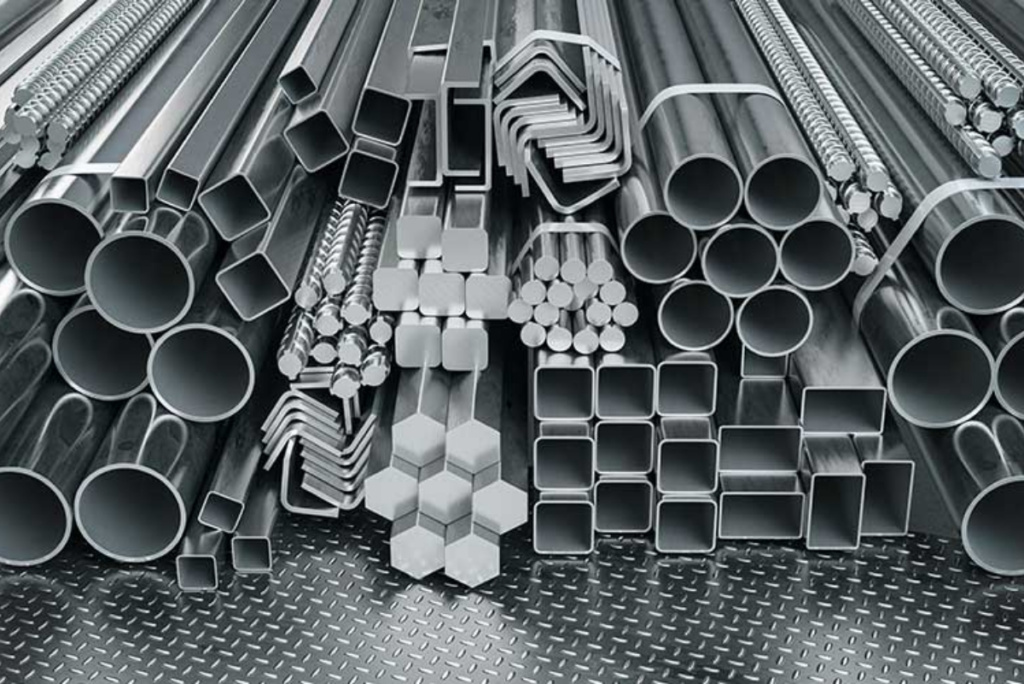
  • Steel Gate Fabrication Materials and Consumables: Complete Material List for Kenya

    Steel Gate Fabrication Materials and Consumables: Complete Material List for Kenya

    The right steel gate materials Kenya fabricators need depend on the gate size, design, steel profile, opening mechanism, security requirements and desired finish. A simple pedestrian gate requires fewer materials than a large double-leaf vehicle gate, while sliding and automated gates require additional hardware and components.

    A professional gate fabrication list should therefore cover more than the visible steel frame. The complete project may require steel sections, infill materials, hinges, locks, welding electrodes, cutting discs, grinding discs, drill bits, primer, paint, measuring equipment and other consumables.

    This guide provides a practical material list for fabricating steel gates in Kenya, explains what each material does and shows how to calculate quantities before purchasing.

    Whether you are fabricating a pedestrian gate, compound gate, driveway gate, sliding gate or decorative steel gate, understanding the required steel gate materials Kenya suppliers provide can help reduce waste, control costs and prevent delays.

    Steel Gate Materials Kenya: What Goes Into a Complete Gate?

    Steel gate materials Kenya projects require normally fall into five groups: structural steel, gate hardware, welding and cutting consumables, surface-protection materials and finishing materials. A complete material schedule should account for all five.

    A typical gate fabrication project can require:

    • Steel box sections.
    • Angle bars.
    • Flat bars.
    • Round bars.
    • Square bars.
    • Steel plates.
    • Expanded metal or mesh.
    • Decorative steel components.
    • Hinges.
    • Locking mechanisms.
    • Bolts and nuts.
    • Welding electrodes.
    • Cutting discs.
    • Grinding discs.
    • Drill bits.
    • Primer.
    • Topcoat paint.
    • Thinners where specified.
    • Measuring tools.
    • Welding accessories.

    The exact list changes according to the design.

    A good fabricator should prepare the cutting list before purchasing the steel.

    Steel Gate Materials Kenya: Steel Sections

    Steel sections form the primary structure of most fabricated gates, creating the outer frame, internal supports, rails and other structural members. The selected section should be appropriate for the gate dimensions and loading conditions.

    Common sections include:

    Rectangular hollow sections

    Rectangular hollow sections are widely used for:

    • Outer gate frames.
    • Horizontal rails.
    • Vertical members.
    • Internal framing.

    Their closed profile can provide useful stiffness while maintaining a relatively clean appearance.

    Square hollow sections

    Square sections can be used for:

    • Gate frames.
    • Vertical supports.
    • Decorative designs.
    • Internal bracing.

    Angle bars

    Angle sections can be useful for:

    • Frames.
    • Reinforcement.
    • Mounting brackets.
    • Supporting panels.

    Flat bars

    Flat steel can be used for:

    • Decorative patterns.
    • Straps.
    • Reinforcement.
    • Lock brackets.
    • Hinge plates.

    The correct section depends on the gate design and structural requirements.

    Steel Gate Materials Kenya: Gate Frame

    The outer frame provides the basic shape and stiffness of the gate. Its dimensions and section size should be selected according to the opening, gate weight and intended use.

    For a rectangular gate, the frame normally consists of:

    • Two vertical stiles.
    • Top rail.
    • Bottom rail.

    Additional internal rails may be added depending on the design.

    For a double-leaf gate, each leaf has its own frame.

    For example, a 4 m wide double gate could be divided into two approximately 2 m leaves, subject to the actual design and hinge arrangement.

    The frame must be accurately fabricated because errors at this stage can affect:

    • Alignment.
    • Hinges.
    • Lock operation.
    • Ground clearance.
    • Final appearance.

    Steel Gate Materials Kenya: Internal Rails and Supports

    Internal rails provide additional stiffness and support for infill materials or decorative elements. Their number depends on gate height, width, design and infill type.

    Internal members may be installed:

    • Horizontally.
    • Vertically.
    • Diagonally.

    A gate with sheet-metal infill may require a different framing arrangement from an open decorative gate.

    Heavy gates may also require additional reinforcement around:

    • Hinges.
    • Locks.
    • Motor brackets.
    • Latch points.

    These requirements should be included in the gate fabrication list before steel is ordered.

    Steel Gate Materials Kenya: Gate Infill

    The infill determines much of the gate’s appearance and can influence weight, privacy and security. The appropriate material depends on whether the gate is intended to be open, semi-private or fully enclosed.

    Common options include:

    • Steel bars.
    • Flat bars.
    • Square bars.
    • Round bars.
    • Expanded metal.
    • Welded mesh.
    • Steel sheet.
    • Decorative panels.

    Open-bar gates

    These allow visibility and airflow.

    Semi-private gates

    These can use patterned steelwork, mesh or partial sheet sections.

    Solid gates

    These provide greater visual privacy but can increase:

    • Weight.
    • Wind loading.
    • Hinge requirements.

    The choice of infill is therefore an important part of selecting steel gate materials Kenya fabricators will use.

    Steel Gate Materials Kenya: Steel Plate

    Steel plate can provide reinforcement around hinges, locks, brackets and other high-stress areas. Small plates can make a significant difference to the strength and serviceability of a fabricated gate.

    Steel plates may be used for:

    • Hinge mounting.
    • Lock mounting.
    • Motor mounting.
    • Reinforcing corners.
    • Brackets.
    • Base plates.

    The thickness and dimensions should suit the application.

    Do not add reinforcement randomly. The plate should be positioned where it provides useful structural support.

    Steel Gate Materials Kenya: Hinges

    Gate hinges transfer the weight of the gate leaf to the supporting structure and allow controlled movement. Their capacity should be appropriate for the finished gate weight and dimensions.

    A hinge system may include:

    • Weld-on hinges.
    • Adjustable hinges.
    • Heavy-duty hinges.
    • Pivot hinges.
    • Bearing-supported hinges.

    Large steel gates can become surprisingly heavy.

    The hinge selection should therefore consider:

    • Gate weight.
    • Gate height.
    • Gate width.
    • Opening frequency.
    • Exposure.
    • Number of hinges.
    • Support-post strength.

    A common mistake is purchasing a strong-looking hinge while using an undersized gate post.

    The complete system must be considered.

    Steel Gate Materials Kenya: Gate Locks

    The locking mechanism should match the gate’s purpose and operating arrangement. Pedestrian gates, swing gates and sliding gates can require different locking solutions.

    Possible options include:

    • Mortice-style gate locks.
    • Surface-mounted locks.
    • Deadbolts.
    • Latches.
    • Padlock hasps.
    • Drop bolts.
    • Electric locks.

    For double-leaf gates, coordination between the two leaves is particularly important.

    A drop bolt may be used to secure one leaf to the ground while the other leaf carries the primary locking mechanism.

    Steel Gate Materials Kenya: Drop Bolts

    Drop bolts provide a simple way to secure one side of a double gate, particularly where the two leaves meet at the centre.

    A drop bolt can be installed:

    • Vertically into the ground.
    • Into a receiving sleeve.
    • Into a suitable threshold arrangement.

    The receiving point should be accurately positioned.

    If it is incorrectly aligned, the gate may become difficult to operate.

    Steel Gate Materials Kenya: Bolts and Nuts

    Bolts and nuts are useful for removable hardware, brackets, hinges, locks and other connections where welding is not the preferred method.

    Possible requirements include:

    • Hex bolts.
    • Nuts.
    • Washers.
    • Anchor bolts.
    • Coach bolts.
    • Threaded fasteners.

    The fastener specification should match the load and exposure conditions.

    You can browse bolts and nuts for fabrication projects when preparing your material schedule.

    Steel Gate Materials Kenya: Welding Electrodes

    Welding electrodes are essential consumables for many steel gate fabrication projects, and the correct electrode depends on the welding process, steel type, thickness and welding equipment.

    For conventional manual metal arc welding, electrodes are commonly selected according to:

    • Electrode classification.
    • Diameter.
    • Steel thickness.
    • Welding position.
    • Machine output.

    Common electrode sizes used in general fabrication may include:

    • 2.5 mm.
    • 3.2 mm.
    • 4.0 mm.

    The exact choice should follow the welding procedure and equipment requirements.

    When preparing the welding materials gate list, calculate electrode consumption according to the amount and type of welding rather than purchasing an arbitrary quantity.

    Steel Gate Materials Kenya: Welding Machine

    A suitable welding machine provides the heat required to create the welded joints between steel components. Machine capacity should match the electrode sizes and thicknesses being welded.

    Before starting fabrication, check:

    • Machine output.
    • Power supply.
    • Electrode compatibility.
    • Duty cycle.
    • Cable condition.
    • Earth clamp.
    • Electrode holder.

    The welding area should also have appropriate ventilation and safe working conditions.

    Steel Gate Materials Kenya: Cutting Discs

    Cutting discs are consumables used to cut steel sections, flat bars, plates and other components to the required dimensions. The correct disc should be compatible with the angle grinder and material being cut.

    A fabrication workshop may require several discs because gate construction involves multiple cuts.

    Cutting discs should be selected based on:

    • Diameter.
    • Disc thickness.
    • Material compatibility.
    • Grinder rating.

    Never use a damaged or visibly compromised cutting disc.

    When preparing steel gate materials Kenya requirements, cutting discs should be treated as consumables rather than reusable tools.

    Steel Gate Materials Kenya: Grinding Discs

    Grinding discs help remove excess weld material, smooth rough edges and prepare steel surfaces before finishing. They are particularly useful during gate fabrication and finishing.

    Grinding may be required for:

    • Weld smoothing.
    • Edge preparation.
    • Removing burrs.
    • Cleaning joints.
    • Preparing surfaces.

    Grinding should not unnecessarily remove structural weld material.

    The fabricator should distinguish between:

    • Removing excessive weld.
    • Properly dressing a visible weld.
    • Accidentally weakening a joint.

    Steel Gate Materials Kenya: Flap Discs

    Flap discs can provide smoother surface preparation than aggressive grinding discs and are useful when preparing steel for painting.

    They can help with:

    • Smoothing welds.
    • Removing surface contamination.
    • Blending transitions.
    • Preparing areas for primer.

    The correct abrasive grade depends on the desired finish.

    Steel Gate Materials Kenya: Drill Bits

    Drill bits are required when gate fabrication involves drilled holes for locks, bolts, hinges, brackets or other hardware. Metal-cutting drill bits should be selected according to the steel thickness and hole diameter.

    The workshop may require several sizes.

    For accurate drilling:

    1. Mark the hole.
    2. Centre punch the location.
    3. Start with an appropriate pilot hole where necessary.
    4. Enlarge to the required diameter.
    5. Deburr the hole.

    You can browse drill bits and related tools when preparing your fabrication equipment list.

    Steel Gate Materials Kenya: Measuring Equipment

    Accurate measurement is one of the most important parts of gate fabrication because small dimensional errors can affect alignment, clearances and installation.

    Useful equipment includes:

    • Tape measure.
    • Steel rule.
    • Combination square.
    • Spirit level.
    • Straight edge.
    • Marking chalk.
    • Scriber.
    • Marker.

    For larger gates, diagonal measurements are particularly important.

    A rectangular frame should have matching diagonals when correctly squared.

    Steel Gate Materials Kenya: Power Tools

    Power tools improve cutting, drilling, grinding and finishing efficiency, particularly in professional fabrication workshops.

    Common tools include:

    • Angle grinder.
    • Cut-off grinder.
    • Drill.
    • Impact driver.
    • Metal-cutting saw.
    • Welding machine.

    You can explore power tools for fabrication work when preparing a workshop equipment list.

    Steel Gate Materials Kenya: Primer

    Primer provides the first protective coating over prepared steel and forms the foundation for the final paint system. Bare steel should be prepared appropriately before primer application.

    A suitable metal primer can help protect against:

    • Corrosion.
    • Moisture exposure.
    • Surface deterioration.

    Before priming:

    1. Remove loose rust.
    2. Remove mill scale or contamination where necessary.
    3. Grind rough welds where appropriate.
    4. Clean dust.
    5. Degrease the surface.
    6. Apply primer according to manufacturer instructions.

    Primer selection should match the intended topcoat system.

    Steel Gate Materials Kenya: Anti-Rust Protection

    Corrosion protection is essential for outdoor steel gates because the gate is continuously exposed to moisture, humidity and environmental contaminants.

    Protection may involve:

    • Appropriate primer.
    • Protective topcoat.
    • Galvanising.
    • Zinc-rich systems.
    • Properly sealed joints.
    • Regular maintenance.

    The best approach depends on the gate location and specification.

    Gates exposed to coastal or highly humid environments may require additional corrosion considerations.

    Steel Gate Materials Kenya: Paint

    The topcoat provides the final appearance while contributing another layer of protection against weather and corrosion.

    Possible finishing systems include:

    • Enamel paint.
    • Exterior metal paint.
    • Polyurethane systems.
    • Other specified protective coatings.

    The selected paint should be compatible with the primer.

    Applying an incompatible topcoat can result in:

    • Peeling.
    • Cracking.
    • Poor adhesion.
    • Premature deterioration.

    Always follow the coating manufacturer’s instructions.

    Steel Gate Materials Kenya: Thinner and Cleaning Materials

    Solvents or thinners may be required for specific coating systems, but they should only be used according to the paint manufacturer’s instructions.

    A fabrication material list may also include:

    • Degreaser.
    • Cleaning cloths.
    • Brushes.
    • Rollers.
    • Spray equipment where appropriate.
    • Mixing containers.

    Surface cleanliness is critical before painting.

    A beautifully fabricated gate can still develop coating problems if the steel was poorly prepared.

    Steel Gate Materials Kenya: Welding Anti-Spatter and Cleaning

    Welding produces spatter and residue that should be removed or controlled before painting. Proper cleaning contributes to a better final finish.

    Fabricators may use:

    • Chipping hammer.
    • Wire brush.
    • Grinding tools.
    • Appropriate cleaning products.

    The gate should be inspected after welding for:

    • Porosity.
    • Cracks.
    • Incomplete fusion.
    • Excessive spatter.
    • Sharp edges.

    Steel Gate Materials Kenya: A Sample Material List

    A sample gate fabrication list provides a useful starting point, but quantities should always be recalculated from the actual gate dimensions and design.

    Consider a hypothetical double-leaf gate measuring approximately:

    4,000 mm wide × 2,100 mm high

    A preliminary material schedule could include:

    Material Purpose
    Rectangular hollow section Main outer frame
    Square hollow section Internal rails
    Flat bar Decorative/reinforcing work
    Steel plate Hinge and lock reinforcement
    Steel infill Privacy or decorative panel
    Hinges Gate movement
    Lock Security
    Drop bolt Secondary leaf securing
    Bolts and nuts Hardware installation
    Welding electrodes Joint fabrication
    Cutting discs Steel cutting
    Grinding discs Weld dressing
    Drill bits Hardware holes
    Metal primer Corrosion protection
    Topcoat Final protection and appearance
    Cleaning materials Surface preparation

    This is a gate fabrication list, not a fixed bill of quantities.

    The actual quantities depend on the approved fabrication drawing.

    Steel Gate Materials Kenya: How to Calculate Steel Quantity

    Steel quantity should be calculated from the cutting list, with each section measured according to the fabrication drawing. Adding all required lengths gives the basic steel requirement before accounting for standard stock lengths and cutting waste.

    For example, suppose a gate frame requires:

    Two verticals:

    2 × 2.1 m = 4.2 m

    Top and bottom rails:

    2 × 2 m = 4 m

    Total basic frame:

    8.2 m

    If additional internal rails require another:

    4 m

    Total:

    12.2 m

    The actual purchasing quantity must then be converted into available stock lengths.

    If steel is sold in 6 m lengths, the fabricator must determine the most efficient cutting arrangement.

    This is where a proper cutting list can reduce waste.

    Steel Gate Materials Kenya: Cutting List Example

    A cutting list converts the gate drawing into practical fabrication dimensions and helps determine how many stock lengths need to be purchased.

    For one gate leaf, an example could look like:

    Component Quantity Length
    Vertical frame 2 2.1 m
    Top rail 1 2.0 m
    Bottom rail 1 2.0 m
    Internal rail 2 1.9 m
    Decorative member 4 As designed
    Hinge plate 2 As designed

    The fabricator should then arrange these lengths against standard steel stock lengths.

    This is more accurate than estimating steel by eye.

    Steel Gate Materials Kenya: Calculating Welding Consumables

    Welding consumable requirements depend on joint count, weld length, steel thickness, electrode diameter and welding technique.

    A small gate may use relatively few electrodes.

    A heavily reinforced gate can require substantially more.

    It is good practice to keep a reasonable workshop allowance for:

    • Tack welds.
    • Final welds.
    • Repairs.
    • Rework.
    • Reinforcement.

    However, excessive purchasing can create unnecessary stock.

    The best approach is to estimate consumption from the fabrication drawing and previous workshop experience.

    Steel Gate Materials Kenya: Fabrication Sequence

    A logical fabrication sequence improves accuracy and reduces rework. The gate should be measured, cut, squared, temporarily assembled, welded, ground, checked and finished systematically.

    A typical sequence is:

    Step 1: Confirm dimensions

    Verify the opening and fabrication drawing.

    Step 2: Prepare the cutting list

    List every steel component.

    Step 3: Cut the steel

    Cut sections according to the approved dimensions.

    Step 4: Prepare joints

    Clean and prepare the surfaces.

    Step 5: Assemble the frame

    Place the components on a flat working surface.

    Step 6: Check square

    Measure both diagonals.

    Step 7: Tack weld

    Secure the components temporarily.

    Step 8: Recheck dimensions

    Correct any movement before final welding.

    Step 9: Complete welding

    Weld according to the required sequence.

    Step 10: Install internal components

    Add rails, infill and reinforcement.

    Step 11: Install hardware

    Fit hinges, locks and brackets.

    Step 12: Grind and prepare

    Dress appropriate welds and clean surfaces.

    Step 13: Prime

    Apply the appropriate corrosion-protection system.

    Step 14: Paint

    Apply the specified topcoat.

    Step 15: Inspect

    Check dimensions, alignment, welds, finish and hardware operation.

    Steel Gate Materials Kenya: Why Squaring Matters

    A gate frame that is not square can cause major problems during installation, including uneven gaps, difficult hinge alignment and poor lock operation. Diagonal measurement is a simple way to check squareness.

    For a rectangular frame:

    Diagonal 1 should approximately equal Diagonal 2.

    If the measurements differ significantly, the frame needs adjustment before final welding.

    This is particularly important for double gates because both leaves must align correctly.

    Steel Gate Materials Kenya: Welding Distortion

    Heat from welding can cause steel to move or distort, particularly when long sections are welded without a controlled sequence. Fabricators should manage heat input and welding sequence to maintain alignment.

    Helpful practices include:

    • Tack welding first.
    • Checking diagonals.
    • Welding opposite sides progressively.
    • Avoiding excessive heat concentration.
    • Allowing appropriate cooling.
    • Rechecking dimensions.

    A gate that is perfectly square before welding can move during final welding.

    Steel Gate Materials Kenya: Gate Post Requirements

    A strong gate can still perform poorly if the supporting posts are inadequate. Gate posts must be designed to carry the gate weight and resist movement during repeated operation.

    The post should account for:

    • Gate weight.
    • Gate width.
    • Hinge arrangement.
    • Ground conditions.
    • Wind exposure.
    • Opening frequency.

    For large gates, the post and foundation deserve as much attention as the gate itself.

    Steel Gate Materials Kenya: Sliding Gate Materials

    Sliding gates require additional components because the gate moves horizontally rather than rotating around hinges. The material list therefore includes track and rolling hardware.

    A sliding gate may require:

    • Gate frame.
    • Infill.
    • Guide rollers.
    • Bottom rollers.
    • Track.
    • End stops.
    • Guide brackets.
    • Locking system.
    • Motor components for automation.

    The actual system depends on whether the gate is:

    • Manually operated.
    • Automated.
    • Cantilevered.

    A sliding gate should therefore have a separate material schedule from a conventional swing gate.

    Steel Gate Materials Kenya: Automated Gate Preparation

    Automated gates require additional structural and electrical provisions that should be considered before fabrication begins. Early planning prevents expensive modifications after painting and installation.

    Depending on the automation system, provisions may be required for:

    • Motor brackets.
    • Cable routes.
    • Limit mechanisms.
    • Control equipment.
    • Safety sensors.
    • Access controls.
    • Power supply.

    For automated gates, coordinate the fabricator and gate-automation installer before final fabrication.

    Steel Gate Materials Kenya: Surface Preparation Before Painting

    Proper surface preparation is one of the most important steps in achieving a durable painted gate. Paint should not be applied over loose rust, grease, dirt or poorly prepared weld areas.

    Before painting:

    1. Remove loose contaminants.
    2. Grind sharp edges.
    3. Dress appropriate welds.
    4. Remove grinding dust.
    5. Degrease where required.
    6. Ensure the surface is dry.
    7. Apply the specified primer.

    If the preparation is poor, even a high-quality paint can fail prematurely.

    Steel Gate Materials Kenya: Material Storage

    Steel and finishing materials should be stored correctly before fabrication to prevent rust, contamination and damage.

    Steel should ideally be:

    • Kept off the ground.
    • Protected from standing water.
    • Stored on supports.
    • Kept reasonably clean.

    Paint and coatings should be stored according to manufacturer requirements.

    Welding electrodes should also be stored appropriately, particularly where electrode moisture control is important for the selected welding procedure.

    Steel Gate Materials Kenya: Common Procurement Mistakes

    Many gate fabrication problems begin during material purchasing rather than fabrication. Incorrect sections, insufficient consumables or incompatible coatings can delay the project and increase costs.

    Avoid:

    • Buying steel without a cutting list.
    • Forgetting hinge reinforcement.
    • Underestimating welding consumables.
    • Buying unsuitable cutting discs.
    • Using incompatible primer and topcoat.
    • Forgetting lock hardware.
    • Ignoring gate-post requirements.
    • Ordering too little paint.
    • Failing to account for cutting waste.

    A detailed steel gate materials Kenya checklist can prevent most of these problems.

    Steel Gate Materials Kenya: Complete Procurement Checklist

    Before fabrication begins, use a complete checklist covering steel, hardware, welding consumables, tools and finishing products. This helps ensure that the fabrication workshop has everything required before work starts.

    Structural steel

    • Hollow sections.
    • Angle bars.
    • Flat bars.
    • Round bars.
    • Steel plates.
    • Mesh or sheet infill.

    Gate hardware

    • Hinges.
    • Locks.
    • Drop bolts.
    • Latches.
    • Bolts.
    • Nuts.
    • Washers.
    • Brackets.

    Welding consumables

    • Welding electrodes.
    • Cutting discs.
    • Grinding discs.
    • Flap discs.
    • Wire brushes.

    Tools

    • Welding machine.
    • Angle grinder.
    • Drill.
    • Drill bits.
    • Measuring tape.
    • Square.
    • Spirit level.
    • Clamps.

    You can explore additional fabrication and workshop supplies when completing your procurement list.

    Finishing materials

    • Metal primer.
    • Topcoat.
    • Appropriate thinner.
    • Cleaning materials.
    • Brushes or rollers.

    Steel Gate Materials Kenya: How to Control Fabrication Costs

    The most effective way to control gate fabrication costs is to prepare an accurate cutting list, optimise stock lengths and purchase the complete set of materials before fabrication begins.

    Cost control can include:

    • Accurate measurement.
    • Efficient steel cutting.
    • Minimising unnecessary decorative elements.
    • Comparing steel suppliers.
    • Purchasing appropriate stock lengths.
    • Avoiding excessive waste.
    • Selecting hardware based on actual requirements.
    • Using compatible coatings.

    Do not reduce structural steel dimensions simply to save money without confirming that the resulting gate remains appropriate for its intended use.

    Steel Gate Materials Kenya: Final Material Planning Guide

    A complete gate fabrication project requires more than steel sections. A reliable material list includes the frame, infill, reinforcement, hinges, locks, welding consumables, cutting and grinding products, drilling accessories, primer and topcoat.

    For a straightforward gate, begin with the fabrication drawing.

    Then prepare:

    1. Steel cutting list

    2. Hardware schedule

    3. Welding consumable list

    4. Surface preparation list

    5. Painting schedule

    6. Installation requirements

    This approach provides a much more accurate steel gate materials Kenya procurement plan.

    It also makes it easier to compare quotations from different fabricators.

    Steel Gate Materials Kenya: Final Takeaway

    The best steel gate fabrication material list accounts for every stage of the project, from cutting the first steel section to installing the finished gate. Proper planning reduces waste, improves fabrication accuracy and helps control the final cost.

    For most fabricated steel gates, the core material list includes:

    • Hollow steel sections.
    • Flat bars or other decorative sections.
    • Steel plates.
    • Infill materials.
    • Hinges.
    • Locks.
    • Drop bolts.
    • Bolts and nuts.
    • Welding electrodes.
    • Cutting discs.
    • Grinding discs.
    • Drill bits.
    • Primer.
    • Topcoat.
    • Cleaning materials.

    The exact quantities should always be based on the gate’s approved dimensions and fabrication drawing.

    A 3 m pedestrian gate, a 4 m double-leaf driveway gate and a large sliding gate can have very different material requirements. Treating them as identical projects is likely to produce either shortages or unnecessary material waste.

    The fabricator should therefore measure the opening, confirm the gate design, prepare a cutting list and calculate the steel requirement before purchasing.

    For hardware, make sure the hinges, locks and supporting posts are appropriate for the completed gate weight.

    For finishing, remember that surface preparation is just as important as the paint itself. A properly fabricated gate can deteriorate quickly if rust, grease or contamination is trapped underneath the coating.

    Finally, keep a small quantity of suitable touch-up paint and spare hardware where practical. Routine maintenance can extend the useful life of an outdoor steel gate and keep it looking presentable.

    For projects around Ngong and surrounding areas, careful material planning makes it easier to source the steel, fasteners, tools, adhesives, electrical components and other hardware required for construction and fabrication. You can also view the wider range of hardware and project supplies available from Ngong Hills Merchants.

    Your One-Stop Hardware Partner in Ngong

    Imagine completing your project with the right tools, the best materials, and expert advice. At Ngong Hills Merchants, we turn your DIY or construction vision into reality with a complete selection of plumbing, electrical, glass, and sanitary ware.

    Contact our team for a consultation and get the right supplies, right now.

    QUALITY HARDWARE & SUPPLIES IN NGONG ✔ Complete Range of Plumbing & Electrical ✔ Power Tools, Adhesives & Paints ✔ Glass, Framing & Sanitary Ware ✔ Serving Ngong, Karen, Matasia, Kiserian & beyond.

    Request Your Free Consultation: Ngong Hills Merchants
    Email: ngonghillsmerchants [at] gmail.com
    Phone: +254 715974811
    Visit Us: Ngong Township, Ngong, Kenya
    Website: https://ngonghillsmerchants.com/
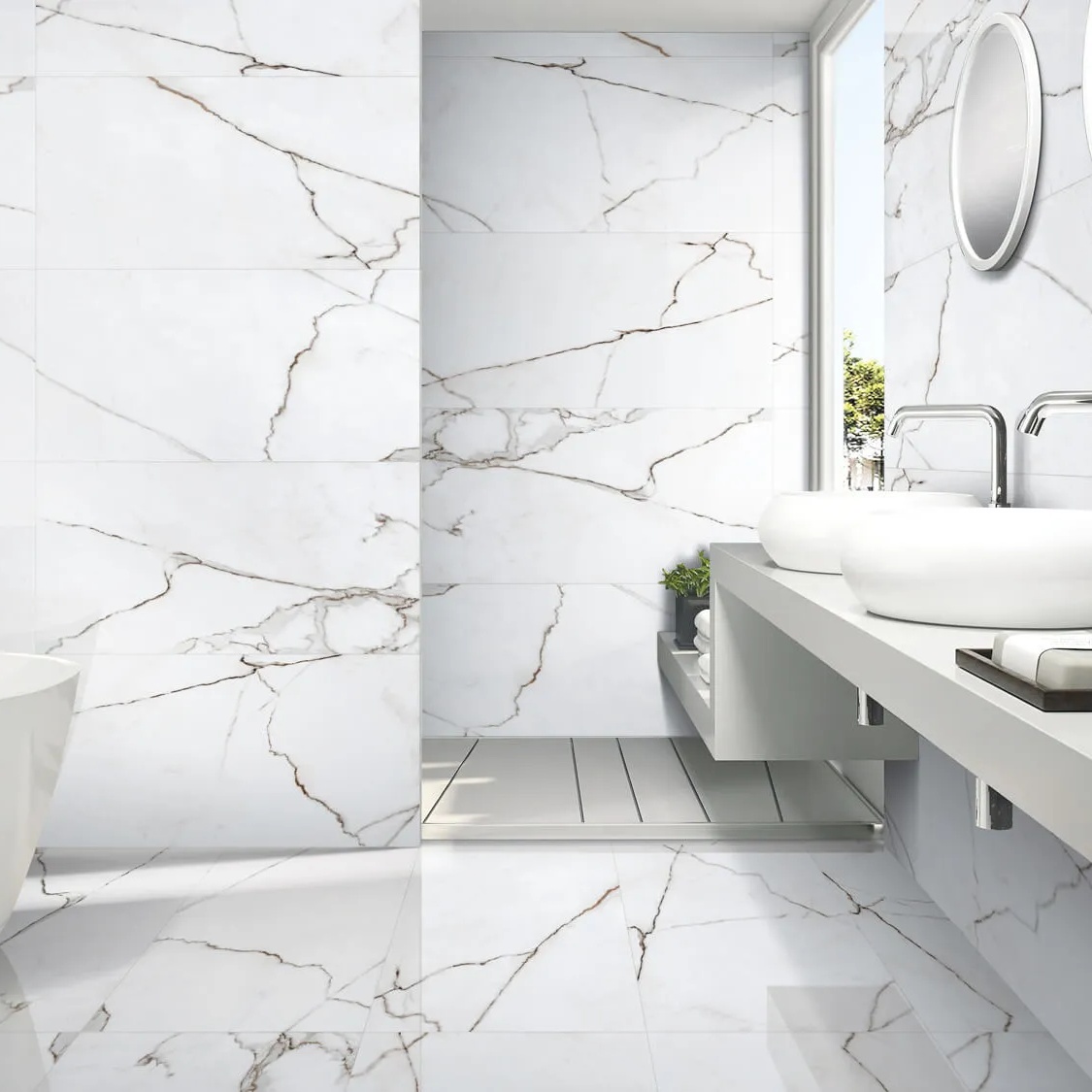
  • Cost of Tiling a Bathroom and Kitchen in Kenya: Complete 2026 Budget Guide

    Cost of Tiling a Bathroom and Kitchen in Kenya: Complete 2026 Budget Guide

    The cost of tiling bathroom Kenya homeowners should budget for depends on the size of the room, tile type, tile size, surface condition, installation pattern, adhesive, grout, trims and labour. A small bathroom can require relatively few tiles, but bathroom walls can significantly increase the total tiled area.

    The same applies to kitchens. A kitchen floor may be modest in size, while the backsplash can add another tiled surface. Premium tiles, complicated patterns and extensive wall tiling can increase the final bill.

    When preparing the cost of tiling bathroom Kenya, it is therefore important to calculate the actual area first and then add tiles, wastage, adhesive, grout, spacers, trims and installation labour.

    This guide provides a practical way to estimate the cost of tiling bathroom Kenya projects and compare the cost of different tile specifications without relying on a single price per square metre.

    The examples are for budgeting purposes. Actual prices vary by supplier, brand, tile quality, location, quantity and market conditions.

    Cost of Tiling Bathroom Kenya: What Determines the Final Price?

    The cost of tiling bathroom Kenya projects depends on tiled surface area, tile price, wastage, adhesive, grout, trims, surface preparation and labour. The number of bathrooms alone cannot determine the final budget.

    Several factors influence the final amount:

    • Bathroom floor area.
    • Bathroom wall area.
    • Kitchen floor area.
    • Kitchen backsplash area.
    • Tile type.
    • Tile size.
    • Tile thickness.
    • Tile finish.
    • Tile pattern.
    • Surface condition.
    • Adhesive specification.
    • Grout type.
    • Trims.
    • Labour rates.
    • Transportation.

    A 4 m² bathroom with full-height wall tiles can require considerably more tiles than a 6 m² bathroom with tiled floors and only partial wall coverage.

    This is why the cost of tiling bathroom Kenya should always begin with measurements.

    Cost of Tiling Bathroom Kenya: How to Calculate Tile Area

    The first step in calculating the cost of tiling bathroom Kenya is determining the total area to be tiled. Measure floors separately from walls and calculate each surface before adding them together.

    For a rectangular floor:

    Area = Length × Width

    For example:

    2 m × 2.5 m = 5 m²

    If the bathroom floor is 5 m², you need approximately 5 m² of finished tile coverage before adding waste.

    For a wall:

    Area = Wall Length × Wall Height

    Suppose one wall is:

    2.5 m × 2.4 m

    The area is:

    6 m²

    If four walls were all the same dimensions, you could calculate each separately and then subtract doors and windows.

    For an accurate cost of tiling bathroom Kenya, remember to deduct significant openings such as:

    • Doors.
    • Windows.
    • Large service openings.

    Small openings may not always justify a detailed deduction because cutting and waste still have to be considered.

    Cost of Tiling Bathroom Kenya: Example Bathroom Calculation

    A worked example makes it easier to understand how the cost of tiling bathroom Kenya is calculated before purchasing materials.

    Assume a bathroom measures:

    2 m × 2.5 m

    Floor area:

    2 × 2.5 = 5 m²

    Assume the walls are 2.4 m high.

    Perimeter:

    2 + 2.5 + 2 + 2.5 = 9 m

    Total wall area:

    9 × 2.4 = 21.6 m²

    Suppose a standard door opening is approximately 2 m².

    Approximate net wall area:

    21.6 − 2 = 19.6 m²

    Total floor and wall tile area:

    5 + 19.6 = 24.6 m²

    If you allow approximately 10% for cutting and wastage:

    24.6 × 1.10 = 27.06 m²

    You would therefore plan for approximately:

    27–28 m² of tile

    This is much more useful than simply saying, “I need tiles for one bathroom.”

    Cost of Tiling Bathroom Kenya: Floor Tiles Versus Wall Tiles

    Floor and wall tiles should not automatically be treated as interchangeable because they can have different performance requirements, textures and intended applications.

    Bathroom floors require appropriate slip resistance because water creates a higher risk of slipping.

    Wall tiles can prioritise:

    • Appearance.
    • Easy cleaning.
    • Water resistance.
    • Size.
    • Decorative effect.

    Floor tiles may need:

    • Suitable slip resistance.
    • Adequate strength.
    • Appropriate surface texture.
    • Compatibility with the room’s use.

    When calculating the cost of tiling bathroom Kenya, select tiles according to where they will be installed rather than choosing purely on appearance.

    Cost of Tiling Bathroom Kenya: Tile Prices

    Tile prices vary considerably according to material, size, finish, design, brand and quality. The cheapest tile is not necessarily the best value for every application.

    Common tile categories include:

    • Ceramic tiles.
    • Porcelain tiles.
    • Homogeneous tiles.
    • Decorative tiles.
    • Mosaic tiles.
    • Textured tiles.
    • Large-format tiles.

    The price per square metre can differ significantly between these categories.

    A homeowner should therefore create a tile budget based on the actual product selected.

    When comparing the cost of tiling bathroom Kenya, ask suppliers for the price per square metre and confirm how many pieces are included in each box.

    Cost of Tiling Bathroom Kenya: Ceramic Tiles

    Ceramic tiles can provide an economical option for many residential wall and floor applications, depending on the product specification and intended use.

    Potential advantages include:

    • Wide variety of designs.
    • Many sizes.
    • Many colours.
    • Easy cleaning.
    • Broad availability.

    However, suitability depends on the exact product.

    Always check the manufacturer’s recommendations for:

    • Floor use.
    • Wall use.
    • Wet areas.
    • Indoor applications.
    • Slip resistance.

    Ceramic tiles can therefore form part of a practical cost of tiling bathroom Kenya budget when appropriately specified.

    Cost of Tiling Bathroom Kenya: Porcelain Tiles

    Porcelain tiles are generally denser and can provide a durable option for floors and other applications when correctly specified and installed. Their price can be higher than standard ceramic tiles.

    Porcelain is commonly selected for:

    • Bathroom floors.
    • Kitchen floors.
    • Living areas.
    • High-traffic spaces.

    The additional purchase price can make the initial cost of tiling bathroom Kenya higher, but the decision should be based on the intended application and required performance.

    Cost of Tiling Bathroom Kenya: Tile Size

    Tile size affects material coverage, cutting, installation time and the appearance of the finished room. Larger tiles can create fewer grout lines but require careful installation and a suitable substrate.

    Common residential tile sizes include:

    • 300 × 300 mm.
    • 300 × 600 mm.
    • 400 × 400 mm.
    • 600 × 600 mm.
    • Larger formats.

    For example, a 600 × 600 mm tile covers:

    0.6 × 0.6 = 0.36 m²

    Therefore, approximately:

    1 ÷ 0.36 = 2.78 tiles

    are needed for one square metre before considering cuts and waste.

    The box quantity should always be checked.

    When calculating the cost of tiling bathroom Kenya, calculate coverage from the actual packaging information rather than assuming every box covers the same area.

    Cost of Tiling Bathroom Kenya: Tile Wastage

    A tile budget should include an allowance for cutting and breakage. The appropriate allowance depends on the room shape, tile size, installation pattern and installer experience.

    A simple rectangular room with a straight installation pattern may generate less waste.

    A complicated layout can generate more because of:

    • Diagonal cuts.
    • Pattern matching.
    • Small corners.
    • Pipe penetrations.
    • Niches.
    • Multiple room angles.

    For preliminary budgeting, a homeowner may consider an allowance around 5–15%, depending on the project.

    For a simple 20 m² installation with 10% allowance:

    20 × 1.10 = 22 m²

    For a complicated installation with higher cutting requirements, a larger allowance may be appropriate.

    This can make a noticeable difference to the cost of tiling bathroom Kenya.

    Cost of Tiling Bathroom Kenya: Adhesive

    Tile adhesive is an essential part of the installation system, and the required quantity depends on tile size, substrate condition, adhesive type and application method.

    Adhesive is affected by:

    • Trowel size.
    • Tile dimensions.
    • Substrate flatness.
    • Tile backs.
    • Adhesive type.
    • Application technique.

    Large-format tiles can require more controlled adhesive application.

    Uneven walls or floors can also increase adhesive consumption.

    Avoid treating adhesive as a minor afterthought when calculating the cost of tiling bathroom Kenya.

    You can explore our adhesive range when planning your tile installation.

    Cost of Tiling Bathroom Kenya: Grout

    Grout fills the joints between tiles and contributes to the appearance and performance of the finished surface. The quantity required depends on tile size, joint width, tile thickness and total tiled area.

    Grout consumption increases when:

    • Tiles are smaller.
    • Joints are wider.
    • Tiles are thicker.
    • The tiled area is large.

    Large-format tiles with narrow joints may use less grout than small-format tiles with wider joints.

    The selected grout should also be appropriate for the application.

    Wet areas require careful consideration of:

    • Water exposure.
    • Cleaning.
    • Joint performance.
    • Manufacturer instructions.

    Cost of Tiling Bathroom Kenya: Spacers

    Tile spacers help maintain consistent grout joints and make it easier to achieve an even installation. They are inexpensive compared with tiles and labour but should still be included in the material list.

    Common spacer sizes include:

    • 2 mm.
    • 3 mm.
    • 4 mm.
    • 5 mm.
    • Larger sizes.

    The appropriate joint width depends on:

    • Tile type.
    • Tile dimensions.
    • Manufacturer recommendations.
    • Desired appearance.
    • Installation requirements.

    Spacers are a small part of the overall cost of tiling bathroom Kenya, but using the right joint size contributes to a better finished result.

    Cost of Tiling Bathroom Kenya: Tile Trims

    Tile trims provide a neat finish at exposed tile edges, corners and transitions. They can improve appearance while protecting vulnerable tile edges.

    Trims may be needed around:

    • External corners.
    • Wall ends.
    • Shower edges.
    • Window reveals.
    • Floor transitions.

    Common materials include:

    • PVC.
    • Aluminium.
    • Stainless steel.

    The number of trims required should be measured from the room design.

    Do not assume that every tiled bathroom requires the same trim quantity.

    Cost of Tiling Bathroom Kenya: Waterproofing

    Waterproofing is an important consideration in wet areas because tile and grout alone should not be treated as a complete waterproofing system. The substrate and waterproofing design should be suitable for the application.

    Areas that may require particular attention include:

    • Shower floors.
    • Shower walls.
    • Bathroom floors.
    • Junctions.
    • Pipe penetrations.
    • Floor-to-wall transitions.

    A waterproofing failure can be considerably more expensive to repair than the initial waterproofing installation.

    Therefore, a sensible cost of tiling bathroom Kenya should consider the complete wet-area system rather than focusing exclusively on tile prices.

    Cost of Tiling Bathroom Kenya: Kitchen Floor

    Kitchen floor tiling is usually calculated from the floor dimensions, followed by allowances for wastage, adhesive and grout. The final budget depends heavily on the selected tile specification.

    For example, a kitchen measuring:

    3 m × 4 m

    has a floor area of:

    12 m²

    With 10% waste:

    12 × 1.10 = 13.2 m²

    A homeowner would therefore generally plan around:

    13–14 m²

    before confirming actual tile-pack quantities.

    This calculation gives a starting point for the kitchen portion of the cost of tiling bathroom Kenya project.

    Cost of Tiling Bathroom Kenya: Kitchen Backsplash

    Kitchen backsplash tiling is often smaller in area than the floor but can use decorative or premium tiles that have a higher price per square metre.

    Suppose a backsplash is:

    4 m long × 0.6 m high

    Area:

    4 × 0.6 = 2.4 m²

    With 10% allowance:

    2.4 × 1.10 = 2.64 m²

    The actual requirement would therefore be approximately:

    2.7 m²

    However, if the backsplash includes sockets, corners, windows or complicated cuts, the waste allowance may need to be adjusted.

    This is why the kitchen should be measured separately when preparing the cost of tiling bathroom Kenya.

    Cost of Tiling Bathroom Kenya: Bathroom Wall Height

    The height to which bathroom walls are tiled has a major effect on material quantities. Full-height tiling can require several times more wall tile than partial-height tiling.

    For example, a bathroom may have:

    Option 1: Floor only

    5 m² of tiles.

    Option 2: Floor plus 1.2 m wall height

    A significantly larger tiled area.

    Option 3: Floor plus 2.4 m full-height walls

    Potentially more than 20 m² of additional wall tile depending on room dimensions.

    Consequently, the cost of tiling bathroom Kenya can change substantially simply because of the chosen wall-tile height.

    Cost of Tiling Bathroom Kenya: Labour

    Tile installation labour depends on area, tile size, surface condition, layout complexity and the number of cuts required. Labour should be quoted separately from material costs when comparing installers.

    Labour can include:

    • Surface preparation.
    • Setting out.
    • Cutting.
    • Adhesive application.
    • Tile installation.
    • Grouting.
    • Silicone or sealant work.
    • Cleaning.
    • Final finishing.

    Small bathrooms can sometimes have a relatively high labour cost per square metre because there are many corners, fixtures and cuts.

    A large open floor can be faster to tile per square metre.

    Therefore, comparing labour rates without considering the installation conditions can produce misleading results.

    Cost of Tiling Bathroom Kenya: Surface Preparation

    A level, clean and properly prepared substrate makes tile installation easier and can reduce problems such as lippage, cracked tiles and adhesive failure. Surface preparation should therefore be included in the tiling budget.

    Preparation can include:

    • Cleaning.
    • Levelling.
    • Screeding.
    • Repairing cracks.
    • Removing loose material.
    • Waterproofing.
    • Priming where required.

    An uneven floor may require additional work before tiles can be installed.

    This additional preparation can increase the cost of tiling bathroom Kenya, but skipping it can create much more expensive problems later.

    Cost of Tiling Bathroom Kenya: Bathroom Fixtures

    Bathroom fixtures affect the amount of cutting and installation work required because tiles must be fitted around toilets, basins, showers, floor drains and pipe penetrations.

    Before tiling begins, coordinate:

    • Plumbing outlets.
    • Floor drains.
    • Shower mixers.
    • Toilet positions.
    • Basin positions.
    • Shower screens.
    • Wall niches.

    Poor coordination can result in unnecessary tile cutting.

    It can also lead to visible gaps around fixtures.

    A good installation therefore involves both the tiler and plumber working from the same layout.

    Cost of Tiling Bathroom Kenya: Kitchen Fixtures

    Kitchen tiling should be coordinated with cabinets, worktops, sinks, electrical sockets and appliances to avoid unnecessary cutting and rework.

    Before installing kitchen tiles, confirm:

    • Cabinet heights.
    • Worktop height.
    • Backsplash height.
    • Sink position.
    • Cooker position.
    • Electrical outlets.
    • Window locations.

    This makes it easier to calculate the actual cost of tiling bathroom Kenya project because the kitchen tile area can be measured accurately.

    Cost of Tiling Bathroom Kenya: Example Material Budget

    A useful tile budget should separate the cost of tiles from installation materials and labour. The following example demonstrates the structure of the calculation rather than providing fixed 2026 retail prices.

    Assume:

    Bathroom floor: 5 m²
    Bathroom walls: 19.6 m²
    Kitchen floor: 12 m²
    Kitchen backsplash: 2.4 m²

    Total net tiled area:

    5 + 19.6 + 12 + 2.4 = 39 m²

    Assume a 10% allowance:

    39 × 1.10 = 42.9 m²

    Round to approximately:

    43 m² of tiles

    The budget can then be divided into:

    Item Quantity Basis
    Floor tiles Measured floor area + waste
    Wall tiles Measured wall area + waste
    Kitchen backsplash Measured backsplash + waste
    Adhesive Manufacturer coverage
    Grout Joint width and tile dimensions
    Spacers Installation layout
    Trims Linear metre measurement
    Waterproofing Wet-area surface
    Labour Installation area and complexity

    Multiply each quantity by the current supplier or contractor price to establish the project total.

    Cost of Tiling Bathroom Kenya: How to Calculate the Total

    The simplest complete formula for the cost of tiling bathroom Kenya is to combine tiles, wastage, adhesive, grout, trims, waterproofing, surface preparation and labour.

    A useful formula is:

    Total tiling cost = tiles + waste allowance + adhesive + grout + spacers + trims + waterproofing + preparation + labour + transport

    For example, if:

    • Tiles = KES X
    • Adhesive = KES Y
    • Grout = KES Z
    • Trims = KES A
    • Waterproofing = KES B
    • Labour = KES C

    Then:

    Total = X + Y + Z + A + B + C

    This structure allows homeowners to update the budget whenever supplier prices change.

    Cost of Tiling Bathroom Kenya: Comparing Tile Budgets

    A useful tile budget should compare complete installation costs rather than only the price of the tile. A cheaper tile can require different installation materials or produce more waste depending on its size and layout.

    Imagine two products:

    Budget Tile

    Lower purchase price.

    Premium Tile

    Higher purchase price.

    But the final installation cost depends on:

    • Waste.
    • Adhesive.
    • Grout.
    • Cutting.
    • Labour.
    • Trims.
    • Surface preparation.

    Therefore, compare:

    Complete installed cost per m²

    rather than:

    Tile price per m²

    This provides a more accurate picture of the cost of tiling bathroom Kenya.

    Cost of Tiling Bathroom Kenya: Large-Format Tiles

    Large-format tiles can create a modern, clean appearance with fewer grout lines, but they require careful handling, accurate substrate preparation and skilled installation.

    Potential benefits include:

    • Fewer grout joints.
    • Contemporary appearance.
    • Visual continuity.
    • Easier cleaning in some applications.

    Potential challenges include:

    • More difficult handling.
    • Higher cutting requirements.
    • Greater sensitivity to substrate unevenness.
    • More specialised installation.

    Therefore, large-format tiles should not be selected purely for appearance without considering installation requirements.

    Cost of Tiling Bathroom Kenya: Mosaic Tiles

    Mosaic tiles can provide attractive shower, feature-wall and backsplash finishes, but they usually involve more grout joints and can have a higher material and installation cost.

    Mosaics are often used for:

    • Shower floors.
    • Feature walls.
    • Niches.
    • Backsplashes.
    • Decorative borders.

    Their small size can make installation more labour-intensive.

    This can increase the cost of tiling bathroom Kenya even where the actual surface area is relatively small.

    Cost of Tiling Bathroom Kenya: Choosing a Practical Budget

    A practical tile budget should balance appearance, durability, installation requirements and maintenance rather than selecting every finish at the highest available specification.

    For budget control, consider:

    Essential spending

    • Suitable floor tiles.
    • Appropriate waterproofing.
    • Quality adhesive.
    • Correct grout.
    • Proper surface preparation.
    • Skilled installation.

    Areas where you can adjust

    • Decorative feature tiles.
    • Premium borders.
    • Special finishes.
    • Extremely complex patterns.
    • Luxury accessories.

    This allows homeowners to maintain essential installation quality while controlling the overall cost of tiling bathroom Kenya.

    Cost of Tiling Bathroom Kenya: How to Reduce Waste

    Accurate measurement and layout planning are among the most effective ways to reduce tile waste. Ordering the correct quantities also helps prevent colour and batch differences caused by buying additional tiles later.

    Before ordering:

    • Measure every surface.
    • Identify tile direction.
    • Plan the starting point.
    • Identify visible cuts.
    • Check tile batch numbers.
    • Confirm box coverage.
    • Add an appropriate waste allowance.

    Keep spare tiles after installation.

    Future repairs may require replacement tiles, and matching an old tile several years later can be difficult.

    Cost of Tiling Bathroom Kenya: Common Budget Mistakes

    Many homeowners underestimate the cost of tiling bathroom Kenya because they calculate only the tiles and forget adhesive, grout, trims, waterproofing, surface preparation and labour.

    Common mistakes include:

    Forgetting wall tiles

    Bathrooms can have substantial wall areas.

    Ignoring waste

    Tiles must be cut around corners and fixtures.

    Buying too little

    A shortage can delay the project.

    Buying too much

    Excess tiles tie up money unnecessarily.

    Using unsuitable adhesive

    Different applications can require different adhesive specifications.

    Ignoring waterproofing

    Wet areas require appropriate preparation.

    Choosing an installer by price alone

    Installation quality affects the final result.

    Cost of Tiling Bathroom Kenya: What to Ask a Tiler

    Before accepting a tiling quotation, homeowners should ask exactly what the labour price includes. This prevents disputes when additional preparation or finishing is required.

    Ask:

    • Is surface preparation included?
    • Is waterproofing included?
    • Is tile cutting included?
    • Is grouting included?
    • Are trims included?
    • Is silicone sealing included?
    • Who supplies adhesive?
    • Who supplies spacers?
    • Is cleaning included?
    • Is transport included?
    • How are damaged tiles handled?

    A clear scope makes the cost of tiling bathroom Kenya easier to control.

    Cost of Tiling Bathroom Kenya: What to Ask a Tile Supplier

    A tile supplier should provide enough product information for the homeowner or contractor to calculate coverage and confirm suitability.

    Ask for:

    • Price per box.
    • Square metres per box.
    • Tile dimensions.
    • Recommended application.
    • Slip-resistance information where relevant.
    • Available colours.
    • Available batches.
    • Manufacturer.
    • Warranty where applicable.

    You should also inspect the actual tile before purchasing a large quantity.

    Cost of Tiling Bathroom Kenya: Maintenance and Long-Term Value

    The cheapest initial tile budget does not always produce the lowest long-term cost. Appropriate tiles, correct installation and proper maintenance can help preserve the appearance and performance of the finished room.

    Good maintenance includes:

    • Regular cleaning.
    • Prompt removal of stains.
    • Keeping grout clean.
    • Checking sealant.
    • Repairing damaged grout.
    • Addressing leaks quickly.

    Bathrooms deserve particular attention because constant moisture can expose weaknesses in installation.

    A leaking shower should be repaired rather than allowed to continue damaging the underlying structure.

    Cost of Tiling Bathroom Kenya: Final Planning Checklist

    Before purchasing tiles, confirm the measured areas, tile specification, waste allowance, adhesive, grout, trims, waterproofing and labour. This checklist helps prevent common budgeting errors.

    Use this checklist:

    • Measure bathroom floor.
    • Measure bathroom walls.
    • Measure kitchen floor.
    • Measure kitchen backsplash.
    • Deduct major openings.
    • Select floor tiles.
    • Select wall tiles.
    • Confirm tile box coverage.
    • Add waste allowance.
    • Calculate adhesive.
    • Calculate grout.
    • Select spacers.
    • Measure trims.
    • Plan waterproofing.
    • Check surface preparation.
    • Obtain labour quotation.
    • Include transport.
    • Keep spare tiles.

    This gives you a structured basis for calculating the cost of tiling bathroom Kenya.

    Cost of Tiling Bathroom Kenya: Final 2026 Takeaway

    The cost of tiling bathroom Kenya projects is best calculated from measured surfaces and complete installation requirements rather than from tile price alone. For both bathrooms and kitchens, tiles, waste, adhesive, grout, trims, waterproofing, preparation and labour all contribute to the final budget.

    For a bathroom, measure both the floor and walls.

    For a kitchen, measure the floor separately from the backsplash.

    Then add an appropriate allowance for cutting and waste.

    Once the tile quantity is established, calculate:

    Tiles + adhesive + grout + spacers + trims + waterproofing + labour + transport

    This produces a far more realistic cost of tiling bathroom Kenya.

    If the budget is limited, do not immediately reduce the quality of essential installation materials. Instead, consider reducing decorative elements, simplifying patterns or using premium tiles selectively as feature areas.

    For example, a homeowner could use a more affordable tile across the main bathroom and introduce a more expensive decorative tile in a shower niche or feature wall.

    The same approach can work in kitchens, where an attractive backsplash can provide a premium appearance without requiring expensive tiles across the entire floor.

    Most importantly, purchase tiles only after the measurements and layout have been confirmed. Keep the batch information and retain a few spare tiles for future repairs.

    For homeowners building or renovating around Ngong and surrounding areas, a reliable hardware supplier can also help coordinate the supporting products required for installation, from adhesives and other fixing materials to plumbing and sanitary ware.

    If you are planning the cost of tiling bathroom Kenya, the best starting point is not a guess at the total price. Start with measurements, select the appropriate materials, obtain current quotations and build the budget item by item.

    That approach gives you greater control over costs while helping ensure the finished bathroom and kitchen are durable, practical and visually consistent.

    Your One-Stop Hardware Partner in Ngong

    Imagine completing your project with the right tools, the best materials, and expert advice. At Ngong Hills Merchants, we turn your DIY or construction vision into reality with a complete selection of plumbing, electrical, glass, and sanitary ware.

    Contact our team for a consultation and get the right supplies, right now.

    QUALITY HARDWARE & SUPPLIES IN NGONG ✔ Complete Range of Plumbing & Electrical ✔ Power Tools, Adhesives & Paints ✔ Glass, Framing & Sanitary Ware ✔ Serving Ngong, Karen, Matasia, Kiserian & beyond.

    Request Your Free Consultation: Ngong Hills Merchants
    Email: ngonghillsmerchants [at] gmail.com
    Phone: +254 715974811
    Visit Us: Ngong Township, Ngong, Kenya
    Website: https://ngonghillsmerchants.com/