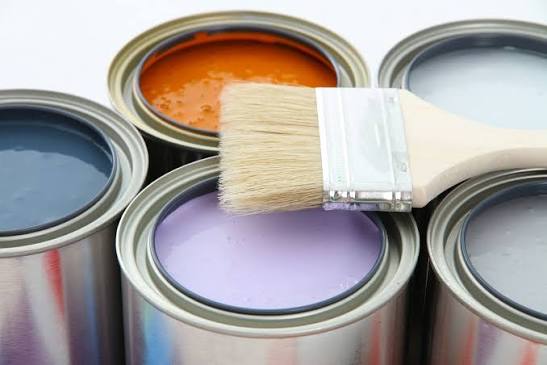
The best time to paint Kenya homes and buildings is generally during periods of relatively dry, stable weather, because lower moisture and reduced rainfall can make surface preparation, application and paint drying more predictable.
However, choosing the right season is only part of successful painting.
The condition of the surface, type of paint, ventilation, temperature, humidity and preparation method can all affect the final result.
Painting during a dry period does not automatically guarantee a good finish. A poorly prepared wall can still peel, crack or develop stains even when the weather is ideal.
For homeowners, landlords, contractors and property developers in Ngong and surrounding areas, the dry season can provide a useful opportunity to complete exterior maintenance before heavier rains arrive.
It is also an excellent time to inspect walls for cracks, damaged plaster, deteriorating paint and other defects that may become more serious when exposed to prolonged rainfall.
Understanding the best time to paint Kenya properties therefore involves looking at both the weather and the condition of the building.
Best Time to Paint Kenya: Why the Dry Season Helps
The dry season can make painting easier because reduced rainfall lowers the risk of fresh coatings being exposed to water before they have adequately dried and cured.
Rain can interfere with painting in several ways.
Fresh paint may:
- Wash away.
- Develop streaks.
- Lose its finish.
- Take longer to dry.
- Become contaminated with dirt.
- Fail to adhere properly.
- Develop surface defects.
This is particularly important for exterior walls.
Even if there is no rain at the exact moment of application, high moisture levels can slow drying.
For this reason, a stable weather window is generally preferable to simply choosing a calendar date.
Best Time to Paint Kenya: Weather Matters More Than the Calendar
There is no single month that is universally the best time to paint Kenya because local weather conditions vary, and painting should be planned around actual dry conditions rather than the calendar alone.
A good painting window should ideally provide:
- Dry surfaces.
- No immediate rainfall.
- Suitable temperatures.
- Reasonable humidity.
- Adequate ventilation.
- Enough time between coats.
- Sufficient time for the coating to dry before exposure to moisture.
Weather forecasts should be checked before beginning exterior work.
If heavy rain is expected shortly after painting, postponing the work may be the safer choice.
Best Time to Paint Kenya: Interior vs Exterior Painting
Interior painting is generally less dependent on the season than exterior painting because indoor surfaces can be protected from direct rainfall, although ventilation and humidity still influence drying.
Exterior painting is more weather-sensitive.
For interior work, consider:
- Ventilation.
- Humidity.
- Room temperature.
- Moisture in the walls.
- Air movement.
For exterior work, consider:
- Rain.
- Direct sunlight.
- Wind.
- Surface temperature.
- Overnight moisture.
- Dust.
The same paint can therefore behave differently depending on where it is applied.
Best Time to Paint Kenya: Check the Wall Before Painting
The best time to paint Kenya properties is only useful when the surface is ready, so inspect the wall carefully before opening a paint tin.
Look for:
- Cracks.
- Peeling paint.
- Flaking.
- Damp patches.
- Mould.
- Efflorescence.
- Loose plaster.
- Powdery surfaces.
- Grease.
- Dirt.
A wall with active dampness should not simply be painted over.
The source of moisture must first be investigated.
Potential causes include:
- Roof leaks.
- Plumbing leaks.
- Rainwater penetration.
- Poor drainage.
- Rising damp.
- Condensation.
Painting should be the final stage of surface preparation, not the first response to a damp wall.
Best Time to Paint Kenya: Repair Cracks First
Crack repair should take place before painting because paint alone cannot reliably correct underlying cracks or movement in the substrate.
Small superficial cracks may be suitable for filling with an appropriate filler.
Larger cracks require more investigation.
A recurring crack could indicate:
- Building movement.
- Settlement.
- Structural stress.
- Poor previous repairs.
- Thermal movement.
The repair method should match the type and cause of the crack.
If a crack is large, widening or repeatedly returning, professional assessment is advisable.
Best Time to Paint Kenya: Remove Loose Paint
Loose and peeling paint must be removed before repainting because a new coating applied over unstable paint can fail along with the old layer.
Use suitable methods to remove:
- Flaking paint.
- Blisters.
- Loose coatings.
- Weak material.
Depending on the surface, preparation may involve:
- Scraping.
- Sanding.
- Brushing.
- Washing.
- Mechanical preparation.
The goal is to create a stable, clean surface for the new coating.
Do not assume that a new premium paint will bond successfully to a weak old layer.
Best Time to Paint Kenya: Clean the Surface
Clean surfaces provide better conditions for paint adhesion, making cleaning one of the most important preparation stages before painting.
Exterior walls can accumulate:
- Dust.
- Soil.
- Algae.
- Mould.
- Pollution.
- Bird droppings.
- Grease.
Interior walls can accumulate:
- Cooking grease.
- Smoke residue.
- Dust.
- Hand marks.
The cleaning method should suit the substrate.
After cleaning, allow the surface to dry appropriately before applying primer or paint.
Best Time to Paint Kenya: Treat Mould Before Painting
Mould should be addressed before painting because painting over active biological growth can lead to recurring staining and coating failure.
First determine why the surface is staying damp.
Possible reasons include:
- Poor ventilation.
- Water leaks.
- Condensation.
- Rain penetration.
- Plumbing problems.
The affected surface should be cleaned and treated using an appropriate method before repainting.
Simply applying another layer of paint may temporarily hide the problem without solving it.
Best Time to Paint Kenya: Primer Matters
Primer can improve adhesion, coverage and surface consistency, particularly when painting new plaster, repaired areas or surfaces with significant colour or porosity differences.
Primer can be useful when:
- Painting new plaster.
- Covering repaired areas.
- Changing from a dark colour to a light colour.
- Painting porous surfaces.
- Preparing certain previously coated surfaces.
Not every surface requires the same primer.
The primer should be compatible with:
- Substrate.
- Existing coating.
- Finishing paint.
Always follow the paint manufacturer’s specifications.
Best Time to Paint Kenya: New Plaster Needs Time
New plaster should be sufficiently dry and properly prepared before painting because trapped moisture can contribute to poor adhesion, discolouration and premature coating failure.
Do not rush newly plastered walls simply because the weather is dry.
The drying period depends on factors such as:
- Plaster composition.
- Thickness.
- Ventilation.
- Humidity.
- Temperature.
- Building conditions.
A wall can feel dry on the surface while still containing moisture deeper inside.
Follow the plaster and paint manufacturer’s recommendations before applying coatings.
Best Time to Paint Kenya: Paint Drying Time
Paint drying time depends on the paint type, temperature, humidity, ventilation, film thickness and surface condition, so manufacturers’ stated drying times should be treated as guidance rather than a guarantee for every environment.
Drying and curing are not necessarily the same thing.
A coating may feel dry to the touch while still requiring additional time to achieve its final performance.
Factors that can slow drying include:
- High humidity.
- Poor ventilation.
- Thick application.
- Cold conditions.
- Damp surfaces.
- Limited air movement.
Factors that may speed surface drying include:
- Suitable temperature.
- Good ventilation.
- Appropriate air movement.
However, excessive heat or direct sunlight can also create application problems.
Best Time to Paint Kenya: Avoid Painting in Extreme Sun
Dry weather is useful, but excessively hot surfaces and intense direct sunlight can cause paint to dry too quickly and may affect the finish.
On exterior walls, direct sunlight can heat the substrate significantly.
This can cause paint to:
- Dry unevenly.
- Drag during application.
- Show lap marks.
- Develop inconsistent sheen.
- Become difficult to spread.
Where possible, plan exterior work according to the movement of the sun.
Shaded areas can provide more manageable application conditions.
Best Time to Paint Kenya: Avoid Painting Before Evening Moisture
Exterior paint needs sufficient drying time before evening moisture, dew or overnight dampness can affect the fresh coating.
A common mistake is starting exterior painting late in the day simply because the afternoon is dry.
The surface may not have enough time to dry properly before night.
Plan work so that fresh coatings have an adequate drying window.
Always follow the product’s technical guidance.
Best Time to Paint Kenya: Ventilation for Interior Painting
Good ventilation is important during interior painting because it helps remove moisture and paint vapours while supporting more consistent drying.
Open suitable windows and doors where practical.
Cross-ventilation can improve airflow.
However, avoid creating excessive dust movement while paint is still wet.
Dust can settle on fresh surfaces and become trapped in the coating.
Protect newly painted surfaces from:
- Construction dust.
- Sanding debris.
- Smoke.
- Excessive traffic.
Best Time to Paint Kenya: Choose the Right Paint
The correct paint should be selected according to the surface, location, exposure and required finish rather than choosing solely by colour or price.
Common categories include:
- Interior emulsion.
- Exterior masonry paint.
- Gloss paint.
- Satin finishes.
- Primers.
- Undercoats.
- Specialty coatings.
Exterior walls require coatings designed for outdoor exposure.
Interior walls may require different performance characteristics depending on the room.
Bathrooms and kitchens can require finishes with different moisture and cleaning considerations from bedrooms or living rooms.
For your project, you can browse our range of paints.
Best Time to Paint Kenya: Calculate the Paint Quantity
Accurate paint quantity calculations reduce waste and help ensure that enough material is available to complete the project consistently.
Start by calculating the surface area.
For a rectangular wall:
Area = Length × Height
For several walls:
Total area = Sum of individual wall areas
Then subtract major openings such as:
- Doors.
- Windows.
- Large openings.
Finally, compare the total area with the manufacturer’s stated coverage.
Remember that actual coverage can differ from theoretical coverage because of:
- Surface porosity.
- Texture.
- Application method.
- Number of coats.
- Colour change.
- Wastage.
A porous wall may consume considerably more paint than a smooth, previously sealed surface.
Best Time to Paint Kenya: Plan for Two Coats
Many painting projects require more than one coat to achieve uniform colour and adequate coverage, particularly when changing colours or painting porous surfaces.
The number of coats depends on:
- Existing colour.
- New colour.
- Paint type.
- Surface condition.
- Coverage.
- Manufacturer instructions.
Do not apply the second coat simply because the first one looks dry.
Observe the recommended recoat interval.
Applying another coat too early can interfere with the underlying layer.
Best Time to Paint Kenya: Respect Recoat Intervals
Recoat time is the period recommended before another layer can safely be applied, and ignoring it can cause poor adhesion, soft films or uneven finishes.
Always check the paint container or technical data sheet.
The recoat interval may change depending on:
- Temperature.
- Humidity.
- Ventilation.
- Application thickness.
In humid conditions, drying can take longer.
Therefore, a manufacturer’s minimum drying time should not be treated as permission to rush when actual site conditions are unfavourable.
Best Time to Paint Kenya: Prepare Your Tools
Good preparation includes having the correct tools ready before painting begins because stopping halfway through a coat can create visible differences in finish.
Depending on the project, tools may include:
- Paint brushes.
- Rollers.
- Extension poles.
- Paint trays.
- Scrapers.
- Sandpaper.
- Filling knives.
- Masking materials.
- Drop sheets.
- Ladders.
For preparation and renovation work, you can explore our power tools.
The tool should match the paint and surface.
A suitable roller can produce a different finish from a brush, while textured walls may require a different roller nap from smooth walls.
Best Time to Paint Kenya: Protect Floors and Fixtures
Proper masking and protection prevent paint splashes from damaging flooring, fittings, windows, doors and furniture.
Before painting:
- Cover floors.
- Protect furniture.
- Mask suitable edges.
- Remove switch plates where appropriate.
- Protect glass.
- Cover sanitary fittings.
Good preparation makes cleanup easier and improves the final appearance.
For projects involving glass protection or replacement, you can view our glass products.
Best Time to Paint Kenya: Electrical Safety
Painting around electrical fittings requires care because moisture and paint should not enter electrical components, and power should be isolated where necessary before removing or working around fittings.
Pay attention around:
- Switches.
- Sockets.
- Light fittings.
- Distribution boards.
- Cable entries.
Do not allow wet paint or cleaning water into electrical equipment.
Where electrical components require removal or modification, use a qualified electrician.
You can also browse our electrical supplies for suitable project materials.
Best Time to Paint Kenya: Painting Ceilings
Ceiling painting requires careful preparation because stains, leaks and previous water damage should be investigated before applying a new finish.
Inspect ceilings for:
- Brown stains.
- Peeling.
- Cracks.
- Dampness.
- Mould.
A ceiling stain can indicate a roof or plumbing problem.
Do not simply cover the stain with another coat of paint.
Identify and fix the moisture source first.
Best Time to Paint Kenya: Exterior Wall Preparation
Exterior walls require more extensive preparation than many interior surfaces because they are exposed to rain, sunlight, dust and temperature changes.
Before painting an exterior wall:
- Inspect the surface.
- Remove loose coatings.
- Clean the wall.
- Repair cracks.
- Treat mould.
- Allow the surface to dry.
- Prime where required.
- Apply the finish coats.
This process creates a more reliable foundation for the final coating.
Best Time to Paint Kenya: Painting During Rainy Weather
Painting during rainy conditions is generally unsuitable for exposed exterior surfaces because water and high humidity can interfere with adhesion and drying.
Rain can arrive unexpectedly, particularly during changing weather patterns.
Therefore, exterior painting should be scheduled with sufficient weather margin.
Do not rely exclusively on the appearance of the sky.
Check the forecast and consider:
- Current conditions.
- Expected rainfall.
- Wind.
- Overnight conditions.
Best Time to Paint Kenya: Dry Season Painting Still Needs Planning
Dry season painting can reduce weather-related risks, but poor scheduling can still produce problems if the surface is damp, excessively hot, dusty or inadequately prepared.
The dry season should be viewed as an opportunity for proper maintenance, not a guarantee of perfect painting conditions.
Before beginning, ask:
- Is the wall dry?
- Has the surface been repaired?
- Is the forecast favourable?
- Is there enough time for drying?
- Is the paint appropriate?
- Are enough materials available?
- Is the substrate stable?
If the answer to any of these questions is no, preparation should continue before painting starts.
Best Time to Paint Kenya: Common Painting Mistakes
Avoiding common painting mistakes can significantly improve the appearance and lifespan of a coating, even when the project is completed during favourable weather.
Painting over dirt
Paint needs a suitable substrate.
Painting over dampness
The moisture source should be fixed first.
Skipping preparation
Loose paint and damaged surfaces can cause premature failure.
Applying thick coats
More paint does not necessarily mean better protection.
Ignoring recoat times
The underlying layer needs adequate time to dry.
Painting in direct intense sunlight
Rapid drying can make application difficult.
Using the wrong paint
Interior and exterior coatings are designed for different environments.
Ignoring the forecast
Rain shortly after application can damage fresh paint.
Failing to protect surfaces
Paint splashes can create unnecessary cleanup and damage.
Best Time to Paint Kenya: Maintenance After Painting
A good paint job lasts longer when the underlying building is maintained and water penetration is prevented.
Inspect painted surfaces periodically.
Look for:
- Peeling.
- Cracking.
- Fading.
- Mould.
- Dampness.
- Blistering.
Early maintenance is usually easier than waiting until large sections of coating have failed.
Keep gutters clean.
Repair roof leaks promptly.
Maintain drainage.
Check external joints.
These measures reduce the stress placed on exterior paint.
Best Time to Paint Kenya: Preparing Before the Next Rainy Season
Painting before the rains can be especially useful when combined with broader building maintenance because fresh protective coatings can be applied after cracks, dampness and other defects have been corrected.
A sensible sequence is:
- Inspect the building.
- Identify water-entry problems.
- Repair the roof.
- Repair wall cracks.
- Clean surfaces.
- Repair plaster.
- Allow surfaces to dry.
- Prime where necessary.
- Apply paint.
- Allow adequate drying.
- Inspect the finished work.
This sequence is more reliable than simply repainting immediately before rainfall.
Best Time to Paint Kenya: Budgeting for a Painting Project
Painting costs should account for preparation, primer, paint, tools, labour, repairs and wastage rather than considering only the price of the finishing paint.
Your budget may include:
- Surface filler.
- Primer.
- Paint.
- Brushes.
- Rollers.
- Sandpaper.
- Scrapers.
- Masking materials.
- Protective coverings.
- Labour.
- Access equipment.
If walls require extensive repairs, preparation may represent a significant part of the overall project.
This is not necessarily wasted expenditure.
Good preparation helps protect the investment in the finishing coats.
Best Time to Paint Kenya: Buying Paint and Materials
Buying enough compatible materials at the beginning of a project can help maintain consistency and reduce the risk of colour or product differences between batches.
Before purchasing, calculate:
- Surface area.
- Number of coats.
- Expected coverage.
- Primer requirement.
- Wastage.
Where possible, purchase enough paint to complete the project consistently.
Keep containers sealed when not in use and store them according to manufacturer instructions.
Best Time to Paint Kenya: Choosing Colours
Colour selection should consider the amount of natural light, room size, surrounding finishes and intended atmosphere of the space.
Light colours can make some rooms feel brighter.
Dark colours can provide:
- Contrast.
- Depth.
- Visual emphasis.
Neutral colours can offer flexibility with:
- Furniture.
- Flooring.
- Curtains.
- Cabinetry.
Exterior colours should also be considered alongside the surrounding environment.
Best Time to Paint Kenya: Paint and Other Finishing Materials
A successful painting project often involves more than paint alone because preparation products, adhesives, tools and related finishing materials can determine how efficiently the work is completed.
Depending on the project, you may need:
- Fillers.
- Primers.
- Sealants.
- Adhesives.
- Cleaning products.
- Power tools.
You can discover our full range of adhesives for suitable project applications.
The key is to ensure that every supporting product is compatible with the surface and finishing system.
Best Time to Paint Kenya: When DIY Painting Makes Sense
DIY painting can be suitable for relatively straightforward projects when the homeowner has the appropriate tools, time and ability to prepare the surfaces correctly.
DIY may work well for:
- Small bedrooms.
- Interior touch-ups.
- Simple walls.
- Minor repainting projects.
However, professional help may be preferable for:
- Large exterior walls.
- High buildings.
- Extensive surface repairs.
- Significant dampness.
- Complex finishes.
- Difficult roof-level areas.
Safety should always come first.
Best Time to Paint Kenya: When to Hire a Professional
Professional painters can be valuable when a project involves extensive preparation, high-level work, specialised finishes or persistent substrate problems.
Consider professional assistance when:
- The building is large.
- Exterior access is difficult.
- Walls have significant damage.
- There is persistent dampness.
- A premium finish is required.
- The project has a tight deadline.
A professional can also help identify problems that may not be obvious to an inexperienced homeowner.
Best Time to Paint Kenya: A Practical Dry-Season Painting Schedule
A well-planned schedule allows sufficient time for inspection, repairs, preparation, painting and drying rather than trying to complete every stage in one day.
Stage 1: Inspection
Identify cracks, dampness and damaged coatings.
Stage 2: Repairs
Fix moisture sources and substrate defects.
Stage 3: Preparation
Clean, scrape, sand and prime as required.
Stage 4: First Coat
Apply evenly under suitable conditions.
Stage 5: Drying
Allow the manufacturer’s recommended drying period.
Stage 6: Second Coat
Apply when the first coat is ready.
Stage 7: Final Inspection
Check for:
- Missed areas.
- Uneven coverage.
- Drips.
- Marks.
- Colour inconsistencies.
Stage 8: Cleanup
Remove masking and protective materials carefully after the coating has sufficiently dried.
Best Time to Paint Kenya: Frequently Asked Questions
What is the best time to paint Kenya homes?
The best time is generally a period of dry, stable weather when surfaces are dry and there is sufficient time for the paint to dry before rain or overnight moisture.
Is dry season painting better than rainy-season painting?
For exterior work, dry conditions are generally more favourable because rainfall and high moisture can interfere with application and drying.
How long does paint take to dry?
Paint drying time depends on the product, temperature, humidity, ventilation, surface and thickness of application. Always follow the manufacturer’s instructions.
Can I paint exterior walls before rain?
You should only paint when there is a suitable weather window and enough time for the coating to dry according to the manufacturer’s recommendations.
Can I paint interior walls during the rainy season?
Yes, interior painting can be possible during rainy weather, provided the surfaces are dry and the room has adequate ventilation and suitable conditions.
Why does paint peel after painting?
Possible causes include dampness, poor surface preparation, contamination, incompatible coatings, excessive moisture or applying paint before the substrate was ready.
Should I paint over old paint?
Only if the existing coating is sound, clean and properly prepared. Loose or peeling paint should be removed first.
Does new plaster need primer?
Many new or porous surfaces benefit from an appropriate primer or sealer. Follow the paint manufacturer’s recommendations for the particular substrate.
Can I paint in direct sunlight?
It is usually better to avoid extremely hot surfaces and intense direct sunlight because rapid drying can make application more difficult.
How many coats of paint should I apply?
The required number depends on the paint, colour, substrate and desired finish. Many projects require two or more coats, but follow the manufacturer’s instructions.
How do I calculate how much paint I need?
Calculate the surface area, subtract major openings, multiply by the number of coats and compare the result with the manufacturer’s coverage rate.
Should I repair cracks before painting?
Yes. Cracks should be investigated and appropriately repaired before painting, particularly when they are large, widening or recurring.
Can waterproofing replace exterior paint?
Waterproofing and decorative painting serve different purposes. Some coatings provide weather resistance, but the product must be selected specifically for the intended application.
Best Time to Paint Kenya: The Final Word
The best time to paint Kenya properties is not determined by the calendar alone; it depends on dry conditions, surface readiness, suitable materials, correct preparation and enough time for each coating to dry properly.
The dry season can provide an excellent opportunity to repaint homes, offices, rental properties and commercial buildings, particularly when exterior surfaces need attention before the next period of heavy rainfall.
But successful painting begins long before the first coat.
Inspect the building.
Find and repair dampness.
Fix cracks.
Remove loose paint.
Clean the surfaces.
Allow new plaster and repairs to dry.
Choose the correct primer and finishing paint.
Calculate the required quantities.
Plan around the weather.
Respect drying and recoat times.
And avoid rushing the final coat simply because the surface feels dry.
For homeowners and contractors in Ngong, Kiserian, Ongata Rongai, Karen, Matasia and surrounding areas, good timing combined with proper preparation can make a significant difference to both the appearance and lifespan of a painting project.
When the surface is properly prepared and the weather provides a suitable window, painting becomes more than a cosmetic upgrade. It becomes part of maintaining and protecting the building.
Your One-Stop Hardware Partner in Ngong
Imagine completing your project with the right tools, the best materials, and expert advice. At Ngong Hills Merchants, we turn your DIY or construction vision into reality with a complete selection of plumbing, electrical, glass, and sanitary ware.
Contact our team for a consultation and get the right supplies, right now.
QUALITY HARDWARE & SUPPLIES IN NGONG ✔ Complete Range of Plumbing & Electrical ✔ Power Tools, Adhesives & Paints ✔ Glass, Framing & Sanitary Ware ✔ Serving Ngong, Karen, Matasia, Kiserian & beyond.
Request Your Free Consultation: Ngong Hills Merchants
Email: ngonghillsmerchants [at] gmail.com
Phone: +254 715974811
Visit Us: Ngong Township, Ngong, Kenya
Website: https://ngonghillsmerchants.com/