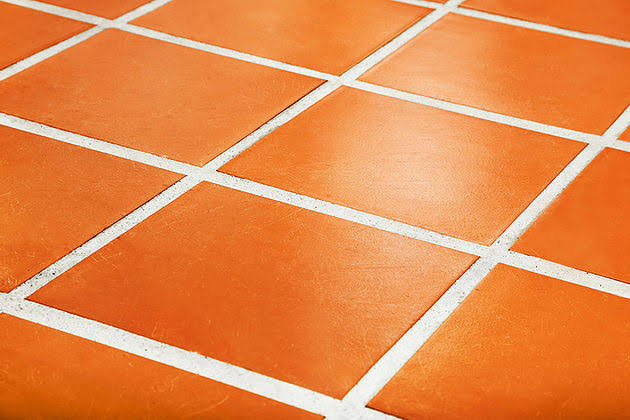
Category: Tiling & Flooring Accessories

  • Tile Grout Kenya:Essential Tips for Choosing Type, Colour and Epoxy Grout

    Tile Grout Kenya:Essential Tips for Choosing Type, Colour and Epoxy Grout

    Tile grout Kenya buyers choose can affect the appearance, cleanliness and long-term performance of a tiled surface. The right grout depends on the tile type, joint width, location, moisture exposure, cleaning requirements and available budget.

    Grout is sometimes treated as an afterthought. A homeowner may spend considerable time choosing porcelain, ceramic or vitrified tiles, then simply select whichever grout colour is recommended at the counter.

    That approach can create problems.

    Grout is more than a coloured material filling the gaps between tiles. It contributes to the finished appearance and helps protect tile joints from dirt and moisture. The wrong product, incorrect joint width or poor installation can result in cracking, staining, discolouration or premature deterioration.

    The choice becomes particularly important in bathrooms, kitchens, balconies, commercial premises and other areas exposed to water, chemicals, dirt or heavy cleaning.

    This guide explains the main types of tile grout, how to choose a colour, how joint width affects selection, where epoxy grout makes sense and when conventional cement-based grout can provide better value.

    Tile Grout Kenya: What Is Grout and Why Does It Matter?

    Grout is the material used to fill the joints between tiles, creating a finished surface while helping protect the spaces between individual tiles from dirt and debris.

    Once tiles are installed, the joints remain visible.

    The grout therefore affects:

    • Overall appearance.
    • Cleaning.
    • Joint protection.
    • Moisture resistance.
    • Maintenance.
    • Perceived tile spacing.

    A high-quality tile can look poor if the grout is badly mixed, incorrectly applied or poorly matched to the tile.

    Similarly, an inexpensive ceramic tile can produce an attractive finish when correctly installed with an appropriate grout.

    The grout and tile should therefore be considered as one finishing system.

    Tile Grout Kenya: The Main Types of Grout

    The main grout categories include cementitious grout and epoxy grout, with different products formulated for different joint widths, moisture conditions and performance requirements.

    The two broad categories are:

    1. Cementitious grout.
    2. Epoxy grout.

    Cementitious grout is commonly used for residential tiling because it is relatively affordable and familiar to installers.

    Epoxy grout uses resin and hardener components and generally offers greater resistance to staining, water and chemicals when correctly installed.

    There are also specialised grout products with modified formulations and performance characteristics.

    The manufacturer’s technical data should always be checked before selecting a specific product.

    Tile Grout Kenya: Cementitious Grout

    Cementitious grout is a practical choice for many residential tile installations because it is relatively economical, widely available and suitable for many standard wall and floor applications.

    It generally consists of cementitious binders, aggregates and other additives.

    Depending on the formulation, it may be supplied as:

    • Standard cement grout.
    • Polymer-modified grout.
    • Fine grout.
    • Sanded grout.

    The correct product depends partly on the joint width.

    Cementitious grout is commonly used in:

    • Living rooms.
    • Bedrooms.
    • Kitchens.
    • Bathroom walls.
    • Suitable bathroom floors.
    • General residential applications.

    It is particularly attractive when keeping installation costs under control.

    Tile Grout Kenya: Epoxy Grout

    Epoxy grout is a resin-based grout system that can provide excellent resistance to staining, water and many chemicals, making it particularly useful in demanding environments.

    Epoxy grout generally consists of multiple components that must be mixed according to the manufacturer’s instructions.

    Its advantages can include:

    • Low porosity.
    • Strong stain resistance.
    • Good chemical resistance.
    • High durability.
    • Easier cleaning in demanding environments.
    • Consistent colour when correctly installed.

    However, epoxy grout is usually more expensive than conventional cementitious grout.

    It can also require more careful installation because the working time, mixing and cleaning process are different.

    Tile Grout Kenya: Is Epoxy Grout Worth the Extra Cost?

    Epoxy grout is worth considering when the long-term benefits of stain resistance, low porosity, durability and easier maintenance justify its higher material and installation cost.

    It may be particularly useful in:

    • Commercial kitchens.
    • Restaurants.
    • Hospitality spaces.
    • Healthcare environments where specified.
    • Food-processing areas.
    • High-use bathrooms.
    • Areas exposed to difficult-to-remove stains.

    For a normal bedroom floor, however, epoxy grout may provide more performance than the project actually needs.

    The decision should therefore be based on the environment.

    Tile Grout Kenya: When Cement Grout Makes More Sense

    Cementitious grout can offer better value for ordinary residential applications where extreme chemical or stain resistance is not required.

    Consider a typical:

    • Bedroom.
    • Living room.
    • Hallway.
    • Interior wall.
    • Low-to-moderate traffic floor.

    In such locations, a quality cementitious grout can perform effectively when:

    • The joint is correctly prepared.
    • The grout is mixed properly.
    • The joints are filled completely.
    • Excess material is cleaned correctly.
    • The grout is cured according to instructions.

    There is little benefit in paying a premium for epoxy if the application does not require its additional properties.

    Tile Grout Kenya: Bathroom Grout Selection

    Bathroom grout should be selected with moisture exposure, cleaning frequency, joint width and slip-related maintenance considerations in mind.

    Bathrooms experience:

    • Water.
    • Steam.
    • Soap.
    • Shampoo.
    • Cleaning chemicals.
    • Frequent washing.

    For bathroom walls, a suitable cementitious grout can be sufficient for many residential applications.

    Epoxy grout becomes more attractive where:

    • Staining is a major concern.
    • Cleaning is frequent.
    • Hygiene requirements are higher.
    • The installation is heavily used.

    However, grout does not replace waterproofing.

    A bathroom should have appropriate waterproofing beneath the tiled finish where required.

    Tile Grout Kenya: Kitchen Grout Selection

    Kitchen grout needs to withstand regular cleaning and exposure to food, grease, water and household cleaning products.

    Kitchen backsplashes can experience:

    • Cooking oil.
    • Tomato-based sauces.
    • Coffee.
    • Tea.
    • Food particles.
    • Water splashes.

    A good-quality grout can make cleaning easier.

    Epoxy grout can be particularly useful in areas where staining is frequent.

    For an ordinary residential backsplash, however, a suitable cementitious grout may offer an adequate balance between performance and cost.

    Tile Grout Kenya: Floor vs Wall Grout

    Floor and wall applications can have different requirements, so the grout should be selected according to the tile installation rather than using one product indiscriminately throughout a building.

    Floor grout may experience:

    • Foot traffic.
    • Dirt.
    • Mopping.
    • Abrasion.
    • Heavy cleaning.

    Wall grout generally experiences less mechanical stress.

    The location also matters.

    A bathroom wall, shower floor, kitchen backsplash and outdoor terrace should not automatically receive the same grout simply because they use similar tiles.

    Tile Grout Kenya: Choosing the Correct Joint Width

    Joint width affects grout selection because different grout products are designed to perform within specified joint-width ranges.

    Tile joints can vary considerably.

    Some modern tiles are designed for relatively narrow joints, while rustic or handmade-looking tiles may require wider joints.

    The correct joint depends on:

    • Tile dimensions.
    • Tile edge type.
    • Manufacturer’s recommendation.
    • Installation environment.
    • Movement requirements.
    • Desired appearance.

    Do not assume that every grout can be used in every joint.

    Check the product packaging or technical data sheet.

    Tile Grout Kenya: Why Joint Width Matters

    A grout joint that is too narrow or too wide for the selected product can affect installation quality and long-term performance.

    For example, a fine grout designed for narrow joints may not be appropriate for a large joint.

    Similarly, a heavily sanded product may not be suitable for very narrow joints.

    Joint width can also influence appearance.

    Narrow joints

    Create a cleaner, more continuous appearance.

    Wider joints

    Emphasise individual tiles and can accommodate certain tile types and dimensional variations.

    The tile manufacturer and grout manufacturer should both be consulted.

    Tile Grout Kenya: Sanded vs Unsanded Grout

    Traditional cementitious grouts may be formulated differently depending on joint width, with aggregate size influencing how easily the product fills the joint and how it behaves during installation.

    The traditional distinction is often:

    • Unsanded or fine grout for narrower joints.
    • Sanded grout for wider joints.

    However, modern products may have specific formulations that do not fit neatly into this traditional distinction.

    Always follow the manufacturer’s specified joint-width range.

    Do not select grout based only on whether it looks fine or coarse.

    Tile Grout Kenya: Grout Colour Choice

    Grout colour can dramatically change how a tiled surface looks, so the best colour depends on whether you want the joints to blend into the tiles or create visible contrast.

    Three common approaches are:

    Matching grout

    Choose a grout close to the tile colour.

    This creates a unified appearance.

    Contrasting grout

    Choose a significantly different colour.

    This highlights:

    • Tile shapes.
    • Patterns.
    • Layout.
    • Geometric designs.

    Neutral grout

    Use a neutral shade such as:

    • Light grey.
    • Medium grey.
    • Beige.
    • Cream.

    Neutral colours can provide a practical balance between visual interest and maintenance.

    Tile Grout Kenya: Should You Choose White Grout?

    White grout creates a bright, clean appearance but can show dirt and staining more easily than some darker neutral colours.

    White grout can work beautifully with:

    • White tiles.
    • Marble-effect tiles.
    • Minimalist bathrooms.
    • Light kitchens.

    But it may require more maintenance.

    In a busy floor, a medium-grey grout may be easier to maintain.

    The decision should consider both appearance and cleaning habits.

    Tile Grout Kenya: Grey Grout

    Grey grout is a popular practical choice because it can provide contrast without the maintenance demands of very light grout.

    Light grey can create a soft, contemporary appearance.

    Medium grey can:

    • Hide everyday dirt.
    • Define tile joints.
    • Work with many tile colours.

    Dark grey can create stronger contrast.

    Grey grout can therefore be particularly useful for:

    • Kitchens.
    • Living rooms.
    • Hallways.
    • Commercial spaces.

    Tile Grout Kenya: Dark Grout

    Dark grout can create dramatic contrast and can conceal some everyday dirt, but it may change the visual character of a tiled surface and should be tested before full installation.

    For example, black grout with white tiles produces a strong grid effect.

    This may look excellent in:

    • Contemporary kitchens.
    • Feature walls.
    • Industrial-style interiors.

    But it can make a small room appear more visually segmented.

    If you want the tiles themselves to dominate the design, a closer grout colour may work better.

    Tile Grout Kenya: Matching Grout With Porcelain Tiles

    Matching grout closely to a porcelain tile can reduce the visual emphasis of joints and make large-format floors appear more continuous.

    This approach works particularly well with:

    • Large-format porcelain.
    • Marble-look porcelain.
    • Concrete-look tiles.
    • Stone-look tiles.

    A contrasting grout, on the other hand, emphasises the tile pattern.

    Neither option is universally better.

    It depends on the desired design.

    Tile Grout Kenya: Matching Grout With Ceramic Tiles

    Ceramic tiles offer extensive colour and pattern choices, so grout can either complement the tile or deliberately contrast with it.

    For patterned ceramic tiles, a neutral grout can prevent the floor or wall from looking overly busy.

    For simple plain tiles, a contrasting grout can create visual definition.

    Consider taking a tile sample and placing it next to grout samples before making a final decision.

    Tile Grout Kenya: Grout Colour and Maintenance

    The practical maintenance requirements of a grout colour should be considered before installation, especially in high-traffic or moisture-prone areas.

    Very light grout can show:

    • Mud.
    • Dust.
    • Soap residue.
    • Food stains.

    Very dark grout can sometimes show:

    • Mineral deposits.
    • Light dust.
    • Certain cleaning residues.

    Mid-tone neutral colours often provide a practical compromise.

    The best colour is therefore not necessarily the most fashionable one.

    Tile Grout Kenya: Epoxy vs Cement Grout

    Epoxy grout generally provides higher resistance to staining and chemicals, while cementitious grout usually offers lower initial cost and easier handling for standard applications.

    Feature Cementitious Grout Epoxy Grout
    Initial cost Generally lower Generally higher
    Stain resistance Moderate, product-dependent Generally excellent
    Water absorption Higher Very low
    Chemical resistance Limited to moderate Generally high
    Cleaning Relatively straightforward Can be easier after curing
    Installation Familiar to many installers Requires careful handling
    Residential use Very common Useful in demanding areas
    Commercial use Application-dependent Often valuable
    Colour options Wide Wide
    Maintenance May require more care Generally low-maintenance

    Actual performance varies by manufacturer and product formulation.

    Tile Grout Kenya: Does Epoxy Need Sealing?

    One advantage of epoxy grout is its low porosity, which generally means it does not require the same type of penetrating sealer routinely used with many cementitious grouts.

    Cement-based grout can be more porous.

    Depending on the product, sealing may help reduce:

    • Staining.
    • Water penetration.
    • Dirt absorption.

    However, not every cementitious grout has identical requirements.

    Always follow the manufacturer’s instructions.

    Do not apply a sealer simply because it is commonly recommended for another grout product.

    Tile Grout Kenya: How to Calculate Grout Quantity

    Grout quantity depends on tile size, joint width, joint depth and total tiled area, so the tile box area alone cannot provide an accurate grout estimate.

    Two rooms with the same floor area can require different quantities of grout.

    For example:

    Room A

    Large-format tiles with narrow joints.

    Room B

    Small tiles with wider joints.

    Room B can require considerably more grout because it has a much greater total joint length.

    The manufacturer’s coverage information is usually the best starting point.

    Tile Grout Kenya: Why Small Tiles Use More Grout

    Smaller tiles create more joints across the same floor area, which generally increases the amount of grout required.

    Consider two floors of identical size.

    One uses:

    600 × 600 mm tiles

    The other uses:

    300 × 300 mm tiles

    The smaller tiles create more joint lines.

    If the joint width and depth are the same, the total volume of grout required will generally be higher.

    This is one reason grout quantity should be calculated from the actual tile layout.

    Tile Grout Kenya: Grout and Tile Adhesive Work Together

    Tile adhesive secures the tile to the substrate while grout fills the joints, so both materials need to be correctly specified for the installation.

    Do not confuse their functions.

    Adhesive

    Connects the tile to the substrate.

    Grout

    Fills the joints between tiles.

    A failure of one can affect the overall installation.

    If you are sourcing materials for a tiling project, you can discover our full range of adhesives for suitable project requirements.

    Tile Grout Kenya: Surface Preparation Before Grouting

    Grouting should begin only after the tile adhesive has sufficiently cured and the joints are ready according to the adhesive manufacturer’s instructions.

    Before grouting:

    • Remove excess adhesive from joints.
    • Ensure joints are clean.
    • Check tile alignment.
    • Confirm adhesive curing time.
    • Prepare the grout correctly.

    If adhesive remains in the joints, the finished grout depth may be inconsistent.

    That can affect appearance and performance.

    Tile Grout Kenya: Mixing Cementitious Grout

    Cementitious grout should be mixed according to the manufacturer’s specified water-to-powder ratio because excessive water can weaken the finished grout and affect colour consistency.

    Avoid adding water simply to make grout easier to spread.

    Too much water can contribute to:

    • Shrinkage.
    • Colour variation.
    • Weakness.
    • Increased porosity.

    Mix only the quantity that can be applied within the product’s working time.

    Tile Grout Kenya: Mixing Epoxy Grout

    Epoxy grout requires particularly careful mixing because the resin and hardener must be combined correctly to achieve the intended performance.

    Follow the manufacturer’s instructions exactly.

    Important considerations include:

    • Correct component ratio.
    • Thorough mixing.
    • Working time.
    • Application temperature.
    • Cleaning procedure.
    • Curing period.

    Do not estimate component proportions by eye.

    If the product is supplied as pre-measured components, use them as specified.

    Tile Grout Kenya: Applying Grout Correctly

    Proper application ensures that the joints are fully filled and the finished surface is clean and uniform.

    A typical installation involves:

    1. Preparing the joints.
    2. Mixing grout.
    3. Applying it across the tiled surface.
    4. Working grout into the joints.
    5. Removing excess material.
    6. Cleaning the tile surface.
    7. Allowing the grout to cure.

    The exact procedure differs by product.

    Epoxy grout, in particular, can require more careful cleaning because cured residue can be difficult to remove.

    Tile Grout Kenya: Cleaning After Application

    Cleaning immediately and correctly after grouting is essential because residue left on the tile surface can become difficult to remove once it cures.

    This is particularly important with epoxy grout.

    Do not wait until the following day to clean significant residue unless the product specifically allows it.

    Follow the manufacturer’s cleaning procedure.

    Use:

    • Appropriate sponges.
    • Clean water.
    • Recommended cleaning solutions.

    Avoid improvised chemicals that could damage the tile surface.

    Tile Grout Kenya: Preventing Cracked Grout

    Cracked grout can result from movement, poor substrate preparation, incorrect joint design, improper mixing or unsuitable grout selection rather than simply from poor-quality grout.

    Potential causes include:

    • Structural movement.
    • Substrate movement.
    • Incorrect joint width.
    • Excessive water during mixing.
    • Poor curing.
    • Incorrect installation.
    • Lack of movement joints.

    Where movement joints are required, they should not simply be filled with rigid grout.

    Appropriate movement-joint systems should be used according to the project design.

    Tile Grout Kenya: Movement Joints

    Movement joints allow tiled surfaces to accommodate dimensional or structural movement and should be incorporated where required by the tile installation design.

    Movement may occur because of:

    • Temperature changes.
    • Building movement.
    • Large surface areas.
    • Changes in substrate.
    • Junctions between different materials.

    Do not treat movement joints as ordinary grout joints.

    A qualified installer should follow the relevant installation requirements.

    Tile Grout Kenya: Outdoor Grouting

    Outdoor tile installations require grout and joint systems capable of dealing with weather exposure, movement and water, and the complete installation should be designed for exterior conditions.

    Outdoor areas experience:

    • Rain.
    • Temperature changes.
    • Sunlight.
    • Dirt.
    • Expansion and contraction.

    Select tiles, adhesive and grout for the specific outdoor application.

    A product suitable for a living room should not automatically be assumed suitable for an exposed terrace.

    Tile Grout Kenya: Commercial Applications

    Commercial environments can justify higher-performance grout where cleaning frequency, staining, traffic or chemical exposure is significantly greater than in ordinary residential applications.

    Consider:

    • Hotels.
    • Restaurants.
    • Shopping centres.
    • Offices.
    • Healthcare facilities.
    • Food preparation areas.

    The higher initial cost of epoxy grout can make sense if it reduces maintenance or improves resistance to the conditions.

    But product selection should follow the project’s actual requirements.

    Tile Grout Kenya: When Epoxy Is Probably Overkill

    Epoxy grout can be unnecessary for low-demand areas where a suitable cementitious grout already provides adequate performance at a lower cost.

    For example:

    A spare bedroom with low foot traffic may not require epoxy.

    Likewise, an ordinary interior wall may not justify the additional expense.

    The principle is simple:

    Buy performance where you need it, not simply because it is the most expensive option.

    Tile Grout Kenya: When Epoxy Is a Smart Investment

    Epoxy grout becomes more attractive where frequent cleaning, staining, water exposure or chemical resistance creates a measurable long-term benefit.

    Good candidates can include:

    • Commercial kitchens.
    • Restaurant floors.
    • High-use shower areas.
    • Food-service environments.
    • Areas with demanding cleaning regimes.
    • Selected hospitality installations.

    The decision should be based on lifecycle cost rather than purchase price alone.

    Tile Grout Kenya: Grout Colour for Different Rooms

    A simple room-by-room colour strategy can make grout selection easier while keeping maintenance and design goals in balance.

    Room Practical Grout Approach
    Living room Matching or medium neutral
    Bedroom Matching or light neutral
    Kitchen backsplash Matching or contrasting
    Kitchen floor Medium neutral
    Bathroom wall Matching or light neutral
    Bathroom floor Medium neutral
    Outdoor area Medium/darker neutral, product-dependent
    Feature wall Contrasting grout can emphasise pattern

    These are design guidelines rather than strict rules.

    Tile Grout Kenya: A Simple Buying Checklist

    Before buying grout, confirm the tile type, joint width, location, colour, coverage and performance requirements.

    Use this checklist:

    • Tile type.
    • Tile size.
    • Joint width.
    • Joint depth.
    • Wall or floor.
    • Indoor or outdoor.
    • Wet or dry environment.
    • Expected traffic.
    • Cleaning requirements.
    • Desired colour.
    • Grout coverage.
    • Manufacturer’s application rating.
    • Required quantity.
    • Installation method.

    This checklist can prevent many common mistakes.

    Tile Grout Kenya: Frequently Asked Questions

    What is the best grout for tiles?

    There is no single best grout for every application. Cementitious grout can be excellent for ordinary residential tiling, while epoxy grout is often worthwhile where stain, water and chemical resistance are priorities.

    Is epoxy grout better than cement grout?

    Epoxy generally provides superior stain and chemical resistance and very low porosity, but it costs more and requires more careful installation.

    Is epoxy grout worth the cost?

    It can be worth the cost in high-use, heavily cleaned or stain-prone environments. For low-demand residential areas, cementitious grout may provide better value.

    What grout colour is easiest to maintain?

    Medium neutral shades such as grey can provide a practical balance between appearance and everyday maintenance, although the ideal choice depends on the room and tile.

    Should bathroom grout be white?

    It can be, particularly for a clean minimalist appearance, but white grout can show dirt and staining more readily than medium or darker neutral colours.

    Can I use the same grout for walls and floors?

    Sometimes, but only if the product is rated for both applications and the joint width is appropriate.

    Does epoxy grout need sealing?

    Epoxy grout generally has very low porosity and does not require the same penetrating sealing treatment commonly associated with cementitious grout. Follow the manufacturer’s instructions.

    Why does grout crack?

    Cracking can result from movement, poor substrate preparation, incorrect mixing, improper curing, unsuitable joints or installation problems.

    How wide should tile grout joints be?

    The appropriate joint width depends on the tile and manufacturer specification. Do not choose a joint width solely for appearance.

    Can I change grout colour later?

    Yes, but changing an existing grout colour can require significant cleaning, removal or application work. It is easier to select the right colour before installation.

    Does dark grout make a room look smaller?

    Strongly contrasting grout can make individual tiles and the grid pattern more noticeable. A matching grout generally creates a more continuous visual appearance.

    Which grout is best for a kitchen?

    A suitable cementitious grout can work well for many residential kitchens. Epoxy is worth considering where staining, frequent cleaning or chemical exposure is a major concern.

    Which grout is best for a shower?

    Choose a grout appropriate for the wet-area application and joint width. Epoxy can offer advantages because of its low porosity, but proper waterproofing behind the tile system remains essential.

    Tile Grout Kenya: Make the Grout Part of the Tile Specification

    Tile grout Kenya buyers should choose based on application, joint width, moisture exposure, maintenance requirements, colour and total project cost rather than treating grout as a last-minute finishing material.

    For ordinary residential projects, a quality cementitious grout can provide an effective and economical solution.

    For demanding environments, epoxy grout can justify its higher cost through:

    • Lower porosity.
    • Better stain resistance.
    • Strong chemical resistance.
    • Easier long-term maintenance.

    Colour also deserves careful consideration.

    A matching grout can create a seamless appearance, while contrasting grout can emphasise the tile layout. Medium neutral colours can provide a practical compromise for busy areas.

    Most importantly, grout performance depends on correct installation.

    Use the right product for the joint width, mix it according to the manufacturer’s instructions, prepare the joints properly and allow sufficient curing time.

    When the tile, adhesive and grout are selected as a complete system, the finished surface can look better, remain easier to maintain and deliver reliable performance for years.

    Your One-Stop Hardware Partner in Ngong

    Imagine completing your project with the right tools, the best materials, and expert advice. At Ngong Hills Merchants, we turn your DIY or construction vision into reality with a complete selection of plumbing, electrical, glass, and sanitary ware.

    Contact our team for a consultation and get the right supplies, right now.

    QUALITY HARDWARE & SUPPLIES IN NGONG ✔ Complete Range of Plumbing & Electrical ✔ Power Tools, Adhesives & Paints ✔ Glass, Framing & Sanitary Ware ✔ Serving Ngong, Karen, Matasia, Kiserian & beyond.

    Request Your Free Consultation: Ngong Hills Merchants
    Email: ngonghillsmerchants [at] gmail.com
    Phone: +254 715974811
    Visit Us: Ngong Township, Ngong, Kenya
    Website: https://ngonghillsmerchants.com/
  • Porcelain vs Ceramic Tiles Kenya Differences: Choose the Right Tile

    Porcelain vs Ceramic Tiles Kenya Differences: Choose the Right Tile

    Porcelain vs ceramic tiles Kenya buyers compare frequently when selecting flooring and wall finishes, but the right choice depends on water absorption, durability, traffic, appearance, installation requirements and budget.

    Tiles can transform a room, but choosing the wrong type for a particular application can lead to premature wear, staining, cracking or unnecessary expense. A tile that works perfectly on a bedroom wall may not be the best option for an outdoor walkway or busy commercial floor.

    Porcelain, ceramic and vitrified tiles are related products, but they are not simply interchangeable names.

    Their manufacturing methods, density, water absorption, hardness and intended applications can differ.

    For homeowners, contractors, architects and property developers in Kenya, understanding these differences makes it easier to select tiles according to the actual conditions of the project rather than choosing based only on appearance or price.

    This guide explains the differences between porcelain and ceramic tiles, where vitrified tiles fit into the comparison, how water absorption affects performance, how to compare prices and what to check before buying.

    Porcelain vs Ceramic Tiles Kenya: What Is the Basic Difference?

    Porcelain tiles are generally made from more refined raw materials and fired at high temperatures, producing a dense tile with very low water absorption, while conventional ceramic tiles can have a higher absorption rate and broader range of applications.

    Both are ceramic products.

    The difference is primarily related to:

    • Raw materials.
    • Manufacturing.
    • Firing conditions.
    • Density.
    • Water absorption.
    • Performance characteristics.

    Porcelain tiles are typically more dense and less porous.

    Ceramic tiles can offer a wider range of affordable options, especially for interior walls and moderate-duty applications.

    The specific technical performance should always be checked against the manufacturer’s product specification.

    Porcelain vs Ceramic Tiles Kenya: What Are Porcelain Tiles?

    Porcelain tiles are dense, hard-fired ceramic tiles generally characterised by very low water absorption, making them suitable for many demanding flooring and moisture-exposed applications.

    Their low porosity makes porcelain attractive for:

    • Bathrooms.
    • Kitchens.
    • Living rooms.
    • Corridors.
    • Commercial spaces.
    • High-traffic areas.
    • Some outdoor applications when the product is specifically rated for them.

    Porcelain is also available in many finishes, including:

    • Polished.
    • Matt.
    • Textured.
    • Stone-look.
    • Wood-look.
    • Concrete-look.

    This allows homeowners to achieve premium visual effects without using natural stone or timber.

    Porcelain vs Ceramic Tiles Kenya: What Are Ceramic Tiles?

    Ceramic tiles are made from clay-based materials and can provide a practical and economical finish for walls and floors, particularly in applications where extreme durability or very low water absorption is not required.

    Ceramic tiles are commonly used for:

    • Bathroom walls.
    • Kitchen walls.
    • Interior walls.
    • Light-to-moderate traffic floors.
    • Decorative features.

    Their broad range of colours, patterns, textures and sizes makes ceramic tile one of the most versatile finishing materials.

    One of the major advantages is choice.

    Ceramic tiles can provide attractive finishes at different price points.

    Porcelain vs Ceramic Tiles Kenya: What Are Vitrified Tiles?

    Vitrified tiles are highly dense tiles manufactured through a process that gives them a glass-like, low-porosity structure, although the exact product characteristics depend on the manufacturer’s formulation and specification.

    The term “vitrified” refers to the vitrification process that occurs during firing.

    Vitrified tiles are often associated with:

    • Low water absorption.
    • High density.
    • Durability.
    • Large-format flooring.
    • Commercial applications.
    • Contemporary interiors.

    Different types of vitrified tiles can include:

    • Full-body vitrified tiles.
    • Double-charge vitrified tiles.
    • Glazed vitrified tiles.
    • Polished vitrified tiles.

    The exact classification should be checked on the product technical sheet.

    Porcelain vs Ceramic Tiles Kenya: Are Porcelain and Vitrified the Same?

    Porcelain and vitrified tiles can share characteristics such as high density and low water absorption, but the terms are not automatically interchangeable because classification systems and manufacturing specifications can differ.

    This is an important distinction when shopping.

    A salesperson may use “vitrified” as a broad commercial description, while another supplier may classify a product specifically as porcelain.

    Rather than choosing based on terminology alone, check:

    • Water absorption.
    • Breaking strength.
    • Surface characteristics.
    • Intended application.
    • Slip resistance.
    • Manufacturer’s classification.

    The technical specification is more useful than the marketing name alone.

    Porcelain vs Ceramic Tiles Kenya: Water Absorption

    Water absorption is one of the most important technical differences when comparing tiles because it provides an indication of how porous the tile body is.

    A tile with lower water absorption generally has a denser body.

    This can make low-absorption tiles advantageous in areas exposed to:

    • Water.
    • Humidity.
    • Frequent cleaning.
    • Spills.
    • Outdoor weather.

    Bathrooms and kitchens are obvious examples.

    However, water absorption is not the only consideration.

    Installation quality, grout, substrate preparation and waterproofing also influence the performance of a tiled surface.

    Porcelain vs Ceramic Tiles Kenya: Why Water Absorption Matters

    Lower water absorption can improve a tile’s suitability for moisture-exposed applications, but it does not make the entire tiled installation waterproof by itself.

    For example, a porcelain tile may have very low absorption, but water can still enter through:

    • Grout joints.
    • Cracks.
    • Movement joints.
    • Poorly sealed penetrations.
    • Defective waterproofing.

    A bathroom therefore needs a complete moisture-management system.

    The tile is only one component.

    Porcelain vs Ceramic Tiles Kenya: Hardness and Durability

    Porcelain generally offers high density and durability, making it suitable for demanding applications, while ceramic tiles can perform very well when correctly matched to the expected traffic and environment.

    The appropriate tile depends on use.

    Consider a:

    • Bedroom.
    • Living room.
    • Shopping area.
    • Hotel lobby.
    • Restaurant.
    • Balcony.
    • Outdoor walkway.

    Each has different demands.

    A high-traffic commercial floor requires more consideration than a low-traffic bedroom.

    Choosing the hardest tile available is not always necessary.

    The correct approach is to match the tile’s rating and specification to the expected use.

    Porcelain vs Ceramic Tiles Kenya: Floor Traffic

    Floor traffic should influence tile selection because repeated footfall, dirt, furniture movement and cleaning can place greater demands on the tile surface.

    For a busy floor, consider:

    • Abrasion resistance.
    • Breaking strength.
    • Surface finish.
    • Slip resistance.
    • Tile thickness.
    • Installation quality.

    For a bedroom, a decorative ceramic tile may be perfectly adequate.

    For a busy retail space, a higher-performance porcelain or vitrified product may be more appropriate.

    Porcelain vs Ceramic Tiles Kenya: Wall vs Floor Applications

    Wall tiles generally do not require the same mechanical performance as floor tiles because they are not subjected to the same loads and abrasion.

    This creates an opportunity to select materials according to function.

    For walls, you may prioritise:

    • Appearance.
    • Ease of cleaning.
    • Water resistance.
    • Colour.
    • Pattern.
    • Size.

    For floors, consider:

    • Slip resistance.
    • Abrasion resistance.
    • Breaking strength.
    • Surface texture.
    • Expected traffic.

    Do not assume that every attractive wall tile is suitable for flooring.

    Check the manufacturer’s application rating.

    Porcelain vs Ceramic Tiles Kenya: Bathroom Selection

    Porcelain can be an excellent bathroom flooring option because of its low water absorption, while ceramic tiles can work particularly well on bathroom walls when the product is rated for the application.

    For a bathroom floor, consider:

    • Water absorption.
    • Slip resistance.
    • Surface texture.
    • Cleaning requirements.
    • Tile size.
    • Drainage.

    For shower floors, very large tiles may create challenges because the floor needs to fall toward the drain.

    Smaller tiles can sometimes make it easier to achieve the required slope.

    The tile format should therefore be considered alongside the bathroom design.

    Porcelain vs Ceramic Tiles Kenya: Kitchen Selection

    Both porcelain and ceramic tiles can work in kitchens, but the best option depends on whether the tile is being used on the floor, backsplash or another surface.

    Kitchen floor

    Porcelain can provide strong durability and low water absorption.

    Kitchen backsplash

    Ceramic tiles can be an economical and attractive option.

    Heavy-use kitchen

    A durable, easy-to-clean tile can be more valuable than simply choosing the cheapest product.

    Consider exposure to:

    • Water.
    • Cooking oils.
    • Food stains.
    • Cleaning products.
    • Heavy foot traffic.

    Porcelain vs Ceramic Tiles Kenya: Living Room Floors

    Porcelain is particularly popular for living room floors because it combines durability with a wide variety of modern finishes and large-format designs.

    Popular visual styles include:

    • Marble-effect.
    • Stone-effect.
    • Wood-effect.
    • Concrete-effect.
    • Plain matt finishes.

    Large-format porcelain can create a spacious appearance because fewer grout joints are visible.

    However, large tiles require:

    • A properly levelled substrate.
    • Correct adhesive.
    • Skilled installation.
    • Careful handling.

    Porcelain vs Ceramic Tiles Kenya: Outdoor Areas

    Outdoor tile selection requires additional attention to weather exposure, surface texture, water management and slip resistance, so not every porcelain or ceramic tile is suitable for exterior use.

    Outdoor areas can include:

    • Balconies.
    • Terraces.
    • Verandas.
    • Patios.
    • Walkways.

    Rain creates a major difference between indoor and outdoor applications.

    A highly polished tile may become slippery when wet.

    For outdoor applications, look for a product specifically recommended by the manufacturer.

    Porcelain vs Ceramic Tiles Kenya: Polished vs Matt

    Polished tiles provide a reflective, premium appearance but may require more attention to slip resistance and maintenance, while matt and textured finishes can provide better grip in appropriate applications.

    Polished porcelain is popular for:

    • Living rooms.
    • Entrances.
    • Feature floors.
    • Luxury interiors.

    Matt finishes can be suitable for:

    • Bathrooms.
    • Kitchens.
    • Bedrooms.
    • Outdoor spaces.

    But surface finish alone does not determine slip resistance.

    Always check the relevant technical rating.

    Porcelain vs Ceramic Tiles Kenya: Large-Format Tiles

    Large-format tiles can create a clean, contemporary appearance with fewer grout lines, but they require a flat substrate and careful installation.

    Large tiles can be difficult to install if the floor has significant unevenness.

    Potential problems include:

    • Lippage.
    • Hollow spots.
    • Cracking.
    • Poor adhesive coverage.

    Installers may need suitable tools and techniques to handle large formats.

    A good tile requires good installation.

    Porcelain vs Ceramic Tiles Kenya: Tile Thickness

    Tile thickness contributes to handling and mechanical performance, but thickness should not be considered independently from the tile’s material composition and technical rating.

    Two tiles with similar thickness can have different performance characteristics.

    Instead of asking only:

    “How thick is the tile?”

    also ask:

    • What is its water absorption?
    • What is its breaking strength?
    • Is it rated for floors?
    • What traffic level is it designed for?
    • Is it suitable for outdoor use?

    This gives a more complete picture.

    Porcelain vs Ceramic Tiles Kenya: Price Differences

    Porcelain tiles often cost more than basic ceramic tiles because of their manufacturing process and performance characteristics, but price varies widely across grades, designs, sizes and brands.

    A basic ceramic tile may be relatively affordable.

    Premium porcelain can be considerably more expensive.

    However, tile cost is only part of the project budget.

    You also need to consider:

    • Adhesive.
    • Grout.
    • Spacers.
    • Trims.
    • Labour.
    • Cutting.
    • Delivery.
    • Wastage.

    A cheaper tile can become expensive if it creates excessive waste or requires difficult installation.

    Porcelain vs Ceramic Tiles Kenya: Calculate the True Tile Budget

    The real cost of tiling is based on the complete installation rather than the price printed on the tile box.

    A simple calculation is:

    Floor area = Length × Width

    Suppose a room measures:

    5 m × 4 m

    Area:

    5 × 4 = 20 m²

    If you allow 10% for cutting and wastage:

    20 × 1.10 = 22 m²

    You would therefore plan for approximately 22 m² of tiles, subject to the tile layout and manufacturer’s packaging.

    Then add:

    • Adhesive.
    • Grout.
    • Spacers.
    • Labour.
    • Delivery.

    This gives a more realistic budget.

    Porcelain vs Ceramic Tiles Kenya: Tile Wastage

    Tile wastage depends on room shape, tile size, installation pattern, cutting requirements and installer skill, so the required allowance should be based on the actual layout.

    Simple rectangular rooms generally produce less waste.

    Complex areas with:

    • Columns.
    • Curves.
    • Door openings.
    • Multiple corners.
    • Diagonal patterns.

    can require more cutting.

    Large-format tiles may also create different waste patterns because of the dimensions of the room.

    Do not order only the exact measured floor area.

    Porcelain vs Ceramic Tiles Kenya: Choosing Tile Size

    Tile size should be selected according to room dimensions, visual design, drainage requirements and installation conditions rather than following trends alone.

    Common formats can include:

    • Small square tiles.
    • Medium rectangular tiles.
    • Large-format tiles.
    • Planks.
    • Mosaic sheets.

    Large tiles can make rooms appear more spacious.

    Small tiles can provide greater flexibility around corners and slopes.

    The best size is the one that balances appearance with practical installation.

    Porcelain vs Ceramic Tiles Kenya: Tile Adhesive Matters

    Choosing the correct adhesive is essential because even a high-quality tile can fail if it is installed with an unsuitable adhesive or on an improperly prepared substrate.

    The adhesive should be appropriate for:

    • Tile type.
    • Tile size.
    • Substrate.
    • Indoor or outdoor use.
    • Moisture conditions.
    • Application.

    Large-format porcelain may require an adhesive system suitable for the tile and installation conditions.

    For your installation materials, you can explore our range of adhesives.

    Porcelain vs Ceramic Tiles Kenya: Grout Selection

    Grout protects and finishes the joints between tiles, so its colour, performance and suitability should be considered alongside the tile itself.

    Grout selection depends on:

    • Joint width.
    • Location.
    • Moisture exposure.
    • Cleaning requirements.
    • Desired appearance.

    Dark grout can hide dirt better in some applications.

    Light grout can create a cleaner visual appearance but may require more maintenance.

    The grout should be applied according to the manufacturer’s instructions.

    Porcelain vs Ceramic Tiles Kenya: Surface Preparation

    The substrate must be properly prepared before tiling because uneven, weak or contaminated surfaces can cause tile failure regardless of the quality of the tile.

    Before installation, check:

    • Flatness.
    • Strength.
    • Cleanliness.
    • Moisture condition.
    • Cracks.
    • Contamination.

    Remove loose material and correct major defects before applying tile adhesive.

    For bathroom applications, waterproofing should be addressed before tiling where required.

    Porcelain vs Ceramic Tiles Kenya: Installation Quality

    Professional installation can make a major difference to the final performance and appearance of a tiled surface.

    Poor installation can result in:

    • Uneven joints.
    • Lippage.
    • Hollow-sounding tiles.
    • Cracked tiles.
    • Loose tiles.
    • Poor drainage.

    Good installation requires:

    • Correct adhesive mixing.
    • Proper coverage.
    • Correct trowel technique.
    • Appropriate spacers.
    • Accurate alignment.
    • Proper curing.

    Do not treat installation as an afterthought.

    Porcelain vs Ceramic Tiles Kenya: Cleaning and Maintenance

    Both porcelain and ceramic tiles are relatively easy to maintain when correctly installed, but surface texture, grout colour and finish affect cleaning requirements.

    Routine maintenance can include:

    • Sweeping.
    • Vacuuming.
    • Mopping.
    • Prompt removal of spills.
    • Periodic grout cleaning.

    Avoid using aggressive cleaning chemicals without checking whether they are compatible with the tile and grout.

    Polished surfaces may require different maintenance from textured surfaces.

    Porcelain vs Ceramic Tiles Kenya: Common Buying Mistakes

    Many tile problems occur because buyers choose based on appearance or price without checking the tile’s intended application and technical characteristics.

    Avoid these common mistakes:

    Buying wall tiles for floors

    A wall tile may not have the necessary floor performance.

    Choosing polished tiles for wet areas without checking slip resistance

    A shiny surface is not automatically safe when wet.

    Buying only by price

    Cheap tiles can have limitations that make them unsuitable for demanding applications.

    Ignoring water absorption

    Moisture exposure should influence tile selection.

    Forgetting wastage

    Ordering exact floor area can leave you short.

    Mixing batches

    Different production batches can sometimes have shade or calibration differences.

    Ignoring installation

    Even premium tiles can fail because of poor substrate preparation or adhesive application.

    Porcelain vs Ceramic Tiles Kenya: How to Check Tiles Before Buying

    Before paying for tiles, inspect the product packaging and technical information and make sure the boxes are suitable for the intended application.

    Check:

    • Product name.
    • Size.
    • Shade.
    • Calibre.
    • Batch information.
    • Water absorption.
    • Intended application.
    • Surface finish.
    • Number of tiles per box.
    • Coverage per box.

    If you need additional hardware and tools for your project, you can browse our electrical fittings or explore our power tools as required.

    Porcelain vs Ceramic Tiles Kenya: A Practical Comparison

    Feature Porcelain Ceramic Vitrified
    Density Generally high Varies Generally high
    Water absorption Very low when classified as porcelain Generally higher Generally low
    Durability Generally high Depends on product Generally high
    Wall applications Yes Excellent Yes
    Floor applications Excellent when rated Yes, depending on rating Excellent when rated
    Wet areas Excellent when appropriate Good depending on product Excellent when appropriate
    Outdoor use Only when specifically rated Product-dependent Product-dependent
    Price Often higher Often more economical Varies
    Finishes Very broad Very broad Very broad

    The table is a general guide. Always use the manufacturer’s technical specification for a particular product.

    Porcelain vs Ceramic Tiles Kenya: Which Is Best for Your Home?

    The best tile depends on where it will be installed, how heavily it will be used, the expected moisture exposure, your preferred appearance and the available budget.

    For bathroom walls

    Ceramic can be an economical and attractive choice.

    For bathroom floors

    Porcelain or another suitably rated low-absorption floor tile can be a strong option.

    For kitchen walls

    Ceramic provides many affordable decorative choices.

    For living-room floors

    Porcelain offers excellent durability and design flexibility.

    For busy commercial floors

    A suitably rated porcelain or vitrified product may be appropriate.

    For outdoor areas

    Choose a product specifically rated for exterior use with suitable slip resistance.

    Porcelain vs Ceramic Tiles Kenya: Frequently Asked Questions

    Is porcelain better than ceramic?

    Not universally. Porcelain generally offers lower water absorption and high durability, while ceramic can be an economical and versatile choice for many walls and floors.

    Which is cheaper, porcelain or ceramic?

    Basic ceramic tiles are often cheaper, although prices vary considerably according to brand, size, finish, quality and design.

    Are vitrified tiles better than porcelain?

    Neither term should automatically be treated as superior. Compare the actual technical specifications, including water absorption, strength, surface finish and intended application.

    Are porcelain tiles suitable for bathrooms?

    Yes. Porcelain is commonly suitable for bathroom floors and walls when the product is correctly specified and installed.

    Can ceramic tiles be used on bathroom floors?

    Some ceramic tiles are suitable for bathroom floors. Check the manufacturer’s floor-use rating and slip-resistance characteristics before purchasing.

    Which tile is best for a Kenyan home?

    There is no single best tile for every home. The correct choice depends on the room, traffic, moisture exposure, budget, design and installation conditions.

    Are porcelain tiles waterproof?

    Porcelain has very low water absorption when appropriately classified, but a tiled installation is not automatically waterproof. Waterproofing, grout and installation details still matter.

    Do porcelain tiles crack easily?

    Properly manufactured and installed porcelain tiles are durable, but they can crack if the substrate moves, installation is poor, the tile is damaged or it is subjected to loads beyond its intended application.

    Are polished porcelain tiles slippery?

    They can be more slippery when wet than textured surfaces. Check the manufacturer’s slip-resistance information before using polished tiles in wet or outdoor locations.

    How much tile should I buy?

    Calculate the surface area and add an allowance for cutting and wastage. The exact allowance depends on the room shape, tile format and installation pattern.

    Porcelain vs Ceramic Tiles Kenya: Choose According to the Application

    Porcelain vs ceramic tiles Kenya buyers should ultimately be treated as a practical specification decision rather than a simple question of which tile is “best.”

    Porcelain is an excellent option when low water absorption, durability and demanding performance are important.

    Ceramic can provide excellent value and design flexibility, particularly for walls and suitable interior floors.

    Vitrified tiles can also offer dense, low-porosity characteristics and are available in many modern finishes.

    The smartest approach is to begin with the application.

    Ask:

    • Is it a wall or floor?
    • Is the area wet?
    • How much traffic will it receive?
    • Is it indoors or outdoors?
    • Does it need high slip resistance?
    • What tile size suits the room?
    • What level of maintenance is acceptable?
    • What is the complete installation budget?

    Then compare products based on their technical specifications.

    A beautiful tile is only a good tile choice when it performs properly in the environment where it is installed.

    Your One-Stop Hardware Partner in Ngong

    Imagine completing your project with the right tools, the best materials, and expert advice. At Ngong Hills Merchants, we turn your DIY or construction vision into reality with a complete selection of plumbing, electrical, glass, and sanitary ware.

    Contact our team for a consultation and get the right supplies, right now.

    QUALITY HARDWARE & SUPPLIES IN NGONG ✔ Complete Range of Plumbing & Electrical ✔ Power Tools, Adhesives & Paints ✔ Glass, Framing & Sanitary Ware ✔ Serving Ngong, Karen, Matasia, Kiserian & beyond.

    Request Your Free Consultation: Ngong Hills Merchants
    Email: ngonghillsmerchants [at] gmail.com
    Phone: +254 715974811
    Visit Us: Ngong Township, Ngong, Kenya
    Website: https://ngonghillsmerchants.com/
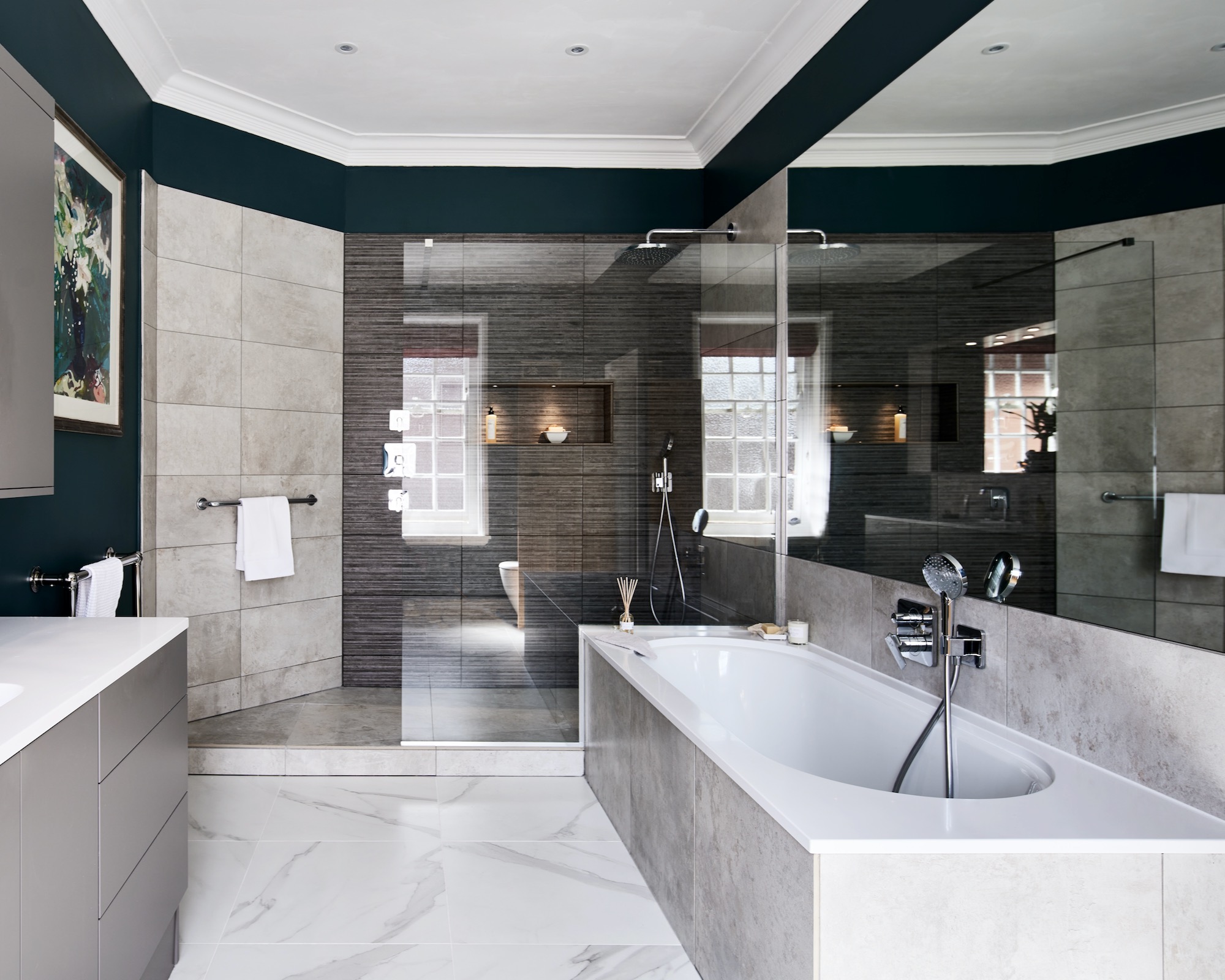
  • Bathroom Tiling Materials List: Complete Shopping List for a Kenyan Bathroom

    Bathroom Tiling Materials List: Complete Shopping List for a Kenyan Bathroom

    A complete bathroom tiling materials list should include much more than the tiles themselves. When tiling a bathroom from bare walls, the project may require floor tiles, wall tiles, tile adhesive, grout, spacers, trims, waterproofing materials, surface preparation products, sealants and the tools needed to cut and install the tiles correctly.

    Starting from bare walls is also an opportunity to prepare the room properly before covering the surfaces. Plumbing positions, wall flatness, waterproofing, floor falls and tile layout should be considered before the first tile is fixed.

    For a typical Kenyan bathroom, the bathroom tiling materials list should therefore be prepared from actual room measurements rather than by purchasing a standard number of boxes.

    This guide explains how to calculate the quantities, what each material does, how to avoid common shortages and how to build a practical tiling shopping list before work begins.

    Bathroom Tiling Materials List: What Do You Need?

    A complete bathroom tiling materials list includes tiles, adhesive, grout, spacers, trims, waterproofing and surface-preparation products, plus the tools required for installation. The exact quantities depend on bathroom dimensions, tile size, layout and wall coverage.

    A typical shopping list can include:

    • Floor tiles.
    • Wall tiles.
    • Tile adhesive.
    • Grout.
    • Tile spacers.
    • Tile trims.
    • Waterproofing membrane or system where specified.
    • Waterproofing accessories.
    • Surface levelling materials.
    • Screed or repair materials.
    • Silicone sealant.
    • Primer where required.
    • Tile-cutting equipment.
    • Notched trowel.
    • Rubber grout float.
    • Spirit level.
    • Measuring tape.
    • Buckets.
    • Sponges.
    • Cleaning materials.

    The tiles themselves are only one part of the installation.

    Bathroom Tiling Materials List: Start With Measurements

    The first step in preparing a bathroom tiling materials list is measuring every surface that will receive tiles. Calculate the floor, each wall and any special areas separately before adding the quantities together.

    For a rectangular bathroom floor:

    Floor area = length × width

    For example:

    2 m × 2.5 m = 5 m²

    The floor therefore requires approximately 5 m² of tile coverage before allowing for cuts and wastage.

    For walls:

    Wall area = wall length × wall height

    Measure all four walls individually.

    Then subtract significant openings such as:

    • Doors.
    • Windows.
    • Large permanent openings.

    Do not rely solely on the floor area when estimating wall tiles.

    A small bathroom can require a surprisingly large quantity of wall tiles if the walls are tiled from floor to ceiling.

    Bathroom Tiling Materials List: Worked Bathroom Example

    A worked example makes the shopping list easier to understand. Consider a 2 m × 2.5 m bathroom with 2.4 m high walls and full-height wall tiling.

    Floor

    Length:

    2 m

    Width:

    2.5 m

    Floor area:

    2 × 2.5 = 5 m²

    Walls

    Bathroom perimeter:

    2 + 2.5 + 2 + 2.5 = 9 m

    Wall height:

    2.4 m

    Total wall area:

    9 × 2.4 = 21.6 m²

    Assume the door opening is approximately 2 m².

    Net wall area:

    21.6 − 2 = 19.6 m²

    Total tiled area

    Floor:

    5 m²

    Walls:

    19.6 m²

    Total:

    24.6 m²

    Now add a waste allowance.

    At 10%:

    24.6 × 1.10 = 27.06 m²

    A practical starting point would therefore be approximately:

    27–28 m² of tiles

    This is an example only. Actual quantities should be based on the final room dimensions and tile layout.

    Bathroom Tiling Materials List: How Much Tile Should You Buy?

    Tile quantities should include an allowance for cutting, breakage and layout waste. A common preliminary allowance is around 5–15%, although the appropriate figure depends on the room and tile pattern.

    A simple rectangular bathroom with a straightforward layout may have relatively low waste.

    More complicated installations can require more.

    Waste can increase because of:

    • Corners.
    • Niches.
    • Pipe penetrations.
    • Diagonal layouts.
    • Pattern matching.
    • Small cut pieces.
    • Irregular walls.

    For example, if the calculated tile area is:

    25 m²

    With 10% allowance:

    25 × 1.10 = 27.5 m²

    You would plan for approximately:

    28 m²

    When ordering, round according to the supplier’s box coverage.

    Bathroom Tiling Materials List: Floor Tiles

    Floor tiles should be selected for the bathroom environment, particularly where water and bare feet create slip risks. The product should be appropriate for floor use and installed on a properly prepared surface.

    When selecting bathroom floor tiles, consider:

    • Slip resistance.
    • Water exposure.
    • Tile strength.
    • Surface texture.
    • Cleaning requirements.
    • Size.
    • Appearance.

    Avoid selecting a floor tile based only on colour.

    A highly polished surface may not be the most appropriate choice for a frequently wet bathroom floor.

    Bathroom Tiling Materials List: Wall Tiles

    Wall tiles provide a practical and decorative surface that is easier to clean than many unfinished wall materials. Their quantity depends primarily on the wall area and the height to which the bathroom will be tiled.

    Wall tiles can be installed:

    • Around the entire bathroom.
    • Around the shower area only.
    • To a partial height.
    • Full height.
    • As a feature wall.

    Full-height tiling generally requires substantially more material.

    If the budget is limited, homeowners can use a more economical wall tile and reserve decorative tiles for selected areas.

    Bathroom Tiling Materials List: Ceramic or Porcelain?

    Ceramic and porcelain tiles can both be suitable for bathroom applications, but the appropriate choice depends on the specific product and intended location. Floor and wall suitability should be confirmed before purchase.

    Ceramic tiles

    Often available in many:

    • Colours.
    • Patterns.
    • Sizes.
    • Finishes.

    They can be a practical option for many bathroom walls and selected floor applications.

    Porcelain tiles

    Generally denser and commonly selected for:

    • Bathroom floors.
    • High-traffic areas.
    • Modern large-format installations.

    The correct choice depends on the manufacturer’s specifications.

    Bathroom Tiling Materials List: Tile Size

    Tile dimensions affect the number of pieces required, cutting requirements, grout consumption and the visual appearance of the bathroom.

    For example, a:

    300 × 300 mm tile

    covers:

    0.3 × 0.3 = 0.09 m²

    Therefore:

    1 ÷ 0.09 = 11.11 tiles per m²

    before accounting for cuts and waste.

    A:

    600 × 600 mm tile

    covers:

    0.6 × 0.6 = 0.36 m²

    Therefore:

    1 ÷ 0.36 = 2.78 tiles per m²

    Always purchase according to the square-metre coverage stated on the packaging rather than relying only on the number of individual pieces.

    Bathroom Tiling Materials List: Tile Adhesive

    Tile adhesive bonds the tiles to the prepared substrate and should be selected according to the tile type, substrate and bathroom application. The required quantity depends on the manufacturer’s coverage and installation method.

    Adhesive consumption is influenced by:

    • Tile size.
    • Trowel size.
    • Substrate flatness.
    • Tile backs.
    • Application technique.
    • Adhesive type.

    A smooth, properly prepared surface can allow more predictable adhesive consumption.

    An uneven wall can require significantly more material.

    When preparing your bathroom tiling materials list, always check the adhesive manufacturer’s stated coverage rather than estimating the number of bags from floor area alone.

    You can explore our range of tile and construction adhesives when preparing your shopping list.

    Bathroom Tiling Materials List: How Many Bags of Adhesive?

    The number of adhesive bags required depends on the product’s coverage per bag and the total tiled area. Calculate the quantity using the manufacturer’s coverage rather than applying one universal consumption rate.

    For example, suppose an adhesive product covers approximately:

    4 m² per bag

    And the total tiled area is:

    27 m²

    Then:

    27 ÷ 4 = 6.75 bags

    You would need to purchase enough complete bags to cover the area, meaning approximately:

    7 bags

    The actual coverage may differ significantly between products and installation conditions.

    Always read the product packaging.

    Bathroom Tiling Materials List: Grout

    Grout fills the joints between tiles and provides the finished appearance of the tiled surface. Grout consumption depends on tile dimensions, thickness, joint width and total tiled area.

    Grout requirements increase with:

    • Smaller tiles.
    • Wider joints.
    • Thicker tiles.
    • Larger tiled areas.

    For example, mosaic tiles can consume substantially more grout than large-format tiles because they have many more joints.

    The selected grout should be appropriate for the bathroom environment.

    Bathroom Tiling Materials List: Choosing Grout Colour

    Grout colour affects both appearance and maintenance. Light grout can create a clean appearance but may show dirt more readily, while darker grout can be more forgiving in high-use areas.

    Common choices include:

    • White.
    • Grey.
    • Dark grey.
    • Beige.
    • Contrasting colours.

    The choice should complement the tile.

    For example:

    A light grey grout can create a softer transition between grey and white tiles.

    A contrasting grout can make the individual tile shapes more visible.

    Bathroom Tiling Materials List: Tile Spacers

    Tile spacers help create consistent joints between tiles and make it easier to maintain an even installation pattern. The appropriate spacer size depends on the tile and desired joint width.

    Common spacer sizes include:

    • 2 mm.
    • 3 mm.
    • 4 mm.
    • 5 mm.

    The correct size should consider:

    • Tile dimensions.
    • Tile type.
    • Edge finish.
    • Manufacturer recommendations.
    • Desired appearance.

    Spacers are inexpensive, but running out during installation can cause delays.

    Include them in every bathroom tiling materials list.

    Bathroom Tiling Materials List: Tile Trims

    Tile trims provide a clean finish at exposed tile edges and protect vulnerable tile corners. They are particularly useful around external corners, exposed wall ends and transitions.

    Trims can be made from:

    • PVC.
    • Aluminium.
    • Stainless steel.

    Measure trims in linear metres.

    For example, if an exposed tile edge measures:

    2.4 m

    and another edge measures:

    1.2 m

    total trim requirement is:

    3.6 m

    Allow for the available standard trim lengths and cutting.

    Bathroom Tiling Materials List: Waterproofing

    A bathroom should be treated as a wet-area system rather than assuming that tiles and grout alone provide complete waterproofing. Appropriate waterproofing should be considered for shower areas, floors, junctions and penetrations.

    Waterproofing materials may include:

    • Waterproofing membrane.
    • Waterproofing liquid system.
    • Reinforcing tape.
    • Corner treatment.
    • Pipe penetration seals.
    • Compatible primer.

    The exact system depends on the product and construction method.

    Pay particular attention to:

    • Shower corners.
    • Floor-to-wall junctions.
    • Pipe outlets.
    • Drain areas.
    • Wall penetrations.

    Bathroom Tiling Materials List: Waterproofing Around the Shower

    The shower area deserves particular attention because it receives repeated direct water exposure. Waterproofing should be installed according to the manufacturer’s system before tiles are applied.

    A typical system may involve:

    1. Prepare the substrate.
    2. Repair cracks and defects.
    3. Apply compatible primer where required.
    4. Treat corners and joints.
    5. Apply waterproofing.
    6. Treat pipe penetrations.
    7. Allow the system to cure.
    8. Install tile adhesive.
    9. Fix tiles.

    Do not rush the curing stage.

    Covering waterproofing before it has reached the required condition can compromise the system.

    Bathroom Tiling Materials List: Silicone Sealant

    Flexible sanitary-grade sealant is useful at movement joints and transitions where rigid grout may crack. It should be used according to the manufacturer’s recommendations.

    Common locations include:

    • Wall-to-floor junctions.
    • Internal corners.
    • Around sanitary fixtures.
    • Around bath edges.
    • Around shower frames.

    The exact locations depend on the bathroom design and construction system.

    Sealant should be compatible with the surrounding materials.

    Bathroom Tiling Materials List: Surface Preparation Materials

    Bare walls often require preparation before tiling. The substrate should be clean, sound, sufficiently flat and suitable for the selected tile adhesive.

    Preparation materials may include:

    • Repair mortar.
    • Screed.
    • Levelling compound.
    • Primer.
    • Cement-based repair material.
    • Waterproofing products.

    The exact products depend on the condition of the walls and floor.

    Do not attempt to correct major unevenness simply by applying excessive tile adhesive.

    Bathroom Tiling Materials List: Floor Screed

    A bathroom floor may require a properly formed screed or other suitable substrate to create a stable, level surface with the correct drainage falls.

    A bathroom floor should generally be designed so water moves towards the intended drain rather than collecting in low spots.

    Before tiling, confirm:

    • Floor levels.
    • Drain position.
    • Falls.
    • Surface strength.
    • Surface cleanliness.

    The final tile installation should follow the prepared floor rather than being used to create major structural corrections.

    Bathroom Tiling Materials List: Tile Cutting Tools

    Accurate tile cutting is essential for corners, doorways, pipe penetrations and fixture locations. The appropriate cutting tool depends on tile type, thickness and the required finish.

    Common tools include:

    • Manual tile cutter.
    • Tile nippers.
    • Diamond cutting blade.
    • Angle grinder.
    • Diamond hole saws.
    • Tile drilling accessories.

    For porcelain or large-format tiles, appropriate diamond tooling can make a significant difference.

    Bathroom Tiling Materials List: Tile Cutter

    A manual tile cutter can be useful for straight cuts, particularly on suitable ceramic and porcelain tiles. The cutter should be appropriate for the tile dimensions and material.

    Before purchasing or hiring a cutter, check:

    • Maximum tile length.
    • Maximum thickness.
    • Cutting capacity.
    • Tile type compatibility.

    For irregular cuts, additional tools may be necessary.

    Bathroom Tiling Materials List: Drill Bits and Hole Saws

    Bathrooms contain numerous pipes and fittings, making accurate holes essential. Appropriate diamond or tile-cutting accessories can help create clean penetrations without unnecessarily damaging the tile.

    Holes may be required for:

    • Shower pipes.
    • Basin plumbing.
    • Toilet connections.
    • Mixer outlets.
    • Accessories.

    Mark the centre carefully before drilling.

    You can browse suitable drill bits and drilling accessories as part of your preparation.

    Bathroom Tiling Materials List: Measuring and Layout Tools

    Accurate setting out helps prevent narrow, unattractive cuts and keeps tile joints aligned throughout the room. Measurement and layout tools should therefore be included in the installation plan.

    Useful tools include:

    • Tape measure.
    • Spirit level.
    • Laser level.
    • Straight edge.
    • Pencil or marker.
    • Chalk line.
    • Square.
    • Tile spacers.

    Before applying adhesive, establish:

    • Starting point.
    • Tile centreline.
    • Joint alignment.
    • Door cuts.
    • Fixture positions.
    • Feature areas.

    Bathroom Tiling Materials List: Grouting Tools

    Proper grouting requires simple but important tools that help force grout into the joints and remove excess material without damaging the tile surface.

    Useful items include:

    • Rubber grout float.
    • Mixing bucket.
    • Mixing paddle.
    • Sponge.
    • Clean water.
    • Cleaning cloths.

    Do not allow grout residue to remain on the tile surface until it becomes difficult to remove.

    Bathroom Tiling Materials List: Adhesive Mixing Tools

    Many cement-based tile adhesives require controlled mixing with clean water to achieve the manufacturer’s specified consistency.

    You may require:

    • Clean bucket.
    • Measuring container.
    • Mixing paddle.
    • Electric drill with appropriate mixing attachment.

    Follow the manufacturer’s:

    • Water ratio.
    • Mixing time.
    • Resting time.
    • Pot life.
    • Application instructions.

    Adding excessive water can affect adhesive performance.

    Bathroom Tiling Materials List: Notched Trowel

    A notched trowel helps distribute tile adhesive at a consistent thickness and improves coverage when used correctly. The appropriate notch size depends on the tile and adhesive system.

    Different tiles may require different trowel sizes.

    Large-format tiles may require additional attention to adhesive coverage.

    The goal is to achieve adequate contact between the tile and substrate without creating unnecessary voids.

    Bathroom Tiling Materials List: Cleaning Materials

    Cleaning should happen throughout installation rather than being left entirely until the end. Removing adhesive and grout residue while it is still workable makes final cleaning easier.

    Include:

    • Clean sponges.
    • Buckets.
    • Microfibre cloths.
    • Clean water.
    • Non-abrasive cleaning products where appropriate.

    Avoid aggressive cleaning products that could damage tile finishes or grout.

    Bathroom Tiling Materials List: Full Example Shopping List

    For the sample 2 m × 2.5 m bathroom with full-height wall tiles, the following provides a practical starting checklist. Actual quantities should be adjusted after the final measurements and tile selection.

    Material Approximate Planning Basis
    Floor tiles 5 m² + wastage
    Wall tiles 19.6 m² + wastage
    Total tiles Approximately 27–28 m²
    Tile adhesive Based on manufacturer coverage
    Grout Based on tile size and joint width
    Tile spacers Based on layout
    Tile trims Measured by exposed edge
    Waterproofing Measured wet-area surface
    Sealant Based on joints and fixtures
    Primer Based on substrate/product requirements
    Surface repair material Based on wall/floor condition
    Tile cutter 1 suitable unit
    Notched trowel 1 suitable size
    Grout float 1
    Spirit level 1
    Measuring tape 1
    Sponge Several
    Mixing bucket 1 or more
    Drill/diamond accessories As required

    This provides a useful tiling shopping list Kenya homeowners can take to a supplier or contractor.

    Bathroom Tiling Materials List: What Should You Buy First?

    Buy structural preparation materials and confirm the tile selection before purchasing installation quantities. This prevents buying adhesive, grout or trims that are incompatible with the final tile specification.

    A sensible sequence is:

    First

    Confirm:

    • Bathroom dimensions.
    • Drain locations.
    • Plumbing positions.
    • Wall condition.
    • Floor condition.
    • Waterproofing requirements.

    Second

    Select:

    • Floor tiles.
    • Wall tiles.
    • Tile layout.
    • Grout colour.
    • Trim finish.

    Third

    Calculate:

    • Tile quantities.
    • Adhesive.
    • Grout.
    • Spacers.
    • Trims.
    • Waterproofing.

    Finally

    Purchase:

    • Tools.
    • Cleaning products.
    • Installation accessories.

    Bathroom Tiling Materials List: Buying Tiles by Box

    Tiles are commonly sold by box, so the calculated square-metre requirement must be converted into complete boxes. Always check the coverage printed on the packaging.

    For example:

    Required:

    27 m²

    Suppose one box covers:

    1.44 m²

    Then:

    27 ÷ 1.44 = 18.75 boxes

    You cannot purchase 18.75 boxes.

    Therefore, you would need:

    19 boxes

    However, the final quantity should also consider the selected layout and whether spare tiles are required.

    Bathroom Tiling Materials List: Keep Spare Tiles

    Keeping a small quantity of spare tiles is useful because individual tiles can be damaged years after installation, while matching an old colour or design later may be difficult.

    Store spare tiles:

    • In a dry location.
    • Away from direct damage.
    • With the original product information.
    • With the batch or shade details.

    This is particularly useful for decorative tiles that may be discontinued.

    Bathroom Tiling Materials List: Common Shopping Mistakes

    The most common tiling-shopping mistakes involve underestimating tile quantities, forgetting installation materials or purchasing products that are unsuitable for the selected tile and application.

    Avoid:

    Buying only the tiles

    You also need adhesive and grout.

    Forgetting waste

    Cutting is unavoidable.

    Ignoring waterproofing

    Wet areas need appropriate protection.

    Buying adhesive too early

    The required adhesive depends partly on the tile and substrate.

    Forgetting trims

    Exposed edges need finishing.

    Buying the wrong grout

    Joint size and application matter.

    Ignoring substrate preparation

    Tiles cannot compensate for a structurally poor surface.

    Not checking box coverage

    Different products cover different areas.

    Bathroom Tiling Materials List: Budget Control

    The easiest way to control a bathroom tiling budget is to calculate quantities before visiting the supplier and separate essential installation materials from decorative upgrades.

    Prioritise:

    1. Sound substrate.
    2. Appropriate waterproofing.
    3. Suitable tiles.
    4. Quality adhesive.
    5. Correct grout.
    6. Proper installation.
    7. Appropriate trims and sealants.

    Decorative upgrades can then be added according to the remaining budget.

    For example, instead of using expensive feature tiles across every wall, use them on:

    • One shower wall.
    • A basin feature wall.
    • A niche.
    • A decorative strip.

    This can create a premium appearance while controlling the total bathroom tiling materials list cost.

    Bathroom Tiling Materials List: Maintenance Materials

    The shopping list should also consider the products needed to keep the finished bathroom clean and functional after installation.

    Depending on the materials used, maintenance may include:

    • Suitable tile cleaner.
    • Grout-cleaning products.
    • Silicone sealant for future maintenance.
    • Replacement grout.
    • Spare tiles.

    You can also browse cleaning items for ongoing household and project maintenance.

    Bathroom Tiling Materials List: When to Call a Professional

    Professional assistance is recommended where the bathroom involves complex waterproofing, major substrate problems, large-format tiles, difficult layouts or significant plumbing changes.

    Consider professional installation when:

    • Walls are substantially uneven.
    • The floor requires major levelling.
    • Waterproofing is extensive.
    • Large-format tiles are being installed.
    • The design contains complicated patterns.
    • Numerous pipe penetrations are involved.
    • The bathroom is being completely renovated.

    DIY tiling can be successful on straightforward projects, but waterproofing and substrate preparation deserve particular care.

    Bathroom Tiling Materials List: Final Pre-Installation Checklist

    Before the first tile is fixed, confirm the room dimensions, tile quantities, substrate condition, waterproofing, adhesive, grout, trims and layout. This final check can prevent costly delays once installation has started.

    Use this checklist:

    • Bathroom measured.
    • Floor area calculated.
    • Wall areas calculated.
    • Door/window areas accounted for.
    • Tile layout selected.
    • Floor tiles selected.
    • Wall tiles selected.
    • Waste allowance added.
    • Box coverage confirmed.
    • Adhesive selected.
    • Adhesive quantity calculated.
    • Grout selected.
    • Grout quantity calculated.
    • Spacers selected.
    • Trims measured.
    • Waterproofing selected.
    • Sealant purchased.
    • Surface preparation completed.
    • Tile cutter available.
    • Notched trowel available.
    • Grout float available.
    • Spirit level available.
    • Cleaning materials available.
    • Spare tiles planned.

    Bathroom Tiling Materials List: Final Takeaway

    A reliable bathroom tiling materials list should account for every stage from bare walls to the finished bathroom. The basic shopping list includes tiles, adhesive, grout, spacers, trims, waterproofing, sealant, preparation materials and installation tools.

    For the example bathroom used in this guide, measuring the floor and full-height walls produced approximately 24.6 m² of net tiled area. After a 10% allowance, the preliminary tile requirement becomes approximately 27 m².

    The same process should be applied to your actual bathroom.

    Start with measurements.

    Calculate each surface separately.

    Add an appropriate wastage allowance.

    Then calculate the supporting materials.

    For adhesive, use the manufacturer’s stated coverage.

    For grout, consider tile size and joint width.

    For trims, measure exposed edges.

    For waterproofing, calculate the actual wet-area coverage.

    For sealant, measure the joints and fixture transitions.

    This approach creates a practical tiling shopping list Kenya homeowners can use when planning a new bathroom or renovation.

    Most importantly, do not treat waterproofing, substrate preparation and installation quality as optional extras. A beautiful tile can still fail if it is installed over an unsuitable surface or if moisture protection has not been properly addressed.

    Once the installation is complete, keep several spare tiles and the original product information. This small step can make future repairs much easier.

    For homeowners around Ngong, Karen, Matasia and Kiserian, planning the complete material list before shopping can also make it easier to coordinate tiles with plumbing, sanitary ware, adhesives and other construction requirements.

    If you are preparing a bathroom tiling materials list, measure first, calculate carefully and purchase according to the actual installation system rather than guessing quantities.

    Your One-Stop Hardware Partner in Ngong

    Imagine completing your project with the right tools, the best materials, and expert advice. At Ngong Hills Merchants, we turn your DIY or construction vision into reality with a complete selection of plumbing, electrical, glass, and sanitary ware.

    Contact our team for a consultation and get the right supplies, right now.

    QUALITY HARDWARE & SUPPLIES IN NGONG ✔ Complete Range of Plumbing & Electrical ✔ Power Tools, Adhesives & Paints ✔ Glass, Framing & Sanitary Ware ✔ Serving Ngong, Karen, Matasia, Kiserian & beyond.

    Request Your Free Consultation: Ngong Hills Merchants
    Email: ngonghillsmerchants [at] gmail.com
    Phone: +254 715974811
    Visit Us: Ngong Township, Ngong, Kenya
    Website: https://ngonghillsmerchants.com/
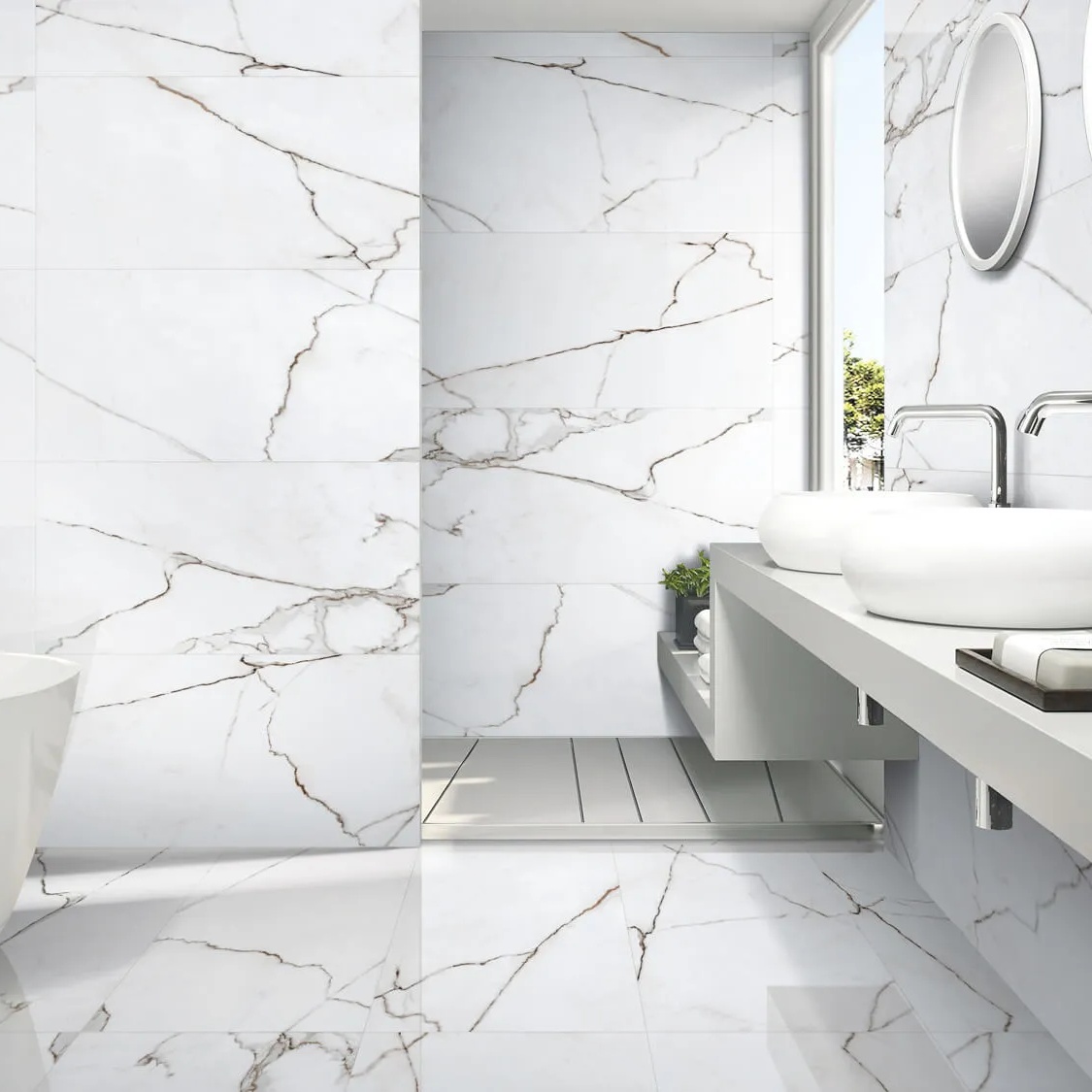
  • Cost of Tiling a Bathroom and Kitchen in Kenya: Complete 2026 Budget Guide

    Cost of Tiling a Bathroom and Kitchen in Kenya: Complete 2026 Budget Guide

    The cost of tiling bathroom Kenya homeowners should budget for depends on the size of the room, tile type, tile size, surface condition, installation pattern, adhesive, grout, trims and labour. A small bathroom can require relatively few tiles, but bathroom walls can significantly increase the total tiled area.

    The same applies to kitchens. A kitchen floor may be modest in size, while the backsplash can add another tiled surface. Premium tiles, complicated patterns and extensive wall tiling can increase the final bill.

    When preparing the cost of tiling bathroom Kenya, it is therefore important to calculate the actual area first and then add tiles, wastage, adhesive, grout, spacers, trims and installation labour.

    This guide provides a practical way to estimate the cost of tiling bathroom Kenya projects and compare the cost of different tile specifications without relying on a single price per square metre.

    The examples are for budgeting purposes. Actual prices vary by supplier, brand, tile quality, location, quantity and market conditions.

    Cost of Tiling Bathroom Kenya: What Determines the Final Price?

    The cost of tiling bathroom Kenya projects depends on tiled surface area, tile price, wastage, adhesive, grout, trims, surface preparation and labour. The number of bathrooms alone cannot determine the final budget.

    Several factors influence the final amount:

    • Bathroom floor area.
    • Bathroom wall area.
    • Kitchen floor area.
    • Kitchen backsplash area.
    • Tile type.
    • Tile size.
    • Tile thickness.
    • Tile finish.
    • Tile pattern.
    • Surface condition.
    • Adhesive specification.
    • Grout type.
    • Trims.
    • Labour rates.
    • Transportation.

    A 4 m² bathroom with full-height wall tiles can require considerably more tiles than a 6 m² bathroom with tiled floors and only partial wall coverage.

    This is why the cost of tiling bathroom Kenya should always begin with measurements.

    Cost of Tiling Bathroom Kenya: How to Calculate Tile Area

    The first step in calculating the cost of tiling bathroom Kenya is determining the total area to be tiled. Measure floors separately from walls and calculate each surface before adding them together.

    For a rectangular floor:

    Area = Length × Width

    For example:

    2 m × 2.5 m = 5 m²

    If the bathroom floor is 5 m², you need approximately 5 m² of finished tile coverage before adding waste.

    For a wall:

    Area = Wall Length × Wall Height

    Suppose one wall is:

    2.5 m × 2.4 m

    The area is:

    6 m²

    If four walls were all the same dimensions, you could calculate each separately and then subtract doors and windows.

    For an accurate cost of tiling bathroom Kenya, remember to deduct significant openings such as:

    • Doors.
    • Windows.
    • Large service openings.

    Small openings may not always justify a detailed deduction because cutting and waste still have to be considered.

    Cost of Tiling Bathroom Kenya: Example Bathroom Calculation

    A worked example makes it easier to understand how the cost of tiling bathroom Kenya is calculated before purchasing materials.

    Assume a bathroom measures:

    2 m × 2.5 m

    Floor area:

    2 × 2.5 = 5 m²

    Assume the walls are 2.4 m high.

    Perimeter:

    2 + 2.5 + 2 + 2.5 = 9 m

    Total wall area:

    9 × 2.4 = 21.6 m²

    Suppose a standard door opening is approximately 2 m².

    Approximate net wall area:

    21.6 − 2 = 19.6 m²

    Total floor and wall tile area:

    5 + 19.6 = 24.6 m²

    If you allow approximately 10% for cutting and wastage:

    24.6 × 1.10 = 27.06 m²

    You would therefore plan for approximately:

    27–28 m² of tile

    This is much more useful than simply saying, “I need tiles for one bathroom.”

    Cost of Tiling Bathroom Kenya: Floor Tiles Versus Wall Tiles

    Floor and wall tiles should not automatically be treated as interchangeable because they can have different performance requirements, textures and intended applications.

    Bathroom floors require appropriate slip resistance because water creates a higher risk of slipping.

    Wall tiles can prioritise:

    • Appearance.
    • Easy cleaning.
    • Water resistance.
    • Size.
    • Decorative effect.

    Floor tiles may need:

    • Suitable slip resistance.
    • Adequate strength.
    • Appropriate surface texture.
    • Compatibility with the room’s use.

    When calculating the cost of tiling bathroom Kenya, select tiles according to where they will be installed rather than choosing purely on appearance.

    Cost of Tiling Bathroom Kenya: Tile Prices

    Tile prices vary considerably according to material, size, finish, design, brand and quality. The cheapest tile is not necessarily the best value for every application.

    Common tile categories include:

    • Ceramic tiles.
    • Porcelain tiles.
    • Homogeneous tiles.
    • Decorative tiles.
    • Mosaic tiles.
    • Textured tiles.
    • Large-format tiles.

    The price per square metre can differ significantly between these categories.

    A homeowner should therefore create a tile budget based on the actual product selected.

    When comparing the cost of tiling bathroom Kenya, ask suppliers for the price per square metre and confirm how many pieces are included in each box.

    Cost of Tiling Bathroom Kenya: Ceramic Tiles

    Ceramic tiles can provide an economical option for many residential wall and floor applications, depending on the product specification and intended use.

    Potential advantages include:

    • Wide variety of designs.
    • Many sizes.
    • Many colours.
    • Easy cleaning.
    • Broad availability.

    However, suitability depends on the exact product.

    Always check the manufacturer’s recommendations for:

    • Floor use.
    • Wall use.
    • Wet areas.
    • Indoor applications.
    • Slip resistance.

    Ceramic tiles can therefore form part of a practical cost of tiling bathroom Kenya budget when appropriately specified.

    Cost of Tiling Bathroom Kenya: Porcelain Tiles

    Porcelain tiles are generally denser and can provide a durable option for floors and other applications when correctly specified and installed. Their price can be higher than standard ceramic tiles.

    Porcelain is commonly selected for:

    • Bathroom floors.
    • Kitchen floors.
    • Living areas.
    • High-traffic spaces.

    The additional purchase price can make the initial cost of tiling bathroom Kenya higher, but the decision should be based on the intended application and required performance.

    Cost of Tiling Bathroom Kenya: Tile Size

    Tile size affects material coverage, cutting, installation time and the appearance of the finished room. Larger tiles can create fewer grout lines but require careful installation and a suitable substrate.

    Common residential tile sizes include:

    • 300 × 300 mm.
    • 300 × 600 mm.
    • 400 × 400 mm.
    • 600 × 600 mm.
    • Larger formats.

    For example, a 600 × 600 mm tile covers:

    0.6 × 0.6 = 0.36 m²

    Therefore, approximately:

    1 ÷ 0.36 = 2.78 tiles

    are needed for one square metre before considering cuts and waste.

    The box quantity should always be checked.

    When calculating the cost of tiling bathroom Kenya, calculate coverage from the actual packaging information rather than assuming every box covers the same area.

    Cost of Tiling Bathroom Kenya: Tile Wastage

    A tile budget should include an allowance for cutting and breakage. The appropriate allowance depends on the room shape, tile size, installation pattern and installer experience.

    A simple rectangular room with a straight installation pattern may generate less waste.

    A complicated layout can generate more because of:

    • Diagonal cuts.
    • Pattern matching.
    • Small corners.
    • Pipe penetrations.
    • Niches.
    • Multiple room angles.

    For preliminary budgeting, a homeowner may consider an allowance around 5–15%, depending on the project.

    For a simple 20 m² installation with 10% allowance:

    20 × 1.10 = 22 m²

    For a complicated installation with higher cutting requirements, a larger allowance may be appropriate.

    This can make a noticeable difference to the cost of tiling bathroom Kenya.

    Cost of Tiling Bathroom Kenya: Adhesive

    Tile adhesive is an essential part of the installation system, and the required quantity depends on tile size, substrate condition, adhesive type and application method.

    Adhesive is affected by:

    • Trowel size.
    • Tile dimensions.
    • Substrate flatness.
    • Tile backs.
    • Adhesive type.
    • Application technique.

    Large-format tiles can require more controlled adhesive application.

    Uneven walls or floors can also increase adhesive consumption.

    Avoid treating adhesive as a minor afterthought when calculating the cost of tiling bathroom Kenya.

    You can explore our adhesive range when planning your tile installation.

    Cost of Tiling Bathroom Kenya: Grout

    Grout fills the joints between tiles and contributes to the appearance and performance of the finished surface. The quantity required depends on tile size, joint width, tile thickness and total tiled area.

    Grout consumption increases when:

    • Tiles are smaller.
    • Joints are wider.
    • Tiles are thicker.
    • The tiled area is large.

    Large-format tiles with narrow joints may use less grout than small-format tiles with wider joints.

    The selected grout should also be appropriate for the application.

    Wet areas require careful consideration of:

    • Water exposure.
    • Cleaning.
    • Joint performance.
    • Manufacturer instructions.

    Cost of Tiling Bathroom Kenya: Spacers

    Tile spacers help maintain consistent grout joints and make it easier to achieve an even installation. They are inexpensive compared with tiles and labour but should still be included in the material list.

    Common spacer sizes include:

    • 2 mm.
    • 3 mm.
    • 4 mm.
    • 5 mm.
    • Larger sizes.

    The appropriate joint width depends on:

    • Tile type.
    • Tile dimensions.
    • Manufacturer recommendations.
    • Desired appearance.
    • Installation requirements.

    Spacers are a small part of the overall cost of tiling bathroom Kenya, but using the right joint size contributes to a better finished result.

    Cost of Tiling Bathroom Kenya: Tile Trims

    Tile trims provide a neat finish at exposed tile edges, corners and transitions. They can improve appearance while protecting vulnerable tile edges.

    Trims may be needed around:

    • External corners.
    • Wall ends.
    • Shower edges.
    • Window reveals.
    • Floor transitions.

    Common materials include:

    • PVC.
    • Aluminium.
    • Stainless steel.

    The number of trims required should be measured from the room design.

    Do not assume that every tiled bathroom requires the same trim quantity.

    Cost of Tiling Bathroom Kenya: Waterproofing

    Waterproofing is an important consideration in wet areas because tile and grout alone should not be treated as a complete waterproofing system. The substrate and waterproofing design should be suitable for the application.

    Areas that may require particular attention include:

    • Shower floors.
    • Shower walls.
    • Bathroom floors.
    • Junctions.
    • Pipe penetrations.
    • Floor-to-wall transitions.

    A waterproofing failure can be considerably more expensive to repair than the initial waterproofing installation.

    Therefore, a sensible cost of tiling bathroom Kenya should consider the complete wet-area system rather than focusing exclusively on tile prices.

    Cost of Tiling Bathroom Kenya: Kitchen Floor

    Kitchen floor tiling is usually calculated from the floor dimensions, followed by allowances for wastage, adhesive and grout. The final budget depends heavily on the selected tile specification.

    For example, a kitchen measuring:

    3 m × 4 m

    has a floor area of:

    12 m²

    With 10% waste:

    12 × 1.10 = 13.2 m²

    A homeowner would therefore generally plan around:

    13–14 m²

    before confirming actual tile-pack quantities.

    This calculation gives a starting point for the kitchen portion of the cost of tiling bathroom Kenya project.

    Cost of Tiling Bathroom Kenya: Kitchen Backsplash

    Kitchen backsplash tiling is often smaller in area than the floor but can use decorative or premium tiles that have a higher price per square metre.

    Suppose a backsplash is:

    4 m long × 0.6 m high

    Area:

    4 × 0.6 = 2.4 m²

    With 10% allowance:

    2.4 × 1.10 = 2.64 m²

    The actual requirement would therefore be approximately:

    2.7 m²

    However, if the backsplash includes sockets, corners, windows or complicated cuts, the waste allowance may need to be adjusted.

    This is why the kitchen should be measured separately when preparing the cost of tiling bathroom Kenya.

    Cost of Tiling Bathroom Kenya: Bathroom Wall Height

    The height to which bathroom walls are tiled has a major effect on material quantities. Full-height tiling can require several times more wall tile than partial-height tiling.

    For example, a bathroom may have:

    Option 1: Floor only

    5 m² of tiles.

    Option 2: Floor plus 1.2 m wall height

    A significantly larger tiled area.

    Option 3: Floor plus 2.4 m full-height walls

    Potentially more than 20 m² of additional wall tile depending on room dimensions.

    Consequently, the cost of tiling bathroom Kenya can change substantially simply because of the chosen wall-tile height.

    Cost of Tiling Bathroom Kenya: Labour

    Tile installation labour depends on area, tile size, surface condition, layout complexity and the number of cuts required. Labour should be quoted separately from material costs when comparing installers.

    Labour can include:

    • Surface preparation.
    • Setting out.
    • Cutting.
    • Adhesive application.
    • Tile installation.
    • Grouting.
    • Silicone or sealant work.
    • Cleaning.
    • Final finishing.

    Small bathrooms can sometimes have a relatively high labour cost per square metre because there are many corners, fixtures and cuts.

    A large open floor can be faster to tile per square metre.

    Therefore, comparing labour rates without considering the installation conditions can produce misleading results.

    Cost of Tiling Bathroom Kenya: Surface Preparation

    A level, clean and properly prepared substrate makes tile installation easier and can reduce problems such as lippage, cracked tiles and adhesive failure. Surface preparation should therefore be included in the tiling budget.

    Preparation can include:

    • Cleaning.
    • Levelling.
    • Screeding.
    • Repairing cracks.
    • Removing loose material.
    • Waterproofing.
    • Priming where required.

    An uneven floor may require additional work before tiles can be installed.

    This additional preparation can increase the cost of tiling bathroom Kenya, but skipping it can create much more expensive problems later.

    Cost of Tiling Bathroom Kenya: Bathroom Fixtures

    Bathroom fixtures affect the amount of cutting and installation work required because tiles must be fitted around toilets, basins, showers, floor drains and pipe penetrations.

    Before tiling begins, coordinate:

    • Plumbing outlets.
    • Floor drains.
    • Shower mixers.
    • Toilet positions.
    • Basin positions.
    • Shower screens.
    • Wall niches.

    Poor coordination can result in unnecessary tile cutting.

    It can also lead to visible gaps around fixtures.

    A good installation therefore involves both the tiler and plumber working from the same layout.

    Cost of Tiling Bathroom Kenya: Kitchen Fixtures

    Kitchen tiling should be coordinated with cabinets, worktops, sinks, electrical sockets and appliances to avoid unnecessary cutting and rework.

    Before installing kitchen tiles, confirm:

    • Cabinet heights.
    • Worktop height.
    • Backsplash height.
    • Sink position.
    • Cooker position.
    • Electrical outlets.
    • Window locations.

    This makes it easier to calculate the actual cost of tiling bathroom Kenya project because the kitchen tile area can be measured accurately.

    Cost of Tiling Bathroom Kenya: Example Material Budget

    A useful tile budget should separate the cost of tiles from installation materials and labour. The following example demonstrates the structure of the calculation rather than providing fixed 2026 retail prices.

    Assume:

    Bathroom floor: 5 m²
    Bathroom walls: 19.6 m²
    Kitchen floor: 12 m²
    Kitchen backsplash: 2.4 m²

    Total net tiled area:

    5 + 19.6 + 12 + 2.4 = 39 m²

    Assume a 10% allowance:

    39 × 1.10 = 42.9 m²

    Round to approximately:

    43 m² of tiles

    The budget can then be divided into:

    Item Quantity Basis
    Floor tiles Measured floor area + waste
    Wall tiles Measured wall area + waste
    Kitchen backsplash Measured backsplash + waste
    Adhesive Manufacturer coverage
    Grout Joint width and tile dimensions
    Spacers Installation layout
    Trims Linear metre measurement
    Waterproofing Wet-area surface
    Labour Installation area and complexity

    Multiply each quantity by the current supplier or contractor price to establish the project total.

    Cost of Tiling Bathroom Kenya: How to Calculate the Total

    The simplest complete formula for the cost of tiling bathroom Kenya is to combine tiles, wastage, adhesive, grout, trims, waterproofing, surface preparation and labour.

    A useful formula is:

    Total tiling cost = tiles + waste allowance + adhesive + grout + spacers + trims + waterproofing + preparation + labour + transport

    For example, if:

    • Tiles = KES X
    • Adhesive = KES Y
    • Grout = KES Z
    • Trims = KES A
    • Waterproofing = KES B
    • Labour = KES C

    Then:

    Total = X + Y + Z + A + B + C

    This structure allows homeowners to update the budget whenever supplier prices change.

    Cost of Tiling Bathroom Kenya: Comparing Tile Budgets

    A useful tile budget should compare complete installation costs rather than only the price of the tile. A cheaper tile can require different installation materials or produce more waste depending on its size and layout.

    Imagine two products:

    Budget Tile

    Lower purchase price.

    Premium Tile

    Higher purchase price.

    But the final installation cost depends on:

    • Waste.
    • Adhesive.
    • Grout.
    • Cutting.
    • Labour.
    • Trims.
    • Surface preparation.

    Therefore, compare:

    Complete installed cost per m²

    rather than:

    Tile price per m²

    This provides a more accurate picture of the cost of tiling bathroom Kenya.

    Cost of Tiling Bathroom Kenya: Large-Format Tiles

    Large-format tiles can create a modern, clean appearance with fewer grout lines, but they require careful handling, accurate substrate preparation and skilled installation.

    Potential benefits include:

    • Fewer grout joints.
    • Contemporary appearance.
    • Visual continuity.
    • Easier cleaning in some applications.

    Potential challenges include:

    • More difficult handling.
    • Higher cutting requirements.
    • Greater sensitivity to substrate unevenness.
    • More specialised installation.

    Therefore, large-format tiles should not be selected purely for appearance without considering installation requirements.

    Cost of Tiling Bathroom Kenya: Mosaic Tiles

    Mosaic tiles can provide attractive shower, feature-wall and backsplash finishes, but they usually involve more grout joints and can have a higher material and installation cost.

    Mosaics are often used for:

    • Shower floors.
    • Feature walls.
    • Niches.
    • Backsplashes.
    • Decorative borders.

    Their small size can make installation more labour-intensive.

    This can increase the cost of tiling bathroom Kenya even where the actual surface area is relatively small.

    Cost of Tiling Bathroom Kenya: Choosing a Practical Budget

    A practical tile budget should balance appearance, durability, installation requirements and maintenance rather than selecting every finish at the highest available specification.

    For budget control, consider:

    Essential spending

    • Suitable floor tiles.
    • Appropriate waterproofing.
    • Quality adhesive.
    • Correct grout.
    • Proper surface preparation.
    • Skilled installation.

    Areas where you can adjust

    • Decorative feature tiles.
    • Premium borders.
    • Special finishes.
    • Extremely complex patterns.
    • Luxury accessories.

    This allows homeowners to maintain essential installation quality while controlling the overall cost of tiling bathroom Kenya.

    Cost of Tiling Bathroom Kenya: How to Reduce Waste

    Accurate measurement and layout planning are among the most effective ways to reduce tile waste. Ordering the correct quantities also helps prevent colour and batch differences caused by buying additional tiles later.

    Before ordering:

    • Measure every surface.
    • Identify tile direction.
    • Plan the starting point.
    • Identify visible cuts.
    • Check tile batch numbers.
    • Confirm box coverage.
    • Add an appropriate waste allowance.

    Keep spare tiles after installation.

    Future repairs may require replacement tiles, and matching an old tile several years later can be difficult.

    Cost of Tiling Bathroom Kenya: Common Budget Mistakes

    Many homeowners underestimate the cost of tiling bathroom Kenya because they calculate only the tiles and forget adhesive, grout, trims, waterproofing, surface preparation and labour.

    Common mistakes include:

    Forgetting wall tiles

    Bathrooms can have substantial wall areas.

    Ignoring waste

    Tiles must be cut around corners and fixtures.

    Buying too little

    A shortage can delay the project.

    Buying too much

    Excess tiles tie up money unnecessarily.

    Using unsuitable adhesive

    Different applications can require different adhesive specifications.

    Ignoring waterproofing

    Wet areas require appropriate preparation.

    Choosing an installer by price alone

    Installation quality affects the final result.

    Cost of Tiling Bathroom Kenya: What to Ask a Tiler

    Before accepting a tiling quotation, homeowners should ask exactly what the labour price includes. This prevents disputes when additional preparation or finishing is required.

    Ask:

    • Is surface preparation included?
    • Is waterproofing included?
    • Is tile cutting included?
    • Is grouting included?
    • Are trims included?
    • Is silicone sealing included?
    • Who supplies adhesive?
    • Who supplies spacers?
    • Is cleaning included?
    • Is transport included?
    • How are damaged tiles handled?

    A clear scope makes the cost of tiling bathroom Kenya easier to control.

    Cost of Tiling Bathroom Kenya: What to Ask a Tile Supplier

    A tile supplier should provide enough product information for the homeowner or contractor to calculate coverage and confirm suitability.

    Ask for:

    • Price per box.
    • Square metres per box.
    • Tile dimensions.
    • Recommended application.
    • Slip-resistance information where relevant.
    • Available colours.
    • Available batches.
    • Manufacturer.
    • Warranty where applicable.

    You should also inspect the actual tile before purchasing a large quantity.

    Cost of Tiling Bathroom Kenya: Maintenance and Long-Term Value

    The cheapest initial tile budget does not always produce the lowest long-term cost. Appropriate tiles, correct installation and proper maintenance can help preserve the appearance and performance of the finished room.

    Good maintenance includes:

    • Regular cleaning.
    • Prompt removal of stains.
    • Keeping grout clean.
    • Checking sealant.
    • Repairing damaged grout.
    • Addressing leaks quickly.

    Bathrooms deserve particular attention because constant moisture can expose weaknesses in installation.

    A leaking shower should be repaired rather than allowed to continue damaging the underlying structure.

    Cost of Tiling Bathroom Kenya: Final Planning Checklist

    Before purchasing tiles, confirm the measured areas, tile specification, waste allowance, adhesive, grout, trims, waterproofing and labour. This checklist helps prevent common budgeting errors.

    Use this checklist:

    • Measure bathroom floor.
    • Measure bathroom walls.
    • Measure kitchen floor.
    • Measure kitchen backsplash.
    • Deduct major openings.
    • Select floor tiles.
    • Select wall tiles.
    • Confirm tile box coverage.
    • Add waste allowance.
    • Calculate adhesive.
    • Calculate grout.
    • Select spacers.
    • Measure trims.
    • Plan waterproofing.
    • Check surface preparation.
    • Obtain labour quotation.
    • Include transport.
    • Keep spare tiles.

    This gives you a structured basis for calculating the cost of tiling bathroom Kenya.

    Cost of Tiling Bathroom Kenya: Final 2026 Takeaway

    The cost of tiling bathroom Kenya projects is best calculated from measured surfaces and complete installation requirements rather than from tile price alone. For both bathrooms and kitchens, tiles, waste, adhesive, grout, trims, waterproofing, preparation and labour all contribute to the final budget.

    For a bathroom, measure both the floor and walls.

    For a kitchen, measure the floor separately from the backsplash.

    Then add an appropriate allowance for cutting and waste.

    Once the tile quantity is established, calculate:

    Tiles + adhesive + grout + spacers + trims + waterproofing + labour + transport

    This produces a far more realistic cost of tiling bathroom Kenya.

    If the budget is limited, do not immediately reduce the quality of essential installation materials. Instead, consider reducing decorative elements, simplifying patterns or using premium tiles selectively as feature areas.

    For example, a homeowner could use a more affordable tile across the main bathroom and introduce a more expensive decorative tile in a shower niche or feature wall.

    The same approach can work in kitchens, where an attractive backsplash can provide a premium appearance without requiring expensive tiles across the entire floor.

    Most importantly, purchase tiles only after the measurements and layout have been confirmed. Keep the batch information and retain a few spare tiles for future repairs.

    For homeowners building or renovating around Ngong and surrounding areas, a reliable hardware supplier can also help coordinate the supporting products required for installation, from adhesives and other fixing materials to plumbing and sanitary ware.

    If you are planning the cost of tiling bathroom Kenya, the best starting point is not a guess at the total price. Start with measurements, select the appropriate materials, obtain current quotations and build the budget item by item.

    That approach gives you greater control over costs while helping ensure the finished bathroom and kitchen are durable, practical and visually consistent.

    Your One-Stop Hardware Partner in Ngong

    Imagine completing your project with the right tools, the best materials, and expert advice. At Ngong Hills Merchants, we turn your DIY or construction vision into reality with a complete selection of plumbing, electrical, glass, and sanitary ware.

    Contact our team for a consultation and get the right supplies, right now.

    QUALITY HARDWARE & SUPPLIES IN NGONG ✔ Complete Range of Plumbing & Electrical ✔ Power Tools, Adhesives & Paints ✔ Glass, Framing & Sanitary Ware ✔ Serving Ngong, Karen, Matasia, Kiserian & beyond.

    Request Your Free Consultation: Ngong Hills Merchants
    Email: ngonghillsmerchants [at] gmail.com
    Phone: +254 715974811
    Visit Us: Ngong Township, Ngong, Kenya
    Website: https://ngonghillsmerchants.com/

  • Tile Spacers Kenya: The Secret to Perfect Tile Installation

    Tile Spacers Kenya: The Secret to Perfect Tile Installation

    Installing tiles is one of the most effective ways to enhance the appearance, durability, and value of a home or commercial property. Whether you are tiling a bathroom, kitchen, office, showroom, or outdoor space, achieving a professional finish depends on more than selecting attractive tiles. Small installation accessories such as Tile Spacers Kenya professionals use every day play a critical role in ensuring straight grout lines, consistent spacing, and a polished final appearance.

    Many people focus on purchasing quality tiles and adhesives while overlooking the importance of tile spacers and wedges. However, these simple yet essential tools help installers maintain uniform gaps between tiles, reduce alignment errors, and simplify the grouting process. Without proper spacing, even premium tiles can appear uneven, making the finished project look unprofessional.

    At Ngong Hills Merchants, homeowners, contractors, interior designers, and professional tilers can find reliable tile installation accessories alongside a comprehensive range of construction materials and hardware supplies. Whether you are completing a small home renovation or a large commercial flooring project, choosing quality tile spacers helps create clean, durable, and visually appealing surfaces. Customers can also explore the extensive range of products through the Ngong Hills Merchants online shop before beginning their next tiling project.

    Why Tile Spacers Kenya Are Essential for Professional Tiling

    Professional tile installation is built on precision. Every tile must be positioned correctly to create uniform grout lines and an attractive finish.

    This is where Tile Spacers Kenya become indispensable. They maintain equal spacing between adjacent tiles, ensuring that every row remains straight and evenly aligned throughout the installation.

    Consistent spacing provides several important benefits:

    • Uniform grout joints
    • Improved visual symmetry
    • Easier grout application
    • Reduced installation errors
    • Better structural movement allowance
    • Enhanced overall appearance

    Without tile spacers, maintaining perfectly even gaps becomes extremely difficult, especially on large floor and wall installations.

    For contractors handling residential or commercial developments, using quality spacers contributes to a more professional result while reducing the likelihood of costly corrections.

    Choosing the Right Tile Spacers Kenya for Every Project

    Different tiling applications require different spacer sizes and designs. Selecting the appropriate spacer depends on tile dimensions, installation location, and the desired grout joint width.

    Cross Tile Spacers

    Cross spacers are among the most commonly used tile installation accessories.

    They are ideal for:

    • Ceramic floor tiles
    • Bathroom wall tiles
    • Kitchen backsplashes
    • Porcelain installations
    • Commercial flooring

    These spacers create equal gaps at tile intersections, making them suitable for standard grid layouts.

    T-Shaped Tile Spacers

    T-shaped spacers are commonly used when installing staggered or brick-pattern tile layouts.

    They help maintain consistent spacing where three tiles meet instead of four.

    This design is particularly useful for decorative wall installations and feature surfaces.

    Horseshoe Tile Spacers

    Horseshoe spacers provide greater flexibility during installation.

    They are often used to:

    • Level wall tiles
    • Support heavy stone tiles
    • Create expansion gaps
    • Adjust tile height during installation

    Professional installers frequently choose horseshoe spacers because they can be stacked to achieve precise adjustments.

    Tile Spacers Kenya vs. Tile Wedges

    Although tile spacers and tile wedges are often used together, they serve different purposes.

    Understanding these differences helps installers achieve better results.

    Tile Spacers

    Tile spacers maintain consistent horizontal gaps between tiles.

    Their primary purpose is ensuring:

    • Uniform grout lines
    • Straight tile alignment
    • Consistent spacing throughout the project

    They remain one of the most affordable yet valuable tiling accessories available.

    Tile Wedges

    Tile wedges provide vertical adjustment during installation.

    They are commonly used for:

    • Correcting uneven wall surfaces
    • Fine-tuning tile height
    • Supporting heavy wall tiles
    • Achieving flush tile edges

    When combined with tile spacers, wedges help create both consistent spacing and perfectly level installations.

    Benefits of Premium Tile Spacers Kenya

    Although tile spacers are inexpensive, purchasing high-quality products offers several advantages.

    Premium Tile Spacers Kenya are manufactured using durable plastic materials that resist deformation under pressure.

    Benefits include:

    Improved Accuracy

    Quality spacers maintain consistent dimensions, helping installers achieve professional grout lines.

    Faster Installation

    Uniform spacing reduces constant measuring, allowing installers to complete projects more efficiently.

    Better Tile Alignment

    Reliable spacers help maintain straight rows even across large floor areas.

    Reduced Material Waste

    Proper alignment reduces the need to remove and reinstall misplaced tiles.

    Professional Appearance

    Even grout joints significantly improve the finished look of both residential and commercial installations.

    Common Mistakes When Using Tile Spacers Kenya

    Even experienced installers can make mistakes if tile spacers are used incorrectly.

    Some of the most common issues include:

    • Choosing incorrect spacer sizes
    • Removing spacers too early
    • Forgetting expansion joints
    • Applying uneven adhesive thickness
    • Ignoring floor or wall level variations

    Using quality spacers together with suitable adhesives and professional installation techniques helps minimise these problems while improving long-term durability.

    Contractors and DIY enthusiasts can source reliable tiling accessories alongside other construction materials through the Ngong Hills Merchants online hardware shop, making it easier to complete projects using trusted products from one supplier.

    Complete Your Tiling Project With Quality Tile Spacers Kenya From Ngong Hills Merchants

    Achieving a flawless tile installation starts with using the right accessories. Whether you are laying ceramic, porcelain, natural stone, or decorative wall tiles, premium Tile Spacers Kenya help create uniform grout lines, accurate alignment, and a professional finish that stands the test of time.

    At Ngong Hills Merchants, we supply quality tile spacers, tile wedges, adhesives, and a wide range of construction materials to support both DIY enthusiasts and professional contractors. Our experienced team is ready to help you choose the right tiling accessories for your flooring, bathroom, kitchen, or commercial project.

    Browse our complete range of adhesives, explore our online hardware shop, learn more about Ngong Hills Merchants, or contact our team for expert advice on selecting the right products for your next tiling project.

    QUALITY HARDWARE & SUPPLIES IN NGONG
    Complete Range of Plumbing & Electrical
    Power Tools, Adhesives & Paints
    Glass, Framing & Sanitary Ware
    Serving Ngong, Karen, Matasia, Kiserian & beyond.

    Request Your Free Consultation: Ngong Hills Merchants
    Email: ngonghillsmerchants [at] gmail.com
    Phone: +254 715974811
    Visit Us: Ngong Township, Ngong, Kenya
    Website: https://ngonghillsmerchants.com/