Blog

  • Safety Glass Standards in Kenya: Expert Builder’s Guide

    Safety Glass Standards in Kenya: Expert Builder’s Guide

    Safety Glass Standards in Kenya: What Builders and Architects Should Know

    In modern Kenyan construction, safety and compliance are no longer optional—they are mandatory. For builders and architects, understanding safety glass standards in Kenya is crucial to delivering secure, durable, and aesthetically pleasing structures. From residential projects to commercial buildings, the choice of glass affects both functionality and long-term value. This guide explores everything you need to know about compliant glass, from technical specifications and materials to installation and maintenance practices, positioning Ngong Hills Merchants as your go-to authority for glass and hardware solutions.


    The Role of Safety Glass in Modern Construction

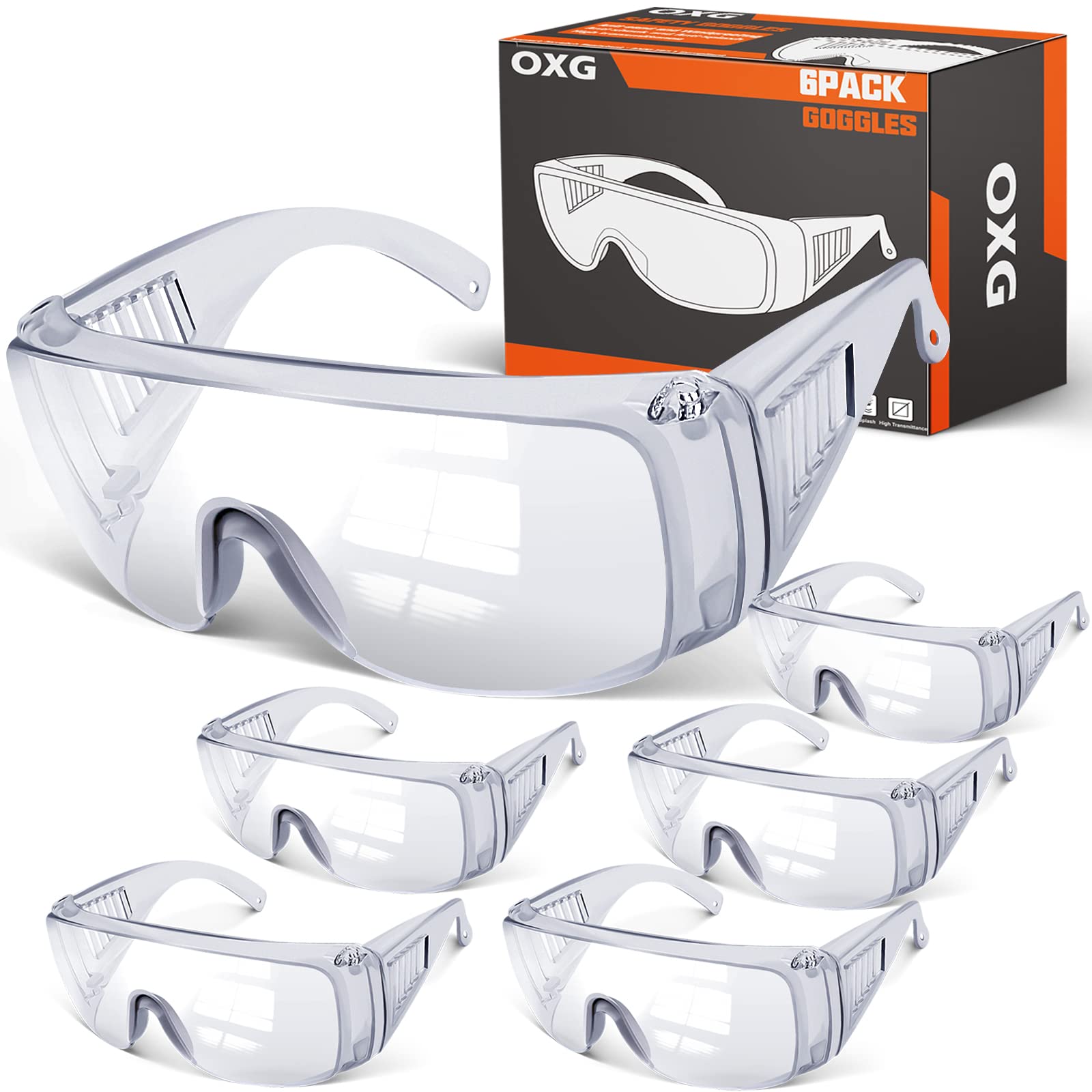
    Safety glass is designed to reduce the risk of injury if broken, making it essential in areas prone to impact or human traffic. Kenyan building regulations now emphasize the use of tempered or laminated glass in critical applications such as doors, windows, balustrades, and shower enclosures. Beyond safety, quality glass enhances natural lighting, modernizes spaces, and contributes to energy efficiency. For example, choosing from our extensive range of glass products allows architects to balance both aesthetic and structural requirements.


    Types of Safety Glass: Tempered vs Laminated

    Understanding material differences is key to compliance. Tempered glass is heat-treated for strength and shatters into small, blunt pieces, ideal for doors and partitions. Laminated glass, on the other hand, consists of two or more layers bonded with an interlayer, holding fragments in place upon impact, making it perfect for skylights and balustrades. Selecting the right type depends on exposure, application, and cost considerations. Ngong Hills Merchants offers both types, complemented by a selection of glass accessories for safe and precise installation.


    Compliance with Kenyan Building Regulations

    Kenyan standards, including KEBS (Kenya Bureau of Standards), specify requirements for thickness, impact resistance, and safety markings. For instance, glass used in doors or windows must meet minimum thickness thresholds, while balustrades require laminated glass with structural certification. By adhering to these standards, builders not only ensure safety but also protect themselves legally and financially. Our team can guide you in sourcing compliant materials from our glass collection, saving you time and mitigating risks.


    Functional and Durability Benefits

    High-quality safety glass offers multiple advantages beyond compliance:

    • Impact Resistance: Reduces the likelihood of injury in case of breakage.

    • UV Protection: Certain laminated options filter harmful rays, protecting interiors.

    • Energy Efficiency: Modern glass minimizes heat transfer, lowering energy costs.

    • Noise Reduction: Laminated variants improve acoustic comfort in homes and offices.

    Pairing glass with proper adhesives and framing materials ensures durability and long-term stability.


    Comparative Material Analysis

    When specifying glass, consider:

    • Tempered vs Laminated: Tempered is stronger under sudden impact but shatters completely; laminated holds together but may be slightly less impact-resistant.

    • Glass vs Acrylic: Acrylic is lighter but scratches easily and lacks fire resistance.

    • Clear vs Tinted: Tinted or low-emissivity glass improves energy efficiency but may alter interior lighting aesthetics.

    These choices affect both performance and investment value. Builders can explore options like tempered or laminated panels from our plumbing and sanitary range when designing integrated bathroom or kitchen spaces.


    Cost and Investment Considerations

    Safety glass is an investment in both safety and long-term property value. While laminated options may cost more upfront, they offer superior security and durability. Factors affecting cost include thickness, size, tint, and required certifications. Partnering with a trusted supplier like Ngong Hills Merchants ensures that pricing is transparent, and materials are sourced to meet KEBS standards.


    Technical Specifications and Fabrication

    For proper fabrication:

    • Thickness: Residential windows usually require 6–10mm tempered glass; balustrades may need 12–19mm laminated panels.

    • Edge Work: Polished or beveled edges prevent chips and reduce injury risk.

    • Tempering Process: Heat-treated for uniform strength distribution.

    • Interlayers for Laminated Glass: Polyvinyl butyral (PVB) or ethylene-vinyl acetate (EVA) layers bond sheets securely.

    Our power tools collection complements professional installations, providing precision cutting, drilling, and fitting capabilities for contractors and DIY enthusiasts.


    Installation and Aftercare

    Professional installation is essential for safety glass performance:

    • Secure Framing: Glass should be supported with durable framing systems and accessories.

    • Proper Adhesives: High-quality bonding agents ensure panels stay fixed under stress.

    • Handling: Always wear protective gear and follow handling protocols.

    Aftercare includes cleaning with non-abrasive solutions and periodic inspection for chips or delamination. Our cleaning items range offers the right tools for safe maintenance.


    Maintenance, Longevity, and Home Value

    Well-installed safety glass lasts decades, enhancing both functionality and property aesthetics. Regular maintenance prevents scratches, improves energy efficiency, and maintains visual appeal. Investing in high-grade materials and proper installation from Ngong Hills Merchants can increase resale value, providing both security and style. Builders and architects can also recommend our electrical fittings and adhesives as part of integrated, high-quality construction solutions.


    Common Mistakes to Avoid

    • Using untested or uncertified glass

    • Ignoring KEBS compliance requirements

    • Skimping on professional installation

    • Neglecting framing, seals, and accessories

    By sourcing materials from a trusted supplier and following best practices, these pitfalls can be avoided, ensuring safety, durability, and regulatory compliance.


    Future Trends in Safety Glass

    Innovations include smart glass, low-emissivity coatings, and enhanced laminated options with acoustic or energy-saving benefits. Builders in Kenya increasingly integrate these into modern homes and commercial spaces. Staying updated ensures that projects not only meet current standards but also embrace future-ready designs.


    Your One-Stop Hardware Partner in Ngong

    Imagine completing your project with the right tools, the best materials, and expert advice. At Ngong Hills Merchants, we turn your DIY or construction vision into reality with a complete selection of plumbing, electrical, glass, and sanitary ware.

    Contact our team for a consultation and get the right supplies, right now.

    QUALITY HARDWARE & SUPPLIES IN NGONG

     Complete Range of Plumbing & Electrical
    Power Tools, Adhesives & Paints
    Glass, Framing & Sanitary Ware

    Serving Ngong, Karen, Matasia, Kiserian & beyond.

     Request Your Free Consultation: Ngong Hills Merchants
     Email: ngonghillsmerchants [at] gmail.com
     Phone: +254 715974811
     Visit Us: Ngong Township, Ngong, Kenya
     Website: https://ngonghillsmerchants.com/
  • Polycarbonate Roofing & Wall Sheets for Kenyan Industrial Sheds | Expert Guide

    Polycarbonate Roofing & Wall Sheets for Kenyan Industrial Sheds | Expert Guide

    Polycarbonate Roofing & Wall Sheets: Durable Solutions for Kenyan Industrial Sheds

    Industrial sheds across Kenya—whether in manufacturing zones, agricultural farms, workshops, warehouses, garages, or fabrication yards—require roofing and wall cladding materials that can withstand demanding environmental and operational conditions. Heat, UV exposure, heavy rainfall, dust, machinery vibrations, and chemical exposure all make material selection critical. Among the modern options available today, polycarbonate roofing & wall sheets have become one of the most reliable and long-lasting choices for both roofing and vertical cladding.

    Designed for strength, UV resistance, impact resistance, and thermal stability, polycarbonate sheets outperform traditional GI sheets, PVC sheets, and asbestos-based materials by a substantial margin. When correctly sourced and installed, they provide exceptional value, durability, and efficiency—making them ideal for Kenyan industrial applications where longevity and operational continuity are essential.

    Factories, workshops, and storage sheds in Nairobi, Industrial Area, Mombasa, Kisumu, Eldoret, Thika, and Naivasha increasingly rely on polycarbonate because it combines the toughness of metal with the transparency of glass, without the weight or fragility. These sheets allow natural light transmission—which reduces energy costs—while resisting deformation, cracking, fading, and breakage. This combination of functional and financial advantages makes them a preferred solution among builders, contractors, engineers, and facility managers.

    As you evaluate roofing and wall materials for your industrial shed project, it’s important to understand not just the advantages of polycarbonate, but also the technical considerations, proper installation methods, long-term maintenance, and the accessories required for a secure fit. You can explore complementary accessories such as high-quality power tools, long-lasting adhesives, and durable bolts and nuts to support your installation and finishing work.

    This comprehensive guide explains everything you need to know when choosing polycarbonate roofing and wall sheets for industrial sheds in Kenya.


    Polycarbonate is a thermoplastic known for exceptional strength and resistance to harsh conditions. Its molecular structure gives it an impact resistance more than 200 times stronger than glass and about 30 times stronger than acrylic. This makes it an ideal roofing or wall-cladding material in industrial environments where mechanical forces or accidental impacts are common.

    For industrial sheds that handle machinery, forklifts, metal fabrications, high-traffic movement, or even occasional rough handling, polycarbonate sheets offer an unmatched combination of toughness and safety. Unlike brittle PVC sheets that crack under stress or brittle FRP sheets that degrade in UV exposure, polycarbonate maintains its structural integrity for many years.

    Furthermore, polycarbonate sheets can be used alongside other construction materials like metal frameworks, sanitary installations, plumbing, or electrical fittings. For example, warehouse offices, staff washrooms, or sanitation areas within shed facilities may require quality materials from related categories such as reliable plumbing supplies and modern sanitary ware to maintain hygiene and safety standards.

    The versatility of polycarbonate allows it to function in a wide range of environments, offering numerous practical and technical benefits.


    Why Polycarbonate Roofing & Wall Sheets Offer Superior Durability

    Polycarbonate’s durability comes from a combination of structural strength and resistance to environmental degradation. Several factors contribute to its long lifespan, especially when used for roofing and side cladding in industrial sheds across Kenya.

    First, polycarbonate sheets are UV-protected. Manufacturers apply specialized UV coatings—usually through co-extrusion—that prevent yellowing, brittleness, and loss of strength. This protection is important in regions such as Nairobi, Athi River, Kitengela, and Naivasha, where industrial facilities are exposed to high solar intensity. Unlike PVC sheets that can become brittle or fiberglass sheets that may lose transparency over time, UV-stabilized polycarbonate maintains its clarity and strength for years.

    Second, polycarbonate’s impact resistance significantly reduces the risk of damage from falling debris, tools, or rough industrial activity. This makes it safer and more reliable in heavy-duty sheds where mechanical equipment is constantly in operation. For example, metalwork factories, automotive workshops, and construction yards frequently handle sharp, heavy, or metallic objects that may accidentally strike wall panels or roofing. Polycarbonate sheets can absorb these impacts without cracking.

    Third, polycarbonate has excellent thermal stability. It handles both extreme heat and cold without warping, shrinking, or expanding excessively. During hot seasons in Kenya, roofing temperatures can exceed 50–60°C, while in colder regions like Limuru or Mt. Kenya industrial zones, temperatures can drop significantly. Polycarbonate remains stable across this range, preventing premature failure or loosening at connection points.

    Finally, polycarbonate is resistant to chemical corrosion. Many industrial environments involve solvents, oils, fuels, cleaning agents, and other chemicals. While metal sheets may rust or corrode, and PVC may degrade with exposure to certain chemicals, polycarbonate maintains its integrity.


    Design Flexibility for Industrial Applications

    Another major advantage of polycarbonate roofing & wall sheets is their adaptability to different shed designs. Industrial sheds rarely follow a single template—some require open walls, others require enclosed sections, and some include mixed-use divisions.

    Polycarbonate sheets can serve multiple functions across these configurations:

    • Sidewall cladding

    • Skylight panels

    • Translucent wall panels

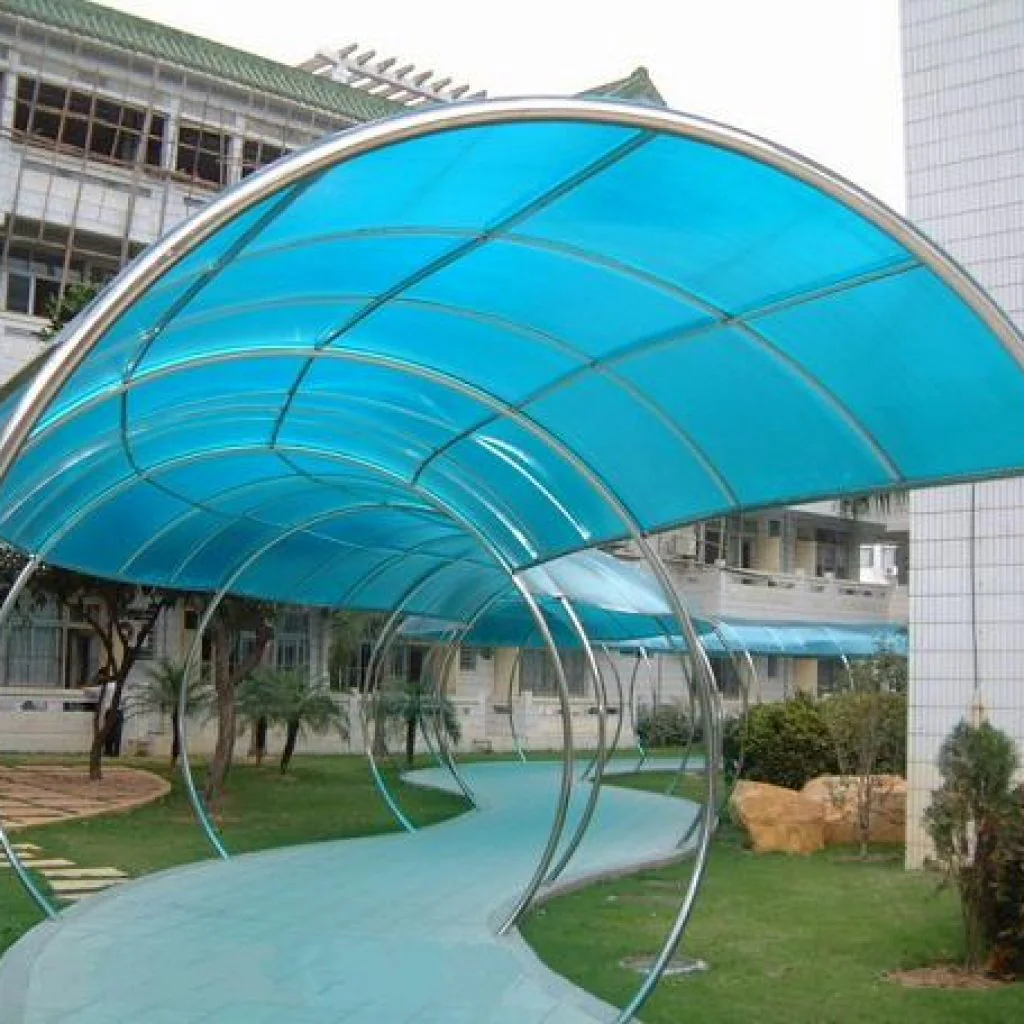
    • Curved roof sections

    • Ventilation windows

    • Machine enclosures

    • Partitioning of industrial zones

    • Canopies and overhangs

    Because polycarbonate sheets are available in various profiles, thicknesses, and colors, builders and engineers can match them to specific needs. For example, industrial sheds that require natural light—such as greenhouses, packaging lines, or storage warehouses—use translucent polycarbonate panels that allow diffuse light into the workspace. This reduces energy consumption significantly.

    To support these installations, contractors often combine polycarbonate with accessories such as fasteners, washers, adhesives, or power tools. You can examine durable options like drill bits, glass accessories, and fittings for improved structural performance and long-term reliability.

    Different polycarbonate types also offer different performance advantages:

    • Solid sheets for security and impact resistance

    • Multiwall sheets for insulation and energy efficiency

    • Corrugated sheets for roofing cost-efficiency and ease of installation

    This variety allows polycarbonate to function as a core building material for modern Kenyan industrial infrastructure.


    Technical Specifications That Matter in Industrial Sheds

    Selecting the right polycarbonate sheets involves understanding key technical specifications that influence performance. Industrial projects differ significantly from residential ones, so the material must match heavy-duty usage.

    Sheet Thickness
    Industrial applications typically use 1mm to 10mm sheets, depending on load-bearing requirements. Thicker sheets offer better insulation and impact resistance.

    Profile Type
    Corrugated, box-profile, and flat sheets each offer distinct advantages. Corrugated sheets are ideal for roofing, while flat or twin-wall sheets are often used for interior partitions.

    UV Protection
    Ensure the sheet has a proper co-extruded UV layer. Without this, the sheet will degrade under Kenyan sunlight.

    Light Transmission Levels
    Different colors and finishes affect lighting. Clear sheets offer maximum brightness, while opal or bronze variants reduce glare.

    Temperature Resistance
    Polycarbonate remains stable between -40°C and 120°C, making it suitable across diverse Kenyan climates.

    Fire Safety Rating
    Industrial sheds require materials with reliable flame retardancy properties.

    Understanding these specifications allows contractors, engineers, or facility managers to select the right sheet type for maximum performance and longevity.


    Cost and Long-Term Value Considerations

    The initial cost of polycarbonate roofing & wall sheets is often slightly higher than that of basic iron sheets or PVC alternatives. However, the long-term savings far outweigh the difference. Polycarbonate reduces repair costs, improves lighting efficiency, and resists damage long after other materials would require replacement.

    Factors that influence cost-effectiveness include:

    • Lower energy costs due to natural lighting

    • Fewer replacements or repairs

    • Reduced breakage during handling or installation

    • Improved worker productivity due to brighter environments

    • Enhanced safety and structural integrity

    When budgeting for large industrial projects, it is important to consider the full lifecycle cost—not just the upfront purchase price.

    Complementing your polycarbonate installation with reliable accessories such as adhesives, plumbing items, or electrical fittings ensures long-term value and a complete finish.


    Installation Guidance for Industrial Use

    Proper installation is essential to ensure that polycarbonate sheets deliver long-term performance. Even high-quality sheets may suffer early failure if installed using the wrong tools, poorly fitted fasteners, or without sufficient allowances for thermal expansion.

    Key installation considerations include:

    • Use the correct drill bits to create clean holes

    • Always pre-drill oversized holes to allow for expansion

    • Use UV-protected side facing outwards

    • Avoid over-tightening screws to prevent stress cracking

    • Use proper sealing washers to prevent leaks

    • Ensure adequate overlap between sheets

    • Maintain the recommended minimum slope for water runoff

    Professional installers use reliable tools from trusted ranges like our power tools collection, ensuring accuracy and efficiency.

    Additionally, industrial shed roofing often requires safe ladder usage, secure anchoring, and long-lasting fasteners. Choosing reliable bolts and nuts improves structural integrity across the lifespan of the building.


    Maintenance and Longevity

    Polycarbonate sheets require minimal maintenance, especially compared to metal sheets that often corrode or warp with time. To maximize lifespan, ensure:

    • Regular cleaning using mild detergents and recommended cleaning items

    • Inspection of fasteners every six to twelve months

    • Removal of debris to prevent moisture or fungal buildup

    • Avoidance of harsh chemicals that may damage UV coatings

    With proper care, polycarbonate roofing and wall sheets can last more than 20 years in Kenyan industrial environments.


    Your One-Stop Hardware Partner in Ngong

    Imagine completing your project with the right tools, the best materials, and expert advice. At Ngong Hills Merchants, we turn your DIY or construction vision into reality with a complete selection of plumbing, electrical, glass, and sanitary ware.

    Contact our team for a consultation and get the right supplies, right now.

    QUALITY HARDWARE & SUPPLIES IN NGONG

     Complete Range of Plumbing & Electrical
    Power Tools, Adhesives & Paints
    Glass, Framing & Sanitary Ware

    Serving Ngong, Karen, Matasia, Kiserian & beyond.

     Request Your Free Consultation: Ngong Hills Merchants
     Email: ngonghillsmerchants [at] gmail.com
     Phone: +254 715974811
     Visit Us: Ngong Township, Ngong, Kenya
     Website: https://ngonghillsmerchants.com/
  • Choosing the Right Glass & Aluminium Supplier in Nairobi | Expert Tips

    Choosing the Right Glass & Aluminium Supplier in Nairobi | Expert Tips

    Choosing the Right Glass & Aluminium Supplier in Nairobi: What to Look For

    When planning any construction or renovation project in Nairobi, selecting the right glass & aluminium supplier in Nairobi can make all the difference. From modern office facades to custom home interiors, the quality of your glass and aluminium materials directly impacts durability, aesthetics, and overall investment value. A trusted supplier not only provides superior materials but also offers professional guidance on selection, installation, and maintenance, ensuring your project achieves both functionality and style.

    Nairobi’s growing construction sector offers numerous options, but navigating the market requires careful consideration of several factors. This guide will walk you through everything you need to know—from design inspiration to technical specifications—to ensure you choose a supplier who meets your needs and guarantees value for money.


    Design and Application Inspiration

    Glass and aluminium have revolutionized modern architecture, providing sleek, light-filled spaces that combine style and practicality. Contemporary homes increasingly feature aluminium-framed windows, sliding doors, and glass partitions that open interiors to natural light while maintaining energy efficiency. Similarly, commercial spaces benefit from aluminium curtain walls, storefronts, and glass façades that project professionalism and sophistication.

    When exploring your options, it is vital to consider the end-use of each material. For instance, tempered glass panels are perfect for high-traffic areas due to their strength and safety features, while laminated glass offers sound insulation and enhanced security. Aluminium, known for its lightweight yet durable nature, can be anodized or powder-coated for a variety of finishes that match modern or traditional aesthetics.

    To get a better sense of practical applications, explore our collection of modern sanitary ware and related finishing materials, which showcase how thoughtful design and durable materials transform a space.


    Functional and Durability Benefits

    A high-quality glass & aluminium supplier in Nairobi should prioritize materials that offer long-term durability and low maintenance. Aluminium is naturally resistant to rust and corrosion, making it ideal for Nairobi’s varying climate. Paired with tempered or laminated glass, these materials provide weather resistance, security, and thermal efficiency.

    Durability is also linked to fabrication quality. Precision-engineered aluminium frames ensure smooth operation for sliding doors and windows while maintaining structural integrity over time. Similarly, tempered glass resists impact and minimizes breakage risk, crucial for both residential and commercial projects.

    For those handling DIY or professional installations, having access to the right power tools and adhesives is essential for achieving flawless results. These tools not only make installation easier but also ensure materials are handled safely and securely.


    Comparative Material Analysis

    When selecting a supplier, comparing materials is key. Some considerations include:

    • Glass Types: Clear, frosted, tinted, laminated, and tempered—each offering specific advantages for aesthetics, privacy, and safety.

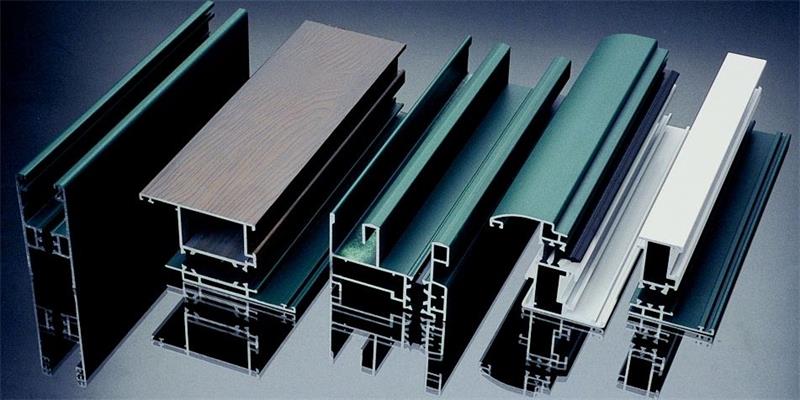
    • Aluminium Profiles: 6063-grade aluminium is common for windows and doors due to its strength and corrosion resistance. Thicker profiles provide better durability and load-bearing capacity.

    • Cost vs. Longevity: While some suppliers may offer lower-cost aluminium, it is crucial to assess the finish, strength, and warranties to avoid future repairs.

    Additionally, compare your options with other construction materials, such as steel or PVC. While steel is stronger, it requires more maintenance; PVC is budget-friendly but less durable. By understanding the trade-offs, you can make an informed decision that balances cost, aesthetics, and long-term performance.

    You can also browse our electrical fittings to complement aluminium frames with modern lighting, enhancing your interior spaces.


    Cost and Investment Considerations

    Budgeting for glass and aluminium is not just about upfront material costs. A reliable supplier will provide transparent pricing, including fabrication, delivery, and installation. Investing in high-quality aluminium and tempered glass may appear costlier initially but offers significant savings over time due to lower maintenance and replacement needs.

    Consider suppliers who provide project consultation and after-sales support, ensuring your investment is protected. At Ngong Hills Merchants, our team helps clients balance quality with budget, recommending materials and finishes that maximize longevity without overspending.

    Check our full range of adhesives for installation solutions that enhance the durability and performance of your glass and aluminium panels.


    Technical Specifications and Composition Details

    Understanding material specifications is crucial for both safety and compliance. Key factors include:

    • Glass Thickness: Ranging from 6mm to 12mm for standard applications; thicker panels are used for balustrades and external façades.

    • Aluminium Alloy Grade: Determines corrosion resistance, strength, and suitability for exterior or interior use.

    • Thermal Breaks: For aluminium windows, thermal breaks improve insulation, reducing heat transfer and improving energy efficiency.

    When consulting a supplier, request technical datasheets or certificates to verify quality. This ensures that both glass and aluminium meet international standards and are suitable for your specific project requirements.

    You can also explore our collection of glass accessories such as brackets, handles, and fittings that complement your installation and enhance functionality.


    Fabrication, Installation, and Aftercare Guidance

    Correct installation is as important as material selection. Professional suppliers should offer guidance on:

    • Measuring and Cutting: Accurate measurements prevent costly errors and ensure seamless integration.

    • Frame Assembly: Aluminium frames require precise joining, often involving welding or corner crimping.

    • Glass Handling: Proper techniques reduce the risk of breakage, including using suction tools for large panels.

    For DIY enthusiasts, having access to our power tools and drill bits ensures that even complex installations can be performed safely and efficiently. Always follow supplier instructions and safety guidelines to maintain both material integrity and personal safety.


    Maintenance, Longevity, and Home Value

    High-quality glass and aluminium require minimal upkeep, but periodic cleaning and inspections are recommended. Use non-abrasive cleaning agents to preserve coatings and finishes. Check frames for corrosion or loose fittings, and ensure seals remain intact to maintain thermal efficiency and prevent leaks.

    Investing in premium materials enhances property value, as prospective buyers recognize the durability, aesthetic appeal, and energy efficiency of modern glass and aluminium installations. By choosing a reputable supplier like Ngong Hills Merchants, you ensure your project stands the test of time.

    You can complement your investment with our extensive range of plumbing supplies to create a fully integrated, modern living or working space.


    Your One-Stop Hardware Partner in Ngong

    Imagine completing your project with the right tools, the best materials, and expert advice. At Ngong Hills Merchants, we turn your DIY or construction vision into reality with a complete selection of plumbing, electrical, glass, and sanitary ware.

    Contact our team for a consultation and get the right supplies, right now.

    QUALITY HARDWARE & SUPPLIES IN NGONG

     Complete Range of Plumbing & Electrical

     Power Tools, Adhesives & Paints

     Glass, Framing & Sanitary Ware

     Serving Ngong, Karen, Matasia, Kiserian & beyond.

     Request Your Free Consultation: Ngong Hills Merchants
     Email: ngonghillsmerchants [at] gmail.com
     Phone: +254 715974811
     Visit Us: Ngong Township, Ngong, Kenya
    Website: https://ngonghillsmerchants.com/
  • Energy Efficient Glass in Kenya: Smart Glazing Solutions That Cut Building Costs

    Energy Efficient Glass in Kenya: Smart Glazing Solutions That Cut Building Costs

    Energy Efficient Glass in Kenya: Smart Glazing Solutions That Cut Building Costs

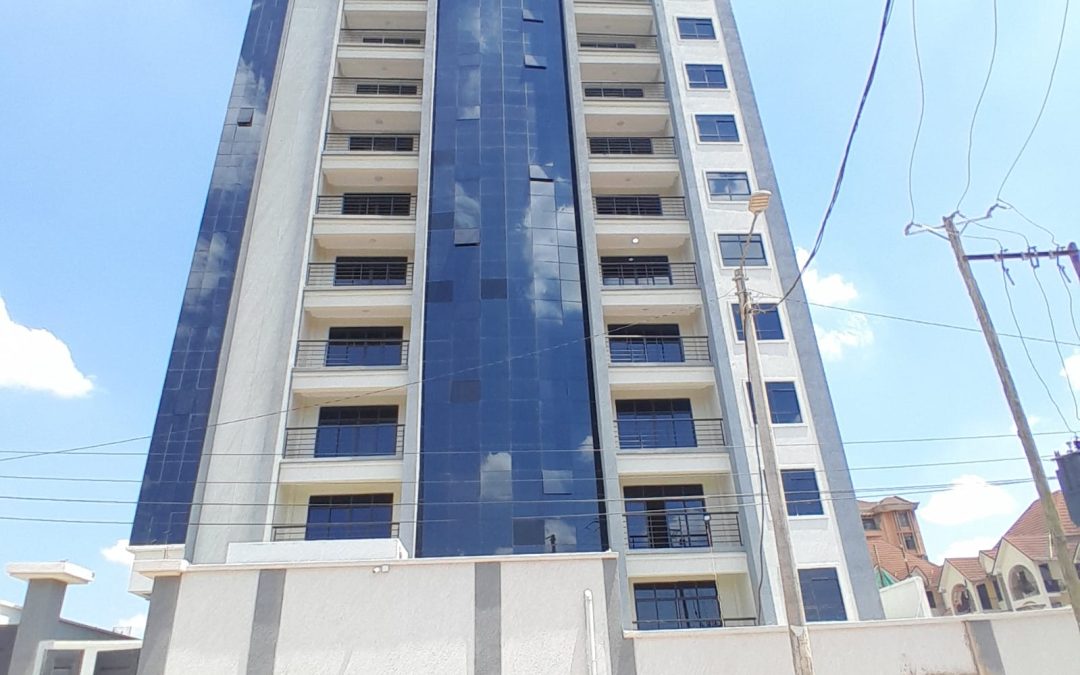
    The demand for Energy Efficient Glass in Kenya is growing rapidly as developers, architects, and homeowners look for smarter ways to reduce energy consumption and improve indoor comfort. With rising electricity costs and increasing heat levels in urban areas like Nairobi, Ngong, and other fast-developing towns, energy-efficient glazing has become a key feature in modern construction.

    Unlike standard glass, energy-efficient glazing is engineered to regulate heat transfer while still allowing natural light into buildings. This helps maintain cooler indoor temperatures during hot weather and improves overall building performance throughout the year.

    At Ngong Hills Merchants, we support modern construction with a wide range of glazing and finishing solutions. You can explore related materials through our glass product category, which includes architectural and performance-focused glass options for residential and commercial projects.


    Energy Efficient Glass in Kenya: How Smart Glazing Works

    Understanding Energy Efficient Glass in Kenya starts with how the technology is designed. These glass systems use special coatings and multiple layers to control how heat and light enter a building.

    Low-emissivity coatings reflect infrared heat while still allowing visible light to pass through. This means interiors stay bright without excessive heat buildup. Double glazing and insulated glass units add another layer of thermal protection by trapping air or gas between glass panes, reducing heat transfer.

    Together, these technologies create a balanced indoor environment that is both energy efficient and comfortable.


    Energy Efficient Glass in Kenya: Smart Glazing Solutions That Cut Building Costs

    One of the biggest advantages of Energy Efficient Glass in Kenya is its ability to reduce long-term building operating costs. By minimizing heat gain, buildings require less air conditioning, which directly lowers electricity consumption.

    In commercial spaces such as offices, malls, and hotels, this can lead to significant monthly savings. In residential homes, it improves comfort while reducing reliance on cooling systems.

    Although the initial installation cost is higher than standard glass, the long-term savings in energy bills make it a cost-effective investment over time.


    Energy Efficient Glass in Kenya: Types of High-Performance Glass Systems

    There are several types of energy-efficient glazing systems commonly used in Kenya.

    Low-E glass is widely used due to its ability to reflect heat while maintaining natural light transmission. It is ideal for both residential and commercial buildings.

    Double glazing consists of two panes of glass separated by a sealed air space, improving insulation and reducing heat transfer.

    Insulated glass units (IGUs) offer advanced thermal and acoustic performance by combining multiple layers of glass with gas-filled spaces.

    Each system is selected based on building design, climate conditions, and budget considerations.


    Energy Efficient Glass in Kenya: Installation and Framing Requirements

    Proper installation is critical for maximizing the performance of Energy Efficient Glass in Kenya. Even high-quality glass can underperform if not correctly installed.

    The process involves precise measurements, secure framing, and high-quality sealing to prevent air leakage. Aluminium framing systems are commonly used because they are strong, durable, and compatible with modern glazing systems.

    For secure installation and long-term performance, contractors rely on durable fittings and accessories available through our fittings and hardware category.


    Energy Efficient Glass in Kenya: Thermal Comfort and Indoor Performance

    Energy-efficient glass significantly improves indoor comfort by reducing heat penetration. This helps maintain stable indoor temperatures, especially in buildings exposed to direct sunlight.

    By reducing heat buildup, occupants experience cooler interiors without excessive use of air conditioning systems. This also reduces glare, making spaces more comfortable for work and daily living.

    The result is a healthier and more energy-balanced indoor environment.


    Energy Efficient Glass in Kenya: Cost vs Long-Term Value

    While the initial cost of Energy Efficient Glass in Kenya is higher than standard glazing, its long-term value is significantly greater.

    Reduced energy consumption leads to lower electricity bills, especially in large commercial buildings. Over time, these savings help offset installation costs.

    Additionally, properties with energy-efficient features often have higher market value due to modern design appeal and improved sustainability.


    Energy Efficient Glass in Kenya: Applications in Modern Construction

    Energy-efficient glazing is widely used across various building types in Kenya, including:

    • Commercial office buildings
    • Shopping malls and retail centers
    • Residential apartments and luxury homes
    • Hotels and hospitality developments
    • Institutional and educational buildings

    Its versatility makes it suitable for both new construction and renovation projects aiming to improve energy performance.


    Energy Efficient Glass in Kenya: Maintenance and Durability

    Energy-efficient glass systems are low maintenance and highly durable when properly installed. Routine cleaning is usually sufficient to maintain clarity and performance.

    The specialized coatings used in Low-E glass are designed to last for many years without degrading. However, framing systems and seals should be inspected periodically to ensure continued efficiency.

    With proper care, these systems offer long-term performance with minimal maintenance requirements.


    Conclusion: Why Energy Efficient Glass in Kenya Is the Future

    The adoption of Energy Efficient Glass in Kenya represents a major shift toward smarter, more sustainable building practices. As energy costs continue to rise and environmental awareness increases, developers are prioritizing solutions that improve efficiency and comfort.

    From residential homes to large commercial buildings, energy-efficient glazing provides a practical, cost-saving, and future-ready solution for modern construction in Kenya.


     Call To Action

    Your One-Stop Hardware Partner in Ngong

    Imagine completing your project with the right tools, the best materials, and expert advice. At Ngong Hills Merchants, we turn your DIY or construction vision into reality with a complete selection of plumbing, electrical, glass, and sanitary ware.

    Contact our team for a consultation and get the right supplies, right now.

    QUALITY HARDWARE & SUPPLIES IN NGONG

     Complete Range of Plumbing & Electrical

     Power Tools, Adhesives & Paints

     Glass, Framing & Sanitary Ware

     Serving Ngong, Karen, Matasia, Kiserian & beyond.

     Request Your Free Consultation: Ngong Hills Merchants

     Email: ngonghillsmerchants [at] gmail.com

     Phone: +254 715974811

     Visit Us: Ngong Township, Ngong, Kenya

     Website: https://ngonghillsmerchants.com/
  • Laminated and Toughened Glass in Kenya: High-Performance Safety Solutions for Commercial Buildings

    Laminated and Toughened Glass in Kenya: High-Performance Safety Solutions for Commercial Buildings


    Benefits of Laminated & Toughened Glass for High-Traffic Kenyan Commercial Buildings

    Modern commercial architecture in Kenya has embraced glass more boldly than ever, especially in high-traffic environments such as shopping malls, office blocks, hotels, banks, hospitals, and retail storefronts. As foot traffic increases and aesthetic standards rise, building owners and contractors look for glazing options that not only enhance beauty but also deliver enhanced safety, durability, acoustic performance, and long-term value. This is where laminated and toughened glass in Kenya has become indispensable. These two glass types, though often grouped together, serve different but complementary purposes—combining structural strength, security, and design flexibility for demanding commercial applications.

    Whether you are upgrading a shopfront in Ngong Township, fitting out a hotel lobby in Karen, or designing a new corporate building in Nairobi, understanding the functional differences and practical benefits of laminated and toughened glass ensures smarter material choices. And with the growing availability of high-quality glass and accessories through reliable suppliers, businesses can now achieve architectural excellence without compromising on safety or performance.

    As Kenya’s commercial sector becomes more design-driven, many project owners complement their glass installations with essential structural and finishing materials. For example, adhesive systems used to bond rails, hinges, and support frames must be durable enough for long-term use, and contractors frequently rely on strong construction adhesives such as those found in our full range of adhesives available through Ngong Hills Merchants. Likewise, projects involving plumbing or sanitary upgrades often coincide with façade renovations, and many clients simultaneously explore our extensive range of plumbing supplies or browse our collection of modern sanitary ware when planning a full-scale commercial overhaul.

    The growing demand for high-performance glazing is not just an architectural trend—it reflects the evolving functional requirements of modern structures. With safety codes becoming stricter and foot traffic steadily rising, the choice between normal float glass and engineered safety glass can make a dramatic difference in risk mitigation, energy efficiency, and overall building performance.

    Below is an expert breakdown of the benefits of laminated and toughened glass, detailed comparisons, installation guidelines, and practical maintenance considerations tailored specifically for Kenyan high-traffic commercial environments.


    Why Laminated and Toughened Glass Are Now the Standard for Commercial Buildings

    The primary difference between laminated and toughened glass lies in how they respond to impact and stress. While both are considered safety glass, they offer different performance advantages that architects and contractors often combine for optimal results.

    Toughened glass (also known as tempered glass) undergoes a heat treatment that increases its strength up to five times more than standard float glass. When it does break, it shatters into small, blunt pieces instead of sharp shards, significantly reducing injury risks.

    Laminated glass, on the other hand, consists of two or more glass layers bonded by an inner plastic interlayer—commonly PVB (polyvinyl butyral) or SGP (ionoplast). The interlayer holds the glass together upon impact, preventing it from falling apart even when cracked.

    Both glass types are widely used in Kenyan commercial projects such as banks, supermarkets, hospitals, office partitions, hotel entrances, pharmaceutical shops, and retail stores.

    Ngong Hills Merchants provides direct access to commercial-grade glazing, and contractors can also source high-quality glass accessories, including hinges, handles, rollers, silicone sealants, and brackets, all designed to support long-term structural integrity.


    Design Inspiration: How Modern Commercial Buildings Use Laminated & Toughened Glass

    The modern Kenyan commercial landscape has embraced minimalism, transparency, and clean architectural lines. From Westlands to Ngong to Mombasa Road, more businesses are opting for glass to achieve:

    1. Expansive Shopfronts and Display Windows

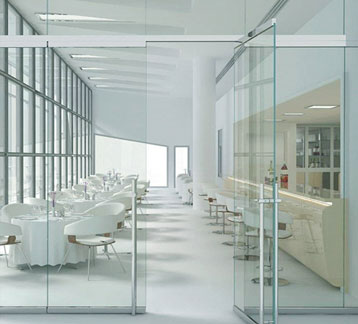
    Retail outlets, particularly in malls and high-visibility zones, rely heavily on toughened glass for frameless storefronts. The sleek, continuous-glass design allows for maximum product visibility while projecting a premium brand image.

    A retailer may pair toughened glass with high-performance framing accessories to ensure long-term stability despite constant opening and closing by customers.

    2. Hotel and Office Building Façades

    Laminated glass is the preferred option for large façades because of its UV protection, acoustic dampening, and safety features. The interlayer blocks harmful rays, reduces noise, and increases security—making it ideal for buildings facing main highways or busy urban centers.

    3. Interior Partitions and Office Fit-outs

    Toughened glass partitions create bright, open-plan workspaces while maintaining structural resistance against bumps and daily wear. These partitions often incorporate brackets, channels, and handles sourced from our comprehensive glass accessories range.

    4. Balustrades and Balcony Barriers

    High-rise commercial buildings typically use toughened laminated glass for balconies, ensuring that even if the outer panel breaks, the interlayer prevents collapse—critical for elevated structures.

    5. Cash Offices, Banks, and High-Security Counters

    Thicker laminated glass, sometimes referred to as security glazing, provides impact resistance, burglary deterrence, and a protective barrier against forced entry attempts.

    6. Skylights and Atriums

    To prevent falling glass hazards, laminated glass is preferred for overhead applications. Its ability to remain intact even when cracked makes it suitable for skylights and roof glazing.


    Functional and Safety Benefits of Laminated & Toughened Glass

    High-traffic commercial buildings in Kenya experience frequent contact, vibrations, temperature changes, and exposure to natural elements. Here are the primary benefits that make laminated and toughened glass the best materials for such environments:

    1. Superior Impact Resistance

    Toughened glass withstands strong impacts, abrupt force, and high-pressure wind loads—all common in exposed storefronts and busy entrances. Laminated glass adds an extra layer of security by holding together even after breakage, preventing sharp fragments from scattering.

    2. Enhanced Security and Burglary Protection

    Laminated glass interlayers make penetration extremely difficult. This makes it vital for jewelry shops, electronics stores, pharmacies, and banks that need reinforced entry points. Many businesses pair glazing with steel reinforcement fastened using durable bolts and nuts, which can be sourced through our bolts and nuts collection to create secure mounting systems.

    3. Soundproofing for Busy Commercial Areas

    Laminated glass significantly reduces external noise, making it ideal for hotels, conference centers, and offices located along highways, busy markets, or public transit corridors.

    4. Fire and Heat Resistance

    Tempered glass withstands high temperatures, making it suitable for areas near kitchens, generator rooms, and mechanical service corridors. This complements safety measures where electrical systems, sourced from our wide range of electrical fittings, must be kept protected from heat-sensitive structural components.

    5. UV Protection

    Laminated glass interlayers block up to 99 percent of UV rays, helping preserve interior furnishings, display merchandise, and carpeting from discoloration.

    6. Weather Performance

    Coastal towns like Mombasa and humid regions such as Kisumu require glazing solutions that resist expansion, contraction, and salt-induced degradation. Laminated and toughened glass offer long-term weather resilience compared to ordinary float glass.


    Comparative Analysis: Laminated vs. Toughened Glass

    Strength

    Toughened glass is stronger in terms of direct impact. Laminated glass is better at preventing penetration.

    Breakage Pattern

    Toughened glass breaks into small cubes; laminated glass cracks but stays intact.

    Security

    Laminated glass offers higher burglary resistance. Toughened glass provides basic safety features.

    Noise Control

    Laminated glass outperforms toughened glass due to the interlayer.

    Thermal Performance

    Both perform well, but laminated glass provides better insulation with the right interlayer thickness.

    Cost

    Toughened glass is generally more affordable. Laminated glass is more expensive due to the added manufacturing process.

    Best Applications

    • Toughened glass: shopfronts, partitions, balustrades

    • Laminated glass: façades, skylights, security counters, high-rise balconies


    Cost Considerations for Kenyan Commercial Projects

    The final cost of laminated and toughened glass installations in Kenya varies based on thickness, customization, edge polishing, hole drilling, tinting, and installation complexity. Contractors often compare these options alongside other essential materials such as sealants, drill bits, screws, and finishing products. For instance, many clients preparing for installation often explore our drill bits collection or browse our electrical fittings when their project involves integrated electrical channels or LED lighting systems within the glass framing.

    In high-traffic buildings, investing in quality safety glass pays for itself through reduced breakage, fewer replacements, better energy efficiency, and enhanced occupant comfort.


    Technical Specifications Contractors Should Know

    Toughened Glass Specs

    • Thickness: commonly 8mm, 10mm, 12mm, and 15mm

    • Strength: up to five times stronger than float glass

    • Edge types: polished, beveled, or chamfered

    • Can include drilled holes and cut-outs for hardware accessories

    Laminated Glass Specs

    • Layers: typically 2-layer (2+1) or multi-layer for higher security

    • Interlayer materials: PVB or SGP

    • Thickness combinations: 6.38mm, 8.38mm, 10.38mm, 13.52mm, and beyond

    • Acoustic-grade options for noise reduction

    Both glass types require high-quality fittings such as clamps, hinges, pads, and spacers. Most of these can be found within our full lineup of glass accessories to support professional-grade installation.


    Installation Guidance for Contractors and Building Owners

    Installing laminated and toughened glass requires skill, accuracy, and the right tools. Poor installation often causes premature cracking, water leakage, vibration noises, and structural instability.

    1. Prepare the Structural Frame

    Ensure the opening is plumb, level, and adequately reinforced. Many shops rely on metal framing and high-quality fasteners to support the weight of glass panels.

    2. Use Proper Adhesives and Sealants

    Weatherproof silicone, bonding sealants, and structural adhesives are critical for long-term durability. Contractors can discover the full range of adhesives at Ngong Hills Merchants to ensure compatibility with glass, metal, and masonry surfaces.

    3. Select Appropriate Accessories

    Glass doors, partitions, and façades require precision hardware such as:

    • Patch fittings

    • Bottom/top rails

    • Door closers

    • Spider fittings

    • Handles and knobs

    These are available in our glass accessories collection and tailored for commercial-grade performance.

    4. Use the Right Tools

    Glass installation requires cutters, drills, polishers, and sometimes grinders. Contractors often learn more about our power tools to ensure efficient installation and safe handling.

    5. Safety Handling

    Always lift glass with suction cups, wear protective gloves, and avoid hard impacts during installation.


    Maintenance and Aftercare

    High-traffic commercial environments demand frequent cleaning, regular inspections, and preventive maintenance.

    Cleaning Guidelines

    Use microfiber cloths, soft brushes, and ammonia-free cleaners to keep glass clear. Many commercial clients prefer to source cleaning solutions from our cleaning items collection, ensuring streak-free, long-lasting results.

    Hardware Maintenance

    Inspect hinges, clamps, and rails for wear, tightening loose screws and replacing damaged accessories promptly.

    Sealant and Adhesive Checks

    UV exposure and weather changes can deteriorate sealants. Replace damaged silicone or adhesive joints to prevent leaks or loosening.

    Routine Inspections

    Schedule annual inspections to check for cracks, delamination, or loosening hardware. Buildings exposed to heavy vibration—such as those near matatu routes or construction zones—may need more frequent checks.


    How Laminated & Toughened Glass Increase Commercial Property Value

    High-performance safety glass enhances:

    • Customer experience

    • Brand perception

    • Security

    • Energy efficiency

    • Long-term durability

    Commercial tenants increasingly seek buildings with modern glazing because it improves lighting, reduces utility costs, and elevates the overall aesthetic appeal. This creates a competitive advantage in Kenya’s commercial real estate market, particularly in fast-growing zones like Ngong, Rongai, Karen, and Nairobi West.


    Your One-Stop Hardware Partner in Ngong

    Imagine completing your project with the right tools, the best materials, and expert advice. At Ngong Hills Merchants, we turn your DIY or construction vision into reality with a complete selection of plumbing, electrical, glass, and sanitary ware.

    Contact our team for a consultation and get the right supplies, right now.

    QUALITY HARDWARE & SUPPLIES IN NGONG

    ✔ Complete Range of Plumbing & Electrical
    ✔ Power Tools, Adhesives & Paints
    ✔ Glass, Framing & Sanitary Ware

    Serving Ngong, Karen, Matasia, Kiserian & beyond.

     Request Your Free Consultation: Ngong Hills Merchants
     Email: ngonghillsmerchants [at] gmail.com
     Phone: +254 715974811
     Visit Us: Ngong Township, Ngong, Kenya
     Website: https://ngonghillsmerchants.com/
  • Selecting the Best Hardware & Fittings for Glass Doors

    Selecting the Best Hardware & Fittings for Glass Doors

    How to Select the Right Hardware & Fittings for Glass Doors and Partitions

    Glass doors and partitions are increasingly popular in modern Kenyan homes, offices, and retail spaces due to their sleek appearance, ability to enhance natural light, and capacity to create open, airy environments. However, selecting the right hardware and fittings for glass doors is crucial to ensure safety, durability, and smooth operation. Ngong Hills Merchants offers an extensive selection of glass hardware, accessories, and tools designed to meet both functional and aesthetic requirements for any project.

    The choice of fittings depends on the type of glass door or partition—whether it’s a frameless swing door, a sliding door, or a fully partitioned system. For frameless glass doors, specialized hinges, clamps, and handles are essential to support weight and maintain structural integrity. Sliding doors require precision-engineered tracks, rollers, and guides to allow smooth movement without damaging the glass. Partition systems often combine multiple hardware types, including connectors, brackets, and pivot fittings, to create stable, modular configurations that can be adapted as needed.

    Functional Benefits of Quality Hardware
    Using high-quality hardware enhances both the functionality and lifespan of glass installations. Properly selected hinges, locks, and handles ensure effortless operation while reducing wear and tear. Durable fittings minimize maintenance requirements and prevent accidents caused by faulty or improperly installed components. At Ngong Hills Merchants, our selection of glass accessories is designed to withstand frequent use in commercial and residential settings, providing long-term value.

    Material Considerations
    Hardware for glass doors comes in a variety of materials, each with unique advantages:

    • Stainless steel: Highly resistant to corrosion, ideal for humid environments or exterior applications.

    • Aluminum: Lightweight yet strong, offering a balance between durability and aesthetic appeal.

    • Brass or bronze finishes: Add elegance and are commonly used for decorative or premium installations.

    Selecting the appropriate material is not only a matter of appearance but also of safety and longevity. Stainless steel or anodized aluminum is recommended for high-traffic areas to maintain performance over years of use.

    Compatibility with Glass Thickness and Type
    Every fitting is designed to accommodate specific glass thicknesses, typically ranging from 8mm to 12mm for standard partitions and doors. Frameless systems require precise measurements to ensure clamps and hinges fit snugly without over-tightening, which can cause cracks or stress points. Laminated or tempered glass may also require specialized fittings to comply with safety standards. Our team at Ngong Hills Merchants can advise on the correct combination of hardware for your glass type, ensuring seamless installation.

    Types of Fittings to Consider

    1. Hinges: Determine the swing direction and weight capacity. For frameless doors, pivot hinges are often recommended.

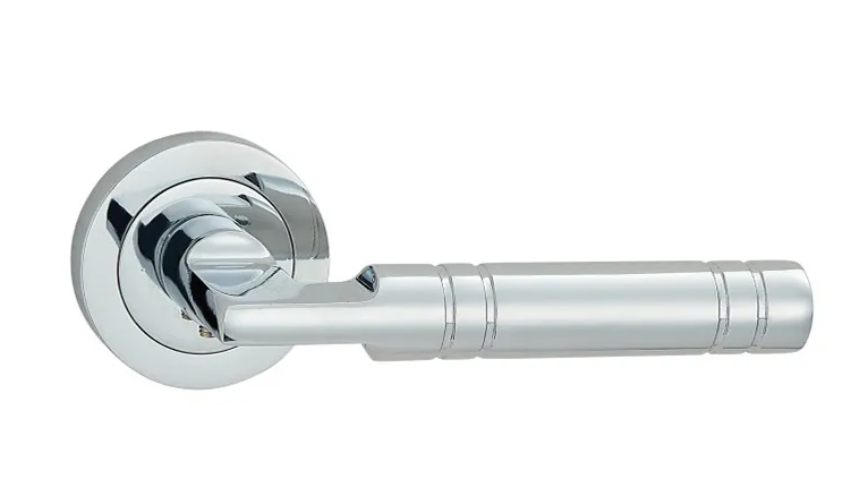
    2. Handles and Pulls: Offer functional grip while complementing the overall design.

    3. Locks and Latches: Provide security for both residential and commercial applications.

    4. Clamps and Connectors: Support panels in partition systems or attach glass to structural frames.

    5. Sliding Door Tracks and Rollers: Ensure smooth movement with minimal noise and friction.

    Installation Tips
    Correct installation is critical to maximize safety and durability. Whether you’re a professional contractor or a DIY enthusiast, consider these guidelines:

    • Always verify glass dimensions and weight before selecting fittings.

    • Use appropriate adhesives or silicone to secure clamps and reduce movement.

    • Ensure tracks and hinges are level to prevent misalignment and uneven wear.

    • Test doors after installation to confirm smooth operation and proper locking.

    Maintenance and Longevity
    Routine maintenance extends the life of your glass doors and partitions. Clean hardware regularly with non-abrasive products, lubricate moving parts where necessary, and inspect for signs of wear or loosening. Proper maintenance preserves both aesthetics and function, reducing replacement costs over time. You can browse our cleaning items and adhesives to support long-term care.

    Design Considerations
    Hardware also contributes significantly to the overall design of your space. Sleek, modern handles can enhance contemporary offices, while ornate finishes may complement traditional interiors. Matching hardware finishes with glass decorative features or printed designs elevates the professional appearance of your installations. Ngong Hills Merchants’ range of glass fittings and framing supplies allows you to create a cohesive and polished look throughout your project.

    Cost and Investment Considerations
    Investing in high-quality fittings may have higher upfront costs, but the benefits in safety, durability, and design coherence far outweigh the initial expenditure. Poor-quality hardware can lead to frequent replacements, damaged glass, or unsafe doors, making reliable suppliers such as Ngong Hills Merchants the preferred choice for discerning homeowners and businesses.

    By carefully considering material, function, compatibility, and aesthetics, you can select hardware that enhances both the performance and visual appeal of your glass doors and partitions. Whether outfitting an office, retail space, or residential property, expert guidance and premium fittings ensure a long-lasting, stylish solution.


    Your One-Stop Hardware Partner in Ngong

    Imagine completing your project with the right tools, the best materials, and expert advice. At Ngong Hills Merchants, we turn your DIY or construction vision into reality with a complete selection of plumbing, electrical, glass, and sanitary ware.

    Contact our team for a consultation and get the right supplies, right now.

    QUALITY HARDWARE & SUPPLIES IN NGONG

    ✔ Complete Range of Plumbing & Electrical
    ✔ Power Tools, Adhesives & Paints
    ✔ Glass, Framing & Sanitary Ware

    Serving Ngong, Karen, Matasia, Kiserian & beyond.

     Request Your Free Consultation: Ngong Hills Merchants
     Email: ngonghillsmerchants [at] gmail.com
     Phone: +254 715974811
     Visit Us: Ngong Township, Ngong, Kenya
     Website: https://ngonghillsmerchants.com/

     Internal links naturally included:

  • Digital Printed Glass Solutions for Kenyan Retail Storefronts

    Digital Printed Glass Solutions for Kenyan Retail Storefronts

    The Role of Digital Printed Glass in Modern Kenyan Retail Storefronts

    In today’s competitive Kenyan retail environment, creating an attractive, functional, and durable storefront is no longer optional—it’s a business imperative. One of the most effective ways to achieve this is through digital printed glass in Kenya, which combines aesthetics, branding, and performance in a single material. At Ngong Hills Merchants, we specialize in supplying high-quality glass solutions that empower retailers to transform their storefronts into visually compelling spaces that invite customers and protect their investment.

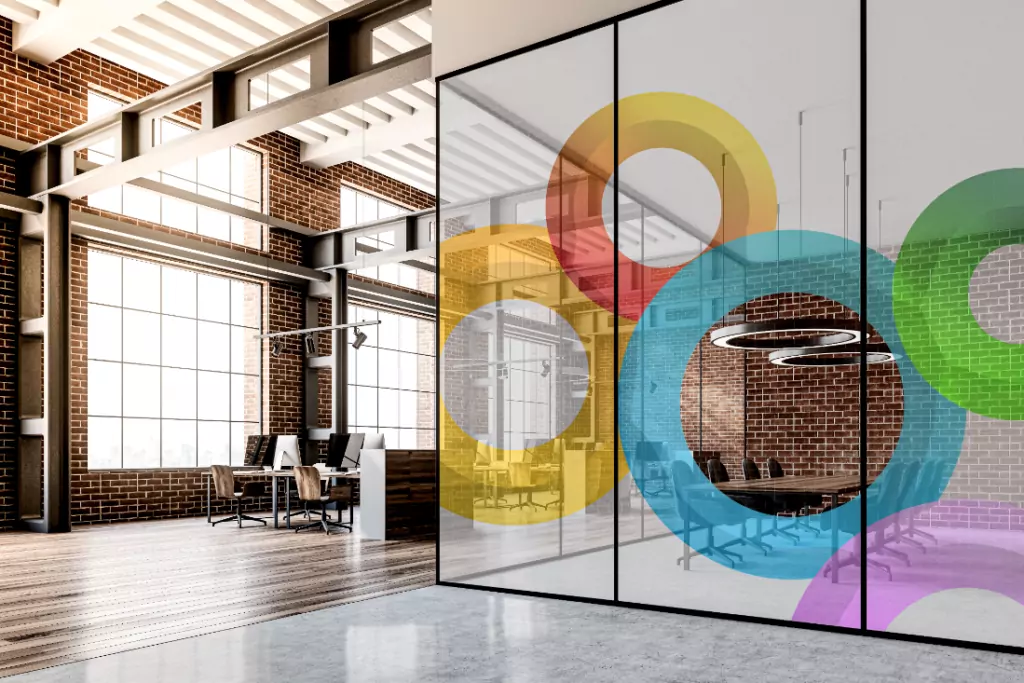
    Modern retail spaces demand materials that are not only visually appealing but also versatile and resilient. Digital printed glass provides designers and store owners with the freedom to create vibrant, customized visuals without compromising on structural integrity. Unlike traditional etched or frosted glass, digital printing technology allows intricate designs, full-color images, and complex patterns to be directly applied to the glass surface, opening up possibilities for distinctive branding and dynamic window displays.

    Beyond its decorative capabilities, digital printed glass offers significant functional benefits. It is durable, scratch-resistant, and capable of withstanding the demands of high-traffic areas. Retailers in Nairobi, Ngong, and surrounding regions can rely on these solutions to maintain an elegant storefront for years without frequent replacement or costly maintenance. For those seeking long-term value, investing in high-quality digital printed glass ensures both aesthetic appeal and financial prudence.

    When comparing materials, digital printed glass outperforms traditional glass and acrylic panels. Acrylic may offer lightweight alternatives, but it often scratches easily and fades over time. Laminated or tempered glass without digital printing may meet safety requirements, but it cannot deliver the same level of customized branding or intricate design possibilities. By choosing digital printed glass, retailers can combine the best of both worlds—robust performance and limitless design potential. Ngong Hills Merchants’ range of glass options ensures every project benefits from optimal quality and professional-grade finishes.

    Cost considerations play a crucial role in material selection for retail projects. While digital printed glass may have a higher upfront cost compared to standard glazing, its longevity, minimal maintenance needs, and branding potential make it a smart investment. Retailers can enhance their visual appeal, attract foot traffic, and reinforce brand identity, all of which contribute to higher revenue potential over time. Moreover, customization allows stores to adapt designs seasonally or for promotional campaigns, providing further value and marketing flexibility.

    Understanding the technical specifications of digital printed glass is essential for successful application. Most products are available in tempered or laminated formats, ensuring compliance with safety standards. The printing process uses durable UV-cured inks, which resist fading from sunlight exposure and harsh cleaning agents. Thicknesses typically range from 6mm to 12mm, balancing transparency, strength, and aesthetic impact. For retail environments, choosing the right glass type can enhance both safety and visual clarity, helping store owners make informed decisions.

    Fabrication, installation, and aftercare are critical for maximizing the lifespan of digital printed glass. Our glass accessories and hardware offerings ensure seamless installation, whether for large window panels or partitioned displays. DIY enthusiasts and professional contractors alike benefit from guidance on cutting, mounting, and securing printed glass, minimizing the risk of breakage and preserving the integrity of the design. Regular cleaning with non-abrasive products maintains clarity and vibrancy, keeping the storefront visually striking with minimal effort. Learn more about our range of cleaning items to maintain your investment.

    Maintenance is straightforward yet impactful. Unlike painted or vinyl-coated glass, digitally printed glass retains its color and finish without requiring frequent touch-ups. Its resistance to scratches and weathering ensures that retail environments remain polished and professional, which in turn contributes to increased customer confidence. Retailers in Ngong, Karen, Kiserian, and Ongata Rongai who prioritize quality storefront materials often find that digital printed glass improves perceived value, signaling attention to detail and a commitment to excellence.

    Digital printed glass is also highly compatible with other retail interior and exterior design elements. It can be integrated with adhesives for seamless bonding, used alongside modern sanitary ware in service areas, or framed using our professional framing supplies for a polished look. Additionally, pairing digital printed glass with strategically placed lighting enhances visibility and highlights graphic designs, creating immersive displays that attract customers and elevate the overall shopping experience.

    Retailers who incorporate digital printed glass in their stores benefit from an enhanced brand narrative. Customizable visuals, from abstract patterns to high-resolution logos and imagery, allow businesses to project a unique identity while ensuring practical benefits such as safety, durability, and ease of cleaning. Investing in quality materials from Ngong Hills Merchants positions retail businesses at the forefront of design innovation, helping them compete effectively in Kenya’s dynamic commercial landscape.

    As digital printing technology continues to advance, the options for creativity and functionality expand. From gradient effects and photo-realistic images to complex geometric patterns, store owners can achieve virtually any design vision while maintaining compliance with local safety regulations. Our comprehensive selection of electrical fittings and lighting solutions complements glass installations, providing a cohesive, functional, and visually captivating retail environment.

    For contractors and DIY enthusiasts seeking reliable guidance, Ngong Hills Merchants provides expertise at every stage—from selecting the ideal thickness and print type to installation and aftercare. Our collection of power tools and drill bits ensures precision and efficiency during on-site fabrication, while our team is always available for consultation to guarantee a smooth and professional outcome.

    Ultimately, adopting digital printed glass for modern retail storefronts is more than a design choice; it is a strategic business decision. By combining durability, aesthetic flexibility, and long-term value, retailers in Ngong and surrounding areas can enhance their commercial presence, protect their investment, and attract more customers. Our focus on quality, reliability, and comprehensive support makes Ngong Hills Merchants the leading source for digital printed glass in Kenya.


    Your One-Stop Hardware Partner in Ngong

    Imagine completing your project with the right tools, the best materials, and expert advice. At Ngong Hills Merchants, we turn your DIY or construction vision into reality with a complete selection of plumbing, electrical, glass, and sanitary ware.

    Contact our team for a consultation and get the right supplies, right now.

    QUALITY HARDWARE & SUPPLIES IN NGONG

    ✔ Complete Range of Plumbing & Electrical
    ✔ Power Tools, Adhesives & Paints
    ✔ Glass, Framing & Sanitary Ware

    Serving Ngong, Karen, Matasia, Kiserian & beyond.

     Request Your Free Consultation: Ngong Hills Merchants
     Email: ngonghillsmerchants [at] gmail.com
     Phone: +254 715974811
     Visit Us: Ngong Township, Ngong, Kenya
     Website: https://ngonghillsmerchants.com/


     Internal links naturally included:

  • Maintenance Tips for Large Glass Facades in Nairobi’s Harsh Weather Conditions”

    Maintenance Tips for Large Glass Facades in Nairobi’s Harsh Weather Conditions”

    Maintenance Tips for Large Glass Facades in Nairobi’s Harsh Weather Conditions

    Large glass facades have become a defining feature of Nairobi’s modern skyline, reflecting the city’s growth and architectural ambition. While visually striking, these facades face constant exposure to Nairobi’s harsh weather conditions—heavy rains, dust storms, UV radiation, and temperature fluctuations. Proper maintenance is essential to preserve aesthetics, ensure safety, and extend the lifespan of the glass.

    This guide provides practical, professional insights for managing glass facades Nairobi, helping building owners, facility managers, and contractors keep facades clean, durable, and compliant with local standards.


    Understanding the Challenges of Nairobi’s Climate

    Nairobi’s equatorial location results in a unique combination of weather challenges:

    • UV Exposure: High levels of sunlight can fade coatings, cause thermal stress, and accelerate wear on sealants.

    • Rain and Humidity: Heavy seasonal rains can leave water marks, promote algae or mold growth, and deteriorate framing materials.

    • Dust and Pollution: Urban dust accumulates on glass, reducing transparency and increasing cleaning frequency.

    • Temperature Variations: Daily and seasonal fluctuations cause expansion and contraction, potentially stressing glass joints and seals.

    Recognizing these factors is the first step in developing a maintenance strategy tailored to Nairobi’s conditions.


    Regular Cleaning Protocols

    Keeping large glass facades clean is critical not just for appearance but also for performance:

    1. Frequency: Schedule cleaning at least quarterly for urban facades, or monthly for high-dust areas.

    2. Materials: Use soft microfiber cloths or squeegees with mild, pH-neutral cleaning solutions to avoid scratching.

    3. Water Quality: Prefer filtered or deionized water to prevent streaks and mineral deposits.

    4. Techniques: Top-down cleaning prevents streaking; avoid high-pressure washers that may damage seals.

    For high-rise facades, professional rope-access or scaffolding systems are recommended to ensure safety and thorough cleaning.


    Inspecting Seals and Frames

    Large glass panels rely on proper sealing and framing to maintain structural integrity:

    • Check Silicone Joints: Look for cracks, shrinkage, or peeling. Nairobi’s temperature swings can accelerate sealant deterioration.

    • Inspect Aluminum or Steel Frames: Examine for corrosion, warping, or loosening. Proper framing prevents glass movement and water ingress.

    • Address Leaks Promptly: Any water seepage can cause damage to interior finishes and compromise energy efficiency.

    Regular inspections, at least twice a year, help detect potential issues before they escalate.


    Preventing and Addressing Thermal Stress

    Temperature fluctuations create thermal stress in large glass panels, leading to cracks or breakage:

    • Tinted or Coated Glass: Consider solar control films or low-emissivity coatings to reduce heat absorption.

    • Expansion Joints: Ensure frames and mounting systems accommodate thermal expansion.

    • Even Heating and Cooling: Avoid sudden temperature changes near glass surfaces, such as using powerful spot heaters or water sprays.

    These measures are essential for maintaining the longevity of Nairobi facades under equatorial conditions.


    Managing Dust and Pollution

    Urban dust and pollution can create stubborn residue on glass surfaces:

    • Preventive Barriers: Install canopies or overhangs where possible to reduce direct exposure.

    • Regular Dusting: Use dry microfiber cloths or soft brushes for routine dust removal before wet cleaning.

    • Anti-static Coatings: These reduce the attraction of dust to glass surfaces.

    Routine cleaning combined with preventive measures reduces labor and keeps facades clear and shiny.


    Specialized Maintenance for Laminated and Tempered Glass

    Different glass types require tailored care:

    • Tempered Glass: Highly resistant to breakage but can chip along edges. Avoid impact and abrasive cleaning materials.

    • Laminated Glass: Can trap moisture if seals fail; inspect interlayers regularly and clean gently to prevent damage.

    Choosing the right glass type and following manufacturer maintenance instructions ensures long-term performance.


    Rainwater and Drainage Management

    Water accumulation at the base of facades or near joints can accelerate deterioration:

    • Slope and Drainage: Ensure facade designs incorporate proper sloping and drainage channels.

    • Seal Maintenance: Check seal integrity around drainage points to prevent leaks.

    • Gutter Cleaning: Keep rainwater channels clear of debris for optimal water flow.

    Well-maintained drainage prevents staining, mold growth, and structural damage.


    Protecting Glass from Mechanical Damage

    Nairobi’s construction and urban activity can increase the risk of impact damage:

    • Physical Barriers: Install protective railings or bollards near pedestrian-accessible glass areas.

    • Signage and Awareness: Alert cleaning and maintenance teams to avoid accidental impacts.

    • Routine Inspection: Identify chips or cracks early; replace panels before damage spreads.

    Proactive measures reduce costly repairs and improve safety for building occupants.


    Maintenance Checklist for Facility Managers

    1. Quarterly cleaning schedule using soft cloths and neutral cleaners.

    2. Biannual sealant and frame inspection.

    3. Regular thermal stress monitoring, particularly during hot months.

    4. Dust and pollution control through preventive measures.

    5. Drainage and gutter inspection before rainy seasons.

    6. Immediate replacement of chipped or cracked panels.

    Following this checklist ensures glass facades maintain their functionality, aesthetics, and safety over time.


    Partnering with Ngong Hills Merchants

    Ngong Hills Merchants supplies all materials necessary for maintaining large glass facades, including cleaning items, sealants, adhesives, and protective coatings. Our team provides guidance on:

    • Choosing the right cleaning solutions and tools for Nairobi conditions.

    • Selecting durable sealants and framing accessories.

    • Developing a regular maintenance schedule.

    With our expertise, your building’s glass facades will stay pristine, safe, and resilient year-round.


    Your One‑Stop Hardware Partner in Ngong

    Imagine completing your project with the right tools, the best materials, and expert advice. At Ngong Hills Merchants, we turn your DIY or construction vision into reality with a complete selection of plumbing, electrical, glass, and sanitary ware.

    Contact our team for a consultation and get the right supplies, right now.

    QUALITY HARDWARE & SUPPLIES IN NGONG

    ✔ Complete Range of Plumbing & Electrical
    ✔ Power Tools, Adhesives & Paints
    ✔ Glass, Framing & Sanitary Ware

    Serving Ngong, Karen, Matasia, Kiserian & beyond.

     Request Your Free Consultation: Ngong Hills Merchants
     Email: ngonghillsmerchants [at] gmail.com
     Phone: +254 715974811
     Visit Us: Ngong Township, Ngong, Kenya
     Website: https://ngonghillsmerchants.com/
  • Top Trends in Glass Partitions & Office Interiors in Kenya (2025 Edition)

    Top Trends in Glass Partitions & Office Interiors in Kenya (2025 Edition)

    Top Trends in Glass Partitions & Office Interiors in Kenya (2025 Edition)

    In 2025, the landscape of office design in Kenya is evolving rapidly. As companies rethink how their workspaces reflect their values, productivity, and identity, glass partitions Kenya have emerged as a transformative design element. These transparent and functional installations are no longer just aesthetic features: they define how modern offices operate, collaborate, and grow. This guide explores the key trends shaping glass partitions and office interiors across Kenya and how Ngong Hills Merchants can help you leverage them for your next project.

    A Shift Towards Transparency and Light

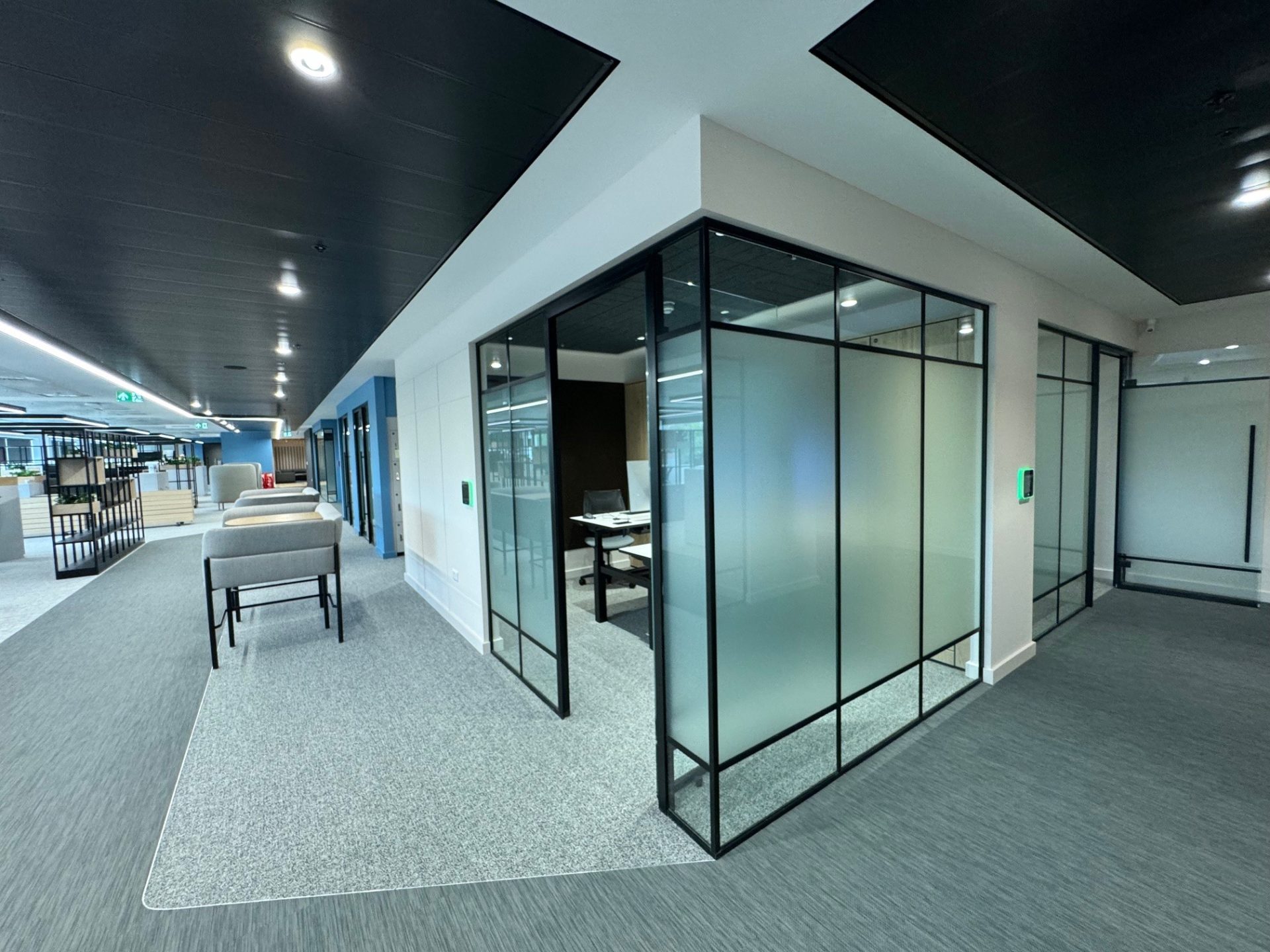
    Offices are moving away from heavy, opaque walls toward light-filled, open environments. Glass office walls are central to this trend. By using high-quality glass panels, businesses create partitions that preserve natural light, encourage visual connectivity, and reduce the psychological barrier between spaces.

    In cities like Nairobi, where real estate is at a premium, this transparency is practical. Glass allows for flexible zoning without making rooms feel claustrophobic, appealing to modern companies that value both openness and functional separation.

    The Rise of Frameless and Minimalist Glass Partitions

    Minimalism continues to dominate office design, with frameless glass partitions at the forefront. Frameless systems enhance openness and provide a clean, uncluttered aesthetic. In Kenya, frameless and sliding glass systems are gaining traction in high-end offices, maximizing space and light while preserving a modern, elegant look.

    Designers are favoring ultra-thin black trim or matte black accents, giving a structured, industrial-chic edge without compromising transparency and flow.

    Smart Glass and Privacy on Demand

    Smart or switchable glass is becoming more accessible in Kenyan boardrooms and meeting areas. These technologies allow glass to switch from clear to opaque instantly, giving teams privacy without using curtains or blinds.

    This supports a hybrid working culture—spaces can be open for collaboration, yet private when needed. Smart glass is particularly appealing in executive areas or client-facing rooms where visibility and confidentiality must coexist.

    Acoustic Performance and Sound Management

    With open-plan layouts growing, sound management is a top concern. Glass partitions are now engineered to manage acoustics effectively.

    Acoustic laminated glass and specially designed seals reduce sound transmission, making glass meeting rooms or work pods practical. This ensures that even in visually open spaces, conversations remain private and focused.

    Sustainability and Green Building Integration

    Sustainability is a major driver in Kenya’s construction and design sectors. Glass is appealing for its aesthetic qualities and because it can be recyclable and energy-efficient when properly specified.

    Modern glass façades and partitions can regulate indoor temperatures, reduce reliance on artificial lighting, and align with green-building goals. Toughened glass systems and high-performance glazing help cut down solar gain, contributing to lower energy consumption—particularly relevant in Kenya’s equatorial climate.

    Customization and Branding Through Glass

    Glass is now a branding medium. Companies are using etched glass, frosted patterns, or gradient films to incorporate identity directly into interiors. This elevates design while reinforcing company culture.

    Curved glass walls are also popular, creating fluid zones like brainstorming pods or creative hubs, emphasizing flexibility and innovation.

    Sliding and Demountable Systems for Flexibility

    Sliding glass doors and demountable partition systems allow spaces to be reconfigured easily as teams grow or change.

    Half-wall, half-glass partitions provide a compromise: delineation without blocking natural light. These hybrid systems suit dynamic work settings where collaboration zones and private areas must coexist.

    Curved and Organic Glass Forms

    While straight lines dominate, designers are using curved glass for partitions and lounge areas. Curved walls create movement in office floors and define functional zones in imaginative ways, such as rounded meeting rooms or semi-circular communal areas.

    Retro-Modern Revival: Glass Blocks

    Glass blocks are making a comeback. Modular and semi-translucent, they provide diffused light, privacy, and architectural texture. Modern variations include curved or fluted blocks, ideal for adding a retro yet contemporary touch.

    Safety, Durability, and Compliance

    Kenyan offices prioritize safety and quality. Tempered glass, which shatters into small pieces, is strong and safe. Laminated glass is preferred in high-traffic areas because it holds together even if cracked.

    Professional installers ensure compliance with local building codes, fire safety norms, and load-bearing requirements, protecting occupants and investment.

    Cost and Investment Considerations

    Modern glass partitions require thoughtful budgeting. Frameless and smart glass systems may cost more but deliver long-term value through energy savings, increased natural light, and flexible space use.

    Installation costs vary based on glass type, thickness, framing, and features. Maintenance is relatively low: glass is easy to clean, and modern systems are designed for longevity.

    Fabrication, Installation, and Aftercare

    Fabrication & Material Choice

    • Tempered glass: strong and safe for general partitions.

    • Laminated glass: ideal for high-security or sound-sensitive zones.

    • Smart glass: requires specialized suppliers and installation.

    Installation
    Glass partitions, especially frameless or sliding systems, require expert installation. Aluminum profiles, silicone joints, or ceiling anchors provide stability. Sliding systems require precise track and roller alignment. Demountable partitions must allow modular reconfiguration.

    Aftercare & Maintenance

    • Use gentle, non-abrasive cleaners.

    • Inspect for chips or damage regularly.

    • Maintain frame seals in framed systems to ensure longevity.

    • Protective films help reduce scratches and UV damage.

    Impact on Employee Wellbeing and Corporate Culture

    Glass partitions influence how people work. Transparency fosters communication, encourages collaboration, and makes leadership feel accessible. At the same time, modern glass systems balance openness and privacy, supporting focus and confidential work.

    Natural light through glass partitions improves employee wellness, reduces fatigue, and boosts productivity.

    Future Outlook for Glass Interiors in Kenya

    Future trends include:

    • Smart building integration with automated shading and light control.

    • Sustainable innovations such as recycled glass and low-emissivity coatings.

    • Hybrid work adaptations allowing flexible collaboration and private spaces.

    • Artistic and brand-led design, embedding logos or graphics into interiors.


    Why Partner with Ngong Hills Merchants for Your Glass Partition Needs

    Ngong Hills Merchants supplies sleek frameless glass systems, smart switchable panels, and sliding partitions, complemented by expert guidance. We help you navigate technical tradeoffs, design customization, installation best practices, and post-installation maintenance. Our experience ensures your glass partition project aligns with Kenyan standards and modern design trends.


    Your One‑Stop Hardware Partner in Ngong

    Imagine completing your project with the right tools, the best materials, and expert advice. At Ngong Hills Merchants, we turn your DIY or construction vision into reality with a complete selection of plumbing, electrical, glass, and sanitary ware.

    Contact our team for a consultation and get the right supplies, right now.

    QUALITY HARDWARE & SUPPLIES IN NGONG

    Complete Range of Plumbing & Electrical

    Power Tools, Adhesives & Paints

    Glass, Framing & Sanitary Ware

    Serving Ngong, Karen, Matasia, Kiserian & beyond.Request Your Free Consultation: Ngong Hills Merchants
    Email: ngonghillsmerchants [at] gmail.com
    Phone: +254 715974811
    Visit Us: Ngong Township, Ngong, Kenya
    Website: https://ngonghillsmerchants.com/
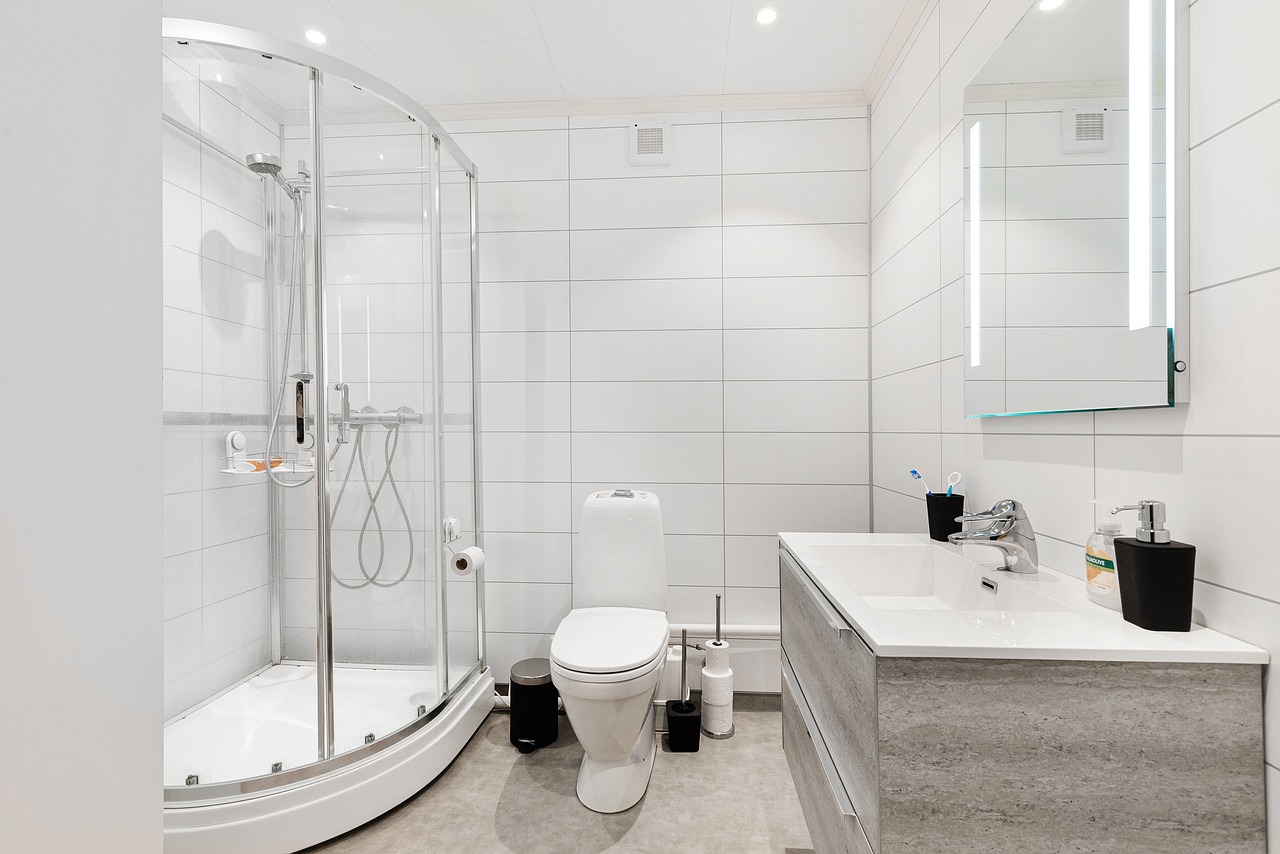
  • Installation Mistakes to Avoid When Fitting Glass Shower Cubicles in Kenyan Bathrooms

    Installation Mistakes to Avoid When Fitting Glass Shower Cubicles in Kenyan Bathrooms

    Fitting a glass shower cubicle installation in Kenya can dramatically transform a bathroom, giving it a sleek, modern look while maximizing space and natural light. However, improper installation can lead to leaks, safety hazards, and costly repairs. Whether you’re a homeowner tackling a DIY renovation or a professional contractor working in Nairobi, understanding common installation mistakes—and how to avoid them—is essential for achieving a durable, aesthetically pleasing bathroom upgrade.

    1. Choosing the Wrong Glass Type

    One of the most frequent errors is selecting unsuitable glass. Shower cubicles require tempered or laminated glass, which is designed to resist breakage and reduce injury risk. Thin or non-tempered panels may crack easily under heat, pressure, or accidental impact. When sourcing materials, explore our glass collection to ensure you choose panels suited for high-moisture environments.

    2. Ignoring Accurate Measurements

    Even a slight miscalculation in measurements can result in misaligned doors, uneven gaps, or panels that do not fit properly. Always measure wall-to-wall distances, floor levels, and ceiling height carefully. Remember to account for tile thickness and silicone allowances. Accurate measurement is crucial for both framed and frameless cubicles. For precise installation, complement your measurements with the right framing systems and support brackets.

    3. Poor Floor and Wall Preparation

    Shower cubicles require solid, level surfaces. Installing on uneven floors or unfinished walls can compromise stability and cause water seepage. Ensure tiles are properly fixed, walls are sealed, and floors are level before fitting the cubicle. In some cases, adjusting tiles or applying waterproof adhesives is necessary. Discover quality adhesives designed for wet areas to prevent leaks and maintain structural integrity.

    4. Incorrect Positioning of Hinges and Handles

    Misaligned hinges or handles are not just aesthetic issues—they can affect door operation and safety. Hinges must be installed according to the manufacturer’s specifications, typically allowing slight clearance for smooth opening and closing. Handles should be secured firmly to prevent loosening over time. For added reliability, combine your cubicle installation with suitable glass accessories that support proper alignment and durability.

    5. Overlooking Sealing and Waterproofing

    Water leakage is a common problem when silicone sealing is applied incorrectly. Avoid gaps and ensure continuous bead application along all edges, including the base and corners. Using poor-quality sealants or skipping corners can lead to mold, water damage, and costly repairs. Browse our collection of adhesives and sealants specifically designed for bathroom applications.

    6. Neglecting Door Alignment and Leveling

    Frameless glass doors must be perfectly level for smooth operation. A misaligned door can swing open unintentionally or strain hinges, leading to early failure. Use spirit levels during installation and make minor adjustments as needed before final fixing. Proper alignment also ensures the cubicle maintains its waterproof performance, preventing seepage onto bathroom floors.

    7. Using Improper Tools

    Attempting installation without the right tools can cause scratches, chips, or misalignment. Essential tools include suction cups, glass drill bits, spirit levels, and power drills designed for glass. Learn more about the power tools available for bathroom installations to ensure safety and precision.

    8. Skipping Post-Installation Maintenance

    Even the best installation requires proper maintenance. Residue buildup, worn seals, and loose fittings can compromise longevity. Regular cleaning with non-abrasive products and periodic inspection of seals, hinges, and screws will extend the life of your cubicle. For safe cleaning supplies, explore our range of cleaning items.

    9. Failing to Plan for Ventilation

    Bathrooms with poor ventilation are prone to humidity buildup, which can accelerate wear on seals, adhesives, and metal fittings. Always consider exhaust fans or windows to maintain airflow, reducing moisture-related issues. Complement your ventilation strategy with durable materials from our sanitary ware collection to ensure lasting performance.

    10. Overlooking Safety Regulations

    In Kenya, safety standards for tempered and laminated glass, as well as structural support, are critical. Installing substandard glass or neglecting manufacturer guidelines can result in liability issues if accidents occur. Always check that materials meet ISO or EN standards, and contact experienced suppliers for advice. Our team at Ngong Hills Merchants can guide you in selecting compliant, high-quality products.


    Your One-Stop Hardware Partner in Ngong

    Imagine completing your project with the right tools, the best materials, and expert advice. At Ngong Hills Merchants, we turn your DIY or construction vision into reality with a complete selection of plumbing, electrical, glass, and sanitary ware.

    Contact our team for a consultation and get the right supplies, right now.

    QUALITY HARDWARE & SUPPLIES IN NGONG

    ✔ Complete Range of Plumbing & Electrical
    ✔ Power Tools, Adhesives & Paints
    ✔ Glass, Framing & Sanitary Ware

    Serving Ngong, Karen, Matasia, Kiserian & beyond.

     Request Your Free Consultation: Ngong Hills Merchants
     Email: ngonghillsmerchants [at] gmail.com
     Phone: +254 715974811
     Visit Us: Ngong Township, Ngong, Kenya
     Website: https://ngonghillsmerchants.com/