Category: paints and finishes

  • Top Interior Finishing Hardware Supplies in Kenya for Modern Projects | Ngong Hills Merchants

    Top Interior Finishing Hardware Supplies in Kenya for Modern Projects | Ngong Hills Merchants

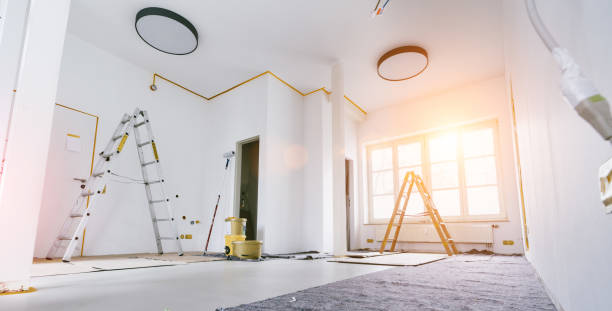
    Interior finishing Kenya projects demand a high level of precision, material quality, and technical understanding to achieve durable and visually appealing results. Unlike structural construction, where strength is the primary concern, interior finishing focuses on aesthetics, comfort, functionality, and long-term maintenance efficiency. Every detail matters—from wall smoothness and paint consistency to the alignment of fittings and the durability of flooring systems.

    In modern construction, interior spaces are no longer treated as secondary elements. They define how a building is experienced, used, and valued. Whether it is a residential home, commercial office, or hospitality space, the quality of finishing determines both comfort and property value. This is why selecting the right hardware supplies Kenya professionals trust is essential for achieving professional-grade results.

    At Ngong Hills Merchants, interior finishing is understood as a system of interconnected components rather than isolated materials. Walls, ceilings, floors, lighting fixtures, and fittings must all work together harmoniously. Using the correct finishing accessories Kenya contractors rely on ensures that every part of the interior meets both structural and aesthetic expectations.

    Interior finishing begins long before paint is applied or tiles are installed. It starts with surface preparation, material selection, and planning. Each stage requires specific tools and materials designed to ensure precision and consistency. For example, wall finishing products Kenya builders use include fillers, primers, adhesives, tapes, and leveling compounds that prepare surfaces for final decoration.

    Without proper preparation, even the most expensive paint or tiles will fail to deliver a professional result. Uneven surfaces, poor adhesion, and visible imperfections are common issues that arise when finishing materials are overlooked or poorly selected.

    This is why professional contractors place strong emphasis on sourcing quality materials from trusted suppliers like Ngong Hills Merchants, where product consistency and durability are prioritized across all categories.

    The Role of Hardware in Interior Finishing

    Hardware supplies form the backbone of interior construction projects. They include fastening systems, measuring tools, cutting equipment, adhesives, sealing materials, and installation accessories. Each component plays a specific role in ensuring precision and durability.

    For example, screws, anchors, and bolts are used to secure structural and decorative elements such as cabinetry, partitions, and ceiling systems. Without reliable fastening systems, even well-designed interiors can fail over time due to loosening or misalignment.

    Measuring tools such as spirit levels, laser levels, and measuring tapes ensure accurate alignment during installation. Cutting tools like saws and utility knives allow materials to be shaped precisely according to design specifications.

    Professionals sourcing reliable tools often rely on our comprehensive hardware supplies collection to ensure consistency across all stages of interior finishing.

    Wall Finishing Systems and Surface Preparation

    Wall finishing is one of the most critical aspects of interior construction. It determines the visual quality and durability of interior spaces. The process involves plastering, sanding, priming, and painting, each requiring specialized materials.

    Wall finishing products Kenya contractors use include joint compounds, fillers, sandpapers, mesh tapes, and primers. These materials ensure that surfaces are smooth, crack-free, and ready for final coating.

    Drywall systems in particular require careful joint reinforcement to prevent cracking over time. Proper surface preparation ensures that paint adheres evenly and maintains its appearance for years.

    For professionals seeking high-quality materials, Ngong Hills Merchants provides access to reliable wall finishing solutions designed for both residential and commercial applications.

    Flooring Accessories and Installation Materials

    Flooring plays a major role in interior aesthetics and functionality. Whether using tiles, vinyl, laminate, or polished concrete, the installation process requires specific accessories to ensure durability and alignment.

    Tiling systems require adhesives, spacers, leveling tools, and grouting materials. These ensure that tiles are evenly spaced, properly bonded, and resistant to moisture penetration.

    Improper installation can lead to uneven surfaces, cracks, or loose tiles, all of which reduce both visual appeal and structural integrity.

    Professionals often combine flooring systems with our range of adhesives and bonding materials to achieve long-lasting results in high-traffic environments.

    Ceiling Systems and Interior Framework Accessories

    Ceilings are an essential part of interior finishing, contributing to both aesthetics and functionality. Modern ceiling systems include gypsum boards, suspended ceilings, and decorative ceiling designs.

    Installation requires accessories such as metal framing systems, screws, connectors, and suspension wires. These components ensure that ceiling structures are stable, level, and durable.

    Poorly installed ceilings can lead to sagging, cracks, or misalignment over time. This is why precision accessories are critical in ceiling construction.

    Contractors frequently rely on structural framing and hardware systems to ensure safe and durable installations.

    Electrical and Lighting Integration in Interiors

    Modern interiors require seamless integration of electrical systems, including lighting, sockets, switches, and concealed wiring. This requires both technical knowledge and specialized accessories.

    Electrical finishing involves conduits, junction boxes, cable management systems, and protective fittings that ensure safety and functionality. Proper installation prevents hazards such as short circuits or overheating.

    Lighting design also plays a major role in interior aesthetics, influencing mood, visibility, and spatial perception. Therefore, electrical finishing must be coordinated with architectural design.

    Professionals sourcing reliable components often explore electrical fittings and accessories to ensure compliance with safety standards and design requirements.

    Doors, Glass, and Decorative Finishing Elements

    Doors, windows, and glass installations are key elements of interior finishing. They contribute to both functionality and visual appeal. Modern interiors often incorporate glass partitions, aluminium frames, and decorative door systems.

    Installation requires hinges, handles, seals, brackets, and framing accessories that ensure stability and smooth operation. Glass systems also require precise alignment to prevent leaks, noise transfer, or structural imbalance.

    For projects involving modern architectural finishes, professionals often use glass and aluminium fittings to achieve clean, elegant results.

    Adhesives, Sealants, and Bonding Materials

    Adhesives are essential in interior finishing because they ensure strong bonding between different materials. They are used in tiling, panel installation, flooring, and decorative applications.

    Sealants are equally important as they prevent moisture penetration, dust accumulation, and air leakage. This is especially important in bathrooms, kitchens, and exterior-facing interiors.

    Without proper adhesives and sealants, even high-quality materials can fail prematurely due to weak bonding or environmental exposure.

    Contractors often rely on high-performance adhesive solutions to ensure durability and structural integrity across all finishing applications.

    Measurement, Alignment, and Precision Tools

    Precision is the foundation of successful interior finishing. Even minor measurement errors can lead to visible defects, misalignment, or material wastage.

    Tools such as laser levels, spirit levels, measuring tapes, and marking tools ensure accuracy during installation. Cutting tools allow materials to be shaped precisely according to design requirements.

    These tools are essential for achieving professional-grade results in all interior construction projects.

    For reliable equipment, contractors frequently explore professional-grade hand tools designed for accuracy and durability.

    Cost Efficiency and Long-Term Value of Quality Materials

    Investing in high-quality interior finishing materials may increase initial project costs, but it significantly reduces long-term maintenance expenses. Durable materials minimize repairs, improve performance, and extend the lifespan of interior systems.

    Cheap or low-quality materials often lead to issues such as cracking, peeling, misalignment, and frequent replacements. These problems increase long-term costs and reduce property value.

    Professionals increasingly prioritize sourcing from trusted suppliers like Ngong Hills Merchants to ensure consistent quality across all construction stages.

    Maintenance and Durability in Interior Finishing

    Proper maintenance is essential for preserving the quality of interior finishes. Regular cleaning, repainting, sealing, and inspection of fittings help maintain both functionality and appearance.

    Wall surfaces may require periodic repainting, while flooring systems benefit from grout maintenance and cleaning. Electrical and plumbing fittings should also be inspected regularly for safety and efficiency.

    Well-maintained interiors not only last longer but also retain higher aesthetic and market value over time.

    Interior finishing Kenya projects require a careful balance of materials, tools, and technical expertise. From wall preparation to flooring, electrical integration, and decorative detailing, every component plays a vital role in achieving a professional result.

    By selecting high-quality hardware supplies Kenya contractors trust, builders and homeowners can ensure that their projects meet modern standards of durability, safety, and visual appeal.

    Your One-Stop Hardware Partner in Ngong

    Imagine completing your project with the right tools, the best materials, and expert advice. At Ngong Hills Merchants, we turn your DIY or construction vision into reality with a complete selection of plumbing, electrical, glass, and sanitary ware.

    Contact our team for a consultation and get the right supplies, right now.

    QUALITY HARDWARE & SUPPLIES IN NGONG ✔ Complete Range of Plumbing & Electrical ✔ Power Tools, Adhesives & Paints ✔ Glass, Framing & Sanitary Ware ✔ Serving Ngong, Karen, Matasia, Kiserian & beyond.

     Request Your Free Consultation: Ngong Hills Merchants

     Email: ngonghillsmerchants [at] gmail.com

     Phone: +254 715974811

     Visit Us: Ngong Township, Ngong, Kenya

     Website: https://ngonghillsmerchants.com/
  • How to Apply Clear Wood Varnish for Outdoor Furniture

    How to Apply Clear Wood Varnish for Outdoor Furniture

    Applying Clear wood Varnish

    Outdoor wooden furniture, doors, pergolas, and decks add warmth and character to Kenyan homes. However, exposure to intense sun, heavy rainfall, coastal humidity, and dust can quickly degrade untreated timber. Without proper protection, wood may crack, fade, warp, or develop mold. Applying clear wood varnish Kenya is one of the most effective ways to preserve both the appearance and structural integrity of exterior timber.

    In regions such as Mombasa, where UV radiation and salt-laden air are constant threats, and in highland towns like Nairobi or Limuru where temperature fluctuations affect wood movement, a high-quality varnish creates a protective barrier against moisture and sunlight. Whether you are refinishing a hardwood front door or protecting patio furniture in Kisumu, understanding the correct preparation and application techniques ensures long-lasting results.

    This detailed guide explains the types of exterior varnishes available, environmental considerations in Kenya, step-by-step application methods, drying times, maintenance tips, and answers to common questions homeowners frequently search online.


    Why Clear Wood Varnish Is Essential for Outdoor Timber

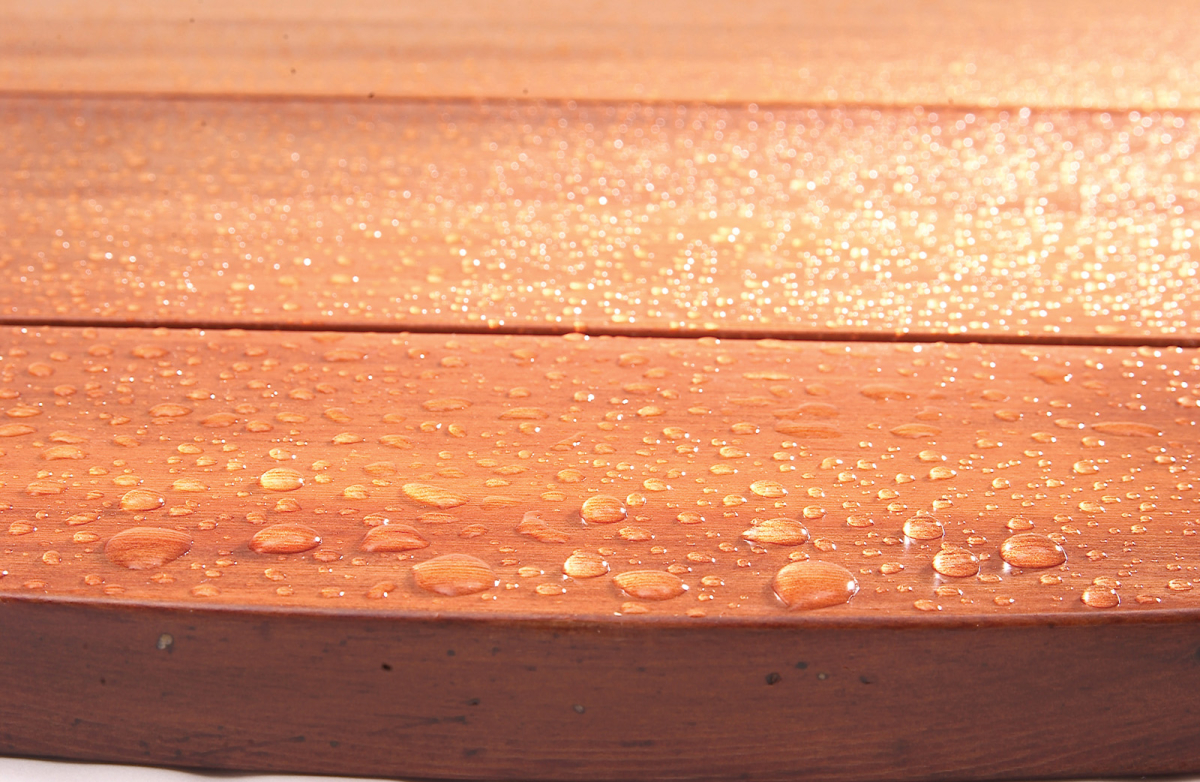
    Exterior wood is constantly exposed to moisture, ultraviolet radiation, and temperature changes. Clear varnish acts as a transparent protective shield. It enhances the natural grain of timber while providing durability against harsh environmental conditions.

    Key benefits include:

    • UV protection to reduce fading

    • Water resistance to prevent swelling and rot

    • Improved scratch resistance

    • Enhanced wood grain appearance

    • Easier cleaning and maintenance

    In coastal counties such as Mombasa and Malindi, high humidity increases the risk of fungal growth. A properly sealed surface reduces moisture penetration and extends the lifespan of wooden structures.

    To achieve reliable results, selecting high-quality products from the paints and wood finishes category ensures compatibility with Kenya’s climate.


    Types of Clear Wood Varnish Suitable for Kenyan Exteriors

    Not all varnishes are designed for outdoor exposure. Choosing the correct formulation is critical for durability.

    1. Polyurethane Varnish

    • Strong abrasion resistance

    • High durability

    • Suitable for doors and furniture

    Exterior-grade polyurethane provides strong UV resistance when properly formulated.


    2. Marine Varnish

    • Designed for high-moisture environments

    • Flexible to accommodate wood expansion

    • Excellent for coastal climates

    Marine varnish performs particularly well in humid areas like Kisumu and Mombasa.


    3. Acrylic Water-Based Varnish

    • Low odour

    • Faster drying

    • Easier cleanup

    Suitable for shaded patios and moderate climates, though oil-based varnishes often provide superior water resistance for heavy exposure.

    When purchasing clear wood varnish Kenya, always confirm it is rated for exterior use.


    Environmental Factors in Kenya That Affect Varnish Performance

    Kenya’s diverse climate requires careful product selection and application timing.

    Coastal Regions (Mombasa, Malindi)

    • High humidity

    • Salt exposure

    • Strong sunlight

    Use flexible, moisture-resistant varnishes and apply during dry weather.


    Lake Region (Kisumu)

    • Warm temperatures

    • Seasonal rains

    • Increased fungal risk

    Ensure surfaces are completely dry before application.


    Central Highlands (Nairobi, Limuru)

    • Cooler nights

    • Moderate sunshine

    • Occasional condensation

    Allow extended drying times during colder seasons.


    Step-by-Step Guide: How to Apply Clear Wood Varnish

    Proper preparation determines the longevity of the varnish finish. Skipping steps leads to peeling, bubbling, or uneven gloss.


    Step 1: Inspect and Prepare the Surface

    Check for:

    • Cracks

    • Old flaking varnish

    • Mold or mildew

    • Rough patches

    Remove old coatings by sanding. Mechanical sanding tools from the power tools section can speed up preparation for larger projects.


    Step 2: Clean the Wood Thoroughly

    Dust and dirt interfere with adhesion. Use suitable cleaning materials from the cleaning items category to wipe down the surface.

    Allow the wood to dry completely before proceeding.


    Step 3: Sand Smoothly

    Sand along the grain using medium-grit sandpaper, then finish with fine grit for a smooth surface.

    • Always sand in the direction of the grain

    • Remove all dust after sanding

    A smooth surface enhances final appearance and adhesion.


    Step 4: Stir the Varnish Properly

    Do not shake the container, as this introduces air bubbles. Stir gently until the mixture is uniform.


    Step 5: Apply the First Coat

    Using quality brushes or rollers from the miscellaneous tools section:

    • Apply thin, even coats

    • Work along the wood grain

    • Avoid over-brushing

    Thin coats dry more evenly and reduce bubbling.


    Step 6: Allow Proper Drying Time

    Drying times vary depending on temperature and humidity.

    Typical drying times in Kenya:

    • Touch dry: 4–6 hours

    • Recoat time: 12–24 hours

    • Full cure: 5–7 days

    In humid coastal areas, drying may take longer.


    Step 7: Light Sanding Between Coats

    Lightly sand with fine-grit paper between coats to ensure smoothness and adhesion.

    Apply at least two to three coats for exterior protection.


    Common Mistakes to Avoid

    1. Applying varnish in direct midday sun

    2. Coating damp or wet wood

    3. Skipping sanding between coats

    4. Applying thick layers

    5. Ignoring weather forecasts

    These errors often lead to peeling or uneven finishes.


    Maintenance Tips for Long-Lasting Protection

    Routine maintenance extends the life of your varnished surfaces.

    • Clean surfaces regularly

    • Inspect annually for cracks or dull areas

    • Lightly sand and recoat when sheen reduces

    • Avoid harsh chemical cleaners

    Outdoor furniture may require reapplication every 2–3 years depending on exposure intensity.


    Typical Applications in Kenya

    Clear varnish is commonly used for:

    • Front entrance doors

    • Patio furniture

    • Deck railings

    • Wooden gates

    • Pergolas

    • Window frames

    In coastal homes in Mombasa, marine-grade varnish protects against moisture damage. In Nairobi suburbs, varnished hardwood doors maintain their rich appearance despite fluctuating temperatures.

    For woodworking projects requiring assembly or repairs before varnishing, compatible bonding materials from the adhesives section ensure structural integrity.

    Across different regions, clear wood varnish Kenya remains a reliable solution for preserving outdoor timber aesthetics and strength.


    Frequently Asked Questions (FAQ)

    How long does wood varnish take to dry?

    In Kenya’s typical climate, varnish becomes touch dry within 4–6 hours. Recoating usually requires 12–24 hours. Full curing may take up to 7 days, depending on humidity and temperature.


    How many coats of clear varnish should I apply?

    For exterior wood, apply at least two to three coats. High-exposure areas such as doors facing direct sunlight may require an additional protective coat.


    Can I apply varnish over old varnish?

    Yes, but the surface must be lightly sanded to remove gloss and ensure proper adhesion. Any peeling areas should be fully removed before recoating.


    Is clear wood varnish waterproof?

    Exterior varnish is water-resistant, not fully waterproof. It protects against rain and moisture but should be maintained regularly to prevent degradation.


    When is the best time to apply varnish in Kenya?

    Apply varnish during dry weather with moderate temperatures. Avoid rainy seasons and extremely hot midday conditions.


    Conclusion

    Outdoor wooden surfaces in Kenya face constant exposure to sun, rain, humidity, and dust. Applying high-quality clear wood varnish Kenya protects against UV damage, moisture penetration, and surface wear while enhancing the natural beauty of timber.

    With proper preparation, thin even coats, and adequate drying time, varnish can significantly extend the life of wooden doors, patio furniture, and exterior structures. Regular maintenance ensures continued protection for years to come.

    Explore our complete range of exterior wood finishes and supplies here:

    shop

    For professional guidance on selecting the right varnish for your region and project, contact our expert team today:
    contact-us

    Protect your wood the right way—durable, beautiful, and built for Kenya’s climate.

  • Epoxy Flooring for Kenyan Garages and Workshops

    Epoxy Flooring for Kenyan Garages and Workshops

    Epoxy Flooring

    Concrete floors are common in Kenyan garages, workshops, warehouses, and light industrial spaces. While plain concrete is durable, it is also porous, dusty, prone to oil staining, and vulnerable to cracking under heavy mechanical loads. For homeowners, mechanics, fabricators, and contractors looking for a long-term upgrade, epoxy flooring in Kenya offers a practical and professional solution.

    Epoxy flooring transforms ordinary concrete into a seamless, high-strength, chemical-resistant surface that withstands vehicle traffic, dropped tools, oil spills, and frequent cleaning. In busy garages in Nairobi, automotive workshops in Kisumu, and coastal storage units in Mombasa, epoxy coatings significantly improve floor durability while enhancing cleanliness and safety.

    This comprehensive guide explains how epoxy flooring works, its benefits in Kenyan conditions, step-by-step application methods, drying times, cost considerations, and common mistakes to avoid. Whether you are upgrading a home garage or finishing a commercial workshop, understanding epoxy flooring in Kenya ensures you achieve maximum performance and long-term value.


    What Is Epoxy Flooring?

    Epoxy flooring is a two-component system consisting of resin and hardener that chemically react to form a rigid, durable plastic-like surface. Once cured, it bonds tightly to concrete, creating a seamless and highly resistant coating.

    Unlike ordinary paint, epoxy does not simply dry—it cures through a chemical reaction. This curing process produces:

    • High compressive strength

    • Excellent abrasion resistance

    • Chemical and oil resistance

    • Low porosity

    For Kenyan garages where vehicles leak oil or workshops handle machinery and tools, this level of durability is essential.

    To achieve optimal performance, it is critical to use quality epoxy resins and floor coating products designed for heavy-duty flooring applications.


    Why Epoxy Flooring Is Ideal for Kenyan Garages

    Garages and workshops in Kenya face heavy mechanical stress, dust accumulation, oil spills, and fluctuating temperatures. Epoxy coatings address these challenges effectively.

    1. Resistance to Oil and Chemicals

    Vehicle maintenance areas frequently experience oil drips, brake fluid spills, and cleaning solvents. Bare concrete absorbs these liquids, leading to permanent stains and gradual deterioration.

    Epoxy creates a non-porous barrier that prevents absorption, making cleaning easier and protecting the concrete beneath.


    2. Durability Under Heavy Loads

    In workshops handling engines, welding equipment, and heavy machinery, floors endure significant point loads. Properly installed epoxy flooring in Kenya provides:

    • Strong adhesion to concrete

    • Resistance to cracking under weight

    • Improved load distribution

    This is especially valuable for automotive repair shops in Nairobi’s industrial areas.


    3. Dust Reduction

    Concrete floors naturally generate dust as they wear down. This dust can damage equipment and create unhealthy indoor air conditions.

    Epoxy seals the surface, eliminating dust formation and creating a cleaner working environment.


    4. Moisture Resistance in Coastal Regions

    In humid cities like Mombasa, moisture vapor can rise through concrete slabs. High-quality epoxy systems resist moisture penetration, preventing peeling and delamination when correctly installed over dry, prepared surfaces.


    Types of Epoxy Flooring Systems

    Not all epoxy systems are the same. The right system depends on usage intensity and environmental conditions.

    Self-Leveling Epoxy

    • Smooth, seamless finish

    • Ideal for garages and showrooms

    • Provides uniform thickness

    High-Build Epoxy

    • Thicker coating

    • Greater impact resistance

    • Suitable for heavy workshops

    Epoxy Mortar Systems

    • Extremely durable

    • Used in industrial environments

    • Resists heavy machinery vibration

    For standard residential garages, a high-build system is typically sufficient.


    Step-by-Step Application Process

    Proper installation determines whether epoxy flooring lasts 2 years or 15 years. Surface preparation is the most critical stage.


    Step 1: Surface Inspection

    Check for:

    • Cracks in concrete

    • Oil contamination

    • Moisture issues

    • Uneven surfaces

    Repair structural cracks before coating.


    Step 2: Mechanical Surface Preparation

    Concrete must be roughened to allow epoxy bonding. This can be done using grinders or mechanical tools from the power tools category.

    The goal is to achieve a slightly textured profile for maximum adhesion.


    Step 3: Cleaning and Degreasing

    Remove:

    • Dust

    • Grease

    • Loose particles

    Use appropriate cleaning solutions from the cleaning items section to ensure the floor is completely clean and dry.

    Any contamination left behind can cause bonding failure.


    Step 4: Mixing Epoxy Resin and Hardener

    Epoxy flooring systems require precise mixing of resin and hardener in manufacturer-specified ratios.

    • Mix thoroughly using mechanical stirrers

    • Avoid whipping air into the mixture

    • Prepare only the quantity usable within the pot life

    Using compatible hardeners and epoxy systems ensures proper curing and strength development.


    Step 5: Application with Heavy-Duty Rollers

    Apply the mixed epoxy evenly across the surface using professional heavy-duty floor rollers.

    • Start from one corner and work systematically

    • Maintain consistent thickness

    • Use spiked shoes if walking over wet epoxy

    Rollers must be solvent-resistant and capable of handling thick coatings.


    Step 6: Curing and Drying Time

    Drying and curing times vary based on temperature and humidity.

    Typical curing timeline in Kenya:

    • Light foot traffic: 12–24 hours

    • Vehicle traffic: 48–72 hours

    • Full chemical cure: 5–7 days

    In cooler highland areas, curing may take slightly longer. In hot regions, working time may shorten due to faster chemical reactions.


    Environmental Performance in Kenyan Conditions

    Climate plays a major role in epoxy performance.

    Nairobi and Central Highlands

    • Moderate temperatures

    • Stable curing conditions

    • Ideal for controlled installations

    Mombasa and Coastal Areas

    • High humidity

    • Requires moisture testing before application

    • Proper ventilation is critical

    Kisumu and Lake Region

    • Warm temperatures

    • Good curing speed

    • Ensure slab dryness before coating

    Managing moisture and ventilation is essential to prevent bubbling or delamination.


    Cost Considerations for Epoxy Flooring in Kenya

    Cost depends on surface preparation, thickness, and material quality.

    Key factors influencing pricing:

    • Condition of concrete slab

    • Area size (square metres)

    • Type of epoxy system

    • Labour requirements

    While epoxy flooring in Kenya may have a higher upfront cost than ordinary floor paint, it significantly reduces maintenance expenses and repainting frequency.

    For commercial workshops, the return on investment is often realized within a few years due to reduced repairs and improved cleanliness.


    Typical Applications in Kenya

    Epoxy flooring is suitable for various residential and commercial spaces.

    Residential Garages

    • Protects concrete from vehicle wear

    • Enhances property value

    • Easier cleaning

    Automotive Workshops

    • Withstands oil spills and mechanical impact

    • Improves professional appearance

    Fabrication and Engineering Shops

    • Resists abrasion

    • Supports heavy equipment

    Warehouses

    • Reduces dust

    • Improves lighting reflection

    Across urban centres like Nairobi, Kisumu, and Mombasa, epoxy flooring in Kenya is becoming the preferred solution for durable workshop environments.


    Common Mistakes to Avoid

    1. Skipping surface grinding

    2. Applying epoxy over damp concrete

    3. Incorrect resin-to-hardener ratio

    4. Applying too thin or too thick

    5. Allowing dust contamination during curing

    Professional preparation and high-quality materials ensure long-term success.


    Maintenance and Longevity

    Properly installed epoxy floors can last 10–15 years or more.

    Maintenance tips:

    • Clean spills promptly

    • Avoid dragging sharp metal objects

    • Inspect annually for wear

    • Recoat high-traffic zones when needed

    Regular cleaning preserves gloss and slip resistance.

    Upgrade Your Garage the Right Way

    Concrete floors in Kenyan garages and workshops endure heavy stress, chemical exposure, and temperature fluctuations. Investing in high-quality epoxy flooring in Kenya transforms these spaces into durable, professional, and easy-to-maintain environments.

    With proper surface preparation, accurate resin and hardener mixing, and application using heavy-duty rollers, epoxy flooring delivers long-term protection and performance.

    Explore our range of epoxy systems and floor coating solutions at:
    shop

    For technical guidance, bulk purchases, or expert recommendations tailored to your project, contact our team today:
    contact-us

    Upgrade your garage or workshop with a floor built to withstand Kenya’s toughest demands.

  • The Best Roof Paint Colors for Heat Reflection in Kenya

    The Best Roof Paint Colors for Heat Reflection in Kenya

    Best Roof Paint Colors for Heat Reflection in Kenya

    Choosing the Best Roof Paint Colors in Kenya is one of the most practical ways to reduce indoor heat, improve comfort, and lower energy costs in both residential and commercial buildings. In Kenya’s climate—where strong sunlight and high daytime temperatures are common—roof surfaces can absorb significant heat and transfer it into living spaces.

    Without proper roof color selection, buildings become warmer, increasing the need for fans or air conditioning. However, heat-reflective roof paints can significantly reduce this effect by reflecting sunlight instead of absorbing it.

    At Ngong Hills Merchants, we support builders and homeowners with quality materials for long-lasting construction performance. You can explore reliable finishing solutions through our paints category designed for Kenyan conditions.


    Best Roof Paint Colors in Kenya: Why Roof Color Matters

    The importance of Best Roof Paint Colors in Kenya comes down to how surfaces interact with solar radiation.

    When sunlight hits a roof, it is either:

    • Reflected back into the atmosphere
    • Absorbed and converted into heat
    • Transferred into indoor spaces

    Light-colored roofs reflect more sunlight and absorb less heat, while dark colors absorb more heat and raise indoor temperatures significantly.

    Research shows that light reflective roofs can reflect a large portion of solar radiation, reducing cooling needs and improving indoor comfort in hot climates.


    Best Roof Paint Colors in Kenya: White as the Top Heat Reflector

    White is widely recognized as the most effective option in the Best Roof Paint Colors in Kenya category.

    White roofs reflect the highest amount of solar radiation, reducing roof surface temperature and indoor heat gain. They are especially effective in hot regions such as coastal and lowland areas.

    Advantages:

    • Maximum heat reflection
    • Lower indoor temperatures
    • Reduced energy costs
    • Best performance in hot climates

    However, white roofs may require more frequent cleaning due to visible dust and dirt accumulation.


    Best Roof Paint Colors in Kenya: Light Grey for Balanced Performance

    Light grey is one of the most practical choices in Best Roof Paint Colors in Kenya.

    It provides strong heat reflection while maintaining a modern and clean appearance. It also hides dirt better than pure white, making it ideal for urban homes and commercial buildings.

    Advantages:

    • Good heat reflection
    • Aesthetic appeal
    • Low maintenance appearance
    • Suitable for modern architecture

    Light grey is commonly used in Nairobi and surrounding urban developments where both appearance and performance matter.


    Best Roof Paint Colors in Kenya: Beige and Sand Tones

    Beige and sand tones are excellent options in the Best Roof Paint Colors in Kenya range, especially for semi-arid regions.

    These earthy shades reflect a good amount of sunlight while blending naturally with the environment.

    Advantages:

    • Moderate to high heat reflection
    • Natural aesthetic
    • Reduced glare compared to white
    • Suitable for rural and suburban homes

    These tones are popular in areas with dry climates and dusty conditions.


    Best Roof Paint Colors in Kenya: Light Blue and Pastel Shades

    Light blue and pastel shades also perform well in Best Roof Paint Colors in Kenya, especially when formulated with reflective pigments.

    They provide moderate heat reflection while offering a unique architectural appearance.

    Advantages:

    • Moderate heat reduction
    • Visually appealing
    • Suitable for residential designs
    • Works well in coastal regions

    These shades are often chosen for aesthetic balance rather than maximum thermal performance.


    Best Roof Paint Colors in Kenya: Aluminium Reflective Coatings

    Aluminium-based coatings are among the most efficient in Best Roof Paint Colors in Kenya for metal roofs.

    These coatings contain reflective particles that bounce back sunlight effectively, reducing heat absorption significantly.

    Advantages:

    • High infrared reflection
    • Excellent for metal roofs
    • Corrosion resistance
    • Long-lasting performance

    They are commonly used in industrial buildings, warehouses, and commercial structures.


    Best Roof Paint Colors in Kenya: Colours to Avoid in Hot Areas

    Not all colours are suitable when choosing the Best Roof Paint Colors in Kenya for heat reduction.

    Dark colours should generally be avoided in hot regions because they absorb more heat.

    Avoid:

    • Black
    • Dark brown
    • Deep green
    • Charcoal grey

    These colours increase roof temperature and transfer more heat into indoor spaces, making buildings warmer.


    Best Roof Paint Colors in Kenya: Regional Climate Considerations

    Kenya’s diverse climate affects the choice of Best Roof Paint Colors in Kenya.

    Coastal Regions (Mombasa, Malindi)

    • High humidity and intense sun
    • Best choice: White or aluminium reflective coatings

    Nairobi and Central Kenya

    • Moderate temperatures
    • Best choice: Light grey or beige

    Arid and Semi-Arid Regions

    • Strong sunlight and dry conditions
    • Best choice: Sand tones and reflective coatings

    Different regions require different levels of heat reflection for optimal performance.


    Best Roof Paint Colors in Kenya: Energy Efficiency Benefits

    Using the Best Roof Paint Colors in Kenya can significantly improve energy efficiency in buildings.

    Benefits include:

    • Reduced indoor temperatures
    • Lower electricity bills
    • Reduced dependence on cooling systems
    • Improved roof lifespan due to lower thermal stress

    Cool roof technology has been shown to reduce indoor temperatures and energy usage in hot climates.


    Best Roof Paint Colors in Kenya: Application and Maintenance Tips

    Even the Best Roof Paint Colors in Kenya require proper application to perform effectively.

    Key tips:

    • Clean roof surface thoroughly before painting
    • Apply primer for better adhesion
    • Use multiple thin coats instead of one thick coat
    • Recoat every few years depending on exposure

    Proper maintenance ensures long-term performance and consistent heat reflection.


    Conclusion: Choosing the Right Roof Paint Color in Kenya

    Selecting the Best Roof Paint Colors in Kenya is not just about aesthetics—it is about comfort, energy efficiency, and long-term building performance.

    White, light grey, beige, and aluminium coatings offer the best combination of heat reflection and durability. Dark colours should be avoided in hot climates due to higher heat absorption.

    For homeowners and builders, investing in the right roof paint is a simple but powerful way to improve indoor comfort and reduce long-term energy costs.


    Call To Action

    Your One-Stop Hardware Partner in Ngong

    Imagine completing your project with the right tools, the best materials, and expert advice. At Ngong Hills Merchants, we turn your DIY or construction vision into reality with a complete selection of plumbing, electrical, glass, and sanitary ware.

    Contact our team for a consultation and get the right supplies, right now.

    QUALITY HARDWARE & SUPPLIES IN NGONG

     Complete Range of Plumbing & Electrical

     Power Tools, Adhesives & Paints

     Glass, Framing & Sanitary Ware

     Serving Ngong, Karen, Matasia, Kiserian & beyond.

     Request Your Free Consultation: Ngong Hills Merchants

     Email: ngonghillsmerchants [at] gmail.com

     Phone: +254 715974811

     Visit Us: Ngong Township, Ngong, Kenya

     Website: https://ngonghillsmerchants.com/

  • Silk vs. Vinyl Matt Paint: Choosing Your Interior Finish

    Silk vs. Vinyl Matt Paint: Choosing Your Interior Finish

    Silk vs Vinyl Matt Paint Kenya: Choosing Your Interior Finish

    Choosing the right finish in Silk vs Vinyl Matt Paint Kenya is one of the most important decisions when painting interior walls. While colour often gets most of the attention, the finish determines how your walls look under light, how easy they are to clean, and how long they maintain their appearance.

    In Kenya’s residential and commercial buildings—from apartments in Nairobi to homes in Ngong and rental units across the country—these two finishes dominate interior design choices. Each has unique strengths depending on the room, lighting, and usage.

    At Ngong Hills Merchants, we support homeowners and contractors with quality finishing materials. You can explore reliable products in our paints category designed for Kenyan building conditions.


    Silk vs Vinyl Matt Paint Kenya: Understanding Interior Paint Finishes

    To properly compare Silk vs Vinyl Matt Paint Kenya, you first need to understand what paint finishes actually do.

    Paint finish refers to the level of sheen or reflectivity on a wall surface. It affects:

    • Light reflection
    • Washability
    • Durability
    • Appearance of wall imperfections

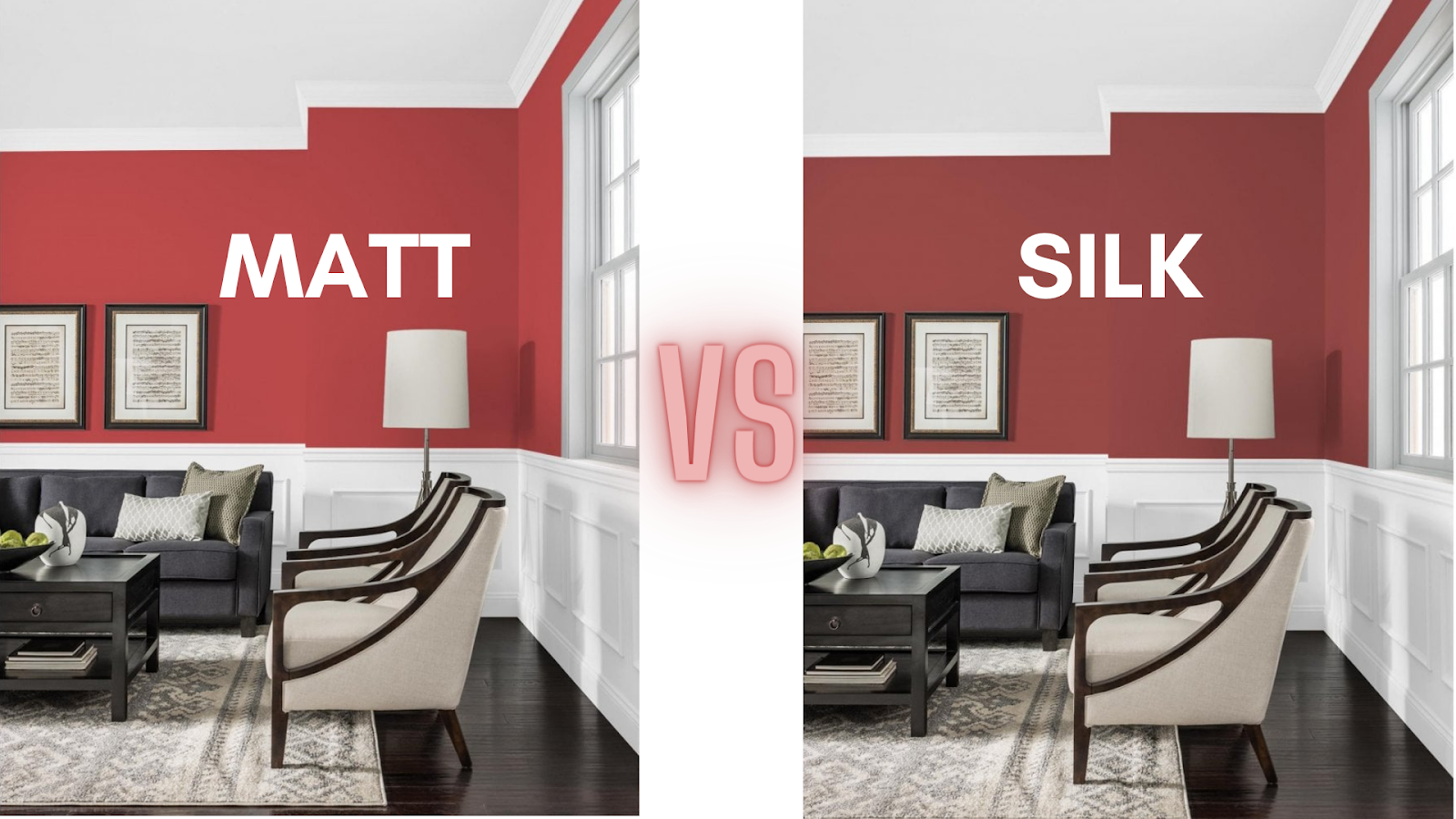
    Vinyl matt has a flat, non-reflective surface, while silk has a soft sheen that reflects light gently. This difference influences both aesthetics and performance.


    Silk vs Vinyl Matt Paint Kenya: What is Vinyl Matt Paint?

    Vinyl matt paint is a water-based emulsion that dries to a smooth, non-glossy finish. In Silk vs Vinyl Matt Paint Kenya, it is widely used for modern homes due to its clean, elegant appearance.

    Key characteristics:

    • Non-reflective finish
    • Hides wall imperfections well
    • Soft and smooth appearance
    • Modern minimalist look

    Vinyl matt is ideal for ceilings, bedrooms, and low-traffic living areas where durability is less critical than appearance.

    For proper wall preparation, you can also explore tools like our hand tools collection to achieve smoother finishing results.


    Silk vs Vinyl Matt Paint Kenya: What is Silk Paint?

    Silk paint has a soft sheen finish that reflects light more than vinyl matt. In Silk vs Vinyl Matt Paint Kenya, it is often chosen for its durability and easy cleaning properties.

    Key characteristics:

    • Slight reflective finish
    • Easier to clean
    • More durable than matt finishes
    • Brighter wall appearance

    Silk paint is commonly used in living rooms, kitchens, hallways, and rental units where walls are exposed to frequent contact.


    Silk vs Vinyl Matt Paint Kenya: Appearance and Aesthetic Differences

    A major factor in Silk vs Vinyl Matt Paint Kenya is how each finish affects room appearance.

    Vinyl matt:

    • Creates a smooth, soft look
    • Absorbs light
    • Hides imperfections better
    • Ideal for calm, modern interiors

    Silk:

    • Reflects light
    • Makes rooms appear brighter
    • Enhances space perception
    • Highlights wall imperfections slightly

    In smaller Kenyan apartments with limited natural light, silk can make rooms feel more open, while vinyl matt creates a more refined and subtle atmosphere.


    Silk vs Vinyl Matt Paint Kenya: Durability and Washability

    Durability is a key deciding factor in Silk vs Vinyl Matt Paint Kenya.

    Vinyl matt:

    • Less resistant to scrubbing
    • Better for low-contact areas
    • May mark more easily

    Silk:

    • Highly washable
    • Resistant to stains and fingerprints
    • Better for high-traffic areas

    For areas requiring stronger fittings and installations alongside painting, you can explore our fittings category for complementary construction materials.


    Silk vs Vinyl Matt Paint Kenya: Maintenance and Cleaning

    Maintenance requirements differ significantly in Silk vs Vinyl Matt Paint Kenya.

    Vinyl matt requires:

    • Gentle cleaning only
    • Careful handling to avoid marks
    • Occasional touch-ups

    Silk allows:

    • Wiping with damp cloth
    • Easier stain removal
    • Lower long-term maintenance effort

    This makes silk a preferred option in homes with children or rental properties where wall maintenance is frequent.


    Silk vs Vinyl Matt Paint Kenya: Cost Considerations

    Cost is another important factor in Silk vs Vinyl Matt Paint Kenya.

    Vinyl matt:

    • Generally more affordable
    • Suitable for large surface coverage
    • Cost-effective for ceilings and bedrooms

    Silk:

    • Slightly more expensive
    • Higher long-term value due to durability
    • Reduces repainting frequency

    For full interior renovation projects, many contractors combine both finishes to balance cost and performance.


    Silk vs Vinyl Matt Paint Kenya: Best Room Applications

    Different rooms require different performance levels in Silk vs Vinyl Matt Paint Kenya.

    Vinyl matt is best for:

    • Bedrooms
    • Ceilings
    • Formal living areas
    • Low-traffic rooms

    Silk is best for:

    • Hallways
    • Kitchens
    • Living rooms
    • Children’s rooms
    • Rental units

    For full home renovation projects, you can also explore our plumbing category when coordinating multi-trade finishing work.


    Silk vs Vinyl Matt Paint Kenya: Climate and Kenyan Conditions

    Kenya’s climate influences performance in Silk vs Vinyl Matt Paint Kenya.

    In humid coastal areas:

    • Silk performs better due to moisture resistance

    In dry regions:

    • Vinyl matt performs well with minimal moisture exposure

    In urban environments like Nairobi:

    • Both are widely used depending on room function

    Proper surface preparation ensures both finishes perform optimally regardless of location.


    Silk vs Vinyl Matt Paint Kenya: Common Mistakes to Avoid

    Many homeowners make mistakes when choosing between Silk vs Vinyl Matt Paint Kenya, including:

    • Choosing based only on price
    • Ignoring room usage
    • Applying silk on poorly prepared walls
    • Using matt in high-traffic areas

    Proper planning ensures longer-lasting results and better visual appeal.


    Conclusion: Which Is Better in Silk vs Vinyl Matt Paint Kenya?

    There is no universal winner in Silk vs Vinyl Matt Paint Kenya. Each finish serves a different purpose.

    • Vinyl matt is best for elegance, smoothness, and subtle interiors
    • Silk is best for durability, brightness, and easy maintenance

    The best approach is often a combination of both depending on room function and usage.


     Call To Action

    Your One-Stop Hardware Partner in Ngong

    Imagine completing your project with the right tools, the best materials, and expert advice. At Ngong Hills Merchants, we turn your DIY or construction vision into reality with a complete selection of plumbing, electrical, glass, and sanitary ware.

    Contact our team for a consultation and get the right supplies, right now.

    QUALITY HARDWARE & SUPPLIES IN NGONG

     Complete Range of Plumbing & Electrical

     Power Tools, Adhesives & Paints

     Glass, Framing & Sanitary Ware

     Serving Ngong, Karen, Matasia, Kiserian & beyond.

     Request Your Free Consultation: Ngong Hills Merchants

     Email: ngonghillsmerchants [at] gmail.com

     Phone: +254 715974811

     Visit Us: Ngong Township, Ngong, Kenya

     Website: https://ngonghillsmerchants.com/
  • Why You Should Never Skip Wall Primer Before Painting

    Why You Should Never Skip Wall Primer Before Painting

    Wall Primer Kenya: Why You Should Never Skip Wall Primer Before Painting

    Understanding the importance of Wall Primer Kenya is essential for anyone planning a painting project, whether for a home, office, or commercial building. Many people focus only on paint colour and finish, but they ignore one of the most critical steps—priming the wall before painting.

    Skipping primer may seem like a way to save time or money, but in reality, it often leads to poor paint adhesion, uneven finishes, and higher long-term costs due to frequent repainting.

    At Ngong Hills Merchants, we provide quality painting and surface preparation materials designed for long-lasting results. You can explore reliable options in our paints category for professional-grade finishes.


    Wall Primer Kenya: What Primer Actually Does

    To understand Wall Primer Kenya, you must first understand its role in painting.

    Wall primer is a preparatory coating applied before paint. It:

    • Seals porous surfaces
    • Improves paint adhesion
    • Creates a uniform base
    • Reduces paint absorption

    Without primer, paint is absorbed unevenly into the wall surface, leading to patchy and inconsistent colour results.

    Primer essentially acts as the foundation layer that determines how well your final paint performs.


    Wall Primer Kenya: Improves Paint Adhesion and Bonding

    One of the most important benefits of Wall Primer Kenya is improved adhesion.

    Primer creates a strong bonding layer between the wall surface and the paint. This ensures that paint sticks properly and does not peel or flake over time.

    Without primer:

    • Paint may peel early
    • Walls may develop bubbles
    • Surface finish becomes unstable

    With primer:

    • Paint bonds firmly
    • Finish lasts longer
    • Surface remains smooth

    This is especially important in Kenya’s varying climate conditions, where heat and humidity can affect wall surfaces.


    Wall Primer Kenya: Prevents Uneven Paint Absorption

    Walls are naturally porous, meaning they absorb liquids at different rates. This makes Wall Primer  essential for achieving a consistent finish.

    Primer seals the surface and ensures:

    • Even paint distribution
    • Uniform colour appearance
    • Reduced patchiness

    Without primer, some areas absorb more paint than others, leading to visible inconsistencies after drying.

    This is one of the most common problems in DIY painting projects across Kenya.


    Wall Primer Kenya: Reduces Overall Paint Consumption

    Using Wall Primer can significantly reduce the amount of paint needed for a project.

    Because primer seals the surface:

    • Less paint is absorbed into the wall
    • Fewer coats are required
    • Overall material cost decreases

    Although primer adds an initial cost, it reduces total paint usage, making it more cost-effective in the long run.

    For supporting construction materials, you can also explore our fittings category for complete finishing solutions.


    Wall Primer Kenya: Enhances Colour Accuracy and Finish

    A major advantage of Wall Primer  is improved colour accuracy.

    Primer creates a neutral base that allows paint colours to appear:

    • More vibrant
    • More consistent
    • True to shade

    Without primer, wall colours may appear dull or uneven due to interference from the original wall surface or previous paint layers.

    This is especially important for modern interior designs where colour precision matters.


    Wall Primer Kenya: Seals Stains and Wall Imperfections

    Another key benefit of Wall Primer  is its ability to seal stains and imperfections.

    Primer helps cover:

    • Water stains
    • Smoke marks
    • Old paint patches
    • Minor wall discoloration

    This creates a clean, uniform surface for painting.

    In older buildings or renovated spaces, this step is crucial for achieving a professional finish.


    Wall Primer Kenya: Increases Paint Durability

    Durability is a major reason why Wall Primer should never be skipped.

    Primer strengthens the bond between wall and paint, ensuring:

    • Longer-lasting finish
    • Resistance to peeling
    • Better protection against moisture

    For construction professionals, you can also explore our hand tools category for proper surface preparation tools.

    A properly primed wall can significantly extend the lifespan of your paint job.


    Wall Primer Kenya: Works on Different Wall Surfaces

    Different surfaces require proper priming, making Wall Primer  essential for versatility.

    Primer works effectively on:

    • Plastered walls
    • Concrete surfaces
    • Gypsum boards
    • Previously painted surfaces

    Each surface has different absorption levels, and primer ensures uniform performance across all types.


    Wall Primer Kenya: Common Mistakes People Make

    Many homeowners and contractors make mistakes when dealing with Wall Primer  such as:

    • Skipping primer on new walls
    • Using low-quality primer products
    • Applying paint too soon after priming
    • Not matching primer type to wall surface

    These mistakes often lead to poor paint performance and early deterioration.


    Wall Primer Kenya: Professional vs DIY Application

    In professional painting projects, Wall Primer is always treated as a mandatory step.

    Professionals:

    • Apply primer evenly
    • Allow proper drying time
    • Match primer type to paint system

    DIY users sometimes skip or rush this step, leading to uneven results.

    For plumbing-related finishing coordination, you can explore our plumbing category for integrated renovation projects.


    Wall Primer Kenya: Cost vs Long-Term Value

    While some may view Wall Primer as an extra cost, it actually saves money over time.

    Benefits include:

    • Reduced paint usage
    • Fewer repainting cycles
    • Lower maintenance costs
    • Longer-lasting finishes

    This makes primer one of the most cost-effective steps in any painting project.


    Conclusion: Why Wall Primer Kenya Is Essential

    Skipping Wall Primer  is one of the biggest mistakes in painting projects. Primer ensures strong adhesion, uniform colour, better durability, and long-term cost savings.

    Whether you are painting a new home or renovating an old building, primer is not optional—it is essential for professional-quality results.


    Call To Action

    Your One-Stop Hardware Partner in Ngong

    Imagine completing your project with the right tools, the best materials, and expert advice. At Ngong Hills Merchants, we turn your DIY or construction vision into reality with a complete selection of plumbing, electrical, glass, and sanitary ware.

    Contact our team for a consultation and get the right supplies, right now.

    QUALITY HARDWARE & SUPPLIES IN NGONG

     Complete Range of Plumbing & Electrical

     Power Tools, Adhesives & Paints

     Glass, Framing & Sanitary Ware

     Serving Ngong, Karen, Matasia, Kiserian & beyond.

     Request Your Free Consultation: Ngong Hills Merchants

     Email: ngonghillsmerchants [at] gmail.com

     Phone: +254 715974811

     Visit Us: Ngong Township, Ngong, Kenya

     Website: https://ngonghillsmerchants.com/