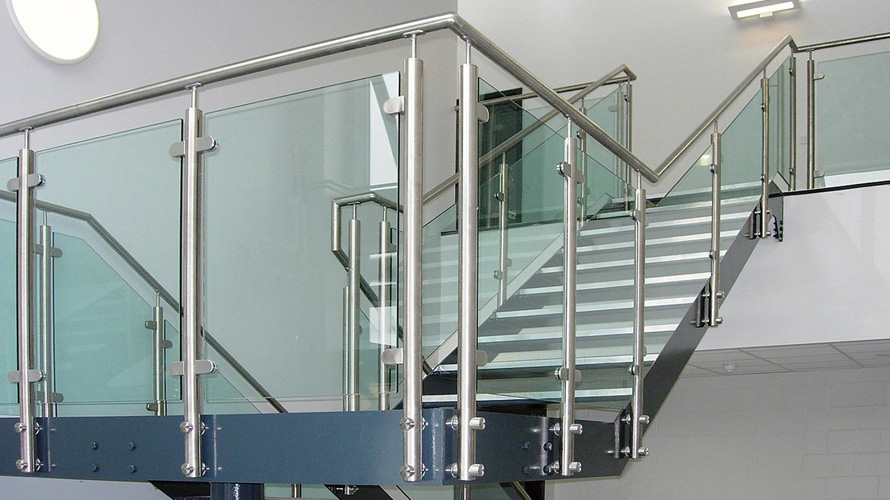
Category: Glass Accessories

Discover premium glass accessories in Kenya, including clamps, hinges, handles, and fittings to enhance the durability and style of glass installations in homes and offices.

  • Why Quality Glass and Framing Matter in Modern Construction

    Why Quality Glass and Framing Matter in Modern Construction

    Modern construction is increasingly defined by openness, natural light, clean lines, and efficient use of space. From residential homes and commercial offices to retail spaces, hotels, restaurants, and institutional buildings, glass has become an important architectural material. Yet the performance of a glass installation depends on much more than the glass itself. The frame, fittings, installation method, and supporting structure all contribute to the finished result.

    This is why quality glass and framing should be treated as a complete construction system rather than two unrelated materials.

    High-quality glass can improve natural lighting, visibility, aesthetics, and the sense of space within a building. Appropriate framing can provide structural support, stability, weather resistance, and a clean finished appearance. When the two are correctly selected and installed, they can contribute to a building that is more attractive, functional, durable, and comfortable.

    On the other hand, choosing materials based purely on the lowest initial price can create problems later. Poorly selected glass can crack, perform poorly, or fail to meet the requirements of its application. Weak or incorrectly installed framing can lead to movement, water penetration, rattling, corrosion, misalignment, and premature deterioration.

    For homeowners, architects, contractors, developers, and property owners planning modern construction or renovation, understanding the relationship between glass and framing is therefore essential.

    Why Glass Has Become So Important in Modern Buildings

    Glass allows architects and builders to introduce natural light, visual openness, and contemporary design into a wide range of buildings. Its versatility makes it suitable for windows, doors, partitions, facades, balustrades, shopfronts, and other applications.

    One of the biggest advantages of glass is its ability to connect interior spaces with the outside environment.

    Large glazed areas can make rooms feel brighter and more spacious.

    In residential construction, glass may be used for:

    • Windows
    • Sliding doors
    • Shower enclosures
    • Balustrades
    • Interior partitions
    • Kitchen splashbacks
    • Decorative features

    Commercial buildings can use glass for:

    • Shopfronts
    • Office partitions
    • Entrance doors
    • Curtain-wall systems
    • Display areas
    • Reception areas
    • Internal meeting rooms

    The choice of glass should depend on the application rather than simply the desired appearance.

    Different glass types have different levels of strength, safety, privacy, solar performance, sound control, and thermal performance.

    This is why professional material selection matters.

    Why Framing Is Just as Important as the Glass

    Glass provides the visible surface, but framing supports, positions, seals, and protects the glass within the building. A good frame is therefore essential to the overall performance of a glazed installation.

    It is easy to focus on the glass because it is the most visible component.

    However, the frame performs several critical functions.

    It can help:

    • Support the glass
    • Maintain alignment
    • Provide structural stability
    • Accommodate movement
    • Create seals
    • Reduce water penetration
    • Improve weather resistance
    • Provide attachment to the building structure
    • Contribute to the finished appearance

    A high-quality pane installed into an unsuitable frame can still produce a poor result.

    For this reason, contractors should consider the glass and framing system together.

    The frame must be appropriately sized and designed for the selected glass, opening, structural requirements, and environmental conditions.

    The Relationship Between Glass Thickness and Framing

    Glass thickness, panel size, wind exposure, support configuration, and installation conditions all influence the framing requirements. The frame should be selected according to the complete system rather than independently.

    A large glass panel may require different support from a small window.

    Similarly, a glazed opening exposed to strong wind can have different structural requirements from a protected internal partition.

    The glass may also need to accommodate thermal movement or other forces.

    This is why professional glazing should involve proper measurement and specification.

    Do not assume that a frame designed for one glass thickness will automatically be suitable for another.

    The interaction between the glass, frame, seals, fixings, and surrounding wall structure matters.

    Choosing the Right Type of Glass

    Different construction applications require different glass characteristics. Selecting the right glass means considering safety, strength, appearance, privacy, thermal performance, and the specific location of the installation.

    Common glass options include:

    Clear glass

    Clear glass provides high visibility and maximum natural light.

    It is widely used in windows, doors, partitions, and shopfronts.

    Tinted glass

    Tinted glass can reduce glare and alter the appearance of a building while providing a degree of solar control.

    Toughened glass

    Toughened or tempered glass is processed to increase its strength compared with ordinary annealed glass and is widely used where improved safety performance is required.

    Laminated glass

    Laminated glass incorporates layers bonded together, allowing the glass to remain held together after breakage.

    Frosted or obscure glass

    This type can provide privacy while still allowing light into a space.

    Decorative glass

    Decorative options can be used to achieve specific visual effects in residential and commercial interiors.

    The correct choice depends on the project.

    For available glass-related products, you can explore our glass range and discuss your requirements before purchasing.

    Safety Should Come Before Appearance

    Modern glass can look elegant, but safety must always take priority over appearance. Glass used in doors, partitions, balustrades, shower areas, and other vulnerable locations may require specific safety characteristics.

    Not every pane of glass is suitable for every application.

    Large panels installed in high-traffic areas require careful consideration.

    Similarly, glass used near floors, doors, stairs, or areas where human impact is possible should be selected according to the appropriate safety requirements.

    The type of glass, thickness, edge treatment, fixing system, and framing all contribute to safety.

    A visually attractive installation is not successful if the glass has been incorrectly specified for its location.

    Professional advice is especially important where glass is being used structurally or in applications where breakage could present a significant hazard.

    How Quality Framing Improves Durability

    Good framing protects the glass installation by providing stable support, appropriate connections, and effective sealing. Properly selected frames can help reduce movement, water entry, corrosion, and premature wear.

    Framing materials can include aluminium, steel, timber, uPVC, and other systems depending on the application.

    Aluminium is particularly popular in modern construction because it is lightweight, versatile, and suitable for many contemporary glazing designs.

    The quality of the frame matters.

    Poorly manufactured frames may have weak joints, inconsistent dimensions, inadequate finishing, or poor drainage.

    Over time, these weaknesses can lead to operational problems.

    Windows may become difficult to open.

    Doors may stop aligning properly.

    Water may enter around the perimeter.

    Seals may deteriorate prematurely.

    Quality framing helps minimize these risks when correctly designed and installed.

    Aluminium Framing in Modern Construction

    Aluminium framing is widely used for modern glazing because it combines relatively low weight with strength, dimensional stability, and design flexibility. It can also provide the clean profiles associated with contemporary architecture.

    Aluminium frames can be used for:

    • Windows
    • Doors
    • Shopfronts
    • Office partitions
    • Commercial facades
    • Sliding systems
    • Internal glazing

    The finish can also contribute to architectural appearance.

    However, aluminium framing should not be selected solely because it looks modern.

    The frame must be compatible with the glass and the building’s requirements.

    Consider factors such as:

    • Profile design
    • Glass thickness
    • Opening size
    • Hardware
    • Drainage
    • Sealing
    • Structural requirements
    • Surface finish
    • Installation method

    The details determine how well the finished system performs.

    The Importance of Accurate Measurements

    Accurate measurements are fundamental to successful glazing and framing. Incorrect dimensions can lead to excessive gaps, difficult installation, poor sealing, visible imperfections, and costly rework.

    Before ordering glass or frames, openings should be measured carefully.

    Measurements should account for:

    • Width
    • Height
    • Squareness
    • Existing frame conditions
    • Required clearances
    • Glass thickness
    • Frame dimensions
    • Hardware
    • Seal requirements

    Do not assume that a rough wall opening is perfectly square.

    Construction tolerances can vary.

    Professional installers should verify dimensions before fabrication.

    Once glass has been cut, making changes can be difficult or impossible without replacing the panel.

    Accurate measurement therefore reduces material waste and installation delays.

    Why Installation Quality Matters

    Even premium glass and framing can fail to perform properly when installation is rushed or poorly executed. Correct positioning, fixing, sealing, and alignment are essential to a durable finished installation.

    Installation involves more than simply placing glass inside a frame.

    The installer needs to ensure that:

    • The frame is properly aligned
    • The opening is suitable
    • The glass is correctly positioned
    • Appropriate setting and support methods are used
    • Seals are properly installed
    • Fixings are suitable
    • Drainage is not blocked
    • Movement allowances are respected
    • The finished unit operates correctly

    Poor installation can create stresses in the glass.

    It can also cause doors and windows to bind or fail to seal properly.

    This is why glazing should be treated as skilled construction work rather than a simple finishing activity.

    Weather Resistance and Water Management

    External glass and framing systems must be designed to manage rainwater, wind exposure, and environmental conditions. Effective seals and drainage are essential for preventing water penetration.

    A beautiful glass facade can become a serious building problem if water enters around its edges.

    Water can damage:

    • Internal finishes
    • Wall materials
    • Timber
    • Insulation
    • Electrical components
    • Furniture
    • Flooring

    The frame should therefore incorporate appropriate drainage and sealing arrangements.

    Sealants must be suitable for the application and correctly applied.

    External glazing should also account for local weather conditions and building orientation.

    These details may not be obvious when viewing the finished window, but they have a major effect on long-term performance.

    Glass and Natural Lighting

    One of the greatest architectural benefits of glass is its ability to increase natural light, potentially reducing the need for artificial lighting during daylight hours.

    Natural light can transform an interior.

    A dark room can feel larger and more inviting when additional daylight enters through properly positioned glazing.

    Glass can be used strategically to bring light into:

    • Living rooms
    • Offices
    • Corridors
    • Kitchens
    • Retail spaces
    • Reception areas
    • Stairwells

    However, increasing glazing does not automatically produce a better building.

    Too much direct sunlight can create glare and unwanted heat.

    The solution is careful design.

    Glass selection, orientation, shading, blinds, curtains, and ventilation should all be considered.

    Thermal Performance and Solar Control

    Glass selection can influence indoor temperature and comfort, especially where large glazed areas are exposed to direct sunlight. Appropriate glazing can help manage solar heat and improve the building envelope.

    Modern construction increasingly considers the energy performance of windows and glazed facades.

    Factors include:

    • Solar heat gain
    • Glazing orientation
    • Glass type
    • Frame design
    • Air leakage
    • Sealing
    • Shading
    • Ventilation

    In warm climates, uncontrolled solar gain can make interior spaces uncomfortable.

    Tinted, coated, or appropriately specified glazing can help manage solar exposure depending on the application.

    The best solution depends on the building design rather than a single universal glass type.

    Sound Control and Glazing

    The right glazing system can also contribute to acoustic comfort by helping reduce the transmission of outside noise, although performance depends on glass construction, frame design, seals, and the overall building envelope.

    This can be particularly useful for properties near:

    • Busy roads
    • Commercial areas
    • Transport routes
    • Entertainment venues
    • Dense urban environments

    Sound control is not determined by glass alone.

    Gaps around frames can significantly reduce the effectiveness of an otherwise well-designed glazing system.

    Sealing and frame construction therefore matter.

    Where acoustic performance is a priority, discuss the complete window or glazing system rather than purchasing glass independently.

    Glass and Modern Interior Design

    Glass can make interiors feel more open while maintaining functional separation between spaces. This makes it especially useful for contemporary residential and commercial design.

    Internal glass partitions can divide an office without creating the visual heaviness associated with solid walls.

    Glass shower enclosures can create a cleaner bathroom appearance.

    Glass doors can connect rooms while maintaining separation.

    Retailers can use glass to display products while maintaining a physical barrier.

    The key is to match the glass and framing style to the architecture.

    Minimalist designs may use slim frames.

    Industrial-style interiors may use stronger contrasting profiles.

    Residential spaces may prioritize privacy and soft finishes.

    The flexibility of glass makes it suitable for many design approaches.

    Glass in Commercial Construction

    Commercial buildings often rely on glass to create visibility, branding opportunities, natural light, and welcoming entrances. Quality framing helps ensure that these installations remain functional under frequent use.

    Shopfronts are an excellent example.

    Customers can see products from outside while natural light enters the retail space.

    The entrance needs to withstand repeated opening and closing.

    Frames must remain aligned.

    Hardware must function correctly.

    Glass should be appropriately specified for the application.

    A poor-quality shopfront can quickly become an operational problem.

    For commercial properties, appearance and durability therefore need to be considered together.

    Glass and Framing in Residential Construction

    In homes, glass and framing contribute to lighting, ventilation, views, privacy, security, and architectural appearance. Good specification helps balance these different requirements.

    Homeowners may use glazing for:

    • Bedroom windows
    • Kitchen windows
    • Sliding doors
    • Balcony enclosures
    • Shower screens
    • Staircase features
    • Internal partitions

    Each application has different requirements.

    A bathroom needs privacy and moisture resistance.

    A living room may prioritize views and natural light.

    A balcony installation may have specific safety requirements.

    A kitchen window may need easy cleaning and appropriate ventilation.

    The same glass product should therefore not automatically be used throughout the entire house.

    Hardware and Accessories Matter

    Glass and framing systems depend on supporting components such as hinges, handles, rollers, locks, brackets, seals, and other accessories. These components can influence both performance and appearance.

    For example, a sliding glass door may require appropriate rollers and tracks.

    A glass door may require hinges capable of supporting the specified panel.

    A framed window requires suitable handles and locking hardware.

    Small components can therefore have a major impact on the finished installation.

    When planning a glazing project, consider the complete system rather than purchasing glass first and attempting to find compatible components later.

    Ngong Hills Merchants also provides glass accessories for projects requiring supporting glazing components.

    Protecting Glass During Construction

    Glass should be protected from construction damage throughout transportation, storage, and installation. Cement, metal particles, tools, and other materials can cause scratches, stains, or breakage.

    Construction sites are demanding environments.

    Glass should be handled carefully.

    Do not place heavy materials against glass panels.

    Protect finished surfaces from welding sparks, grinding debris, cement splashes, and other construction contaminants.

    Once installed, glass should also be cleaned using appropriate methods.

    Avoid abrasive materials that can scratch the surface.

    Good handling practices reduce replacement costs and help preserve the finished appearance.

    Maintenance of Glass and Framing

    Regular cleaning and inspection can extend the service life of glazing systems. Maintenance should include the glass surface, frames, seals, drainage points, hardware, and moving components.

    For glass:

    • Clean regularly
    • Remove deposits promptly
    • Avoid abrasive cleaners
    • Inspect for cracks or chips
    • Check edges for damage

    For frames:

    • Clean accumulated dirt
    • Inspect seals
    • Check drainage
    • Look for corrosion or surface deterioration
    • Inspect fixings
    • Lubricate suitable moving components where recommended

    For doors and windows:

    • Check hinges
    • Inspect handles
    • Check locks
    • Test rollers
    • Confirm proper alignment

    Small maintenance problems are easier and cheaper to address before they become major failures.

    Comparing Quality With Cheap Alternatives

    The lowest purchase price does not necessarily represent the lowest overall construction cost. Quality materials can provide better durability, performance, appearance, and maintenance outcomes over the life of the building.

    Suppose a contractor chooses a low-cost frame that begins to corrode or deform after a relatively short period.

    Replacing it may involve:

    • Removing the glass
    • Replacing hardware
    • Repairing surrounding finishes
    • Reinstalling the frame
    • Re-sealing the opening
    • Paying additional labor

    The initial saving may therefore disappear quickly.

    Quality construction should be evaluated based on total lifecycle value.

    This does not mean the most expensive product is always the best.

    It means that the selected product should be appropriate for the application and manufactured to a reliable standard.

    Glass and Framing for Renovation Projects

    Renovation projects can benefit significantly from upgraded glazing and framing because replacing outdated windows, doors, or partitions can improve both appearance and functionality.

    Older properties may have:

    • Damaged frames
    • Single glazing
    • Poor seals
    • Difficult-to-operate windows
    • Water leaks
    • Outdated appearance
    • Insufficient natural light

    Replacing these elements can transform a space.

    However, renovations can reveal unexpected conditions.

    Existing wall openings may not be perfectly square.

    Previous installations may have damaged surrounding materials.

    Structural conditions may differ from the original plans.

    A professional assessment before fabrication can reduce surprises.

    How to Plan a Glass and Framing Project

    Successful glazing projects begin with careful planning rather than immediate purchasing. Define the purpose, measure the opening, select appropriate glass, specify the frame, and plan installation before fabrication.

    A practical process is:

    Define the application

    Determine whether the glass is for a window, door, partition, shopfront, shower, facade, or another purpose.

    Establish performance requirements

    Consider safety, privacy, solar exposure, sound, durability, and appearance.

    Measure accurately

    Confirm opening dimensions and conditions.

    Select the glass

    Choose the appropriate glass type and thickness for the application.

    Select compatible framing

    Ensure the profile supports the glass and meets installation requirements.

    Specify hardware

    Identify handles, hinges, rollers, locks, brackets, and seals.

    Plan installation

    Use an experienced installer and follow appropriate construction requirements.

    Inspect the finished installation

    Check alignment, operation, sealing, appearance, and overall condition.

    This approach reduces errors and improves the likelihood of a successful result.

    Supporting Construction With the Right Materials

    Glass and framing are only part of a modern construction project. Successful installations often require complementary hardware, tools, fasteners, adhesives, and finishing products.

    For example, contractors may need drilling equipment for frame installation.

    You can browse drill bits for suitable drilling requirements.

    Fastening systems may also require bolts and nuts depending on the construction detail.

    Other projects may require framing materials, paint, plumbing components, electrical fittings, or finishing products.

    A well-planned materials list helps contractors avoid delays and unnecessary trips to suppliers.

    Why Quality Glass and Framing Add Long-Term Value

    Well-designed glazing can improve a property’s appearance, functionality, natural lighting, comfort, and usability. Quality framing helps ensure these benefits remain reliable over time.

    A property with well-maintained glass and framing often feels more modern and better finished.

    Natural light can make interiors more appealing.

    Clear views can improve the connection between indoor and outdoor spaces.

    Well-functioning windows and doors make everyday use easier.

    Good frames can help protect against weather and maintain the performance of the glazing system.

    These benefits contribute to the overall quality of the property.

    Final Thoughts

    Quality glass and framing should be selected as an integrated construction system, with safety, durability, appearance, performance, and installation all considered from the beginning.

    Glass is one of the defining materials of modern architecture, but its success depends on much more than the pane itself.

    The frame must provide appropriate support.

    The glass must be suitable for its application.

    Hardware must be compatible.

    Seals must be correctly installed.

    Measurements must be accurate.

    Installation must be carried out carefully.

    Maintenance must continue after the project is complete.

    For homeowners, developers, architects, contractors, and business owners, these details can make the difference between a glazing system that simply looks good on installation day and one that continues to perform for years.

    When planning your next construction or renovation project, do not treat glass and framing as an afterthought. Invest in appropriate materials, accurate fabrication, professional installation, and dependable supporting hardware.

    For projects in Ngong and surrounding areas, Ngong Hills Merchants can help you source materials for different stages of construction and finishing, from glass and framing-related products to electrical, plumbing, adhesives, tools, and other essential supplies.

    The result should not simply be a modern-looking building. It should be a building where the materials work together to provide safety, durability, functionality, and lasting value.

    Your One-Stop Hardware Partner in Ngong

    Imagine completing your project with the right tools, the best materials, and expert advice. At Ngong Hills Merchants, we turn your DIY or construction vision into reality with a complete selection of plumbing, electrical, glass, and sanitary ware.

    Contact our team for a consultation and get the right supplies, right now.

    QUALITY HARDWARE & SUPPLIES IN NGONG ✔ Complete Range of Plumbing & Electrical ✔ Power Tools, Adhesives & Paints ✔ Glass, Framing & Sanitary Ware ✔ Serving Ngong, Karen, Matasia, Kiserian & beyond.

    Request Your Free Consultation: Ngong Hills Merchants
    Email: ngonghillsmerchants [at] gmail.com
    Phone: +254 715974811
    Visit Us: Ngong Township, Ngong, Kenya
    Website: https://ngonghillsmerchants.com/

  • Frosted Bathroom Glass Kenya: Privacy and Light Solutions for Modern Bathrooms

    Frosted Bathroom Glass Kenya: Privacy and Light Solutions for Modern Bathrooms

    Frosted Bathroom Glass Kenya: 7 Smart Privacy & Style Ideas

    Modern bathroom design in Kenya has evolved significantly over the past decade, moving away from basic cemented enclosures and curtains toward sleek, modern glass solutions. Among the most popular innovations is Frosted Bathroom Glass Kenya, which combines privacy, elegance, and natural light in one functional design.

    Homeowners, architects, and interior designers increasingly prefer frosted glass because it enhances bathroom aesthetics while maintaining privacy and hygiene. Unlike traditional opaque partitions, frosted glass creates a soft visual barrier that allows light to pass through while obscuring visibility.

    As urban housing expands in areas like Nairobi, Ngong, Kiserian, and Karen, demand for modern bathroom solutions continues to grow, making frosted glass a key feature in contemporary construction.

    For quality materials, fittings, and installation accessories, homeowners can explore Ngong Hills Merchants through their glass product category.

    Frosted Bathroom Glass Kenya for Modern Bathroom Design

    Understanding Frosted Bathroom Glass Kenya starts with its role in modern interior architecture. Bathrooms are no longer purely functional spaces—they are now designed as comfort zones that reflect personal style and luxury.

    Frosted glass fits perfectly into this transformation because it creates a clean, minimalistic look while maintaining full privacy. It is widely used in residential homes, hotels, apartments, and commercial washrooms across Kenya.

    The versatility of frosted glass makes it suitable for both small and large bathroom spaces, enhancing light distribution and spatial perception.

    Frosted Bathroom Glass Kenya Privacy and Light Balance

    Frosted Bathroom Glass Kenya Natural Lighting Advantage

    One of the main benefits of Frosted Bathroom Glass Kenya is its ability to allow natural light to pass through while blocking direct visibility. This reduces dependence on artificial lighting during the day and improves energy efficiency.

    Bathrooms with frosted glass feel brighter, more open, and less confined compared to traditional enclosed designs.

    Frosted Bathroom Glass Kenya Privacy Enhancement Feature

    Privacy is a major concern in bathroom design. Frosted glass ensures that occupants cannot be seen from outside while still allowing a soft glow of light to pass through. This balance is ideal for shared homes, apartments, and guest bathrooms.

    Frosted Bathroom Glass Kenya Design Applications

    Frosted Bathroom Glass Kenya Shower Enclosures

    Frosted glass is commonly used in shower cubicles to create a private bathing space without making the bathroom feel small or dark.

    Frosted Bathroom Glass Kenya Bathroom Partitions

    It is also used to divide toilet areas from sink or shower zones, especially in modern open-plan bathrooms.

    Frosted Bathroom Glass Kenya Decorative Glass Doors

    Frosted glass doors add a premium aesthetic to bathrooms while maintaining full functionality.

    For fittings and installation materials, explore glass accessories and hardware.

    Frosted Bathroom Glass Kenya Installation Process

    Frosted Bathroom Glass Kenya Frame Preparation

    Proper framing is essential for structural stability. Aluminum or stainless-steel frames are commonly used in Kenyan installations due to their durability and resistance to moisture.

    Frosted Bathroom Glass Kenya Glass Mounting Techniques

    Glass panels must be carefully mounted using precision fittings to avoid stress cracks or misalignment.

    Frosted Bathroom Glass Kenya Sealing and Waterproofing

    Silicone sealing is applied along edges to prevent water leakage and maintain hygiene.

    Installation tools and materials can be sourced from hardware fittings and supplies.

    Frosted Bathroom Glass Kenya Durability and Maintenance

    Frosted Bathroom Glass  Scratch Resistance

    High-quality tempered frosted glass is highly resistant to scratches and daily wear, making it ideal for high-traffic bathrooms.

    Frosted Bathroom Glass  Cleaning Requirements

    Cleaning requires mild soap solutions and soft cloths to maintain clarity and finish without damaging the frosted surface.

    Frosted Bathroom Glass Long-Term Performance

    With proper installation and maintenance, frosted glass can last over 10–15 years without major issues.

    Frosted Bathroom Glass  Cost Considerations

    Frosted Bathroom Glass  Material Pricing

    Costs vary depending on thickness, frosting technique, and frame type. Etched glass is generally more expensive than film-frosted options.

    Frosted Bathroom Glass Kenya Installation Costs

    Professional installation adds to the cost but ensures long-term durability and safety.

    Frosted Bathroom Glass Kenya Value for Money

    Despite higher initial costs compared to curtains or plastic partitions, frosted glass offers long-term durability, better aesthetics, and improved property value.

    Frosted Bathroom Glass Kenya Safety Standards

    Tempered frosted glass is designed to withstand pressure and temperature changes. In case of breakage, it shatters into small, blunt pieces, reducing injury risk. This makes it a safe choice for homes with children and commercial buildings.

    Frosted Bathroom Glass Kenya Design Trends in Kenya

    Frosted Bathroom Glass  Minimalist Interiors

    Minimalism is a major trend in Kenyan home design. Frosted glass supports this trend by offering clean lines and simple elegance.

    Frosted Bathroom Glass Luxury Bathroom Styling

    High-end homes and hotels use frosted glass combined with aluminum framing and LED lighting to create luxury bathroom experiences.

    Frosted Bathroom Glass Common Installation Mistakes

    • Using low-quality glass sheets
    • Poor sealing leading to leaks
    • Incorrect frame alignment
    • Ignoring proper thickness standards
    • Using non-tempered glass in wet areas

    Avoiding these mistakes ensures long-term performance.

    Frosted Bathroom Glass Applications Across Kenya

    Frosted glass is widely used in:

    • Residential homes
    • Apartments and condos
    • Hotels and lodges
    • Office washrooms
    • Commercial buildings

    Its versatility makes it suitable for nearly all modern construction projects.

    Frosted Bathroom Glass  Expert Recommendations

    Experts recommend:

    • Using tempered frosted glass for safety
    • Choosing aluminum or stainless steel frames
    • Hiring professionals for installation
    • Regular maintenance and cleaning
    • Sourcing materials from trusted suppliers like Ngong Hills Merchants shop

    Final Thoughts on Frosted Bathroom Glass Kenya

    Frosted Bathroom Glass  represents one of the best modern solutions for combining privacy, elegance, and functionality in bathroom design. It enhances natural lighting, improves aesthetics, and increases property value, making it a preferred choice for Kenyan homeowners and developers.

    Call To Action

    Your One-Stop Hardware Partner in Ngong

    Imagine completing your project with the right tools, the best materials, and expert advice. At Ngong Hills Merchants, we turn your DIY or construction vision into reality with a complete selection of plumbing, electrical, glass, and sanitary ware.

    Contact our team for a consultation and get the right supplies, right now.

    QUALITY HARDWARE & SUPPLIES IN NGONG

     Complete Range of Plumbing & Electrical

     Power Tools, Adhesives & Paints

     Glass, Framing & Sanitary Ware

     Serving Ngong, Karen, Matasia, Kiserian & beyond.

     Request Your Free Consultation: Ngong Hills Merchants

     Email: ngonghillsmerchants [at] gmail.com

     Phone: +254 715974811

     Visit Us: Ngong Township, Ngong, Kenya

     Website: https://ngonghillsmerchants.com/
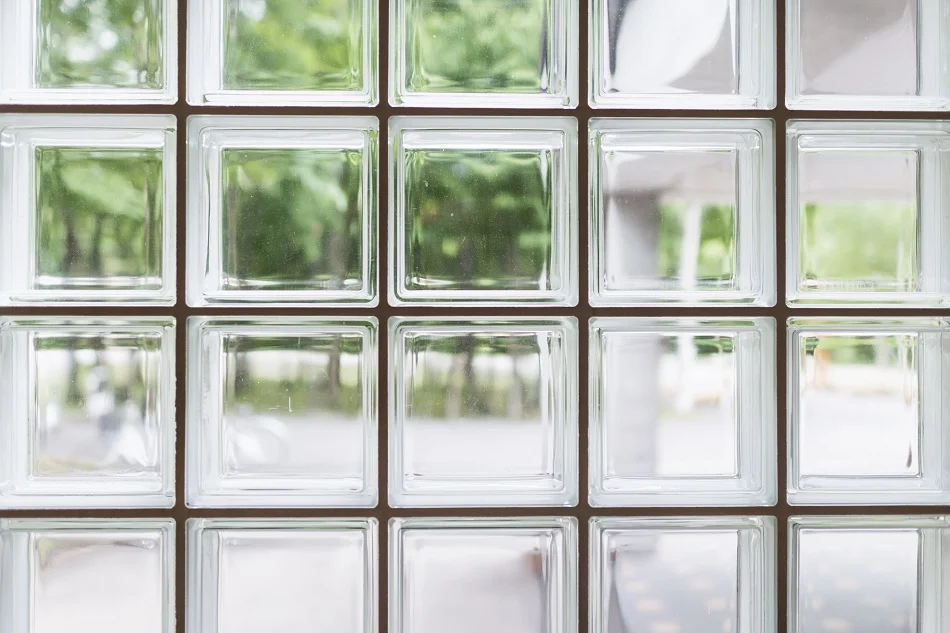
  • The Ultimate Guide to Building with Glass Blocks Kenya: Brighten Stairwells and Corridors Safely

    The Ultimate Guide to Building with Glass Blocks Kenya: Brighten Stairwells and Corridors Safely

    Glass Blocks Kenya: 7 Ultimate Safe Stairwell Lighting Ideas

    Modern architecture in Kenya is rapidly shifting toward designs that prioritize natural lighting, energy efficiency, and safety without compromising aesthetics. One of the most effective materials used in achieving this balance is Glass Blocks Kenya. These translucent masonry units have become increasingly popular in residential homes, commercial buildings, and institutional facilities, especially in areas like stairwells, corridors, bathrooms, and basement spaces where natural light is limited.

    Glass blocks offer a unique combination of structural strength and light diffusion. Unlike traditional windows, they provide privacy while still allowing daylight to pass through, making them ideal for enclosed or semi-enclosed architectural spaces. In Kenya’s growing urban developments, they are now widely used as a smart solution for improving indoor lighting without increasing energy consumption.

    For quality building materials, adhesives, and installation accessories, homeowners and contractors can explore Ngong Hills Merchants through their adhesive and bonding solutions and glass product category.

    Glass Blocks Kenya for Modern Architectural Lighting

    Understanding Glass Blocks begins with their core function in modern construction: enhancing natural light distribution while maintaining structural integrity. These blocks are manufactured from molded glass units that are either hollow or solid, designed to be stacked like bricks and bonded using specialized mortar.

    In stairwells and corridors, where lighting is often insufficient, glass blocks help reduce reliance on artificial lighting during daytime hours. This not only improves energy efficiency but also enhances safety by increasing visibility in commonly used walkways.

    Their ability to blend functionality with aesthetic appeal makes them a preferred choice in both residential and commercial construction projects across Kenya.

    Glass Blocks Kenya for Stairwell and Corridor Safety

    Glass Blocks Kenya Natural Light Enhancement

    One of the primary advantages of Glass Blocks  is their ability to transmit diffused natural light into enclosed stairwells. This reduces dark spots that often lead to accidents in poorly lit buildings.

    Glass Blocks Kenya Visibility and Safety Improvement

    Unlike opaque walls, glass blocks improve visibility without compromising privacy. This is especially important in multi-storey buildings where stairwells must remain safe and well-lit at all times.

    Glass Blocks Kenya Design and Structural Applications

    Glass Blocks Kenya Wall Construction Systems

    Glass blocks are commonly used in non-load-bearing walls. They are installed in a grid system using mortar or specialized spacers to ensure uniform alignment.

    Glass Blocks Kenya Decorative Architectural Features

    Beyond functionality, glass blocks also serve as decorative elements. They can be arranged in patterns, curves, or combined with colored glass to create visually appealing interiors.

    For installation components and framing systems, explore glass accessories and fittings.

    Glass Blocks Kenya Installation Process

    Glass Blocks Kenya Foundation Preparation

    A stable base is essential before installing glass blocks. The surface must be level and reinforced to support the weight of the glass masonry.

    Glass Blocks Mortar Application Technique

    Special glass block mortar is applied between each block to ensure strong bonding and prevent shifting over time.

    Glass Blocks Kenya Spacing and Alignment

    Plastic spacers are used to maintain consistent gaps and alignment, ensuring a clean and professional finish.

    Reliable tools and support materials can be sourced through hardware fittings and construction supplies.

    Glass Blocks Kenya Durability and Strength

    Glass Blocks  Impact Resistance

    Glass blocks are manufactured to be highly durable and resistant to impact, making them suitable for high-traffic areas like stairwells.

    Glass Blocks Kenya Weather and Moisture Resistance

    They are also resistant to moisture, making them ideal for both indoor and semi-exposed environments.

    Glass Blocks Kenya Long-Term Performance

    When properly installed, glass block structures can last for decades with minimal maintenance.

    Glass Blocks  Cost Considerations

    Glass Blocks  Material Costs

    The cost of glass blocks varies depending on thickness, design, and quality. Imported decorative blocks tend to be more expensive than standard clear blocks.

    Glass Blocks  Installation Costs

    Professional installation is recommended due to the precision required, which may increase overall project cost.

    Glass Blocks Kenya Value for Investment

    Despite higher initial costs, glass blocks reduce electricity usage and improve property value, making them a long-term investment.

    Glass Blocks Kenya Maintenance and Cleaning

    Glass Blocks  Cleaning Methods

    Glass blocks require minimal maintenance. Regular cleaning with mild soap and water keeps them clear and attractive.

    Glass Blocks  Structural Inspection

    Periodic inspection ensures that mortar joints remain intact and there are no cracks or displacement.

    Glass Blocks  Design Trends in Kenya

    Glass Blocks  Modern Minimalist Interiors

    Minimalist architecture in Kenya is increasingly incorporating glass blocks for clean, light-filled spaces.

    Glass Blocks  Commercial Building Applications

    Office buildings and shopping complexes use glass blocks to enhance natural lighting in internal corridors.

    Glass Blocks Kenya Common Installation Mistakes

    • Poor leveling of base surfaces
    • Incorrect mortar mixing
    • Inadequate spacing between blocks
    • Using non-specialized adhesives
    • Ignoring structural reinforcement requirements

    Avoiding these mistakes ensures durability and safety.

    Glass Blocks Kenya Applications in Kenyan Construction

    Glass blocks are widely used in:

    • Stairwells in apartment buildings
    • Basement corridors
    • Bathroom walls
    • Office partitions
    • Hotel interiors

    Their versatility makes them suitable for both residential and commercial construction projects.

    Glass Blocks Kenya Expert Installation Recommendations

    Construction experts recommend:

    • Using high-quality tempered glass blocks
    • Ensuring proper structural support
    • Hiring experienced installers for large projects
    • Using specialized mortar and spacers
    • Sourcing materials from trusted suppliers like Ngong Hills Merchants shop

    Final Thoughts on Glass Blocks Kenya

    Glass Blocks Kenya offer one of the most effective solutions for improving lighting, safety, and aesthetics in modern buildings. Their ability to combine durability with natural light transmission makes them ideal for stairwells, corridors, and interior architectural features across Kenya.

    As construction trends continue to evolve, glass blocks will remain a key material in sustainable and modern building design.

    Call To Action

    Your One-Stop Hardware Partner in Ngong

    Imagine completing your project with the right tools, the best materials, and expert advice. At Ngong Hills Merchants, we turn your DIY or construction vision into reality with a complete selection of plumbing, electrical, glass, and sanitary ware.

    Contact our team for a consultation and get the right supplies, right now.

    QUALITY HARDWARE & SUPPLIES IN NGONG

     Complete Range of Plumbing & Electrical

     Power Tools, Adhesives & Paints

     Glass, Framing & Sanitary Ware

     Serving Ngong, Karen, Matasia, Kiserian & beyond.

     Request Your Free Consultation: Ngong Hills Merchants

     Email: ngonghillsmerchants [at] gmail.com

     Phone: +254 715974811

     Visit Us: Ngong Township, Ngong, Kenya

     Website: https://ngonghillsmerchants.com/

  • Silicone Sealant vs Window Putty in Kenya – Ultimate Comparison

    Silicone Sealant vs Window Putty in Kenya – Ultimate Comparison

    Windows are essential elements of any building, providing natural light, ventilation, and aesthetic appeal. However, the materials used to seal window frames can dramatically affect performance, longevity, and maintenance. In Kenya, where climates range from humid coastal regions to cooler highlands, choosing the right sealing material is critical. This article explores the modern choice of silicone sealant vs window putty, examining their technical properties, installation methods, and real-world applications across Kenyan homes and commercial projects.

    For decades, traditional window putty was the standard for sealing wooden and metal frames in Kenya. It offers a moldable consistency, easy application, and a familiar installation process. Yet, as building standards evolve and homeowners demand long-lasting, waterproof, and low-maintenance solutions, silicone sealants have emerged as a superior alternative. Unlike putty, silicone offers flexibility, excellent adhesion, and resistance to environmental factors such as UV exposure, rain, and temperature fluctuations.

    The purpose of this article is to provide Kenyan builders, contractors, and homeowners with an in-depth comparison of silicone sealant vs window putty. By understanding the technical differences, installation procedures, and practical applications, you can make an informed decision that ensures durability and performance in local construction projects.

    Understanding Silicone Sealants and Window Putty

    Silicone sealants are polymer-based materials designed to create flexible, watertight seals between surfaces. They are widely used in glazing, plumbing, and general construction due to their elasticity, chemical resistance, and long service life. In Kenya, silicone sealants are particularly valuable in coastal regions like Mombasa, where high humidity and salt-laden air can degrade traditional materials.

    Window putty, on the other hand, is a pliable, oil-based or linseed-oil compound traditionally applied around glass panes to secure and seal them within frames. While cost-effective and easy to mold, it is prone to cracking, shrinking, and water absorption over time, especially under intense sunlight or heavy rainfall.

    Material Quality, Durability, and Environmental Performance

    Silicone Sealants

    Silicone sealants excel in several critical areas:

    • Durability: Silicone maintains its elasticity for 20+ years, resisting shrinkage, cracking, or peeling.

    • Waterproofing: Fully waterproof, making it ideal for Kenya’s rainy seasons.

    • UV and Temperature Resistance: Performs under temperatures from -40°C to +200°C, suitable for highland chills in Nairobi or scorching conditions in Eldoret.

    • Chemical Resistance: Resistant to cleaning agents, salt, and pollutants—essential for coastal and urban environments.

    For example, using high-quality silicone tubes ensures that window seals remain intact during heavy rains in Kisumu or Mombasa.

    Window Putty

    Window putty has limitations:

    • Brittleness Over Time: Putty can crack or crumble in dry conditions and may require frequent touch-ups.

    • Moisture Sensitivity: Susceptible to water absorption, which may lead to mold growth or wood frame decay.

    • Maintenance: Requires repainting or reapplication every 3–5 years, increasing long-term costs.

    In coastal towns like Malindi, repeated exposure to humidity accelerates the degradation of traditional putty, making silicone a more practical choice.

    Step-by-Step Installation: Silicone vs. Putty

    Installing Silicone Sealant

    1. Surface Preparation: Clean and dry the frame thoroughly, removing dust, grease, or old sealant.

    2. Masking: Apply painter’s tape along edges to ensure neat lines.

    3. Application: Using a quality caulking gun, dispense a consistent bead of silicone along the gap.

    4. Smoothing: Tool the bead with a silicone spatula or a wet finger to achieve a uniform finish.

    5. Curing: Allow 24–48 hours for full curing; avoid exposure to water during this period.

    Silicone’s flexibility accommodates frame movement due to temperature fluctuations or wood expansion, reducing the risk of cracks or leaks.

    Applying Traditional Window Putty

    1. Prepare the Frame: Ensure the frame is dry and remove any old putty residues.

    2. Kneading Putty: Roll the putty into a rope-like shape that fits snugly around the glass pane.

    3. Pressing: Push the putty into the frame-glass junction using a putty knife.

    4. Shaping: Smooth the edges for aesthetic finish and paint once it has partially set.

    5. Drying Time: Initial set takes 2–7 days; full curing may take weeks.

    Putty is less forgiving than silicone; any frame movement during curing can cause cracks, particularly in highland areas with cooler temperatures that slow drying.

    Common Mistakes to Avoid in Kenya

    1. Ignoring Surface Prep: Dust, grease, or moisture reduces adhesion of both putty and silicone.

    2. Over-application: Excess material leads to messiness and waste.

    3. Neglecting Curing Time: Silicone requires at least 24 hours; putty may need weeks to fully harden.

    4. Painting Too Soon: Painting uncured putty traps moisture and accelerates cracking.

    5. Using Low-Quality Materials: Cheap sealants or putty deteriorate faster under Kenyan climatic conditions.

    Using proper tools, such as an Ingco Hand Riveter or fixtec spanners, can also improve precision and longevity when installing window frames or sealing components.

    Comparing Cost and Lifecycle Performance

    Feature Silicone Sealant Window Putty
    Initial Cost Moderate Low
    Maintenance Low High
    Durability 15–20+ years 3–5 years
    Weather Resistance Excellent Moderate
    Flexibility High Low

    While silicone sealants have a higher upfront cost, their low maintenance and superior durability often make them more cost-effective in the long term, particularly for commercial buildings or coastal residences.

    Tools Needed for Optimal Installation

    • Caulking gun – for controlled silicone application

    • Silicone spatula or smoothing tool – ensures clean lines

    • Putty knife – essential for shaping traditional putty

    • Cleaning agents – remove old residues and dust

    • Safety gloves – protect hands from chemical irritation

    Investing in quality tools improves efficiency, reduces errors, and extends the lifespan of your window seals.


    Silicone Sealant vs Window Putty: Environmental Considerations

    • Coastal Kenya: High humidity, salty air, and strong UV exposure favor silicone’s durability.

    • Highlands (Nairobi, Eldoret): Cooler temperatures slow putty curing; silicone adapts better to expansion and contraction.

    • Urban Areas (Mombasa, Nairobi): Pollution and cleaning agents can degrade putty faster; silicone offers chemical resistance.

    Selecting the right material is as much about local climate adaptation as it is about cost or appearance.

    Step-by-Step Maintenance Tips

    For Silicone Seals

    • Inspect annually for minor gaps.

    • Remove debris or dust along the bead.

    • Avoid using abrasive chemicals directly on the sealant.

    For Putty

    • Repaint every 2–3 years.

    • Check for cracks or shrinkage after rainy seasons.

    • Replace damaged sections promptly to prevent water ingress.

    Typical Applications in Kenya

    1. Residential Homes: Silicone sealants are ideal for window frames in coastal apartments or highland villas, ensuring long-term waterproofing.

    2. Commercial Buildings: Offices and retail spaces in Nairobi or Mombasa benefit from reduced maintenance and enhanced aesthetics.

    3. Public Institutions: Schools, hospitals, and government buildings require low-maintenance, durable window seals.

    4. DIY Projects: Homeowners upgrading or repairing windows can achieve professional results with silicone tubes and a caulking gun.

    5. Fabrication and Glazing: Contractors installing glass partitions or aluminum frames find silicone easier to work with and less prone to failure.

    In all these contexts, using silicone sealant vs window putty ensures compliance with modern building standards, reduces maintenance costs, and improves long-term performance.

    Conclusion

    Choosing between silicone sealant and traditional window putty is no longer just a matter of habit—it’s a strategic decision that impacts durability, maintenance, and overall building performance. Silicone sealants provide superior waterproofing, flexibility, and long-term cost savings, making them the preferred choice for most Kenyan climates. While traditional putty remains viable for small projects or historical restorations, modern construction increasingly favors silicone.

    For your next window installation or upgrade, explore the full range of sealing solutions at Ngong Hills Merchants Shop and get expert advice tailored to Kenyan conditions. Contact our team for guidance on materials, tools, and best practices at Contact Us.

    Equip your project with quality products, including caulking guns and silicone tubes, to achieve long-lasting results and a professional finish.

  • Benefits of Toughened & Laminated Glass for Security in Kenya

    Benefits of Toughened & Laminated Glass for Security in Kenya

    Toughened & Laminated Glass Kenya: 7 Powerful Security Benefits Guide

    The demand for Toughened and Laminated Glass Kenya has increased rapidly in modern construction, especially in urban areas such as Nairobi, Mombasa, Kisumu, and expanding residential zones like Ngong, Kitengela, and Ruaka. This growth is driven by rising concerns around security, modern architectural trends, and the need for durable, long-lasting building materials.

    Glass is no longer just a decorative element. Today, it is a critical structural and security material used in windows, doors, facades, office partitions, skylights, and shopfronts. Builders and homeowners are now prioritizing safety glass solutions that provide protection without compromising aesthetics.

    At Ngong Hills Merchants, high-quality building materials including architectural glass can be explored through our glass category, with installation support materials available in our fittings category for complete project execution.


    Understanding Toughened and Laminated Glass Kenya

    To fully appreciate Toughened and Laminated Glass Kenya, it is important to understand how each type is manufactured and how they behave under stress.

    Toughened Glass (Tempered Glass)

    Toughened glass is produced through a controlled thermal process where glass is heated to extremely high temperatures and then rapidly cooled. This process increases its strength significantly.

    Key characteristics:

    • 4–5 times stronger than standard glass
    • Breaks into small, blunt fragments
    • High resistance to impact and heat

    Laminated Glass

    Laminated glass is made by bonding two or more glass sheets using a polyvinyl butyral (PVB) interlayer.

    Key characteristics:

    • Holds together when shattered
    • Excellent sound insulation
    • High security performance

    Both materials are engineered for safety, but their applications differ depending on risk level, design needs, and building type.


    1. Enhanced Security Against Break-Ins

    One of the most important benefits of Toughened and Laminated Glass Kenya is improved security against forced entry.

    Traditional glass can be broken easily using basic tools. However:

    • Toughened glass resists direct impact
    • Laminated glass stays intact even when cracked

    This makes forced entry significantly more difficult and time-consuming.

    In Kenya’s urban environments, this is especially important for:

    • Residential homes
    • Retail shops
    • Office buildings
    • Banks and institutions

    Criminals often rely on speed. Safety glass increases the time required to break in, which acts as a strong deterrent.

    For related construction hardware used in secure installations, explore our power tools category.


    2. Superior Impact Resistance for Everyday Protection

    Impact resistance is a defining feature of Toughened and Laminated Glass Kenya.

    Glass failure typically occurs when kinetic energy exceeds structural limits:

    Toughened glass is designed to absorb high energy impacts, while laminated glass distributes force across multiple layers.

    This makes them ideal for:

    • Sliding doors
    • Balcony enclosures
    • Large windows
    • Commercial facades

    Even accidental impacts such as flying objects, falling tools, or accidental collisions are less likely to cause dangerous breakage.

    For installation accessories used in framing, explore our hand tools category.


    3. Safety During Breakage (Critical Life-Saving Feature)

    A major advantage of Toughened and Laminated Glass Kenya is how they behave when they break.

    Toughened Glass:

    • Shatters into small, blunt pieces
    • Reduces risk of serious injury

    Laminated Glass:

    • Remains bonded even after cracking
    • Prevents glass from falling apart

    This makes laminated glass especially suitable for:

    • High-rise buildings
    • Staircase glass panels
    • Overhead installations

    In safety-critical environments, this feature can prevent life-threatening injuries.


    4. Noise Reduction for Urban Living

    Noise pollution is a growing issue in Kenyan cities. Laminated glass provides excellent acoustic insulation.

    Toughened and Laminated Glass Kenya helps reduce:

    • Traffic noise
    • Construction noise
    • Industrial sounds
    • Neighbour disturbances

    This makes it ideal for:

    • Apartments
    • Hotels
    • Office buildings
    • Residential estates near highways

    Sound insulation improves comfort and productivity in both residential and commercial spaces.


    5. UV Protection and Interior Preservation

    Laminated glass filters harmful ultraviolet (UV) rays that can damage interiors over time.

    Without protection, UV exposure causes:

    • Furniture fading
    • Floor discoloration
    • Curtain damage
    • Paint deterioration

    By using Toughened and Laminated Glass Kenya, property owners protect interior investments and reduce replacement costs.

    For sealing and finishing materials used alongside glazing systems, explore our adhesive category.


    6. Energy Efficiency and Heat Control

    Glass technology also contributes to energy efficiency in buildings.

    Proper insulation reduces heat transfer, meaning:

    • Less reliance on air conditioning
    • Lower electricity bills
    • More stable indoor temperatures

    Laminated glass can be combined with coatings to improve thermal performance even further.

    This is especially important in Kenya’s warm climate regions.


    7. Modern Aesthetic and Architectural Value

    Beyond safety, Toughened and Laminated Glass Kenya plays a major role in modern architecture.

    Architects use glass to create:

    • Transparent office spaces
    • Luxury residential designs
    • Minimalist facades
    • High-end commercial storefronts

    Glass improves:

    • Natural lighting
    • Visual openness
    • Property value

    Modern real estate developments in Kenya increasingly rely on glass-heavy designs to attract premium buyers.

    For precision installation work, explore our drill bits category.


    Residential Applications in Kenya

    In homes, safety glass is commonly used for:

    • Windows
    • Balcony railings
    • Shower enclosures
    • Sliding doors

    Homeowners prefer it because it improves both safety and modern appearance.

    For cleaning and maintenance solutions, check our cleaning items category.


    Commercial Applications in Kenya

    Commercial buildings rely heavily on Toughened and Laminated Glass Kenya for:

    • Shopfronts
    • Office partitions
    • Bank security glass
    • Hotel interiors
    • Shopping malls

    These environments require both visibility and protection, making safety glass essential.


    Cost vs Value Perspective

    Although safety glass is more expensive than normal glass, the long-term benefits outweigh the cost:

    • Reduced breakage replacement costs
    • Increased security
    • Higher property value
    • Lower maintenance needs

    It is a long-term investment rather than a short-term expense.


    Installation Considerations

    Proper installation is critical for performance:

    • Correct frame support
    • Quality sealing materials
    • Professional handling
    • Accurate measurements

    Incorrect installation can reduce effectiveness even with high-quality glass.


    Conclusion: Why Toughened and Laminated Glass Kenya Matters

    The use of Toughened and Laminated Glass Kenya has become a standard in modern construction due to its unmatched combination of safety, durability, and design value.

    Key takeaways:

    • Improves security against break-ins
    • Enhances safety during breakage
    • Reduces noise pollution
    • Protects interiors from UV damage
    • Improves energy efficiency
    • Adds modern architectural value

    For homeowners, developers, and contractors in Kenya, investing in safety glass is no longer optional—it is essential for long-term protection and performance.


    Call To Action

    Your One-Stop Hardware Partner in Ngong

    Imagine completing your project with the right tools, the best materials, and expert advice. At Ngong Hills Merchants, we turn your DIY or construction vision into reality with a complete selection of plumbing, electrical, glass, and sanitary ware.

    Contact our team for a consultation and get the right supplies, right now.

    QUALITY HARDWARE & SUPPLIES IN NGONG

    Complete Range of Plumbing & Electrical

    Power Tools, Adhesives & Paints

    Glass, Framing & Sanitary Ware

    Serving Ngong, Karen, Matasia, Kiserian & beyond.

    Request Your Free Consultation: Ngong Hills Merchants

    Email: ngonghillsmerchants [at] gmail.com

    Phone: +254 715974811

    Visit Us: Ngong Township, Ngong, Kenya

    Website: https://ngonghillsmerchants.com/
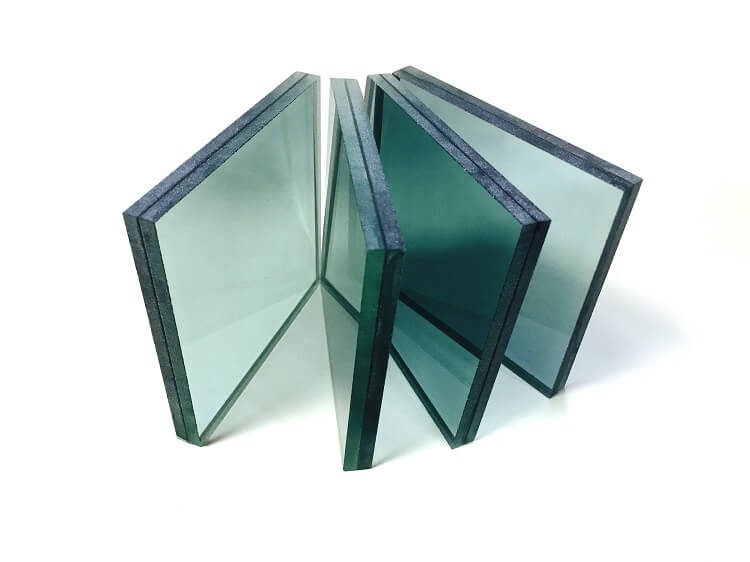
  • Modern Glass Partition Ideas for Offices in Nairobi | Expert Guide

    Modern Glass Partition Ideas for Offices in Nairobi | Expert Guide

    Modern Glass Partition Ideas for Offices in Nairobi

    Modern glass partition ideas for offices in Nairobi have transformed the way workspaces are designed, experienced, and valued. As Nairobi continues to grow as a regional business hub, office interiors are no longer judged purely on location or square footage. Today’s businesses prioritize productivity, collaboration, brand image, and employee well-being. Glass partitions sit at the center of this shift, offering a refined balance between openness and privacy while maximizing natural light and spatial efficiency.

    Unlike traditional masonry or gypsum walls, glass partitions allow offices to feel expansive even within limited floor plans. They visually connect teams, improve daylight penetration, and elevate the professional appearance of a workspace. For startups, corporate offices, co-working spaces, law firms, and medical practices alike, glass partitions offer flexibility without sacrificing sophistication.

    At Ngong Hills Merchants, we work closely with architects, interior designers, contractors, and business owners across Nairobi and its environs. We have seen firsthand how well-designed glass partitions improve workflow, enhance brand perception, and increase the long-term value of commercial spaces. Understanding the available options and how to apply them correctly ensures that office investments deliver both aesthetic and functional returns.


    Why Glass Partitions Are Defining Modern Offices in Nairobi

    Nairobi’s commercial real estate market is evolving rapidly. Businesses are downsizing physical footprints while demanding higher-quality interiors. This has made glass partitions an ideal solution for modern offices.

    One of the strongest advantages of glass partitions is their ability to maximize natural light. Many office buildings in Nairobi feature limited window access, especially in interior zones. Glass partitions allow daylight to travel deeper into the workspace, reducing reliance on artificial lighting and creating healthier, more pleasant environments.

    Glass also communicates transparency and professionalism. For businesses that value trust, collaboration, and openness, glass partitions visually reinforce these principles. At the same time, modern glazing technologies now allow offices to maintain confidentiality and acoustic comfort without returning to solid walls.

    From a cost and flexibility perspective, glass partitions are also easier to reconfigure than permanent walls. As teams grow or reorganize, layouts can be adjusted with minimal disruption. This adaptability makes glass partitions a smart long-term investment for offices anticipating change.

    Businesses sourcing materials from Ngong Hills Merchants often choose glass partitions as a strategic solution that balances design, performance, and future flexibility.


    Frameless Glass Partitions for Sleek Corporate Spaces

    Frameless glass partitions are among the most popular modern glass partition ideas for offices in Nairobi. They deliver a clean, minimal aesthetic that aligns perfectly with contemporary corporate branding.

    These systems use thick toughened or laminated glass panels installed with discreet fittings and minimal hardware. The absence of bulky frames allows uninterrupted sightlines, making spaces feel open and expansive. Frameless partitions are especially popular in executive offices, boardrooms, and premium commercial interiors.

    Despite their minimalist appearance, frameless systems offer excellent durability when installed correctly. High-quality fittings and precision installation are essential to ensure stability and safety. This is why many projects rely on professional-grade solutions such as laminated and toughened glass in Kenya for office partitions.

    Frameless glass partitions are ideal where visual continuity and elegance are top priorities. They work particularly well in law firms, consulting offices, and corporate headquarters seeking a refined, high-end image.


    Framed Glass Partitions for Structure and Flexibility

    While frameless systems emphasize minimalism, framed glass partitions offer structure, versatility, and often improved acoustic performance. These partitions use aluminium or steel frames to support glass panels, providing additional rigidity and design flexibility.

    Framed partitions are well suited to offices requiring more segmentation, such as call centers, training facilities, or multi-department layouts. The frames can be customized in different colors and finishes to match corporate branding or interior themes.

    From a practical perspective, framed systems are often easier to modify or expand. Panels can be replaced, relocated, or upgraded without dismantling entire sections. This makes framed glass partitions attractive to growing businesses or shared office environments.

    Many Nairobi offices combine framed partitions with accessories sourced from our aluminium and glass fittings collection to achieve durability without compromising aesthetics.


    Frosted and Etched Glass for Privacy Without Isolation

    Privacy is a major concern in office environments, especially in meeting rooms, HR offices, medical facilities, and executive spaces. Frosted and etched glass partitions offer an elegant solution that maintains light flow while obscuring visibility.

    Frosted glass can be applied through acid etching, sandblasting, or adhesive films. These finishes create visual separation without making spaces feel closed or confined. Etched patterns can also incorporate branding elements, logos, or decorative motifs that reinforce corporate identity.

    In Nairobi’s competitive business landscape, offices increasingly use frosted glass to balance openness with confidentiality. Meeting rooms remain visually integrated with the rest of the office while ensuring discretion during discussions.

    These applications are commonly paired with solutions used in glass windows and partitions in Kenya, ensuring consistency across office interiors.


    Acoustic Glass Partitions for Noise Control

    As open-plan offices become more common, noise management has emerged as a critical design challenge. Modern glass partition ideas for offices in Nairobi increasingly focus on acoustic performance.

    Acoustic glass partitions use laminated glass with sound-dampening interlayers. When combined with proper sealing and framing, these systems significantly reduce noise transmission between spaces. This is especially valuable in boardrooms, private offices, and client-facing areas.

    Acoustic glass allows offices to retain transparency and light while improving concentration and productivity. Employees benefit from quieter work environments, while management maintains visual connectivity across teams.

    In high-performance office designs, acoustic glass partitions are often integrated with soundproof and bulletproof glass solutions in Nairobi, particularly in financial institutions and sensitive work environments.


    Sliding Glass Partitions for Dynamic Workspaces

    Sliding glass partitions introduce flexibility and adaptability into modern office layouts. These systems allow spaces to be opened or closed as needed, supporting both collaboration and privacy.

    In Nairobi’s co-working spaces and creative offices, sliding partitions enable rooms to transform quickly from meeting areas to open collaboration zones. This dynamic functionality maximizes space usage without permanent structural changes.

    Sliding systems require high-quality tracks, rollers, and fittings to ensure smooth operation and longevity. Inferior hardware leads to jamming, noise, and premature wear. Reliable components sourced from our glass accessories range ensure performance and durability.

    Sliding glass partitions are particularly effective in training centers, conference facilities, and multifunctional office spaces.


    Glass Partitions with Integrated Blinds

    For offices requiring adjustable privacy, glass partitions with integrated blinds offer a highly practical solution. These systems place blinds between double-glazed panels, protecting them from dust and damage.

    With a simple control mechanism, users can switch between full transparency and complete privacy. This is ideal for executive offices, boardrooms, and medical consultation rooms.

    Integrated blind systems maintain a clean aesthetic while eliminating the need for external curtains or shades. They also support energy efficiency by controlling light and heat transmission.

    Many Nairobi offices incorporate these systems alongside commercial glass facade solutions in Nairobi to maintain a cohesive design language throughout the building.


    Glass Partitions for Branding and Identity

    Beyond functionality, glass partitions play a significant role in reinforcing brand identity. Logos, mission statements, and graphic elements can be applied through etching, vinyl films, or digital printing.

    This approach transforms partitions into design features rather than purely functional elements. Offices become visually distinctive, reinforcing brand values for employees and visitors alike.

    In Nairobi’s competitive business environment, branding through interior design helps companies stand out. Glass partitions provide an elegant canvas for this expression without overwhelming the space.


    Safety and Compliance Considerations

    Safety is non-negotiable when installing glass partitions. All office partitions must use safety glass—either toughened or laminated—to minimize injury risk in case of breakage.

    Proper installation, edge finishing, and secure fittings are essential. Offices with high foot traffic or public access require additional safety considerations, including impact resistance and clear visibility markers.

    Businesses working with experienced suppliers ensure compliance with safety standards while achieving desired design outcomes. This is why many projects rely on professional guidance from Ngong Hills Merchants when planning glass installations.


    Cost Considerations and Long-Term Value

    The cost of glass partitions varies depending on glass type, thickness, fittings, acoustic requirements, and customization. While glass partitions may appear more expensive than traditional walls initially, their long-term value often outweighs the upfront investment.

    Glass partitions reduce lighting costs, support flexible layouts, and enhance property value. They also reduce renovation expenses when office layouts change.

    Businesses that prioritize quality materials and professional installation experience fewer maintenance issues and longer service life. This makes glass partitions a cost-effective solution over time.


    Choosing the Right Supplier and Installer

    Selecting the right supplier is critical to the success of any glass partition project. Quality materials, proper storage, precise fabrication, and expert installation all influence performance and safety.

    At Ngong Hills Merchants, we provide not only materials but also technical guidance to ensure glass partitions meet functional, aesthetic, and safety requirements. Businesses planning office upgrades are encouraged to contact our team for project consultation to discuss suitable solutions.


    Final Thoughts on Modern Office Glass Design

    Modern glass partition ideas for offices in Nairobi represent more than a design trend. They reflect a shift toward smarter, healthier, and more adaptable work environments. When chosen and installed correctly, glass partitions enhance productivity, improve aesthetics, and support long-term business growth.

    From frameless elegance and acoustic control to branded finishes and flexible layouts, glass partitions offer solutions for every office type and budget. Investing in quality materials and expert advice ensures these benefits are fully realized.


    Your One-Stop Hardware Partner in Ngong

    Imagine completing your project with the right tools, the best materials, and expert advice. At Ngong Hills Merchants, we turn your DIY or construction vision into reality with a complete selection of plumbing, electrical, glass, and sanitary ware.

    Contact our team for a consultation and get the right supplies, right now.

    QUALITY HARDWARE & SUPPLIES IN NGONG
     Complete Range of Plumbing & Electrical
     Power Tools, Adhesives & Paints
     Glass, Framing & Sanitary Ware
     Serving Ngong, Karen, Kiserian, Ongata Rongai & beyond.

    Request Your Free Consultation: Ngong Hills Merchants
    Email: ngonghillsmerchants [at] gmail.com
    Phone: +254 715974811
    Visit Us: Ngong Township, Ngong, Kenya
    Website: https://ngonghillsmerchants.com/

  • Types of Glass Fittings for Homes, Shops & Offices in Kenya

    Types of Glass Fittings for Homes, Shops & Offices in Kenya

    Types of Glass Fittings for Homes, Shops & Offices in Kenya

    Modern architecture in Kenya—whether in homes, shops, or offices—relies heavily on glass installations to create bright, open, and sophisticated spaces. However, the functionality and durability of glass elements depend largely on the quality and type of glass fittings used.

    At Ngong Hills Merchants, we specialize in high-quality aluminum and glass fittings, designed to deliver long-lasting support, safety, and elegance. In this comprehensive guide, we explore the different types of glass fittings available, their applications, and tips for selecting the right hardware for your projects.

    Explore our aluminum & glass fittings collection to find premium components for every type of glass installation.


    1. Glass Clamps & Brackets

    Glass clamps are small metal pieces that securely hold glass panels in place without requiring full frames. Typically crafted from stainless steel, brass, or chrome-plated alloys, clamps are perfect for creating a sleek, frameless look.

    Applications include:

    • Balustrades and stair railings

    • Frameless shower enclosures

    • Office partitions

    • Balcony panels

    The minimalist design ensures your glass installations appear floating while remaining stable. For homeowners and business owners alike, glass clamps provide both elegance and functionality.

    Discover our aluminum & glass fittings for clamps and brackets suitable for both commercial and residential spaces.


    2. Patch Fittings

    Patch fittings are essential for frameless glass doors, allowing panels to be anchored to floors, walls, or other glass sheets. Their compact, square design delivers strong support without bulky frames, maintaining a modern aesthetic.

    Common uses:

    • Retail store entrances

    • Office interior doors

    • Hotel lobbies and reception areas

    Patch fittings combine durability with sleek design, making them ideal for high-traffic environments. Browse our commercial glass fittings for robust patch fitting options.


    3. Hinges & Pivot Fittings

    Hinges and pivot fittings allow glass doors to swing open or closed smoothly. They are vital for ensuring controlled movement, durability, and safety.

    Types:

    • Pivot hinges — suitable for doors that swing in both directions

    • Hydraulic/self-closing hinges — ideal for shops and offices with frequent traffic

    • Standard glass door hinges — perfect for residential bathrooms and interior partitions

    Investing in quality hinges reduces wear and tear, ensuring your doors remain functional for years. Check our aluminum & glass fittings category for durable hinge options.


    4. Handles, Pulls & Door Accessories

    A glass door’s handles and pulls are both functional and decorative. Available in stainless steel, brass, chrome, or matte black, they add style while providing a secure grip.

    Applications:

    • Entry doors for shops and offices

    • Frameless shower doors

    • Glass display cabinets in retail spaces

    You can browse our full range of handles and pulls to find stylish hardware for your glass doors.


    5. Floor Springs & Door Closers

    Floor springs are mechanical devices embedded in the floor to manage the closing and opening of heavy glass doors. They are ideal for high-traffic commercial spaces where smooth, controlled door operation is essential.

    Benefits:

    • Adjustable closing speed

    • Controlled motion prevents damage

    • Increased safety for users

    Explore our glass door fittings for floor springs and door closers that combine strength with seamless design.


    6. Sliding Door Tracks & Rollers

    Sliding glass doors are perfect for space-saving and modern interiors. Tracks and rollers ensure smooth movement of glass panels, whether for offices, homes, or retail spaces.

    Key features:

    • Ceiling-mounted or wall-mounted tracks

    • Smooth, quiet rollers

    • Space-efficient design

    Sliding fittings are excellent for room dividers, closets, and shop entrances. Browse our sliding glass hardware options for reliable, smooth-operating systems.


    7. Spider Fittings

    Spider fittings are multi-arm connectors that support large glass facades, providing a frameless, uninterrupted appearance. They are widely used in commercial buildings and modern home facades.

    Benefits:

    • Elegant, minimalist design

    • Supports large glass panels

    • Reduces visual obstruction

    For office lobbies or shopping mall facades, spider fittings deliver both beauty and structural integrity. Check our commercial glass accessories for premium spider fittings.


    8. Standoffs & Point Fittings

    Standoffs or point fittings secure glass at discrete points, creating a floating effect. This is ideal for balconies, terraces, and decorative glass panels.

    Applications:

    • Glass guardrails

    • Fixed partitions

    • Artistic architectural features

    Their design allows space between the wall and glass, providing both elegance and safety. Explore our standoff fittings and accessories for modern installations.


    9. Channels, Profiles & Rails

    Channels and profiles are U-shaped tracks that hold glass panels at the edges or base. They are used when full frameless hardware isn’t ideal or for sliding glass doors.

    Uses include:

    • Sliding doors

    • Balcony railings

    • Fixed office partitions

    Channels provide stability and protect glass edges from impact, combining durability with aesthetic appeal. Check our glass accessory range for high-quality profiles and channels.


    10. Accessories: Locks, Seals & Protective Elements

    Small but essential glass accessories enhance usability and longevity. Locks, seals, and bumpers protect both the user and the glass itself.

    Examples:

    • Glass door locks for privacy and security

    • Seals and gaskets to prevent leaks

    • Door stoppers to protect walls and panels

    Visit our glass accessories category for all essential protective fittings for your installations.


    Applications by Setting

    Homes:

    • Frameless shower doors

    • Patio sliding doors

    • Balustrades and balcony guardrails

    • Glass kitchen cabinets

    Shops & Retail Spaces:

    • Glass storefront entrances

    • Floor springs for heavy doors

    • Handles and locks for security

    • Spider fittings for large display windows

    Offices:

    • Interior glass partitions

    • Pivot hinges for meeting room doors

    • Sliding glass doors for flexible layouts

    • Standoffs for stylish, floating glass walls


    Choosing the Right Glass Fittings

    When selecting glass fittings, consider:

    • Glass thickness & weight — heavy glass requires stronger clamps, hinges, or floor springs

    • Finish & aesthetics — stainless steel, chrome, matte black, or brass

    • Functionality — sliding, swinging, or fixed panels

    • Environment — interior partitions differ from exterior shopfronts

    Ngong Hills Merchants provides durable, stylish fittings suitable for residential, retail, and commercial applications. Browse our full glass fittings collection to find the right hardware for your project.


    Your One-Stop Hardware Partner in Ngong

    Imagine completing your project with the right tools, the best materials, and expert advice. At Ngong Hills Merchants, we turn your DIY or construction vision into reality with a complete selection of plumbing, electrical, glass, and sanitary ware.

    Contact our team for a consultation and get the right supplies, right now.

    QUALITY HARDWARE & SUPPLIES IN NGONG
     Complete Range of Plumbing & Electrical
     Power Tools, Adhesives & Paints
     Glass, Framing & Sanitary Ware
     Serving Ngong, Karen, Matasia, Kiserian… & beyond.

     Request Your Free Consultation: Ngong Hills Merchants
     Email: ngonghillsmerchants [at] gmail.com
     Phone: +254 715974811
     Visit Us: Ngong Township, Ngong, Kenya
     Website: https://ngonghillsmerchants.com/
  • Emerging Innovations in Glass & Aluminium Systems for Kenya’s Construction Industry

    Emerging Innovations in Glass & Aluminium Systems for Kenya’s Construction Industry

    Emerging Innovations in Glass & Aluminium Systems for Kenya’s Construction Industry

    Kenya’s construction industry is undergoing a significant transformation as glass and aluminium systems become central to modern building design. From sleek commercial façades to energy-efficient residential spaces, these materials are redefining how architects, contractors, and developers approach safety, aesthetics, and performance. Innovations in glazing technology, laminated and tempered glass, aluminium framing, and curtain wall systems are creating smarter, safer, and more sustainable buildings across Nairobi, Mombasa, and other growing urban centers.

    Understanding the latest trends and innovations in glass and aluminium systems is essential for anyone involved in Kenyan construction projects. This comprehensive guide explores emerging technologies, practical installation tips, material comparisons, compliance requirements, and investment considerations to help you make informed decisions.


    The Rising Role of Glass & Aluminium Systems in Kenya

    Glass and aluminium systems are no longer secondary design elements—they are structural and functional components of modern buildings. Their benefits include:

    • Natural Light & Aesthetics: Large glass panels framed with aluminium allow for sleek façades while maximizing daylight.

    • Safety & Durability: Innovations in laminated, tempered, and reinforced glass improve impact resistance.

    • Energy Efficiency: Low-E coatings and insulated glazing systems reduce heat transfer and lower energy consumption.

    • Flexibility & Modularity: Aluminium systems can be customized for curtain walls, partitions, windows, and doors.

    For commercial and residential developers, understanding these advantages allows better planning, budgeting, and compliance with safety regulations. You can explore our collection of modern glass accessories to complement aluminium and glazing systems in your projects.


    Emerging Glass Innovations in Kenya

    Several glass innovations are shaping Kenyan construction:

    1. Laminated Glass: Consists of two or more layers bonded with PVB or EVA interlayers. Laminated glass improves safety by holding together upon impact and enhances sound insulation.

    2. Tempered Glass: Heat-treated for increased strength; shatters into small, blunt pieces to minimize injuries.

    3. Low-E Glass: Coated to reflect infrared heat while allowing visible light, improving energy efficiency in offices and homes.

    4. Smart Glass Technologies: Switchable or electrochromic glass allows privacy on demand and contributes to energy savings.

    5. Energy-Efficient Insulated Glazing Units (IGUs): Multi-pane systems filled with inert gases reduce heat transfer and enhance thermal comfort.

    For high-rise or commercial projects in Nairobi, laminated or tempered laminated glass with energy-efficient coatings is increasingly standard. You can browse our glass options to select certified products suitable for various applications.


    Aluminium System Innovations

    Aluminium systems have evolved from simple window frames to high-performance curtain walls, partitions, and façades:

    • Modular Curtain Walls: Pre-fabricated panels for faster installation, reduced labor costs, and minimal site disruption.

    • Thermally Broken Frames: Insulated aluminium sections reduce heat transfer, improving energy efficiency.

    • Anodized & Powder-Coated Finishes: Enhance durability and aesthetics, resistant to corrosion and UV degradation.

    • Custom Profiles: Aluminium systems can be tailored to project-specific designs, including complex angles or large spans.

    Integrating innovative aluminium framing with advanced glass improves both safety and design flexibility. Contractors can also discover the full range of adhesives to ensure secure, long-lasting assembly of aluminium and glass panels.


    Comparative Material Analysis: Choosing the Right System

    Selecting the right glass and aluminium system requires balancing cost, performance, and aesthetics:

    Feature Laminated Glass Tempered Glass Aluminium Framing Curtain Walls
    Safety Excellent Good N/A Excellent with reinforced glass
    Energy Efficiency Moderate Moderate High with thermal breaks High with IGUs
    Cost Medium-High Medium Medium High
    Maintenance Low Low Low Low
    Application Balustrades, Skylights Windows, Doors Frames, Windows Façades, Partitions

    By understanding these properties, developers and homeowners can maximize safety and aesthetics while controlling costs.


    Installation & Fabrication Best Practices

    Proper fabrication and installation are key to ensuring the longevity and safety of glass and aluminium systems:

    1. Pre-Installation Planning: Confirm dimensions, panel weight, and load-bearing capacity.

    2. Use Certified Hardware: Brackets, hinges, and fittings from trusted suppliers like Ngong Hills Merchants ensure structural integrity.

    3. Secure Handling & Transport: Glass panels should be transported upright with protective padding. Aluminium sections must be stored safely to prevent warping.

    4. Edge & Seal Finishing: Proper silicone sealing and edge finishing prevent water ingress and stress fractures.

    5. Professional or Guided DIY Installation: For large or heavy panels, professional installation is recommended. For smaller systems, follow detailed guidance to prevent accidents.

    For assistance, contractors can learn more about our power tools to facilitate safe and efficient installation.


    Certifications & Compliance in Kenya

    All glass and aluminium systems must adhere to KEBS and international standards:

    • Glass Certifications: KEBS, ISO 12543, BS 6206 / EN 12150 ensure safety, strength, and laminated quality.

    • Aluminium Certifications: Structural performance, corrosion resistance, and thermal break verification.

    Using certified materials mitigates risks, improves project credibility, and increases resale value. For certified glass and aluminium systems in Kenya, you can contact our team for project consultation.


    Project Timeline & Delivery Considerations

    Efficiency in planning ensures projects are completed on time:

    1. Design Approval & Material Selection: 1–2 weeks for small projects; larger commercial façades may take longer.

    2. Fabrication: Laminated and tempered glass require careful production; aluminium profiles may be pre-fabricated.

    3. Delivery: Transport requires careful scheduling, especially for large panels. Suppliers should coordinate with site teams to minimize storage risks.

    4. Installation: Sequence of delivery and installation should prevent damage and delays.

    By working closely with your supplier, you can align fabrication, delivery, and installation for smooth execution.


    Maintenance & Longevity

    Maintaining glass and aluminium systems extends lifespan:

    • Cleaning: Use pH-neutral solutions to avoid scratches or corrosion.

    • Seal Inspections: Check silicone seals and gaskets for leaks.

    • Hardware Maintenance: Lubricate hinges and fittings to maintain smooth operation.

    • Periodic Certification Checks: Ensure structural integrity remains compliant with safety standards.

    With proper maintenance, laminated or tempered glass systems and aluminium frames can last 20+ years, preserving aesthetics and performance.


    Investment Considerations

    While advanced glass and aluminium systems may have higher upfront costs, they provide long-term value:

    • Safety and compliance reduce liability

    • Energy efficiency lowers operational costs

    • Modern façades improve property value and appeal

    • Modular systems reduce labor and installation time

    Balancing innovation, cost, and functionality ensures projects in Kenya deliver maximum ROI.


    Why Ngong Hills Merchants is Your Go-To Partner

    Ngong Hills Merchants offers comprehensive glass and aluminium solutions for Kenya’s construction industry:

    • Certified laminated and tempered glass

    • Advanced aluminium profiles and curtain wall systems

    • Supporting hardware, adhesives, and tools for secure installation

    • Expert consultation for project planning, delivery, and aftercare

    For contractors and homeowners, you can also explore our sanitary ware or browse our glass to complete your project with confidence.


     Your One-Stop Hardware Partner in Ngong

    Imagine completing your project with the right tools, the best materials, and expert advice. At Ngong Hills Merchants, we turn your DIY or construction vision into reality with a complete selection of plumbing, electrical, glass, and sanitary ware.

    Contact our team for a consultation and get the right supplies, right now.

    QUALITY HARDWARE & SUPPLIES IN NGONG

    Complete Range of Plumbing & Electrical
    Power Tools, Adhesives & Paints
    Glass, Framing & Sanitary Ware

    Serving Ngong, Karen, Matasia, Kiserian & beyond.

     Request Your Free Consultation: Ngong Hills Merchants
     Email: ngonghillsmerchants [at] gmail.com
     Phone: +254 715974811
     Visit Us: Ngong Township, Ngong, Kenya
     Website: https://ngonghillsmerchants.com/
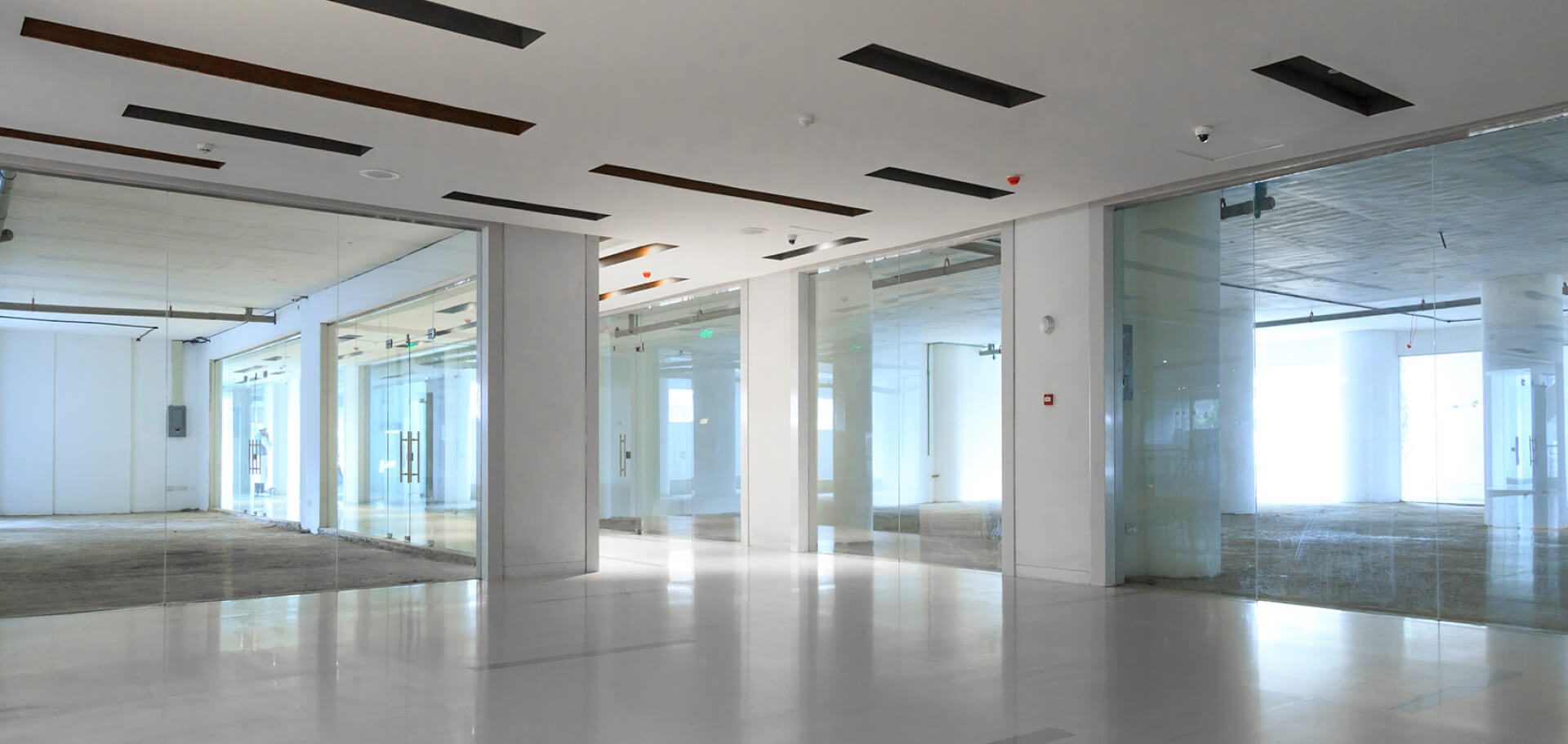
  • How to Work with Your Glazing Supplier in Nairobi: Timeline, Delivery & Installation Tips

    How to Work with Your Glazing Supplier in Nairobi: Timeline, Delivery & Installation Tips

    How to Work with Your Glazing Supplier in Nairobi: Timeline, Delivery & Installation Tips

    Working with a professional glazing supplier in Nairobi is a critical step for any construction, renovation, or interior design project that involves glass. From large commercial facades to residential windows and balustrades, glass plays both functional and aesthetic roles. Understanding how to collaborate effectively with your supplier ensures smooth project execution, safety compliance, and timely delivery.

    Glass projects involve multiple considerations: thickness, laminated layers, certifications, delivery logistics, and installation techniques. For homeowners and contractors alike, navigating these requirements without expert guidance can result in delays, damage, or safety risks. This guide will walk you through every stage of working with a glazing supplier in Nairobi, covering timelines, delivery planning, installation tips, and best practices.


    Understanding Your Project Requirements

    Before contacting a glazing supplier in Nairobi, clearly define your project goals:

    • Type of Glass Needed: Tempered, laminated, float, or low-emissivity glass.

    • Size and Quantity: Accurate measurements ensure proper delivery and reduce waste.

    • Location and Application: Windows, doors, partitions, balustrades, skylights, or decorative features.

    • Safety Standards: Compliance with KEBS and other industry standards.

    Early planning helps your supplier provide accurate timelines and recommendations. Discussing specifications upfront allows you to select the right products, including thickness, interlayer types, and coatings. You can browse our glass collection to understand the options available in Nairobi.


    Establishing a Clear Project Timeline

    A well-structured timeline is essential to avoid delays and ensure smooth execution. Most glass projects involve the following stages:

    1. Consultation & Design: Discuss project goals, glass types, finishes, and accessories. This is the stage where your supplier can provide guidance on laminated layers, safety features, and certifications.

    2. Measurement & Survey: Precise measurements prevent costly errors. Many suppliers in Nairobi offer on-site surveys to ensure accurate panel sizes.

    3. Quotation & Approval: Receive detailed quotes including materials, labor, delivery, and any additional services.

    4. Fabrication & Ordering: Glass is cut, laminated, tempered, or coated according to specifications. Fabrication timelines vary depending on the complexity and type of glass.

    5. Delivery Scheduling: Confirm logistics, transportation, and handling protocols.

    6. Installation: Whether DIY or professional, this step requires proper tools, safety measures, and sometimes specialized fittings.

    Having a realistic project timeline ensures coordination between suppliers, contractors, and installers, preventing bottlenecks. For high-risk or large-scale projects, consider contacting our team for project consultation to create an optimized timeline.


    Planning for Glass Delivery in Nairobi

    Delivery logistics are critical to ensure glass panels arrive safely. Factors to consider include:

    • Transportation: Glass should be transported upright and secured in appropriate racks to prevent cracking.

    • Handling: Only trained personnel should handle large or heavy panels.

    • Packaging: Laminated and tempered glass often comes with protective films or edge guards.

    • Scheduling: Avoid peak traffic hours and coordinate with your installer to minimize storage time.

    For projects in Nairobi, suppliers often provide on-site delivery options. Planning your delivery schedule carefully helps reduce the risk of damage and ensures panels are ready for installation. You can also discover the full range of adhesives required for secure installation from Ngong Hills Merchants.


    Choosing the Right Glass Type for Your Project

    Understanding the differences between glass types helps optimize both safety and aesthetics:

    • Tempered Glass: Heat-treated for strength; breaks into small, blunt pieces. Suitable for shower doors, windows, and partitions.

    • Laminated Glass: Two or more layers bonded with PVB or EVA; maintains integrity upon impact. Ideal for balustrades, skylights, and high-traffic areas.

    • Float Glass: Basic glass, generally used where strength is not critical.

    Laminated glass layers vary in thickness and number, affecting soundproofing, UV protection, and safety. For commercial or high-rise projects in Nairobi, laminated or tempered laminated glass is often recommended. You can explore our collection of modern glass accessories to complement your glass installations.


    Installation Tips for Success

    Proper installation is crucial to maintain the safety, durability, and appearance of glass. Consider the following:

    1. Use Professional Fittings: Heavy panels require robust clamps, brackets, or hinges. Browse our electrical fittings and glass accessories for installation hardware.

    2. Ensure Precise Alignment: Panels must be level and stress-free to prevent cracking.

    3. Seal Edges Properly: Silicone sealing prevents moisture ingress and prolongs lifespan.

    4. Safety First: Wear protective gear and follow manufacturer guidelines.

    5. Maintenance Planning: Schedule regular inspections and cleaning to maintain clarity and integrity. You can check our cleaning items for safe solutions.

    For DIY enthusiasts, follow supplier instructions carefully. For large or complex installations, professional installation is highly recommended.


    Working with Your Supplier: Communication & Support

    Effective communication with your glazing supplier in Nairobi ensures smooth project execution:

    • Discuss Lead Times: Understand fabrication and delivery timelines to coordinate installation.

    • Confirm Specifications: Double-check thickness, laminated layers, and certifications.

    • Request Guidance: Suppliers can advise on project-specific challenges like high-rise glazing or weatherproofing.

    • After-Sales Support: Ensure the supplier provides advice on maintenance and replacement if needed.

    Regular updates and clear documentation minimize errors and protect your investment. You can also learn more about our power tools for easier handling and installation.


    Cost Considerations & Investment Value

    Glass projects in Nairobi vary in cost depending on:

    • Thickness and type of glass

    • Laminated layers and coatings

    • Size and complexity of panels

    • Delivery and installation services

    While premium laminated or tempered glass may have a higher upfront cost, the long-term benefits—safety, durability, energy efficiency, and resale value—often justify the investment. For budget-conscious projects, combining standard tempered glass in low-risk areas with laminated glass in high-risk areas is a practical solution.


    Maintenance & Longevity

    Proper maintenance extends the life of your glass:

    • Regular cleaning with pH-neutral solutions

    • Inspecting seals and fittings for damage

    • Replacing damaged interlayers or panels promptly

    • Protecting glass from direct impact during construction

    With proper care, laminated or tempered glass installations can last 20+ years, maintaining both safety and aesthetic value.


    Choosing Ngong Hills Merchants as Your Glass Partner

    Ngong Hills Merchants offers certified glass products, accessories, and installation support for Nairobi-based projects:

    • Access to laminated and tempered glass options

    • Guidance on thickness, laminated layers, and certifications

    • Supporting hardware, adhesives, and power tools for installation

    • Expert consultation to plan delivery, timelines, and aftercare

    For a successful project, you can explore our collection of modern sanitary ware or browse our glass to complement your installation.


     Your One-Stop Hardware Partner in Ngong

    Imagine completing your project with the right tools, the best materials, and expert advice. At Ngong Hills Merchants, we turn your DIY or construction vision into reality with a complete selection of plumbing, electrical, glass, and sanitary ware.

    Contact our team for a consultation and get the right supplies, right now.

    QUALITY HARDWARE & SUPPLIES IN NGONG

    ✔ Complete Range of Plumbing & Electrical
    ✔ Power Tools, Adhesives & Paints
    ✔ Glass, Framing & Sanitary Ware

    Serving Ngong, Karen, Matasia, Kiserian & beyond.

     Request Your Free Consultation: Ngong Hills Merchants
     Email: ngonghillsmerchants [at] gmail.com
     Phone: +254 715974811
     Visit Us: Ngong Township, Ngong, Kenya
     Website: https://ngonghillsmerchants.com/

  • Glass Balustrades & Staircase Railings in Kenya | Compliant Design

    Glass Balustrades & Staircase Railings in Kenya | Compliant Design

    Designing Glass Balustrades & Staircase Railings That Comply with Kenyan Regulations

    Glass balustrades and staircase railings are increasingly popular in modern Kenyan homes, offices, hotels, and commercial spaces. Their sleek appearance, ability to maximize light, and ease of integration with contemporary designs make them a preferred choice over traditional materials like wood or metal. However, achieving both style and safety requires careful attention to Kenyan building regulations, material selection, and installation standards. Glass balustrades & staircase railings in Kenya not only enhance aesthetics but also provide reliable safety when designed and installed correctly.

    Design Inspiration and Applications
    The versatility of glass balustrades allows architects and interior designers to create elegant staircases, balconies, and mezzanine railings that complement both modern and classic interiors. Frameless glass panels create an unobstructed view, ideal for luxury homes or hotels seeking a sense of openness. Semi-framed or fully framed options can be paired with stainless steel, aluminum, or timber for added style and structural support. Designers often integrate coloured, frosted, or patterned glass panels for privacy, branding in retail spaces, or artistic features in hotel lobbies.

    Hotels and commercial spaces benefit from glass railings that provide a luxurious feel while ensuring safety and compliance. Residential properties can use glass balustrades to enhance natural light in stairwells or living areas, giving the impression of spaciousness without compromising structural integrity. For a variety of designs, explore our glass panels and accessories suitable for balustrades and railings.

    Functional and Safety Benefits
    Glass balustrades are not just decorative—they are engineered for safety and durability. High-quality tempered or laminated glass resists impact, reducing the risk of breakage. Modern balustrade systems meet load-bearing and height requirements set by Kenyan building codes, ensuring stability for users. Glass panels are also easy to clean, resistant to corrosion unlike metal alternatives, and do not warp or crack like timber over time. For staircases and balconies, choosing the right thickness and support system is essential to prevent deflection or structural failure. Ngong Hills Merchants provides power tools and framing solutions to ensure accurate installation and long-lasting safety.

    Understanding Kenyan Building Regulations
    Compliance with Kenyan building regulations is critical when designing glass balustrades and staircase railings. Key considerations include:

    • Height Requirements: Staircase handrails must meet minimum height standards to prevent falls.

    • Load-Bearing Capacity: Balustrades must withstand both vertical and horizontal loads to ensure user safety.

    • Glass Type: Only tempered or laminated glass is permitted in high-traffic areas or locations prone to impact.

    • Spacing and Gap Guidelines: Any gaps between panels must prevent accidents, especially in homes with children.

    • Baluster and Fixing Specifications: The attachment points and fixings must comply with structural codes for stability.

    Our team can guide you on choosing compliant electrical fittings and lighting integration alongside balustrades to create functional, safe, and aesthetically pleasing interiors.

    Comparative Material Analysis
    Glass offers advantages over other railing materials like timber, steel, or wrought iron. Unlike timber, glass does not warp or rot over time. Compared to steel, it does not corrode, and frameless installations provide unobstructed visibility. Laminated glass adds additional safety benefits, ensuring that even if breakage occurs, shards remain contained. Combining glass with modern adhesives or clamp systems creates a sleek, low-maintenance, and code-compliant railing system. Check out our adhesive range for solutions compatible with structural and decorative glass installations.

    Cost and Investment Considerations
    Glass balustrades require higher initial investment than traditional railing materials, but they offer long-term benefits. Energy efficiency through increased natural light, low maintenance, and the added property value of modern aesthetics make them a smart choice. Hotels, offices, and high-end residential projects in Kenya benefit from enhanced appeal and safety compliance. Budgeting for high-quality tempered or laminated panels, professional framing accessories, and installation support ensures durability and regulatory adherence. Our plumbing and sanitary ware can complement glass features in bathrooms or wet areas, maintaining both functionality and elegance.

    Technical Specifications and Composition
    Glass balustrades and staircase railings typically use panels ranging from 10mm to 19mm in thickness depending on height, load requirements, and application. Laminated or tempered glass is standard for safety. Fixing methods include clamps, channels, or fully framed systems with stainless steel or aluminum supports. Panels can be clear, frosted, tinted, or patterned for design variation while maintaining strength. Proper fabrication, edge finishing, and precise installation are essential to meet safety codes. Our framing accessories ensure accurate and secure mounting for all types of glass balustrades.

    Installation, Aftercare, and DIY Guidance
    Glass balustrade installation requires careful handling and precise alignment. Professional-grade adhesives, clamps, and frames improve structural integrity and aesthetic finish. Panels must be leveled correctly, securely fastened, and edges protected during installation. DIY enthusiasts should take care with handling heavy panels, measuring accurately, and using appropriate protective equipment. Routine cleaning with non-abrasive solutions preserves clarity, shine, and long-term performance. Combining balustrade installations with power tools and the right accessories simplifies the process while ensuring compliance with building standards.

    Maintenance, Longevity, and Value Enhancement
    Glass balustrades are highly durable, resistant to weathering, corrosion, and wear. With minimal maintenance, they maintain their transparency and modern appearance for decades. Properly installed and maintained balustrades add significant value to homes, offices, and hotels. They also contribute to overall safety and user comfort, providing a worry-free solution that meets Kenyan building codes. When combined with complementary interior upgrades, including paints and plumbing fittings, glass balustrades enhance both visual appeal and practical functionality.

    In conclusion, glass balustrades and staircase railings in Kenya are an ideal combination of style, safety, and compliance. With careful design, quality materials, and professional installation, they can transform staircases, balconies, and mezzanines into visually stunning and secure spaces. Ngong Hills Merchants offers a complete range of products, tools, and expert guidance to ensure that every glass railing project meets design expectations, safety standards, and regulatory requirements.


    Your One-Stop Hardware Partner in Ngong

    Imagine completing your project with the right tools, the best materials, and expert advice. At Ngong Hills Merchants, we turn your DIY or construction vision into reality with a complete selection of plumbing, electrical, glass, and sanitary ware.

    Contact our team for a consultation and get the right supplies, right now.

    QUALITY HARDWARE & SUPPLIES IN NGONG

    Complete Range of Plumbing & Electrical
    Power Tools, Adhesives & Paints
    Glass, Framing & Sanitary Ware

    Serving Ngong, Karen, Matasia, Kiserian & beyond.

     Request Your Free Consultation: Ngong Hills Merchants
     Email: ngonghillsmerchants [at] gmail.com
     Phone: +254 715974811
     Visit Us: Ngong Township, Ngong, Kenya
     Website: https://ngonghillsmerchants.com/