Category: General Construction Materials

  • Timber Sizes Kenya Buyers Must Know: How Timber Is Sold and Priced

    Timber Sizes Kenya Buyers Must Know: How Timber Is Sold and Priced

    Timber sizes Kenya buyers encounter can be confusing because the dimensions used when ordering timber may differ from the actual finished dimensions after sawing, planning or dressing.

    A customer may walk into a hardware shop or timber yard and ask for “2 by 4 timber,” only to discover that the actual board dimensions are different from the nominal size. Another buyer may be quoted a price per foot without understanding whether the seller means a linear foot or cubic measurement.

    These differences matter when preparing a bill of quantities, estimating roof timber, comparing supplier quotations or calculating the number of pieces required.

    Timber can be sold using different units depending on the supplier, product and application. Common approaches include pricing by running or linear foot, piece, cubic metre or another agreed unit.

    Understanding the measurement system before placing an order helps prevent expensive misunderstandings.

    This guide explains common timber dimensions, nominal versus finished sizes, how timber is measured, how pricing by foot works, how to calculate quantities and what to confirm with a Kenyan timber supplier.

    Timber Sizes Kenya: What Does “2 by 4” Actually Mean?

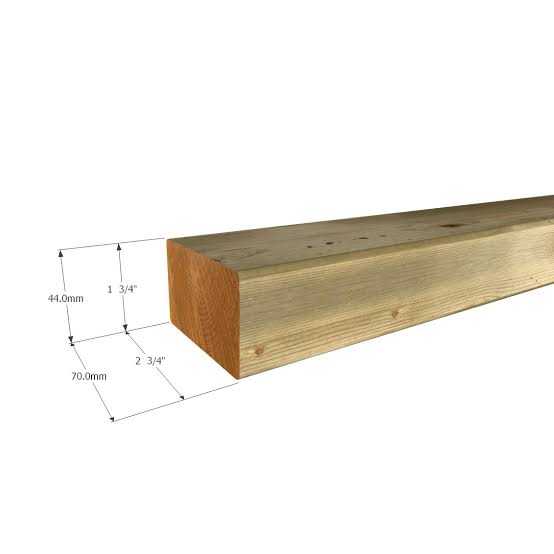
    A timber description such as 2 × 4 normally refers to nominal dimensions, but the actual finished dimensions may be smaller after processing.

    This is one of the most important concepts for timber buyers.

    Suppose timber is described as:

    2 × 4 inches

    That does not necessarily mean the finished board will measure exactly 2 inches by 4 inches.

    The original piece may have been sawn to a nominal dimension and then:

    • Planed.
    • Dressed.
    • Smoothed.
    • Machined.
    • Reduced during processing.

    Consequently, the finished dimensions can be smaller.

    The difference is important when timber must fit into a specific construction detail.

    Timber Sizes Kenya: Nominal vs Finished Dimensions

    Nominal dimensions are the traditional or stated size used to identify timber, while finished dimensions are the actual measurements of the processed timber you receive.

    For example, a piece sold as a nominal 2 × 4 may have a finished cross-section smaller than the nominal dimensions.

    The exact reduction depends on:

    • Sawing method.
    • Planning.
    • Dressing.
    • Supplier.
    • Timber type.
    • Manufacturing requirements.

    Therefore, do not assume that every supplier’s “2 × 4” is physically identical.

    When accuracy matters, ask for the actual finished dimensions.

    This is especially important for:

    • Roof framing.
    • Door frames.
    • Window frames.
    • Furniture.
    • Joinery.
    • Cabinet construction.

    Timber Sizes Kenya: Common Dimensions

    Common timber dimensions vary by supplier and application, but buyers may encounter familiar nominal sizes expressed in inches or metric measurements.

    Examples of commonly referenced dimensions include:

    Nominal Size Approximate Imperial Description Typical Applications
    1 × 2 Small section Battens, trims, light framing
    1 × 3 Narrow section Battens, framing, joinery
    1 × 4 Medium narrow board Trim, framing, joinery
    2 × 2 Square section Light framing, supports
    2 × 3 Medium section Framing, roofing components
    2 × 4 Common framing section Roof and general construction
    2 × 6 Larger section Structural applications where specified
    3 × 2 Similar nominal cross-section Framing and construction
    4 × 4 Larger square section Posts and heavy-duty applications

    These are reference descriptions rather than structural recommendations.

    A timber size suitable for one application may be inappropriate for another.

    Structural members should be selected according to the design requirements.

    Timber Sizes Kenya: Why You Should Not Guess Structural Sizes

    Timber dimensions for structural applications should be determined by the building design, span, loading, timber grade and spacing rather than by a generic size chart.

    A roof rafter, for example, is affected by:

    • Span.
    • Roof covering.
    • Member spacing.
    • Wind loads.
    • Timber strength.
    • Support conditions.
    • Bracing.

    Two roofs may have completely different structural requirements even if both cover houses of similar floor area.

    This is why a generic statement such as “all roofs use 2 × 4 timber” can be misleading.

    For structural work, use the dimensions specified by the relevant design.

    How Timber Is Sold Kenya: Pricing by Foot

    How timber is sold Kenya depends on the supplier and product, but pricing by linear or running foot is a common way buyers may encounter timber quotations.

    When timber is priced per foot, the seller is generally referring to the length of the timber.

    For example, a board may be quoted at a certain price per running foot.

    If:

    • Price = KSh X per foot
    • Required length = 12 feet

    Then:

    Timber cost = X × 12

    However, the quoted price must be understood correctly.

    Ask whether the price is:

    • Per running foot.
    • Per piece.
    • Per cubic foot.
    • Per cubic metre.
    • Per square metre.

    These are not interchangeable.

    Timber Prices Per Foot: What Changes the Price?

    Timber prices per foot can vary significantly depending on species, dimensions, grade, treatment, quality, moisture condition and market availability.

    Two boards of the same length can have different prices because one may be:

    • Wider.
    • Thicker.
    • Better graded.
    • Treated.
    • Better seasoned.
    • Made from a more expensive species.

    For example, a 12-foot board measuring 2 × 6 does not contain the same volume of timber as a 12-foot board measuring 2 × 2.

    Therefore, comparing price per foot without considering cross-sectional dimensions can produce misleading conclusions.

    Timber Prices Per Foot: Length Alone Is Not Enough

    A timber quotation based only on length does not provide the complete cost picture because timber volume increases with both width and thickness.

    For a rectangular piece, volume can be calculated as:

    Volume = Length × Width × Thickness

    All dimensions must be converted into the same unit before calculating volume.

    For example, if dimensions are in metres:

    Volume = L × W × T

    This is useful when comparing suppliers who price timber using cubic metres or cubic feet.

    Timber Sizes Kenya: Converting Inches to Millimetres

    Converting timber dimensions into millimetres makes it easier to compare traditional nominal sizes with actual metric measurements.

    The basic conversion is:

    1 inch = 25.4 mm

    Therefore:

    • 1 inch = 25.4 mm
    • 2 inches = 50.8 mm
    • 3 inches = 76.2 mm
    • 4 inches = 101.6 mm
    • 6 inches = 152.4 mm
    • 8 inches = 203.2 mm

    However, remember that these are mathematical conversions of the nominal imperial measurement.

    They do not automatically represent the actual finished size of a timber board.

    A nominal 2 × 4 should therefore not automatically be described as a finished 50.8 × 101.6 mm board.

    Timber Sizes Kenya: Metric Dimensions

    Some timber suppliers and construction professionals may use metric dimensions, while others continue to use traditional inch-based descriptions.

    A buyer may therefore encounter dimensions such as:

    • 25 × 50 mm.
    • 50 × 75 mm.
    • 50 × 100 mm.
    • 50 × 150 mm.
    • 75 × 100 mm.
    • 100 × 100 mm.

    The actual sizes available depend on the supplier and processing method.

    When preparing construction drawings, the important thing is to establish the actual dimensions being specified and supplied.

    Timber Sizes Kenya: Sawn Timber vs Dressed Timber

    Sawn timber retains dimensions closer to its sawn production size, while dressed timber has been machined to create smoother and more consistent surfaces.

    Sawn timber can have:

    • Rough surfaces.
    • Irregular edges.
    • More variation in dimensions.

    Dressed timber generally has:

    • Smoother faces.
    • Cleaner edges.
    • More consistent dimensions.
    • Better appearance.

    Dressing removes some material.

    Therefore, the finished dimensions of dressed timber can be smaller than the original sawn dimensions.

    Timber Sizes Kenya: Why Dressing Matters

    Dressed timber can be more convenient for joinery and finishing, but buyers should account for the reduction in dimensions when calculating quantities and designing joints.

    For example, if a door frame requires a specific finished dimension, using nominal dimensions without checking the actual board can create problems.

    This is especially important for:

    • Door frames.
    • Window frames.
    • Cabinet construction.
    • Furniture.
    • Decorative mouldings.

    A few millimetres can matter when several components must fit together accurately.

    How Timber Is Sold Kenya: Sold by Piece

    Some timber products are sold by individual piece rather than by foot, especially where each item has a standard length or where the buyer wants a specific number of boards.

    For example, a supplier may quote:

    KSh X per 12-foot piece

    rather than a running-foot price.

    This can make the quotation easier to understand.

    However, compare the equivalent price when evaluating another supplier.

    If Supplier A charges per piece and Supplier B charges per foot, convert both quotations to the same basis.

    Example

    Supplier A:

    12-foot piece = KSh 1,200

    Supplier B:

    KSh 100 per foot

    Supplier B’s equivalent 12-foot cost is:

    100 × 12 = KSh 1,200

    The prices are equivalent before considering other differences such as timber quality, treatment and delivery.

    How Timber Is Sold Kenya: Cubic Measurement

    Larger timber purchases may be measured by volume, particularly when buying substantial quantities or comparing timber from different sources.

    The basic formula is:

    Volume = Length × Width × Thickness

    For example, suppose a piece is:

    • 4 m long.
    • 0.05 m wide.
    • 0.10 m thick.

    Its volume is:

    4 × 0.05 × 0.10 = 0.02 m³

    If a supplier charges per cubic metre, the timber cost can then be calculated from the applicable cubic-metre rate.

    This method can be useful for comparing different dimensions because it accounts for the actual quantity of wood.

    Timber Prices Per Foot: A Worked Example

    A simple calculation can help a buyer understand how a per-foot timber quotation translates into a project cost.

    Suppose you require:

    • 20 pieces.
    • Each piece is 12 feet long.
    • Supplier price is KSh 85 per running foot.

    Total length:

    20 × 12 = 240 feet

    Estimated timber cost:

    240 × 85 = KSh 20,400

    This is the timber cost based on the quoted rate.

    It does not necessarily include:

    • Delivery.
    • Treatment.
    • Cutting.
    • Dressing.
    • Waste.
    • Additional hardware.

    Always confirm what is included in the quotation.

    Timber Sizes Kenya: Calculating Required Length

    The easiest way to estimate timber quantities is to calculate the total required length and then convert that requirement into available commercial lengths.

    Suppose a project requires:

    • 30 pieces at 8 feet.
    • 15 pieces at 10 feet.
    • 10 pieces at 12 feet.

    Total required length:

    (30 × 8) + (15 × 10) + (10 × 12)

    = 240 + 150 + 120

    = 510 linear feet

    However, you should not automatically order exactly 510 feet.

    You must consider the lengths available from the supplier and cutting waste.

    Timber Sizes Kenya: Allowing for Waste

    A timber estimate should include a reasonable allowance for cutting waste, defects, damaged pieces and unavoidable offcuts.

    Waste depends on:

    • Project design.
    • Timber lengths.
    • Number of joints.
    • Cutting pattern.
    • Timber quality.
    • Defects.
    • Required component sizes.

    For a carefully planned cutting schedule, waste can be reduced significantly.

    Do not simply add an arbitrary large percentage to every timber order.

    Instead, prepare a cutting plan where practical.

    Timber Sizes Kenya: The Importance of Commercial Lengths

    Timber is commonly supplied in specific lengths, so your cutting plan should account for the lengths actually available from the supplier.

    For example, if you need many 6-foot pieces, purchasing 12-foot boards may allow efficient cutting.

    One 12-foot board can potentially produce:

    2 × 6-foot pieces

    with little length waste, subject to saw kerf and the actual cutting requirements.

    But if you need:

    • 7 feet.
    • 7 feet.

    A 12-foot board cannot provide both pieces.

    You would need a longer board or separate pieces.

    This is why a cutting schedule can save money.

    Timber Sizes Kenya: What Is a Running Foot?

    A running foot is a unit of length equal to one foot along the timber, regardless of the timber’s cross-sectional dimensions.

    This distinction is important.

    A running-foot price does not mean:

    one cubic foot of timber.

    If timber is sold at KSh 100 per running foot, a 10-foot piece costs:

    10 × 100 = KSh 1,000

    assuming the quoted rate applies to that particular timber dimension and product.

    Always ask the supplier what the quoted unit means.

    Timber Sizes Kenya: Linear Foot vs Square Foot

    Linear feet measure length, while square feet measure area, so they should not be used interchangeably when calculating timber quantities.

    Linear measurement is useful for:

    • Timber lengths.
    • Skirting.
    • Fascia.
    • Trims.
    • Battens.

    Square measurement is useful for:

    • Board coverage.
    • Flooring.
    • Wall panels.
    • Roofing sheets in some contexts.

    For timber volume, you need:

    Length × Width × Thickness

    This produces a three-dimensional measurement.

    Timber Sizes Kenya: Measuring a Timber Board

    Use a reliable measuring tape or calliper where necessary to check length, width and thickness instead of relying solely on the label.

    For a rectangular timber board, measure:

    1. Length.
    2. Width.
    3. Thickness.

    Take measurements at multiple points if dimensional consistency is important.

    Timber can vary slightly along its length.

    For precision joinery, the actual finished dimensions are more important than the nominal description.

    Timber Sizes Kenya: Measuring Timber for Roofing

    Roof timber quantities should be calculated from the actual roof design rather than the floor plan alone.

    The roof measurement should account for:

    • Roof pitch.
    • Rafter lengths.
    • Truss spacing.
    • Purlin lengths.
    • Batten spacing.
    • Fascia lengths.
    • Bracing.
    • Roof projections.

    A house with a simple rectangular roof may require a very different timber quantity from a house with:

    • Multiple roof pitches.
    • Valleys.
    • Hips.
    • Gables.
    • Dormers.
    • Large overhangs.

    The roof geometry matters.

    Timber Sizes Kenya: Roof Timber and Structural Design

    Timber size and spacing should be specified according to structural requirements because roof members carry loads and transfer them through the building.

    Factors can include:

    • Roof covering weight.
    • Live loads.
    • Wind.
    • Span.
    • Timber strength.
    • Member spacing.
    • Connection details.

    Never increase or reduce a structural timber size simply because a supplier has a cheaper alternative without confirming that the substitute is suitable.

    Timber Sizes Kenya: Timber for Joinery

    Joinery requires greater dimensional accuracy than many rough construction applications, making dressed and properly seasoned timber particularly important.

    Joinery can include:

    • Door frames.
    • Window frames.
    • Cabinets.
    • Furniture.
    • Shelving.
    • Decorative mouldings.

    A board that is acceptable for rough framing may not produce a high-quality furniture finish.

    For joinery, check:

    • Straightness.
    • Surface quality.
    • Moisture condition.
    • Actual dimensions.
    • Grain.
    • Knots.
    • Cracks.

    Timber Sizes Kenya: Timber Species Affect Pricing

    Timber species can significantly influence price because different species vary in availability, durability, density, appearance, workability and market demand.

    For example, buyers may compare:

    • Cypress.
    • Podo.
    • Pine.
    • Eucalyptus.
    • Mvule.
    • Other locally available species.

    A premium hardwood may cost considerably more than a common construction softwood.

    That does not automatically make it the better choice.

    The appropriate species depends on the application.

    For a roof structure, the buyer may prioritise:

    • Strength.
    • Treatment.
    • Straightness.
    • Grade.
    • Cost.

    For furniture, priorities may include:

    • Appearance.
    • Durability.
    • Grain.
    • Machining.
    • Finish.

    Timber Sizes Kenya: Treated vs Untreated Timber

    Treated timber generally costs more than untreated timber because the treatment adds processing and material costs, but it can provide valuable protection against biological deterioration.

    Treatment can help protect timber from:

    • Termites.
    • Wood-boring insects.
    • Fungal attack.

    This can be particularly important for roof structures and timber exposed to vulnerable conditions.

    When comparing prices, do not compare treated timber directly with untreated timber as if they were identical products.

    Ask:

    • What treatment was applied?
    • Is the treatment suitable for the intended use?
    • Was the timber treated before or after dressing?
    • How should cut ends be protected?

    Timber Sizes Kenya: Timber Moisture and Price

    Properly seasoned timber may cost more than poorly dried material, but moisture condition can have a major effect on long-term performance.

    Wet timber can shrink after installation.

    This may result in:

    • Gaps.
    • Warping.
    • Twisting.
    • Loose joints.
    • Cracks.

    For furniture and precision joinery, moisture condition is particularly important.

    A cheaper board that requires extensive correction after installation may ultimately cost more.

    How Timber Is Sold Kenya: What to Ask the Supplier

    Before accepting a timber quotation, confirm the unit, dimensions, species, grade, treatment, length and whether the price includes additional processing.

    Ask the supplier:

    1. What species is the timber?
    2. What are the nominal dimensions?
    3. What are the actual finished dimensions?
    4. What lengths are available?
    5. Is it sawn or dressed?
    6. Is it treated?
    7. What grade is it?
    8. How is it priced?
    9. Does the price include VAT where applicable?
    10. Is delivery included?
    11. Is cutting included?
    12. Is there a minimum order?

    These questions make quotations easier to compare.

    How Timber Is Sold Kenya: Comparing Two Quotations

    Always standardise timber quotations before deciding which supplier is cheaper.

    Imagine two quotations:

    Supplier A

    2 × 4 cypress
    12-foot pieces
    KSh X per piece

    Supplier B

    2 × 4 cypress
    KSh Y per running foot

    Convert Supplier B into a 12-foot equivalent.

    Y × 12 = equivalent price per 12-foot piece

    Then compare:

    • Species.
    • Grade.
    • Treatment.
    • Finished dimensions.
    • Moisture.
    • Delivery.
    • Quality.

    The lowest number is not automatically the best deal if the material specification is different.

    Timber Prices Per Foot: Why Quality Changes Value

    The real value of timber depends on how much usable, suitable material you receive rather than simply the price printed on the quotation.

    Consider two boards.

    Board A

    Lower price but:

    • Warped.
    • Poorly treated.
    • Many defects.
    • Inconsistent dimensions.

    Board B

    Higher price but:

    • Straight.
    • Properly treated.
    • Correct dimensions.
    • Better grade.
    • Less waste.

    Board B may produce a lower overall project cost because less material is discarded and less labour is required to correct problems.

    Timber Sizes Kenya: Storage Before Installation

    Correct timber storage protects the dimensions and quality you paid for before the material reaches the building.

    Store timber:

    • Off the ground.
    • On level supports.
    • Under suitable cover.
    • In a ventilated environment.
    • Away from standing water.

    Avoid throwing timber directly onto wet ground.

    Long boards should be stacked carefully to minimise distortion.

    If timber becomes unnecessarily wet before installation, its moisture condition can change and affect performance.

    Timber Sizes Kenya: Tools for Measuring and Cutting

    Accurate measurement and cutting improve material efficiency and reduce waste during timber installation.

    Useful tools can include:

    • Measuring tape.
    • Carpenter’s square.
    • Spirit level.
    • Marking pencil.
    • Saw.
    • Drill.
    • Screwdriver.
    • Clamps.

    For larger construction projects, power tools can make repetitive work faster and more consistent.

    You can explore our power tools when preparing your project equipment.

    For drilling applications, browse our drill bits for suitable options.

    Timber Sizes Kenya: Fasteners and Hardware

    Timber projects often require more than boards alone, so your materials calculation should include the appropriate fasteners and related hardware.

    Depending on the application, you may need:

    • Nails.
    • Wood screws.
    • Bolts.
    • Washers.
    • Nuts.
    • Brackets.
    • Connectors.

    For general hardware requirements, you can browse our bolts and nuts.

    For specialist structural connections, use fasteners appropriate to the engineering specification.

    Timber Sizes Kenya: Fascia and Roofing Timber

    Fascia boards, rafters, purlins and battens should be measured and priced according to their specific dimensions and required lengths rather than treating all roof timber as one generic product.

    For example, a roofing materials list may separately identify:

    • Rafters.
    • Purlins.
    • Battens.
    • Fascia.
    • Bracing.
    • Truss members.

    Each may have different dimensions.

    Separating them makes the quotation clearer and reduces the risk of ordering the wrong material.

    Timber Sizes Kenya: Calculating a Simple Order

    A basic timber order can be estimated by multiplying the number of pieces by their individual lengths, then checking the available commercial lengths and adding a practical waste allowance.

    Suppose you require:

    • 40 pieces × 10 feet.
    • 20 pieces × 12 feet.

    Total length:

    40 × 10 = 400 feet

    20 × 12 = 240 feet

    Total:

    640 linear feet

    If the supplier sells 10-foot pieces and 12-foot pieces separately, order quantities can be based directly on the cutting list.

    If the supplier only has different lengths, optimise the cutting plan before purchasing.

    Timber Sizes Kenya: Common Mistakes to Avoid

    Understanding timber units helps prevent some of the most common purchasing and estimating mistakes.

    Avoid:

    • Assuming nominal equals finished size.
    • Comparing per-foot prices without checking dimensions.
    • Confusing linear feet with cubic feet.
    • Ignoring timber species.
    • Ignoring treatment.
    • Ordering structural timber without a design.
    • Forgetting cutting waste.
    • Ignoring available commercial lengths.
    • Comparing rough-sawn and dressed timber as identical.
    • Buying purely on price.

    A small amount of checking before purchase can prevent substantial waste.

    Timber Sizes Kenya: Frequently Asked Questions

    What are standard timber sizes in Kenya?

    Common nominal dimensions include sizes such as 1 × 2, 2 × 2, 2 × 3, 2 × 4, 2 × 6 and larger sections. Availability and actual finished dimensions vary between suppliers.

    How is timber sold in Kenya?

    Timber may be sold by running foot, piece, cubic metre, cubic foot or another agreed unit depending on the supplier and product.

    What does timber price per foot mean?

    It generally means the price charged for each linear foot of timber length. Confirm this with the supplier because pricing terminology can vary.

    Is a 2 × 4 timber actually 2 × 4 inches?

    Not necessarily. The description is generally nominal. The actual finished dimensions may be smaller after processing.

    What is the difference between sawn and dressed timber?

    Sawn timber has a rougher surface and dimensions closer to its sawn state, while dressed timber has been machined to produce smoother and more consistent surfaces.

    How do I calculate timber quantity?

    Calculate the required lengths of each component, add them together where appropriate, then convert the total into the commercial lengths available from the supplier.

    Should I add waste to my timber estimate?

    Yes, but the amount should reflect the cutting plan, timber quality and project complexity rather than relying on an arbitrary allowance.

    Why does timber price vary by species?

    Species differ in availability, density, durability, appearance, workability and market demand, all of which can influence price.

    Is treated timber more expensive?

    Usually, treatment adds cost, but it can provide valuable protection against termites, insects and fungal deterioration.

    Should roof timber be priced per foot?

    It can be, but the pricing method should match the supplier’s quotation. For structural estimating, it can be useful to calculate both linear quantities and total pieces.

    How do I compare two timber suppliers?

    Compare equivalent species, dimensions, grade, treatment, moisture condition, lengths, processing, delivery and pricing unit before deciding which quotation is cheaper.

    What is the difference between linear foot and cubic foot?

    A linear foot measures length only. A cubic foot measures volume and accounts for length, width and thickness.

    Does timber length affect price?

    Yes. If timber is sold by linear foot, longer pieces cost more because they contain more length. If sold by piece, the price normally reflects the specific length and dimensions.

    Is metric timber better than imperial-sized timber?

    Neither is inherently better. The important issue is that the actual dimensions match the project specification.

    Timber Sizes Kenya: Buy by Specification, Not Just by Name

    Understanding timber sizes Kenya buyers encounter makes it easier to prepare accurate material lists, compare supplier quotations and avoid paying for timber that does not match the project specification.

    The most important lesson is that nominal size is not always finished size.

    A timber described as 2 × 4 may have different actual dimensions depending on whether it is rough-sawn or dressed.

    Likewise, a price quoted per foot must be understood before it is compared with a price per piece or cubic metre.

    Before buying timber, establish:

    • Species.
    • Nominal dimensions.
    • Actual finished dimensions.
    • Length.
    • Grade.
    • Treatment.
    • Moisture condition.
    • Pricing unit.
    • Quantity.
    • Delivery cost.
    • Cutting requirements.

    For structural applications, always follow the specified design dimensions rather than choosing a size based solely on what is commonly available.

    For joinery and furniture, pay particular attention to actual dimensions, seasoning and surface quality.

    And when comparing suppliers, compare like for like.

    A clear timber specification can save money, reduce waste and make your entire construction or woodworking project easier to manage.

    Your One-Stop Hardware Partner in Ngong

    Imagine completing your project with the right tools, the best materials, and expert advice. At Ngong Hills Merchants, we turn your DIY or construction vision into reality with a complete selection of plumbing, electrical, glass, and sanitary ware.

    Contact our team for a consultation and get the right supplies, right now.

    QUALITY HARDWARE & SUPPLIES IN NGONG ✔ Complete Range of Plumbing & Electrical ✔ Power Tools, Adhesives & Paints ✔ Glass, Framing & Sanitary Ware ✔ Serving Ngong, Karen, Matasia, Kiserian & beyond.

    Request Your Free Consultation: Ngong Hills Merchants
    Email: ngonghillsmerchants [at] gmail.com
    Phone: +254 715974811
    Visit Us: Ngong Township, Ngong, Kenya
    Website: https://ngonghillsmerchants.com/
  • Timber Species Kenya Guide: Cypress, Podo and Mvule Compared

    Timber Species Kenya Guide: Cypress, Podo and Mvule Compared

    Timber species Kenya choices can significantly affect the strength, durability, appearance, cost and performance of a construction or woodworking project.

    Cypress, podo and mvule are among the timber names that buyers and builders may encounter in Kenya, but they are not interchangeable materials.

    They differ in botanical characteristics, density, workability, durability, appearance and suitable applications. A timber that is excellent for one purpose may be unnecessarily expensive or unsuitable for another.

    For example, a builder selecting timber for roof framing has different priorities from a furniture maker choosing timber for a dining table. Structural applications require attention to strength, grade, moisture condition, defects and design loads, while joinery may place greater emphasis on appearance, machining and dimensional stability.

    This makes the question of the “best timber” more complicated than simply ranking species from strongest to weakest.

    The better question is:

    Which timber species is appropriate for the job?

    This guide compares cypress, podo and mvule, explains where each can be useful, discusses hardwood versus softwood characteristics, and highlights what buyers should check before purchasing timber.

    Timber Species Kenya: Why Species Selection Matters

    Timber species Kenya selection should be based on the intended application, structural requirements, durability, workability, availability and budget rather than species name alone.

    Different timber species have different natural characteristics.

    These can influence:

    • Density.
    • Strength.
    • Hardness.
    • Durability.
    • Grain pattern.
    • Colour.
    • Workability.
    • Nail and screw holding.
    • Dimensional movement.
    • Resistance to insects.
    • Finishing quality.
    • Cost.

    However, species alone does not determine the performance of a piece of timber.

    Two boards from the same species can perform differently because of:

    • Timber grade.
    • Growth conditions.
    • Moisture content.
    • Knots.
    • Cracks.
    • Grain direction.
    • Processing.
    • Defects.
    • Treatment.

    This is especially important when buying structural timber.

    Cypress vs Mvule Timber: The Basic Difference

    Cypress and mvule represent very different timber characteristics, with cypress commonly associated with lighter construction applications while mvule is valued as a durable hardwood for demanding joinery and furniture uses.

    Cypress is generally considered a softwood.

    Mvule, commonly associated with Milicia excelsa, is a hardwood.

    Podo is another important timber species found in East African forestry and timber markets, with characteristics that make it useful for various construction and woodworking applications.

    The distinction between hardwood and softwood refers primarily to botanical classification rather than a simple guarantee of strength.

    In practical terms, however, hardwoods such as mvule are generally associated with greater density and durability than many softwoods.

    That does not mean mvule should replace cypress in every project.

    A roof structure, for example, may benefit from appropriately graded and treated softwood because the material is workable, relatively light and readily available.

    Timber Species Kenya: Cypress Timber

    Cypress is widely recognised as a useful construction and joinery timber because it is relatively workable, comparatively light and suitable for applications where appropriately graded timber is required.

    Cypress is commonly encountered in Kenyan construction and woodworking.

    Potential applications include:

    • Roof framing.
    • Rafters.
    • Purlins.
    • Battens.
    • Fascia boards.
    • Doors.
    • Frames.
    • Joinery.
    • Furniture.
    • Interior woodwork.

    The actual suitability depends on the grade and quality of the timber.

    Cypress can be easier to cut, drill and fasten than very dense hardwoods.

    This can make it practical for construction sites where significant amounts of timber need to be measured and assembled.

    Cypress Timber Kenya: Advantages

    Cypress can offer a useful combination of workability, availability, relatively low weight and suitability for many construction applications.

    Potential advantages include:

    Easy workability

    Cypress can generally be cut and machined using ordinary woodworking tools.

    Relatively light weight

    This can make handling easier on construction sites.

    Construction versatility

    Appropriately graded cypress can be used in several building applications.

    Good finishing potential

    The timber can be prepared and finished for interior applications.

    Availability

    Cypress is a familiar timber in Kenya’s construction sector, although availability and quality vary by location and supplier.

    For projects requiring cutting and drilling equipment, you can explore our power tools and browse our drill bits for suitable hardware.

    Timber Species Kenya: Podo Timber

    Podo is a valuable East African timber species that can be used for construction and woodworking, with characteristics that can make it suitable for applications requiring a relatively durable and workable timber.

    Podo is associated with Podocarpus species, including trees historically important in East African forests.

    The name “podo” can refer to timber from different podocarp species, so buyers should be clear about the actual species and source.

    Depending on the material supplied, podo can be used for:

    • Joinery.
    • Furniture.
    • Doors.
    • Frames.
    • General construction.
    • Interior woodwork.
    • Other woodworking applications.

    As with cypress and mvule, the quality of the individual board matters.

    Podo Timber: Key Characteristics

    Podo is generally valued for its workable nature, attractive appearance and suitability for a range of construction and joinery applications.

    Characteristics can vary depending on species and growing conditions.

    Buyers should consider:

    • Density.
    • Moisture content.
    • Grain.
    • Knots.
    • Straightness.
    • Surface finish.
    • Defects.
    • Intended application.

    Podo may be a useful middle-ground option where a buyer wants a timber with good working characteristics without necessarily selecting one of the heaviest hardwoods.

    However, structural use should always be based on the appropriate timber grade and engineering requirements.

    Timber Species Kenya: Mvule Timber

    Mvule is a highly valued hardwood associated with durability, strength, attractive grain and long service life when properly selected and used.

    Mvule is commonly associated with Milicia excelsa, a large indigenous African hardwood.

    It has traditionally been valued for:

    • Furniture.
    • Doors.
    • Flooring.
    • Joinery.
    • Decorative woodwork.
    • Heavy-duty applications.

    Its durability and appearance can make it particularly attractive for premium woodwork.

    However, these qualities can also make mvule more expensive than common construction softwoods.

    It should therefore be selected where its performance or appearance justifies the additional investment.

    Mvule Timber Uses: Furniture

    Mvule is particularly attractive for furniture because its hardness, durability and grain can produce robust pieces with a premium natural appearance.

    It can be used for:

    • Tables.
    • Chairs.
    • Cabinets.
    • Beds.
    • Benches.
    • Decorative furniture.
    • Heavy-use joinery.

    Furniture manufacturers must still pay attention to moisture content and timber movement.

    Even durable hardwood can warp or crack if poorly dried or improperly stored.

    Proper seasoning is therefore an important part of timber quality.

    Timber Species Kenya: Cypress vs Podo vs Mvule

    Cypress, podo and mvule can all be useful timbers, but their practical value changes depending on whether the priority is structural construction, workability, durability, appearance or cost.

    A simplified comparison is useful:

    Characteristic Cypress Podo Mvule
    General classification Softwood Often treated as a softwood timber Hardwood
    Typical weight Relatively light Medium, depending on species Relatively heavy
    Workability Generally good Generally good Moderate to good
    Natural durability Moderate/variable Moderate/variable Generally high
    Furniture Suitable Suitable Excellent for durable furniture
    Roof work Commonly suitable when graded Can be suitable depending on grade Often unnecessarily heavy/costly
    Decorative joinery Good Good Excellent
    Typical cost position Often more economical Varies Often premium
    Main advantage Practical construction timber Workability and versatility Durability and appearance

    This table is a general guide rather than a substitute for timber grading or engineering specifications.

    Best Timber Construction Kenya: Is There One Best Species?

    There is no single best timber construction Kenya species because the correct material depends on the building component, structural load, environment, treatment and budget.

    For example, the priorities for roof framing can include:

    • Adequate structural strength.
    • Appropriate grade.
    • Straightness.
    • Correct dimensions.
    • Treatment.
    • Availability.
    • Cost.

    For a premium hardwood door, the priorities may instead include:

    • Durability.
    • Appearance.
    • Stability.
    • Machining.
    • Finishing.

    For furniture, grain and appearance may become much more important.

    Therefore, choosing timber should always start with the application.

    Timber Species Kenya: Softwood vs Hardwood

    Hardwood and softwood classifications describe different botanical groups, and the terms should not be interpreted as simple labels for “strong” and “weak” timber.

    Softwoods generally come from gymnosperm trees such as conifers.

    Hardwoods generally come from angiosperm trees.

    There are exceptions to almost every simplistic assumption about these categories.

    Some hardwoods are relatively light.

    Some softwoods can have excellent structural performance.

    For construction, the important question is not simply whether timber is hardwood or softwood.

    Instead, consider:

    • Species.
    • Grade.
    • Strength properties.
    • Moisture.
    • Defects.
    • Treatment.
    • Intended use.

    Cypress vs Mvule Timber: Which Is Better for Roofing?

    For roof framing, appropriately graded and treated cypress can be a practical choice, while mvule may be excessive for applications where its high durability and density are not necessary.

    Roof framing requires structural performance rather than simply maximum hardness.

    A roof timber system may include:

    • Trusses.
    • Rafters.
    • Purlins.
    • Battens.
    • Bracing.
    • Fascia boards.

    Each component needs the appropriate dimensions and strength.

    Using a very dense hardwood does not automatically make a roof safer.

    Structural design should determine member sizes and connections.

    Timber should then be purchased to match those requirements.

    For more information on roof-edge components, fascia and timber selection, see our related construction materials and hardware range.

    Timber Species Kenya: Cypress for Fascia Boards

    Cypress can be a practical fascia material when properly selected, treated, installed and protected from persistent moisture.

    Fascia boards need to:

    • Remain straight.
    • Hold fasteners.
    • Support gutter components where applicable.
    • Provide a clean roof edge.
    • Resist moisture and insects.

    Cypress can meet these requirements when appropriately specified.

    However, treatment and installation remain important.

    A good timber species can still fail when exposed to continuous water from a leaking gutter.

    Timber Species Kenya: Podo for Joinery

    Podo can be suitable for joinery and interior woodwork where workability, appearance and adequate durability are required.

    Potential applications include:

    • Door frames.
    • Window frames.
    • Furniture.
    • Cabinets.
    • Panelling.
    • Interior trim.

    Its exact performance depends on the species, grade and preparation.

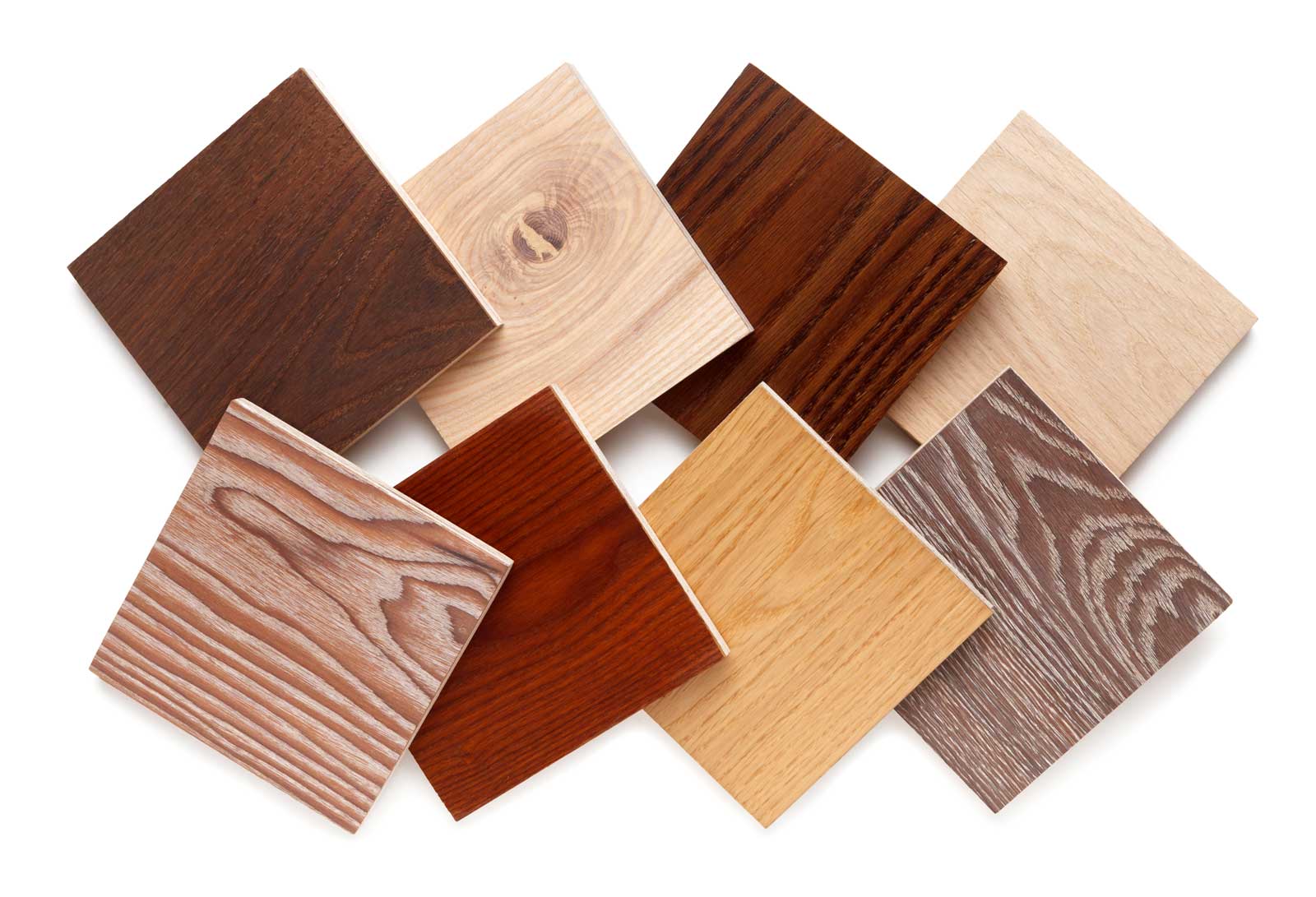
    For high-value joinery, buyers should request representative samples where possible.

    The sample can help assess:

    • Colour.
    • Grain.
    • Texture.
    • Knots.
    • Surface quality.
    • Finish.

    Mvule Timber Uses: Doors and Frames

    Mvule’s durability and attractive appearance can make it a strong option for doors and high-quality frames, particularly where long service life and appearance are priorities.

    External doors are exposed to:

    • Rain.
    • Humidity.
    • Sun.
    • Temperature changes.
    • Physical impact.
    • Repeated opening and closing.

    A durable hardwood can perform well in these conditions when correctly designed, dried, installed and maintained.

    However, the construction detail matters just as much as species.

    Poorly designed joints can allow water entry regardless of how durable the timber is.

    Mvule Timber Uses: Flooring

    Mvule can be suitable for flooring where durability and a distinctive hardwood appearance are desired.

    Flooring experiences:

    • Foot traffic.
    • Scratches.
    • Furniture loads.
    • Moisture exposure.
    • Cleaning.
    • Temperature changes.

    A durable hardwood can therefore be attractive for high-use areas.

    However, flooring timber must be properly seasoned and installed.

    Expansion gaps, subfloor preparation and finishing all influence performance.

    Timber Species Kenya: Moisture Content

    Moisture content is one of the most important quality factors because timber that is too wet can shrink, twist or crack after installation.

    This applies to cypress, podo, mvule and other species.

    As timber loses moisture, its dimensions can change.

    This can produce:

    • Gaps.
    • Cracks.
    • Warping.
    • Loose joints.
    • Doors that no longer close properly.
    • Floor movement.

    The required moisture condition depends on the application and environment.

    Timber intended for interior joinery should generally be suitably seasoned before installation.

    Timber Species Kenya: Seasoned vs Green Timber

    Seasoned timber has been dried to reduce moisture, while green timber has a relatively high moisture content and may undergo significant dimensional change after installation.

    Green timber can be useful in some applications, but it requires appropriate knowledge and design.

    Using inadequately seasoned timber for precision joinery can create problems later.

    For:

    • Doors.
    • Cabinets.
    • Furniture.
    • Flooring.
    • Fine joinery.

    proper seasoning is particularly important.

    Timber Treatment Termites: Do All Species Need Treatment?

    Natural durability varies between species, but treatment may still be appropriate depending on the timber, application, exposure and expected service conditions.

    Mvule may have greater natural durability than many commonly used softwoods.

    That does not mean it is completely immune to:

    • Termites.
    • Fungi.
    • Moisture.
    • Physical damage.

    Likewise, cypress can benefit from appropriate treatment, particularly where timber is exposed to conditions favourable to insects or decay.

    Treatment should be selected according to the timber and intended use.

    Timber Treatment Termites: Why Roof Timber Needs Protection

    Roof timber can be vulnerable to termites and fungal deterioration, particularly when moisture enters the roof structure or timber is in contact with vulnerable areas.

    Protection can include:

    • Appropriate timber treatment.
    • Good roof drainage.
    • Proper flashing.
    • Adequate ventilation.
    • Keeping timber dry.
    • Regular inspection.

    Treatment should not be viewed as the only line of defence.

    A leaking roof can create conditions that encourage timber deterioration even when the original material was treated.

    Timber Species Kenya: Timber Defects to Avoid

    Timber quality should be assessed visually and, where required, through appropriate grading before it is used in structural or high-value applications.

    Potential defects include:

    • Large knots.
    • Cross grain.
    • Splits.
    • Checks.
    • Excessive warping.
    • Twisting.
    • Insect damage.
    • Fungal decay.
    • Resin pockets.
    • Mechanical damage.

    Not every knot makes timber unusable.

    The importance of a defect depends on its:

    • Size.
    • Location.
    • Direction.
    • Frequency.
    • Effect on the member.

    Structural timber should therefore be assessed according to appropriate grading requirements rather than appearance alone.

    Cypress vs Mvule Timber: Cost Considerations

    Cypress will often be more economical for general construction than premium hardwoods such as mvule, but actual prices vary with dimensions, quality, treatment, availability and market conditions.

    The cheapest timber is not necessarily the lowest-cost option over the building’s lifetime.

    Consider:

    Purchase cost + treatment + installation + maintenance + replacement risk.

    For a roof structure, a properly graded and treated construction timber may provide better value than an unnecessarily expensive hardwood.

    For a high-end door, furniture piece or flooring application, the additional cost of durable hardwood may be justified.

    Timber Species Kenya: Buying Timber by Application

    The most effective way to buy timber is to tell the supplier what the timber will be used for rather than simply asking for a particular species.

    For example, instead of saying:

    “I need cheap timber.”

    Provide:

    • Application.
    • Required dimensions.
    • Approximate quantity.
    • Indoor or outdoor use.
    • Structural or decorative use.
    • Treatment requirement.
    • Desired finish.

    This gives the supplier enough information to recommend suitable material.

    Timber Species Kenya: Buying Roof Timber

    Roof timber should be purchased according to the structural design, with dimensions, grade and treatment matching the specified roof system.

    Before ordering, confirm:

    • Rafter dimensions.
    • Truss dimensions.
    • Purlin sizes.
    • Batten sizes.
    • Spacing.
    • Fascia dimensions.
    • Bracing requirements.
    • Treatment.
    • Quantity.
    • Waste allowance.

    For structural components, avoid changing timber sizes on site simply because another dimension is cheaper or more readily available.

    Any structural substitution should be assessed appropriately.

    Timber Species Kenya: Tools for Timber Work

    Correct tools make timber cutting, drilling and fastening more accurate while reducing unnecessary damage to expensive boards.

    Depending on the job, a timber project may require:

    • Measuring tools.
    • Saws.
    • Drills.
    • Screwdrivers.
    • Hammers.
    • Planers.
    • Sanders.
    • Clamps.

    You can browse our power tools when planning a construction or woodworking project.

    For drilling timber and related installation tasks, you can also explore our drill bits.

    Timber Species Kenya: Fasteners and Connections

    The right timber can still perform poorly if it is connected with inappropriate fasteners or poorly designed joints.

    Depending on the application, timber construction can involve:

    • Nails.
    • Screws.
    • Bolts.
    • Brackets.
    • Structural connectors.

    Fasteners should be suitable for the timber and exposure conditions.

    For general construction hardware, you can browse our bolts and nuts when preparing your materials list.

    For timber structures, connection design can be structurally significant and should not be improvised.

    Timber Species Kenya: Finishing Cypress, Podo and Mvule

    The final appearance of timber depends on preparation, sanding, moisture condition, coating and the natural characteristics of the species.

    Before finishing:

    1. Ensure the timber is appropriately dry.
    2. Prepare the surface.
    3. Remove dust.
    4. Fill defects where appropriate.
    5. Sand progressively.
    6. Apply compatible primer or sealer.
    7. Apply the selected finish.

    Different species can absorb finishes differently.

    Always test the coating on a sample where appearance is important.

    For related finishing products, explore our paints for suitable project supplies.

    Timber Species Kenya: Sustainable Purchasing

    Responsible timber purchasing should consider legal sourcing, traceability, species identification and sustainable forestry practices.

    Some indigenous hardwood species have experienced significant pressure from historical harvesting.

    Mvule in particular is a valuable indigenous species whose conservation and responsible sourcing deserve consideration.

    Buy timber from reputable suppliers and ask appropriate questions about:

    • Species.
    • Source.
    • Legal documentation where applicable.
    • Treatment.
    • Grade.
    • Quality.

    Responsible purchasing supports better forestry practices and reduces the risk of buying improperly sourced material.

    Timber Species Kenya: Which Timber Should You Choose?

    Choose cypress when practical construction, workability and availability are priorities; consider podo where its combination of appearance and workability suits the application; and select mvule when durability, strength characteristics and premium hardwood appearance justify the investment.

    A simple decision framework is:

    Choose cypress when:

    • You need roof timber.
    • You require relatively light construction timber.
    • You need easy machining.
    • Budget is important.
    • Appropriate treated and graded material is available.

    Consider podo when:

    • Joinery is the main application.
    • Appearance matters.
    • Workability is important.
    • You need a versatile timber.

    Consider mvule when:

    • Durability is a major priority.
    • Premium furniture is required.
    • High-quality doors are being made.
    • Decorative hardwood is desired.
    • The budget supports premium material.

    These are broad guidelines.

    The actual timber should always be evaluated based on grade, dimensions, moisture content and intended use.

    Timber Species Kenya: Frequently Asked Questions

    What are the main timber species used in Kenya?

    Kenya has many timber species used for construction, furniture and joinery. Cypress, podo and mvule are among the species buyers may encounter, but suitability varies by application.

    Is cypress good for construction?

    Yes, appropriately graded and treated cypress can be suitable for many construction applications, including roof framing and joinery.

    Is mvule stronger than cypress?

    Mvule is a dense hardwood generally associated with greater hardness and durability than typical cypress, but structural strength depends on grade, defects, dimensions and loading conditions.

    Is cypress better than mvule for roofing?

    Cypress can be a practical choice for roof framing when correctly graded, sized and treated. Mvule may be unnecessarily expensive or heavy for applications where its premium characteristics are not required.

    What is podo timber used for?

    Podo may be used for joinery, furniture, frames and other construction or woodworking applications, depending on the species, grade and quality supplied.

    Is mvule good for furniture?

    Yes. Mvule is valued for durable, attractive furniture and joinery when properly seasoned, machined and finished.

    Does cypress need termite treatment?

    Treatment may be appropriate depending on the timber, application and exposure conditions. Buyers should confirm the treatment status of construction timber.

    Can mvule be attacked by termites?

    Natural durability does not mean complete immunity. Appropriate protection, construction detailing and inspection remain important.

    What is the best timber for a roof?

    There is no universal best species. The appropriate timber depends on the roof design, span, loads, grade, dimensions, treatment and budget.

    What should I check before buying timber?

    Check the species, dimensions, straightness, defects, moisture condition, treatment and intended application. Structural timber should also meet the required grade and design specifications.

    Is hardwood always stronger than softwood?

    No. Hardwood and softwood are botanical classifications, not simple strength rankings. Strength depends on species, grade and other timber characteristics.

    Which timber is best for doors?

    Durable, properly seasoned timber can be suitable for doors. Mvule can be an attractive premium option, while other species may offer better value depending on the application.

    Which timber is best for fascia boards?

    Appropriately treated and dimensioned cypress or another suitable timber can be used for fascia boards. The important factors are quality, treatment, dimensions, moisture protection and fixing.

    Why does timber crack after installation?

    Cracking can occur because of moisture loss, shrinkage, poor seasoning, inappropriate fixing, grain characteristics or environmental movement.

    Timber Species Kenya: Make the Right Choice Before You Buy

    Timber species Kenya selection should be driven by performance requirements rather than simply choosing the hardest, cheapest or most attractive timber available.

    Cypress remains a practical construction timber for many applications where workability, availability and cost matter.

    Podo can provide a useful option for joinery and woodworking where its characteristics suit the project.

    Mvule offers valuable hardwood qualities, particularly where durability, appearance and premium performance justify its higher cost.

    But the species name is only the beginning.

    Always consider:

    • Timber grade.
    • Dimensions.
    • Moisture content.
    • Defects.
    • Treatment.
    • Structural requirements.
    • Environmental exposure.
    • Intended use.
    • Budget.
    • Responsible sourcing.

    For structural work, use the timber sizes and grades specified by the appropriate design rather than relying on generic recommendations.

    For furniture and joinery, choose timber that has been properly seasoned and is suitable for the required finish.

    For roof construction, combine appropriate timber with correct treatment, fixing, drainage and ventilation.

    The best timber is ultimately the timber that is fit for the specific job.

    Your One-Stop Hardware Partner in Ngong

    Imagine completing your project with the right tools, the best materials, and expert advice. At Ngong Hills Merchants, we turn your DIY or construction vision into reality with a complete selection of plumbing, electrical, glass, and sanitary ware.

    Contact our team for a consultation and get the right supplies, right now.

    QUALITY HARDWARE & SUPPLIES IN NGONG ✔ Complete Range of Plumbing & Electrical ✔ Power Tools, Adhesives & Paints ✔ Glass, Framing & Sanitary Ware ✔ Serving Ngong Hills, Kiserian, Matasia, Karen & beyond.

    Request Your Free Consultation: Ngong Hills Merchants
    Email: ngonghillsmerchants [at] gmail.com
    Phone: +254 715974811
    Visit Us: Ngong Township, Ngong, Kenya
    Website: https://ngonghillsmerchants.com/
  • Manhole Covers Kenya:Smart Tips for Choosing Durable Drainage Solutions

    Manhole Covers Kenya:Smart Tips for Choosing Durable Drainage Solutions

    Drainage systems play a critical role in protecting buildings, roads, and properties from water-related problems. One important component of any effective drainage system is a strong and reliable cover that provides access while protecting underground drainage structures. Choosing quality Manhole Covers Kenya contractors and property owners trust helps ensure safety, durability, and long-term performance.

    Manhole covers are used in residential developments, commercial properties, roads, industrial areas, and public infrastructure projects. They provide secure access points for inspection and maintenance while preventing unwanted access to drainage systems.

    Although often overlooked, the quality of a manhole cover can affect the performance and safety of an entire drainage network. Poor-quality covers may crack, weaken under pressure, or require frequent replacement, increasing maintenance costs.

    A trusted hardware supplier helps customers choose suitable options by considering factors such as material strength, installation requirements, location, and expected usage.

    This guide explains the different types of manhole covers, their benefits, important buying considerations, and why selecting the right drainage materials matters for construction projects.


    Why Choosing Quality Manhole Covers Kenya Matters

    A drainage system requires durable components that can withstand daily exposure and environmental conditions.

    High-quality Manhole Covers Kenya solutions provide:

    • Improved safety
    • Long service life
    • Better drainage access
    • Reduced maintenance needs
    • Reliable performance

    Low-quality covers may result in:

    • Cracking
    • Structural damage
    • Frequent replacements
    • Increased repair costs

    For contractors and developers, selecting the right cover is an important part of completing a successful drainage installation.


    Manhole Covers Kenya Guide: Understanding Different Types

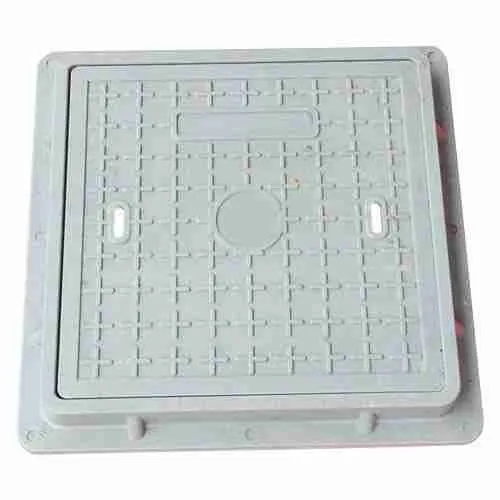
    Manhole covers are available in different materials and designs. The right option depends on the location and application.


    Fibre Manhole Covers Kenya

    Fibre manhole covers have become popular for many construction applications due to their lightweight design and durability.

    Advantages include:

    • Corrosion resistance
    • Lightweight handling
    • Weather resistance
    • Easy installation

    They are suitable for:

    • Residential developments
    • Commercial properties
    • Areas where corrosion resistance is important

    Their lightweight nature makes installation and maintenance easier.


    Concrete Manhole Covers

    Concrete covers are commonly used in heavy-duty applications.

    Benefits include:

    • Strong load capacity
    • Durability
    • Suitability for large drainage systems

    They are often selected for areas requiring strong structural support.


    Metal Manhole Covers

    Metal covers are traditionally used in many infrastructure applications.

    Advantages include:

    • High strength
    • Long lifespan
    • Heavy-duty performance

    They may be suitable for areas with higher traffic requirements.


    7 Smart Tips for Choosing Manhole Covers Kenya

    1. Consider the Installation Location

    The first step is identifying where the cover will be installed.

    Different locations have different requirements.

    Consider whether it will be used in:

    • Residential compounds
    • Driveways
    • Commercial properties
    • Roads
    • Industrial areas

    The environment determines the required strength and material type.


    2. Choose the Right Material

    The material affects durability and performance.

    Fibre Covers

    Suitable for:

    • Residential projects
    • Areas requiring corrosion resistance
    • Easy handling

    Concrete Covers

    Suitable for:

    • Heavy-duty applications
    • Large drainage systems

    Metal Covers

    Suitable for:

    • High-strength requirements
    • Infrastructure projects

    3. Check Load Requirements

    A manhole cover must support the expected weight and usage conditions.

    Consider:

    • Foot traffic
    • Vehicle movement
    • Heavy equipment exposure

    Selecting the correct load capacity improves safety and durability.


    4. Prioritise Durability

    Quality drainage materials should withstand environmental conditions.

    Look for covers that can handle:

    • Rain exposure
    • Temperature changes
    • Regular use
    • Outdoor conditions

    Durable products reduce replacement costs over time.


    5. Consider Installation Requirements

    A good manhole cover should be practical to install.

    Consider:

    • Correct sizing
    • Compatibility with the drainage structure
    • Ease of maintenance access

    Proper installation improves overall system performance.


    6. Buy From a Reliable Supplier

    Choosing a trusted supplier ensures access to quality products.

    Benefits include:

    • Genuine materials
    • Professional guidance
    • Product variety
    • Better project support

    A knowledgeable supplier helps customers choose the right drainage solution.


    7. Balance Quality and Cost

    While budget is important, the cheapest option may not always provide the best value.

    Consider:

    • Product lifespan
    • Maintenance costs
    • Performance requirements

    Investing in durable Manhole Covers Kenya products can provide better long-term savings.


    Applications of Manhole Covers Kenya in Construction Projects

    Residential Construction

    Homes require effective drainage systems to manage wastewater and rainwater.

    Manhole covers are commonly installed in:

    • Compounds
    • Driveways
    • Drainage access points

    Commercial Properties

    Businesses require reliable drainage infrastructure.

    Quality covers support:

    • Easier maintenance
    • Safer environments
    • Better property management

    Road and Infrastructure Projects

    Large projects require durable drainage components capable of handling demanding conditions.

    These applications require careful material selection and professional installation.


    Common Mistakes When Buying Manhole Covers

    Choosing Based Only on Price

    Low-cost products may not provide the required durability.

    Always consider:

    • Material quality
    • Strength requirements
    • Expected lifespan

    Selecting the Wrong Size

    Incorrect sizing can create installation problems.

    Always confirm:

    • Opening measurements
    • Frame compatibility
    • Installation requirements

    Ignoring Maintenance Access

    A drainage system should allow easy inspection and maintenance.

    The right cover improves long-term usability.


    How Quality Drainage Materials Improve Construction Results

    A successful drainage system depends on every component working together.

    Reliable drainage materials help:

    • Prevent water damage
    • Improve property safety
    • Reduce maintenance problems
    • Support long-term building performance

    Quality Manhole Covers Kenya products are an important part of creating effective drainage systems.


    Supporting Products for Plumbing and Drainage Projects

    Drainage projects often require additional materials, including:

    • Pipes
    • Fittings
    • Sealants
    • Plumbing accessories

    Customers can explore our plumbing supplies for additional drainage and installation solutions.

    For construction projects requiring strong fixing solutions, customers can also browse our adhesives collection.


    Why Buy Manhole Covers Kenya Products From a Trusted Hardware Supplier?

    A reliable supplier provides more than products. They help customers find solutions that match their project requirements.

    Benefits include:

    • Access to quality brands
    • Expert recommendations
    • Wide product selection
    • Convenient purchasing

    Working with an experienced supplier reduces the risk of choosing unsuitable materials.


    Frequently Asked Questions About Manhole Covers Kenya

    What are the best materials for manhole covers?

    The best material depends on the application. Fibre, concrete, and metal covers each provide different advantages depending on location, load requirements, and environmental conditions.

    Are fibre manhole covers durable?

    Yes, fibre covers are popular because they are lightweight, corrosion-resistant, and suitable for many residential and commercial drainage applications.

    How do I choose the correct manhole cover size?

    The correct size depends on the drainage opening and installation requirements. Accurate measurements should be taken before purchasing.

    Where can I buy quality Manhole Covers Kenya contractors recommend?

    Purchase from a trusted hardware supplier that provides genuine products and professional guidance for your specific project.


    Final Thoughts

    Choosing the right Manhole Covers Kenya solutions is essential for safe and reliable drainage systems.

    Whether working on a residential project, commercial development, or infrastructure installation, selecting durable covers improves safety, reduces maintenance, and supports long-term performance.

    From fibre options to heavy-duty solutions, the right manhole cover should match the demands of the environment where it will be installed.

    A strong drainage system starts with choosing quality materials from a trusted supplier.


    Your One-Stop Hardware Partner in Ngong

    Imagine completing your project with the right tools, the best materials, and expert advice. At Ngong Hills Merchants, we turn your DIY or construction vision into reality with a complete selection of plumbing, electrical, glass, and sanitary ware.

    Contact our team for a consultation and get the right supplies, right now.

    QUALITY HARDWARE & SUPPLIES IN NGONG ✔ Complete Range of Plumbing & Electrical ✔ Power Tools, Adhesives & Paints ✔ Glass, Framing & Sanitary Ware ✔ Serving Ngong, Karen, Matasia, Kiserian & beyond.

    Request Your Free Consultation: Ngong Hills Merchants
    Email: ngonghillsmerchants [at] gmail.com
    Phone: +254 715974811
    Visit Us: Ngong Township, Ngong, Kenya
    Website: https://ngonghillsmerchants.com/
  • Heavy Duty Wheelbarrow Buying Guide:Best Tips for Contractors

    Heavy Duty Wheelbarrow Buying Guide:Best Tips for Contractors

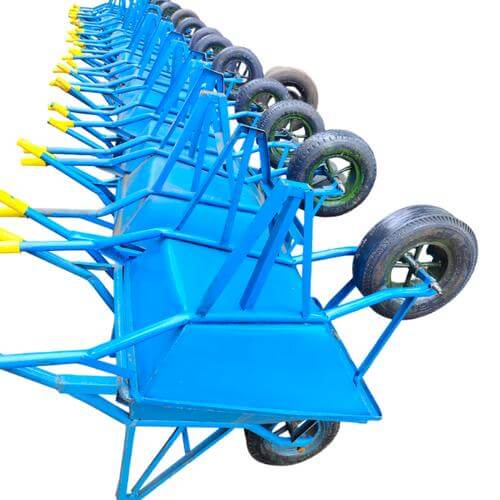
    A heavy duty wheelbarrow Kenya is one of the most essential pieces of contractor equipment on any construction site. Whether you are working on residential housing in Ngong, roadworks in Kiserian, or commercial developments in Nairobi, the wheelbarrow remains the most reliable tool for transporting sand, ballast, cement, bricks, and other building materials efficiently across short distances.

    A heavy duty wheelbarrow Kenya is designed to handle demanding construction environments where durability, load capacity, and reliability matter. Unlike lightweight domestic models, these wheelbarrows are built for transporting sand, ballast, cement, and other heavy materials across rough terrain without failure.

    On most construction sites in Nairobi, Ngong, and Kiserian, a reliable wheelbarrow is not optional—it is a daily operational necessity. Poor-quality equipment slows down productivity and increases labor fatigue.

    At Ngong Hills Merchants, we understand that construction tools Kenya buyers need durability, strength, and reliability. That is why selecting the right wheelbarrow is not just about price—it is about performance, load capacity, and long-term value.

    Understanding What Makes a Wheelbarrow Heavy-Duty

    A true heavy duty wheelbarrow is designed to handle demanding construction environments. Unlike lightweight domestic models, contractor-grade wheelbarrows are built with reinforced frames, thicker metal trays, and stronger wheels capable of carrying heavy loads without deformation.

    Key features include:

    • Reinforced steel frame for structural strength
    • Thick gauge metal tray or corrosion-resistant coating
    • Pneumatic or solid rubber tire for rough terrain
    • Strong handles for improved grip and control
    • High load capacity ranging from 80kg to 150kg or more

    A proper heavy duty wheelbarrow guide always starts by evaluating whether the tool is built for site-level stress or light household use.

    Load Capacity and Why It Matters

    One of the most important factors when selecting a heavy duty wheelbarrow is load capacity. A heavy duty wheelbarrow Kenya must be able to handle consistent weight without bending or failing.

    Construction sites typically require wheelbarrows that can carry:

    • Sand and ballast loads
    • Cement bags and aggregates
    • Bricks and blocks
    • Wet concrete mixes

    Overloading a low-quality wheelbarrow can lead to frame failure or wheel damage. Choosing the right capacity ensures safety and reduces downtime.

    Wheel Type and Terrain Compatibility

    Construction sites in Kenya vary widely—from smooth residential plots to rough, uneven terrain. The wheel type plays a major role in performance.

    Pneumatic Wheels

    These are air-filled tires that provide better shock absorption and are ideal for rough or uneven terrain.

    Solid Rubber Wheels

    These require less maintenance and are puncture-resistant, making them suitable for sites with sharp debris.

    Choosing the right wheel depends on the terrain conditions and workload intensity.

    Material Durability and Frame Strength

    A heavy duty wheelbarrow must withstand constant loading and movement over rough surfaces. The frame is usually made from steel, and its thickness determines durability.

    Important considerations include:

    • Rust-resistant coating for outdoor use
    • Weld strength at joints and supports
    • Tray thickness for heavy materials
    • Handle reinforcement for better control

    Poor-quality materials often fail at stress points, especially where the tray meets the frame.

    Handling and Ergonomics for Contractors

    Comfort and control are often overlooked in construction tools Kenya selection, but they are essential for productivity. A well-balanced wheelbarrow reduces strain on the worker and improves maneuverability.

    Key ergonomic features include:

    • Properly angled handles
    • Balanced weight distribution
    • Comfortable grip material
    • Stable front wheel alignment

    A poorly balanced wheelbarrow can cause tipping, spillage, and worker fatigue.

    Choosing Between Single-Wheel and Double-Wheel Designs

    Single-wheel wheelbarrows are more common and offer better maneuverability in tight spaces. However, they require more balance from the user.

    Double-wheel wheelbarrows offer:

    • Improved stability
    • Reduced tipping risk
    • Easier handling for heavy loads

    However, they may be less agile on narrow paths.

    Selecting between the two depends on site conditions and workload type.

    Maintenance Tips for Long-Lasting Performance

    Proper maintenance extends the lifespan of any wheelbarrow guide selection. Regular care ensures that your equipment remains functional under tough construction conditions.

    Maintenance practices include:

    • Cleaning after use to prevent rust buildup
    • Checking tire pressure regularly (for pneumatic wheels)
    • Tightening bolts and frame joints
    • Lubricating wheel bearings
    • Storing in dry conditions when not in use

    Neglecting maintenance can significantly reduce durability and performance.

    Common Mistakes When Buying Wheelbarrows

    Many buyers make costly mistakes when selecting contractor equipment. These include:

    • Choosing based on price only
    • Ignoring load capacity requirements
    • Buying lightweight domestic models for construction use
    • Overlooking wheel type suitability
    • Ignoring frame material quality

    Avoiding these mistakes ensures long-term efficiency and value for money.

    Where to Get Reliable Construction Tools in Kenya

    Selecting the right supplier is just as important as choosing the right equipment. Reliable suppliers ensure quality assurance and long-term durability.

    At Ngong Hills Merchants, we provide dependable construction tools Kenya contractors trust for both small and large projects. Learn more about us here:
    about-us

    You can also explore our product categories here:
    hand-tools

    For broader hardware solutions, visit:
    shop

    Choosing the right heavy duty wheelbarrow Kenya is essential for improving efficiency, safety, and productivity on construction sites. By considering load capacity, wheel type, frame strength, and ergonomic design, contractors can ensure they invest in equipment that performs reliably under demanding conditions.

    A well-selected wheelbarrow is more than just a transport tool—it is a critical part of construction workflow that directly affects project speed and labor efficiency.

    Your One-Stop Hardware Partner in Ngong

    Imagine completing your project with the right tools, the best materials, and expert advice. At Ngong Hills Merchants, we turn your DIY or construction vision into reality with a complete selection of plumbing, electrical, glass, and sanitary ware.

    Contact our team for a consultation and get the right supplies, right now.

    QUALITY HARDWARE & SUPPLIES IN NGONG ✔ Complete Range of Plumbing & Electrical ✔ Power Tools, Adhesives & Paints ✔ Glass, Framing & Sanitary Ware ✔ Serving Kiserian, Ongata Rongai, Ngong Hills & beyond.

     Request Your Free Consultation: Ngong Hills Merchants

     Email: ngonghillsmerchants [at] gmail.com

     Phone: +254 715974811

     Visit Us: Ngong Township, Ngong, Kenya

     Website: https://ngonghillsmerchants.com/
  • Best Electric Construction Equipment in Kenya: Contractor Guide

    Best Electric Construction Equipment in Kenya: Contractor Guide

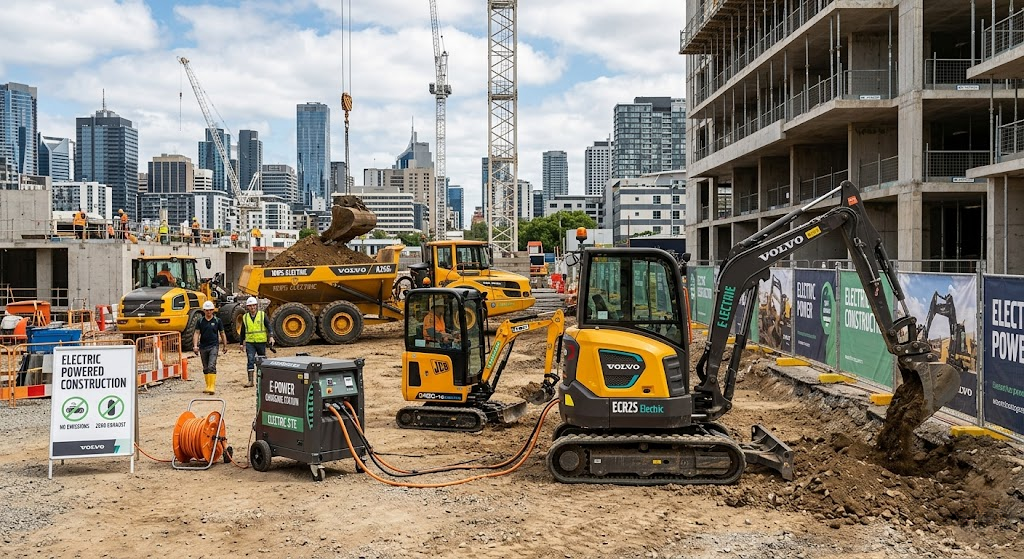
    In today’s rapidly growing construction sector, choosing the right electric construction equipment Kenya is one of the most important decisions for builders, contractors, and fundis working on residential, commercial, and infrastructure projects. The efficiency of any construction site is now determined not only by labor but also by the quality and reliability of the machines and tools in use.

    Across Kenya, construction activity continues to expand in urban and peri-urban areas such as Nairobi, Ngong, Kiserian, Ongata Rongai, and Kitengela. With this growth comes increased demand for faster project completion, improved accuracy, and durable structural finishes. This has made modern equipment an essential part of every serious construction operation.

    At Ngong Hills Merchants, we have seen a clear shift in how contractors operate. Instead of relying solely on manual labor, professionals are increasingly investing in reliable machinery sourced from trusted suppliers such as our full range available at the hardware shop, where essential building solutions are available under one roof.

    The Transformation of Construction Work in Kenya

    The construction industry in Kenya has undergone a major transformation over the last decade. Previously, most tasks relied heavily on manual tools, which were slow, labor-intensive, and inconsistent. Today, modern equipment has completely changed how construction work is executed.

    With electric construction equipment Kenya, tasks such as drilling, cutting, mixing, and fastening are now completed faster and with greater precision. This has improved productivity while reducing physical strain on workers.

    Urban development projects, in particular, have benefited from this transformation, as contractors are now expected to deliver high-quality finishes within strict timelines. Those who adopt modern equipment consistently outperform those still relying on outdated methods.

    Electric Drills: Essential Site Equipment

    Electric drills are among the most widely used tools in any construction environment. They are essential in almost every stage of building, from structural assembly to finishing work.

    Different types of drills are used depending on the task, including hammer drills for concrete, rotary drills for general use, and impact drills for heavy-duty fastening. In Kenya, hammer drills are especially popular due to the widespread use of concrete and stone in construction.

    For durability and performance, contractors rely on high-quality drill bits suited for different materials. You can explore compatible accessories in our drill bits category, designed for professional and industrial use.

    Proper maintenance, including regular cleaning and avoiding overheating, ensures long-term performance and reliability.

    Angle Grinders and Precision Finishing

    Angle grinders are a key category of electric construction equipment Kenya, widely used for cutting, grinding, polishing, and finishing surfaces. They are especially important in metal fabrication, tile cutting, and structural steel work.

    These tools allow contractors to achieve precision results that would be impossible using manual tools. Depending on the disc used, grinders can cut through metal bars, smooth welded joints, or polish surfaces to a fine finish.

    Safety is extremely important when using grinders. Protective gear such as gloves, goggles, and face shields should always be worn. Proper usage not only ensures safety but also improves tool lifespan.

    Supporting accessories can be found in our hand tools collection, which complements cutting and fabrication work.

    Generators: Reliable On-Site Power Supply

    Power interruptions remain a major challenge on many construction sites across Kenya. To maintain productivity, contractors rely on generators as a critical part of their equipment setup.

    Generators ensure continuous operation of essential machines such as drills, mixers, lighting systems, and cutting tools. This is especially important in remote areas where electricity is unreliable or unavailable.

    Heavy-duty generators are commonly used for large-scale projects because they can support multiple tools simultaneously without performance issues.

    Concrete Mixers for Strong Structural Output

    Concrete is one of the most important materials in construction. Its strength depends on proper mixing ratios and consistency, which is why mechanical mixers are widely used.

    Concrete mixers ensure uniform blending of cement, sand, gravel, and water. This reduces human error and improves the structural strength of buildings.

    When evaluating electric construction equipment Kenya, mixers play a critical role in ensuring durability and long-term stability of structures.

    Fastening Systems and Modern Assembly Tools

    Modern fastening tools such as nail guns and electric staplers have significantly improved construction efficiency. These tools are widely used in roofing, framing, and woodwork applications.

    Compared to manual hammering, fastening systems provide faster, more consistent results and reduce worker fatigue.

    For related materials, professionals can explore our steel nail product page, which supports a wide range of fastening applications.

    Cleaning and Maintenance Equipment

    Construction sites generate dust and debris, making cleaning equipment essential for both safety and efficiency. Air compressors and blowers help maintain clean working conditions and support pneumatic tools.

    These systems improve workflow by ensuring that machinery remains free from dust buildup, which can affect performance over time.

    Maintenance equipment is available in our cleaning items category.

    Comparing Tool Brands in the Kenyan Market

    The Kenyan market includes various tool brands such as Makute and other imported industrial options. While Makute tools are popular for affordability, professionals often compare them with higher-grade alternatives based on durability and performance.

    The choice between budget and industrial tools depends on project size, frequency of use, and required precision.

    Investment Value and Long-Term Benefits

    Investing in electric construction equipment Kenya should be viewed as a long-term strategy rather than a short-term cost. High-quality equipment improves efficiency, reduces downtime, and minimizes maintenance expenses.

    Cheaper alternatives may reduce upfront costs but often result in frequent replacements and delays.

    Contractors handling multiple projects benefit most from durable, high-performance tools that can withstand continuous use.

    Maintenance and Equipment Longevity

    Proper maintenance is essential for extending the lifespan of construction equipment. Regular cleaning, inspection, and servicing prevent breakdowns and ensure smooth operation.

    Drills require bit replacement and cleaning, grinders need disc inspection, and generators require regular oil changes and fuel checks.

    Well-maintained tools improve both safety and productivity on-site.

    Where to Get Reliable Construction Equipment in Kenya

    For professionals seeking dependable solutions, Ngong Hills Merchants provides a wide range of construction equipment tailored to Kenyan industry needs. From electrical systems to plumbing and finishing materials, everything is available in one place.

    Explore our full range at the Ngong Hills Merchants homepage or learn more on the about us page. For inquiries, visit our contact page.

    You can also view completed work in our portfolio section, showcasing real construction applications.

    The Future of Construction Equipment in Kenya

    The future of construction in Kenya is moving toward automation, battery-powered systems, and smart diagnostic tools. These advancements will improve efficiency, reduce fuel dependency, and enhance precision.

    Contractors who adopt modern electric construction equipment Kenya early will gain a competitive advantage in speed, cost management, and project quality.

    Your One-Stop Hardware Partner in Ngong

    Imagine completing your project with the right tools, the best materials, and expert advice. At Ngong Hills Merchants, we turn your DIY or construction vision into reality with a complete selection of plumbing, electrical, glass, and sanitary ware.

    Contact our team for a consultation and get the right supplies, right now.

    QUALITY HARDWARE & SUPPLIES IN NGONG

     Complete Range of Plumbing & Electrical

     Power Tools, Adhesives & Paints

     Glass, Framing & Sanitary Ware

     Serving Ngong, Karen, Kiserian, Ongata Rongai & beyond.

     Request Your Free Consultation: Ngong Hills Merchants

     Email: ngonghillsmerchants [at] gmail.com

     Phone: +254 715974811

    Visit Us: Ngong Township, Ngong, Kenya

     Website: https://ngonghillsmerchants.com/

  • D12 vs D16 Y-Bars: Choosing the Right Steel for Your Slab

    D12 vs D16 Y-Bars: Choosing the Right Steel for Your Slab

    D12 vs D16 Y-Bars: Choosing the Right Steel for Your Slab

    D12 vs D16 steel bars Kenya, reinforced concrete slabs rely on the correct choice of steel reinforcement bars for strength, durability, and safety. Two of the most common options for suspended slabs and pillars are D12 and D16 Y-Bars. Selecting the wrong diameter can compromise slab performance, increase deflection, or even risk structural failure.

    This guide explains the differences between D12 and D16 steel bars, their applications in domestic and commercial projects, technical performance considerations, and practical handling techniques. By understanding D12 vs D16 steel bars Kenya, builders, contractors, and homeowners can make informed choices and optimize the performance of their slabs.

    Understanding Y-Bars and Their Role of D12 vs D16 steel bars Kenya

    Y-Bars, or hooked steel reinforcement bars, are essential in suspended slabs, beams, and columns. They improve concrete’s tensile capacity, which naturally resists compression but is weak in tension. Proper bar selection ensures slab stability under live and dead loads while reducing cracking.

    D12 vs D16 Y-Bar Specifications

    Feature D12 Y-Bar D16 Y-Bar
    Diameter 12 mm 16 mm
    Cross-sectional Area 113 mm² 201 mm²
    Standard Length 12 m 12 m
    Approx. Weight 0.888 kg/m 1.578 kg/m
    Recommended Use Domestic floors, light slabs Heavy slabs, commercial floors, reinforced pillars

    Technical Implications:

    • D12 is easier to cut, bend, and position; ideal for lightweight applications.

    • D16 offers higher load capacity; suitable for reinforced concrete in multi-storey buildings and industrial floors.

    Material Quality and Standards in D12 vs D16 steel bars Kenya

    All steel reinforcement bars in Kenya must comply with KS EAS 18-1:2014 to ensure proper tensile strength, ductility, and corrosion resistance.

    • Steel Grade: Thermo-Mechanically Treated (TMT) steel is preferred for slabs due to superior strength and bendability.

    • Corrosion Resistance: Critical for coastal regions like Mombasa, where chloride exposure can lead to early deterioration.

    • Durability: D16 bars embedded in high-load slabs ensure long-term structural stability.

    Comparing Tensile Strength of D12 vs D16 Steel Bars

    Focus Keyword Usage: This section highlights D12 vs D16 steel bars Kenya directly.

    Tensile strength measures the maximum stress a steel bar can withstand before failure.

    • D12 Bars: Typical tensile strength ~500 MPa. Suitable for domestic slabs, balconies, and light beams.

    • D16 Bars: Tensile strength ~500–550 MPa, with larger cross-sectional area providing higher moment resistance. Ideal for multi-storey buildings, industrial slabs, and reinforced pillars.

    Implications: Using D12 where D16 is required can lead to excessive deflection, microcracking, or even slab sagging. Conversely, using D16 for light slabs can be overkill, increasing cost and handling complexity.

    CTA: For large-scale projects, request a quote for bulk steel orders to ensure timely supply of KEBS-certified D12 and D16 Y-Bars.

    Step-by-Step Handling and Installation of  D12 vs D16 steel bars Kenya

    Proper handling ensures safety and full performance of steel reinforcement in slabs.

    Tools Required

    Installation Procedure of  D12 vs D16 steel bars Kenya

    1. Site Preparation: Clear and level the slab area; compact base.

    2. Bar Cutting & Bending: Use KEBS-compliant D12/D16 bars; bend carefully to maintain structural integrity.

    3. Placing Bars: Position bars according to structural drawings; maintain proper concrete cover.

    4. Tying Bars: Use binding wire to secure bar placement.

    5. Pouring Concrete: Avoid displacing bars; use mechanical vibrators for proper compaction.

    6. Curing: Maintain moisture for 7–14 days depending on slab thickness.

    Common Mistakes to Avoid in  D12 vs D16 steel bars Kenya

    • Using D12 bars for heavy or multi-storey slabs.

    • Incorrect bar spacing or insufficient concrete cover.

    • Mixing different bar diameters without engineering approval.

    • Inadequate curing in hot or humid conditions.

    • Storing bars directly on the ground leading to corrosion.

    Material Performance in Kenyan Environments

    Coastal Areas

    • D16 bars recommended to handle humidity and chloride exposure.

    • Apply anti-corrosion coatings if exposed.

    Highland Regions

    • D12 bars sufficient for domestic floors.

    • D16 bars for multi-storey structures and high-load slabs.

    Industrial Zones

    • Heavy-load floors require D16 Y-Bars.

    • KEBS-certified steel ensures compliance and long-term durability.

    Typical Applications in Kenya

    • Residential Slabs: D12 for light floors, balconies, and domestic patios.

    • Commercial Buildings: D16 for offices, shopping malls, and multi-storey buildings.

    • Industrial Floors: D16 for warehouses and factories.

    • Public Infrastructure: Bridges, roads, and pillars require D16 for high-load tolerance.

    Conclusion

    Choosing the correct bar diameter is critical for the safety, performance, and longevity of slabs. D12 Y-Bars suit light domestic projects, while D16 Y-Bars provide higher strength for commercial, industrial, and multi-storey structures.

    Using KEBS-certified D12 vs D16 steel bars Kenya, combined with proper handling, placement, and curing, ensures optimal results.

    Request a quote for bulk steel orders today to secure the right D12 and D16 Y-Bars for your next project.

    Contact Us – Ngong Hills Merchants

  • Cement Grades Explained: 32.5 vs 42.5 for Kenyan Builders

    Cement Grades Explained: 32.5 vs 42.5 for Kenyan Builders

    Cement Grades Explained: 32.5 vs 42.5 for Kenyan Builders

    Cement grades in Kenya understanding is crucial for any construction project in Kenya, where varying climates, soil types, and building standards impact structural performance. Builders, contractors, and homeowners often face the choice between the common 32.5 and 42.5 cement grades. Selecting the right grade affects durability, safety, and cost efficiency.

    This article provides a detailed comparison of 32.5 and 42.5 cement grades, their applications, and best practices for handling and installation. Kenyan construction projects, from coastal houses in Mombasa to highland structures in Nairobi, require careful selection of general construction materials to ensure longevity and compliance with KEBS standards. By the end, you will have clear guidance to choose the right cement grade for your project while maximizing quality and efficiency.

    Understanding Cement Grades

    Cement grades indicate the compressive strength of hardened cement after 28 days, measured in megapascals (MPa). In Kenya, 32.5 and 42.5 grades dominate construction projects.

    • 32.5 Grade Cement: Achieves 32.5 MPa compressive strength. Ideal for plastering, small walls, and general-purpose domestic use.

    • 42.5 Grade Cement: Achieves 42.5 MPa compressive strength. Suitable for structural elements, reinforced concrete, and commercial projects.

    Cement Composition of

    of cement grades in Kenya

    Cement quality depends on clinker, gypsum, and additional compounds. Kenyan manufacturers ensure compliance with KEBS standards to withstand local conditions:

    • Clinker: Provides strength; higher content in 42.5-grade cement allows faster early strength gain.

    • Gypsum: Controls setting time. Insufficient gypsum leads to flash setting; too much weakens the cement.

    • Additives: Fly ash or slag improve workability, durability, and resistance to chloride attack, especially in coastal environments.

    Key Differences Between 32.5 and 42.5

    of cement grades in Kenya

    Choosing the correct grade depends on load requirements, cost, and regional conditions.

    Feature 32.5 Grade 42.5 Grade
    Compressive Strength 32.5 MPa 42.5 MPa
    Setting Time Normal Faster early strength
    Use Non-load-bearing walls, plastering, domestic repairs Structural elements, foundations, reinforced concrete
    Cost Lower Higher
    Workability Easier Slightly stiffer, may require more water or admixtures
    Durability Moderate High, ideal for high-stress structures

    Implications for Kenyan Builders with

     cement grades in Kenya

    • Highland regions (Nairobi, Nakuru) benefit from 42.5-grade cement for foundations and load-bearing walls.

    • Domestic and decorative works in dry areas can use 32.5-grade cement economically.

    • Coastal constructions should use 42.5-grade cement with additives to prevent chloride-induced corrosion.

    Correct selection reduces structural failures and ensures general construction materials are used effectively.

    Step-by-Step Cement Handling and Mixing Guide

    of cement grades in Kenya

    Proper handling and mixing practices are as important as grade selection. Mismanagement can weaken concrete and reduce durability.

    Essential Tools

    Mixing Procedure of

    of cement grades in Kenya

    1. Measure Ingredients: Standard concrete mix 1:2:4 (cement:sand:aggregate).

    2. Mix Dry Materials: Blend cement and sand before adding gravel.

    3. Add Water Gradually: Maintain a water-cement ratio of ~0.5.

    4. Mix Thoroughly: Use mechanical or manual mixing for uniform consistency.

    5. Pour Quickly: Concrete should be poured within 30–60 minutes.

    6. Curing: Keep concrete moist—7 days for 32.5-grade, 10–14 days for 42.5-grade.

    Material Durability and Performance

    of cement grades in Kenya

    Kenya’s climate influences cement performance. Correct grade choice ensures longevity.

    Moisture Resistance of

    of cement grades in Kenya

    • Coastal areas require cement that withstands humidity and chloride exposure.

    • 42.5-grade cement with additives performs best for exposed structures.

    Thermal Stability

    • Highland regions experience temperature swings; 42.5-grade cement reduces early-age cracking.

    Corrosion Resistance

    • Industrial zones and coastal constructions benefit from high-strength cement with low porosity.

    Compliance

    • Always check KEBS certification for quality assurance. Using certified general construction materials ensures safety and durability.

    Common Mistakes to Avoid in

    cement grades in Kenya

    1. Using 32.5-grade cement for load-bearing structures.

    2. Poor storage leading to moisture absorption.

    3. Excessive water in the mix.

    4. Skipping proper curing.

    5. Mixing different cement grades within the same structural element.

    Tools and Accessories for Cement Applications

    Using proper tools improves work quality and efficiency:

    Step-by-Step Installation Tips

    of cement grades in Kenya

    Foundations

    1. Excavate and level the base.

    2. Lay compacted gravel or hardcore.

    3. Pour 42.5-grade cement concrete for structural support.

    4. Compact thoroughly to remove air pockets.

    5. Cure consistently for 10–14 days.

    Walls and Columns

    • 42.5-grade cement for reinforced walls.

    • 32.5-grade cement for partitions and non-load-bearing applications.

    Floors and Pavements

    • Domestic floors: 32.5-grade cement (1:3:6 mix).

    • Commercial/industrial slabs: 42.5-grade cement for higher compressive requirements.

    Typical Applications in Kenya

    Kenya’s construction projects include:

    • Contractors: Multi-storey buildings, bridges, reinforced concrete structures use 42.5-grade cement.

    • Builders: Domestic plastering, patios, garden paths use 32.5-grade cement.

    • Fabricators: Precast elements require high-strength cement for transport durability.

    • Homeowners: DIY floor tiling, pathways, and minor repair works are suitable for 32.5-grade cement.

    • Commercial Projects: High-traffic floors and industrial structures need 42.5-grade cement.

    Sourcing from trusted suppliers guarantees KEBS-certified general construction materials suited to the local environment.

    Conclusion

    Choosing the correct cement grade is critical for structural safety, durability, and compliance with Kenyan standards. 32.5-grade cement is ideal for plastering, non-load-bearing walls, and domestic repairs, while 42.5-grade cement is essential for reinforced concrete, foundations, and high-stress applications.

    Proper handling, storage, curing, and use of the right tools ensures high-quality construction results. Kenyan builders, contractors, and homeowners can reduce waste, increase efficiency, and guarantee long-lasting structures by applying these practices with trusted general construction materials.

    For all your cement and construction needs, visit the Ngong Hills Merchants Shop or contact us via Contact Us to consult with our experts.

    Contact Us – Ngong Hills Merchants
    Email: ngonghillsmerchants[at]gmail.com
    Phone: +254 715974811
    Visit Us: Ngong Township, Ngong, Kenya
    Website: https://ngonghillsmerchants.com/

  • Heavy-Duty Cabro Paving: Thickness Guide for Driveways vs. Walkways

    Heavy-Duty Cabro Paving: Thickness Guide for Driveways vs. Walkways

    Cabro Paving Blocks

    Cabro paving blocks are among the most durable and versatile solutions for hardscaping in Kenya. From residential driveways to commercial walkways, their interlocking design, compressive strength, and aesthetic appeal make them ideal for long-lasting surfaces. However, one critical factor often overlooked is cabro paving blocks thickness Kenya.

    Choosing the right thickness ensures that surfaces can withstand the intended load without cracking or uneven settling. Driveways subjected to heavy vehicles require thicker blocks, while pedestrian walkways can safely use thinner options. Incorrect selection can result in early failure, costly repairs, and compromised safety.

    In this guide, we explore the technical differences between 50mm, 60mm, and 80mm cabro paving blocks, step-by-step installation methods, best practices for Kenyan weather and soil conditions, and tips for optimizing both durability and appearance. Whether you are paving a high-traffic driveway in Nairobi or a garden walkway in Kisumu, understanding cabro block thickness ensures long-term performance.

    For high-quality paving blocks and landscaping solutions, check our Landscaping & Paving product section.


    Understanding Cabro Paving Blocks

    Cabro blocks are made from high-strength concrete, designed to interlock and distribute loads efficiently. Their durability, slip resistance, and low maintenance make them suitable for both residential and commercial applications.

    Standard Sizes and Thicknesses

    • 50mm: Suitable for pedestrian walkways and light foot traffic.

    • 60mm: Ideal for residential driveways with occasional vehicle movement.

    • 80mm: Recommended for heavy-duty driveways, commercial parking lots, and areas with trucks or machinery.

    The thickness directly correlates with compressive strength, load-bearing capacity, and lifespan.

    Advantages of Proper Thickness Selection

    • Reduces cracking under heavy loads

    • Enhances load distribution

    • Ensures long-term durability

    • Minimizes maintenance and replacement costs


    Driveways vs Walkways: Choosing the Right Thickness

    Pedestrian Walkways

    • Recommended Thickness: 50mm

    • Designed to support foot traffic, bicycles, and light garden vehicles

    • Allows for smooth troweling and ease of installation

    • Ideal for sidewalks, garden paths, and patios

    Residential Driveways

    • Recommended Thickness: 60–80mm depending on vehicle type

    • 60mm works for cars and light pickups

    • 80mm is preferred for SUVs, trucks, and heavy machinery

    • Proper sub-base preparation is essential to prevent settlement

    Commercial and Industrial Areas

    • Recommended Thickness: 80mm

    • Withstands constant heavy traffic and forklifts

    • High compressive strength ensures longevity even in Nairobi industrial estates or Mombasa port access roads


    Sub-Base Preparation

    The foundation determines the lifespan of cabro paving.

    Step 1: Excavation

    • Excavate to the required depth, considering sub-base and bedding layers

    • Ensure uniform base for even load distribution

    Step 2: Sub-Base Layer

    • Commonly crushed stone or hardcore (75–150mm)

    • Compact thoroughly using a plate compactor or vibrating roller

    • Drainage should slope at 1–2% to prevent water pooling

    Step 3: Bedding Layer

    • 30–50mm layer of coarse sand or sharp sand

    • Level and compact gently

    • Provides uniform surface for block placement


    Installation of Cabro Paving Blocks

    Step 1: Layout Planning

    • Determine pattern (herringbone, stretcher bond, basket weave)

    • Mark edges with pegs and string lines for accuracy

    Step 2: Block Placement

    • Start from one corner, laying blocks tightly together

    • Use interlocking features to enhance stability

    • Cut blocks at edges using a power saw or angle grinder if necessary

    Step 3: Compaction

    • After placement, compact blocks with a plate compactor

    • Spread kiln-dried sand over joints and sweep into gaps

    • Repeat compaction to lock blocks in place

    Step 4: Edge Restraints

    • Install concrete or stone kerbs to prevent lateral movement

    • Essential for driveways with vehicular traffic


    Maintenance for Longevity

    Regular maintenance ensures cabro paving remains functional and attractive for years.

    • Sweep regularly to remove debris

    • Wash surface with water and mild detergent for algae or moss removal

    • Refill sand in joints periodically

    • Inspect for sunken or cracked blocks and replace as needed

    Correct thickness selection minimizes stress on blocks, reducing maintenance frequency.


    Regional Considerations in Kenya

    Coastal Regions (Mombasa, Malindi)

    • High humidity and occasional flooding require excellent drainage

    • UV-resistant and color-coated blocks last longer

    Nairobi and Central Highlands

    • Moderate rainfall and temperature fluctuations

    • Sub-base compaction is critical to prevent frost heave or minor cracking

    Arid Areas (Kajiado, Machakos)

    • Hard, dry soils may require additional bedding layer to absorb movement

    • Sand joints can dry quickly; maintain moisture during compaction


    Common Mistakes to Avoid

    1. Choosing block thickness based solely on aesthetics

    2. Skipping proper sub-base and bedding preparation

    3. Ignoring edge restraints leading to lateral displacement

    4. Using low-quality sand or incorrect joint filling

    5. Overlooking slope for drainage

    Avoiding these mistakes ensures functional and durable surfaces.


    Applications of Cabro Paving in Kenya

    • Residential Driveways: Durable and attractive, supporting cars and light trucks

    • Pedestrian Walkways: Smooth, slip-resistant surfaces for foot traffic

    • Commercial Parking Lots: Withstand heavy daily use and reduce pothole formation

    • Garden and Patio Areas: Combines aesthetics with functional flooring

    High-quality cabro paving blocks from Ngong Hills Merchants meet these requirements and are ideal for both small-scale residential and large-scale commercial projects.


    Cost Considerations

    Factors influencing cost include:

    • Block thickness (50mm vs 80mm)

    • Area size (square metres)

    • Sub-base preparation

    • Labor and compaction equipment

    • Optional color or surface finish

    While thicker blocks have a higher upfront cost, the long-term durability and reduced maintenance make them a cost-effective choice for driveways and industrial areas.


    Conclusion

    Selecting the right cabro paving blocks thickness Kenya is essential for long-lasting driveways and walkways. Pedestrian paths can use 50mm blocks, residential driveways benefit from 60–80mm, and high-traffic commercial areas require 80mm. Proper sub-base preparation, compaction, joint filling, and edge restraints complement the block thickness to deliver a durable, visually appealing, and functional surface.

    Explore our Landscaping & Paving products for high-quality cabro paving blocks and professional advice tailored to Kenyan conditions. Invest in the right thickness and installation for surfaces that last for decades.

  • River Sand vs. Machine Cut Sand: Which is Better for Plastering in Kenya

    River Sand vs. Machine Cut Sand: Which is Better for Plastering in Kenya

    River Sand vs Machine Sand

    River Sand vs Machine Sand In Kenya, the choice of sand can make or break a plastering project. Plaster acts as a protective and aesthetic layer on walls, smoothing surfaces, preventing moisture ingress, and providing a base for paint. However, the quality, texture, and source of sand directly influence plaster strength, adhesion, and durability.

    Two of the most common sand types used in Kenyan construction are river sand and machine cut sand. Builders, homeowners, and contractors often debate which one offers better results for wall plastering, especially in regions like Nairobi, Mombasa, Kajiado, and Machakos.

    This guide explores the technical properties, advantages, and disadvantages of river sand versus machine sand in the Kenyan context. We also cover sourcing considerations, plastering techniques, preparation, and best practices to achieve strong, crack-free walls.


    Understanding Sand Types

    Sand is a granular material essential for concrete, mortar, and plastering. Its shape, particle size, and cleanliness determine workability, water retention, and bonding strength.

    River Sand

    • Naturally sourced from riverbeds

    • Fine and rounded grains

    • Smooth texture ideal for troweling

    • Traditionally favored for plastering

    Machine Cut (Crushed) Sand

    • Produced by crushing hard stones using machinery

    • Angular, rough-textured particles

    • More abrasive than river sand

    • Increasingly popular due to river sand scarcity

    Each type has unique properties that affect plaster adhesion, shrinkage, and finish quality.


    Key Properties Affecting Plastering

    1. Grain Shape and Texture

    • River Sand: Rounded grains allow for smooth plaster surfaces but may reduce mechanical bonding due to lower angularity.

    • Machine Sand: Angular grains create better interlocking with cement paste, increasing bond strength, though finishing requires careful troweling to avoid rough patches.

    2. Particle Size Distribution

    • Well-graded sand ensures proper cement-sand ratio and minimizes shrinkage.

    • Machine sand often requires sieving to remove fine dust that can affect water-cement ratio.

    3. Moisture Content

    • Excess moisture in river sand can alter mix ratios.

    • Machine sand is typically dry, making mix proportions more consistent.


    Advantages and Disadvantages

    Property River Sand Machine Cut Sand
    Availability Traditionally abundant but increasingly scarce Easily manufactured locally
    Workability Smooth and easy to trowel Requires more effort for smooth finishing
    Bond Strength Lower due to rounded grains Higher due to angular grains
    Cost Higher in urban centers Generally lower and stable
    Environmental Impact Sand dredging causes ecological harm Controlled quarrying, less environmental disruption

    River Sand vs Machine Sand: Local Context in Kenya

    Sourcing sand in Kajiado and Machakos presents unique challenges.
    River sand is often transported from distant rivers, increasing cost and delivery time. Environmental regulations around sand dredging have tightened to protect ecosystems. In contrast, machine cut sand can be sourced from local quarries in Kajiado hills or Machakos highlands, reducing transport costs, supporting local industry, and ensuring a consistent supply for large-scale housing projects.

    Builders in semi-arid counties such as Kajiado must also consider the dryness and fineness of sand to prevent excessive water absorption in plaster mixes, which can cause cracking as the plaster cures. Machine sand’s angular particles allow for better structural bonding even under these conditions.


    Step-by-Step Plastering Guide Using Either Sand

    Proper preparation and technique ensure optimal plaster strength regardless of sand type.

    Step 1: Surface Preparation of River Sand vs Machine Sand

    • Remove dust, debris, and loose material from walls

    • Apply a bonding slurry (cement paste or sand-cement slurry) for better adhesion

    • For old walls, roughen the surface lightly with a wire brush


    Step 2: Mixing Plaster

    • Standard mix ratio: 1 part cement : 4–6 parts sand (depending on sand type and desired strength)

    • Add clean water gradually to achieve a workable paste

    • For machine sand, sieve out fine dust to prevent weak points

    Using high-quality cement from Ngong Hills Merchants ensures consistency and durability.


    Step 3: Application

    • Apply the first coat (scratch coat) 10–12 mm thick

    • Use a straight edge or trowel to level the surface

    • For rounded river sand, ensure adequate pressing to achieve mechanical bond

    • For angular machine sand, extra attention is required to smooth rough texture


    Step 4: Curing

    • Mist walls lightly with water for 7–14 days

    • Avoid rapid drying under direct sun to prevent cracks

    • Cover freshly plastered walls with damp hessian if necessary

    Curing is critical in dry counties like Machakos to maintain plaster strength.


    Step 5: Finishing Coat

    • Apply a 3–5 mm finishing coat for smooth appearance

    • Fine river sand works well for high-gloss finish

    • Machine sand may require additional smoothing with a finishing trowel


    Comparative Performance in Kenyan Conditions

    Feature River Sand Machine Sand
    Crack Resistance Moderate; prone to shrinkage cracks High; better interlocking reduces cracks
    Smooth Finish Excellent; easy troweling Slightly rough; may need extra finishing work
    Suitability for Coastal Regions Good if washed to remove salts Excellent; reduces risk of salt-related efflorescence
    Structural Strength Adequate for small residential walls Ideal for heavy-duty plastering and multi-storey structures

    Environmental and Sustainability Considerations

    Kenya has increasingly regulated sand mining due to ecological concerns. Using machine cut sand:

    • Reduces riverbed degradation

    • Supports sustainable quarrying practices

    • Allows controlled particle size for better quality plaster

    River sand, while traditional, requires careful sourcing to comply with environmental standards, particularly in ecologically sensitive areas near rivers in Machakos and Kajiado.


    Cost Considerations

    • River Sand: Higher in urban centers due to transport from distant sources

    • Machine Sand: Local production keeps prices stable and reduces reliance on transport

    For large plastering projects, machine sand often provides the most economical and consistent solution.


    Common Mistakes to Avoid

    1. Using sand with excessive clay or silt

    2. Skipping sieving of machine sand fine dust

    3. Applying plaster too thickly in a single coat

    4. Poor surface preparation or inadequate bonding slurry

    5. Ignoring curing requirements, especially in dry climates

    Proper technique ensures durability regardless of sand type.


    Typical Applications in Kenya

    • Residential wall plastering in Nairobi and Machakos

    • Commercial buildings in Kajiado and Kisumu

    • Schools, hospitals, and government structures requiring strong, crack-resistant plaster

    • Renovation projects needing consistent material quality

    Using machine sand in regions with limited river sand availability ensures timely project completion without compromising quality.


    Conclusion

    Choosing between river sand vs machine sand Kenya depends on availability, budget, and project requirements.

    • River sand provides smooth finishes ideal for decorative plastering but is increasingly scarce and costly.

    • Machine cut sand offers better bond strength, crack resistance, and environmental sustainability, making it an excellent choice for modern construction across Kenya, especially in Kajiado and Machakos.

    By following proper plastering techniques—including surface preparation, correct mix ratios, application, and curing—you can achieve durable, crack-free walls regardless of sand type.

    For high-quality materials suitable for Kenyan construction, explore the Ngong Hills Merchants products and ensure your plastering projects are strong, reliable, and long-lasting.

  • Mabati Buying Guide: Box Profile vs. Corrugated Roofing Sheets

    Mabati Buying Guide: Box Profile vs. Corrugated Roofing Sheets

    Choosing The Right roofing material for Your Home

    Choosing the right roofing material is one of the most critical decisions when constructing or renovating a home in Kenya. The roof protects your home from heavy rains, intense sun, and wind, while also contributing to the overall aesthetic of your property. Among the most popular roofing options in Kenya are mabati sheets, specifically box profile vs corrugated mabati. Both types have their unique advantages, disadvantages, and applications depending on your climate, budget, and architectural style.

    Kenyan homeowners, contractors, and developers often debate which profile offers the best balance of durability, cost, and appearance. This guide provides a comprehensive, technical comparison between box profile and corrugated roofing sheets. It also covers installation practices, maintenance tips, and regional considerations for optimal performance.

    Whether you are roofing a coastal home in Mombasa, a highland bungalow in Nairobi, or a lakeside house in Kisumu, understanding the properties of these roofing materials ensures long-term protection and value.

    For an expanded selection of high-quality roofing sheets, explore our Roofing Materials page.


    Understanding Roofing Profiles

    Roofing sheets differ not only in material but also in profile, which influences structural strength, water drainage, and aesthetics.

    • Box Profile Mabati: Characterized by squared-off corrugations, offering a flat, modern appearance with higher load-bearing capacity.

    • Corrugated Mabati: Features traditional wavy patterns that are lightweight, flexible, and widely used in both urban and rural homes.

    The profile affects not just visual appeal but also performance under Kenyan weather conditions.


    Box Profile vs Corrugated Mabati: Technical Comparison

    When evaluating box profile vs corrugated mabati, consider the following key parameters: durability, load-bearing capacity, water shedding efficiency, cost, and installation ease.

    1. Material Thickness and Strength

    • Box Profile: Typically available in thicker gauges (0.35mm–0.50mm). Provides superior strength and is ideal for larger spans without intermediate support.

    • Corrugated: Commonly thinner (0.25mm–0.35mm). Lighter but may require additional support structures for wide roofs.

    Thicker box profile sheets resist denting from hail or debris more effectively, making them suitable for areas like the central highlands and Nairobi suburbs where occasional hail can occur.


    2. Load-Bearing Capacity

    Box profile mabati can withstand heavier loads due to its squared ribs. This makes it ideal for:

    • Multi-storey houses

    • Roofs with high wind exposure

    • Regions receiving occasional snowfall or hail (rare but occasionally in Kenyan highlands)

    Corrugated sheets, while strong, are more flexible and prone to bending under concentrated weight. They are better suited for small-scale residential roofs or temporary structures.


    3. Water Drainage and Rain Handling

    Efficient water drainage is crucial in Kenya, especially during the long rainy season.

    • Box Profile: Flat sections require steeper pitches to avoid water pooling. Excellent for modern homes with gutters and rainwater harvesting systems.

    • Corrugated: Wavy profile naturally channels water downhill, reducing pooling even on moderate roof pitches.

    In high-rainfall areas like Kisumu, corrugated mabati often performs better in traditional pitched roofs, while box profile requires precise installation and gutter alignment.


    4. Aesthetic Considerations

    • Box Profile: Clean, contemporary lines suit modern urban homes. Works well for minimalist designs in Nairobi, Mombasa, and Eldoret.

    • Corrugated: Traditional wavy appearance blends with rural and coastal housing styles. Offers a familiar Kenyan aesthetic.

    Color choice further affects heat reflection, with lighter colors reducing indoor temperatures in sunny regions. High-quality coated sheets from the paints and coatings category improve longevity and reduce corrosion.


    5. Installation Complexity

    • Box Profile: Installation requires careful alignment and more precision due to its flat sections. Improper placement can lead to leaks. Recommended for professional installers.

    • Corrugated: Easier for DIY or semi-skilled workers. The wavy design provides natural overlap, reducing risk of water infiltration.

    Professional tools, including power drills and fasteners, ensure secure installation and longevity for both profiles.


    6. Cost Comparison

    Box profile sheets are generally more expensive due to:

    • Thicker gauge

    • Modern aesthetic

    • Higher structural strength

    Corrugated mabati remains a cost-effective option for budget-conscious projects, rural housing, and small workshops.


    7. Durability and Environmental Performance

    Both profiles are made from galvanized steel or color-coated materials. Durability depends on:

    • Quality of zinc coating

    • Paint or enamel layer

    • Exposure to coastal humidity or acidic rainfall

    Box profile sheets tend to resist denting and deformation better, while corrugated sheets excel in high-wind areas due to flexibility.


    Regional Considerations in Kenya

    Kenya’s diverse climate affects roof material performance.

    Coastal Region – Mombasa

    • High humidity, salt-laden air, and strong UV

    • Both profiles require corrosion-resistant coatings

    • Box profile preferred for modern homes with precise guttering

    Lake Region – Kisumu

    • Heavy rainfall requires excellent water drainage

    • Corrugated sheets are ideal for traditional pitched roofs

    Central Highlands – Nairobi, Eldoret, Limuru

    • Occasional hail and strong sun exposure

    • Box profile offers higher load-bearing capacity and durability


    Installation Best Practices

    Proper installation ensures that mabati sheets perform for 10–20 years.

    1. Measure and plan roof layout to minimize cuts and overlaps.

    2. Install appropriate support purlins according to sheet thickness.

    3. Use corrosion-resistant screws and fasteners to prevent rust.

    4. Maintain correct sheet overlap (usually 100–150mm for corrugated; 50–100mm for box profile).

    5. Align sheets carefully to avoid gaps that allow water ingress.

    6. Seal ridges and valleys with appropriate roofing tape or sealant.

    Tools like sledge hammers and hand riveters help secure flashings and ridge caps properly.


    Maintenance Tips for Longevity

    • Regularly inspect for rust spots or loose screws

    • Clean debris to prevent water pooling

    • Repaint using high-quality roof paints for extra protection

    • Replace damaged sheets promptly to avoid leaks

    Proper maintenance is particularly important in coastal towns and industrial areas with high pollution.


    Common Mistakes to Avoid

    1. Choosing a profile without considering local rainfall or wind exposure

    2. Skipping the underlayment or insulation layer

    3. Using low-quality fasteners that corrode quickly

    4. Painting over improperly cleaned surfaces

    5. Incorrect sheet overlap leading to leaks

    Avoiding these mistakes ensures long-term protection and performance.


    Typical Applications in Kenya

    Box Profile Mabati

    • Modern residential homes

    • Commercial buildings and showrooms

    • Multi-storey structures

    • Roofs with heavy load requirements

    Corrugated Mabati

    • Rural housing

    • Garages and workshops

    • Temporary structures

    • Pitched roofs with high rainfall areas

    Choosing the right profile depends on your project type, aesthetic preference, and structural requirements.


    Conclusion

    Choosing between box profile vs corrugated mabati involves balancing durability, cost, water drainage, aesthetics, and installation complexity. Box profile sheets offer modern aesthetics, superior strength, and are ideal for urban developments. Corrugated sheets are cost-effective, flexible, and excel in traditional roof designs and rural applications.

    For high-quality roofing sheets suitable for all Kenyan conditions, visit the Roofing Materials page. Our experts can guide you on the best profile and gauge for your project, ensuring long-lasting protection for your home or commercial building.

    Upgrade your roof with the right mabati profile today and invest in durability, aesthetics, and peace of mind for years to come.