Category: Construction & Waterproofing

  • Gutters Kenya: The Ultimate Guide to Gutters and Downpipes

    Gutters Kenya: The Ultimate Guide to Gutters and Downpipes

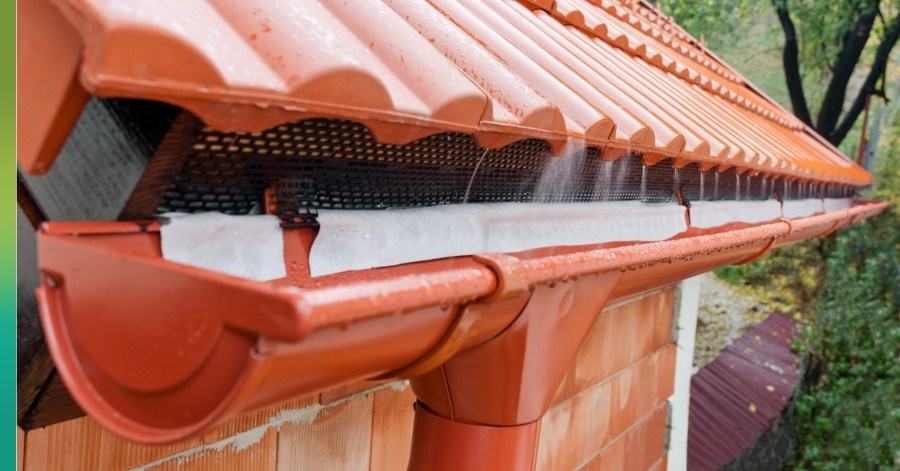
    Gutters Kenya systems play an important role in protecting buildings from uncontrolled roof runoff. A properly selected and installed gutter collects rainwater from the roof and directs it into downpipes, drainage channels, storage tanks or another suitable discharge point.

    A gutter may appear to be a simple roofing accessory, but its performance depends on several factors. Roof area, roof pitch, rainfall intensity, gutter capacity, downpipe size, outlet positioning and fixing spacing all influence whether the system can handle water effectively.

    For a new house, commercial building, school or renovation project, choosing gutters should therefore be treated as part of the overall roof drainage design rather than as an afterthought.

    The right system should collect water efficiently without overflowing during heavy rainfall, sagging between supports or allowing water to discharge against walls and foundations.

    Gutters Kenya: Why Roof Gutters Matter

    Roof gutters provide a controlled route for rainwater flowing from roof surfaces, reducing uncontrolled discharge around walls, doors, paths and foundations.

    Without gutters, water falling directly from roof edges can cause several problems.

    Repeated runoff can:

    • Erode soil around the building.
    • Splash mud onto walls.
    • Damage landscaping.
    • Create slippery walkways.
    • Contribute to damp conditions.
    • Concentrate water around foundations.
    • Damage external finishes.
    • Make rainwater harvesting more difficult.

    A gutter system changes this uncontrolled flow into a managed drainage path.

    The gutter receives water from the roof edge and directs it toward one or more outlets. Downpipes then carry the water vertically to the chosen discharge or collection point.

    For buildings where rainwater harvesting is planned, the gutter and downpipe system also becomes part of the water collection infrastructure.

    Gutters Kenya: How a Gutter System Works

    A complete roof drainage system normally consists of the gutter, outlets, downpipes, bends, brackets, connectors and a suitable discharge or collection point.

    The basic sequence is straightforward:

    Roof → gutter → outlet → downpipe → drainage or storage

    Rain falls onto the roof and flows toward the lower roof edge.

    The gutter catches the runoff.

    Water moves along the gutter toward an outlet.

    The outlet transfers the water into the downpipe.

    The downpipe carries it toward ground level.

    Finally, the water can be directed into:

    • A stormwater drain.
    • A soakaway where appropriate.
    • A drainage channel.
    • A rainwater storage tank.
    • Another approved discharge point.

    Each component needs to work with the others.

    A large gutter with an undersized downpipe can still overflow.

    Likewise, a large downpipe cannot compensate for a gutter that is poorly positioned or incorrectly sloped.

    Gutters Kenya: What Determines Gutter Size?

    Gutter sizing should be based primarily on the roof area draining into the gutter and the expected rainfall intensity, while outlet arrangement and gutter shape also influence capacity.

    Several factors should be considered.

    1. Roof catchment area

    A larger roof collects more water.

    A gutter serving a small veranda does not necessarily need the same capacity as one serving a large roof plane.

    2. Rainfall intensity

    The amount of water reaching the gutter during heavy rainfall matters more than simply considering annual rainfall totals.

    A location that experiences intense storms may require greater drainage capacity.

    3. Roof pitch

    Roof geometry affects how quickly water reaches the gutter.

    4. Gutter profile

    Different gutter shapes have different hydraulic capacities.

    5. Downpipe capacity

    The gutter must be matched with adequate downpipe capacity.

    6. Outlet arrangement

    Multiple outlets can reduce the amount of water travelling along a single gutter run.

    7. Gutter length

    Long gutter runs require careful attention to slope, outlet positioning and support.

    For complex or large buildings, drainage calculations should be undertaken by an appropriately qualified professional.

    Downpipe Sizing: Why It Matters

    Downpipe sizing determines how efficiently collected rainwater can leave the gutter and is one of the most important parts of the drainage system.

    A gutter can collect water effectively but still overflow if the downpipe cannot carry the incoming flow.

    Common symptoms of inadequate downpipe capacity include:

    • Water backing up in the gutter.
    • Overflow at the roof edge.
    • Water spilling at joints.
    • Overflow during heavy rainfall.
    • Persistent wet areas around the building.

    Downpipe sizing should therefore be considered together with gutter capacity.

    The number and position of downpipes also matter.

    A long gutter serving a large roof area may need multiple downpipes rather than relying on a single outlet.

    Gutters Kenya: Calculating Roof Catchment Area

    Roof catchment area provides the starting point for estimating how much rainwater the gutter system needs to handle.

    For a simple roof plane, the basic plan-area calculation is:

    Catchment area = roof length × horizontal roof width

    For example, consider a roof section that measures:

    • 12 metres long
    • 5 metres wide in plan

    The approximate catchment area is:

    12 × 5 = 60 m²

    This does not automatically determine the final gutter size.

    Rainfall intensity and system configuration must also be considered.

    For more complex roofs, separate roof sections can be calculated and assigned to the appropriate gutter runs.

    Gutters Kenya: Understanding Rainfall Intensity

    Rainfall intensity is more useful for drainage sizing than simply knowing how much rain a location receives over an entire year.

    Imagine two locations that receive the same annual rainfall.

    One may receive much of its rainfall through moderate showers, while another experiences shorter but much more intense storms.

    The second location can place greater instantaneous demand on roof drainage.

    This is why drainage design should consider appropriate rainfall data and design criteria rather than using a simple national rule for every building.

    For major commercial, institutional or multi-storey projects, professional hydraulic design is recommended.

    Gutters Kenya: PVC Gutters

    PVC gutters are popular because they are lightweight, relatively easy to handle and available in different profiles and components.

    Advantages can include:

    • Lightweight construction.
    • Ease of cutting.
    • Relatively simple installation.
    • Resistance to many forms of corrosion.
    • Availability of matching connectors.
    • Low maintenance requirements.
    • Easy replacement of individual components.

    PVC is particularly suitable for many residential and small commercial applications.

    However, installation quality matters.

    PVC expands and contracts with temperature changes, so the system should be installed according to the manufacturer’s instructions.

    Fixings should not prevent the material from accommodating normal thermal movement.

    PVC vs Metal Gutters Kenya: Comparing Materials

    PVC and metal gutters can both provide effective roof drainage, but they differ in weight, appearance, durability characteristics, installation requirements and maintenance considerations.

    Factor PVC Gutters Metal Gutters
    Weight Lightweight Generally heavier
    Installation Relatively simple May require more specialised handling
    Corrosion Generally corrosion-resistant Depends on metal and protective finish
    Appearance Clean, modern profiles Can provide traditional or premium appearance
    Thermal movement Relatively significant Generally lower than PVC
    Maintenance Usually straightforward Depends on material and coating
    Cost Often economical Varies significantly
    Repairs Individual components may be replaced Repair depends on material and damage

    Metal gutters can include products made from materials such as galvanised steel, aluminium or other coated metals.

    The correct choice depends on the building design, budget, environmental exposure and expected service life.

    Gutters Kenya: Metal Gutters

    Metal gutters can offer strength and a distinctive architectural appearance, with performance depending heavily on the metal type, coating and installation environment.

    Metal options can include:

    • Galvanised steel.
    • Pre-painted steel.
    • Aluminium.
    • Other specialised metal systems.

    Metal gutters may be particularly attractive where the building design calls for a strong architectural finish.

    However, corrosion protection must be considered.

    Cut edges, scratches and damaged coatings can become potential points of deterioration depending on the material.

    In coastal or highly corrosive environments, material selection deserves additional attention.

    Gutters Kenya: Choosing Between PVC and Metal

    The best gutter material depends on the roof, building design, environmental conditions, budget and maintenance expectations rather than a single universally superior material.

    PVC can be attractive when:

    • Lightweight components are preferred.
    • Installation needs to be straightforward.
    • A cost-conscious solution is required.
    • Standard residential drainage is involved.

    Metal may be attractive when:

    • A particular architectural appearance is required.
    • Greater mechanical strength is desirable.
    • The building design incorporates metal roofing accessories.
    • A specific metal gutter system is already part of the project.

    The roof itself should also influence the decision.

    The gutter should visually and technically complement the roofing material.

    Gutters Kenya: Gutter Profiles

    Different gutter profiles have different capacities and visual characteristics, so the profile should be selected according to the required flow and building design.

    Common profile concepts include:

    • Half-round.
    • Square.
    • Box.
    • Ogee-style profiles.
    • Custom fabricated profiles.

    The exact dimensions vary between manufacturers.

    A larger-looking gutter is not automatically suitable for every building.

    Its actual hydraulic capacity, outlet arrangement and installation method should be considered.

    Gutters Kenya: Gutter Slope

    Gutters generally need sufficient fall toward their outlets so that water does not remain standing along the gutter run.

    A gutter that is installed perfectly level may appear neat, but it can allow water to remain trapped if there are small irregularities.

    Too much slope, however, can create visual problems and may reduce the effective depth at one end.

    The appropriate fall depends on the gutter system and manufacturer’s installation requirements.

    Long gutter runs should be planned carefully.

    The position of the outlet can also influence the required fall.

    For example, a long run with a central outlet may slope from both ends toward the centre.

    Gutters Kenya: Brackets and Fixings

    Correct brackets and fixing spacing are essential because gutters must support their own weight plus the temporary load created by water and debris.

    Poor fixing can cause:

    • Sagging.
    • Misalignment.
    • Detached gutters.
    • Joint stress.
    • Water pooling.
    • Overflow.

    The fixing system should be appropriate for:

    • Gutter material.
    • Roof structure.
    • Fascia material.
    • Building exposure.
    • Manufacturer requirements.

    Bracket spacing should follow the manufacturer’s recommended installation requirements.

    Additional support may be appropriate around:

    • Corners.
    • Outlets.
    • Joints.
    • High-load areas.
    • Long runs.

    Gutters Kenya: Fixing Gutters to Fascia Boards

    Fascia-mounted gutters are commonly installed using brackets attached to the fascia board or another suitable structural support.

    Before installation, check the condition of the fascia.

    A deteriorated timber fascia may not provide sufficient holding strength.

    The installer should ensure:

    • Fixings penetrate suitable material.
    • Brackets are aligned.
    • Spacing is appropriate.
    • The gutter has the required fall.
    • Joints are properly connected.
    • Outlets align with downpipes.

    Where the fascia is not suitable, alternative fixing arrangements may need to be considered.

    Gutters Kenya: Fixing Gutters to Masonry or Other Surfaces

    Buildings without suitable fascia boards may require alternative gutter support systems designed for the structure.

    The fixing method could involve brackets secured to:

    • Masonry.
    • Structural timber.
    • Steelwork.
    • Special support brackets.

    The selected anchor or fastener must be appropriate for the substrate.

    For example, a fixing designed for timber should not automatically be used in masonry.

    For structural or unusual installations, the fixing method should be determined by a competent installer.

    Gutters Kenya: Gutter Joints and Connectors

    Joints are potential weak points in any gutter system, so connectors should be installed carefully and according to the manufacturer’s system.

    A typical gutter installation can contain:

    • Straight connectors.
    • Internal corners.
    • External corners.
    • Stop ends.
    • Outlets.
    • Expansion joints.
    • Downpipe adapters.

    Incorrectly installed joints can leak even when the gutter itself is correctly sized.

    Before handing over the roof, inspect all joints for:

    • Visible gaps.
    • Sealant problems.
    • Misalignment.
    • Loose connections.
    • Leaks.

    Gutters Kenya: Expansion and Contraction

    Temperature changes can cause gutter materials to expand and contract, making thermal movement an important consideration during installation.

    PVC generally experiences more noticeable thermal movement than many metal systems.

    This means installers should follow the manufacturer’s recommendations for:

    • Joint positioning.
    • Expansion gaps.
    • Connector installation.
    • Fixing arrangements.

    A rigidly fixed PVC system that cannot move appropriately may develop stress or distortion.

    The same principle applies to selecting the correct components rather than improvising joints.

    Gutters Kenya: Downpipe Placement

    Downpipes should be positioned so that the collected water has a practical route from the gutter to the ground-level drainage or storage system.

    Consider downpipe locations during roof planning rather than after the roof is complete.

    Good locations may be near:

    • Building corners.
    • Suitable drainage points.
    • Rainwater tanks.
    • Existing stormwater systems.

    Downpipes should also avoid obstructing:

    • Doors.
    • Windows.
    • Walkways.
    • External equipment.

    A downpipe that terminates directly beside a foundation without appropriate drainage can simply move the water problem from the roof edge to the ground.

    Downpipe Sizing: One Downpipe or Several?

    Large roofs often benefit from multiple downpipes because dividing the catchment reduces the amount of water each outlet needs to handle.

    For example, instead of directing an entire large roof section toward one outlet, the design can distribute the flow across several gutter runs and downpipes.

    This can also reduce:

    • Gutter flow length.
    • Required gutter depth in some configurations.
    • Risk of localised overflow.
    • Concentrated discharge.

    The exact number of downpipes should be based on the roof area, rainfall intensity, gutter capacity and design requirements.

    Gutters Kenya: Downpipe Discharge

    The bottom of the downpipe should direct water into an appropriate drainage or collection system rather than allowing uncontrolled discharge against the building.

    Possible destinations include:

    • Rainwater tank.
    • Stormwater drain.
    • Drainage channel.
    • Soakaway where suitable.
    • Landscaped drainage area designed for the expected flow.

    For rainwater harvesting, the downpipe can connect to a suitable filtration or first-flush arrangement before entering the storage tank.

    Where the water is discharged to a drainage system, the connection should be designed to prevent backflow and erosion.

    Gutters Kenya: Rainwater Harvesting

    A properly designed gutter system can provide an efficient collection route for rainwater harvesting systems.

    The basic arrangement is:

    Roof → gutter → downpipe → filtration/first flush → storage tank

    The amount of water that can potentially be collected depends on:

    • Roof catchment area.
    • Rainfall.
    • Collection efficiency.
    • Storage capacity.
    • System losses.

    A simple estimation can be made using:

    Harvestable water ≈ rainfall × roof catchment area × collection efficiency

    For example, 10 mm of rain falling on 100 m² of roof represents approximately:

    0.01 m × 100 m² = 1 m³

    That is approximately 1,000 litres before accounting for collection losses.

    Actual harvested volume will depend on rainfall characteristics and system efficiency.

    Gutters Kenya: Leaf Guards and Debris Protection

    Leaf guards and debris screens can reduce the amount of leaves and larger debris entering gutters, although they do not eliminate maintenance.

    They can be particularly useful around buildings with:

    • Large trees.
    • Overhanging branches.
    • Leaf-heavy vegetation.

    However, guards themselves can accumulate debris.

    A neglected leaf guard can eventually restrict water flow.

    The system should therefore remain accessible for inspection and cleaning.

    Gutters Kenya: Cleaning and Maintenance

    Regular gutter maintenance helps preserve drainage capacity and reduces the risk of blockages and overflow.

    Inspection should look for:

    • Leaves.
    • Mud.
    • Bird nests.
    • Debris.
    • Plant growth.
    • Loose brackets.
    • Sagging.
    • Cracked joints.
    • Corrosion.
    • Blocked outlets.

    The frequency of cleaning depends on the surrounding environment.

    Buildings surrounded by trees may require more frequent inspection than buildings in open areas.

    Gutters should ideally be inspected before periods when heavy rainfall is expected.

    Gutters Kenya: Signs Your Gutter System Needs Repair

    Overflow, sagging, leaks and water collecting around the building can indicate that the gutter system needs cleaning, repair, resizing or redesign.

    Watch for:

    Water overflowing from the front edge

    This can indicate blockage, inadequate capacity, incorrect slope or insufficient outlets.

    Gutter sagging

    This may indicate inadequate support or deteriorated fixings.

    Leaking joints

    The connector or seal may require repair or replacement.

    Water remaining in the gutter

    This can indicate insufficient slope or deformation.

    Downpipe overflow

    The downpipe or outlet may be blocked or undersized.

    Water collecting beside the building

    The discharge system may be inadequate.

    Identifying the actual cause is important before replacing components.

    Gutters Kenya: Gutter Installation on New Buildings

    Gutter installation should be coordinated with roofing and fascia work so that the drainage system is correctly positioned from the beginning.

    Before installation, confirm:

    • Roof edge position.
    • Fascia alignment.
    • Gutter profile.
    • Outlet positions.
    • Downpipe routes.
    • Ground drainage.
    • Rainwater harvesting requirements.

    This prevents situations where the roof is completed but there is no suitable route for the downpipes.

    The roofing contractor and drainage installer should coordinate their work.

    Gutters Kenya: Gutter Installation During Renovation

    Existing buildings often require a site inspection before new gutters are installed because the existing roof edge, fascia and drainage arrangements may have defects.

    Inspect:

    • Existing fascia.
    • Roof edge.
    • Roof pitch.
    • Existing drainage.
    • Wall condition.
    • Foundation drainage.
    • Existing downpipes.

    A renovation may also be an opportunity to correct existing drainage problems rather than simply replacing old gutters with identical components.

    Gutters Kenya: Cost Considerations

    Gutter cost depends on material, profile, dimensions, accessories, fixing requirements, roof complexity, labour and installation conditions.

    A complete budget should consider more than the price per metre of gutter.

    Include:

    • Gutters.
    • Downpipes.
    • Brackets.
    • Connectors.
    • Corners.
    • Outlets.
    • Stop ends.
    • Elbows.
    • Fixings.
    • Sealants where required.
    • Labour.
    • Access equipment.
    • Drainage connections.

    A low-cost gutter can become expensive if it requires frequent repairs or fails to manage heavy rainfall effectively.

    Similarly, an unnecessarily oversized system can increase material costs without providing meaningful benefits.

    Gutters Kenya: PVC vs Metal Cost Considerations

    PVC is often attractive for cost-conscious residential installations, while metal systems can offer different durability and aesthetic characteristics depending on the material and finish.

    The initial material price should not be the only consideration.

    Evaluate:

    • Expected service life.
    • Maintenance.
    • Installation cost.
    • Availability of replacement parts.
    • Environmental exposure.
    • Appearance.
    • Roof compatibility.

    A gutter system is part of the building envelope, so reliability should be prioritised over the lowest initial purchase price.

    Gutters Kenya: Common Installation Mistakes

    Poor installation can undermine a good gutter system, making correct fixing and drainage planning just as important as material selection.

    Common mistakes include:

    Incorrect slope

    Water may remain trapped.

    Too few brackets

    The gutter can sag.

    Poor outlet positioning

    Water may travel excessive distances.

    Undersized downpipes

    Heavy rainfall can overwhelm the system.

    Weak fascia

    Fixings may pull out.

    Poor joints

    Water can leak.

    Downpipes discharging beside foundations

    This can create drainage problems.

    No maintenance access

    Blockages become difficult to identify and clear.

    Ignoring roof catchment area

    The system may be too small for the building.

    Gutters Kenya: How to Choose the Right System

    The right gutter system should be selected by considering roof area, rainfall, gutter capacity, downpipe sizing, material, fixing method and final discharge.

    A practical selection process is:

    1. Measure the roof catchment.

    Determine which roof sections drain into each gutter run.

    2. Assess rainfall conditions.

    Use appropriate local rainfall and design information.

    3. Select the gutter profile.

    Consider required capacity and appearance.

    4. Determine outlet positions.

    Avoid unnecessarily long flow paths.

    5. Size downpipes.

    Ensure sufficient capacity for the contributing catchment.

    6. Select the material.

    Compare PVC and metal options according to the project.

    7. Plan fixing points.

    Follow manufacturer recommendations.

    8. Plan discharge.

    Connect downpipes to suitable drainage or storage.

    9. Plan maintenance.

    Ensure gutters and outlets can be inspected and cleaned.

    Gutters Kenya: Practical Advice for Homeowners

    Homeowners can avoid many drainage problems by considering guttering during roof planning rather than treating it as a cosmetic accessory.

    Before buying materials, determine:

    • Roof dimensions.
    • Number of roof drainage points.
    • Preferred gutter material.
    • Downpipe positions.
    • Rainwater harvesting requirements.
    • Existing drainage.
    • Access for maintenance.

    If you are replacing an old system, investigate why it failed.

    If the old gutter overflowed repeatedly, simply installing another gutter of the same size may not solve the underlying problem.

    The issue could be:

    • Undersized gutters.
    • Insufficient downpipes.
    • Blocked outlets.
    • Incorrect slope.
    • Poor roof-to-gutter positioning.

    Gutters Kenya: Practical Advice for Contractors

    Contractors should coordinate gutter installation with roof, fascia and drainage works to ensure that every component forms one functional system.

    Before installation:

    • Confirm measurements.
    • Confirm product availability.
    • Check accessories.
    • Plan downpipe routes.
    • Inspect the fascia.
    • Confirm fixing requirements.
    • Coordinate with drainage works.

    During installation:

    • Maintain the specified slope.
    • Keep brackets correctly spaced.
    • Install joints carefully.
    • Check outlet alignment.
    • Avoid unnecessary bends.
    • Protect the gutter from damage.

    After installation:

    • Test water flow.
    • Inspect joints.
    • Check downpipe discharge.
    • Confirm that water does not collect beside the building.

    Gutters Kenya: Long-Term Value of Good Drainage

    A properly designed gutter system protects the building from uncontrolled roof runoff while improving rainwater management and reducing avoidable maintenance problems.

    The value of good guttering goes beyond appearance.

    It can help protect:

    • Exterior walls.
    • Foundations.
    • Walkways.
    • Landscaping.
    • Doors and windows.
    • Drainage systems.
    • Rainwater harvesting infrastructure.

    The most effective approach is to select the system based on actual roof and rainfall requirements rather than choosing products based solely on appearance or initial price.

    Gutters Kenya: Frequently Asked Questions

    What are gutters used for?

    Gutters collect rainwater flowing from a roof and direct it toward downpipes and an appropriate drainage or collection point.

    How do I know what gutter size I need?

    Gutter sizing depends on roof catchment area, rainfall intensity, gutter profile, outlet arrangement and downpipe capacity. Larger or more complex roofs should be professionally assessed.

    What is downpipe sizing?

    Downpipe sizing refers to selecting a downpipe with sufficient capacity to carry the water collected by the contributing gutter area.

    Are PVC gutters better than metal gutters?

    Neither material is universally better. PVC is lightweight and practical for many applications, while metal gutters can provide strength and different aesthetic and durability characteristics depending on the material.

    How many downpipes does a house need?

    There is no single number that applies to every house. The required number depends on roof area, rainfall, gutter capacity, downpipe capacity and outlet arrangement.

    Should gutters slope?

    Yes. Gutters generally require an appropriate fall toward their outlets to prevent standing water. The exact slope should follow the manufacturer’s installation requirements.

    How often should gutters be cleaned?

    Cleaning frequency depends on the surrounding environment. Buildings under trees may require more frequent cleaning than those in open areas.

    Can gutters be connected to a water tank?

    Yes. Gutters and downpipes can form part of a rainwater harvesting system when connected to suitable filtration and storage components.

    Why does my gutter overflow during heavy rain?

    Possible causes include blocked gutters, insufficient gutter capacity, inadequate downpipes, incorrect slope, poor outlet positioning or excessive roof catchment for the installed system.

    Can I install gutters myself?

    Simple residential systems can sometimes be installed by experienced DIY users, but complex roofs, high buildings and systems requiring structural or drainage modifications should be handled by competent professionals.

    Should downpipes discharge directly beside the foundation?

    Generally, uncontrolled discharge beside the foundation should be avoided. Water should be directed to an appropriate drainage or collection system.

    Do gutters need maintenance?

    Yes. Gutters should be inspected and cleaned periodically, with brackets, joints, outlets and downpipes checked for damage or blockages.

    Gutters Kenya: Getting the Right Roofing Drainage Materials

    Choosing the right gutters is about more than selecting a colour or material; the system needs to match the roof catchment, rainfall conditions, downpipe capacity and building drainage strategy.

    For a new roof, include gutters and downpipes in the design from the beginning.

    For an existing building, inspect the current system before deciding what needs to be replaced.

    Whether you are constructing a home, renovating a commercial property or upgrading an institutional building, proper roof drainage can prevent avoidable water damage and make rainwater management more effective.

    If you are planning a roofing or drainage project and need related hardware, fixing products or other construction materials, speak with the Ngong Hills Merchants team about the requirements of your project.

    Your One-Stop Hardware Partner in Ngong

    Imagine completing your project with the right tools, the best materials, and expert advice. At Ngong Hills Merchants, we turn your DIY or construction vision into reality with a complete selection of plumbing, electrical, glass, and sanitary ware.

    Contact our team for a consultation and get the right supplies, right now.

    QUALITY HARDWARE & SUPPLIES IN NGONG ✔ Complete Range of Plumbing & Electrical ✔ Power Tools, Adhesives & Paints ✔ Glass, Framing & Sanitary Ware ✔ Serving Ngong, Karen, Matasia, Kiserian & beyond.

    Request Your Free Consultation: Ngong Hills Merchants
    Email: ngonghillsmerchants [at] gmail.com
    Phone: +254 715974811
    Visit Us: Ngong Township, Ngong, Kenya
    Website: https://ngonghillsmerchants.com/
  • Bulk Hardware Delivery Kenya: Site Delivery, Zones, Charges and Scheduling

    Bulk Hardware Delivery Kenya: Site Delivery, Zones, Charges and Scheduling

    When a construction project involves dozens of products or large quantities of materials, bulk hardware delivery Kenya services can make procurement considerably easier. Instead of arranging separate transport for every purchase, contractors, developers, fundis and property owners can coordinate materials and delivery around the construction schedule.

    A typical bulk hardware order may include plumbing supplies, electrical fittings, paints, adhesives, sanitary ware, glass, fasteners, tools and other construction products. Managing the transportation of these items requires more than simply providing an address. The supplier and customer need to consider delivery location, order size, vehicle requirements, site access, timing, charges and offloading.

    For contractors, site delivery is particularly important because materials often need to arrive at a specific stage of construction. Deliver too early and the site may lack secure storage. Deliver too late and workers may be unable to continue.

    A properly planned delivery therefore becomes part of the project’s procurement schedule.

    Ngong Hills Merchants serves customers from its location in Ngong Township and can discuss hardware requirements and applicable delivery arrangements with customers purchasing materials for construction, renovation, maintenance and other projects.

    Bulk Hardware Delivery Kenya: How Site Delivery Works

    Bulk hardware delivery involves preparing the order, confirming the destination, agreeing on delivery arrangements and transporting the materials to the designated site.

    The basic process can be organised into several steps:

    1. Prepare the materials list.
    2. Confirm product availability.
    3. Request pricing for the required quantities.
    4. Confirm the delivery location.
    5. Establish applicable delivery charges.
    6. Agree on the preferred delivery date.
    7. Prepare the site for receiving the order.
    8. Confirm who will receive the materials.

    For a small order, this process can be relatively straightforward.

    For a large construction order, more planning may be required because the size, weight and quantity of materials can affect the type of transport needed.

    Customers should provide complete delivery information before finalising a large order.

    Site Delivery Building Materials: What Information Is Required?

    Accurate site information helps a supplier plan delivery efficiently and reduces the risk of delays caused by an unclear destination or difficult site access.

    When requesting a delivery, provide:

    • Customer name.
    • Telephone number.
    • Project or site name.
    • Exact delivery location.
    • Nearby landmark.
    • Preferred delivery date.
    • Preferred delivery time.
    • Site contact person.
    • Order size.
    • Special access instructions.

    A pin location can also be useful where the site is difficult to identify from the physical address alone.

    For construction sites outside major roads, provide additional directions.

    For example, explain the nearest main road, turning point, estate entrance or identifiable landmark.

    Bulk Hardware Delivery Kenya: Understanding Delivery Zones

    Delivery zones help suppliers determine the distance, transport requirements and logistics involved in moving materials from the store to the customer’s site.

    A supplier may organise deliveries according to geographical areas.

    For Ngong Hills Merchants, customers may come from areas around Ngong and the wider surrounding region.

    Potential delivery locations can include areas such as:

    • Ngong.
    • Matasia.
    • Kiserian.
    • Ongata Rongai.
    • Karen.
    • Langata.
    • Kajiado areas.
    • Other surrounding locations.

    The actual delivery service, availability and charge should be confirmed for each order.

    Distance alone does not always determine the final delivery cost. Order size, product weight, vehicle requirements, road conditions and access can also affect logistics.

    Delivery Charges Nairobi: What Determines the Cost?

    Delivery charges depend on the individual order and transport requirements, so customers should confirm the applicable charge before arranging a bulk delivery.

    Factors that may influence delivery costs include:

    • Delivery distance.
    • Order volume.
    • Product weight.
    • Product dimensions.
    • Number of items.
    • Vehicle type.
    • Loading requirements.
    • Offloading requirements.
    • Road accessibility.
    • Delivery urgency.

    A small order requiring a standard vehicle can have different logistics from a large construction order requiring additional capacity.

    For this reason, customers should not assume that a standard delivery charge applies to every order.

    Request a delivery quotation based on the actual order and destination.

    Bulk Hardware Delivery Kenya: Why Order Size Matters

    The quantity and type of materials can influence the vehicle required and the practical arrangements for loading and delivery.

    Consider the difference between:

    • A few boxes of plumbing fittings.
    • Several tins of paint.
    • A large order of sanitary ware.
    • Multiple power tools.
    • A mixed construction materials order.

    The products may have different dimensions, weights and handling requirements.

    A bulk order should therefore be discussed with the supplier before transport is arranged.

    The customer should provide the complete order rather than requesting transport based only on the number of packages.

    Site Delivery Building Materials: Planning Around Construction Stages

    Materials should ideally arrive when the site is ready to use them, rather than simply when the products become available.

    A construction project may have several procurement stages.

    Plumbing stage

    Pipes, fittings, valves and related components.

    You can explore our plumbing supplies when preparing a plumbing materials schedule.

    Electrical stage

    Switches, sockets and electrical accessories.

    You can browse our electrical fittings for electrical installation requirements.

    Finishing stage

    Paints, adhesives, glass and sanitary ware.

    You can browse our paints when planning finishing work.

    This staged approach reduces the amount of material stored on an active construction site.

    It can also reduce the risk of damage, theft or unnecessary handling.

    Bulk Hardware Delivery Kenya: Lead Times

    Delivery lead time is the period between confirming an order and arranging its delivery, and it can vary according to stock, order size, destination and transport requirements.

    Customers should ask about lead time before committing to a construction schedule.

    Lead time may be affected by:

    • Product availability.
    • Order size.
    • Special-order products.
    • Delivery distance.
    • Vehicle availability.
    • Current demand.
    • Site accessibility.

    Products that are already available may be easier to schedule than special-order items.

    For a large project, do not wait until the day materials are required before asking about delivery.

    Plan procurement in advance.

    Site Delivery Building Materials: Same-Day Versus Scheduled Delivery

    Urgent delivery and scheduled delivery serve different purposes, and planned deliveries are generally easier to coordinate for large construction orders.

    A same-day requirement may be suitable for an urgent repair or a small missing component.

    Bulk construction orders are usually easier to manage when scheduled ahead.

    For example, if a contractor knows that plumbing work will begin on Monday, materials can be arranged before the installation team arrives.

    This provides time to:

    • Check quantities.
    • Confirm product specifications.
    • Organise transport.
    • Prepare the site.
    • Arrange labour for offloading.

    The exact availability of urgent or scheduled delivery should be confirmed with the supplier.

    Delivery Charges Nairobi: Why Offloading Matters

    Transport and offloading are not necessarily the same service, so customers should confirm whether the quoted delivery arrangement includes unloading materials at the site.

    Offloading requirements can vary significantly.

    A delivery containing lightweight boxes may be easy to unload manually.

    A larger order may require several workers or additional handling equipment.

    Before confirming a bulk delivery, discuss:

    • Who will unload the materials.
    • Where materials should be placed.
    • Whether the vehicle can access the unloading point.
    • Whether additional labour is required.
    • Whether special handling is needed.

    Do not assume that the driver is responsible for moving every item from the vehicle to the final storage location.

    Clarify the arrangement in advance.

    Bulk Hardware Delivery Kenya: Preparing the Site

    The customer should prepare a suitable receiving area before the vehicle arrives to prevent unnecessary delays and handling.

    Before delivery:

    • Clear the unloading area.
    • Ensure the entrance is accessible.
    • Remove obstacles.
    • Identify a secure storage location.
    • Confirm someone will receive the order.
    • Prepare labour if necessary.
    • Protect sensitive materials from weather.
    • Ensure the site is safe for unloading.

    For finishing products, storage conditions can be especially important.

    Paints, adhesives, glass and sanitary ware should be handled and stored appropriately.

    Site Delivery Building Materials: Access for Delivery Vehicles

    A site that is easy for people to reach may still present challenges for a delivery vehicle, so vehicle access should be considered before confirming the delivery.

    Check:

    • Road width.
    • Gate width.
    • Turning space.
    • Overhead obstructions.
    • Road surface.
    • Slopes.
    • Parking restrictions.
    • Construction activity.
    • Security requirements.

    If the site is located inside a gated development, confirm whether the security team needs advance notification.

    If a large vehicle cannot reach the final unloading location, discuss the nearest practical unloading point with the supplier.

    Bulk Hardware Delivery Kenya: Handling Glass and Fragile Materials

    Fragile construction products require additional care during transportation, unloading and storage to reduce the risk of damage.

    Glass is a good example.

    Customers ordering glass should consider:

    • Correct dimensions.
    • Suitable transport.
    • Safe handling.
    • Secure storage.
    • Protection from impact.
    • Safe unloading.

    You can explore our glass range and browse glass accessories when planning a glazing project.

    The site should have an appropriate area ready before fragile materials arrive.

    Bulk Hardware Delivery Kenya: Paint and Adhesive Storage

    Paints and adhesives should be handled and stored according to their product requirements, making it important to have a suitable storage area ready before delivery.

    For large finishing orders:

    • Keep products organised.
    • Protect them from damage.
    • Follow storage instructions.
    • Keep containers secure.
    • Avoid unnecessary movement.
    • Check packaging when received.

    You can discover our range of adhesives when planning a construction or renovation project.

    Site Delivery Building Materials: Receiving Your Order

    The customer or designated site representative should check the delivery against the order as soon as reasonably possible after arrival.

    Check:

    • Product description.
    • Quantity.
    • Size.
    • Specification.
    • Packaging condition.
    • Visible damage.

    For a large order, use the original materials list as the receiving checklist.

    This makes it easier to identify discrepancies.

    If an item appears damaged or incorrect, notify the supplier promptly and retain the relevant packaging or documentation where appropriate.

    Bulk Hardware Delivery Kenya: Why Accurate Quantities Matter

    Incorrect quantities can create both cost and scheduling problems, so the delivery list should be checked against the project’s bill of materials before dispatch.

    For example, a plumbing order might contain:

    • 50 pipes.
    • 30 elbows.
    • 15 tees.
    • 10 valves.

    If only 40 pipes arrive, the contractor may have to stop work or arrange another delivery.

    For this reason, the materials list should be checked before dispatch and again when the delivery reaches the site.

    For large projects, appointing one person to manage materials receiving can improve accountability.

    Site Delivery Building Materials: Split Deliveries

    Large construction projects may benefit from splitting materials into several deliveries according to the project programme rather than receiving everything at once.

    A staged delivery might look like:

    Delivery 1: Plumbing materials.

    Delivery 2: Electrical materials.

    Delivery 3: Finishing materials.

    Delivery 4: Final fixtures and accessories.

    This can reduce site congestion and storage requirements.

    It may also allow contractors to inspect and organise materials before the next stage begins.

    Whether split deliveries are practical depends on order size, product availability and applicable transport arrangements.

    Bulk Hardware Delivery Kenya: Avoiding Site Congestion

    Too many materials delivered at once can create storage problems, particularly on smaller residential and commercial construction sites.

    A crowded site can make it harder for workers to move safely and locate required materials.

    Plan storage zones before delivery.

    For example:

    • Plumbing materials in one designated area.
    • Electrical materials in another.
    • Paint and finishing products in a protected location.
    • Tools in a secure storage area.
    • Fragile materials in a suitable protected location.

    This approach can make materials management more efficient.

    Delivery Charges Nairobi: Comparing Delivery Costs Properly

    The cheapest delivery option is not always the lowest overall project cost if it causes delays, additional handling or repeated trips.

    When comparing delivery arrangements, consider the complete cost.

    Ask:

    • What is included?
    • Is loading included?
    • Is offloading included?
    • What vehicle is being used?
    • Is the charge based on distance?
    • Does order size affect the price?
    • Are there additional charges for difficult access?
    • Is urgent delivery priced differently?

    A slightly higher delivery charge may be justified if it provides a suitable transport arrangement for a large or time-sensitive order.

    Bulk Hardware Delivery Kenya: Scheduling Deliveries Around Labour

    The delivery schedule should take into account when workers are available to receive, inspect and move the materials.

    If materials arrive when nobody is on site, the delivery may be delayed or require additional arrangements.

    Coordinate:

    • Supplier.
    • Driver.
    • Site manager.
    • Contractor.
    • Offloading team.
    • Security personnel.

    For large deliveries, confirm the appointment in advance.

    A simple delivery schedule can prevent confusion.

    Bulk Hardware Delivery Kenya: Construction Site Security

    Construction materials should be received and stored securely because some products can be valuable or easily removed from an unsecured site.

    After delivery:

    • Count materials.
    • Secure valuable products.
    • Store tools safely.
    • Keep records.
    • Restrict unauthorised access.
    • Protect fragile items.

    Products such as power tools and certain finishing materials should not simply be left in an exposed area.

    You can explore our power tools when planning equipment requirements and storage.

    Site Delivery Building Materials: Delivery During Renovation

    Renovation sites often have tighter access and less storage space than new construction sites, making delivery timing particularly important.

    A renovation may take place while:

    • Residents remain in the property.
    • Businesses remain operational.
    • Parking space is restricted.
    • Existing furniture occupies rooms.
    • Access routes are limited.

    In such cases, smaller scheduled deliveries may be more practical than one large shipment.

    Discuss the site conditions with the supplier before arranging transport.

    Bulk Hardware Delivery Kenya: Delivery for Contractors

    Contractors should treat material delivery as part of project planning rather than an afterthought.

    Before starting a construction stage, confirm:

    1. Materials required.
    2. Quantities.
    3. Product specifications.
    4. Supplier availability.
    5. Delivery date.
    6. Delivery location.
    7. Vehicle access.
    8. Offloading arrangements.
    9. Storage area.
    10. Site contact.

    This checklist can be used repeatedly across different projects.

    Bulk Hardware Delivery Kenya: Delivery for Developers

    Property developers managing larger projects can benefit from structured procurement schedules that coordinate material orders with construction milestones.

    For example, a developer may schedule:

    • Plumbing materials before first-fix plumbing.
    • Electrical fittings before electrical installation.
    • Sanitary ware before bathroom finishing.
    • Paint before final decorating.
    • Glass before glazing installation.

    This avoids filling the site with products that will not be needed for several weeks.

    Bulk Hardware Delivery Kenya: Delivery for Property Managers

    Property managers can use planned hardware deliveries to coordinate maintenance work across residential, commercial and mixed-use properties.

    A maintenance order might include:

    • Plumbing fittings.
    • Electrical accessories.
    • Paint.
    • Adhesives.
    • Fasteners.
    • Cleaning products.

    You can browse our cleaning items when preparing property maintenance requirements.

    For recurring maintenance, maintaining a standard list of commonly used products can make future ordering easier.

    Bulk Hardware Delivery Kenya: Delivery for Large Hardware Orders

    Large orders should be discussed with the supplier before final confirmation because the size and composition of the order can affect transport and scheduling.

    Provide the complete order rather than estimating its size.

    The supplier can then consider:

    • Number of packages.
    • Weight.
    • Dimensions.
    • Product type.
    • Delivery location.
    • Vehicle requirements.

    For large or complex projects, advance communication is particularly important.

    Site Delivery Building Materials: What Happens When a Delivery Is Delayed?

    Delivery delays can happen because of traffic, weather, vehicle issues, stock problems, access difficulties or other logistical circumstances, so customers should maintain communication with the supplier.

    If a delivery is delayed:

    • Contact the supplier.
    • Confirm the revised estimated arrival.
    • Inform the site manager.
    • Adjust labour arrangements if necessary.
    • Protect any materials already delivered.
    • Reschedule work where required.

    For critical construction stages, avoid relying on a delivery that has not yet been confirmed.

    Bulk Hardware Delivery Kenya: Ordering Ahead

    Ordering materials ahead of the required installation date gives the supplier and customer more time to resolve stock, transport and site-access issues.

    For standard products, lead times may be relatively short.

    For large quantities or specialised products, additional planning may be necessary.

    A useful rule for contractors is to identify materials required for the next construction stage before the current stage is completely finished.

    This gives the procurement process enough time to respond to unexpected changes.

    Bulk Hardware Delivery Kenya: Contact Ngong Hills Merchants

    Customers requiring bulk hardware delivery can contact Ngong Hills Merchants with their materials list and delivery location to discuss availability, pricing and applicable delivery arrangements.

    When contacting the team, provide:

    • Complete materials list.
    • Required quantities.
    • Product specifications.
    • Project location.
    • Preferred delivery date.
    • Site access information.
    • Site contact details.

    For large construction orders, early communication is recommended.

    Ngong Hills Merchants is located in Ngong Township and supplies a range of hardware and construction-related products.

    You can contact our team for project consultation when planning a bulk order or site delivery.

    Bulk Hardware Delivery Kenya: Frequently Asked Questions

    What is bulk hardware delivery?

    Bulk hardware delivery is the transportation of multiple hardware or construction products to a customer’s project site in one planned delivery or a series of scheduled deliveries.

    Does delivery cover all areas of Kenya?

    Delivery availability depends on the order, destination, transport arrangements and current logistics. Customers should confirm whether their specific site can be served.

    How are delivery charges calculated?

    Charges can depend on distance, order size, weight, vehicle requirements, access and other logistics. Confirm the applicable charge for your specific order before arranging delivery.

    Does delivery include offloading?

    Not necessarily. Customers should confirm the offloading arrangement before the delivery is scheduled.

    How early should I place a bulk order?

    As early as practical, particularly for large, specialised or time-sensitive orders. This allows time for stock confirmation, quotation, transport and site preparation.

    Can I request delivery to a construction site?

    Yes, customers can enquire about site delivery arrangements and provide the exact project location and access information.

    Can a large order be split into several deliveries?

    Potentially. Staged deliveries can be discussed depending on product availability, project requirements and transport arrangements.

    What information should I provide for delivery?

    Provide the exact location, nearby landmark, contact person, preferred delivery date, order details and any access restrictions.

    Can I order plumbing and electrical materials together?

    Yes, where the required products are available. Combining categories in one procurement schedule can simplify project purchasing.

    Can fragile products be delivered?

    Fragile products such as glass require appropriate handling and site preparation. Discuss the requirements with the supplier before arranging delivery.

    How can I reduce delivery problems?

    Prepare accurate quantities, confirm product availability, provide clear directions, schedule ahead and ensure the site is ready to receive the order.

    Does Ngong Hills Merchants deliver to Nairobi areas?

    Delivery availability and charges depend on the specific destination and order. Customers should contact the business to confirm arrangements for their location.

    Bulk Hardware Delivery Kenya: Plan the Delivery Before the Materials Are Needed

    Successful site delivery begins with good procurement planning, accurate order information and clear communication between the customer, supplier and construction site.

    Do not wait until workers are standing idle to arrange essential materials.

    Prepare the materials list early.

    Confirm quantities.

    Check product availability.

    Discuss delivery charges.

    Confirm the delivery zone.

    Establish the lead time.

    Prepare the site.

    Arrange offloading.

    Then confirm the delivery schedule.

    For contractors and developers, this approach can reduce unnecessary transport costs and help keep construction stages moving.

    Whether you need plumbing supplies, electrical fittings, paints, sanitary ware, glass, adhesives, fasteners or tools, a well-organised delivery plan can make procurement significantly easier.

    If you need bulk hardware delivery Kenya services for a construction, renovation or maintenance project, contact Ngong Hills Merchants with your materials list and site location to discuss your requirements.

    Your One-Stop Hardware Partner in Ngong

    Imagine completing your project with the right tools, the best materials, and expert advice. At Ngong Hills Merchants, we turn your DIY or construction vision into reality with a complete selection of plumbing, electrical, glass, and sanitary ware.

    Contact our team for a consultation and get the right supplies, right now.

    QUALITY HARDWARE & SUPPLIES IN NGONG ✔ Complete Range of Plumbing & Electrical ✔ Power Tools, Adhesives & Paints ✔ Glass, Framing & Sanitary Ware ✔ Serving Ngong, Karen, Matasia, Kiserian & beyond.

    Request Your Free Consultation: Ngong Hills Merchants
    Email: ngonghillsmerchants [at] gmail.com
    Phone: +254 715974811
    Visit Us: Ngong Township, Ngong, Kenya
    Website: https://ngonghillsmerchants.com/
  • Best Construction Chemicals in Kenya Every Contractor Should Use

    Best Construction Chemicals in Kenya Every Contractor Should Use

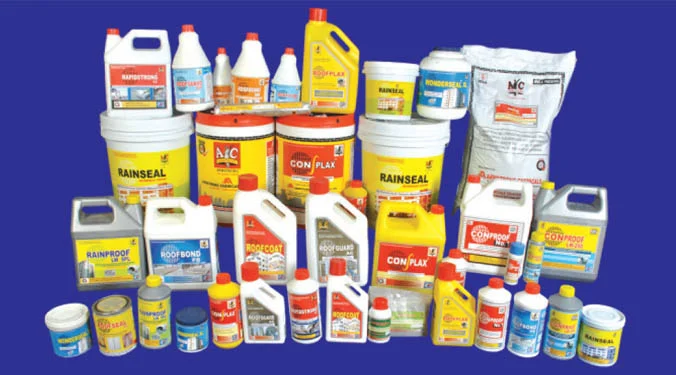
    Construction projects in Kenya have evolved significantly over the past decade, with contractors increasingly relying on specialized formulations to improve strength, durability, and long-term performance. Today, construction chemicals Kenya is a critical category in modern building works, covering everything from waterproofing systems to bonding agents and structural repair compounds.

    Unlike traditional cement and sand mixtures, construction chemicals are engineered products designed to enhance performance at a molecular level. They improve adhesion, reduce permeability, increase flexibility, and extend the lifespan of buildings. Whether used in residential housing, commercial buildings, or infrastructure projects, these materials play a central role in ensuring structural reliability.

    At Ngong Hills Merchants, construction professionals increasingly source chemical additives and performance enhancers as part of a complete building system approach, ensuring compatibility between structural materials, finishes, and waterproofing solutions.

    1. Waterproofing Cement Additives

    One of the most widely used construction chemicals Kenya contractors rely on is waterproofing cement additives. These are mixed directly into concrete or mortar to reduce porosity and improve water resistance.

    They work by blocking capillary pores within concrete, making it difficult for water to penetrate the structure. This is especially important in foundations, water tanks, bathrooms, and roofing systems where constant moisture exposure occurs.

    When properly mixed, these additives significantly reduce the risk of cracks, dampness, and long-term structural damage. They are often the first line of defense in modern waterproofing systems.

    For contractors sourcing integrated building materials, related products can be found in our plumbing supplies collection which supports full water system construction and installation.

    2. Bonding Agents for Strong Structural Adhesion

    Bonding agents are essential construction chemicals Kenya contractors use to improve adhesion between old and new concrete surfaces. Without bonding agents, new plaster or concrete layers may fail to stick properly, leading to delamination and structural weakness.

    These chemicals are especially useful during renovation work, where new materials must be applied over existing structures. They create a chemical bridge that enhances bonding strength and ensures long-term durability.

    Bonding agents are also widely used in repair works involving cracks, patching, and resurfacing.

    3. Waterproofing Sealants

    Sealants are flexible materials used to close joints, gaps, and cracks in buildings. They are a key part of building chemicals Kenya systems because they prevent water and air infiltration in vulnerable areas.

    In construction, sealants are commonly applied around windows, doors, expansion joints, and plumbing fixtures. Their flexibility allows them to move with the structure without breaking or losing adhesion.

    This makes them ideal for environments where thermal expansion and contraction are common.

    For application tools and supporting materials, contractors often rely on our hand tools category for precise and efficient installation.

    4. Tile Adhesives and Flooring Chemicals

    Tile adhesives are another essential category of construction chemicals Kenya used in modern finishing work. Unlike traditional cement mortar, tile adhesives provide stronger bonding, improved flexibility, and better water resistance.

    They are especially important in bathrooms, kitchens, and commercial flooring where moisture exposure is high.

    High-quality adhesives reduce tile lifting, cracking, and long-term surface failure. They also improve installation speed and finish quality.

    5. Concrete Admixtures

    Concrete admixtures are chemical additives used to modify the properties of concrete. They can improve workability, accelerate or delay setting time, and increase strength.

    These bonding agents Kenya professionals use are essential in large-scale construction projects where performance consistency is critical.

    Admixtures are also used to improve resistance against harsh environmental conditions, including heavy rainfall and soil moisture exposure.

    6. Grouting Compounds

    Grouting compounds are used to fill gaps, voids, and structural cavities in masonry and concrete structures. They are essential for stabilizing foundations, anchoring bolts, and sealing cracks.

    In construction chemicals Kenya, grouts are valued for their ability to restore structural integrity without requiring full demolition or reconstruction.

    They are commonly used in both repair and new construction applications.

    7. Concrete Repair Mortars

    Repair mortars are specialized products designed to restore damaged concrete surfaces. They are used in areas affected by spalling, cracking, or erosion.

    These materials are formulated with enhanced bonding and shrinkage control properties, making them ideal for long-term structural repair.

    They are a core component of modern building chemicals Kenya systems because they extend the lifespan of aging structures.

    8. Anti-Corrosion Coatings

    Metal components in construction, such as reinforcements and structural supports, are vulnerable to corrosion. Anti-corrosion coatings protect these elements from rust and environmental degradation.

    These coatings are essential in humid environments and in structures exposed to water or chemicals.

    They help maintain structural strength and prevent premature failure of reinforced concrete systems.

    9. Waterproof Membranes and Surface Coatings

    Waterproof membranes are advanced construction chemicals Kenya used to create a continuous protective layer over surfaces. Unlike additives that work internally, membranes provide external protection against water penetration.

    They are commonly used in roofs, basements, water tanks, and terraces.

    These systems are highly effective in preventing long-term moisture damage and are often combined with other waterproofing methods for maximum protection.

    For finishing and protective systems, contractors often source materials from our paints and surface coatings category.

    Why Construction Chemicals Matter in Modern Building

    The use of construction chemicals Kenya solutions has transformed the construction industry by improving durability, reducing maintenance costs, and enhancing structural performance.

    Instead of relying solely on traditional cement mixes, contractors now use engineered solutions that address specific structural challenges such as water ingress, weak bonding, and environmental stress.

    This shift has led to stronger buildings, longer lifespans, and reduced repair costs across residential and commercial developments.

    Choosing the Right Construction Chemicals

    Selecting the right product depends on the application. Waterproofing systems are ideal for moisture control, bonding agents for structural adhesion, and admixtures for concrete performance enhancement.

    Contractors must also consider environmental conditions, load requirements, and material compatibility before selecting chemicals for a project.

    For complete material sourcing and project support, professionals often use our shop page where a wide range of construction solutions is available in one place.

    Additional consultation and project guidance are available through our contact page.

    Modern construction in Kenya depends heavily on chemical-enhanced building systems. From waterproofing and bonding to sealing and structural repair, construction chemicals Kenya products ensure buildings remain strong, durable, and resistant to environmental stress.

    Contractors who integrate these materials into their workflow achieve higher quality results, reduced maintenance costs, and longer-lasting structures.

    Your One-Stop Hardware Partner in Ngong

    Imagine completing your project with the right tools, the best materials, and expert advice. At Ngong Hills Merchants, we turn your DIY or construction vision into reality with a complete selection of plumbing, electrical, glass, and sanitary ware.

    Contact our team for a consultation and get the right supplies, right now.

    QUALITY HARDWARE & SUPPLIES IN NGONG

    Complete Range of Plumbing & Electrical

    Power Tools, Adhesives & Paints

    Glass, Framing & Sanitary Ware

    Serving Ngong, Karen, Matasia, Kiserian & beyond.

    Request Your Free Consultation: Ngong Hills Merchants

    Email: ngonghillsmerchants [at] gmail.com

    Phone: +254 715974811

    Visit Us: Ngong Township, Ngong, Kenya

    Website: https://ngonghillsmerchants.com/
  • Best Water Tank Waterproofing Products in Kenya | Ultimate Guide

    Best Water Tank Waterproofing Products in Kenya | Ultimate Guide

    Water storage is one of the most critical components of both residential and commercial construction across Kenya, and yet it is also one of the most frequently compromised systems when waterproofing is not properly handled. Water tank waterproofing Kenya is therefore not simply a finishing task at the end of construction—it is a structural necessity that determines whether a tank will serve reliably for decades or begin leaking within the first few years of use. In regions where water scarcity is a recurring challenge, the integrity of storage tanks directly impacts household stability, agricultural productivity, and commercial operations.

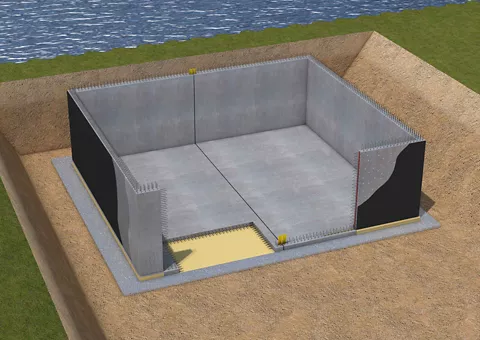
    Concrete remains the most common material used for water tanks in Kenya due to its affordability, strength, and adaptability. However, concrete is inherently porous. Without proper treatment, it allows water to seep through microscopic capillaries, especially under constant hydrostatic pressure. Over time, this leads to damp patches, visible cracks, algae growth, and eventually structural failure. This is why selecting the right waterproofing system is essential for long-term performance.

    At Ngong Hills Merchants, water tank waterproofing is approached from a contractor’s perspective—focusing not only on products but on how materials interact within a full construction system. Whether building a new tank or repairing an existing one, success depends on selecting the right combination of additives, coatings, tools, and finishing systems.

    Understanding Water Tank Failures in Kenya

    Before selecting any water tank waterproofing system, it is important to understand why tanks fail in the first place. Most failures in water tank waterproofing Kenya projects are not caused by a single factor but by a combination of design, material, and workmanship issues.

    One of the most common problems is shrinkage cracking. As concrete cures, it loses moisture and slightly contracts. If curing is not properly managed, micro-cracks form on the surface. These cracks may be invisible at first but become active leakage channels once the tank is filled with water.

    Another major issue is poor concrete mix design. Low cement content, excessive water in the mix, or poor-quality aggregates increase porosity. This results in weak concrete that cannot resist continuous water pressure. Over time, seepage begins at the weakest points.

    Structural movement also plays a role. Ground settlement, thermal expansion, and load changes can cause stress on rigid concrete walls. Without flexible waterproofing systems, these stresses translate into cracking and leakage.

    Finally, poor workmanship during plastering and curing remains one of the biggest contributors to tank failure in Kenya. Even high-quality materials will fail if they are not applied correctly.

    Cement-Based Waterproofing Additives: The Foundation Layer

    One of the most widely used solutions for waterproof cement tanks is cement-based waterproofing additives. These materials are mixed directly into cement or mortar during construction, altering the internal structure of concrete to reduce permeability.

    These additives work by blocking capillaries and reducing the size of pores within the concrete matrix. Instead of water flowing freely through interconnected voids, the structure becomes denser and more resistant to pressure.

    In practical construction terms, these additives are ideal for new tank construction or major structural repairs. They are added at the mixing stage, ensuring that waterproofing becomes part of the concrete itself rather than a surface layer.

    However, their effectiveness depends heavily on correct dosage and mixing consistency. Too little additive results in weak protection, while excessive use can affect bonding strength. This is why contractors often rely on established material guidelines and supplier recommendations when working on large-scale projects.

    For supporting construction materials and system integration, professionals often source complementary products from our plumbing supplies collection, ensuring that the entire water system—from storage to distribution—is properly aligned.

    Crystalline Waterproofing: Self-Healing Technology

    A more advanced solution in modern water tank waterproofing Kenya systems is crystalline waterproofing technology. Unlike traditional additives, crystalline systems work through a chemical reaction that occurs within the concrete structure.

    When introduced into concrete, these materials react with moisture and unhydrated cement particles to form insoluble crystals. These crystals grow within capillary pores and micro-cracks, effectively blocking water pathways.

    What makes this system particularly valuable is its ability to self-seal minor cracks over time. If new micro-cracks form due to structural movement, moisture triggers additional crystal growth, sealing the damage automatically.

    This makes crystalline water tank waterproofing ideal for underground tanks, reservoirs, and high-pressure storage systems where long-term durability is critical.

    However, crystalline systems are typically more expensive than standard additives, making them more suitable for commercial and institutional projects rather than small domestic tanks.

    Cementitious Waterproofing Coatings: Surface Protection Layer

    While additives work internally, cementitious coatings provide external protection. These are applied to the internal surfaces of cured concrete tanks to form a protective waterproof barrier.

    In tank leak repair Kenya projects, cementitious coatings are often the first line of defense when visible leakage has already occurred. They are applied in multiple layers using brushes or trowels, creating a thick, durable membrane that bonds strongly to concrete surfaces.

    These coatings are particularly effective because they combine the strength of cement with polymer flexibility. This allows them to withstand minor structural movement without cracking.

    Surface preparation is critical. The concrete must be clean, free of dust, and slightly damp before application. Multiple coats are usually required to achieve full waterproofing performance, with proper curing time between layers.

    For application efficiency, contractors often rely on durable tools from our hand tools category, which support precise mixing, spreading, and finishing.

    Waterproofing for Repair and Leak Correction

    In many Kenyan households and institutions, water tank waterproofing is not done during construction but after leakage has already started. This is where repair systems become essential.

    Leak repair typically involves identifying the source of leakage, cleaning the affected area, and applying either a patching mortar or waterproof sealant. Small cracks are often filled using cement-based repair compounds, while larger structural leaks may require a combination of sealing and coating systems.

    In cases where water is actively penetrating the structure, fast-setting repair mortars are used to temporarily block leaks before full waterproofing is applied.

    For stronger adhesion during repair work, contractors often depend on materials from our adhesives and bonding solutions range, which enhance bonding strength between old and new concrete layers.

    Surface Preparation and Structural Reinforcement

    Surface preparation is one of the most overlooked yet most important stages in water tank waterproofing. Without proper preparation, even the best materials will fail prematurely.

    Preparation involves removing loose particles, cleaning algae or contaminants, and repairing cracks or voids before applying any waterproofing system. In some cases, mechanical roughening is required to improve adhesion.

    For structural reinforcement or anchor installations, especially in large tanks or reservoirs, drilling may be necessary. This is where precision tools from our drill bits and accessories range become essential.

    Proper preparation ensures that waterproofing layers bond effectively to the substrate, reducing the risk of delamination or early failure.

    Protective Coatings and Long-Term Maintenance

    Once water tank waterproofing has been completed, additional surface protection can significantly extend the lifespan of the system. Protective paints and coatings act as a secondary barrier against moisture penetration and environmental wear.

    In many water tank waterproofing Kenya applications, these coatings are applied as a final layer after cementitious systems have cured. They help prevent surface erosion and reduce the risk of future micro-cracking.

    Maintenance is equally important. Tanks should be inspected periodically for early signs of wear, including hairline cracks, discoloration, or damp patches. Early intervention prevents small issues from becoming major structural failures.

    For finishing and protective systems, contractors often rely on products from our paints and surface coatings category, which provide additional durability and aesthetic finishing.

    Cost Considerations in Waterproofing Projects

    The cost of water tank waterproofing in Kenya varies depending on the size of the tank, the materials used, and the complexity of the repair or construction work. Cement additives are generally the most affordable option, making them ideal for small residential tanks.

    Crystalline systems and advanced coatings are more expensive but provide significantly higher durability and long-term performance. While the initial investment may be higher, they often reduce maintenance costs over time.

    Labor quality also plays a significant role in cost. Skilled application ensures that materials perform as intended, reducing the likelihood of rework or failure.

    Integrating Waterproofing into Complete Construction Systems

    Modern construction projects increasingly treat water tank waterproofing as part of a broader system rather than an isolated task. Water storage must integrate seamlessly with plumbing, structural design, and finishing systems.

    For this reason, contractors often source materials holistically from trusted suppliers. A complete approach ensures compatibility between water tank waterproofing systems, plumbing installations, and structural components.

    For full project sourcing and material selection, professionals frequently use our shop page to access a wide range of construction materials in one place.

    Additional company information, project support, and consultation services are available through our about us page and contact page for tailored waterproofing guidance.

    Final Professional Insight

    Effective water tank waterproofing Kenya is not achieved through a single product but through a system of compatible materials, correct application methods, and long-term maintenance. Whether using cement additives, crystalline systems, or protective coatings, success depends on understanding how each layer contributes to overall performance.

    In Kenya’s growing construction environment, where water security is increasingly important, investing in proper waterproofing is not optional—it is essential infrastructure planning.

    Your One-Stop Hardware Partner in Ngong

    Imagine completing your project with the right tools, the best materials, and expert advice. At Ngong Hills Merchants, we turn your DIY or construction vision into reality with a complete selection of plumbing, electrical, glass, and sanitary ware.

    Contact our team for a consultation and get the right supplies, right now.

    QUALITY HARDWARE & SUPPLIES IN NGONG

    Complete Range of Plumbing & Electrical

    Power Tools, Adhesives & Paints

    Glass, Framing & Sanitary Ware

    Serving Ngong, Karen, Matasia, Kiserian & beyond.

    Request Your Free Consultation: Ngong Hills Merchants

    Email: ngonghillsmerchants [at] gmail.com

    Phone: +254 715974811

    Visit Us: Ngong Township, Ngong, Kenya

     Website: https://ngonghillsmerchants.com/

  • Best Waterproof Cement Kenya 2026 | Leak-Proof Additives Guide

    Best Waterproof Cement Kenya 2026 | Leak-Proof Additives Guide

    Waterproof cement Kenya is one of the most critical construction considerations for anyone building or renovating in regions that experience seasonal heavy rainfall, fluctuating temperatures, or high groundwater pressure. In Kenya, where residential and commercial structures are increasingly being built with reinforced concrete, the demand for durable waterproofing solutions has grown significantly. From rooftops in Nairobi to water tanks in Kiserian and basements in Kiambu, moisture penetration remains one of the leading causes of structural deterioration, costly repairs, and aesthetic damage.

    Understanding waterproof cement Kenya solutions requires more than just choosing a branded product. It involves understanding how cement chemistry interacts with additives, how water ingress occurs in porous concrete, and how long-term durability can be engineered from the foundation stage. The right waterproofing strategy ensures that buildings remain structurally sound, resistant to dampness, and protected against mold growth and steel reinforcement corrosion.

    In modern construction practice, waterproofing is no longer treated as an optional finishing step. Instead, it is integrated into the structural design through specialized cement additives, surface coatings, and admixtures that alter the permeability of concrete. These additives are particularly important in Kenyan environments where rainfall intensity and soil moisture levels vary significantly across regions.

    At Ngong Hills Merchants, waterproofing solutions are part of a broader construction materials ecosystem designed for builders, contractors, and homeowners seeking long-term reliability. You can explore our full selection of building essentials through our main platform at ngonghillsmerchants or browse construction-ready supplies at shop for practical project sourcing.

    Understanding Waterproof Cement and Why It Matters in Kenya

    Waterproof cement Kenya solutions are designed to reduce the porosity of concrete and mortar, making them resistant to water penetration. Ordinary cement naturally contains microscopic capillary pores formed during hydration. When exposed to water, these pores allow moisture to seep through, eventually causing damp patches, cracks, and weakening of structural integrity.

    Waterproofing additives modify this internal structure. They either block capillary channels, reduce pore size, or create hydrophobic (water-repelling) properties within the cement matrix. The result is a denser, more durable concrete structure capable of withstanding prolonged exposure to moisture.

    In Kenya’s construction environment, waterproofing is especially important in:

    • Rooftop slabs exposed to direct rainfall
    • Bathrooms and wet areas
    • Underground foundations and basements
    • Water storage tanks and reservoirs
    • External walls exposed to wind-driven rain

    Without proper waterproofing, even well-built structures begin to show signs of efflorescence, cracking, and reinforcement rusting within a few years.

    This is why contractors increasingly rely on waterproof cement additives Kenya solutions rather than relying solely on surface coatings after construction.

    How Waterproof Cement Additives Work

    Waterproofing additives function at a microscopic level. When mixed into cement or concrete, they react chemically or physically with hydration products to reduce permeability.

    There are three primary mechanisms:

    First, pore blocking additives introduce fine particles that fill voids in the cement matrix. This reduces the number of channels through which water can pass.

    Second, hydrophobic additives coat internal capillaries with water-repelling compounds. Instead of absorbing water, the concrete surface naturally repels it.

    Third, crystalline waterproofing additives react with free lime and moisture to form insoluble crystals. These crystals grow within pores and micro-cracks, sealing them permanently.

    Each system has its advantages depending on application. For example, crystalline systems are preferred in water tanks and foundations, while hydrophobic additives are commonly used in plastering and roofing applications.

    For builders sourcing these materials, our range of construction adhesives and bonding agents can be explored here: adhesive

    Common Types of Waterproof Cement Additives in Kenya

    The Kenyan construction market offers several types of waterproofing solutions, each suited for specific applications and budgets.

    1. Liquid Waterproofing Admixtures

    These are added directly into mixing water before concrete is poured. They are widely used in slabs, beams, and foundations. Their advantage lies in uniform distribution throughout the concrete mass.

    2. Powder Waterproofing Compounds

    Powder additives are blended with cement and sand before water is added. They are commonly used in plastering and screeding applications where surface protection is needed.

    3. Crystalline Waterproofing Agents

    These are advanced systems that react chemically within concrete to form insoluble crystals. They provide long-term waterproofing and are often used in water tanks and basements.

    4. Bituminous and Polymer-Based Additives

    These enhance flexibility and are commonly used in roof waterproofing systems where structural movement occurs due to temperature changes.

    5. Proprietary Products like Pudlo Waterproof Cement

    Products such as pudlo waterproof cement have been widely used in construction for decades due to their reliability in reducing water absorption in concrete structures.

    Each of these options contributes differently to waterproof cement Kenya solutions depending on project requirements and environmental exposure.

    Waterproofing Applications in Kenyan Construction

    Waterproofing is not limited to luxury buildings or large commercial projects. It is now a standard requirement across all construction categories.

    In residential homes, waterproof cement additives are used in bathrooms to prevent tile lifting and wall dampness. Rooftops benefit from reduced cracking and leakage, especially in flat slab designs common in urban Kenya.

    In commercial construction, basements and parking structures require heavy-duty waterproofing systems to prevent groundwater infiltration. Industrial facilities, especially those handling liquids, rely heavily on waterproof concrete systems for containment structures.

    Water storage tanks, whether underground or elevated, are among the most critical applications. Even minor leakage in such systems can lead to contamination and structural failure.

    To support such applications, Ngong Hills Merchants offers essential building materials through fittings and plumbing for integrated project support.

    Comparative Analysis: Waterproof Cement Additives vs Traditional Methods

    Traditional waterproofing in Kenya often relied on external coatings such as bituminous paint or cement slurry coatings. While these methods provide short-term protection, they are prone to wear and require frequent maintenance.

    Waterproof cement additives, on the other hand, provide integral waterproofing. This means protection is built into the concrete itself rather than applied on the surface.

    The key differences include:

    Durability: Additives last as long as the concrete structure itself, while coatings degrade over time.

    Maintenance: Additive-based waterproofing requires minimal maintenance compared to surface treatments.

    Effectiveness: Internal waterproofing prevents hidden leaks, whereas surface coatings only protect exposed areas.

    Cost efficiency: Although additives may increase initial material costs slightly, they significantly reduce long-term repair expenses.

    This shift in preference has made waterproof cement Kenya solutions a standard in modern construction planning.

    Installation and Mixing Guidelines for Waterproof Cement

    Proper application is essential for achieving full waterproofing performance. Even the best additive will fail if not mixed or applied correctly.

    For liquid admixtures, they should be added to clean mixing water before combining with cement and aggregates. Overdosing should be avoided as it may reduce compressive strength.

    For powder additives, dry mixing with cement and sand ensures even distribution before water is introduced.

    Surface preparation is equally important. Substrates must be clean, free from dust, oil, or loose particles. Proper curing after application also plays a major role in ensuring long-term performance.

    Builders often combine waterproof cement additives with quality hand tools and application equipment available here: hand-tools

    Cost Considerations and Long-Term Value

    The cost of waterproof cement Kenya solutions varies depending on the type of additive used, brand quality, and project scale. While basic additives are relatively affordable, advanced crystalline systems may require higher initial investment.

    However, the real value lies in lifecycle cost savings. Waterproofing failures often lead to expensive repairs involving structural rehabilitation, repainting, and sometimes demolition of affected sections.

    Investing in proper waterproofing from the start significantly reduces these risks. It also improves property value, especially in commercial and residential real estate markets where structural integrity is a key selling point.

    Builders can conveniently compare construction materials and pricing through shop to make informed purchasing decisions.

    Maintenance, Durability, and Structural Longevity

    One of the most important benefits of waterproof cement additives is reduced maintenance. Once properly installed, they require minimal intervention.

    However, periodic inspections are still recommended, especially in high-moisture environments. Checking for cracks, joint failures, and drainage issues ensures that the waterproofing system continues to perform effectively.

    In Kenyan climates where rainfall intensity can be unpredictable, long-term durability depends on a combination of good materials, proper design, and skilled workmanship.

    For project consultation and technical guidance, builders can reach out through contact-us for expert assistance.

    Integration with Modern Construction Systems

    Modern construction in Kenya increasingly combines waterproof cement systems with advanced materials such as aluminum glass fittings, reinforced framing, and high-performance adhesives.

    You can explore complementary construction solutions such as aluminium-glass-fittings which are often used in waterproof balcony and façade systems.

    This integrated approach ensures that not only the structural core but also finishing elements contribute to overall water resistance and building durability.

    Choosing the Right Waterproof Cement Solution

    Selecting the right waterproof cement Kenya product depends on several factors including exposure level, structural design, and budget.

    For rooftops and general plastering, powder-based additives are often sufficient. For water tanks and basements, crystalline systems provide superior long-term protection. For general construction, liquid admixtures offer a balanced combination of convenience and performance.

    Contractors should always consider the specific environmental conditions of the project site before making a final decision.

    The Role of Quality Materials in Successful Waterproofing

    Even the best waterproofing additive cannot compensate for poor-quality cement, sand, or workmanship. Successful waterproofing is a system, not a single product.

    This is why sourcing materials from reliable suppliers is critical. Ngong Hills Merchants supports construction professionals with a wide range of building essentials including electrical and paints which complement waterproofing systems in complete construction workflows.

    Waterproof cement Kenya solutions represent one of the most important advancements in modern building technology in the country. When properly selected and applied, they eliminate common structural issues such as leakage, damp walls, and premature concrete deterioration. Whether for residential homes, commercial buildings, or industrial infrastructure, waterproofing ensures long-term durability, safety, and value preservation.

    Your One-Stop Hardware Partner in Ngong

    Imagine completing your project with the right tools, the best materials, and expert advice. At Ngong Hills Merchants, we turn your DIY or construction vision into reality with a complete selection of plumbing, electrical, glass, and sanitary ware.

    Contact our team for a consultation and get the right supplies, right now.

    QUALITY HARDWARE & SUPPLIES IN NGONG

    Complete Range of Plumbing & Electrical

    Power Tools, Adhesives & Paints

    Glass, Framing & Sanitary Ware

    Serving Kiserian, Ongata Rongai, Ngong Hills… & beyond.

    Request Your Free Consultation: Ngong Hills Merchants

    Email: ngonghillsmerchants [at] gmail.com

     Phone: +254 715974811

    Visit Us: Ngong Township, Ngong, Kenya

     Website: https://ngonghillsmerchants.com/