Category: Construction Tools & Supplies

  • Plywood vs MDF vs Blockboard Differences: Grades, Uses and the Right Choice

    Plywood vs MDF vs Blockboard Differences: Grades, Uses and the Right Choice

    Plywood vs MDF Kenya is an important comparison for anyone buying boards for furniture, cabinetry, doors, partitions, shelving or interior joinery because each material has different strengths, limitations and ideal applications.

    Plywood, MDF and blockboard are all engineered wood products, but they are manufactured differently and therefore behave differently when cut, screwed, painted, exposed to moisture or used for structural purposes.

    Choosing the cheapest sheet can sometimes result in higher costs later. A board that performs well in a dry bedroom may not be appropriate for a kitchen, bathroom or exterior application. Likewise, a premium moisture-resistant board may be unnecessary for a simple indoor cabinet.

    The right decision depends on the job.

    This guide explains the main differences between plywood, MDF and blockboard, how board grades affect performance, where marine plywood belongs, how moisture resistance works, and what to consider when comparing cost and long-term value in Kenya.

    Plywood vs MDF Kenya: What Is the Difference?

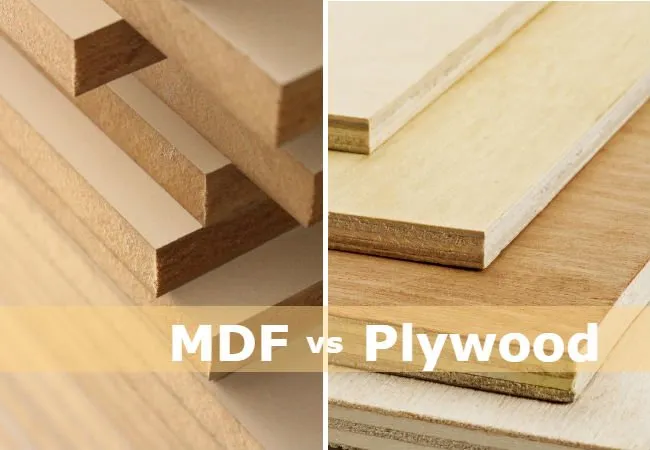
    Plywood is manufactured from layers of wood veneer bonded together, MDF is produced from refined wood fibres and resin, while blockboard has a core made from strips of solid wood covered with veneer faces.

    The manufacturing process gives each board different characteristics.

    Plywood

    Plywood consists of multiple thin wood layers, or veneers, arranged with their grain directions generally alternating.

    This cross-layer construction provides good dimensional stability and strength.

    MDF

    MDF, or medium-density fibreboard, is manufactured by breaking wood into fibres and combining those fibres with resin under heat and pressure.

    The result is a smooth and relatively uniform board.

    Blockboard

    Blockboard generally consists of strips of wood arranged as a core between veneer or other face layers.

    It combines characteristics of solid timber and panel products.

    Understanding these differences makes it easier to select the right board.

    Plywood vs MDF Kenya: Why Board Grades Matter

    Board grade is important because not all plywood, MDF or blockboard is manufactured for the same environment or application.

    When buying boards, do not assume that every sheet with the same nominal thickness has identical performance.

    Grades and specifications can relate to:

    • Strength.
    • Face quality.
    • Core quality.
    • Moisture resistance.
    • Bonding quality.
    • Surface finish.
    • Intended application.

    For plywood, buyers may encounter descriptions such as:

    • General-purpose plywood.
    • Commercial plywood.
    • Marine plywood.
    • Structural plywood.
    • Exterior plywood.

    The exact classification and performance should be confirmed from the manufacturer’s specification.

    For MDF, products may include standard interior MDF and moisture-resistant variants.

    Blockboard can also vary in quality depending on the core material, bonding and face veneers.

    Plywood vs MDF Kenya: Plywood Explained

    Plywood is a versatile panel product valued for its strength, dimensional stability and ability to handle applications where MDF may not be the preferred material.

    Its cross-laminated construction helps distribute loads across the sheet.

    Plywood can be used for:

    • Furniture.
    • Cabinets.
    • Doors.
    • Wall panelling.
    • Partitions.
    • Shelving.
    • Roof and construction applications where appropriately specified.
    • Workshop projects.

    The exact application depends on the plywood grade.

    A thin decorative plywood sheet should not automatically be treated as structural plywood.

    Similarly, interior plywood should not automatically be used in a wet environment.

    Plywood Grades Kenya: What Should You Check?

    Plywood grades Kenya buyers encounter can differ significantly, so the face appearance, core construction, bonding and intended environment should be confirmed before purchase.

    Important questions include:

    • What is the plywood grade?
    • What thickness is required?
    • Is it intended for interior or exterior use?
    • Is it moisture resistant?
    • Is the core free from major voids?
    • What is the face veneer quality?
    • Is it structural?
    • What adhesive system has been used?

    The word “plywood” by itself does not provide enough information.

    A good supplier should be able to explain the intended application of the sheet being sold.

    Marine Plywood Kenya: What Makes It Different?

    Marine plywood Kenya buyers should understand that marine plywood is designed for demanding moisture-exposure applications and is not simply ordinary plywood with a premium name.

    Marine plywood is manufactured using appropriate veneers and durable bonding systems intended to withstand severe moisture exposure.

    However, “marine” does not mean the sheet can remain permanently exposed to water without protection.

    Correct installation and sealing remain important.

    Marine plywood can be considered for applications such as:

    • Boat construction.
    • High-moisture environments.
    • Outdoor joinery.
    • Certain demanding furniture applications.
    • Construction situations where enhanced moisture resistance is specified.

    Always verify the manufacturer’s certification and specification rather than relying solely on the seller’s description.

    Plywood vs MDF Kenya: MDF Explained

    MDF is a smooth, uniform engineered board that is particularly useful for painted furniture, cabinetry, shelving, panelling and interior joinery.

    Because MDF is made from fine wood fibres, it has a relatively consistent surface.

    This makes it useful for:

    • Painted cabinets.
    • Wardrobes.
    • Shelving.
    • Decorative wall panels.
    • Interior doors.
    • Furniture.
    • Office fittings.

    MDF is especially popular when a smooth painted finish is required.

    It can be routed and machined into decorative profiles more easily than many plywood products.

    However, standard MDF is generally intended for dry interior environments.

    MDF Board Kenya: Advantages

    MDF board Kenya buyers often choose MDF because it offers a smooth surface, consistent thickness and relatively easy machining for interior applications.

    Advantages can include:

    Smooth surface

    MDF is suitable for painting when properly prepared.

    Consistency

    Its uniform structure makes it predictable for many cutting and routing operations.

    Good decorative potential

    It can be shaped into profiles and detailed designs.

    Suitable for cabinetry

    MDF works well for many interior cabinet and wardrobe applications.

    Efficient use of material

    Its uniform structure can reduce some of the inconsistencies associated with natural timber.

    However, MDF also has limitations.

    Plywood vs MDF Kenya: MDF Moisture Limitations

    Standard MDF should generally be protected from prolonged moisture because water can cause swelling, edge damage and deterioration.

    This is particularly important around:

    • Sinks.
    • Bathrooms.
    • Wet floors.
    • Outdoor areas.
    • Poorly ventilated kitchens.
    • Leaking plumbing.

    Once moisture penetrates an unprotected MDF edge, the material can swell.

    This is why kitchen and bathroom joinery requires careful board selection and edge protection.

    Moisture-resistant MDF may be more appropriate in certain interior environments, but it should still be installed according to the manufacturer’s specifications.

    Plywood vs MDF Kenya: Blockboard Explained

    Blockboard consists of a core made from strips of wood between veneer layers and can be useful where a lightweight, stable and relatively strong panel is required.

    Blockboard is commonly considered for:

    • Doors.
    • Tables.
    • Shelving.
    • Partitions.
    • Furniture.
    • Long panels.

    Its construction differs from both plywood and MDF.

    The wood-strip core can provide useful stiffness, particularly in longer components.

    However, the quality of blockboard varies considerably.

    Check:

    • Core construction.
    • Strip quality.
    • Adhesive bonding.
    • Face veneer.
    • Thickness.
    • Flatness.
    • Moisture resistance.

    Blockboard Grades: What Determines Quality?

    Blockboard grades depend on factors such as the quality of the timber core, bonding, face veneers, thickness and intended application.

    A high-quality blockboard should have a reasonably consistent core.

    Poor-quality boards may contain:

    • Large gaps.
    • Uneven strips.
    • Weak bonding.
    • Voids.
    • Poor-quality faces.
    • Excessive warping.

    These defects can become particularly obvious when the board is cut.

    Always inspect the sheet edges where possible.

    Plywood vs MDF Kenya: Strength Comparison

    Plywood is generally the stronger choice for many applications requiring panel strength, while MDF is valued more for surface consistency and machining.

    Plywood’s layered construction provides useful strength characteristics.

    MDF has a homogeneous structure but behaves differently when fasteners are inserted near edges.

    Blockboard can also provide good stiffness for certain furniture and door applications.

    The correct choice depends on:

    • Span.
    • Thickness.
    • Support spacing.
    • Load.
    • Fastener type.
    • Application.

    For structural applications, use a board specifically specified for that purpose rather than choosing based on general strength assumptions.

    Plywood vs MDF Kenya: Screw Holding

    Plywood generally provides good screw-holding performance, while MDF requires more careful edge fixing and appropriate fasteners to reduce splitting or pull-out.

    MDF can hold screws effectively when correctly installed.

    However, fastening close to edges requires care.

    Best practices include:

    • Pre-drilling where appropriate.
    • Using suitable screws.
    • Maintaining adequate edge distance.
    • Avoiding excessive tightening.
    • Supporting the board correctly.

    For heavy furniture, the joint design is more important than simply choosing a board.

    Plywood vs MDF Kenya: Cutting and Machining

    MDF offers a very uniform material for cutting and routing, while plywood provides strength and a natural layered appearance that may be desirable in certain designs.

    MDF is popular for:

    • CNC cutting.
    • Decorative routing.
    • Cabinet components.
    • Painted furniture.

    Plywood can also be machined effectively but may expose different veneer layers at cut edges.

    Blockboard may require more attention when cutting because the wood-strip core can produce different edge characteristics.

    Good cutting tools make a significant difference.

    For project equipment, you can explore our power tools and browse our drill bits.

    Plywood vs MDF Kenya: Which Is Better for Cabinets?

    For painted interior cabinets, MDF can provide an excellent smooth finish, while plywood may be preferable where strength, lower weight or improved moisture tolerance is required.

    Consider the location.

    Bedroom wardrobes

    MDF can be a practical option.

    Living-room cabinets

    Both MDF and plywood can work well.

    Kitchen cabinets

    Plywood or moisture-resistant board may be preferable depending on the design and exposure.

    Bathroom cabinets

    Moisture-resistant materials should be considered, together with proper sealing.

    The cabinet’s construction details are just as important as the board itself.

    Plywood vs MDF Kenya: Which Is Better for Kitchen Cabinets?

    Kitchen cabinets require careful consideration of moisture, fastener holding, weight and durability, making plywood and moisture-resistant MDF possible choices depending on the cabinet design.

    Kitchen environments can expose boards to:

    • Steam.
    • Water splashes.
    • Cleaning chemicals.
    • Heat.
    • Food spills.

    The sink cabinet is particularly vulnerable.

    A standard interior MDF board may therefore be a poor choice if water can repeatedly reach its edges.

    Plywood can provide an advantage in some kitchen applications, particularly where the cabinet must withstand more demanding conditions.

    However, proper sealing and installation remain essential.

    Plywood vs MDF Kenya: Which Is Better for Bathroom Furniture?

    For bathroom furniture, moisture resistance should be a primary consideration, and standard MDF should not be treated as waterproof simply because it has been painted.

    Bathroom furniture can include:

    • Vanity units.
    • Shelves.
    • Storage cabinets.
    • Mirror cabinets.

    Moisture-resistant MDF can be appropriate for some bathroom interiors if properly installed.

    Plywood with an appropriate moisture-resistant specification may also be suitable.

    The critical areas include:

    • Board edges.
    • Screw holes.
    • Joints.
    • Sink cut-outs.
    • Floor contact.

    These areas should receive appropriate protection.

    Plywood vs MDF Kenya: Which Is Better for Doors?

    Plywood and blockboard can both be suitable for doors, while the best option depends on door construction, thickness, weight, finish and environmental exposure.

    Blockboard is commonly considered for certain internal doors because of its relatively lightweight construction and stiffness.

    Plywood can also be used where strength and dimensional stability are required.

    MDF can be used in interior door construction and decorative applications, especially where a smooth painted finish is desired.

    For exterior doors, moisture exposure becomes a much more important consideration.

    Blockboard vs Plywood: Which Is Stronger?

    Blockboard and plywood have different construction characteristics, so neither should automatically be labelled stronger for every application.

    Plywood uses multiple veneer layers.

    Blockboard uses a strip-wood core.

    Performance depends on:

    • Thickness.
    • Core quality.
    • Veneer quality.
    • Adhesive.
    • Span.
    • Loading direction.
    • Support.
    • Construction method.

    A high-quality board of one type can outperform a poor-quality board of another type.

    This is why specifications are more useful than product names alone.

    Plywood vs MDF Kenya: Weight Comparison

    MDF can be relatively heavy for its size, while plywood and blockboard may offer different weight-to-strength characteristics depending on their construction and density.

    Weight matters when designing:

    • Wall cabinets.
    • Large doors.
    • Shelves.
    • Office furniture.
    • Movable furniture.

    Heavy boards can increase:

    • Installation difficulty.
    • Hinge requirements.
    • Wall loading.
    • Transport costs.
    • Labour requirements.

    Before selecting a thick board, consider whether the additional weight provides a meaningful performance benefit.

    Plywood vs MDF Kenya: Surface Finish

    MDF is particularly attractive when a completely smooth painted surface is required, while plywood and blockboard can provide natural wood character or accept veneers and laminates.

    MDF’s fine surface is well suited to:

    • Enamel paint.
    • Spray finishes.
    • Laminates.
    • Veneers.
    • Decorative routing.

    Plywood can be selected when visible wood grain is part of the design.

    Blockboard may also be veneered or laminated.

    The final appearance depends on preparation.

    Poor sanding can ruin even an expensive board.

    Plywood vs MDF Kenya: Painting Boards

    MDF is often convenient for painting, but proper edge sealing, priming and sanding are essential for an even finish.

    MDF edges are more absorbent than its smooth face.

    If the edges are not properly prepared, they can absorb excessive coating and appear different from the board surface.

    A good process can include:

    1. Sanding.
    2. Edge preparation.
    3. Primer.
    4. Drying.
    5. Light sanding.
    6. Final coats.

    For suitable project finishing materials, you can browse our paints.

    Plywood vs MDF Kenya: Laminating and Veneering

    Plywood, MDF and blockboard can all be finished with veneers or decorative laminates, but the appropriate adhesive and preparation depend on the board surface and application.

    Before applying a laminate or veneer:

    • Ensure the board is clean.
    • Confirm it is flat.
    • Use an appropriate adhesive.
    • Apply uniform pressure.
    • Allow sufficient curing time.
    • Finish exposed edges correctly.

    For suitable project adhesives, you can discover our range of adhesives.

    Plywood vs MDF Kenya: Cost Per Sheet

    The cost per sheet varies according to thickness, dimensions, grade, manufacturer, face quality, moisture resistance and market conditions, so price should be compared against actual specifications.

    When comparing prices, make sure you are comparing equivalent products.

    For example:

    18 mm standard MDF vs 18 mm marine plywood

    is not an apples-to-apples comparison.

    The materials have different:

    • Manufacturing processes.
    • Moisture performance.
    • Structural properties.
    • Surface characteristics.
    • Applications.

    A better calculation is:

    Cost per usable square metre = sheet price ÷ usable sheet area

    Then consider wastage.

    A cheaper board that produces excessive waste may not be the cheaper option overall.

    Plywood vs MDF Kenya: Reducing Board Waste

    Careful cutting plans can reduce waste and lower the effective cost of plywood, MDF and blockboard projects.

    Before purchasing sheets:

    1. List all required components.
    2. Record each component’s dimensions.
    3. Account for saw kerf.
    4. Plan grain direction where relevant.
    5. Arrange components efficiently.
    6. Allow for defective sections where applicable.
    7. Calculate the number of full sheets required.

    For furniture production, a cutting plan can significantly improve material efficiency.

    Plywood vs MDF Kenya: Storage

    All engineered boards should be stored flat, dry and protected from unnecessary moisture to reduce warping and damage before installation.

    Good storage practice includes:

    • Keep sheets off the floor.
    • Store them on level supports.
    • Avoid direct exposure to rain.
    • Protect edges from impact.
    • Avoid leaning large sheets for extended periods.
    • Maintain suitable ventilation.

    Moisture exposure before installation can affect board performance.

    Plywood vs MDF Kenya: Edge Protection

    Edge protection is especially important for boards exposed to moisture because water commonly enters through cut edges, holes and joints.

    Pay particular attention to:

    • Sink cut-outs.
    • Screw holes.
    • Door edges.
    • Cabinet bottoms.
    • Floor-level edges.
    • Exposed shelf edges.

    Depending on the board and application, protection can include:

    • Paint.
    • Sealers.
    • Edge bands.
    • Laminate.
    • Appropriate waterproofing details.

    The manufacturer’s instructions should determine the correct system.

    Plywood vs MDF Kenya: Common Buying Mistakes

    Many board failures result from choosing the wrong grade or application rather than from the board material itself.

    Common mistakes include:

    Buying by thickness only

    Two 18 mm boards can have completely different performance.

    Using standard MDF in wet areas

    Moisture can cause serious damage.

    Assuming marine plywood is waterproof

    Marine plywood is moisture-resistant for demanding applications but still requires appropriate design and protection.

    Ignoring board quality

    Low-quality cores can create weak points.

    Choosing by price alone

    The cheapest sheet may have higher lifecycle costs.

    Failing to inspect edges

    Core voids and poor bonding may become apparent along cut edges.

    Plywood vs MDF Kenya: A Simple Decision Guide

    Use MDF when smooth painted finishes and easy interior machining are priorities; choose plywood when strength, dimensional stability or demanding applications matter; and consider blockboard where a stiff, relatively lightweight panel suits the design.

    Choose MDF for:

    • Painted wardrobes.
    • Interior cabinets.
    • Decorative panels.
    • Shelving.
    • Office furniture.
    • Routed designs.

    Choose plywood for:

    • Strong cabinetry.
    • Furniture.
    • Demanding joinery.
    • Certain construction applications.
    • Moisture-exposed applications when correctly specified.

    Choose blockboard for:

    • Doors.
    • Tables.
    • Long shelves.
    • Furniture.
    • Interior partitions.

    These are general recommendations and should always be adjusted according to the manufacturer’s specification and project requirements.

    Plywood vs MDF Kenya: Frequently Asked Questions

    Is plywood better than MDF?

    Neither is universally better. Plywood generally offers advantages in strength and dimensional stability, while MDF offers a smooth, uniform surface and excellent machining characteristics for many interior applications.

    Is MDF cheaper than plywood?

    MDF can be more economical for some interior applications, but prices vary according to thickness, grade, manufacturer and market conditions.

    What is the best board for kitchen cabinets?

    Plywood and moisture-resistant MDF can both be suitable. The choice depends on cabinet design, exposure, finish and budget.

    Is marine plywood waterproof?

    Marine plywood is designed for demanding moisture exposure, but it should not be interpreted as completely immune to water. Correct sealing, construction and maintenance remain important.

    What is blockboard used for?

    Blockboard can be used for doors, furniture, shelving, tables, partitions and other applications where its stiffness and construction are suitable.

    Which is stronger, blockboard or MDF?

    Performance depends on board quality, thickness, construction and application. Blockboard can have useful stiffness, while MDF has a uniform structure. Neither should be selected solely on a generic strength assumption.

    Can MDF be used in bathrooms?

    Moisture-resistant MDF may be suitable for certain bathroom applications when properly installed and protected. Standard MDF should not be exposed to prolonged moisture.

    Can plywood be used outside?

    Only plywood specified for the intended exterior or moisture-exposed application should be considered. Ordinary interior plywood should not automatically be used outdoors.

    Which board is best for wardrobes?

    MDF is often suitable for painted wardrobes, while plywood can be preferable when additional strength or moisture tolerance is required.

    Which board is best for furniture?

    Plywood, MDF and blockboard can all be used for furniture. The appropriate choice depends on the furniture design, finish, strength requirements and budget.

    How thick should plywood be for furniture?

    There is no universal thickness. It depends on the span, load, support spacing and furniture design.

    How should plywood and MDF be stored?

    Store sheets flat on level supports in a dry, protected environment and keep them away from direct ground contact and unnecessary moisture.

    Plywood vs MDF Kenya: Make the Right Board Choice

    Plywood vs MDF Kenya is not simply a competition to find one winning material; it is about matching the board’s characteristics to the application’s actual requirements.

    Plywood is a strong and versatile panel product with applications ranging from furniture and cabinetry to demanding construction work when the correct grade is selected.

    MDF is an excellent option for many interior projects where a smooth, consistent surface and easy machining are important.

    Blockboard occupies another useful position, particularly for doors, furniture and longer panels where its core construction can provide useful stiffness.

    The key is to buy according to grade, specification and application, not just the name printed on the sheet.

    Before buying, consider:

    • Intended use.
    • Board thickness.
    • Grade.
    • Moisture exposure.
    • Strength requirements.
    • Surface finish.
    • Core quality.
    • Fastener requirements.
    • Expected service life.
    • Total project cost.

    For specialist applications, ask for the manufacturer’s technical information and confirm that the product meets the required specification.

    When you make the right board choice at the beginning, you reduce waste, avoid premature replacement and achieve a better-quality finished project.

    Your One-Stop Hardware Partner in Ngong

    Imagine completing your project with the right tools, the best materials, and expert advice. At Ngong Hills Merchants, we turn your DIY or construction vision into reality with a complete selection of plumbing, electrical, glass, and sanitary ware.

    Contact our team for a consultation and get the right supplies, right now.

    QUALITY HARDWARE & SUPPLIES IN NGONG ✔ Complete Range of Plumbing & Electrical ✔ Power Tools, Adhesives & Paints ✔ Glass, Framing & Sanitary Ware ✔ Serving Ngong, Karen, Matasia, Kiserian & beyond.

    Request Your Free Consultation: Ngong Hills Merchants
    Email: ngonghillsmerchants [at] gmail.com
    Phone: +254 715974811
    Visit Us: Ngong Township, Ngong, Kenya
    Website: https://ngonghillsmerchants.com/
  • Cost of Roofing a Three-Bedroom House in Kenya: Complete 2026 Budget Guide

    Cost of Roofing a Three-Bedroom House in Kenya: Complete 2026 Budget Guide

    The cost of roofing Kenya homeowners should budget for a three-bedroom house depends on the roof design, roof area, roofing material, timber or steel structure, pitch, accessories, wastage and labour. A simple roof over a compact bungalow can cost considerably less than a complicated roof with multiple hips, valleys, large overhangs and premium roofing sheets.

    Roofing is also one of the most important stages of construction because the roof protects the structure, walls, finishes and household contents from weather. Cutting the budget by selecting unsuitable materials or reducing essential components can create expensive problems later.

    When calculating the cost of roofing Kenya homeowners should therefore look beyond the price of a single mabati sheet. The complete roofing budget may include roofing sheets, timber or steel, nails or screws, ridge caps, valleys, flashings, fascia, gutters, underlay, transport, labour and waste allowance.

    This guide explains how to build a realistic roofing budget for a typical three-bedroom house in Kenya, what affects the price and how to compare roofing quotations properly.

    Cost of Roofing Kenya: What Determines the Final Price?

    The cost of roofing Kenya projects is determined by roof area, design complexity, roofing material, structural framework, accessories, labour and transport. The floor area of the house alone cannot determine the roofing cost.

    For example, two three-bedroom houses may both have a floor area of 120 m² but completely different roof areas.

    One may have:

    • A simple hipped roof.
    • Short overhangs.
    • Standard roof pitch.
    • Few intersections.

    Another may have:

    • Several roof sections.
    • Large overhangs.
    • Multiple valleys.
    • Decorative gables.
    • Different roof pitches.
    • Large fascia and gutter systems.

    The second roof can require substantially more materials and labour.

    Therefore, anyone estimating the cost of roofing Kenya should begin with the roof plan and actual roof measurements.

    Cost of Roofing Kenya for a Three-Bedroom House

    The cost of roofing Kenya for a three-bedroom house should be calculated from the actual roof surface rather than simply using the number of bedrooms. A preliminary estimate can be produced by measuring the roof area and adding the structural and accessory requirements.

    A typical calculation can be structured as:

    Total roofing cost = roofing sheets + roof structure + accessories + labour + transport + wastage

    For example, a roofing budget might contain:

    Component What It Covers
    Roofing sheets Mabati, tiles or other roof covering
    Timber/steel Trusses, rafters, purlins and framework
    Fixings Screws, nails and washers
    Ridge accessories Ridge caps and associated fittings
    Valley accessories Valley gutters and flashings
    Flashings Wall and roof junctions
    Gutters Rainwater collection
    Fascia/soffit Roof-edge finishing
    Underlay Weather and moisture protection where specified
    Labour Carpentry, fixing and finishing
    Transport Delivery to site
    Wastage Cutting and installation allowance

    This provides a more realistic picture of the cost of roofing Kenya than looking at mabati prices alone.

    How Much Roofing Material Does a Three-Bedroom House Need?

    The amount of roofing material depends on the roof’s measured surface area, pitch, overhangs and sheet coverage. A house with a 120 m² floor area can require substantially more than 120 m² of roofing material.

    This is because the roof is usually sloped.

    For example, consider a simple illustration:

    House footprint:

    10 m × 12 m = 120 m²

    Assume the roof has a slope that results in an effective roof area of approximately:

    145 m²

    If the design also has overhangs and additional roof sections, the actual area could be higher.

    The roofing sheet requirement is then calculated using the effective cover width, not merely the manufacturer’s overall sheet width.

    This distinction is important because roofing sheets overlap.

    If a sheet is physically 1 metre wide but provides an effective cover width of approximately 0.9 metres after side laps, the calculation should use the effective coverage.

    Always confirm the manufacturer’s technical specifications before ordering.

    Cost of Roofing Kenya: Mabati Cost Per Sheet

    Mabati cost per sheet varies according to sheet profile, thickness, coating, length, colour, finish and manufacturer. The effective cost should be calculated from the coverage provided rather than sheet price alone.

    Common roofing-sheet considerations include:

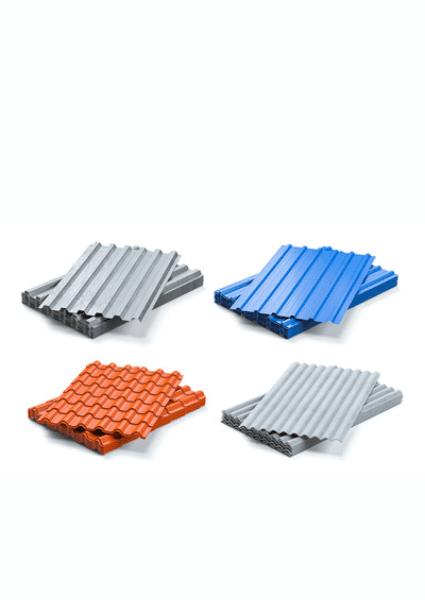
    • Corrugated profiles.
    • Box profiles.
    • Tile profiles.
    • Industrial profiles.
    • Gauge or thickness.
    • Galvanised coating.
    • Coloured coating.
    • Length.
    • Effective cover width.

    A longer sheet may reduce the number of horizontal joints.

    However, sheet length should be suitable for:

    • Transportation.
    • Handling.
    • Roof dimensions.
    • Installation conditions.

    When comparing the cost of roofing Kenya, do not simply ask:

    “How much is one sheet?”

    Ask:

    “What is the price per square metre of effective roof coverage?”

    This produces a more useful comparison between different profiles.

    Cost of Roofing Kenya: Roofing Sheet Thickness

    Sheet thickness affects durability, handling and price, so homeowners should compare roofing products according to the specified thickness and coating rather than choosing solely on the lowest price.

    Thinner sheets may have a lower purchase price, but the appropriate specification depends on the project requirements.

    Consider:

    • Thickness.
    • Coating.
    • Profile.
    • Manufacturer.
    • Warranty.
    • Expected service environment.
    • Installation method.

    The roof should be designed and specified appropriately rather than selecting a product simply because it is cheaper.

    For the cost of roofing Kenya, the cheapest sheet is not automatically the cheapest roofing solution over the life of the house.

    Cost of Roofing Kenya: Timber Requirements

    Timber is a major component of many pitched roofs, with the quantity depending on roof geometry, structural requirements, spacing and the selected timber sizes.

    A traditional timber roof can require:

    • Wall plates.
    • Rafters.
    • Tie beams.
    • Trusses.
    • Purlins.
    • Fascia boards.
    • Battens.
    • Bracing.
    • Supporting members.

    The actual timber dimensions and spacing should follow the structural design.

    Timber quality also matters.

    Poor-quality or improperly treated timber can create problems involving:

    • Termites.
    • Rot.
    • Moisture.
    • Warping.
    • Structural performance.

    When calculating the cost of roofing Kenya, timber should therefore be priced according to the required sizes and quantities rather than simply estimating a lump sum.

    Cost of Roofing Kenya: Timber Versus Steel Roof Structure

    A roof structure can be constructed using timber or steel depending on the design, engineering requirements, availability, cost and homeowner preference. Neither should be selected solely on price without considering the complete system.

    Timber roofing

    Advantages can include:

    • Familiar construction methods.
    • Availability of skilled carpenters.
    • Easy cutting and adjustment.
    • Wide use in residential construction.

    Considerations include:

    • Timber quality.
    • Treatment.
    • Termite protection.
    • Moisture.
    • Storage.

    Steel roofing structure

    Advantages can include:

    • Dimensional consistency.
    • Resistance to termites.
    • Potentially long service life when appropriately protected.

    Considerations include:

    • Fabrication.
    • Welding or bolted connections.
    • Corrosion protection.
    • Skilled installation.

    When comparing the cost of roofing Kenya, compare the complete structural system rather than the price of timber or steel alone.

    Cost of Roofing Kenya: Roofing Screws and Nails

    Fixings are small components individually but become important when calculated across an entire roof. Correct roofing screws, nails, washers and fasteners help secure the roof covering and prevent avoidable failures.

    Depending on the roofing system, you may require:

    • Roofing screws.
    • Self-drilling screws.
    • Galvanised nails.
    • Washers.
    • Hook bolts.
    • Nuts.
    • Bolts.
    • Ridge fixing accessories.

    The fixing specification should correspond to the roofing material and supporting structure.

    Underestimating fixings can cause delays during installation.

    You can browse our bolts and nuts range for related fastening requirements.

    Cost of Roofing Kenya: Ridge Caps

    Ridge caps protect the highest points of the roof and provide a finished transition between roof slopes. Their quantity depends on the total ridge length and the effective coverage of each cap.

    Ridge accessories may include:

    • Ridge caps.
    • Ridge screws.
    • Closures.
    • Sealants.
    • Flashing components.

    A complex roof can have several ridge lines.

    Therefore, the ridge requirement should be measured from the roof plan.

    When estimating the cost of roofing Kenya, do not forget to include ridge accessories in addition to the main roofing sheets.

    Cost of Roofing Kenya: Valleys and Flashings

    Roof valleys and flashings are essential wherever different roof planes or roof-to-wall junctions meet. Complex roof designs require more of these accessories and can therefore increase both material and labour costs.

    Flashings can be needed around:

    • Valleys.
    • Chimneys.
    • Parapets.
    • Walls.
    • Roof intersections.
    • Skylights.
    • Other penetrations.

    A simple roof with fewer junctions may require less flashing.

    A complex roof can require significantly more.

    This is another reason why the cost of roofing Kenya can vary widely between three-bedroom houses.

    Cost of Roofing Kenya: Gutters and Downpipes

    Rainwater goods should be included in the roofing budget because gutters and downpipes collect and direct rainwater away from the building. The required quantity depends on roof perimeter, roof design and drainage arrangement.

    Typical components include:

    • Gutters.
    • Downpipes.
    • Gutter brackets.
    • Outlet fittings.
    • Stop ends.
    • Corners.
    • Connectors.
    • Downpipe bends.

    A large roof may require several downpipes.

    The drainage system should be coordinated with the overall site drainage plan.

    A good roof is not complete simply because the sheets have been installed.

    Rainwater management is part of the roofing system.

    Cost of Roofing Kenya: Underlay and Moisture Protection

    Depending on the roofing system and specification, an underlay or roofing membrane may provide an additional layer of weather protection beneath the roof covering.

    Underlay can help manage:

    • Wind-driven rain.
    • Dust.
    • Condensation.
    • Minor roof-covering imperfections.

    The exact product should be appropriate for the roofing system.

    Its inclusion can affect the cost of roofing Kenya, but the decision should be based on the roof design and specification rather than treating it as an unnecessary extra.

    Cost of Roofing Kenya: Labour

    Roofing labour includes carpentry or steel fabrication, installation of the structural framework, fixing of roofing sheets, installation of accessories and finishing. Labour costs vary with roof complexity and local rates.

    A simple roof can be faster to construct than one with:

    • Multiple valleys.
    • Several roof levels.
    • Complex intersections.
    • Large overhangs.
    • Decorative features.

    Labour should therefore be quoted against the actual roof design.

    A low labour quotation may not necessarily represent good value if it excludes:

    • Ridge installation.
    • Flashings.
    • Fascia.
    • Gutters.
    • Waste removal.
    • Final adjustments.

    When comparing the cost of roofing Kenya, request an itemised labour quotation.

    Cost of Roofing Kenya: Transport

    Transport costs should be included when calculating the total roofing budget because long roofing sheets, timber and steel can require specialised handling and delivery.

    Transport considerations include:

    • Distance from supplier.
    • Sheet length.
    • Vehicle size.
    • Loading requirements.
    • Site accessibility.
    • Offloading.
    • Number of deliveries.

    Long roofing sheets can be particularly difficult to transport.

    The cheapest material quotation may therefore become more expensive after delivery.

    Always compare the delivered cost.

    Cost of Roofing Kenya: Wastage and Cutting

    Roofing materials should include a reasonable allowance for cutting, overlaps and installation waste, but the allowance should be based on the actual roof design rather than an arbitrary percentage.

    Wastage can arise from:

    • Sheet cutting.
    • Incorrect measurements.
    • Damaged sheets.
    • Overlaps.
    • Complex roof intersections.
    • Incorrect ordering.

    A simple roof generally allows more efficient use of sheets than a complicated roof.

    The best way to minimise wastage is accurate measurement and careful planning.

    This can reduce the overall cost of roofing Kenya without compromising material quality.

    Cost of Roofing Kenya: Example Three-Bedroom Roof Calculation

    A worked calculation can help homeowners understand how the cost of roofing Kenya is assembled, although the example should not be treated as a quotation for every three-bedroom house.

    Assume:

    House footprint: 10 m × 12 m

    Floor area: 120 m²

    After allowing for the roof pitch and overhangs, assume the measured roof surface is:

    150 m²

    Now divide the roof into major components.

    Roofing sheets

    Assume the selected sheets provide an effective coverage of approximately 0.9 m² per sheet.

    Approximate sheet requirement:

    150 ÷ 0.9 = 167 sheets

    A final order should account for the actual sheet dimensions and roof layout.

    Timber

    The timber quantity should be calculated from the structural roof design.

    It may include:

    • Trusses.
    • Rafters.
    • Purlins.
    • Battens.
    • Fascia.
    • Bracing.

    Fixings

    The required number of screws or nails depends on:

    • Sheet profile.
    • Purlin spacing.
    • Manufacturer specification.
    • Roof area.

    Accessories

    Add:

    • Ridge caps.
    • Flashings.
    • Valleys.
    • Gutters.
    • Downpipes.
    • Fascia.
    • Soffit.
    • Underlay where specified.

    Labour

    Finally add:

    • Carpentry or steelwork labour.
    • Roofing-sheet installation.
    • Access equipment where required.
    • Finishing.

    This gives the homeowner a complete framework for estimating the cost of roofing Kenya.

    Cost of Roofing Kenya: Sample Budget Structure

    A roofing budget is easier to control when each major component has its own allowance instead of combining everything into one unexplained figure.

    Roofing Component Budget Item
    Roof structure Timber or steel
    Roof covering Mabati or tiles
    Fixings Screws, nails and washers
    Ridge Ridge caps and fixings
    Valleys Valley sheets and accessories
    Flashings Wall and junction protection
    Fascia Roof-edge finishing
    Soffit Underside finishing
    Gutters Rainwater collection
    Downpipes Rainwater discharge
    Underlay Where specified
    Labour Installation
    Transport Delivery
    Waste allowance Cutting and damage

    The actual cost of roofing Kenya should be filled in using current supplier quotations and measured quantities.

    Cost of Roofing Kenya: Mabati Versus Tiles

    Mabati and roofing tiles can both provide durable roof coverings, but they differ in material cost, weight, installation requirements, appearance and structural considerations.

    Mabati

    Potential advantages include:

    • Lower structural weight.
    • Fast installation.
    • Wide range of profiles.
    • Many colour options.
    • Relatively straightforward handling.

    Roofing tiles

    Potential advantages can include:

    • Distinctive appearance.
    • Different aesthetic options.
    • Potentially long service life depending on material.

    Considerations include:

    • Greater weight for some tile systems.
    • Different structural requirements.
    • Installation method.
    • Additional labour.

    The correct choice should be based on the design and budget.

    The cheapest roof covering does not necessarily result in the lowest long-term cost of roofing Kenya if it requires incompatible structural changes or frequent maintenance.

    Cost of Roofing Kenya: Which Mabati Profile Should You Choose?

    The right mabati profile depends on the desired appearance, technical requirements, budget and architectural design. Profile shape also affects effective coverage and installation.

    Common options include:

    • Corrugated sheets.
    • Box profiles.
    • Tile profiles.
    • Other architectural profiles.

    Homeowners should compare:

    • Effective cover width.
    • Thickness.
    • Coating.
    • Length availability.
    • Manufacturer.
    • Warranty.
    • Accessories.
    • Installation requirements.

    A tile-profile sheet may create a different architectural appearance from a conventional corrugated sheet.

    Therefore, the cost of roofing Kenya should be evaluated together with the desired final appearance.

    Cost of Roofing Kenya: How Roof Pitch Changes the Budget

    Roof pitch affects the roof surface area, material consumption, drainage performance and overall appearance. A steeper roof can require more roofing material than a low-pitch roof over the same building footprint.

    A roof pitch also affects:

    • Sheet length.
    • Flashing.
    • Ridge length.
    • Roof access.
    • Labour.
    • Structural requirements.

    A higher roof can therefore increase the cost of roofing Kenya.

    The pitch should be determined by the architectural design and selected roofing material.

    Cost of Roofing Kenya: How Roof Design Affects Cost

    Simple roof geometry is generally more economical because it reduces cutting, flashing, valleys, labour and potential material waste. Complex designs can increase the cost without necessarily improving the roof’s functional performance.

    For example, a roof with several valleys requires:

    • Additional valley material.
    • Additional flashing.
    • More careful cutting.
    • More labour.
    • More potential water-management junctions.

    Homeowners with tight budgets can often achieve savings through simpler roof geometry rather than choosing inferior roofing materials.

    This is one of the most effective ways to manage the cost of roofing Kenya during the design stage.

    Cost of Roofing Kenya: Timber Treatment

    Where timber is used, appropriate treatment and protection can help reduce the risk of termite attack, fungal deterioration and premature failure. Timber should be suitable for the intended structural application.

    Before purchasing roofing timber, consider:

    • Species.
    • Dimensions.
    • Moisture condition.
    • Treatment.
    • Straightness.
    • Structural quality.

    Avoid assuming that every piece of timber sold for construction is equally suitable for structural roofing.

    Poor timber selection can eventually increase maintenance and repair costs.

    Cost of Roofing Kenya: Maintenance Considerations

    A roofing budget should consider long-term maintenance as well as initial purchase price. Regular inspection of sheets, fasteners, gutters, flashings and timber can help identify problems before they become expensive repairs.

    Inspect the roof for:

    • Loose fasteners.
    • Damaged sheets.
    • Rust.
    • Blocked gutters.
    • Leaking valleys.
    • Damaged flashing.
    • Timber deterioration.
    • Water stains.
    • Sagging sections.

    Gutters should be kept clear of:

    • Leaves.
    • Dust.
    • Debris.

    Blocked gutters can cause water to overflow against walls and foundations.

    Maintenance is therefore part of managing the long-term cost of roofing Kenya.

    Cost of Roofing Kenya: Common Budget Mistakes

    Roofing budgets frequently become inaccurate because homeowners price only the sheets and forget the structure, accessories, labour, delivery and waste allowance.

    Common mistakes include:

    Pricing only mabati

    The roof also requires a supporting structure.

    Ignoring effective coverage

    Sheet overlaps reduce the actual coverage of each sheet.

    Forgetting accessories

    Ridges, valleys and flashings are essential.

    Underestimating labour

    Complex roofs take longer to install.

    Ignoring transportation

    Long sheets and bulky timber require delivery.

    Buying before measuring

    Incorrect quantities can create expensive shortages or excess stock.

    Selecting by price alone

    Thickness, coating and specification matter.

    Avoiding these mistakes makes the cost of roofing Kenya estimate much more realistic.

    Cost of Roofing Kenya: How to Save Money Without Sacrificing Quality

    The safest roofing savings come from accurate design, efficient roof geometry, careful procurement and controlled waste rather than choosing unnecessarily low-grade materials.

    Consider these approaches:

    Simplify the roof

    Reduce unnecessary valleys and intersections.

    Standardise dimensions

    Where possible, coordinate roof dimensions with available sheet lengths.

    Compare effective coverage

    Do not compare sheet prices without considering coverage.

    Purchase according to measured quantities

    Avoid excessive surplus.

    Compare delivered prices

    Include transportation.

    Buy compatible accessories

    Avoid improvising critical flashing or fixing components.

    Use skilled installers

    Poor installation can create leaks and premature damage.

    These measures can lower the cost of roofing Kenya while protecting the performance of the roof.

    Cost of Roofing Kenya: What Should Be Included in a Supplier Quote?

    A useful roofing quotation should clearly identify the roofing sheets, structural materials, accessories, quantities, unit prices, labour, delivery and any exclusions. A detailed quote is much easier to compare than a single lump-sum price.

    Ask the supplier or contractor to specify:

    • Roofing profile.
    • Sheet thickness.
    • Sheet lengths.
    • Quantity.
    • Effective coverage.
    • Timber sizes.
    • Timber quantities.
    • Fixings.
    • Ridge caps.
    • Flashings.
    • Valley components.
    • Gutters.
    • Downpipes.
    • Fascia.
    • Soffit.
    • Labour.
    • Transport.
    • Taxes or other applicable charges.
    • Warranty where applicable.

    This makes it much easier to compare the cost of roofing Kenya between suppliers.

    Cost of Roofing Kenya: Why You Should Measure Before Buying

    Accurate roof measurement is the foundation of a reliable roofing budget. Ordering materials before the roof design and measurements are final can lead to shortages, unnecessary surplus or incorrect sheet lengths.

    The measurement process should establish:

    • Roof slopes.
    • Roof dimensions.
    • Ridge lengths.
    • Valley lengths.
    • Eaves.
    • Overhangs.
    • Flashing requirements.
    • Gutter lengths.
    • Downpipe positions.

    The roof plan should then be used to calculate the materials.

    For a complicated roof, professional measurement is strongly recommended.

    Cost of Roofing Kenya: Final 2026 Planning Checklist

    Before committing to a roofing budget, homeowners should confirm the roof design, measured area, material specification, structure, accessories, labour and delivery. This reduces the risk of unexpected costs during installation.

    Use this checklist:

    • Confirm architectural roof design.
    • Measure the roof area.
    • Confirm roof pitch.
    • Select roofing profile.
    • Confirm sheet thickness.
    • Calculate effective coverage.
    • Calculate timber or steel.
    • Calculate fixings.
    • Measure ridge lengths.
    • Measure valley lengths.
    • Calculate flashings.
    • Calculate fascia and soffit.
    • Calculate gutters.
    • Calculate downpipes.
    • Add labour.
    • Add transport.
    • Allow for reasonable wastage.
    • Compare supplier quotations.
    • Confirm product specifications before ordering.

    This checklist can make the cost of roofing Kenya much easier to manage from design through installation.

    Cost of Roofing Kenya: Final Takeaway

    The cost of roofing Kenya for a three-bedroom house is not determined by the number of bedrooms or the price of one mabati sheet. It is determined by the complete roof system, including its area, structure, covering, accessories, labour, transportation and design complexity.

    For a practical roofing budget, begin with the architectural drawings.

    Measure the actual roof.

    Calculate the effective roofing-sheet coverage.

    Then add the structural framework, fixings, ridges, valleys, flashings, gutters, fascia, soffits, labour, delivery and reasonable wastage.

    A simple roof can be substantially easier and cheaper to construct than a complicated roof with many intersections. If the project budget is tight, consider simplifying the roof design before compromising on the quality of structural or weatherproofing materials.

    When comparing mabati cost per sheet, always look at the bigger picture.

    Ask:

    How much does the complete roof cost per square metre of effective coverage?

    This provides a much better basis for comparing roofing products.

    The same principle applies when comparing timber, steel, fixings and accessories.

    For homeowners planning construction around Ngong, Karen, Matasia and Kiserian, early material planning can make procurement significantly easier. A complete roofing list can be prepared before ordering, allowing you to compare quotations and avoid repeated trips to the supplier.

    The goal is not simply to find the lowest cost of roofing Kenya.

    The goal is to achieve a roof that is structurally appropriate, properly installed, weather-resistant, maintainable and suitable for the house design while staying within the available budget.

    Your One-Stop Hardware Partner in Ngong

    Imagine completing your project with the right tools, the best materials, and expert advice. At Ngong Hills Merchants, we turn your DIY or construction vision into reality with a complete selection of plumbing, electrical, glass, and sanitary ware.

    Contact our team for a consultation and get the right supplies, right now.

    QUALITY HARDWARE & SUPPLIES IN NGONG ✔ Complete Range of Plumbing & Electrical ✔ Power Tools, Adhesives & Paints ✔ Glass, Framing & Sanitary Ware ✔ Serving Ngong, Karen, Matasia, Kiserian & beyond.

    Request Your Free Consultation: Ngong Hills Merchants
    Email: ngonghillsmerchants [at] gmail.com
    Phone: +254 715974811
    Visit Us: Ngong Township, Ngong, Kenya
    Website: https://ngonghillsmerchants.com/

  • Construction Ropes Kenya:Essential Tips for Choosing Strong Options

    Construction Ropes Kenya:Essential Tips for Choosing Strong Options

    Construction projects depend on many different materials and tools working together to achieve safe and efficient results. While ropes may seem like simple accessories, choosing the right type is essential for lifting, securing, tying, and supporting materials on site. Quality Construction Ropes Kenya builders and contractors use provide strength, flexibility, and reliability for a wide range of applications.

    From residential construction sites to large commercial projects, ropes are used for tasks such as securing loads, supporting temporary structures, guiding materials, and handling equipment. However, not all ropes are designed for the same purpose. Selecting the wrong rope type can affect safety, durability, and project efficiency.

    Modern construction ropes are available in different materials, including sisal, polypropylene, and other synthetic fibres. Each option has unique characteristics that make it suitable for specific applications.

    This guide explains the different types of construction ropes, their advantages, important buying considerations, and how to select the best option for your project.


    Why Choosing Quality Construction Ropes Kenya Matters

    A rope may be a small part of a construction project, but it often performs important tasks that require reliability.

    Quality ropes provide:

    • Better strength
    • Improved durability
    • Reliable performance
    • Safer handling
    • Greater value over time

    Low-quality ropes may experience:

    • Early wear
    • Reduced strength
    • Fraying
    • Failure under pressure

    For contractors and builders, selecting the correct rope helps improve site safety and productivity.


    Construction Ropes Kenya Guide: Understanding Different Rope Materials

    Different rope materials have different properties. Understanding these differences helps users choose the right product.


    Sisal Ropes Kenya

    Sisal rope is a natural fibre rope commonly used in construction, agriculture, and general-purpose applications.

    Advantages include:

    • Natural fibre composition
    • Good grip
    • Affordable pricing
    • Easy handling

    Sisal ropes are commonly used for:

    • General tying
    • Bundling materials
    • Temporary construction applications

    However, natural fibre ropes may require protection from prolonged moisture exposure.


    Polypropylene Ropes Kenya

    Polypropylene ropes are synthetic ropes known for their durability and resistance to environmental conditions.

    Benefits include:

    • Lightweight design
    • Water resistance
    • Good strength
    • Long service life

    They are suitable for:

    • Outdoor applications
    • Construction tasks
    • Securing materials

    Their resistance to moisture makes them useful in changing weather conditions.


    Heavy Duty Construction Ropes

    Heavy-duty ropes are designed for demanding applications requiring additional strength.

    They are commonly used for:

    • Industrial applications
    • Heavy material handling
    • Large construction projects

    When selecting heavy-duty ropes, consider:

    • Load requirements
    • Rope thickness
    • Material strength

    8 Essential Tips for Choosing Construction Ropes Kenya

    1. Identify the Intended Use

    The first step is understanding what the rope will be used for.

    Different tasks require different rope characteristics.

    Consider whether the rope is needed for:

    • Tying materials
    • Supporting loads
    • Securing equipment
    • General site work

    Choosing the correct rope application improves safety and performance.


    2. Consider Rope Strength

    Strength is one of the most important factors when selecting construction ropes.

    Consider:

    • Expected load
    • Frequency of use
    • Working conditions

    A rope should always match the requirements of the task.


    3. Choose the Right Material

    Each rope material has different advantages.

    Natural Fibre Ropes

    Suitable for:

    • General-purpose work
    • Temporary applications
    • Cost-conscious projects

    Synthetic Ropes

    Suitable for:

    • Outdoor use
    • Moist environments
    • Longer-term applications

    4. Check Rope Thickness and Size

    Rope diameter affects strength and handling.

    Thicker ropes generally provide:

    • Higher load capacity
    • Increased durability

    However, the correct size depends on the intended use.


    5. Consider Weather Conditions

    Construction sites often expose materials to changing conditions.

    Consider whether the rope will be exposed to:

    • Rain
    • Sunlight
    • Dust
    • Moisture

    Synthetic ropes are often preferred for applications requiring weather resistance.


    6. Inspect Rope Quality Before Buying

    Before purchasing, check for:

    • Consistent thickness
    • Strong fibre construction
    • Proper finishing
    • Absence of damage

    Quality inspection helps prevent problems during use.


    7. Buy From a Reliable Supplier

    A trusted supplier provides access to:

    • Quality products
    • Different rope options
    • Technical guidance

    This helps customers select materials suitable for their specific projects.


    8. Consider Storage and Maintenance

    Proper storage extends rope lifespan.

    Store ropes:

    • In dry areas
    • Away from chemicals
    • Protected from unnecessary exposure

    Good maintenance improves durability and reliability.


    Construction Ropes Kenya Applications on Building Sites

    Material Securing

    Ropes are commonly used to secure:

    • Construction materials
    • Equipment
    • Temporary structures

    Proper securing prevents unnecessary movement and improves site organisation.


    Lifting and Handling Support

    Some construction tasks require ropes for controlled handling of materials.

    The rope selected should always match the application requirements.


    General Site Organisation

    Ropes can help with:

    • Marking areas
    • Organising materials
    • Temporary arrangements

    Their versatility makes them useful on many sites.


    Choosing Between Sisal and Polypropylene Ropes

    Both rope types have useful applications.

    Sisal Rope Advantages

    • Natural material
    • Good grip
    • Cost-effective
    • Suitable for general tasks

    Polypropylene Rope Advantages

    • Water resistant
    • Lightweight
    • Durable
    • Suitable for outdoor conditions

    The best choice depends on the environment and intended use.


    Common Mistakes When Buying Construction Ropes Kenya

    Choosing Based Only on Price

    The cheapest rope may not provide the required strength or durability.

    Consider:

    • Material quality
    • Intended application
    • Expected lifespan

    Using the Wrong Rope for Heavy Loads

    Different ropes have different strength limits.

    Always select a rope suitable for the task.


    Ignoring Storage Conditions

    Poor storage can reduce rope performance.

    Protect ropes from:

    • Excess moisture
    • Direct exposure
    • Damage from sharp objects

    Supporting Products for Construction Projects

    Construction projects require more than ropes alone.

    Other essential supplies may include:

    • Fasteners
    • Tools
    • Adhesives
    • Protective equipment

    For additional fixing solutions, customers can explore our bolts and nuts collection.

    For project installation work requiring reliable equipment, professionals can also learn more about our power tools.


    How Quality Construction Materials Improve Project Safety

    Every construction material contributes to overall site performance.

    Using reliable products helps:

    • Reduce interruptions
    • Improve efficiency
    • Support safer working conditions
    • Deliver better results

    Small materials such as ropes can have a significant impact when used correctly.


    Why Buy Construction Ropes Kenya Products From a Trusted Supplier?

    A reliable supplier helps contractors and customers access suitable construction materials with confidence.

    Benefits include:

    • Product variety
    • Quality assurance
    • Expert recommendations
    • Convenient purchasing

    Working with an experienced supplier ensures you get materials that match your project requirements.


    Final Thoughts

    Choosing the right Construction Ropes Kenya products is essential for safe and efficient construction work.

    Whether selecting sisal ropes for general tasks or polypropylene ropes for outdoor applications, understanding material differences helps customers make better decisions.

    Quality ropes provide reliable performance, improve site organisation, and support smoother project operations.

    For builders, contractors, and homeowners, investing in dependable construction materials is an important step toward successful project completion.


    Your One-Stop Hardware Partner in Ngong

    Imagine completing your project with the right tools, the best materials, and expert advice. At Ngong Hills Merchants, we turn your DIY or construction vision into reality with a complete selection of plumbing, electrical, glass, and sanitary ware.

    Contact our team for a consultation and get the right supplies, right now.

    QUALITY HARDWARE & SUPPLIES IN NGONG ✔ Complete Range of Plumbing & Electrical ✔ Power Tools, Adhesives & Paints ✔ Glass, Framing & Sanitary Ware ✔ Serving Ngong, Karen, Matasia, Kiserian & beyond.

    Request Your Free Consultation: Ngong Hills Merchants
    Email: ngonghillsmerchants [at] gmail.com
    Phone: +254 715974811
    Visit Us: Ngong Township, Ngong, Kenya
    Website: https://ngonghillsmerchants.com/

  • Wheelbarrows Kenya: Powerful Reasons Quality Models Matter

    Wheelbarrows Kenya: Powerful Reasons Quality Models Matter

    Construction sites, farms, landscaping projects, and renovation works all require efficient ways to move materials from one location to another. A wheelbarrow may seem like a simple tool, but it plays an important role in improving productivity, reducing physical effort, and keeping projects moving smoothly. Choosing quality Wheelbarrows Kenya professionals rely on can make a major difference in how efficiently materials are handled on site.

    From transporting sand and cement to moving soil, stones, tools, and waste materials, a durable wheelbarrow is one of the most frequently used pieces of equipment in many projects. Builders, fundis, farmers, and contractors depend on wheelbarrows every day to complete tasks faster and with less strain.

    However, not all wheelbarrows are built the same. Low-quality models may struggle under heavy loads, develop damaged frames, or require frequent repairs. A strong, well-designed wheelbarrow provides better performance, durability, and value over time.

    This guide explains why quality wheelbarrows matter, what features to look for, and how choosing the right model improves efficiency on construction sites and other demanding environments.


    Why Quality Wheelbarrows Kenya Matter on Construction Sites

    Construction work involves moving large amounts of materials throughout different stages of a project.

    Common materials transported using wheelbarrows include:

    • Sand
    • Cement
    • Gravel
    • Soil
    • Bricks
    • Concrete mixtures
    • Construction waste

    A reliable wheelbarrow helps workers move these materials efficiently while reducing unnecessary physical effort.

    Quality wheelbarrows provide:

    • Better load capacity
    • Improved balance
    • Easier movement
    • Longer service life
    • Reduced maintenance costs

    For contractors, having dependable site equipment helps maintain productivity and complete projects within planned timelines.


    Wheelbarrows Kenya Guide: Understanding Different Types of Wheelbarrows

    Different projects require different wheelbarrow designs. Understanding the available options helps you choose the right equipment.


    Traditional Single-Wheel Wheelbarrows

    Single-wheel models are among the most common types used in construction.

    Advantages include:

    • Easy manoeuvrability
    • Better control in tight spaces
    • Suitable for general building work

    They are commonly used for:

    • Residential construction
    • Landscaping
    • General material transport

    Their design allows workers to navigate narrow paths and uneven areas.


    Two-Wheel Wheelbarrows

    Two-wheel wheelbarrows provide increased stability compared to single-wheel models.

    Benefits include:

    • Better balance
    • Reduced tipping risk
    • Easier handling of heavier loads

    They are suitable for:

    • Larger construction projects
    • Heavy materials
    • Commercial applications

    Heavy-Duty Wheelbarrows Kenya for Professional Use

    Professional construction environments require equipment that can withstand demanding conditions.

    Heavy-duty wheelbarrows typically feature:

    • Strong frames
    • Durable trays
    • Reinforced handles
    • Quality wheels

    They are designed for frequent use and heavier loads.

    For contractors who depend on equipment daily, investing in durable models provides better long-term value.


    Key Features to Consider When Buying Wheelbarrows Kenya

    1. Frame Strength and Construction Quality

    The frame supports the entire load of the wheelbarrow.

    A quality frame should provide:

    • Stability
    • Strength
    • Resistance to bending
    • Long-term durability

    Steel frames are commonly preferred for construction applications because they handle demanding workloads.


    2. Tray Material and Capacity

    The tray determines how much material the wheelbarrow can carry.

    Consider:

    • Tray size
    • Material thickness
    • Weight capacity
    • Type of materials being transported

    A larger tray may be useful for major construction projects, while smaller models may be better for lighter tasks.


    3. Wheel Quality and Design

    The wheel affects movement and performance.

    Important considerations include:

    • Wheel size
    • Tyre durability
    • Ease of replacement
    • Performance on rough surfaces

    A quality wheel improves mobility on construction sites.


    4. Handle Comfort and Strength

    Handles should provide:

    • Comfortable grip
    • Good control
    • Strong support

    Poor-quality handles can make transporting materials difficult and uncomfortable.


    Wheelbarrows Kenya: How Quality Equipment Improves Site Productivity

    Faster Material Movement

    A strong wheelbarrow allows workers to transport materials quickly.

    This helps reduce:

    • Waiting time
    • Labour delays
    • Unnecessary movement

    Reduced Physical Strain

    Construction work can be physically demanding.

    A well-designed wheelbarrow improves:

    • Balance
    • Control
    • Ease of movement

    This allows workers to handle materials more comfortably.


    Better Project Efficiency

    Small improvements in daily tasks can significantly affect project timelines.

    Reliable equipment helps teams maintain steady progress.


    Choosing the Right Wheelbarrow for Different Applications

    Construction Projects

    Builders often require wheelbarrows for:

    • Concrete mixing
    • Sand transportation
    • Brick movement
    • Waste removal

    Heavy-duty models are usually preferred for frequent construction use.


    Farming and Landscaping

    Farmers and landscapers use wheelbarrows for:

    • Soil movement
    • Compost transportation
    • Fertiliser handling
    • Garden maintenance

    Durability and easy movement are important considerations.


    Home Renovations

    Homeowners may use wheelbarrows for:

    • Moving debris
    • Carrying materials
    • Cleaning project areas

    A practical, reliable model makes renovation work easier.


    Common Mistakes When Buying Wheelbarrows Kenya

    Choosing Based Only on Price

    The cheapest option may not provide the best value.

    Poor-quality wheelbarrows may:

    • Break under heavy loads
    • Require frequent repairs
    • Reduce productivity

    Consider durability and intended use.


    Ignoring Load Requirements

    A wheelbarrow should match the workload.

    Using a lightweight model for heavy construction can reduce its lifespan.


    Overlooking Wheel Quality

    The wheel is one of the most important components.

    A damaged or poor-quality wheel affects:

    • Movement
    • Safety
    • Efficiency

    Maintaining Wheelbarrows for Longer Service Life

    Proper maintenance extends equipment lifespan.

    Recommended practices include:

    Clean After Use

    Remove:

    • Cement residue
    • Soil
    • Dirt
    • Construction materials

    Check Moving Parts

    Inspect:

    • Wheel condition
    • Axles
    • Frame connections
    • Handles

    Store Properly

    Protect wheelbarrows from:

    • Excess moisture
    • Extreme weather
    • Unnecessary damage

    Good storage reduces wear.


    Supporting Equipment Needed on Construction Sites

    Wheelbarrows are often used alongside other essential construction equipment.

    Contractors may also require:

    • Power tools
    • Hand tools
    • Fasteners
    • Safety equipment
    • Measuring tools

    For additional construction equipment, professionals can learn more about our power tools for reliable project solutions.

    For secure construction connections and fixing work, customers can also explore our bolts and nuts collection.


    Why Buy Wheelbarrows Kenya Products From a Trusted Supplier?

    A reliable supplier helps customers access quality construction equipment with confidence.

    Benefits include:

    • Genuine products
    • Better product selection
    • Expert recommendations
    • Reliable availability

    For contractors, dependable supply reduces delays and supports smoother project operations.


    How Quality Site Equipment Improves Construction Results

    Every construction project depends on many small tools and equipment working together.

    Quality equipment contributes to:

    • Better productivity
    • Safer working conditions
    • Improved workmanship
    • Reduced downtime

    A wheelbarrow may be simple, but its contribution to project efficiency is significant.


    Final Thoughts

    Choosing the right Wheelbarrows Kenya professionals trust is an important decision for construction, farming, and renovation projects. A durable wheelbarrow improves material handling, reduces physical effort, and supports better productivity.

    Whether you are a contractor managing a large building project or a homeowner completing improvements, investing in quality equipment provides long-term value.

    The right wheelbarrow is not just a tool for carrying materials—it is an essential part of creating an efficient, organised, and successful worksite.


    Your One-Stop Hardware Partner in Ngong

    Imagine completing your project with the right tools, the best materials, and expert advice. At Ngong Hills Merchants, we turn your DIY or construction vision into reality with a complete selection of plumbing, electrical, glass, and sanitary ware.

    Contact our team for a consultation and get the right supplies, right now.

    QUALITY HARDWARE & SUPPLIES IN NGONG ✔ Complete Range of Plumbing & Electrical ✔ Power Tools, Adhesives & Paints ✔ Glass, Framing & Sanitary Ware ✔ Serving Ngong, Karen, Matasia, Kiserian & beyond.

    Request Your Free Consultation: Ngong Hills Merchants
    Email: ngonghillsmerchants [at] gmail.com
    Phone: +254 715974811
    Visit Us: Ngong Township, Ngong, Kenya
    Website: https://ngonghillsmerchants.com/
  • Gypsum Ceiling Tools in Kenya: Essential Equipment for Professional Installations

    Gypsum Ceiling Tools in Kenya: Essential Equipment for Professional Installations

    Gypsum ceilings have become one of the most popular choices for modern homes, offices, commercial buildings, and renovation projects across Kenya. Their clean appearance, versatility, and ability to create attractive interior finishes make them a preferred option for property owners and contractors. However, achieving a smooth and professional gypsum ceiling finish depends greatly on using the correct equipment.

    Having the right Gypsum Ceiling Tools in Kenya allows installers to work accurately, improve finishing quality, and complete projects more efficiently. From measuring and cutting gypsum boards to fixing panels and creating seamless joints, every stage of installation requires specific tools designed for precision.

    Many poor-quality ceiling finishes are not caused by the gypsum material itself but by using unsuitable tools or incorrect installation techniques. Uneven cuts, visible joints, loose fittings, and surface imperfections can often be avoided when installers use reliable equipment.

    For professional contractors, investing in quality tools improves productivity and reduces project delays. For homeowners handling DIY renovations, choosing the correct tools makes gypsum installation easier and helps achieve better results.

    Ngong Hills Merchants provides customers with access to dependable construction supplies, hardware products, and installation equipment suitable for different building applications. Whether you are a professional installer or a homeowner improving your space, selecting the right Gypsum Ceiling Tools in Kenya ensures your project achieves the desired finish.

    Gypsum Ceiling Tools in Kenya: The Must-Have Equipment for Every Project

    Every successful gypsum ceiling installation begins with proper preparation. Before fixing boards, installers need accurate measurements, suitable cutting equipment, reliable fixing tools, and finishing accessories.

    The best Gypsum Ceiling Tools in Kenya are designed to improve accuracy, reduce material wastage, and make installation work easier. Using professional-quality equipment also helps installers maintain consistency across different projects.

    Essential gypsum ceiling tools include:

    • Measuring tapes
    • Spirit levels
    • Utility knives
    • Taping knives
    • Screwdrivers
    • Drywall screws
    • Drills and drill bits
    • Sanding tools
    • Joint finishing equipment
    • Safety equipment

    Each tool has a specific role in ensuring the ceiling structure is properly installed and finished.

    Measuring Tools for Accurate Gypsum Ceiling Installation

    Accuracy is one of the most important factors in gypsum ceiling installation. Incorrect measurements can lead to wasted materials, uneven boards, and additional labour costs.

    Measuring Tape: The Foundation of Precision

    A quality measuring tape is one of the most important Gypsum Ceiling Tools in Kenya because every installation begins with accurate dimensions. Installers use measuring tapes to determine board sizes, frame positions, and cutting requirements.

    A durable measuring tape should have:

    • Clear measurement markings
    • Strong casing
    • Reliable locking mechanism
    • Flexible but durable blade

    Professional installers often prefer high-quality measuring tools because accuracy directly affects the final appearance of the ceiling.

    Spirit Levels for Perfect Alignment

    A spirit level helps installers ensure that ceiling frames and gypsum boards are positioned correctly. Without proper alignment, ceilings may appear uneven or poorly finished.

    Spirit levels are especially important when installing suspended ceilings where accuracy determines the overall appearance of the finished structure.

    Using reliable leveling tools helps prevent:

    • Uneven ceiling lines
    • Incorrect panel positioning
    • Poor finishing results
    • Additional adjustment work

    Customers looking for dependable construction equipment can explore our hand tools collection for tools suitable for gypsum installation and general building applications.

    Cutting Tools Used for Gypsum Board Installation

    Cutting gypsum boards requires precision. Incorrect cutting can damage materials and increase waste, affecting the overall project budget.

    Utility Knives for Clean Gypsum Cuts

    A utility knife is one of the most commonly used Gypsum Ceiling Tools in Kenya for cutting gypsum boards. It allows installers to score and cut panels accurately before fitting them into position.

    A quality utility knife should provide:

    • Comfortable grip
    • Sharp replaceable blades
    • Safe handling features
    • Strong construction

    Using the correct cutting technique helps create cleaner edges, making joint finishing easier.

    Drywall Saws for Special Cuts

    Some installations require cutting around electrical outlets, lighting fixtures, corners, or unusual shapes. Drywall saws help installers create accurate openings without damaging surrounding areas.

    These tools are especially useful for detailed ceiling designs where precision is important.

    Fixing Tools for Secure Gypsum Ceiling Tools in Kenya Installation

    Once gypsum boards are measured and cut, they must be securely attached to the ceiling framework. Proper fixing ensures durability and prevents movement or cracking.

    Screwdrivers and Drills

    Reliable fixing tools are essential when installing gypsum boards. Manual screwdrivers can be used for smaller projects, while power drills improve efficiency on larger installations.

    A professional installer benefits from using quality equipment because it reduces installation time and improves consistency.

    Ngong Hills Merchants provides a range of tools and equipment suitable for construction and repair work. Customers can also explore our power tools collection for equipment designed to improve project efficiency.

    Drywall Screws and Fastening Accessories

    The correct screws are essential for securing gypsum boards properly. Using unsuitable fasteners may result in loose panels, cracks, or poor structural performance.

    Important considerations when selecting gypsum screws include:

    • Correct length
    • Corrosion resistance
    • Compatibility with the frame material
    • Strong holding ability

    Quality fastening accessories contribute significantly to the durability of the finished ceiling.

    Choosing Quality Gypsum Ceiling Tools in Kenya for Better Results

    Selecting the right equipment is an important investment for anyone involved in Gypsum Ceiling Tools in Kenya installation. Cheap tools may appear affordable initially but can create challenges through poor performance, frequent replacement, and reduced efficiency.

    Professional Gypsum Ceiling Tools in Kenya should provide:

    Durability of Gypsum Ceiling Tools in Kenya

    Construction work requires tools that can withstand regular use. Strong materials and reliable designs ensure equipment continues performing effectively over time.

    Comfort and Ease of Use

    Installers often work for long periods, making tool comfort important. Ergonomic designs reduce fatigue and improve productivity.

    Accuracy

    Precision is essential when creating modern ceiling designs. Reliable tools help installers achieve cleaner cuts, better alignment, and professional finishes.

    Choosing quality tools allows both contractors and DIY users to complete projects with greater confidence.

    Conclusion: Choosing the Right Gypsum Ceiling Tools in Kenya for Professional Results

    A successful gypsum ceiling installation depends on more than just quality gypsum boards and materials. The tools used during measuring, cutting, fixing, and finishing play a major role in determining the final appearance, durability, and overall quality of the project.

    Investing in reliable Gypsum Ceiling Tools in Kenya helps contractors, builders, and DIY enthusiasts achieve cleaner finishes, reduce material wastage, and complete projects more efficiently. From accurate measuring tools and cutting equipment to fixing accessories and finishing tools, each item contributes to creating a strong and attractive ceiling system.

    Using poor-quality or unsuitable tools can lead to installation challenges such as uneven surfaces, damaged boards, loose fittings, and unnecessary delays. Choosing dependable equipment from a trusted supplier ensures better performance and long-term value.

    At Ngong Hills Merchants, we understand the needs of professionals and homeowners working on construction, renovation, and interior finishing projects. Our goal is to provide quality tools, hardware supplies, and expert guidance to help customers select the right solutions for their work.

    Whether you are installing Gypsum Ceiling Tools in Kenya in a residential property, office, commercial building, or renovation project, having access to the right equipment makes the process easier and delivers better results.

    Contact Ngong Hills Merchants for Quality Gypsum Ceiling Tools in Kenya Installation Supplies

    Finding reliable tools and materials is essential for achieving professional gypsum ceiling finishes. Ngong Hills Merchants provides a wide selection of construction products, hand tools, power tools, hardware supplies, and installation accessories suitable for contractors and DIY users.

    Our team can help you choose the right products based on your project requirements, whether you need gypsum installation tools, fastening accessories, power equipment, or general construction supplies. We focus on providing practical solutions, quality products, and dependable customer support.

    Explore our complete range of products through our online shop or contact our team for professional assistance with your construction and finishing projects.

    Visit us in Ngong Township and discover why customers trust Ngong Hills Merchants for reliable building and hardware solutions.

    Your One-Stop Hardware Partner in Ngong

    Imagine completing your project with the right tools, the best materials, and expert advice. At Ngong Hills Merchants, we turn your DIY or construction vision into reality with a complete selection of plumbing, electrical, glass, and sanitary ware.

    Contact our team for a consultation and get the right supplies, right now.

    QUALITY HARDWARE & SUPPLIES IN NGONG

     Complete Range of Plumbing & Electrical

     Power Tools, Adhesives & Paints

     Glass, Framing & Sanitary Ware

     Serving Ngong, Karen, Matasia, Kiserian & beyond.

    Request Your Free Consultation: Ngong Hills Merchants
    Email: ngonghillsmerchants [at] gmail.com
    Phone: +254 715974811
    Visit Us: Ngong Township, Ngong, Kenya
    Website: https://ngonghillsmerchants.com/