Category: Adhesives & Hardware Fasteners

  • Waterproofing Before Rains Kenya:Essential Fixes for Damp Season

    Waterproofing Before Rains Kenya:Essential Fixes for Damp Season

    Waterproofing before rains Kenya homeowners should prioritise is not simply about applying a waterproof coating. Effective damp-season preparation means identifying where water enters, repairing the underlying defect and then protecting the affected surface.

    Kenya’s rainy seasons can expose weaknesses that remain unnoticed during dry weather. A small crack in an exterior wall can allow water into a room. A blocked gutter can overflow against a wall. A damaged roof flashing can allow water into the ceiling. Poor drainage can cause water to collect beside foundations.

    Once moisture gets inside a building, the visible problem may appear much further from the actual entry point.

    That is why waterproofing should begin with inspection rather than immediately buying a coating.

    A successful waterproofing before rains Kenya plan should examine the roof, gutters, downpipes, exterior walls, windows, balconies, bathrooms, foundations and drainage around the building.

    Some problems are relatively simple to correct. Others require professional assessment because the visible damp patch may be a symptom of a larger construction or drainage defect.

    The earlier these problems are identified, the easier it is to protect the building before heavy rainfall arrives.

    Waterproofing Before Rains Kenya: Start With a Complete Inspection

    The most important step in waterproofing before rains Kenya preparation is finding the source of moisture before repairing the visible stain or damaged paint.

    Walk around the entire property and look for:

    • Cracks in external walls.
    • Peeling paint.
    • Damp patches.
    • Mould or mildew.
    • Water staining.
    • Damaged roof sheets.
    • Missing roof fasteners.
    • Open flashing joints.
    • Blocked gutters.
    • Broken downpipes.
    • Water pooling near walls.
    • Damaged sealant around windows.
    • Deteriorated bathroom joints.
    • Moisture around plumbing points.

    Do not limit the inspection to areas where dampness is already visible.

    Check the exterior first.

    Rainwater normally enters through a specific defect, but gravity can then carry it through wall cavities, roof structures or building finishes before it becomes visible indoors.

    For example, a ceiling stain may not indicate that the roof sheet directly above it is leaking. The actual entry point could be several metres away at a flashing, valley or fastener.

    Waterproofing Before Rains Kenya: Check the Roof First

    Roof defects are among the highest-priority problems to address before the rainy season because even a small opening can allow significant quantities of water into a building during heavy rainfall.

    Inspect the roof for:

    • Cracked sheets.
    • Corroded sheets.
    • Loose roofing screws.
    • Missing washers.
    • Open overlaps.
    • Damaged ridges.
    • Failed flashing.
    • Valley problems.
    • Debris accumulation.
    • Damaged roof accessories.

    Metal roofing should receive particular attention around penetrations and joints.

    Water does not always fall vertically through a roof defect. Wind-driven rain can move sideways and enter through gaps that appear insignificant during dry conditions.

    Check areas around:

    • Chimneys.
    • Vent pipes.
    • Skylights.
    • Roof-to-wall junctions.
    • Valleys.
    • Ridges.
    • Parapets.

    Any roof repair should address the cause of the leak rather than simply covering the visible stain inside the building.

    Waterproofing Before Rains Kenya: Inspect Roof Flashings

    Flashing is one of the most important waterproofing details on a roof because it directs water away from vulnerable junctions where different surfaces meet.

    Common flashing locations include:

    • Roof-to-wall junctions.
    • Chimneys.
    • Valleys.
    • Parapets.
    • Dormers.
    • Roof penetrations.
    • Changes in roof direction.

    Poor flashing installation can create recurring leaks even when the main roofing sheets are in good condition.

    Look for:

    • Gaps.
    • Rust.
    • Loose sections.
    • Cracks in sealant.
    • Incorrect overlaps.
    • Damaged flashing material.

    If a leak repeatedly appears around the same location, investigate the flashing before assuming that the roofing sheet itself needs replacement.

    Waterproofing Before Rains Kenya: Clean and Repair Gutters

    Blocked or damaged gutters can turn ordinary rainfall into a wall and foundation problem by allowing water to overflow directly onto parts of the building that were not designed to receive concentrated runoff.

    Before the rains:

    1. Remove leaves and debris.
    2. Check the gutter slope.
    3. Inspect joints.
    4. Look for cracks.
    5. Check brackets.
    6. Confirm that outlets are clear.
    7. Inspect connections to downpipes.

    Gutters should carry rainwater efficiently toward the downpipes.

    If water remains standing in a gutter after rainfall, investigate the cause.

    Possible problems include:

    • Incorrect slope.
    • Blockage.
    • Sagging.
    • Damaged brackets.
    • Undersized drainage.
    • Poorly positioned outlets.

    For related roof drainage projects, materials should be selected according to the roof area and expected rainfall.

    Waterproofing Before Rains Kenya: Check Downpipes

    Downpipes are essential to waterproofing before rains Kenya preparation because they move roof runoff away from the building and reduce uncontrolled water discharge against walls.

    Inspect downpipes for:

    • Blockages.
    • Cracks.
    • Loose joints.
    • Broken brackets.
    • Poor connections.
    • Discharge too close to foundations.

    A downpipe should not simply release a large volume of water directly beside a building.

    Where appropriate, runoff should be directed into a suitable drainage system or safely away from the structure.

    A functioning gutter with a badly discharged downpipe can still create damp problems.

    Waterproofing Before Rains Kenya: Repair Exterior Wall Cracks

    Cracks in external walls should be investigated and repaired before the rainy season because they can provide pathways for water to enter the building.

    Not every crack has the same cause.

    Cracks may result from:

    • Shrinkage.
    • Thermal movement.
    • Settlement.
    • Poor workmanship.
    • Structural movement.
    • Deteriorated finishes.

    Small superficial cracks may require a suitable filler and exterior coating system.

    Larger, widening or recurring cracks require greater attention.

    Do not simply fill a significant structural crack with surface filler and assume the problem has been solved.

    The cause must be identified first.

    Waterproofing Before Rains Kenya: Repaint Damaged Exterior Surfaces

    Exterior paint can contribute to weather protection, but painting should follow proper surface preparation and repair rather than being used to hide damp or defective walls.

    Before repainting:

    • Remove loose paint.
    • Clean the surface.
    • Repair cracks.
    • Treat mould where appropriate.
    • Allow damp areas to dry.
    • Prepare the substrate.
    • Apply the appropriate primer.
    • Use a suitable exterior coating.

    Painting over active dampness can trap moisture or cause the new coating to fail prematurely.

    A good waterproofing system starts with a sound substrate.

    For finishing projects, you can browse our paints and finishing options.

    Waterproofing Before Rains Kenya: Fix Damp Walls Correctly

    A damp walls fix must address the source of moisture rather than simply covering the affected area with new paint.

    Common sources include:

    • Roof leaks.
    • Plumbing leaks.
    • Rainwater penetration.
    • Poor drainage.
    • Rising damp.
    • Condensation.
    • Failed external finishes.
    • Cracked walls.
    • Defective window seals.

    The location and pattern of the dampness can provide clues.

    Damp near the bottom of a wall may have a different cause from a patch appearing beneath a window or near a ceiling.

    Before applying any waterproofing product, determine whether the wall is receiving water from:

    • Above.
    • Outside.
    • Below.
    • Plumbing.
    • Condensation.

    This distinction is critical.

    Waterproofing Before Rains Kenya: Check Windows and Doors

    Window and door openings can become water-entry points when external sealants deteriorate or when the surrounding wall has cracks and gaps.

    Inspect:

    • Window frames.
    • Sills.
    • External sealant.
    • Frame-to-wall joints.
    • Door thresholds.
    • Drainage channels.

    Look for:

    • Cracked sealant.
    • Gaps.
    • Loose frames.
    • Water staining.
    • Damaged finishes.

    A small gap around a window can allow water to enter during wind-driven rain.

    Old sealant should be removed carefully before applying a compatible replacement.

    Do not apply new sealant over loose, dirty or heavily deteriorated material.

    Waterproofing Before Rains Kenya: Protect Balconies and Terraces

    Balconies and terraces require careful waterproofing because they are horizontal surfaces that receive direct rainfall and must drain water efficiently.

    Inspect for:

    • Standing water.
    • Blocked drains.
    • Cracked screeds.
    • Failed waterproofing.
    • Damaged joints.
    • Open perimeter edges.

    A balcony should have an appropriate fall toward its drainage point.

    If water remains on the surface after rain, the drainage arrangement should be investigated.

    Applying another waterproof coating over a failed substrate may provide only a temporary improvement.

    Waterproofing Before Rains Kenya: Check Bathrooms

    Bathroom waterproofing is just as important as external waterproofing because water can enter walls and floors through failed joints, damaged grout, leaking plumbing and poorly sealed penetrations.

    Inspect:

    • Shower areas.
    • Floor-to-wall joints.
    • Around taps.
    • Around pipes.
    • Tile joints.
    • Shower screens.
    • Floor drains.

    Damaged grout can allow water to reach underlying areas, although replacing grout alone will not correct a deeper waterproofing failure.

    Where plumbing fittings need replacement or repair, you can explore our plumbing supplies.

    Waterproofing Before Rains Kenya: Inspect Plumbing

    Not all dampness during the rainy season comes from rain, so plumbing should be checked whenever damp patches appear near bathrooms, kitchens, tanks or water supply lines.

    Possible causes include:

    • Leaking pipes.
    • Loose fittings.
    • Failed joints.
    • Damaged traps.
    • Overflowing tanks.
    • Leaking taps.

    A plumbing leak can resemble rainwater penetration.

    If a damp patch remains or becomes worse even during dry weather, plumbing should be considered as a possible source.

    Waterproofing Before Rains Kenya: Check Foundations and Ground Levels

    Groundwater and surface runoff can create persistent dampness when water accumulates around foundations or when external ground levels allow water to move toward the building.

    Inspect the area around the building for:

    • Water pooling.
    • Poor drainage.
    • Soil against walls.
    • Blocked channels.
    • Cracked paving.
    • Incorrect slopes.

    Ground surfaces should generally direct water away from the building rather than toward it.

    Where necessary, drainage improvements may be more effective than repeatedly coating the wall.

    This is an important principle: waterproofing cannot compensate indefinitely for fundamentally poor water management.

    Waterproofing Before Rains Kenya: Clear Drainage Channels

    Open drainage channels around a property should be cleaned and checked before heavy rainfall because blocked drainage can force water toward walls, entrances and foundations.

    Remove:

    • Leaves.
    • Soil.
    • Plastic.
    • Construction debris.
    • Sediment.

    Check that water has somewhere safe to flow.

    Pay particular attention to low points in the property where runoff naturally collects.

    A small blockage can become a significant problem during a heavy storm.

    Waterproofing Before Rains Kenya: Choose the Right Product

    Waterproofing products are designed for different applications, so the product should match the surface and moisture problem rather than being selected solely because it is marketed as waterproof.

    Different situations may require different solutions.

    For example:

    • Exterior wall coatings.
    • Roof sealants.
    • Cementitious waterproofing.
    • Liquid-applied membranes.
    • Joint sealants.
    • Crack fillers.
    • Waterproofing additives.
    • Protective coatings.

    The correct choice depends on:

    • Surface.
    • Exposure.
    • Crack movement.
    • Water pressure.
    • Application method.
    • Manufacturer requirements.

    Always read the manufacturer’s technical instructions.

    Waterproofing Before Rains Kenya: Surface Preparation

    Surface preparation is often more important than the waterproofing coating itself because coatings cannot reliably adhere to loose, dirty, oily or structurally unsound surfaces.

    Before application:

    1. Clean the surface.
    2. Remove loose material.
    3. Repair cracks.
    4. Remove failed coatings.
    5. Treat contamination appropriately.
    6. Allow the surface to dry where required.
    7. Prime if specified.
    8. Apply the waterproofing system according to instructions.

    Applying waterproofing over a weak substrate can cause peeling or premature failure.

    Waterproofing Before Rains Kenya: Use the Correct Adhesive and Sealant

    Joints, penetrations and transitions between different materials often need compatible sealants or adhesives because these are common locations for water entry.

    Examples include:

    • Window frames.
    • Roof penetrations.
    • Flashing.
    • Pipe penetrations.
    • Bathroom fixtures.
    • Wall joints.

    The correct sealant depends on the substrate and exposure.

    For project materials, you can discover our adhesives and related products.

    Waterproofing Before Rains Kenya: Repair Before You Seal

    A waterproof coating should not be treated as a universal repair product because active structural movement, major cracks, defective drainage or leaking plumbing can continue causing problems underneath the coating.

    Before waterproofing, ask:

    • Why is water entering?
    • Where is it entering?
    • Is the surface structurally sound?
    • Is the drainage working?
    • Is there a plumbing leak?
    • Is the crack stable?
    • Is the existing coating failing?

    Only after these questions are answered should the waterproofing system be selected.

    Waterproofing Before Rains Kenya: Roof Fasteners Matter

    Loose or deteriorated roofing fasteners can become leak points, particularly where washers have deteriorated or the fastener no longer seals correctly against the roofing sheet.

    Inspect roofing fasteners for:

    • Corrosion.
    • Loose installation.
    • Damaged washers.
    • Missing fasteners.
    • Incorrect positioning.

    Do not overtighten roofing screws as this can damage the washer or deform the roofing sheet.

    Replacement fasteners should be suitable for the roofing material and application.

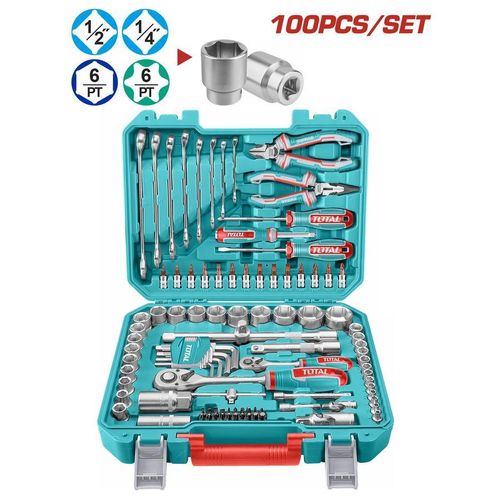
    For tools needed for repair and maintenance work, you can learn more about our power tools.

    Waterproofing Before Rains Kenya: Check Roof Valleys

    Roof valleys deserve special attention because they collect water from two roof slopes and therefore carry significant runoff during heavy rainfall.

    Inspect valleys for:

    • Leaves.
    • Dirt.
    • Rust.
    • Damaged valley flashing.
    • Poor overlaps.
    • Blockages.

    Never ignore a recurring leak around a valley.

    A small defect can become much more serious during intense rainfall.

    Waterproofing Before Rains Kenya: Protect Wall and Roof Junctions

    The junction between a roof and wall is naturally vulnerable because two different building elements meet and must work together to control water movement.

    Inspect:

    • Flashing.
    • Mortar joints.
    • Sealants.
    • Roof edges.
    • Wall cracks.

    Any gap at this junction can become a water-entry route.

    Correct detailing is more reliable than simply applying large quantities of sealant.

    Waterproofing Before Rains Kenya: Avoid Painting Over Active Damp

    Painting over an actively damp wall rarely solves the underlying problem and can lead to peeling, blistering, staining and recurring mould.

    If paint is bubbling or peeling:

    1. Identify the moisture source.
    2. Stop the water entry.
    3. Allow the wall to dry appropriately.
    4. Remove failed coating.
    5. Repair the substrate.
    6. Prime where required.
    7. Repaint using a suitable system.

    This approach takes longer than simply repainting but produces a more durable result.

    Waterproofing Before Rains Kenya: Mould and Mildew

    Mould and mildew are often symptoms of persistent moisture, so cleaning the visible growth should be combined with moisture control.

    Potential causes include:

    • Water leaks.
    • Condensation.
    • Poor ventilation.
    • Damp walls.
    • Roof leaks.
    • Plumbing problems.

    Improve ventilation where appropriate and eliminate the moisture source.

    Do not rely solely on surface cleaning if water continues entering the building.

    Waterproofing Before Rains Kenya: Inspect Storage Areas and Sheds

    Outbuildings, stores and external structures should also be inspected because their roofs and walls can deteriorate unnoticed and become vulnerable during heavy rainfall.

    Check:

    • Roof sheets.
    • Doors.
    • Windows.
    • Wall cracks.
    • Gutters.
    • Drainage.
    • Floor levels.

    Small structures often receive less maintenance than the main house, making pre-rain inspection particularly useful.

    Waterproofing Before Rains Kenya: Prepare Construction Materials Correctly

    Waterproofing work can fail before it begins if construction materials are stored incorrectly and become contaminated or damaged by moisture.

    Cement-based products should be stored:

    • Off the ground.
    • In a dry location.
    • Away from direct water exposure.
    • In sealed or appropriate packaging.

    Sealants and coatings should also be stored according to manufacturer instructions.

    Materials damaged by moisture should not automatically be used simply because they are available.

    Waterproofing Before Rains Kenya: Use Suitable Tools

    Good waterproofing work requires appropriate preparation and application tools because poor application can reduce the effectiveness of even a high-quality product.

    Depending on the project, tools may include:

    • Brushes.
    • Rollers.
    • Scrapers.
    • Wire brushes.
    • Trowels.
    • Caulking guns.
    • Drills.
    • Cleaning equipment.

    For drilling and preparation tasks, you can browse our drill bits.

    Use the tool recommended for the specific product and surface.

    Waterproofing Before Rains Kenya: Safety During Repairs

    Waterproofing and roof maintenance can involve working at height, chemicals, power tools and wet surfaces, so safety should take priority over completing a repair quickly.

    Use appropriate:

    • Personal protective equipment.
    • Ladders.
    • Scaffolding.
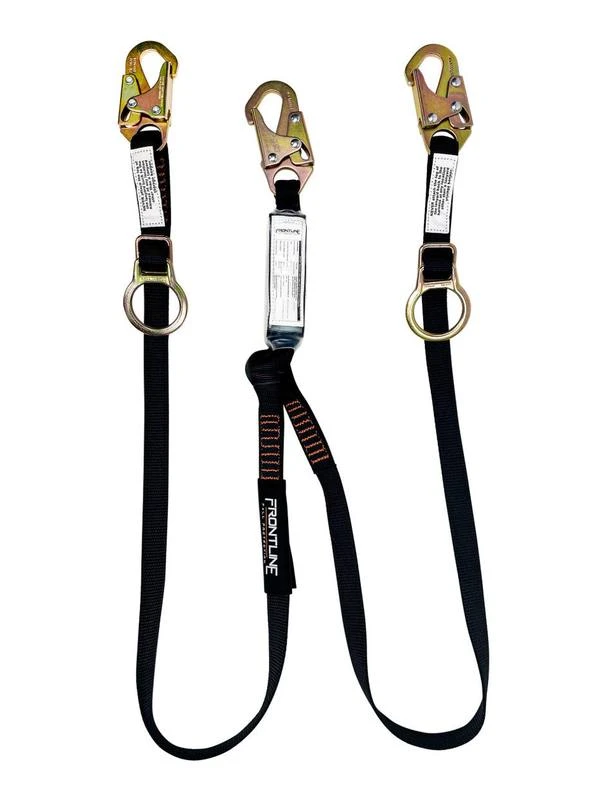
    • Fall protection.
    • Gloves.
    • Eye protection.

    Do not climb onto a wet or slippery roof simply because rain is approaching.

    If roof access is unsafe, use a qualified professional.

    Waterproofing Before Rains Kenya: When to Call a Professional

    Professional assistance is advisable when dampness is extensive, cracks are significant, roof access is dangerous or the source of water cannot be identified confidently.

    Seek professional assessment for:

    • Structural cracks.
    • Persistent unexplained dampness.
    • Major roof leaks.
    • Foundation moisture.
    • Extensive mould caused by building defects.
    • Failed balcony waterproofing.
    • Repeated waterproofing failure.
    • Water entering electrical areas.

    The cost of professional inspection can be much lower than repeatedly repairing the same failed area.

    Waterproofing Before Rains Kenya: A Simple Pre-Rain Checklist

    A systematic checklist makes waterproofing before rains Kenya preparation easier because it ensures that roof, walls, drainage and vulnerable openings are checked before the first major storm.

    Roof

    • Inspect roofing sheets.
    • Check fasteners.
    • Inspect ridges.
    • Inspect valleys.
    • Check flashing.
    • Remove debris.

    Gutters and Downpipes

    • Clean gutters.
    • Clear downpipes.
    • Check joints.
    • Check brackets.
    • Confirm safe discharge.

    Walls

    • Inspect cracks.
    • Repair damaged surfaces.
    • Check exterior paint.
    • Look for damp patches.
    • Check windows and doors.

    Ground and Drainage

    • Remove blocked drains.
    • Check water flow.
    • Remove standing water.
    • Direct runoff away from foundations.

    Interior

    • Check ceilings.
    • Inspect corners.
    • Look around windows.
    • Check bathrooms.
    • Look for mould or staining.

    Final Preparation

    • Purchase required materials.
    • Store products correctly.
    • Schedule professional repairs.
    • Complete work before heavy rain arrives.

    Waterproofing Before Rains Kenya: Common Mistakes to Avoid

    Many waterproofing failures result from incorrect preparation or treating symptoms instead of causes, so avoiding common mistakes can save significant repair costs.

    Mistake 1: Painting over damp

    This hides the problem temporarily but does not stop water entry.

    Mistake 2: Ignoring gutters

    A blocked gutter can undo otherwise good wall waterproofing.

    Mistake 3: Sealing without cleaning

    Sealant will not perform properly on dirty or unstable surfaces.

    Mistake 4: Ignoring roof details

    Ridges, valleys, flashing and penetrations can be more vulnerable than the main roof area.

    Mistake 5: Applying one product everywhere

    Different surfaces and water problems require different waterproofing systems.

    Mistake 6: Ignoring drainage

    If rainwater continually collects against a wall, coating the wall may not solve the problem.

    Mistake 7: Delaying repairs until heavy rain

    Emergency repairs are more difficult when surfaces are wet and weather conditions are poor.

    Waterproofing Before Rains Kenya: Planning Your Maintenance Budget

    A pre-rain waterproofing budget should prioritise defects that can cause significant damage rather than spending money only on cosmetic improvements.

    A sensible priority order is:

    1. Active roof leaks.
    2. Major drainage problems.
    3. Structural or significant cracks.
    4. Water entering around openings.
    5. Foundation or ground-water problems.
    6. Damaged waterproofing systems.
    7. Cosmetic paint deterioration.

    This approach helps direct limited maintenance funds toward problems with the greatest potential impact.

    Waterproofing Before Rains Kenya: Why Early Repairs Save Money

    Repairing a small water-entry point before the rainy season can prevent secondary damage to ceilings, walls, paint, timber, insulation, electrical components and interior finishes.

    Water can cause progressive damage.

    A roof leak may eventually result in:

    • Stained ceilings.
    • Damaged plaster.
    • Mould.
    • Rotting timber.
    • Damaged insulation.
    • Electrical hazards.
    • Peeling paint.

    The longer water remains uncontrolled, the greater the potential repair scope.

    Waterproofing Before Rains Kenya: Final Preparation Strategy

    The most effective damp-season strategy combines inspection, repair, drainage management, suitable waterproofing materials and regular maintenance rather than relying on one waterproof coating.

    Start at the top of the building.

    Check the roof.

    Then inspect gutters and downpipes.

    Move to external walls, windows, balconies and ground drainage.

    Finally, inspect interior areas for signs that moisture has already entered.

    This approach helps establish whether the building has:

    • A roof problem.
    • A drainage problem.
    • A wall problem.
    • A plumbing problem.
    • A foundation problem.
    • A condensation problem.

    Once the cause is known, the appropriate repair can be selected.

    For projects involving additional hardware and finishing materials, you can also browse our full range of hardware supplies.

    Waterproofing Before Rains Kenya: Frequently Asked Questions

    What is waterproofing before rains Kenya?

    Waterproofing before rains Kenya refers to inspecting, repairing and protecting parts of a building that may allow rainwater or moisture to enter before the rainy season begins.

    What should I check before the rains?

    Check the roof, flashing, gutters, downpipes, exterior walls, windows, doors, balconies, drainage and areas around the foundation.

    What is the best damp walls fix?

    The correct damp walls fix depends on the source. Roof leaks, plumbing leaks, rising damp, poor drainage and condensation require different solutions.

    Can waterproof paint stop damp walls?

    Waterproof or moisture-resistant coatings can help protect suitable surfaces, but they should not be used to conceal active leaks or serious substrate defects.

    Should I waterproof before or during the rainy season?

    It is generally better to inspect and complete repairs before heavy rains. Many waterproofing products also require suitable weather and surface conditions during application.

    How can I prevent roof leaks during the rainy season?

    Inspect roofing sheets, fasteners, overlaps, valleys, ridges and flashing before the rains. Repair damaged components and keep roof drainage clear.

    Can blocked gutters cause damp walls?

    Yes. Overflowing gutters can discharge concentrated water against external walls, potentially contributing to dampness and deterioration.

    Why does my wall remain damp after painting?

    The moisture source may still be active. Painting does not necessarily solve water penetration, plumbing leaks, rising damp or drainage problems.

    Are waterproofing products suitable for every surface?

    No. Products are formulated for particular substrates and applications. Always confirm compatibility and follow manufacturer instructions.

    When should I call a professional?

    Call a professional when the source of dampness is unclear, structural cracks are present, roof repairs involve unsafe access, or water damage is extensive or recurring.

    Conclusion: Prepare Your Property Before the Rain Arrives

    Effective waterproofing before rains Kenya preparation starts with finding and fixing the source of moisture, then protecting vulnerable surfaces against future rainfall.

    Do not wait for the first major storm to discover a blocked gutter, damaged roof flashing or cracked exterior wall.

    Inspect the property while conditions are dry.

    Repair roof defects.

    Clean gutters and downpipes.

    Improve drainage.

    Seal appropriate joints.

    Repair wall cracks.

    Check windows and doors.

    Inspect bathrooms and plumbing.

    Where waterproofing products are required, choose products designed for the specific surface and moisture problem.

    Most importantly, remember that waterproofing is part of a broader building maintenance strategy. A waterproof coating cannot compensate for a leaking roof, blocked drainage or persistent plumbing defect.

    Early inspection and targeted maintenance can reduce the likelihood of expensive water damage and help keep the building dry throughout the rainy season.

    For homeowners, landlords, contractors and builders in Ngong and surrounding areas, preparing before the rains is one of the simplest ways to protect both the structure and the investment it represents.

    Your One-Stop Hardware Partner in Ngong

    Imagine completing your project with the right tools, the best materials, and expert advice. At Ngong Hills Merchants, we turn your DIY or construction vision into reality with a complete selection of plumbing, electrical, glass, and sanitary ware.

    Contact our team for a consultation and get the right supplies, right now.

    QUALITY HARDWARE & SUPPLIES IN NGONG ✔ Complete Range of Plumbing & Electrical ✔ Power Tools, Adhesives & Paints ✔ Glass, Framing & Sanitary Ware ✔ Serving Ngong, Karen, Matasia, Kiserian & beyond.

    Request Your Free Consultation: Ngong Hills Merchants
    Email: ngonghillsmerchants [at] gmail.com
    Phone: +254 715974811
    Visit Us: Ngong Township, Ngong, Kenya
    Website: https://ngonghillsmerchants.com/
  • LPO Hardware Purchase Kenya: Buying Hardware on LPO for Schools, Churches and NGOs

    LPO Hardware Purchase Kenya: Buying Hardware on LPO for Schools, Churches and NGOs

    An LPO hardware purchase Kenya arrangement provides a structured way for schools, churches, NGOs and other institutions to purchase construction, maintenance and renovation materials. Instead of paying for every item as an ordinary retail transaction, an organisation can prepare a materials list, request a quotation, obtain internal approval, issue a Local Purchase Order and arrange delivery according to its procurement procedures.

    Institutional hardware procurement often involves more than simply selecting products. A school renovating classrooms may need paint, brushes, plumbing fittings, electrical accessories, adhesives and fasteners. A church undertaking building maintenance may require sanitary ware, glass, plumbing products and finishing materials. An NGO may need construction supplies for offices, accommodation facilities, community projects or programme-related infrastructure.

    Because these purchases are often connected to organisational budgets and formal approval processes, documentation is particularly important.

    The quotation establishes the proposed prices and products. The LPO communicates the authorised purchase. The delivery note records what was supplied, while the invoice provides the supplier’s billing documentation. Where applicable, electronic tax invoicing requirements must also be considered.

    A well-managed procurement process helps reduce misunderstandings and gives both the institution and supplier a clear record of the transaction.

    Ngong Hills Merchants serves customers in Ngong and surrounding areas and supplies a range of hardware and construction-related products for residential, commercial and institutional requirements.

    LPO Hardware Purchase Kenya: What Is an LPO?

    An LPO, or Local Purchase Order, is a purchasing document issued by an organisation to formally authorise the purchase of specified goods or services from a supplier under stated terms.

    The exact format of an LPO depends on the organisation. However, a typical LPO can include:

    • Organisation name and details
    • LPO number
    • Date of issue
    • Supplier details
    • Product descriptions
    • Quantities
    • Unit prices
    • Total value
    • Delivery location
    • Payment terms
    • Authorised approvals
    • Other procurement instructions

    For institutional buyers, an LPO provides a useful reference when the goods are delivered.

    The supplier can compare the order against the quotation and the institution’s procurement team can later compare the LPO with the delivery note and invoice.

    An LPO should therefore contain sufficiently clear information to avoid uncertainty about what the institution has approved.

    Institutional Procurement Materials: Why the Process Starts With a Materials List

    A detailed materials list is the foundation of effective institutional procurement because it gives the supplier enough information to prepare an accurate quotation.

    A request such as “building materials for classroom renovation” is usually too broad for precise pricing.

    Instead, an institution should identify the products and quantities it expects to purchase.

    For example:

    Product Specification Quantity
    Interior paint Required type and finish 20 tins
    Paint rollers Suitable size 10
    Brushes Appropriate sizes 20
    Adhesive Required application 10 units
    Plumbing fittings Required sizes and types As specified
    Electrical fittings Required specifications As specified

    Technical specifications should come from the project’s bill of quantities, drawings, consultant, contractor or other qualified person where appropriate.

    The more accurate the materials list, the easier it becomes for the procurement team to obtain comparable quotations and for the supplier to prepare the order.

    For plumbing projects, institutions can explore our plumbing supplies when preparing their procurement requirements.

    LPO Hardware Purchase Kenya: How the Procurement Process Works

    A typical LPO hardware purchase moves from requirement identification to quotation, approval, LPO issuance, delivery, verification and invoicing.

    The process can generally be organised as follows:

    1. Identify the requirement

    The institution determines what materials are needed.

    2. Prepare specifications

    The procurement team identifies the required products, sizes, quantities and specifications.

    3. Request quotations

    The institution contacts suitable suppliers and requests pricing.

    4. Review quotations

    The organisation evaluates pricing, product specifications, availability, delivery arrangements and other applicable criteria.

    5. Obtain internal approval

    The purchase is approved according to the organisation’s procurement policy.

    6. Issue the LPO

    The authorised buyer sends the LPO to the selected supplier.

    7. Confirm the order

    The supplier reviews the LPO and confirms the purchasing arrangements.

    8. Prepare the materials

    The supplier prepares the approved products for collection or delivery.

    9. Deliver the order

    The goods are delivered to the agreed location.

    10. Verify the delivery

    The receiving team checks the materials against the LPO and delivery documentation.

    11. Process the invoice

    The supplier provides the relevant invoice documentation.

    12. Process payment

    The institution follows its approved payment procedures.

    The precise process can vary between organisations, particularly for NGOs and institutions with formal procurement policies.

    Institutional Procurement Materials: Requesting a Quotation

    A quotation allows an institution to establish expected costs before committing its budget and issuing an LPO.

    When requesting a quotation, provide as much useful information as possible.

    Include:

    • Organisation name
    • Contact person
    • Telephone or email
    • Complete product list
    • Product specifications
    • Required quantities
    • Delivery location
    • Preferred delivery date
    • Any special procurement requirements

    For example, a school should not simply request “paint.” It should identify the required application, approximate quantity, colour and preferred product specifications where these have already been determined.

    Similarly, an NGO requiring plumbing materials should identify the required pipe types, sizes, fittings and quantities.

    For electrical work, browse our electrical fittings when compiling the list of products required for the project.

    LPO Hardware Purchase Kenya: What Should Be Checked Before Issuing an LPO?

    Before an LPO is issued, the institution should verify that the quotation, specifications, quantities, prices and delivery requirements are correct.

    A useful pre-LPO review should ask:

    • Are the product descriptions correct?
    • Are the quantities correct?
    • Are technical specifications clear?
    • Are prices still valid?
    • Is the total value correct?
    • Is tax treatment correctly reflected?
    • Is delivery included or charged separately?
    • Is the delivery location correct?
    • Are payment terms understood?
    • Are any products subject to special lead times?

    This review is important because changing an order after the LPO has been issued can create unnecessary administrative work.

    If the quotation has expired, the institution should ask the supplier to reconfirm the pricing before issuing the LPO.

    LPO Hardware Purchase Kenya: School Procurement

    Schools can use LPO-based procurement for construction, renovation, maintenance and facility improvement projects, subject to their internal procurement procedures.

    Common school hardware requirements can include:

    • Classroom paint
    • Plumbing fittings
    • Electrical accessories
    • Sanitary ware
    • Adhesives
    • Fasteners
    • Tools
    • Glass
    • Maintenance products

    A school may use these materials for classrooms, offices, laboratories, dormitories, kitchens, staff facilities or washrooms.

    For a bathroom renovation, for example, the procurement list could combine plumbing products, sanitary ware, adhesives and finishing materials.

    Schools should identify which items are required for each project stage rather than purchasing everything at once without considering storage and timing.

    LPO Hardware Purchase Kenya: Church Procurement

    Churches and religious organisations can use formal procurement processes when purchasing hardware for construction, renovation, maintenance and facility improvement.

    A church project may involve:

    • Sanctuary maintenance
    • Washroom renovation
    • Office renovation
    • Kitchen improvements
    • Plumbing repairs
    • Electrical maintenance
    • Painting
    • Glazing
    • General building maintenance

    For washroom projects, explore our sanitary ware collection to identify relevant products for the procurement schedule.

    For glazing projects, the organisation can also review our glass products and determine which accessories are required.

    Church procurement committees should ensure that purchases follow the organisation’s approved financial and procurement procedures.

    LPO Hardware Purchase Kenya: NGO Procurement

    NGOs often operate structured procurement systems, making clear specifications, quotations, approvals and supporting documentation particularly important.

    An NGO purchasing construction materials may need to follow internal procurement thresholds.

    The process can involve:

    1. Project requirement
    2. Technical specification
    3. Procurement request
    4. Supplier quotation
    5. Evaluation
    6. Internal approval
    7. LPO
    8. Delivery
    9. Inspection
    10. Invoice processing
    11. Payment

    The specific requirements depend on the NGO’s procurement policy and funding arrangements.

    Some organisations may also require supplier registration, multiple quotations, purchase committee approval or other documentation depending on the value and nature of the purchase.

    Suppliers should therefore ask the organisation what documentation is required before processing a significant institutional order.

    Institutional Procurement Materials: Product Specifications Are Critical

    Clear specifications help prevent the purchase of products that are unsuitable for the intended application.

    Hardware products can differ in:

    • Size
    • Material
    • Grade
    • Capacity
    • Finish
    • Application
    • Brand
    • Compatibility
    • Performance characteristics

    For example, “pipe” does not identify the type, diameter or application.

    “Paint” does not identify whether the product is intended for interior or exterior use or what finish is required.

    “Electrical fittings” does not identify the specific switches, sockets, accessories or other components required.

    Where a project has technical drawings or a bill of quantities, procurement staff should use the specified requirements rather than guessing product specifications.

    LPO Hardware Purchase Kenya: Checking Quotation Validity

    Quotation validity is important because an LPO should normally be based on current and confirmed pricing.

    Hardware prices can change because of:

    • Supplier costs
    • Transport costs
    • Product availability
    • Import-related costs
    • Market conditions
    • Changes in taxes or applicable charges

    If a quotation was issued several weeks or months ago, the institution should confirm whether the quoted prices remain valid.

    This is particularly important for large projects where procurement takes place in stages.

    Instead of assuming that an old quotation remains valid indefinitely, ask the supplier to reconfirm the prices before issuing the next LPO.

    Institutional Procurement Materials: Comparing Supplier Quotations

    Institutional buyers should compare quotations based on the actual procurement requirement rather than choosing a supplier solely because the headline price is lowest.

    Important comparison factors may include:

    • Product specification
    • Quantity
    • Unit price
    • Total price
    • Tax treatment
    • Availability
    • Delivery arrangements
    • Lead time
    • Payment terms
    • Warranty where applicable
    • Supplier documentation

    A cheaper quotation is not necessarily the best value if it excludes products that another supplier has included.

    For a fair comparison, ensure that suppliers are quoting for equivalent specifications.

    LPO Hardware Purchase Kenya: eTIMS Invoicing

    eTIMS invoicing is an important consideration for businesses operating within Kenya’s electronic tax-invoicing framework, and institutional buyers should ensure that their procurement records contain the relevant invoice documentation.

    For a hardware transaction, the supplier’s invoice should correspond with the actual purchase.

    Relevant invoice information may include:

    • Supplier information
    • Customer information where applicable
    • Invoice number
    • Transaction date
    • Product descriptions
    • Quantities
    • Prices
    • Tax information
    • Total amount
    • Relevant electronic tax-invoicing information

    The exact requirements applicable to a particular transaction depend on the tax status and circumstances of the parties involved.

    Institutional procurement teams should follow current applicable requirements and retain the appropriate records.

    eTIMS Invoice Hardware: Matching the Invoice With the LPO

    Matching the eTIMS invoice or other applicable tax invoice with the LPO and delivery documents helps an organisation confirm that the amount being billed relates to an authorised and received purchase.

    A simple three-document check is useful:

    LPO: What did the institution approve?

    Delivery note: What did the supplier deliver?

    Invoice: What is the supplier charging?

    The quantities and descriptions should be checked against one another.

    For example, if an LPO requests 30 paint containers but the delivery note records 28, the procurement team should investigate the difference before approving the invoice.

    Likewise, if an invoice contains products that were not included in the LPO, clarification may be required.

    This process creates a stronger audit trail.

    LPO Hardware Purchase Kenya: Delivery Notes

    A delivery note provides a record of the goods supplied and gives the receiving institution an opportunity to verify the order.

    A delivery note can include:

    • Delivery date
    • Customer name
    • Delivery location
    • Product descriptions
    • Quantities
    • Supplier information
    • Delivery reference number
    • Receiving confirmation

    The receiving person should compare the products with the approved LPO.

    For a large delivery, the institution should arrange sufficient personnel to inspect and receive the materials.

    If an item is visibly damaged or appears incorrect, the issue should be documented and reported promptly according to the agreed procedures.

    Institutional Procurement Materials: Managing Large Orders

    Large institutional orders require more planning because they involve greater quantities, more storage space and potentially more complex delivery arrangements.

    A large order might contain:

    • Hundreds of electrical accessories
    • Large quantities of paint
    • Multiple plumbing components
    • Sanitary ware
    • Adhesives
    • Fasteners
    • Tools
    • Glass

    The procurement team should discuss the delivery requirements with the supplier before finalising the LPO.

    Important questions include:

    • Are all products available?
    • Can the order be supplied together?
    • Is staged delivery more practical?
    • What is the expected lead time?
    • Are delivery charges applicable?
    • Who will offload the materials?
    • Where will the products be stored?

    For construction sites, these questions can make a significant difference to project coordination.

    LPO Hardware Purchase Kenya: Staged Deliveries

    Large projects may benefit from staged deliveries that align procurement with construction milestones.

    Instead of delivering every product at once, an institution may organise procurement around the work programme.

    For example:

    First delivery: Plumbing and electrical materials.

    Second delivery: Wall preparation and painting materials.

    Third delivery: Sanitary ware and finishing products.

    Fourth delivery: Final maintenance items.

    Staged delivery can reduce:

    • Storage requirements
    • Site congestion
    • Unnecessary handling
    • Risk of damage
    • Premature purchasing

    Whether staged delivery is available depends on product availability, order requirements and the supplier’s delivery arrangements.

    LPO Hardware Purchase Kenya: Delivery to Schools and Institutions

    Institutional delivery should be coordinated with the receiving team, especially when the site has security procedures or restricted access.

    Before delivery, confirm:

    • Exact location
    • Site contact
    • Phone number
    • Preferred delivery date
    • Access instructions
    • Security requirements
    • Offloading arrangements
    • Storage location

    Schools may have controlled access because of students and staff.

    Churches may have events or services that affect site access.

    NGO project sites may have additional security or location requirements.

    Clear delivery instructions reduce the risk of unnecessary delays.

    Institutional Procurement Materials: Offloading and Storage

    The institution should prepare an appropriate area for receiving and storing materials before the delivery arrives.

    This is particularly important for large orders.

    Prepare:

    • Adequate storage space
    • Safe access
    • Offloading personnel
    • Weather protection where necessary
    • Secure storage for valuable products
    • Appropriate areas for fragile materials

    Paints and adhesives should be stored appropriately according to their product requirements.

    Glass should be handled and stored carefully.

    Power tools should be secured after delivery.

    You can explore our power tools when preparing equipment procurement for an institutional maintenance department.

    LPO Hardware Purchase Kenya: Bulk Discounts and Institutional Pricing

    Institutions purchasing significant quantities can ask whether volume pricing or other commercial arrangements are available for their order.

    The possibility of a bulk discount depends on:

    • Product category
    • Quantity
    • Order value
    • Availability
    • Supplier pricing
    • Payment arrangements

    Not every product will necessarily receive the same discount.

    The most useful approach is to provide the complete materials list and request a quotation based on the actual quantities.

    This gives the supplier an opportunity to assess the entire order.

    Institutional Procurement Materials: Credit Terms

    An LPO should not automatically be interpreted as a promise of credit because payment terms must be agreed between the buyer and supplier.

    Possible arrangements may include:

    • Payment before delivery
    • Payment upon delivery
    • Approved credit terms
    • Other agreed commercial arrangements

    If a school, church or NGO requires credit, this should be discussed before the order is confirmed.

    The supplier may have its own requirements for approving credit arrangements.

    The LPO should therefore reflect agreed purchasing terms rather than assumptions.

    LPO Hardware Purchase Kenya: Handling Changes After an LPO

    Changes to products, quantities or prices after an LPO has been issued should be clarified with the supplier before the goods are dispatched.

    Common changes can include:

    • Increasing quantities
    • Reducing quantities
    • Changing specifications
    • Substituting products
    • Adding products
    • Changing delivery location

    For example, if a school discovers that it needs ten additional paint containers after issuing an LPO, the additional requirement should be communicated separately rather than assuming it will automatically be added to the original order.

    Clear communication protects both parties.

    Institutional Procurement Materials: Returning or Rejecting Incorrect Products

    Institutions should clarify applicable return and replacement procedures before purchasing products, particularly special-order or project-specific materials.

    If a delivery is incorrect, the receiving team should document:

    • Product received
    • Product ordered
    • Quantity affected
    • Condition
    • Reason for discrepancy

    Where appropriate, photographs and delivery documentation can support the discussion.

    Return arrangements depend on the supplier’s applicable terms and the nature of the product.

    This is another reason why accurate specifications are important before issuing an LPO.

    LPO Hardware Purchase Kenya: Procurement for Maintenance Departments

    Maintenance departments can improve procurement efficiency by maintaining a list of frequently used hardware products.

    A school, church or NGO may repeatedly purchase:

    • Plumbing fittings
    • Electrical accessories
    • Paint
    • Adhesives
    • Fasteners
    • Cleaning products
    • Drill bits
    • General maintenance tools

    A standard materials list can help maintenance teams identify requirements faster.

    For cleaning and facilities maintenance, browse our cleaning items when preparing an institutional purchase.

    For drilling and installation work, explore our drill bits for relevant tool accessories.

    LPO Hardware Purchase Kenya: Record Keeping

    Good record keeping allows an institution to trace a purchase from the original request through quotation, approval, delivery, invoicing and payment.

    Depending on the organisation’s procedures, a procurement file may contain:

    1. Internal purchase request
    2. Technical specification
    3. Supplier quotation
    4. Supplier comparison
    5. Approval documentation
    6. LPO
    7. Delivery note
    8. Inspection or receiving record
    9. Invoice
    10. Payment documentation

    The exact documents required vary between organisations.

    NGOs and other funded organisations may have additional documentation requirements depending on their policies and funding arrangements.

    LPO Hardware Purchase Kenya: Common Procurement Mistakes

    Many institutional purchasing problems can be prevented by checking specifications, quantities, pricing and documentation before the LPO is issued.

    Common mistakes include:

    Using vague product descriptions

    “Paint” or “pipe” may not be sufficiently specific.

    Issuing an LPO from an expired quotation

    Always confirm current pricing when necessary.

    Ordering incorrect quantities

    Compare the materials schedule against the LPO.

    Ignoring delivery arrangements

    Confirm the location, date and access requirements.

    Assuming credit is automatic

    Agree payment terms before ordering.

    Failing to verify the delivery

    Check quantities and specifications before accepting the order.

    Not matching the invoice

    The invoice should be checked against the LPO and delivery documentation.

    Ordering too early

    Large quantities can create storage and security problems if they are not needed immediately.

    LPO Hardware Purchase Kenya: Best Practices for Schools, Churches and NGOs

    A few practical procurement controls can make institutional hardware purchasing more organised, transparent and efficient.

    Use the following approach:

    Start with a detailed materials schedule.

    Avoid vague descriptions.

    Request a written quotation.

    Use current pricing for budget approval.

    Check specifications.

    Make sure the quoted products meet project requirements.

    Confirm delivery arrangements.

    Provide the exact destination and site contact.

    Issue an accurate LPO.

    Ensure the LPO reflects the approved quotation.

    Verify the delivery.

    Check quantities and specifications.

    Match the invoice.

    Compare the invoice with the LPO and delivery documentation.

    Maintain records.

    Keep the procurement documents together according to the organisation’s procedures.

    This system can reduce administrative confusion and make it easier to track institutional expenditure.

    LPO Hardware Purchase Kenya: When to Contact Ngong Hills Merchants

    The earlier an institution provides its materials list, the easier it is to discuss product availability, quotation requirements and delivery arrangements.

    Contact Ngong Hills Merchants when you have:

    • A school maintenance project
    • Church renovation requirements
    • NGO construction requirements
    • Office refurbishment
    • Plumbing requirements
    • Electrical requirements
    • Painting requirements
    • Sanitary ware requirements
    • General hardware procurement needs

    Provide the product specifications and quantities wherever possible.

    For construction-related procurement, you can contact our team for project consultation and discuss the requirements for your project.

    LPO Hardware Purchase Kenya: Frequently Asked Questions

    Can a school purchase hardware using an LPO?

    Yes. A school can use an LPO where its internal procurement procedures allow this purchasing method.

    Can a church buy construction materials on LPO?

    Yes. A church or religious organisation can use its approved purchasing procedures to issue an LPO for hardware and construction materials.

    Can an NGO issue an LPO for building materials?

    Yes. NGOs may use LPO procurement where it is permitted under their procurement policies and applicable requirements.

    Does an LPO guarantee credit?

    No. An LPO does not automatically create credit terms. Payment arrangements must be agreed between the supplier and buyer.

    Should I request a quotation before issuing an LPO?

    Yes. A quotation provides a useful basis for confirming products, quantities and prices before the organisation issues its purchasing authorisation.

    What should an institutional quotation contain?

    A quotation should clearly identify the products, quantities, prices and applicable commercial terms. Delivery and payment arrangements should also be clarified.

    What is an eTIMS invoice?

    An eTIMS invoice is an electronic tax invoice generated through Kenya’s electronic tax-invoicing system. The applicable requirements depend on the transaction and parties involved.

    Can an eTIMS invoice be used with an LPO?

    Yes. The invoice can form part of the procurement record and should be checked against the LPO and delivery documentation.

    Can an institution order products in bulk?

    Yes. Institutions can provide their complete materials schedule and request pricing based on the required quantities.

    Can bulk orders be delivered to a project site?

    Delivery arrangements can be discussed based on the order, destination, access requirements and applicable logistics.

    How can I request an institutional quotation?

    Prepare your materials list with product descriptions, specifications and quantities, then contact Ngong Hills Merchants with your delivery requirements.

    Does every LPO have the same format?

    No. LPO formats vary between organisations. Each institution should use its approved procurement documentation.

    Can an LPO be changed after it is issued?

    Changes should be communicated to and agreed with the supplier before dispatch. Significant changes may require revised documentation according to the organisation’s procurement procedures.

    What documents should an institution keep?

    The procurement file may include the request, quotation, approval, LPO, delivery note, invoice and payment documentation, depending on the organisation’s requirements.

    LPO Hardware Purchase Kenya: Making Institutional Procurement Easier

    Effective institutional procurement is built around accurate specifications, clear quotations, properly authorised LPOs, organised delivery and complete documentation.

    For schools, churches and NGOs, the process should start before materials are urgently needed.

    Prepare the materials list.

    Confirm the specifications.

    Request quotations.

    Compare the available options.

    Obtain internal approval.

    Issue the LPO.

    Confirm delivery.

    Receive and inspect the goods.

    Match the delivery note with the LPO.

    Check the invoice.

    Then process payment according to the organisation’s approved procedures.

    This approach creates a clearer procurement trail while helping the institution obtain the correct materials for its construction, renovation or maintenance project.

    Whether you need plumbing supplies, electrical fittings, paints, sanitary ware, glass, adhesives, fasteners or tools, a properly prepared procurement schedule can make the purchasing process more efficient.

    For institutions looking for LPO hardware purchase Kenya solutions, Ngong Hills Merchants can discuss your materials requirements, quotation needs and applicable delivery arrangements.

    Your One-Stop Hardware Partner in Ngong

    Imagine completing your project with the right tools, the best materials, and expert advice. At Ngong Hills Merchants, we turn your DIY or construction vision into reality with a complete selection of plumbing, electrical, glass, and sanitary ware.

    Contact our team for a consultation and get the right supplies, right now.

    QUALITY HARDWARE & SUPPLIES IN NGONG ✔ Complete Range of Plumbing & Electrical ✔ Power Tools, Adhesives & Paints ✔ Glass, Framing & Sanitary Ware ✔ Serving Ngong, Karen, Matasia, Kiserian & beyond.

    Request Your Free Consultation: Ngong Hills Merchants
    Email: ngonghillsmerchants [at] gmail.com
    Phone: +254 715974811
    Visit Us: Ngong Township, Ngong, Kenya
    Website: https://ngonghillsmerchants.com/
  • Hardware Kajiado and Matasia: Building, Farm and Construction Supplies

    Hardware Kajiado and Matasia: Building, Farm and Construction Supplies

    Finding dependable hardware Kajiado homeowners, contractors, farmers, fundis and property developers can rely on is an important part of keeping construction, repair and maintenance projects moving. Whether you are constructing a new home, renovating an existing property, installing plumbing, completing electrical work or handling routine farm maintenance, having access to suitable hardware supplies makes procurement easier.

    Ngong Hills Merchants serves customers from its location in Ngong Township and provides a broad selection of hardware and construction-related products for customers in the wider Ngong, Matasia, Kajiado and surrounding areas.

    For customers searching for building materials Matasia, local access to hardware products can be particularly useful when a project requires additional fittings, tools, consumables or finishing materials.

    Construction projects rarely require only one type of product. A single house project, for example, may need plumbing fittings, electrical accessories, paints, adhesives, sanitary ware, glass, fasteners and tools at different stages.

    The most effective way to purchase these materials is to start with a clear list, confirm quantities and specifications, and then arrange collection or delivery according to the project schedule.

    Hardware Kajiado: Building Materials for Local Construction

    Construction projects across Kajiado County and Matasia can involve residential buildings, commercial properties, renovations, agricultural structures and general property improvements, each requiring different hardware products.

    Depending on the project, materials may include:

    • Plumbing supplies.
    • Electrical fittings.
    • Paints.
    • Adhesives.
    • Glass.
    • Sanitary ware.
    • Bolts and nuts.
    • Power tools.
    • Drill bits.
    • Framing materials.
    • Cleaning supplies.
    • General hardware.

    Instead of buying everything at once, organise materials according to the construction stage.

    For example:

    General construction: tools, fasteners and framing materials.

    Plumbing: pipes, valves and fittings.

    Electrical: switches, sockets and accessories.

    Finishing: paints, glass, sanitary ware and adhesives.

    Maintenance: replacement parts, consumables and tools.

    This approach makes it easier to control quantities, storage and project expenditure.

    Hardware Kajiado: Plumbing Supplies for Homes and Buildings

    Plumbing materials are required for water supply, drainage, bathrooms, kitchens, renovations and general property maintenance, making accurate product selection important.

    A typical plumbing order may contain:

    • Pipes.
    • Elbows.
    • Tees.
    • Couplers.
    • Valves.
    • Connectors.
    • Taps.
    • Waste fittings.
    • Drainage components.
    • Plumbing accessories.

    Before purchasing plumbing products, establish the required pipe diameter, connection type and application.

    For example, materials for potable water supply should be selected according to their intended use, while drainage installations require appropriate drainage components.

    You can explore our extensive range of plumbing supplies when preparing a construction or renovation order.

    Hardware Kajiado: Electrical Supplies

    Electrical installations require correctly specified fittings and accessories, and materials should be selected according to the project’s electrical design and application.

    Electrical requirements can include:

    • Switches.
    • Sockets.
    • Electrical accessories.
    • Installation fittings.
    • Lighting-related products.
    • Other electrical components.

    For a new building, the materials should correspond with the electrical drawings and specifications.

    For repairs and replacement work, provide details or photographs of the existing component where possible.

    You can browse our electrical fittings when preparing an electrical materials list.

    Electrical installations involving mains power should be carried out by an appropriately qualified professional.

    Hardware Kajiado: Paints and Finishing Supplies

    A complete painting project requires more than paint, with surface preparation products and application tools also forming part of the materials budget.

    Depending on the project, you may require:

    • Interior paint.
    • Exterior paint.
    • Ceiling paint.
    • Primer.
    • Filler.
    • Sandpaper.
    • Brushes.
    • Rollers.
    • Paint trays.
    • Masking materials.
    • Protective coverings.

    Before ordering paint, calculate the surface area and estimate the number of coats required.

    For a complete property, separate the calculation into walls, ceilings, doors, exterior surfaces and other areas.

    You can browse our paints collection when planning a painting project in Kajiado or Matasia.

    Hardware Kajiado: Sanitary Ware for Bathrooms

    Bathroom construction and renovation require compatible sanitary ware, plumbing fittings and installation products, so the complete bathroom layout should be considered before purchasing.

    A bathroom project may require:

    • Toilets.
    • Basins.
    • Taps.
    • Bathroom fittings.
    • Waste connections.
    • Plumbing accessories.
    • Installation materials.

    Consider the available space, plumbing points and intended layout before selecting sanitary ware.

    You can explore our sanitary ware range when planning a bathroom project.

    Hardware Kajiado: Adhesives for Construction and Repairs

    Adhesives are important consumables for selected construction, repair and finishing applications, but the correct product depends on the materials being bonded and the working environment.

    Adhesives can be required for:

    • Repairs.
    • Construction.
    • Installation.
    • Finishing.
    • Bonding compatible surfaces.

    Always check the product instructions for suitable surfaces, preparation requirements and curing conditions.

    You can discover our range of adhesives when preparing your project materials.

    Hardware Kajiado: Power Tools for Contractors and DIY

    Power tools can improve efficiency during drilling, cutting, grinding, fastening and other construction tasks, particularly when the same operation must be repeated many times.

    Depending on the job, customers may require:

    • Drills.
    • Drivers.
    • Grinders.
    • Sanders.
    • Cutting tools.
    • Other power equipment.

    Before selecting a tool, consider the material being worked on, required task, frequency of use and available accessories.

    You can learn more about our power tools when preparing your equipment list.

    Building Materials Matasia: Drill Bits and Accessories

    The correct drill bit should match the material being drilled and the type of drilling required, making bit selection an important part of construction preparation.

    Different materials can require different drill bits, including applications involving:

    • Masonry.
    • Metal.
    • Timber.
    • Tile.
    • Other construction materials.

    Before ordering, confirm the required:

    • Diameter.
    • Length.
    • Drilling depth.
    • Material.
    • Drill compatibility.

    You can browse our drill bits for construction, installation and repair work.

    Hardware Kajiado: Glass and Glass Accessories

    Glass can be used for windows, partitions, doors and other architectural applications, with the required specification depending on the installation and safety requirements.

    When planning a glass project, consider:

    • Dimensions.
    • Thickness.
    • Application.
    • Safety requirements.
    • Installation method.

    Depending on the design, glass accessories may also be required.

    You can browse our glass products and explore our glass accessories when preparing your glazing requirements.

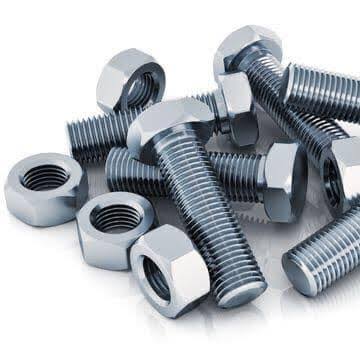
    Hardware Kajiado: Bolts, Nuts and Fasteners

    Fasteners are essential for construction, fabrication, installation, repairs and maintenance, but their dimensions and material should match the application.

    Before purchasing bolts and nuts, check:

    • Diameter.
    • Length.
    • Thread.
    • Material.
    • Head configuration.
    • Quantity.

    For outdoor or exposed applications, environmental conditions should also be considered.

    You can browse our bolts and nuts for construction and maintenance requirements.

    Hardware Kajiado: Materials for New House Construction

    Building a new house requires different materials at different stages, so organising procurement around the construction programme can make the process more manageable.

    A typical house project may be divided into:

    General construction

    Tools, fasteners and other hardware.

    Plumbing and electrical

    Pipes, fittings, valves and electrical accessories.

    Finishing

    Paints, adhesives, glass and sanitary ware.

    Final installation

    Fixtures, accessories and replacement items.

    Buying according to these stages can reduce unnecessary storage and make it easier to track expenditure.

    Building Materials Matasia: Renovation and Repair Supplies

    Renovation projects can require additional materials once existing structures are opened or removed, making reliable access to hardware particularly useful.

    A bathroom renovation may initially require:

    • Sanitary ware.
    • Plumbing fittings.
    • Adhesive.
    • Finishing products.

    Once work begins, the contractor may discover:

    • Damaged pipework.
    • Additional connections.
    • Worn valves.
    • Extra fasteners.
    • Replacement accessories.

    A local supplier can make it easier to obtain additional materials without significantly interrupting the work schedule.

    Hardware Kajiado: Farm and Agricultural Maintenance Supplies

    Hardware supplies can also support agricultural property maintenance, farm improvements and repairs, although the exact materials required depend on the structure, equipment and task.

    Farm-related projects may involve general requirements such as:

    • Fasteners.
    • Tools.
    • Repair materials.
    • Adhesives.
    • Plumbing components.
    • Electrical accessories.
    • Maintenance supplies.

    For a farm water system, for example, the materials list may include pipes, connectors and valves.

    For building maintenance, fasteners, tools and other hardware may be required.

    The best approach is to identify the specific repair or installation before purchasing materials.

    Hardware Kajiado: Supplies for Contractors and Fundis

    Contractors and fundis working around Kajiado and Matasia need reliable access to materials because a missing component can delay labour and affect the project programme.

    Regular requirements can include:

    • Plumbing fittings.
    • Electrical products.
    • Paint.
    • Adhesives.
    • Fasteners.
    • Drill bits.
    • Power tools.
    • General hardware.

    For larger projects, prepare a bill of materials or detailed shopping list.

    Include:

    • Product description.
    • Quantity.
    • Dimensions.
    • Required specifications.
    • Delivery location.
    • Preferred delivery date.

    This allows the supplier to understand the complete requirement.

    Hardware Kajiado: Materials for Property Developers

    Property developers can benefit from structured hardware procurement because materials are required over several stages and quantities can change as construction progresses.

    A procurement schedule can divide purchases into:

    Construction: general hardware, fasteners and tools.

    Services: plumbing and electrical supplies.

    Finishing: paints, glass, sanitary ware and adhesives.

    Completion: fixtures, accessories and maintenance items.

    This reduces the risk of storing finishing materials at a construction site long before they are needed.

    Building Materials Matasia: Local Supply and Delivery

    Delivery can make hardware procurement more convenient when customers are purchasing multiple products, large quantities or materials that are difficult to transport independently.

    Delivery arrangements can depend on:

    • Product availability.
    • Order quantity.
    • Product size.
    • Delivery location.
    • Transport requirements.
    • Current logistics.

    Customers in Matasia should confirm delivery details when placing an order, particularly for larger or time-sensitive purchases.

    For a construction project, provide a clear delivery location and ensure someone is available to receive the materials.

    Hardware Kajiado: How to Plan a Materials Order

    A clear materials list is one of the simplest ways to reduce forgotten items, incorrect quantities and unnecessary repeat trips to a hardware supplier.

    Start by dividing the project into categories.

    Plumbing

    List every pipe, fitting, valve and connector.

    Electrical

    List switches, sockets and other required accessories.

    Finishing

    List paint, adhesive, glass and sanitary ware.

    Tools

    List drills, drill bits and other equipment.

    General hardware

    List bolts, nuts, fasteners and related components.

    Review the list before placing the order.

    Hardware Kajiado: How to Choose the Right Materials

    The right building material should be selected according to the application, compatibility, dimensions and performance requirements rather than price alone.

    Before purchasing, ask:

    • What will the product be used for?
    • What material will it interact with?
    • Is the application indoors or outdoors?
    • Will it be exposed to moisture?
    • What size is required?
    • What quantity is required?
    • Does it meet the project specification?

    For technical construction work, professional specifications and project drawings should guide product selection.

    Building Materials Matasia: Avoiding Common Purchasing Mistakes

    Simple purchasing mistakes can cause construction delays and additional costs, especially when a project is operating on a tight schedule.

    Avoid:

    Buying without measurements

    Take accurate dimensions before ordering.

    Forgetting accessories

    Primary products may require connectors, fasteners or installation components.

    Choosing only by price

    Consider application and expected performance.

    Ignoring compatibility

    Make sure products are designed to work together.

    Ordering too late

    Allow enough time for stock confirmation and delivery.

    Providing incomplete delivery details

    Give the supplier an accurate location and site contact.

    Hardware Kajiado: What to Provide When Requesting a Quote

    Providing complete project information helps a supplier understand exactly what is required and makes large orders easier to prepare.

    For plumbing, provide:

    • Pipe size.
    • Fitting type.
    • Application.
    • Quantity.

    For electrical products, provide:

    • Product type.
    • Quantity.
    • Installation requirements.

    For paint, provide:

    • Surface area.
    • Interior or exterior application.
    • Number of coats.
    • Surface condition.

    For tools, provide:

    • Material.
    • Task.
    • Required tool type.

    Photographs can be useful when requesting replacement parts.

    Hardware Kajiado: Supporting Homeowners and DIY Projects

    Homeowners can use hardware supplies for routine maintenance, repairs and improvements without undertaking a major construction project.

    Common household projects include:

    • Repainting rooms.
    • Repairing plumbing.
    • Replacing taps.
    • Installing shelves.
    • Repairing doors.
    • Drilling walls.
    • Replacing electrical fittings.
    • Maintaining outdoor areas.

    For DIY work, select products and tools appropriate to the task and follow the manufacturer’s instructions.

    For electrical or technically demanding work, use a qualified professional.

    Hardware Kajiado: One Supplier for Multiple Project Categories

    Having several hardware categories available through one supplier can simplify procurement when a project requires products for construction, services, finishing and maintenance.

    Ngong Hills Merchants offers categories including:

    • Plumbing.
    • Electrical.
    • Paints.
    • Glass.
    • Glass accessories.
    • Sanitary ware.
    • Adhesives.
    • Power tools.
    • Drill bits.
    • Bolts and nuts.
    • Framing.
    • Cleaning items.
    • Other hardware products.

    This makes the product range suitable for different types of construction and maintenance requirements.

    Hardware Kajiado: Contact Ngong Hills Merchants

    Customers in Kajiado, Matasia and surrounding areas can contact Ngong Hills Merchants to discuss hardware requirements, product availability and delivery options.

    The business is located in Ngong Township, Ngong, Kenya, making it a practical supply point for customers in the wider area.

    When contacting the team, provide:

    • Product descriptions.
    • Quantities.
    • Measurements.
    • Specifications.
    • Delivery location.
    • Preferred timing.

    For larger construction orders, advance planning is recommended.

    You can contact our team for project consultation before placing a large order.

    Hardware Kajiado: Frequently Asked Questions

    Where can I find hardware supplies for Kajiado?

    Ngong Hills Merchants is based in Ngong Township and serves customers in the wider surrounding area. Contact the business to confirm current stock and delivery options for your location.

    Does Ngong Hills Merchants serve Matasia?

    Customers in Matasia can contact the business regarding hardware supplies, building materials and available delivery arrangements.

    What building materials are available?

    The product categories include plumbing, electrical, paints, glass, sanitary ware, adhesives, power tools, drill bits, bolts and nuts, framing and other hardware supplies.

    Does the business provide farm supplies?

    Hardware products can support various farm construction, plumbing, repair and maintenance requirements. The exact products available depend on the project, so customers should contact the supplier with their specific requirements.

    Can contractors order in bulk?

    Yes. Contractors can prepare a detailed materials list and contact the supplier regarding larger quantities, product availability and delivery arrangements.

    Can I get plumbing supplies for a farm?

    Yes. Plumbing is among the available product categories. You can browse the plumbing supplies when preparing your requirements.

    Does the store sell tools?

    Yes. Power tools and drill bits are among the available categories, alongside other hardware supplies.

    Does Ngong Hills Merchants deliver?

    Delivery options depend on the order, destination, product availability and logistics. Customers should confirm the current arrangement when placing an order.

    How can I order materials for a construction project?

    Prepare a detailed list showing the products, quantities, specifications and delivery location, then contact Ngong Hills Merchants to discuss availability and logistics.

    Where is Ngong Hills Merchants located?

    Ngong Hills Merchants is located in Ngong Township, Ngong, Kenya.

    Hardware Kajiado: Your Local Source for Construction and Maintenance Supplies

    Reliable access to hardware supplies can help keep construction, renovation, farm maintenance and property improvement projects organised across Kajiado and Matasia.

    Start with a detailed materials list.

    Measure accurately.

    Confirm specifications.

    Check availability.

    Then arrange collection or delivery according to the project schedule.

    For homeowners, this approach reduces unnecessary trips.

    For contractors, it can help prevent delays caused by missing materials.

    For farmers and property managers, it makes recurring maintenance requirements easier to organise.

    If you are searching for hardware Kajiado or building materials Matasia, Ngong Hills Merchants provides a broad range of hardware and construction-related products from its Ngong Township location.

    From plumbing and electrical supplies to paints, sanitary ware, glass, adhesives, tools and general hardware, customers can organise multiple project requirements through one supplier.

    Your One-Stop Hardware Partner in Ngong

    Imagine completing your project with the right tools, the best materials, and expert advice. At Ngong Hills Merchants, we turn your DIY or construction vision into reality with a complete selection of plumbing, electrical, glass, and sanitary ware.

    Contact our team for a consultation and get the right supplies, right now.

    QUALITY HARDWARE & SUPPLIES IN NGONG ✔ Complete Range of Plumbing & Electrical ✔ Power Tools, Adhesives & Paints ✔ Glass, Framing & Sanitary Ware ✔ Serving Kajiado, Matasia, Ngong, Kiserian & beyond.

    Request Your Free Consultation: Ngong Hills Merchants
    Email: ngonghillsmerchants [at] gmail.com
    Phone: +254 715974811
    Visit Us: Ngong Township, Ngong, Kenya
    Website: https://ngonghillsmerchants.com/
  • Hardware Kiserian: Building Materials, Tools and Supplies Near Kiserian

    Hardware Kiserian: Building Materials, Tools and Supplies Near Kiserian

    Finding reliable hardware Kiserian customers can use for construction, renovation, repairs and maintenance makes it easier to keep projects moving. From plumbing fittings and electrical accessories to paints, adhesives, power tools, glass and sanitary ware, having access to multiple hardware categories can simplify procurement.

    Ngong Hills Merchants serves customers in and around the Kiserian area from its location in Ngong Township. The business provides a broad range of hardware and building-related supplies for homeowners, contractors, property managers, fundis and DIY customers.

    Whether you are building a house, renovating a bathroom, repainting a property, repairing plumbing or purchasing tools for a construction job, the first step is to prepare a clear materials list. This makes it easier to identify the right products, quantities and delivery requirements.

    For customers in Kiserian, Matasia, Ngong and surrounding areas, local sourcing can also reduce unnecessary trips when additional materials are required during a project.

    Hardware Kiserian: Building Materials for Local Construction Projects

    Construction projects in Kiserian can range from individual home improvements to new residential developments, making access to dependable hardware supplies important at different stages of construction.

    A typical construction project may require:

    • Plumbing materials.
    • Electrical fittings.
    • Paints.
    • Adhesives.
    • Tools.
    • Fasteners.
    • Glass.
    • Sanitary ware.
    • Framing materials.
    • Finishing products.

    The exact materials depend on the building design, specifications and construction stage.

    Instead of purchasing materials as an unorganised list, divide the requirements according to the work being carried out.

    For example:

    Plumbing: pipes, fittings, valves and connections.

    Electrical: switches, sockets and related accessories.

    Finishing: paint, adhesives, glass and sanitary ware.

    Tools: drills, drill bits, cutting tools and other equipment.

    This approach makes procurement more efficient.

    Hardware Kiserian: Plumbing Supplies

    Plumbing materials are among the most frequently required hardware products for new construction, bathroom renovations, kitchen upgrades and property maintenance.

    Plumbing projects can involve:

    • Water-supply pipes.
    • Waste pipes.
    • Elbows.
    • Tees.
    • Connectors.
    • Valves.
    • Taps.
    • Drainage components.
    • Plumbing accessories.

    When purchasing plumbing materials, know the pipe diameter and connection type required.

    It is also useful to understand whether the component is intended for:

    • Cold water.
    • Hot water.
    • Wastewater.
    • Drainage.
    • External water systems.

    You can explore our extensive range of plumbing supplies when preparing a plumbing shopping list.

    Hardware Kiserian: Electrical Supplies

    Electrical installations require appropriate fittings and accessories selected according to the electrical design and intended application. A local hardware supplier can make it easier to source commonly required electrical products for construction and renovation work.

    Electrical requirements may include:

    • Switches.
    • Sockets.
    • Electrical accessories.
    • Installation fittings.
    • Lighting-related components.
    • Other electrical products.

    Electrical work should be carried out by appropriately qualified personnel, particularly where the work involves mains electricity.

    For project procurement, prepare a list based on the electrical drawings or requirements rather than purchasing components at random.

    You can browse our electrical fittings and supplies when planning your project.

    Hardware Kiserian: Paint and Decorating Supplies

    Painting a house requires more than buying tins of paint. Proper preparation, priming and application require additional materials and tools that should be included in the project shopping list.

    A typical painting project may require:

    • Interior wall paint.
    • Exterior paint.
    • Ceiling paint.
    • Primer.
    • Filler.
    • Sandpaper.
    • Brushes.
    • Rollers.
    • Paint trays.
    • Masking tape.
    • Protective sheets.

    Before purchasing paint, calculate the total surface area and number of coats.

    For a large project, separate the quantities by:

    • Interior walls.
    • Exterior walls.
    • Ceilings.
    • Doors.
    • Windows.
    • Metalwork.

    You can browse our paints and finishing products when preparing your painting materials list.

    Hardware Kiserian: Sanitary Ware

    Bathroom projects require compatible sanitary ware, plumbing products and finishing materials, making it useful to plan the complete bathroom installation before purchasing individual items.

    A bathroom may require:

    • Toilets.
    • Basins.
    • Bathroom fittings.
    • Plumbing connections.
    • Accessories.
    • Installation materials.

    When selecting sanitary ware, consider the available bathroom space, plumbing configuration and intended installation.

    You can explore our collection of sanitary ware when planning a bathroom construction or renovation project.

    Hardware Kiserian: Adhesives and Installation Materials

    Adhesives are important consumables in many construction and finishing applications, but the correct adhesive depends on the materials being joined and the conditions in which the bond will be used.

    Adhesives may be required for:

    • Construction.
    • Repairs.
    • Finishing.
    • Installation.
    • Bonding selected surfaces.

    Always check the manufacturer’s instructions for:

    • Suitable surfaces.
    • Preparation.
    • Application.
    • Curing.
    • Environmental conditions.

    You can discover our range of adhesives when preparing your project materials.

    Hardware Kiserian: Power Tools

    Power tools can improve productivity during construction, fabrication, installation and renovation work, particularly where repetitive drilling, cutting or fastening is involved.

    Depending on the project, contractors and DIY users may require:

    • Drills.
    • Drivers.
    • Grinders.
    • Cutting tools.
    • Sanders.
    • Other power equipment.

    The right tool depends on:

    • Material being worked on.
    • Required task.
    • Frequency of use.
    • Power source.
    • Accessories required.

    You can learn more about our power tools when preparing for a construction or renovation project.

    Hardware Kiserian: Drill Bits and Accessories

    The correct drill bit is essential because drill bits are designed for different materials and applications. Using the wrong bit can result in poor performance, damaged materials or premature tool wear.

    Common drilling applications include:

    • Masonry.
    • Metal.
    • Timber.
    • Tile.
    • Other construction materials.

    Before purchasing a drill bit, confirm:

    • Material being drilled.
    • Required diameter.
    • Required depth.
    • Drill compatibility.
    • Whether impact drilling is required.

    You can browse our drill bits when selecting drilling accessories.

    Hardware Kiserian: Glass and Glass Accessories

    Glass can form part of residential, commercial and renovation projects, particularly for windows, partitions, doors and other architectural applications.

    Glass requirements should be specified according to:

    • Application.
    • Dimensions.
    • Thickness.
    • Safety requirements.
    • Installation method.

    Associated accessories may also be required depending on the design.

    You can browse our glass products and explore glass accessories when planning glazing work.

    Hardware Kiserian: Bolts, Nuts and Fasteners

    Fasteners are essential for construction, fabrication, machinery, repairs and general maintenance. The correct fastener should be selected according to the material, dimensions and application.

    When purchasing bolts and nuts, check:

    • Diameter.
    • Length.
    • Thread type.
    • Material.
    • Head configuration.
    • Quantity.

    For outdoor or demanding applications, environmental exposure should also be considered.

    You can browse our bolts and nuts for common fastening requirements.

    Hardware Kiserian: Supplies for New House Construction

    A new house requires different hardware products at different stages, so procurement should be planned around the construction programme rather than purchasing everything at once.

    For example, early stages may require general construction tools and hardware.

    Later stages can involve:

    • Plumbing.
    • Electrical installation.
    • Doors and fittings.
    • Painting.
    • Sanitary ware.
    • Glass.
    • Finishing materials.

    A stage-based purchasing system can help with:

    • Storage.
    • Cash flow.
    • Material protection.
    • Project organisation.

    It also reduces the chance of purchasing finishing products too early and storing them unnecessarily on a busy construction site.

    Hardware Kiserian: Supplies for Renovation Projects

    Renovation projects can benefit significantly from a local hardware supplier because unexpected material requirements often arise after walls, floors or existing installations are opened up.

    A bathroom renovation, for example, might begin with:

    • Sanitary ware.
    • Plumbing fittings.
    • Tiles.
    • Adhesive.

    During the work, additional requirements could include:

    • Replacement plumbing components.
    • Repair materials.
    • Sealants.
    • Drilling accessories.
    • Additional finishing products.

    Having a local source for additional supplies can help keep the project moving.

    Hardware Kiserian: Serving Homeowners

    Homeowners frequently require hardware supplies for maintenance, repairs and improvements even when they are not undertaking major construction projects.

    Common jobs include:

    • Fixing leaking taps.
    • Replacing electrical accessories.
    • Hanging shelves.
    • Repainting rooms.
    • Repairing doors.
    • Installing bathroom fittings.
    • Drilling walls.
    • Maintaining outdoor structures.

    When buying materials for a repair, bring accurate measurements or photographs where possible.

    This can make it easier to identify the correct replacement.

    Hardware Kiserian: Serving Contractors and Fundis

    Contractors and fundis depend on reliable material availability because delays in obtaining a small component can interrupt an entire installation.

    A contractor working in Kiserian may need regular supplies for:

    • Plumbing.
    • Electrical work.
    • Painting.
    • Carpentry.
    • Glass installation.
    • General construction.
    • Property maintenance.

    For larger orders, it is advisable to prepare a bill of quantities or materials list and contact the supplier before visiting.

    This can help establish:

    • Product availability.
    • Required quantities.
    • Alternative products.
    • Collection arrangements.
    • Delivery requirements.

    Hardware Kiserian: Local Delivery

    Local delivery can be useful for customers purchasing bulky, heavy or multiple hardware products, particularly contractors managing active construction sites.

    Ngong Hills Merchants provides delivery options, with its published information indicating deliveries to Nairobi and surrounding areas as well as other parts of Kenya.

    Delivery timing depends on:

    • Customer location.
    • Product availability.
    • Order size.
    • Delivery method.
    • Courier or transport arrangements.

    For a large order in Kiserian, confirm delivery arrangements before finalising the purchase.

    This is especially useful for:

    • Bulk paint orders.
    • Multiple plumbing products.
    • Large tool orders.
    • Construction supplies.
    • Heavy or bulky items.

    Hardware Kiserian: Why Buy From a Local Supplier?

    A nearby hardware supplier can reduce the time and transport costs associated with sourcing materials, while also making it easier to purchase additional items when project requirements change.

    Local sourcing can be useful because:

    • You can obtain additional materials quickly.
    • Smaller purchases become more practical.
    • Contractors can replenish supplies during a project.
    • Homeowners can address urgent repairs.
    • Delivery can be arranged where available.

    For projects around Kiserian and nearby areas, Ngong Township provides a practical local procurement point.

    Hardware Kiserian: Preparing Your Materials List

    The best way to make a hardware shopping trip efficient is to prepare a complete materials list before visiting or contacting the supplier.

    For example, a bathroom renovation list might look like this:

    Plumbing

    • Pipes.
    • Elbows.
    • Tees.
    • Valves.
    • Connectors.

    Bathroom

    • Toilet.
    • Basin.
    • Taps.
    • Accessories.

    Finishing

    • Adhesive.
    • Sealant.
    • Other finishing materials.

    Tools

    • Drill.
    • Drill bits.
    • Measuring tape.
    • Screwdrivers.

    The same approach can be applied to larger construction projects.

    Hardware Kiserian: How to Choose the Right Materials

    Choosing construction materials should be based on the intended application, compatibility and required performance rather than price alone.

    Before purchasing a product, consider:

    • What will it be used for?
    • What material will it interact with?
    • Will it be exposed to water?
    • Will it be exposed outdoors?
    • What dimensions are required?
    • What quantity is needed?
    • Does it meet the project’s specifications?

    For technical materials, product specifications are more useful than choosing based solely on appearance.

    Hardware Kiserian: Building Materials and Project Planning

    Good construction planning connects materials, labour and project timing so that the correct products are available when each stage begins.

    A simple procurement plan can be divided into:

    Stage 1: Structural and general work

    Tools, fasteners and other construction requirements.

    Stage 2: Services

    Plumbing and electrical materials.

    Stage 3: Finishing

    Paints, sanitary ware, glass, adhesives and other finishing products.

    Stage 4: Maintenance

    Replacement products, tools and consumables.

    This approach is particularly useful for homeowners managing construction budgets.

    Hardware Kiserian: Avoiding Common Shopping Mistakes

    Buying the wrong quantity or incompatible materials can increase construction costs and cause avoidable delays, so project requirements should be checked before purchasing.

    Common mistakes include:

    Buying without measurements

    Always measure before purchasing.

    Forgetting supporting components

    A pipe installation also needs appropriate fittings and connections.

    Buying incompatible products

    Check product compatibility.

    Underestimating consumables

    Adhesives, sealants and fasteners can be easy to overlook.

    Buying finishing materials too early

    Some products are better purchased closer to installation.

    Failing to confirm availability

    For large orders, check with the supplier first.

    Hardware Kiserian: What to Bring When Buying

    Measurements, photographs and product specifications can help a hardware supplier identify the correct product more efficiently.

    For plumbing, provide:

    • Pipe diameter.
    • Connection type.
    • Application.

    For electrical products, provide:

    • Product type.
    • Installation requirement.
    • Quantity.

    For paint, provide:

    • Surface area.
    • Existing colour.
    • New colour.
    • Interior or exterior application.

    For tools, explain:

    • Material.
    • Task.
    • Required size.

    Hardware Kiserian: A Convenient Source for Multiple Categories

    A hardware supplier with multiple product categories can simplify construction procurement by allowing customers to source different requirements through one local business.

    Ngong Hills Merchants’ catalogue includes categories covering:

    • Plumbing.
    • Electrical.
    • Paints.
    • Glass.
    • Sanitary ware.
    • Adhesives.
    • Power tools.
    • Drill bits.
    • Bolts and nuts.
    • Framing.
    • Cleaning items.
    • Other hardware supplies.

    This range can be useful for customers working on both individual repairs and larger construction projects.

    Hardware Kiserian: Visit Ngong Hills Merchants

    Customers in Kiserian looking for building supplies can contact Ngong Hills Merchants in Ngong Township to discuss product requirements, availability and delivery options.

    The business can be contacted for:

    • Product enquiries.
    • Large orders.
    • Project requirements.
    • Delivery arrangements.
    • Hardware recommendations.

    Before making a trip for a specific product, it is sensible to confirm availability.

    Ngong Hills Merchants

    Location: Ngong Township, Ngong, Kenya

    Phone: +254 715 974 811

    Email: ngonghillsmerchants [at] gmail.com

    You can contact our team for project consultation before purchasing materials for a larger construction or renovation project.

    Hardware Kiserian: Frequently Asked Questions

    Where can I find hardware supplies near Kiserian?

    Ngong Hills Merchants is located in Ngong Township and serves customers in Kiserian and surrounding areas. Contact the business to confirm current product availability and delivery arrangements.

    What building materials can I get?

    The store provides multiple hardware categories, including plumbing, electrical products, paints, glass, sanitary ware, adhesives, power tools, drill bits, bolts and nuts and other construction-related supplies.

    Does Ngong Hills Merchants deliver to Kiserian?

    Delivery options can be arranged depending on the order and location. For larger or bulky purchases, contact the business before ordering to confirm the current delivery arrangement.

    Can contractors buy materials in bulk?

    Contractors can prepare a materials list and contact the supplier about larger orders, quantities and availability before visiting.

    Does the store sell plumbing supplies?

    Yes. Plumbing is one of the product categories available through Ngong Hills Merchants. You can view the plumbing category when preparing your requirements.

    Can I buy paint for a complete house?

    Yes. Paint is one of the store’s product categories. For a full-house project, calculate the wall and ceiling areas and number of coats before purchasing.

    Does the store sell tools?

    Yes. The catalogue includes power tools and drill bits among other hardware products.

    Which areas around Kiserian can be served?

    Customers in Kiserian and neighbouring areas such as Matasia, Ngong, Karen and surrounding communities can contact the business to discuss supply and delivery options.

    Hardware Kiserian: Making Construction Procurement Easier

    Reliable access to hardware and building materials can make a significant difference to construction, renovation and maintenance projects in Kiserian. Preparing an accurate materials list, confirming product specifications and arranging delivery where appropriate can help keep work organised.

    For homeowners, the process starts with identifying the job and taking accurate measurements.

    For contractors, it starts with preparing a bill of materials and confirming quantities.

    For property managers, it means having a reliable source for recurring maintenance requirements.

    And for DIY customers, it means choosing products that are appropriate for the task rather than buying based only on price.

    If you are searching for building materials Kiserian customers can source through a local supplier, Ngong Hills Merchants provides a broad selection from its Ngong Township location.

    Whether you need plumbing supplies, electrical fittings, paints, adhesives, tools, glass, sanitary ware or general hardware, prepare your requirements and contact the team to discuss what you need.

    Your One-Stop Hardware Partner in Ngong

    Imagine completing your project with the right tools, the best materials, and expert advice. At Ngong Hills Merchants, we turn your DIY or construction vision into reality with a complete selection of plumbing, electrical, glass, and sanitary ware.

    Contact our team for a consultation and get the right supplies, right now.

    QUALITY HARDWARE & SUPPLIES IN NGONG ✔ Complete Range of Plumbing & Electrical ✔ Power Tools, Adhesives & Paints ✔ Glass, Framing & Sanitary Ware ✔ Serving Kiserian, Matasia, Ngong, Karen & beyond.

    Request Your Free Consultation: Ngong Hills Merchants
    Email: ngonghillsmerchants [at] gmail.com
    Phone: +254 715974811
    Visit Us: Ngong Township, Ngong, Kenya
    Website: https://ngonghillsmerchants.com/
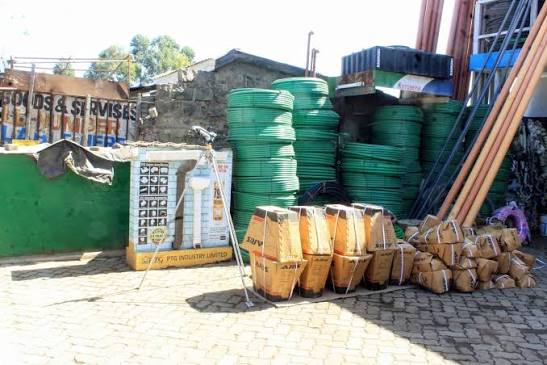
  • Roof Leak Repair Tools in Kenya: Powerful Essentials

    Roof Leak Repair Tools in Kenya: Powerful Essentials

    A leaking roof can quickly turn a minor maintenance issue into expensive damage to ceilings, walls, insulation, furniture, electrical installations, and other parts of a property. Having the right roof leak repair tools in Kenya can make routine inspection and minor roofing maintenance more manageable while helping homeowners, contractors, and maintenance professionals work more efficiently.

    Roof leaks can develop for many reasons. Loose roofing screws, deteriorated washers, damaged sheets, cracked tiles, failed flashing, blocked gutters, damaged ridge caps, poor roof penetrations, and deteriorated sealants can all create opportunities for water to enter a building.

    One important point is that the place where water appears inside a building may not be the actual point where it entered the roof. Water can travel along roofing sheets, timber, structural members, or other surfaces before eventually appearing as a ceiling stain or drip.

    That is why effective roof maintenance starts with inspection and diagnosis rather than simply covering every visible gap with sealant.

    The tools you choose should also match the roofing material and the type of repair being performed. A tool suitable for a corrugated metal roof may not be appropriate for delicate roofing tiles, while repairs involving significant structural damage require professional assessment rather than a DIY approach.

    7 Powerful Roof Leak Repair Tools in Kenya

    The right roof leak repair tools in Kenya help with inspection, fastening, cutting, gripping, sealing, and maintenance, allowing suitable minor repairs to be completed more efficiently and safely.

    A practical roof-maintenance toolkit does not need to contain every tool available in a hardware shop.

    Instead, it should contain tools that solve common roofing problems.

    Seven particularly useful tools and equipment categories include:

    1. Roofing hammer
    2. Screwdriver or drill/driver
    3. High-leverage pliers
    4. Pry bar
    5. Utility knife
    6. Caulking gun
    7. Measuring and inspection tools

    Depending on the roofing system, you may also need replacement screws, washers, flashing tape, sealants, roofing sheets, tiles, or other compatible materials.

    For more demanding projects, appropriate access and fall-protection equipment is equally important.

    Why the Right Tools Matter When Repairing Roof Leaks

    Using appropriate roofing tools improves control, reduces unnecessary effort, and helps prevent damage caused by using unsuitable equipment.

    Roofing repairs often involve working with materials that can be damaged easily.

    Metal roofing sheets can bend.

    Tiles can crack.

    Fasteners can strip.

    Sealants can be applied unevenly.

    A poorly selected tool can therefore create a new problem while attempting to fix an existing one.

    For example, using ordinary pliers to force a stubborn roofing screw can damage the fastener head. Using excessive force on a roofing sheet can distort its profile. Applying sealant over a dirty or wet surface can result in poor adhesion.

    The objective should always be to use the correct tool for the specific task.

    Roofing Hammer for Minor Roof Repairs

    A roofing hammer is useful for controlled fastening, removal of suitable nails, and minor roofing maintenance tasks where hammering is appropriate.

    A good hammer is one of the most basic tools a contractor or maintenance worker can keep in a roofing toolkit.

    Depending on the roofing system, it may be used for:

    • Removing old nails
    • Installing suitable roofing nails
    • Adjusting compatible roofing components
    • Securing certain materials
    • General maintenance

    However, roofing sheets should never be struck unnecessarily.

    Metal sheets can become dented or distorted when excessive force is applied.

    Tiles require even greater care because concentrated impact can cause cracking.

    The hammer should therefore be used deliberately and only where the roofing system allows it.

    Screwdriver for Loose Roofing Fasteners

    A suitable screwdriver is essential when inspecting, removing, or replacing roofing screws and other compatible fasteners.

    Loose fasteners are one potential source of water entry in metal roofing systems.

    A screw can become loose through movement, weather exposure, poor installation, or deterioration of the surrounding materials.

    During inspection, check:

    • Screw heads
    • Washers
    • Roofing sheet condition
    • Fastener alignment
    • Rust
    • Gaps around penetrations

    If a fastener is damaged, simply tightening it may not solve the problem.

    The washer may have deteriorated.

    The surrounding roofing material may be damaged.

    The screw may have lost its holding strength.

    A proper repair may therefore involve replacing the fastener and washer.

    Drill/Driver for Roofing Repairs

    A drill/driver can make fastening and replacement work faster and more consistent when used with the correct bit, torque setting, and roofing fastener.

    For larger maintenance projects, manually installing every screw can become time-consuming.

    A suitable drill/driver can help with:

    • Removing roofing screws
    • Installing replacement screws
    • Drilling appropriate holes
    • General construction work

    However, power should be controlled.

    Over-tightening roofing screws can deform the sheet or damage the sealing washer.

    The objective is to achieve the appropriate fastening pressure rather than maximum possible torque.

    When selecting equipment for construction and maintenance work, you can explore our power tools for suitable options.

    High-Leverage Pliers for Roof Maintenance

    High-leverage pliers provide strong gripping and cutting capability, making them useful for handling wire, suitable fasteners, metal components, and other maintenance tasks.

    Pliers are among the most versatile tools in a contractor’s toolbox.

    Depending on their design, they can help with:

    • Gripping
    • Cutting suitable wire
    • Bending metal
    • Holding small components
    • Removing certain fasteners
    • Manipulating roofing accessories

    High-leverage models can be particularly useful where additional mechanical advantage is needed.

    However, never use pliers to cut materials beyond the manufacturer’s rated capacity.

    Likewise, pliers should not be used as a substitute for a proper wrench when installing or removing fasteners designed for wrenching.

    Using the correct tool protects both the tool and the roofing component.

    Pry Bar for Removing Damaged Roofing Materials

    A pry bar provides controlled leverage when removing old nails, lifting roofing components, or separating damaged materials during suitable repair work.

    When a roofing sheet or flashing component needs to be replaced, a pry bar can make removal easier.

    It can assist with:

    • Removing nails
    • Lifting roofing edges
    • Separating old materials
    • Removing damaged flashing
    • Creating controlled leverage

    Care is essential.

    Excessive force can bend metal sheets or damage the structure beneath the roofing.

    Before prying, determine where the underlying support is located.

    This is particularly important when removing materials around roof edges, valleys, or structural junctions.

    Utility Knife for Roofing Materials

    A utility knife provides controlled cutting for appropriate roofing tapes, membranes, packaging, sealants, and flexible repair materials.

    Many roof repairs involve materials that need to be cut to size.

    A utility knife may be useful for:

    • Flashing tape
    • Waterproofing membranes
    • Protective materials
    • Packaging
    • Flexible roofing products
    • Sealant tubes

    Always use a sharp, properly secured blade.

    Cut away from your body and keep your hands away from the cutting path.

    A dull blade can be more dangerous because it may require excessive force.

    Replace or retract blades when they become damaged or unsuitable.

    Caulking Gun for Roofing Sealant

    A caulking gun allows controlled application of suitable roofing sealants around compatible joints, gaps, penetrations, and minor repair areas.

    Roofing sealant can be useful for specific maintenance situations.

    However, sealant should never be viewed as a universal solution.

    If a roofing sheet is severely damaged, the correct solution may be replacement.

    If flashing has failed, the flashing may need to be reconstructed or replaced.

    If water is entering because of poor drainage, sealing one location will not address the underlying issue.

    When sealant is appropriate, surface preparation matters.

    The area should be cleaned and prepared according to the sealant manufacturer’s instructions.

    For suitable construction bonding and sealing requirements, you can discover our adhesives.

    Measuring and Inspection Tools

    Simple inspection and measuring tools help identify the location, dimensions, and extent of roofing damage before repairs begin.

    A basic inspection kit can include:

    • Tape measure
    • Marker
    • Flashlight
    • Straightedge
    • Inspection mirror
    • Level where appropriate

    A tape measure helps determine the dimensions of replacement materials.

    A marker can help identify specific repair areas.

    A flashlight is particularly useful when inspecting roof spaces from below.

    An inspection mirror can help examine areas that are difficult to see directly.

    Accurate inspection reduces unnecessary material purchases and helps contractors understand the full extent of the problem.

    Roofing Screws and Washers

    Replacement roofing screws and sealing washers are important components of many metal-roof repairs because fastening points can become potential sources of water entry.

    A roofing screw creates a penetration through the roofing material.

    That penetration needs to remain properly sealed.

    The washer positioned beneath the screw head helps provide a weather-resistant seal.

    Over time, washers can deteriorate because of:

    • UV exposure
    • Weather
    • Temperature changes
    • Mechanical stress
    • Poor-quality materials
    • Incorrect installation

    When inspecting a leaking metal roof, examine the condition of both the screw and the washer.

    Replacing only the screw may not solve the problem if the washer has failed.

    Choosing the Right Roofing Sealant

    The correct sealant should be compatible with the roofing material and capable of handling the environmental conditions around the repair area.

    Roofing systems are exposed to demanding conditions.

    These include:

    • Rain
    • Sunlight
    • Heat
    • Temperature changes
    • Wind
    • Expansion and contraction

    A sealant that works well for one material may not be suitable for another.

    Before purchasing, check:

    • Material compatibility
    • Exterior suitability
    • Water resistance
    • Application temperature
    • Curing requirements
    • Expected movement
    • Manufacturer instructions

    Never assume that every general-purpose sealant is suitable for roofing.

    Flashing Tape for Minor Repairs

    Flashing tape can provide a practical solution for certain minor waterproofing applications when the surface is properly prepared and the product is compatible with the roofing system.

    Flashing is especially important around areas where different materials meet.

    Examples include:

    • Roof-to-wall junctions
    • Vents
    • Chimneys
    • Skylights
    • Valleys
    • Roof penetrations

    Flashing tape can sometimes assist with minor repairs.

    However, severely damaged flashing should generally be replaced or professionally repaired rather than repeatedly covered.

    A temporary patch should not be mistaken for a permanent solution.

    Replacement Roofing Sheets

    When a roofing sheet has extensive corrosion, large holes, severe deformation, or other significant damage, replacement may be more reliable than repeated patching.

    Before replacing a sheet, identify:

    • Roofing profile
    • Material
    • Dimensions
    • Thickness or gauge where applicable
    • Colour
    • Fastener type
    • Overlap requirements

    The replacement material should integrate properly with the existing roof.

    Improperly fitted roofing sheets can create new points of water entry.

    For larger replacement projects, professional installation is recommended.

    Repairing a Mabati Roof

    Mabati roofs require repair tools and materials designed for metal roofing, particularly when addressing fasteners, corrosion, overlaps, flashing, and damaged sheets.

    During an inspection, look closely at:

    • Roofing screws
    • Rubber washers
    • Sheet overlaps
    • Rust
    • Holes
    • Ridge caps
    • Flashing
    • Gutters
    • Roof penetrations

    Surface rust may be manageable with appropriate treatment.

    Severe corrosion, however, can weaken the sheet.

    If the metal has become thin, perforated, or structurally compromised, replacing the affected section may be preferable to repeatedly applying patches.

    Repairing a Tile Roof

    Tile roofing requires careful handling because cracked or displaced tiles can allow water to enter while excessive pressure can create additional damage.

    When inspecting tile roofs, check for:

    • Cracked tiles
    • Missing tiles
    • Displaced tiles
    • Damaged flashing
    • Failed mortar or compatible sealing details
    • Blocked drainage areas

    Use appropriate access equipment.

    Do not walk unnecessarily across fragile tiles.

    If tiles need to be removed, work carefully to avoid damaging adjacent units.

    A single cracked tile can sometimes be replaced without disturbing a large section of the roof.

    Repairing a Flat Roof

    Flat and low-slope roofs require particular attention to waterproofing membranes, drainage, joints, flashing, and areas where water can accumulate.

    A flat roof that repeatedly develops leaks may have a broader waterproofing problem.

    Inspect:

    • Membranes
    • Joints
    • Roof outlets
    • Drains
    • Flashing
    • Parapets
    • Surface cracks
    • Areas of standing water

    If water remains on the roof for extended periods, simply sealing one crack may not solve the problem.

    Drainage should also be investigated.

    Why Gutters Matter in Roof Leak Prevention

    Blocked or damaged gutters can contribute to water accumulation and overflow, making gutter inspection an important part of roof maintenance.

    Gutters collect and redirect rainwater.

    When they become blocked with leaves, dirt, or other debris, water can overflow against walls and roof edges.

    Check:

    • Gutters
    • Downpipes
    • Valley gutters
    • Drain outlets
    • Connections

    Regular cleaning can help prevent avoidable drainage problems.

    For wider water-management and installation projects, you can browse our plumbing supplies.

    How to Find a Roof Leak

    Finding the actual entry point is essential because water can travel away from the original defect before appearing inside the building.

    Start inside.

    Identify the location of:

    • Ceiling stains
    • Damp patches
    • Peeling paint
    • Drips
    • Water marks

    Then inspect the corresponding roof area when conditions are safe.

    Look for:

    • Damaged roofing
    • Loose fasteners
    • Rust
    • Cracks
    • Flashing problems
    • Penetrations
    • Ridge defects
    • Blocked drainage

    The visible interior damage may be several metres away from the actual entry point.

    Roof Inspection From the Attic or Roof Space

    Inspecting the roof from inside can sometimes reveal water trails and staining without immediately requiring access to the exterior roof surface.

    A flashlight can help identify:

    • Wet timber
    • Water marks
    • Damp insulation
    • Light entering through holes
    • Staining around penetrations

    However, insulation can obscure the path of water.

    Water can also travel along structural components.

    An interior inspection should therefore be combined with an exterior assessment where safe.

    The Importance of Roof Flashing

    Flashing directs water away from vulnerable junctions and penetrations, making it one of the most important areas to inspect when diagnosing persistent roof leaks.

    Flashing may be found around:

    • Chimneys
    • Vents
    • Skylights
    • Walls
    • Valleys
    • Roof edges
    • Other penetrations

    If flashing has separated, cracked, corroded, or been installed incorrectly, water can enter even when the main roofing sheets appear intact.

    Repeatedly applying sealant over failed flashing may provide only temporary relief.

    Roof Repair Safety in Kenya

    Roof maintenance involves working at height, so safety equipment and suitable weather conditions should always be considered before starting a repair.

    Essential safety measures may include:

    • Stable ladder access
    • Slip-resistant footwear
    • Gloves
    • Eye protection
    • Appropriate fall protection
    • Secure tools
    • Safe working surfaces

    Never treat a roof repair as an ordinary ground-level DIY project.

    A wet roof can become extremely slippery.

    Strong winds can destabilize workers and materials.

    Lightning presents a serious hazard.

    If weather conditions become unsafe, postpone the repair.

    Never Repair a Roof During a Storm

    A roof leak should never justify climbing onto a roof during heavy rain, strong winds, or lightning.

    If water starts entering during a storm:

    1. Keep people away from the affected area.
    2. Protect furniture where practical.
    3. Use containers to collect dripping water.
    4. Move electrical equipment away from water.
    5. Avoid contact with wet electrical systems.
    6. Wait for safe conditions before inspecting the roof.

    If water is reaching electrical sockets, cables, lighting fixtures, or appliances, the situation should be treated as an electrical safety issue.

    Do not attempt to solve an electrical hazard with ordinary roofing tools.

    When to Call a Professional Roofer

    Professional assistance is appropriate when a roof has extensive damage, structural problems, difficult access, recurring leaks, or defects that cannot be safely diagnosed.

    Call a qualified roofing professional if:

    • The roof is sagging.
    • Large areas are damaged.
    • Multiple leaks are present.
    • Severe corrosion is visible.
    • Structural timber appears damaged.
    • The roof is unsafe to access.
    • The leak keeps returning.
    • Flashing requires major reconstruction.
    • Water is reaching electrical systems.
    • The source of the leak cannot be identified.

    DIY tools are useful for minor maintenance.

    They are not substitutes for professional assessment of major roofing problems.

    Common Roof Leak Repair Mistakes

    Avoiding common repair mistakes can save money and prevent recurring leaks after maintenance work.

    Sealing without inspecting

    Applying sealant to the first visible hole may leave the actual leak untreated.

    Using incompatible materials

    Not every sealant or tape is suitable for every roofing surface.

    Ignoring fasteners

    A leaking screw penetration can remain a problem even when surrounding roofing material appears intact.

    Over-tightening screws

    Excessive pressure can damage washers and roofing sheets.

    Ignoring flashing

    Many leaks originate around roof junctions and penetrations.

    Patching severely damaged sheets

    Replacement may be more reliable when the roofing material has deteriorated significantly.

    Working in unsafe weather

    No repair is worth risking a fall or exposure to lightning.

    How to Prevent Future Roof Leaks

    Routine maintenance is one of the most effective ways to identify roofing problems before they develop into major leaks.

    Inspect the roof periodically.

    Look for:

    • Loose screws
    • Damaged washers
    • Rust
    • Cracked tiles
    • Failed sealants
    • Damaged flashing
    • Blocked gutters
    • Damaged ridge caps
    • Roof penetrations
    • Debris accumulation

    Small problems are usually easier to address before they cause extensive interior damage.

    A replacement washer can be inexpensive compared with repairing a damaged ceiling.

    Cleaning a gutter is simpler than repairing a water-damaged wall.

    Preventive maintenance therefore protects both the roof and the rest of the building.

    Build a Practical Roof Repair Toolkit

    Keeping a basic selection of roofing tools and consumables available can make routine maintenance faster and reduce delays when minor problems appear.

    A practical toolkit can include:

    • Roofing hammer
    • Screwdriver
    • Drill/driver
    • High-leverage pliers
    • Pry bar
    • Utility knife
    • Tape measure
    • Marker
    • Caulking gun
    • Suitable roofing sealant
    • Roofing tape
    • Replacement screws
    • Rubber washers
    • Gloves
    • Eye protection

    Keep tools clean and dry after use.

    Store sealants and other consumable materials according to manufacturer instructions.

    Inspect tools before using them on a roof.

    Maintaining Your Roof Repair Tools

    Proper maintenance keeps roofing tools reliable and reduces the risk of tool failure during repairs.

    After completing work:

    • Remove dirt and debris.
    • Wipe away moisture.
    • Check cutting edges.
    • Inspect handles.
    • Lubricate suitable moving parts.
    • Check drill bits.
    • Inspect electrical power-tool cables.
    • Store everything in a dry location.

    Rust can weaken metal tools over time.

    Damaged handles can compromise grip.

    Dull cutting tools can require excessive force.

    Tool maintenance is therefore part of safe roofing maintenance.

    For fastening, drilling, and construction tasks, you can also browse our drill bits to find suitable options for different materials.

    Choosing Quality Roof Repair Tools

    Quality tools are generally a better investment for regular contractors because they provide improved durability, control, and reliability over repeated use.

    The cheapest tool is not always the most economical.

    A poor-quality screwdriver can damage fastener heads.

    A weak pry bar can deform.

    Low-quality pliers can lose jaw alignment.

    A poor drill bit can wear quickly.

    Professionals should consider:

    • Material quality
    • Ergonomics
    • Durability
    • Intended application
    • Manufacturer specifications
    • Replacement availability

    The best tool is the one that reliably performs the intended task.

    Why a Reliable Supplier Matters

    A dependable construction supplier can make roofing maintenance easier by providing access to tools, fasteners, adhesives, electrical products, plumbing supplies, and other materials required for wider projects.

    Roof repairs rarely happen in isolation.

    A property owner repairing a roof may also need to:

    • Repair damaged ceilings
    • Repaint walls
    • Replace electrical components
    • Repair plumbing
    • Replace damaged fittings
    • Work on windows or glass

    Having access to multiple product categories can simplify procurement.

    For related finishing work, you can explore our paints.

    For construction and installation requirements, our fittings range can also support appropriate projects.

    Final Thoughts

    The best roof leak repair tools in Kenya are not necessarily the most expensive tools; they are the tools that match the roofing system, repair requirement, material, and working conditions.

    A basic roof-maintenance kit should include a hammer, screwdriver, drill/driver, pliers, pry bar, utility knife, caulking gun, and measuring equipment.

    Depending on the roof, you may also need roofing screws, rubber washers, sealants, flashing tape, replacement sheets, tiles, or other compatible materials.

    The most important step is diagnosis.

    Do not assume that the location of an interior water stain is the location of the roof defect.

    Inspect fasteners, flashing, roof penetrations, overlaps, ridges, valleys, gutters, and damaged roofing materials.

    Use sealant where it is appropriate, but do not rely on sealant to compensate for structural damage or severely deteriorated roofing.

    Most importantly, work safely.

    Roof maintenance involves working at height, and wet or windy conditions can dramatically increase the risk of an accident. Never climb onto a roof during lightning or severe weather, and seek professional help when the roof is structurally damaged, difficult to access, or beyond the scope of minor maintenance.

    Whether you are a homeowner, contractor, landlord, technician, or property manager, investing in the right tools and carrying out regular inspections can help identify roofing problems early.

    A small repair today can prevent a much more expensive repair tomorrow.

    When sourcing dependable construction and maintenance supplies, Ngong Hills Merchants provides access to a broad range of tools, plumbing, electrical, adhesives, paints, glass, fittings, and other hardware products for projects in Ngong and surrounding areas.

    Your One-Stop Hardware Partner in Ngong

    Imagine completing your project with the right tools, the best materials, and expert advice. At Ngong Hills Merchants, we turn your DIY or construction vision into reality with a complete selection of plumbing, electrical, glass, and sanitary ware.

    Contact our team for a consultation and get the right supplies, right now.

    QUALITY HARDWARE & SUPPLIES IN NGONG ✔ Complete Range of Plumbing & Electrical ✔ Power Tools, Adhesives & Paints ✔ Glass, Framing & Sanitary Ware ✔ Serving Ngong, Karen, Matasia, Kiserian & beyond.

    Request Your Free Consultation: Ngong Hills Merchants
    Email: ngonghillsmerchants [at] gmail.com
    Phone: +254 715974811
    Visit Us: Ngong Township, Ngong, Kenya
    Website: https://ngonghillsmerchants.com/
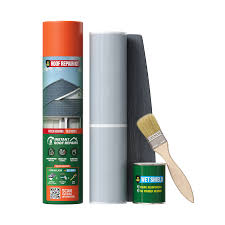
  • Protect yourself from electrical shocks. Find out why certified insulated pliers and screwdrivers are mandatory buys at a hardware store Kenya.

    Protect yourself from electrical shocks. Find out why certified insulated pliers and screwdrivers are mandatory buys at a hardware store Kenya.

    Electrical work requires more than technical knowledge and quality components. The tools used during installation, maintenance, and repair can also have a direct impact on safety. This is why insulated electrical tools are an important investment for electricians, technicians, contractors, maintenance teams, and homeowners who undertake suitable electrical tasks.

    Pliers and screwdrivers are among the most frequently used tools when working with switches, sockets, terminals, distribution equipment, lighting systems, appliances, and electrical connections. However, ordinary hand tools should not automatically be considered suitable for electrical work simply because they have plastic or rubber handles. Tools specifically designed and tested for electrical applications provide an additional insulating barrier between the user and conductive parts.

    That distinction matters because accidental contact with an energized conductor can cause electric shock, burns, equipment damage, electrical fires, or potentially fatal injuries.

    The safest approach is always to de-energize the circuit before beginning work, verify that power has been isolated, and use appropriate procedures and protective equipment. Insulated tools are an additional layer of protection, not a replacement for electrical isolation or professional competence.

    For anyone building an electrical toolkit, understanding how insulated pliers and screwdrivers work, how to identify quality products, and how to maintain them is essential.

    Why Insulated Electrical Tools Are Important

    Insulated electrical tools are designed to provide a protective insulating barrier around the parts of a hand tool that the user holds or may accidentally contact. They can reduce electrical risk when used correctly and within their specified ratings.

    Electricity presents a unique danger because it cannot always be seen or heard. A circuit may appear harmless while still carrying dangerous voltage.

    During electrical work, a screwdriver or pair of pliers can come close to live terminals, conductors, busbars, connectors, and other conductive components. A momentary mistake can create an electrical path through the body.

    Insulation on an appropriate electrical tool helps create physical separation between the user’s hand and conductive sections.

    This is particularly valuable when working in confined spaces where there is limited room for movement.

    However, insulation should never encourage someone to work unnecessarily on energized circuits. The preferred method is to disconnect the supply, isolate it from accidental reconnection, and verify the absence of voltage before touching electrical components.

    When these practices are combined with suitable insulated electrical tools, the overall level of protection is significantly improved.

    What Makes a Tool an Insulated Electrical Tool?

    A tool should not be considered electrically insulated merely because it has a plastic-colored handle. Genuine electrical tools are manufactured with insulation specifically intended for defined applications and conditions.

    This is one of the most important distinctions buyers should understand.

    A standard screwdriver may have a plastic handle designed primarily for comfort and grip. That does not necessarily mean that its insulation has been engineered or tested to protect someone working around electrical conductors.

    A purpose-designed insulated electrical screwdriver has insulation incorporated into its construction to provide a defined protective barrier.

    The same applies to pliers.

    When selecting tools, look for:

    • Manufacturer identification
    • Applicable safety standards
    • Voltage or insulation ratings where specified
    • Clear product markings
    • Certification information
    • Appropriate construction
    • An undamaged insulating surface
    • A design intended for the electrical application

    If certification or rating information is unclear, ask the supplier for product documentation rather than making assumptions.

    A reputable supplier should be able to distinguish ordinary hand tools from tools specifically designed for electrical applications.

    Why Certified Insulated Pliers Are Essential

    Certified insulated pliers provide the gripping and cutting functions electricians need while incorporating insulation intended to reduce accidental electrical contact. Their protective value depends on proper certification, correct use, and good condition.

    Pliers are essential for many electrical tasks.

    An electrician may use them to hold conductors, bend wires, cut suitable cables, position components, or work in spaces where fingers cannot easily reach.

    Common types include:

    • Combination pliers
    • Long-nose pliers
    • Diagonal cutters
    • Side-cutting pliers
    • Lineman’s pliers
    • Specialized electrical cutters

    Each design has a particular purpose.

    Combination pliers are useful for general gripping and cutting.

    Long-nose pliers are particularly useful when working inside confined electrical boxes.

    Diagonal cutters are designed for cutting appropriate conductors and wires.

    However, the fact that a pair of pliers has insulated handles does not automatically make it suitable for every electrical application. The tool should have the appropriate markings and certification for the intended work.

    The insulation should also be inspected regularly.

    If the protective coating is cracked, cut, burned, loose, or otherwise damaged, the tool should be removed from service.

    Why Insulated Screwdrivers Matter

    Insulated screwdrivers provide additional protection because their metal working shafts often operate directly beside electrical terminals and conductive components. The correct screwdriver also reduces slipping and accidental contact.

    Screwdrivers are used extensively during electrical installation and maintenance.

    They are needed to tighten or loosen terminal screws, install sockets, mount switches, secure electrical components, and perform maintenance on equipment.

    Because the screwdriver tip must contact a metal fastener, it can easily come close to energized components.

    A suitable insulated screwdriver creates a protective barrier between the conductive shaft and the user’s hand.

    Common screwdriver profiles include:

    • Flat-head
    • Phillips
    • Pozidriv
    • Torx
    • Terminal screwdrivers
    • Precision screwdrivers for appropriate applications

    The correct profile and size are important.

    A screwdriver that does not fit the fastener properly can slip. A sudden slip can cause the hand to move toward another conductive component, damage the terminal, or injure the user.

    Therefore, electrical safety involves both insulation and tool control.

    Insulated Tools Are Not a Substitute for Switching Off Power

    Even the highest-quality insulated tool should not be treated as permission to work on a live electrical circuit. De-energizing and verifying the circuit should remain the first line of protection.

    This principle cannot be overstated.

    Some users believe that purchasing insulated screwdrivers and pliers makes live electrical work safe.

    It does not.

    The insulation provides an additional barrier against accidental contact, but it does not eliminate the hazards associated with energized electrical systems.

    Before starting work, the appropriate process should normally include:

    1. Identify the circuit or equipment.
    2. Switch off the appropriate electrical supply.
    3. Isolate the circuit to prevent accidental re-energization.
    4. Verify that the circuit is actually de-energized.
    5. Use appropriate tools and protective equipment.
    6. Complete the work using safe electrical procedures.
    7. Inspect the completed work before restoring power.

    For complex installations, unfamiliar systems, distribution boards, or work outside your competence, use a qualified electrician.

    How to Identify Quality Insulated Pliers

    Quality insulated pliers should have clear manufacturer information, appropriate electrical markings, durable construction, and insulation that remains intact throughout the tool’s working life.

    When shopping for electrical tools, do not select pliers solely because they have brightly colored handles.

    Instead, examine the product carefully.

    Look for clear information regarding the tool’s intended application and insulation rating.

    The handles should feel secure rather than loose.

    The jaws should align correctly.

    The cutting edges should be clean and properly formed.

    The insulation should not show:

    • Cuts
    • Cracks
    • Burns
    • Peeling
    • Exposed metal
    • Chemical damage
    • Unusual swelling
    • Separation from the tool body

    A new tool should also have identifiable manufacturer and specification information.

    If a product is advertised simply as “insulated” without meaningful technical information, ask questions before purchasing.

    How to Choose Insulated Screwdrivers

    The best insulated screwdriver is one that combines appropriate electrical insulation with the correct tip, size, construction, and ergonomic design for the task.

    Electrical work rarely requires only one screwdriver.

    A professional electrician may need multiple sizes and profiles because different sockets, switches, terminals, control equipment, and appliances use different fasteners.

    When choosing an insulated screwdriver, consider:

    Tip profile

    The tip must match the fastener.

    Tip size

    A properly sized tip provides better contact and reduces slipping.

    Shaft insulation

    The insulated section should be specifically designed for electrical applications.

    Handle design

    A comfortable grip improves control during repetitive work.

    Manufacturer information

    Clear product specifications make it easier to establish whether the tool is suitable for the intended application.

    Condition

    Never use a screwdriver with damaged insulation.

    The right combination of insulation and mechanical performance gives the user better control and an additional layer of protection.

    Why Certification Should Influence Your Buying Decision

    Certification and standards information provide more meaningful evidence of electrical-tool suitability than appearance alone. Buyers should look for recognized markings and documentation appropriate to the intended application.

    The word “certified” should not simply be treated as a marketing term.

    Electrical hand tools can be manufactured according to recognized standards that specify requirements for insulation, mechanical performance, testing, and other characteristics.

    The exact standard applicable to a particular tool depends on its design and intended use.

    This means consumers should check the actual manufacturer’s information.

    A knowledgeable supplier should be able to explain the specifications of the tool being purchased.

    This is especially important for professionals who depend on their tools every day.

    For an electrician, a properly specified tool is part of the working equipment and should be treated with the same seriousness as other safety-related equipment.

    Inspect Your Tools Before Every Important Job

    Even a certified tool can become unsafe if its insulation has been damaged. Inspecting electrical hand tools before use is one of the simplest ways to identify problems before they become accidents.

    Tool inspection does not need to be complicated.

    Before using insulated pliers, check the handles and insulating material.

    Before using an insulated screwdriver, inspect the handle and insulated shaft.

    Look for obvious damage such as cuts, cracks, burns, exposed metal, loose components, and severe wear.

    Also consider how the tool has been used previously.

    A screwdriver that has been used as a chisel or pry bar may have suffered damage beyond the visible tip.

    Pliers that have been used to cut materials outside their intended capacity may have damaged jaws or cutting edges.

    If you are uncertain about a tool’s condition, do not use it for electrical work.

    Replacing a damaged hand tool is a small expense compared with the consequences of an electrical accident.

    Never Repair Damaged Insulation With Tape

    Damaged insulation should not be treated as fully restored simply by wrapping it in electrical tape. A compromised insulated tool should be removed from service and replaced or assessed according to the manufacturer’s approved procedure.

    Electrical tape has useful applications in electrical work, but it should not be considered an equivalent replacement for factory-engineered tool insulation.

    A certified insulated tool has been manufactured as an integrated product.

    If the insulating layer becomes damaged, its original tested properties may no longer apply.

    For this reason, avoid improvising repairs.

    If the tool has exposed metal or serious damage, replace it.

    Professional electrical teams should also have procedures for removing damaged safety-related tools from circulation.

    The Importance of the Correct Tool for the Job

    Using the correct tool improves control, reduces accidental slipping, and prevents damage to electrical components. Tool selection is therefore both a workmanship issue and a safety issue.

    A pair of pliers should not be used as a substitute for a screwdriver.

    A screwdriver should not be used as a chisel.

    A standard cutting tool should not be forced through material beyond its rated capacity.

    Electrical components can be delicate, and excessive force can damage terminals, conductors, insulation, and fasteners.

    For larger installation projects, electricians may also need drills and other equipment. You can explore our power tools when additional equipment is required for construction, installation, or maintenance work.

    Having the right equipment available reduces the temptation to improvise.

    Electrical Safety Requires a Complete System

    No single tool can eliminate electrical hazards. Effective protection comes from combining circuit isolation, testing, suitable tools, protective equipment, competent installation, and proper maintenance.

    Insulated hand tools are one part of this system.

    A professional electrical toolkit may also include:

    • Voltage testers
    • Multimeters
    • Wire strippers
    • Cable cutters
    • Crimping tools
    • Cable preparation tools
    • Appropriate personal protective equipment
    • Lockout or isolation equipment where required

    The exact equipment depends on the nature of the work.

    Electrical components must also be suitable for their intended application.

    When sourcing electrical installation materials, you can browse our electrical fittings for products used in different construction and maintenance applications.

    The important point is that good tools cannot compensate for poor installation practices.

    Protecting Yourself From Accidental Electrical Contact

    The purpose of insulated tools is to create an additional physical barrier that can reduce the chance of accidental electrical contact under the tool’s specified conditions.

    Imagine an electrician tightening a terminal screw inside an electrical enclosure.

    The screwdriver tip contacts the screw while the user’s hand remains on the insulated handle.

    If the shaft accidentally touches another conductive point, the insulation can provide additional separation between the user’s hand and the conductive section.

    Without appropriate insulation, the conductive shaft may extend much closer to the user’s hand.

    This does not mean the tool makes the situation safe.

    Instead, it demonstrates why insulation is an important component of a layered safety approach.

    The user still needs to isolate the circuit whenever possible.

    Why Handle Design Matters

    Good ergonomic design improves control and reduces hand fatigue, which can help prevent accidental slips during electrical work. Safety and usability should therefore be considered together.

    Electricians often use screwdrivers and pliers repeatedly throughout a working day.

    A tool with a comfortable, secure grip can make precise work easier.

    Poor grip design can become particularly problematic when the user’s hands are wet, oily, dusty, or fatigued.

    The tool should therefore provide secure handling without encouraging excessive force.

    The insulation should remain firmly integrated with the handle.

    For professional applications, durability and ergonomics can be just as important as the initial purchase price.

    Storing Insulated Electrical Tools Correctly

    Correct storage helps preserve insulation and mechanical components. Tools should be protected from excessive heat, sharp objects, chemicals, moisture, and unnecessary mechanical impact.

    A good toolbox should keep electrical tools organized.

    Avoid throwing pliers and screwdrivers into a container where sharp metal edges repeatedly scrape against insulated surfaces.

    Tools should also be protected from substances that could degrade their insulation.

    If you operate a workshop, consider separating electrical hand tools from chemicals, solvents, and other materials that could cause deterioration.

    Maintaining a clean workspace is also important. Appropriate cleaning supplies can help keep work areas organized during construction and maintenance activities.

    A well-maintained toolbox makes it easier to identify damaged equipment before it is used.

    When Should Insulated Tools Be Replaced?

    Insulated tools should be removed from service when their insulation or mechanical components show significant damage, when required markings become unreliable, or when the manufacturer specifies replacement or inspection.

    Do not wait until the tool breaks completely.

    Replace or professionally assess tools showing:

    • Exposed metal
    • Cracked insulation
    • Deep scratches
    • Burn marks
    • Loose handles
    • Bent jaws
    • Damaged cutting edges
    • Severely worn screwdriver tips
    • Chemical deterioration
    • Other signs of compromised protection

    Professional electricians should consider periodic tool inspections as part of their broader safety procedures.

    A tool that looks usable mechanically may still be unsuitable if its insulation has been compromised.

    The Difference Between General-Purpose and Electrical Tools

    General-purpose hand tools and electrical hand tools may look similar, but they are not necessarily designed or tested for the same conditions. Electrical work requires tools specifically appropriate to the hazards involved.

    This distinction is particularly important when purchasing tools for a new electrical toolkit.

    A homeowner may see two screwdrivers with similar shapes and assume they provide the same protection.

    They may not.

    One could be a general-purpose screwdriver with a conventional handle.

    The other could be a purpose-designed insulated electrical screwdriver with documented specifications.

    The difference may not be obvious from a photograph.

    This is why purchasing from a supplier that understands electrical products can be valuable.

    Ask about the intended use, insulation rating, manufacturer information, and relevant certification before buying.

    Insulated Tools for Professional Electricians

    Professional electricians should treat insulated hand tools as essential working equipment rather than optional accessories. A well-selected tool set improves safety, control, efficiency, and consistency.

    A professional toolkit may contain several types of insulated screwdrivers and pliers.

    The exact combination depends on the electrician’s specialization.

    Domestic installation work may require one set of tools, while industrial maintenance may demand another.

    The key is to avoid relying on one universal tool.

    For example, a long-nose plier may be ideal for reaching into a tight enclosure but unsuitable for cutting a conductor that requires a dedicated cutter.

    Similarly, a large screwdriver may not provide appropriate control for a small terminal.

    Tool specialization improves workmanship.

    Insulated Tools and DIY Electrical Work

    Homeowners should understand the limits of DIY electrical work even when they own quality insulated tools. Electrical systems can be hazardous, and unfamiliar or complex work should be left to qualified professionals.

    Buying a set of insulated screwdrivers does not automatically make someone qualified to perform electrical installations.

    Before attempting any electrical task, consider whether you understand the circuit, the equipment, the required isolation procedure, and the risks involved.

    Simple maintenance tasks may differ significantly from installing new circuits, modifying distribution boards, or troubleshooting complex faults.

    When in doubt, involve a qualified electrician.

    Safety should always take priority over saving the cost of professional assistance.

    Combining Electrical Tools With Other Construction Supplies

    Electrical projects often overlap with plumbing, fastening, drilling, finishing, and general construction. Choosing compatible materials and tools across the project helps improve the quality of the finished installation.

    For example, a renovation may involve installing electrical fittings while also replacing plumbing, repairing walls, installing glass, and repainting surfaces.

    Different stages require different products.

    Ngong Hills Merchants provides access to several construction-related categories, including plumbing supplies, adhesives, and glass accessories.

    For projects involving new fittings and fixtures, appropriate fasteners may also be required. You can browse bolts and nuts for suitable fastening requirements.

    Planning the full material list before beginning work can reduce delays and unnecessary purchases.

    Cost Versus Safety When Buying Electrical Tools

    The cheapest electrical tool is not necessarily the best value. Buyers should consider certification, durability, usability, safety specifications, and expected service life alongside the purchase price.

    A low-cost tool may appear attractive when building a toolkit.

    But if the insulation deteriorates quickly, the screwdriver tip wears prematurely, or the plier jaws become misaligned, the initial saving may disappear.

    Quality tools can also improve productivity.

    A screwdriver that fits correctly and provides good grip can make terminal work faster.

    Well-made pliers can provide cleaner cuts and more controlled gripping.

    For professional users, the time saved over hundreds of jobs can be significant.

    The right purchasing decision therefore considers the total value of the tool rather than simply the price on the shelf.

    Electrical Tool Maintenance

    Proper maintenance extends tool life and helps keep electrical tools in a condition suitable for their intended application. Regular cleaning, inspection, correct storage, and timely replacement are essential.

    After use, tools should be cleaned appropriately.

    Do not expose insulated handles to chemicals that may damage the insulating material.

    Store them in a dry, protected location.

    Inspect them regularly.

    Do not continue using tools simply because they still perform their mechanical function.

    For electrical tools, insulation is part of the safety function.

    A screwdriver that still turns screws but has damaged insulation should not be treated as fully serviceable.

    A Practical Checklist for Buying Insulated Electrical Tools

    Before purchasing insulated pliers or screwdrivers, verify their intended application, manufacturer information, insulation specifications, physical condition, and suitability for the work you plan to perform.

    Consider the following:

    • Is the tool specifically intended for electrical work?
    • Is the manufacturer clearly identified?
    • Are the relevant markings visible?
    • Is the insulation intact?
    • Does the screwdriver tip match the fasteners?
    • Are the plier jaws appropriate for the material?
    • Is the tool comfortable and secure to hold?
    • Is the product suitable for the intended electrical environment?
    • Can the supplier provide technical information?
    • Does the tool meet the applicable requirements for the work?

    Taking a few minutes to check these details can prevent a poor purchasing decision.

    Why a Reliable Supplier Matters

    A knowledgeable supplier can help customers select tools based on application rather than appearance or price. This is particularly valuable when purchasing specialized electrical safety equipment.

    When you visit a reputable hardware supplier, ask specific questions.

    A good supplier should understand the difference between:

    • General-purpose tools
    • Electrical hand tools
    • Insulated tools
    • Specialized professional tools
    • Consumable accessories
    • Electrical installation materials

    The same principle applies when purchasing other construction products.

    For example, selecting the correct paints requires understanding the surface, environment, finish, and intended use.

    Likewise, electrical tools should be selected based on the electrical task and safety requirements.

    Protect Your Investment and Your Safety

    Good electrical tools protect more than your hands. They can also help protect expensive electrical components, reduce accidental damage, improve workmanship, and support safer working practices.

    An electrician’s tools are part of the quality of the installation.

    Poor tools can produce poor results.

    A damaged screwdriver can strip a terminal.

    Misaligned pliers can damage conductors.

    A tool with compromised insulation can increase electrical risk.

    Investing in properly specified tools therefore benefits both safety and workmanship.

    For contractors, it also supports professionalism.

    Clients expect electrical installations to be completed using appropriate equipment and safe working practices.

    Final Thoughts on Insulated Electrical Tools

    Insulated electrical tools are an essential part of responsible electrical work, but their protection depends on proper certification, condition, correct use, and safe working procedures.

    Certified insulated pliers and screwdrivers should be considered important purchases for anyone whose work involves electrical components.

    Do not choose them simply because they have colorful handles or rubber grips.

    Look for proper manufacturer information and applicable certification.

    Inspect the insulation before use.

    Replace damaged tools.

    Use the correct screwdriver or plier for the job.

    Store tools carefully.

    Most importantly, never rely on insulation as a substitute for switching off and verifying electrical circuits.

    The safest approach is layered: isolate the electricity, verify the circuit is de-energized, use appropriate protective equipment, select the correct tools, and ensure that electrical work is performed by someone with the necessary knowledge and competence.

    For electricians, contractors, maintenance teams, and serious DIY users, making quality insulated tools part of the standard toolkit is a practical investment in safer work.

    When purchasing your next set of insulated electrical tools, take the time to examine the specifications rather than choosing based on price alone. The right tools can make electrical work more controlled, efficient, and responsible.

    Your One-Stop Hardware Partner in Ngong

    Imagine completing your project with the right tools, the best materials, and expert advice. At Ngong Hills Merchants, we turn your DIY or construction vision into reality with a complete selection of plumbing, electrical, glass, and sanitary ware.

    Contact our team for a consultation and get the right supplies, right now.

    QUALITY HARDWARE & SUPPLIES IN NGONG ✔ Complete Range of Plumbing & Electrical ✔ Power Tools, Adhesives & Paints ✔ Glass, Framing & Sanitary Ware ✔ Serving Kiserian, Ongata Rongai, Ngong Hills & beyond.

     Request Your Free Consultation: Ngong Hills Merchants
    Email: ngonghillsmerchants [at] gmail.com
    Phone: +254 715974811
    Visit Us: Ngong Township, Ngong, Kenya
    Website: https://ngonghillsmerchants.com/
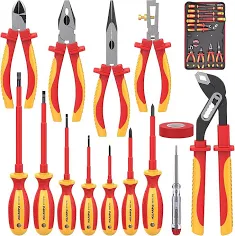
  • Measuring Tools Kenya:Essential Equipment Choices for Accuracy

    Measuring Tools Kenya:Essential Equipment Choices for Accuracy

    Accuracy is one of the most important factors in any construction, renovation, carpentry, or installation project. A small measurement mistake can result in wasted materials, poor fitting, delays, and increased costs. Using reliable Measuring Tools Kenya professionals depend on helps ensure every cut, installation, and layout is completed correctly from the beginning.

    From simple tape measures to advanced laser levels, measuring equipment plays a critical role in achieving professional results. Builders, contractors, engineers, carpenters, and DIY enthusiasts all rely on accurate tools to determine distances, check alignment, and create precise layouts.

    A trusted hardware supplier provides access to a wide range of measuring solutions designed for different applications. Whether you are building a house, installing cabinets, laying tiles, or carrying out repairs, having the right measuring equipment improves efficiency and reduces mistakes.

    This guide explores the essential Measuring Tools Kenya users need, their applications, and how to choose the right tools for accurate project execution.


    Why Measuring Tools Kenya Are Important for Construction Projects

    Every successful project begins with accurate measurements. Before materials are cut, installed, or assembled, measurements determine how everything fits together.

    Quality measuring tools help professionals achieve:

    • Accurate dimensions
    • Better material usage
    • Improved project planning
    • Cleaner finishes
    • Reduced waste

    Poor measurements can lead to:

    • Incorrect cuts
    • Material losses
    • Installation problems
    • Additional expenses

    For contractors and builders, investing in reliable measuring tools improves workmanship and project efficiency.


    Measuring Tools Kenya Guide: Understanding Different Types of Tools

    Different projects require different measuring solutions. The right tool depends on the type of work being performed.


    1. Tape Measures

    Tape measures are among the most common and versatile measuring tools.

    They are used for:

    • Measuring room dimensions
    • Checking material lengths
    • Marking cutting points
    • General construction work

    Features to consider include:

    • Length
    • Durability
    • Clear markings
    • Strong casing

    A quality tape measure is an essential item for every toolbox.


    2. Laser Levels

    Laser levels provide highly accurate alignment over longer distances.

    They are useful for:

    • Wall installations
    • Tile alignment
    • Ceiling work
    • Electrical and plumbing layouts

    Advantages include:

    • Faster measurements
    • Improved accuracy
    • Reduced manual marking

    Laser levels are especially valuable for professional contractors handling detailed installations.


    3. Spirit Levels

    Spirit levels help determine whether surfaces are:

    • Level
    • Straight
    • Properly aligned

    They are commonly used for:

    • Brickwork
    • Cabinet installation
    • Shelving
    • Door fitting

    A reliable spirit level helps prevent uneven installations.


    4. Measuring Squares

    Squares are essential layout tools for checking angles and creating accurate markings.

    Common types include:

    • Try squares
    • Combination squares
    • Carpenter squares

    They are widely used in:

    • Carpentry
    • Metalwork
    • Construction

    5. Marking Tools

    Before cutting or installing materials, accurate marking is necessary.

    Common marking tools include:

    • Chalk lines
    • Marking pencils
    • Markers

    These tools help create clear reference points during construction.


    6. Calipers

    Calipers provide precise measurements for smaller components.

    They are useful for:

    • Mechanical work
    • Fabrication
    • Detailed installations

    They allow users to measure:

    • Thickness
    • Diameter
    • Internal dimensions

    7. Measuring Wheels

    Measuring wheels are useful for measuring large distances.

    They are commonly used for:

    • Land measurements
    • Road projects
    • Large construction areas

    Their advantage is quick measurement over long distances.


    8. Digital Measuring Tools

    Digital measuring devices provide fast and convenient measurements.

    Benefits include:

    • Easy reading
    • Improved accuracy
    • Reduced manual calculations

    They are useful for professionals who require frequent precise measurements.


    9. Surveying Tools

    Large construction projects often require advanced measurement equipment.

    Surveying tools help with:

    • Site planning
    • Distance measurement
    • Level checks

    They are commonly used by engineers and construction professionals.


    How to Choose the Best Measuring Tools Kenya

    Selecting the right tools depends on several factors.


    Consider Your Project Requirements

    Different projects require different levels of accuracy.

    For example:

    Home DIY Projects

    Useful tools include:

    • Tape measures
    • Spirit levels
    • Squares

    Professional Construction

    Professionals may require:

    • Laser levels
    • Digital measuring tools
    • Survey equipment

    Check Tool Accuracy

    Accuracy is the most important feature of measuring equipment.

    Look for:

    • Clear readings
    • Reliable construction
    • Quality materials

    Accurate tools help prevent costly mistakes.


    Choose Durable Tools

    Construction environments can be demanding.

    Quality measuring tools should withstand:

    • Dust
    • Frequent handling
    • Transport
    • Daily use

    Durable tools provide better long-term value.


    Consider Ease of Use

    A good measuring tool should be:

    • Comfortable to handle
    • Easy to read
    • Practical for the intended application

    User-friendly tools improve productivity.


    Essential Measuring Tools Kenya for Different Trades

    Carpenters

    Carpenters commonly use:

    • Tape measures
    • Squares
    • Levels
    • Marking tools

    These help achieve accurate cuts and proper assembly.


    Plumbers

    Plumbers rely on measurements when installing:

    • Pipes
    • Fittings
    • Drainage systems

    Accurate layouts help prevent installation errors.

    Customers can explore our plumbing supplies for complete plumbing solutions.


    Electricians

    Electrical installations require precise planning.

    Measuring tools help with:

    • Cable routes
    • Equipment placement
    • Installation layouts

    Customers can also browse our electrical products for electrical project supplies.


    Builders and Contractors

    Construction professionals use measuring tools for:

    • Foundations
    • Walls
    • Structural layouts

    Accuracy improves overall project quality.


    Common Mistakes When Using Measuring Tools

    Measuring Without Checking Tool Accuracy

    Damaged or poor-quality tools can provide incorrect readings.

    Always inspect tools before use.


    Failing to Measure Twice

    The saying “measure twice, cut once” remains important.

    Double-checking measurements reduces:

    • Material waste
    • Installation errors
    • Costly corrections

    Using the Wrong Tool for the Job

    Each measuring tool has a specific purpose.

    Using the correct tool improves:

    • Accuracy
    • Efficiency
    • Results

    Maintaining Measuring Tools Kenya Products

    Proper care extends tool lifespan.

    Keep Tools Clean

    Remove:

    • Dust
    • Dirt
    • Construction debris

    Store Properly

    Protect measuring tools from:

    • Moisture
    • Impact damage
    • Extreme conditions

    Check for Damage

    Inspect:

    • Tape condition
    • Level accuracy
    • Moving parts

    Replace damaged tools when necessary.


    Supporting Tools for Complete Construction Solutions

    Measuring is only one part of successful construction work.

    Professionals may also require:

    • Power tools
    • Cutting tools
    • Fasteners
    • Adhesives

    Customers can learn more about our power tools for additional project equipment.

    For installation and fixing needs, customers can also explore our adhesives collection.


    Why Buy Measuring Tools Kenya Products From a Trusted Supplier?

    Choosing the right supplier ensures access to reliable equipment and professional guidance.

    A trusted hardware supplier provides:

    • Quality brands
    • Wide product selection
    • Expert recommendations
    • Long-term support

    This helps customers select tools that match their specific project needs.


    Frequently Asked Questions About Measuring Tools Kenya

    What are the most important measuring tools for builders?

    The most common tools include tape measures, spirit levels, squares, laser levels, and marking tools.

    Why are laser levels useful in construction?

    Laser levels improve alignment accuracy and save time during installation and layout work.

    How do I choose the right measuring tool?

    Consider your project type, required accuracy, frequency of use, and working environment.

    Where can I buy quality Measuring Tools Kenya professionals use?

    Purchase from a trusted supplier that provides reliable tools and expert recommendations.


    Final Thoughts

    Choosing the right Measuring Tools Kenya professionals rely on is essential for accurate and efficient project completion.

    From simple tape measures to advanced laser levels, every measuring tool serves an important purpose in construction and installation work.

    Reliable measuring equipment reduces mistakes, saves materials, and improves the quality of finished projects.

    Whether you are a contractor, tradesperson, or DIY enthusiast, investing in accurate tools is a smart decision that supports better results.


    Your One-Stop Hardware Partner in Ngong

    Imagine completing your project with the right tools, the best materials, and expert advice. At Ngong Hills Merchants, we turn your DIY or construction vision into reality with a complete selection of plumbing, electrical, glass, and sanitary ware.

    Contact our team for a consultation and get the right supplies, right now.

    QUALITY HARDWARE & SUPPLIES IN NGONG ✔ Complete Range of Plumbing & Electrical ✔ Power Tools, Adhesives & Paints ✔ Glass, Framing & Sanitary Ware ✔ Serving Ngong, Karen, Matasia, Kiserian & beyond.

    Request Your Free Consultation: Ngong Hills Merchants
    Email: ngonghillsmerchants [at] gmail.com
    Phone: +254 715974811
    Visit Us: Ngong Township, Ngong, Kenya
    Website: https://ngonghillsmerchants.com/
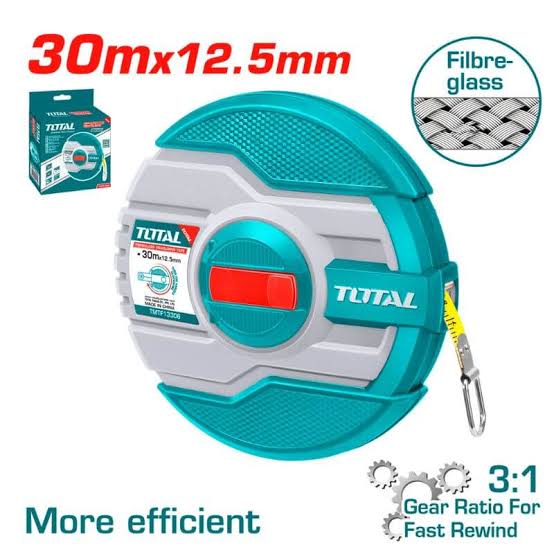
  • T Handle Wrenches Kenya:Powerful Reasons Mechanics Need Them

    T Handle Wrenches Kenya:Powerful Reasons Mechanics Need Them

    Precision, control, and efficiency are essential in mechanical repair and maintenance work. Whether you are working on vehicles, machinery, equipment, or fabrication projects, using the correct tools makes every task easier and more accurate. Professional technicians and mechanics rely on quality T Handle Wrenches Kenya users choose because they provide excellent grip, improved torque, and better control when tightening or loosening fasteners.

    Unlike standard wrenches, T-handle wrench designs provide a comfortable grip that allows users to apply force more effectively. Their unique shape makes them especially useful for tasks requiring repeated adjustments, precision handling, and access to fasteners in difficult positions.

    For mechanics, engineers, workshops, and DIY enthusiasts, having the right hand tools can significantly improve productivity and reduce the risk of damaging components.

    This guide explains why T-handle wrench sets are valuable, where they are used, what features to consider before buying, and how they support professional-quality repairs.


    Why T Handle Wrenches Kenya Are Essential Workshop Tools

    A good tool does more than complete a task—it improves the quality, speed, and safety of the work being performed.

    T-handle wrenches are designed to provide:

    • Better hand positioning
    • Increased turning power
    • Improved accuracy
    • Reduced user fatigue
    • Easier access to tight spaces

    These benefits make them suitable for professional workshops, automotive repairs, machinery maintenance, and assembly work.

    Using unsuitable tools can lead to:

    • Damaged fasteners
    • Poor fitting
    • Increased repair time
    • Unnecessary effort

    Investing in quality hand tools helps professionals achieve consistent results.


    Understanding How T Handle Wrenches Work

    A T-handle wrench features a long shaft with a horizontal handle at the top, creating a “T” shape.

    This design provides advantages over traditional wrench styles because the user can grip the top handle with both hands when additional turning force is needed.

    The design improves:

    • Control during operation
    • Stability while tightening
    • Comfort during repeated use

    The longer shaft also provides better access to fasteners located deeper inside components.


    T Handle Wrenches Kenya Guide: Common Applications

    Automotive Repairs

    Mechanics commonly use T-handle wrenches for various vehicle maintenance tasks.

    Applications include:

    • Engine component adjustments
    • Interior repairs
    • Motorcycle maintenance
    • Fastener removal

    Their comfortable grip makes them useful during extended repair sessions.


    Machinery Maintenance

    Industrial equipment requires accurate maintenance.

    T-handle wrenches help technicians work on:

    • Machines
    • Equipment assemblies
    • Mechanical components

    Their precision makes them suitable for controlled adjustments.


    Workshop and Fabrication Projects

    Fabricators and technicians use T-handle tools for:

    • Assembly work
    • Equipment installation
    • General repairs

    Reliable tools improve workflow and reduce interruptions.


    7 Reasons Professionals Choose T Handle Wrenches Kenya

    1. Improved Torque Application

    One of the biggest advantages of T-handle wrenches is their ability to provide better turning force.

    The cross-shaped handle allows users to apply pressure more comfortably, making it easier to loosen tight fasteners.

    This is especially useful in mechanical environments where components may require additional force.


    2. Better Control and Precision

    Many repair tasks require careful adjustments rather than excessive force.

    The T-handle design gives users better control, helping prevent:

    • Slipping
    • Incorrect tightening
    • Component damage

    This makes them valuable for precision work.


    3. Comfortable During Long Tasks

    Repeated use of ordinary tools can cause hand fatigue.

    T-handle wrenches provide a more comfortable grip, allowing technicians to work for longer periods with improved control.

    Comfort is especially important in professional workshops where tools are used daily.


    4. Access to Difficult Areas

    Some fasteners are positioned in areas where standard tools cannot easily reach.

    The long shaft design helps users access:

    • Deep components
    • Narrow spaces
    • Hard-to-reach fasteners

    This makes repairs more convenient.


    5. Faster Mechanical Work

    The ergonomic design allows mechanics to work more efficiently.

    Benefits include:

    • Quicker adjustments
    • Less repositioning
    • Smoother operation

    For professionals, saving small amounts of time on every task can improve overall productivity.


    6. Increased Tool Durability

    Quality T-handle wrench sets are manufactured using strong materials designed for repeated use.

    Features to look for include:

    • Hardened steel construction
    • Corrosion resistance
    • Strong handle design

    Durable tools provide better long-term value.


    7. Professional Workshop Organisation

    A complete wrench set helps mechanics stay organised.

    Having multiple sizes available ensures technicians have the correct tool when needed.

    This reduces:

    • Work interruptions
    • Improvised solutions
    • Tool replacement costs

    Choosing the Best T Handle Wrenches Kenya

    Consider Material Quality

    The material affects tool strength and lifespan.

    Look for:

    • Strong steel construction
    • Quality finishing
    • Resistance to wear

    Professional tools should withstand regular use.


    Select the Correct Sizes

    Different fasteners require different wrench sizes.

    A complete set provides flexibility for various applications.

    Common sizes are useful for:

    • Automotive work
    • Machinery repairs
    • General maintenance

    Check Handle Comfort

    A good handle should provide:

    • Secure grip
    • Comfortable operation
    • Good balance

    Ergonomic design reduces strain during repeated tasks.


    T Handle Wrenches Kenya Compared With Traditional Wrenches

    Both tool types have important uses.

    Traditional wrenches are useful for:

    • General maintenance
    • Quick adjustments
    • Everyday repairs

    T-handle wrenches provide advantages when users need:

    • Better control
    • More torque
    • Deeper access

    Professional mechanics often keep both options available because different tasks require different approaches.


    Common Mistakes When Buying T Handle Wrenches

    Choosing Low-Quality Tools

    Cheap tools may not withstand regular professional use.

    Consider:

    • Build quality
    • Material strength
    • Intended workload

    Buying the Wrong Size Set

    A limited set may not cover different repair needs.

    Choose sets that provide a practical range of sizes.


    Ignoring Storage

    Poor storage can shorten tool lifespan.

    Keep wrench sets:

    • Clean
    • Dry
    • Organised

    Maintaining T Handle Wrenches for Longer Life

    Proper care helps protect your investment.

    Clean After Use

    Remove:

    • Oil
    • Grease
    • Dust
    • Workshop residue

    Store Properly

    Use:

    • Toolboxes
    • Organisers
    • Storage cabinets

    Inspect Regularly

    Check for:

    • Wear
    • Damage
    • Corrosion

    Replace tools that no longer perform safely.


    Supporting Tools for Professional Repair Work

    A complete workshop requires more than wrench sets.

    Mechanics and technicians may also need:

    • Spanners
    • Screwdrivers
    • Power tools
    • Drill bits
    • Fasteners

    For additional workshop equipment, professionals can learn more about our power tools.

    For drilling and repair applications, customers can also browse our drill bits collection.


    Why Buy T Handle Wrenches Kenya Products From a Trusted Supplier?

    Choosing a reliable supplier ensures access to quality tools suitable for professional applications.

    Benefits include:

    • Genuine products
    • Better tool selection
    • Expert recommendations
    • Long-term support

    A trusted supplier helps customers select tools that match their specific requirements.


    How Quality Hand Tools Improve Workshop Performance

    Professional tools contribute directly to better workmanship.

    Quality equipment helps mechanics:

    • Complete jobs faster
    • Reduce errors
    • Improve repair accuracy
    • Deliver better results

    For technicians, investing in reliable tools is an investment in productivity and professional performance.


    Final Thoughts

    Choosing quality T Handle Wrenches Kenya professionals depend on can significantly improve mechanical repairs, maintenance work, and workshop efficiency.

    Their ergonomic design, improved torque, and precise control make them valuable tools for mechanics, technicians, and DIY users.

    Whether you operate a professional garage or maintain equipment at home, adding a reliable T-handle wrench set to your toolbox ensures you are prepared for a wide range of repair tasks.

    The right tools make difficult jobs easier, and quality hand tools remain one of the most important investments for any workshop.


    Your One-Stop Hardware Partner in Ngong

    Imagine completing your project with the right tools, the best materials, and expert advice. At Ngong Hills Merchants, we turn your DIY or construction vision into reality with a complete selection of plumbing, electrical, glass, and sanitary ware.

    Contact our team for a consultation and get the right supplies, right now.

    QUALITY HARDWARE & SUPPLIES IN NGONG ✔ Complete Range of Plumbing & Electrical ✔ Power Tools, Adhesives & Paints ✔ Glass, Framing & Sanitary Ware ✔ Serving Ngong, Karen, Matasia, Kiserian & beyond.

    Request Your Free Consultation: Ngong Hills Merchants
    Email: ngonghillsmerchants [at] gmail.com
    Phone: +254 715974811
    Visit Us: Ngong Township, Ngong, Kenya
    Website: https://ngonghillsmerchants.com/
  • Tool Maintenance Kenya:Proven Ways to Extend Your Equipment Life

    Tool Maintenance Kenya:Proven Ways to Extend Your Equipment Life