Tag: power tool safety

  • Essential Power Tool Safety Rules Every Workshop Apprentice Must Know | Kenya Guide

    Essential Power Tool Safety Rules Every Workshop Apprentice Must Know | Kenya Guide

    Power tool safety is one of the most critical foundations of any professional workshop environment. In Kenya’s growing construction, fabrication, and manufacturing sectors, apprentices are increasingly exposed to high-performance machinery such as grinders, drills, saws, sanders, and welding equipment. While these tools significantly improve productivity and precision, they also introduce serious risks if handled without proper training and discipline.

    Understanding power tool safety is not just about avoiding accidents—it is about building professional habits that define long-term competence in industrial environments. Every experienced technician or contractor understands that safety is not separate from productivity; it is what makes productivity sustainable.

    At Ngong Hills Merchants, safety is treated as an essential part of tool usage culture. Apprentices and professionals alike are encouraged to prioritize correct handling techniques, protective equipment, and adherence to established safety standards Kenya workshops follow.

    Understanding the Importance of Power Tool Safety in Workshops

    Power tools are designed to perform heavy-duty tasks with speed and precision. However, their power also means they can cause severe injuries if misused. Common workshop accidents include cuts, burns, electrical shocks, flying debris injuries, and hearing damage.

    In many cases, accidents occur not because tools are defective, but because safety procedures were ignored or misunderstood. This makes training and discipline essential components of any workshop environment.

    Industrial workshop gear is designed to reduce these risks, but gear alone is not enough. Proper behavior, awareness, and procedural discipline are equally important.

    Rule 1: Always Wear Proper Personal Protective Equipment (PPE)

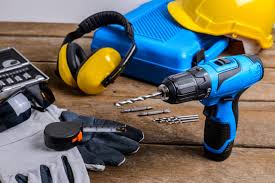
    The first and most fundamental rule of power tool safety is the consistent use of PPE. This includes safety goggles, gloves, ear protection, dust masks, and protective footwear.

    Each piece of equipment serves a specific purpose. Goggles protect against flying debris, gloves reduce vibration and cuts, while ear protection minimizes long-term hearing damage caused by loud machinery.

    Apprentices must understand that PPE is not optional—it is mandatory in any professional workshop environment.

    Rule 2: Inspect Tools Before Use

    Before operating any power tool safety, a thorough inspection is essential. This includes checking for loose parts, damaged cords, worn-out blades, or malfunctioning switches.

    Faulty tools should never be used under any circumstances. Reporting and repairing damaged equipment is a core responsibility in maintaining workshop safety standards Kenya professionals rely on.

    Even minor defects can escalate into serious hazards during operation.

    Rule 3: Understand the Tool Before Operating It

    Every power tool safety has a specific function, operating method, and safety requirement. Apprentices must be trained to read manuals and understand controls before use.

    Misuse of tools such as grinders or circular saws often results from lack of familiarity rather than negligence.

    Proper training ensures that users understand speed settings, blade types, torque limits, and operational constraints.

    Rule 4: Maintain a Clean and Organized Workspace

    A cluttered workshop is a dangerous workshop. Tools, cables, and materials scattered on the floor increase the risk of tripping, electrical accidents, and tool misplacement.

    Maintaining cleanliness is a key part of industrial workshop gear discipline. Every power tool safety should have a designated storage location after use.

    A clean environment improves both safety and efficiency.

    Rule 5: Use the Right Tool for the Job

    One of the most common mistakes among apprentices is using the wrong power tool safetyfor a task. For example, using a cutting tool for grinding or forcing a drill beyond its capacity.

    Each power tool is designed for a specific purpose. Using it incorrectly increases wear and significantly raises accident risk.

    Professional workshops emphasize correct tool selection as a core safety principle.

    Rule 6: Secure Workpieces Properly

    Loose materials are one of the biggest hidden dangers in workshops. If a workpiece is not secured properly, it can move unexpectedly during cutting, drilling, or grinding.

    This can lead to tool kickback or loss of control, resulting in serious injury.

    Using clamps, vices, and stabilizing systems ensures that materials remain fixed during operation.

    Rule 7: Avoid Distractions While Operating Tools

    Operating power tool safety requires full attention. Even minor distractions such as phone use, conversations, or multitasking can lead to accidents.

    Apprentices must be trained to maintain focus during all tool operations.

    In professional environments, distraction-free zones are often enforced to reduce risk.

    Rule 8: Disconnect Power Before Adjustments

    Before changing blades, cleaning tools, or making adjustments, the power source must always be disconnected.

    This includes unplugging electrical tools or switching off power supplies for heavy machinery.

    Failure to do so is one of the leading causes of accidental activation injuries in workshops.

    Rule 9: Store Tools Properly After Use

    Proper storage extends tool life and ensures safety in the workshop. Tools should be cleaned, inspected, and stored in designated areas after each use.

    Leaving tools exposed increases the risk of damage, rust, and accidental contact.

    Organized storage is a hallmark of professional workshop discipline.

    Rule 10: Follow Established Safety Standards at All Times

    Every workshop operates under specific safety standards Kenya industrial sectors enforce. These include regulations on PPE usage, machine operation, electrical safety, and emergency procedures.

    Apprentices must not only learn these standards but consistently apply them in daily practice.

    Compliance ensures both personal safety and overall workshop efficiency.

    The Role of Industrial Workshop Gear in Safety

    While discipline is essential, industrial workshop gear plays a major role in minimizing risk. Equipment such as safety goggles, gloves, helmets, and protective clothing is designed to absorb impact and reduce exposure to hazards.

    However, gear is only effective when used correctly and consistently. Combining proper equipment with training creates a strong safety culture in workshops.

    Professionals sourcing reliable equipment often rely on trusted industrial and workshop tools to ensure both performance and safety compliance.

    Common Safety Mistakes Among Apprentices

    Many workshop accidents occur due to predictable mistakes such as ignoring instructions, bypassing safety guards, or using damaged power tool safety.

    Another common issue is overconfidence—apprentices attempting advanced tasks without proper supervision.

    Addressing these mistakes early in training significantly reduces long-term risk and improves professional competence.

    Building a Safety-First Workshop Culture

    A strong safety culture is built through continuous training, supervision, and accountability. Senior technicians must lead by example, while apprentices must be encouraged to ask questions and report risks.

    Safety should never be treated as an obstacle to productivity. Instead, it should be seen as the foundation of efficient and professional workshop operations.

    At Ngong Hills Merchants, emphasis is placed on combining high-quality tools with proper usage education to ensure safe and effective outcomes.

    Power tool safety is not optional—it is a professional requirement. Every apprentice entering a workshop must understand that tools are powerful assets that demand respect, discipline, and continuous learning.

    By following structured safety rules, using appropriate industrial workshop gear, and adhering to established safety standards Kenya enforces, workshops can achieve both productivity and safety without compromise.

    Your One-Stop Hardware Partner in Ngong

    Imagine completing your project with the right tools, the best materials, and expert advice. At Ngong Hills Merchants, we turn your DIY or construction vision into reality with a complete selection of plumbing, electrical, glass, and sanitary ware.

    Contact our team for a consultation and get the right supplies, right now.

    QUALITY HARDWARE & SUPPLIES IN NGONG ✔ Complete Range of Plumbing & Electrical ✔ Power Tools, Adhesives & Paints ✔ Glass, Framing & Sanitary Ware ✔ Serving Ngong, Karen, Matasia, Kiserian & beyond.

     Request Your Free Consultation: Ngong Hills Merchants

     Email: ngonghillsmerchants [at] gmail.com

     Phone: +254 715974811

    Visit Us: Ngong Township, Ngong, Kenya

     Website: https://ngonghillsmerchants.com/
  • Angle Grinder Safety Tips Kenya | Construction Guide

    Angle Grinder Safety Tips Kenya | Construction Guide

    Understanding Angle Grinder Safety in Construction Sites

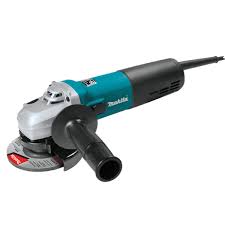
    Angle grinder safety is one of the most critical aspects of modern construction and metal fabrication work in Kenya. On busy job sites in Ngong, Nairobi, Kiserian, and surrounding regions, angle grinders are used daily for cutting metal, shaping stone, removing rust, and preparing surfaces for welding or painting. Despite their usefulness, these tools also pose serious risks when handled incorrectly.

    The high-speed rotation of the disc—often exceeding 10,000 RPM—means that even a small mistake can result in severe injury. That is why professionals emphasize strict angle grinder safety procedures from the moment the tool is picked up to the moment it is stored after use. Contractors who source reliable tools and safety guidance from trusted suppliers such as Ngong Hills Merchants often achieve better on-site safety outcomes and fewer accidents.

    Angle Grinder Safety and Pre-Operation Inspection Procedures

    Before using any grinder, proper inspection is the foundation of angle grinder safety. This step ensures that the tool is in good working condition and reduces the risk of mechanical failure during operation.

    Checking the Grinder Condition for Angle Grinder Safety

    Every operator should inspect:

    • The body of the grinder for cracks or damage
    • The power cord for exposed wiring
    • The disc for wear, cracks, or incorrect fitting
    • The safety guard for proper alignment

    Neglecting these checks is one of the leading causes of grinder accidents on construction sites practicing poor construction safety Kenya standards.

    Workers often rely on quality tools from our main hardware shop to ensure consistent reliability and durability under heavy-duty use.

    Angle Grinder Safety Through Proper Personal Protective Equipment (PPE)

    No discussion on angle grinder safety is complete without emphasizing PPE. Protective equipment acts as the final barrier between the operator and potential injury.

    Essential PPE for Angle Grinder Safety

    Operators must always wear:

    • Safety goggles or full face shield
    • Heavy-duty gloves
    • Ear protection
    • Dust masks or respirators
    • Non-loose, fitted clothing

    Loose clothing is especially dangerous because it can get caught in rotating parts, making PPE compliance a non-negotiable rule in professional power tool safety environments.

    Angle Grinder Safety and Correct Tool Handling Techniques

    Proper handling is a major pillar of angle grinder safety, especially when working on metal cutting or masonry tasks.

    Safe Grip and Positioning for Angle Grinder Safety

    Operators should:

    • Use both hands to maintain control
    • Stand at a stable angle, not directly in line with the disc
    • Keep the grinder slightly away from the body
    • Maintain firm footing on solid ground

    Kickback is one of the most dangerous risks in grinder operation. It occurs when the disc jams suddenly and forces the tool backward. Correct handling significantly reduces this risk.

    Angle Grinder Safety in Material Selection and Disc Usage

    Understanding material compatibility is essential for angle grinder safety. Using the wrong disc for the wrong material is a common cause of accidents.

    Matching Discs to Improve Angle Grinder Safety

    • Cutting discs for metal cutting only
    • Grinding discs for surface smoothing
    • Masonry discs for stone and concrete

    Never interchange disc types. Each is engineered differently and designed for specific stress loads.

    Contractors often combine grinder work with materials sourced from our extensive range of plumbing supplies and reinforcement materials such as steel nail 4-inch depending on project requirements.

    Angle Grinder Safety in Worksite Environment Management

    A clean and organized site plays a major role in angle grinder safety. Environmental conditions directly influence how safely a grinder can be operated.

    Safe Work Environment for Angle Grinder Safety

    Operators should ensure:

    • No flammable materials near the cutting zone
    • Materials are firmly clamped before cutting
    • Floors are dry and free from debris
    • Proper lighting is available

    Poor site organization increases risks significantly and undermines even the best construction safety Kenya practices.

    Angle Grinder Safety and Electrical Risk Prevention

    Electrical faults are a hidden danger in angle grinder safety. Damaged cables or unstable power sources can cause shock or fire hazards.

    Electrical Checks for Safe Angle Grinder Safety Practices

    Always inspect:

    • Power cords for cuts or wear
    • Extension cables for proper rating
    • Switch functionality before use
    • Moisture exposure risks

    Using reliable maintenance tools such as industrial air blow guns helps keep equipment clean and functioning safely.

    Angle Grinder Safety Through Proper Maintenance and Storage

    Long-term depends on consistent maintenance and proper storage practices.

    Maintenance Practices

    • Replace worn-out discs immediately
    • Clean dust buildup regularly
    • Lubricate moving parts when required
    • Store tools in dry, secure areas

    Poor maintenance leads to overheating, vibration issues, and eventual tool failure.

    Professionals often source reliable equipment from power tools category to ensure long-term durability.

    Angle Grinder Safety and Operator Training Importance

    Training is one of the most overlooked elements . Even experienced workers can develop unsafe habits over time.

    Training Practices That Improve

    Workers should be trained on:

    • Correct startup and shutdown procedures
    • Emergency response during kickback
    • Proper disc selection
    • Safe cutting angles and pressure control

    Supervisors must reinforce these rules regularly to maintain compliance across the site.

     Spark and Dust Control

    Sparks and dust generated during grinding operations present fire and respiratory hazards. Managing these risks is essential for full angle grinder safety compliance.

    Managing Sparks for Better

    • Remove flammable materials nearby
    • Keep fire extinguishers accessible
    • Use protective barriers when necessary

    Dust control is equally important, especially when cutting masonry materials that release fine particles.

    Angle Grinder Safety and Long-Term Operator Health

    Beyond immediate injuries, angle grinder safety also involves long-term health protection.

    Health Risks Linked to Poor

    • Hearing damage from prolonged noise exposure
    • Respiratory issues from dust inhalation
    • Muscle strain from vibration exposure

    Job rotation and scheduled breaks significantly reduce long-term risks.

     Professional Construction Practice

    In professional construction environments, angle grinder safety is not optional—it is a structured system integrated into daily operations. Contractors who invest in proper equipment, training, and supervision consistently report fewer accidents and higher productivity.

    Reliable suppliers such as Ngong Hills Merchants also provide technical support that helps contractors choose safer, more efficient tools for their projects.

    Mastering angle grinder safety is about discipline, awareness, and consistency. When operators respect the tool, follow correct procedures, and maintain proper equipment, risks are significantly reduced.

    Construction success is not only measured by speed or cost but also by the safety of the workforce and the quality of execution. Safe grinder use ensures smoother operations, fewer delays, and better long-term project outcomes.

    Your One-Stop Hardware Partner in Ngong

    Imagine completing your project with the right tools, the best materials, and expert advice. At Ngong Hills Merchants, we turn your DIY or construction vision into reality with a complete selection of plumbing, electrical, glass, and sanitary ware.

    Contact our team for a consultation and get the right supplies, right now.

    QUALITY HARDWARE & SUPPLIES IN NGONG ✔ Complete Range of Plumbing & Electrical ✔ Power Tools, Adhesives & Paints ✔ Glass, Framing & Sanitary Ware ✔ Serving Ngong, Karen, Matasia, Kiserian & beyond.

     Request Your Free Consultation: Ngong Hills Merchants

    Email: ngonghillsmerchants [at] gmail.com

    Phone: +254 715974811

    Visit Us: Ngong Township, Ngong, Kenya

     Website: https://ngonghillsmerchants.com/