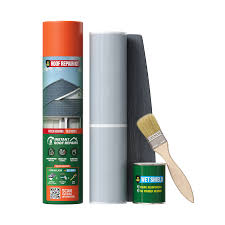
A leaking roof can quickly turn a minor maintenance issue into expensive damage to ceilings, walls, insulation, furniture, electrical installations, and other parts of a property. Having the right roof leak repair tools in Kenya can make routine inspection and minor roofing maintenance more manageable while helping homeowners, contractors, and maintenance professionals work more efficiently.
Roof leaks can develop for many reasons. Loose roofing screws, deteriorated washers, damaged sheets, cracked tiles, failed flashing, blocked gutters, damaged ridge caps, poor roof penetrations, and deteriorated sealants can all create opportunities for water to enter a building.
One important point is that the place where water appears inside a building may not be the actual point where it entered the roof. Water can travel along roofing sheets, timber, structural members, or other surfaces before eventually appearing as a ceiling stain or drip.
That is why effective roof maintenance starts with inspection and diagnosis rather than simply covering every visible gap with sealant.
The tools you choose should also match the roofing material and the type of repair being performed. A tool suitable for a corrugated metal roof may not be appropriate for delicate roofing tiles, while repairs involving significant structural damage require professional assessment rather than a DIY approach.
7 Powerful Roof Leak Repair Tools in Kenya
The right roof leak repair tools in Kenya help with inspection, fastening, cutting, gripping, sealing, and maintenance, allowing suitable minor repairs to be completed more efficiently and safely.
A practical roof-maintenance toolkit does not need to contain every tool available in a hardware shop.
Instead, it should contain tools that solve common roofing problems.
Seven particularly useful tools and equipment categories include:
- Roofing hammer
- Screwdriver or drill/driver
- High-leverage pliers
- Pry bar
- Utility knife
- Caulking gun
- Measuring and inspection tools
Depending on the roofing system, you may also need replacement screws, washers, flashing tape, sealants, roofing sheets, tiles, or other compatible materials.
For more demanding projects, appropriate access and fall-protection equipment is equally important.
Why the Right Tools Matter When Repairing Roof Leaks
Using appropriate roofing tools improves control, reduces unnecessary effort, and helps prevent damage caused by using unsuitable equipment.
Roofing repairs often involve working with materials that can be damaged easily.
Metal roofing sheets can bend.
Tiles can crack.
Fasteners can strip.
Sealants can be applied unevenly.
A poorly selected tool can therefore create a new problem while attempting to fix an existing one.
For example, using ordinary pliers to force a stubborn roofing screw can damage the fastener head. Using excessive force on a roofing sheet can distort its profile. Applying sealant over a dirty or wet surface can result in poor adhesion.
The objective should always be to use the correct tool for the specific task.
Roofing Hammer for Minor Roof Repairs
A roofing hammer is useful for controlled fastening, removal of suitable nails, and minor roofing maintenance tasks where hammering is appropriate.
A good hammer is one of the most basic tools a contractor or maintenance worker can keep in a roofing toolkit.
Depending on the roofing system, it may be used for:
- Removing old nails
- Installing suitable roofing nails
- Adjusting compatible roofing components
- Securing certain materials
- General maintenance
However, roofing sheets should never be struck unnecessarily.
Metal sheets can become dented or distorted when excessive force is applied.
Tiles require even greater care because concentrated impact can cause cracking.
The hammer should therefore be used deliberately and only where the roofing system allows it.
Screwdriver for Loose Roofing Fasteners
A suitable screwdriver is essential when inspecting, removing, or replacing roofing screws and other compatible fasteners.
Loose fasteners are one potential source of water entry in metal roofing systems.
A screw can become loose through movement, weather exposure, poor installation, or deterioration of the surrounding materials.
During inspection, check:
- Screw heads
- Washers
- Roofing sheet condition
- Fastener alignment
- Rust
- Gaps around penetrations
If a fastener is damaged, simply tightening it may not solve the problem.
The washer may have deteriorated.
The surrounding roofing material may be damaged.
The screw may have lost its holding strength.
A proper repair may therefore involve replacing the fastener and washer.
Drill/Driver for Roofing Repairs
A drill/driver can make fastening and replacement work faster and more consistent when used with the correct bit, torque setting, and roofing fastener.
For larger maintenance projects, manually installing every screw can become time-consuming.
A suitable drill/driver can help with:
- Removing roofing screws
- Installing replacement screws
- Drilling appropriate holes
- General construction work
However, power should be controlled.
Over-tightening roofing screws can deform the sheet or damage the sealing washer.
The objective is to achieve the appropriate fastening pressure rather than maximum possible torque.
When selecting equipment for construction and maintenance work, you can explore our power tools for suitable options.
High-Leverage Pliers for Roof Maintenance
High-leverage pliers provide strong gripping and cutting capability, making them useful for handling wire, suitable fasteners, metal components, and other maintenance tasks.
Pliers are among the most versatile tools in a contractor’s toolbox.
Depending on their design, they can help with:
- Gripping
- Cutting suitable wire
- Bending metal
- Holding small components
- Removing certain fasteners
- Manipulating roofing accessories
High-leverage models can be particularly useful where additional mechanical advantage is needed.
However, never use pliers to cut materials beyond the manufacturer’s rated capacity.
Likewise, pliers should not be used as a substitute for a proper wrench when installing or removing fasteners designed for wrenching.
Using the correct tool protects both the tool and the roofing component.
Pry Bar for Removing Damaged Roofing Materials
A pry bar provides controlled leverage when removing old nails, lifting roofing components, or separating damaged materials during suitable repair work.
When a roofing sheet or flashing component needs to be replaced, a pry bar can make removal easier.
It can assist with:
- Removing nails
- Lifting roofing edges
- Separating old materials
- Removing damaged flashing
- Creating controlled leverage
Care is essential.
Excessive force can bend metal sheets or damage the structure beneath the roofing.
Before prying, determine where the underlying support is located.
This is particularly important when removing materials around roof edges, valleys, or structural junctions.
Utility Knife for Roofing Materials
A utility knife provides controlled cutting for appropriate roofing tapes, membranes, packaging, sealants, and flexible repair materials.
Many roof repairs involve materials that need to be cut to size.
A utility knife may be useful for:
- Flashing tape
- Waterproofing membranes
- Protective materials
- Packaging
- Flexible roofing products
- Sealant tubes
Always use a sharp, properly secured blade.
Cut away from your body and keep your hands away from the cutting path.
A dull blade can be more dangerous because it may require excessive force.
Replace or retract blades when they become damaged or unsuitable.
Caulking Gun for Roofing Sealant
A caulking gun allows controlled application of suitable roofing sealants around compatible joints, gaps, penetrations, and minor repair areas.
Roofing sealant can be useful for specific maintenance situations.
However, sealant should never be viewed as a universal solution.
If a roofing sheet is severely damaged, the correct solution may be replacement.
If flashing has failed, the flashing may need to be reconstructed or replaced.
If water is entering because of poor drainage, sealing one location will not address the underlying issue.
When sealant is appropriate, surface preparation matters.
The area should be cleaned and prepared according to the sealant manufacturer’s instructions.
For suitable construction bonding and sealing requirements, you can discover our adhesives.
Measuring and Inspection Tools
Simple inspection and measuring tools help identify the location, dimensions, and extent of roofing damage before repairs begin.
A basic inspection kit can include:
- Tape measure
- Marker
- Flashlight
- Straightedge
- Inspection mirror
- Level where appropriate
A tape measure helps determine the dimensions of replacement materials.
A marker can help identify specific repair areas.
A flashlight is particularly useful when inspecting roof spaces from below.
An inspection mirror can help examine areas that are difficult to see directly.
Accurate inspection reduces unnecessary material purchases and helps contractors understand the full extent of the problem.
Roofing Screws and Washers
Replacement roofing screws and sealing washers are important components of many metal-roof repairs because fastening points can become potential sources of water entry.
A roofing screw creates a penetration through the roofing material.
That penetration needs to remain properly sealed.
The washer positioned beneath the screw head helps provide a weather-resistant seal.
Over time, washers can deteriorate because of:
- UV exposure
- Weather
- Temperature changes
- Mechanical stress
- Poor-quality materials
- Incorrect installation
When inspecting a leaking metal roof, examine the condition of both the screw and the washer.
Replacing only the screw may not solve the problem if the washer has failed.
Choosing the Right Roofing Sealant
The correct sealant should be compatible with the roofing material and capable of handling the environmental conditions around the repair area.
Roofing systems are exposed to demanding conditions.
These include:
- Rain
- Sunlight
- Heat
- Temperature changes
- Wind
- Expansion and contraction
A sealant that works well for one material may not be suitable for another.
Before purchasing, check:
- Material compatibility
- Exterior suitability
- Water resistance
- Application temperature
- Curing requirements
- Expected movement
- Manufacturer instructions
Never assume that every general-purpose sealant is suitable for roofing.
Flashing Tape for Minor Repairs
Flashing tape can provide a practical solution for certain minor waterproofing applications when the surface is properly prepared and the product is compatible with the roofing system.
Flashing is especially important around areas where different materials meet.
Examples include:
- Roof-to-wall junctions
- Vents
- Chimneys
- Skylights
- Valleys
- Roof penetrations
Flashing tape can sometimes assist with minor repairs.
However, severely damaged flashing should generally be replaced or professionally repaired rather than repeatedly covered.
A temporary patch should not be mistaken for a permanent solution.
Replacement Roofing Sheets
When a roofing sheet has extensive corrosion, large holes, severe deformation, or other significant damage, replacement may be more reliable than repeated patching.
Before replacing a sheet, identify:
- Roofing profile
- Material
- Dimensions
- Thickness or gauge where applicable
- Colour
- Fastener type
- Overlap requirements
The replacement material should integrate properly with the existing roof.
Improperly fitted roofing sheets can create new points of water entry.
For larger replacement projects, professional installation is recommended.
Repairing a Mabati Roof
Mabati roofs require repair tools and materials designed for metal roofing, particularly when addressing fasteners, corrosion, overlaps, flashing, and damaged sheets.
During an inspection, look closely at:
- Roofing screws
- Rubber washers
- Sheet overlaps
- Rust
- Holes
- Ridge caps
- Flashing
- Gutters
- Roof penetrations
Surface rust may be manageable with appropriate treatment.
Severe corrosion, however, can weaken the sheet.
If the metal has become thin, perforated, or structurally compromised, replacing the affected section may be preferable to repeatedly applying patches.
Repairing a Tile Roof
Tile roofing requires careful handling because cracked or displaced tiles can allow water to enter while excessive pressure can create additional damage.
When inspecting tile roofs, check for:
- Cracked tiles
- Missing tiles
- Displaced tiles
- Damaged flashing
- Failed mortar or compatible sealing details
- Blocked drainage areas
Use appropriate access equipment.
Do not walk unnecessarily across fragile tiles.
If tiles need to be removed, work carefully to avoid damaging adjacent units.
A single cracked tile can sometimes be replaced without disturbing a large section of the roof.
Repairing a Flat Roof
Flat and low-slope roofs require particular attention to waterproofing membranes, drainage, joints, flashing, and areas where water can accumulate.
A flat roof that repeatedly develops leaks may have a broader waterproofing problem.
Inspect:
- Membranes
- Joints
- Roof outlets
- Drains
- Flashing
- Parapets
- Surface cracks
- Areas of standing water
If water remains on the roof for extended periods, simply sealing one crack may not solve the problem.
Drainage should also be investigated.
Why Gutters Matter in Roof Leak Prevention
Blocked or damaged gutters can contribute to water accumulation and overflow, making gutter inspection an important part of roof maintenance.
Gutters collect and redirect rainwater.
When they become blocked with leaves, dirt, or other debris, water can overflow against walls and roof edges.
Check:
- Gutters
- Downpipes
- Valley gutters
- Drain outlets
- Connections
Regular cleaning can help prevent avoidable drainage problems.
For wider water-management and installation projects, you can browse our plumbing supplies.
How to Find a Roof Leak
Finding the actual entry point is essential because water can travel away from the original defect before appearing inside the building.
Start inside.
Identify the location of:
- Ceiling stains
- Damp patches
- Peeling paint
- Drips
- Water marks
Then inspect the corresponding roof area when conditions are safe.
Look for:
- Damaged roofing
- Loose fasteners
- Rust
- Cracks
- Flashing problems
- Penetrations
- Ridge defects
- Blocked drainage
The visible interior damage may be several metres away from the actual entry point.
Roof Inspection From the Attic or Roof Space
Inspecting the roof from inside can sometimes reveal water trails and staining without immediately requiring access to the exterior roof surface.
A flashlight can help identify:
- Wet timber
- Water marks
- Damp insulation
- Light entering through holes
- Staining around penetrations
However, insulation can obscure the path of water.
Water can also travel along structural components.
An interior inspection should therefore be combined with an exterior assessment where safe.
The Importance of Roof Flashing
Flashing directs water away from vulnerable junctions and penetrations, making it one of the most important areas to inspect when diagnosing persistent roof leaks.
Flashing may be found around:
- Chimneys
- Vents
- Skylights
- Walls
- Valleys
- Roof edges
- Other penetrations
If flashing has separated, cracked, corroded, or been installed incorrectly, water can enter even when the main roofing sheets appear intact.
Repeatedly applying sealant over failed flashing may provide only temporary relief.
Roof Repair Safety in Kenya
Roof maintenance involves working at height, so safety equipment and suitable weather conditions should always be considered before starting a repair.
Essential safety measures may include:
- Stable ladder access
- Slip-resistant footwear
- Gloves
- Eye protection
- Appropriate fall protection
- Secure tools
- Safe working surfaces
Never treat a roof repair as an ordinary ground-level DIY project.
A wet roof can become extremely slippery.
Strong winds can destabilize workers and materials.
Lightning presents a serious hazard.
If weather conditions become unsafe, postpone the repair.
Never Repair a Roof During a Storm
A roof leak should never justify climbing onto a roof during heavy rain, strong winds, or lightning.
If water starts entering during a storm:
- Keep people away from the affected area.
- Protect furniture where practical.
- Use containers to collect dripping water.
- Move electrical equipment away from water.
- Avoid contact with wet electrical systems.
- Wait for safe conditions before inspecting the roof.
If water is reaching electrical sockets, cables, lighting fixtures, or appliances, the situation should be treated as an electrical safety issue.
Do not attempt to solve an electrical hazard with ordinary roofing tools.
When to Call a Professional Roofer
Professional assistance is appropriate when a roof has extensive damage, structural problems, difficult access, recurring leaks, or defects that cannot be safely diagnosed.
Call a qualified roofing professional if:
- The roof is sagging.
- Large areas are damaged.
- Multiple leaks are present.
- Severe corrosion is visible.
- Structural timber appears damaged.
- The roof is unsafe to access.
- The leak keeps returning.
- Flashing requires major reconstruction.
- Water is reaching electrical systems.
- The source of the leak cannot be identified.
DIY tools are useful for minor maintenance.
They are not substitutes for professional assessment of major roofing problems.
Common Roof Leak Repair Mistakes
Avoiding common repair mistakes can save money and prevent recurring leaks after maintenance work.
Sealing without inspecting
Applying sealant to the first visible hole may leave the actual leak untreated.
Using incompatible materials
Not every sealant or tape is suitable for every roofing surface.
Ignoring fasteners
A leaking screw penetration can remain a problem even when surrounding roofing material appears intact.
Over-tightening screws
Excessive pressure can damage washers and roofing sheets.
Ignoring flashing
Many leaks originate around roof junctions and penetrations.
Patching severely damaged sheets
Replacement may be more reliable when the roofing material has deteriorated significantly.
Working in unsafe weather
No repair is worth risking a fall or exposure to lightning.
How to Prevent Future Roof Leaks
Routine maintenance is one of the most effective ways to identify roofing problems before they develop into major leaks.
Inspect the roof periodically.
Look for:
- Loose screws
- Damaged washers
- Rust
- Cracked tiles
- Failed sealants
- Damaged flashing
- Blocked gutters
- Damaged ridge caps
- Roof penetrations
- Debris accumulation
Small problems are usually easier to address before they cause extensive interior damage.
A replacement washer can be inexpensive compared with repairing a damaged ceiling.
Cleaning a gutter is simpler than repairing a water-damaged wall.
Preventive maintenance therefore protects both the roof and the rest of the building.
Build a Practical Roof Repair Toolkit
Keeping a basic selection of roofing tools and consumables available can make routine maintenance faster and reduce delays when minor problems appear.
A practical toolkit can include:
- Roofing hammer
- Screwdriver
- Drill/driver
- High-leverage pliers
- Pry bar
- Utility knife
- Tape measure
- Marker
- Caulking gun
- Suitable roofing sealant
- Roofing tape
- Replacement screws
- Rubber washers
- Gloves
- Eye protection
Keep tools clean and dry after use.
Store sealants and other consumable materials according to manufacturer instructions.
Inspect tools before using them on a roof.
Maintaining Your Roof Repair Tools
Proper maintenance keeps roofing tools reliable and reduces the risk of tool failure during repairs.
After completing work:
- Remove dirt and debris.
- Wipe away moisture.
- Check cutting edges.
- Inspect handles.
- Lubricate suitable moving parts.
- Check drill bits.
- Inspect electrical power-tool cables.
- Store everything in a dry location.
Rust can weaken metal tools over time.
Damaged handles can compromise grip.
Dull cutting tools can require excessive force.
Tool maintenance is therefore part of safe roofing maintenance.
For fastening, drilling, and construction tasks, you can also browse our drill bits to find suitable options for different materials.
Choosing Quality Roof Repair Tools
Quality tools are generally a better investment for regular contractors because they provide improved durability, control, and reliability over repeated use.
The cheapest tool is not always the most economical.
A poor-quality screwdriver can damage fastener heads.
A weak pry bar can deform.
Low-quality pliers can lose jaw alignment.
A poor drill bit can wear quickly.
Professionals should consider:
- Material quality
- Ergonomics
- Durability
- Intended application
- Manufacturer specifications
- Replacement availability
The best tool is the one that reliably performs the intended task.
Why a Reliable Supplier Matters
A dependable construction supplier can make roofing maintenance easier by providing access to tools, fasteners, adhesives, electrical products, plumbing supplies, and other materials required for wider projects.
Roof repairs rarely happen in isolation.
A property owner repairing a roof may also need to:
- Repair damaged ceilings
- Repaint walls
- Replace electrical components
- Repair plumbing
- Replace damaged fittings
- Work on windows or glass
Having access to multiple product categories can simplify procurement.
For related finishing work, you can explore our paints.
For construction and installation requirements, our fittings range can also support appropriate projects.
Final Thoughts
The best roof leak repair tools in Kenya are not necessarily the most expensive tools; they are the tools that match the roofing system, repair requirement, material, and working conditions.
A basic roof-maintenance kit should include a hammer, screwdriver, drill/driver, pliers, pry bar, utility knife, caulking gun, and measuring equipment.
Depending on the roof, you may also need roofing screws, rubber washers, sealants, flashing tape, replacement sheets, tiles, or other compatible materials.
The most important step is diagnosis.
Do not assume that the location of an interior water stain is the location of the roof defect.
Inspect fasteners, flashing, roof penetrations, overlaps, ridges, valleys, gutters, and damaged roofing materials.
Use sealant where it is appropriate, but do not rely on sealant to compensate for structural damage or severely deteriorated roofing.
Most importantly, work safely.
Roof maintenance involves working at height, and wet or windy conditions can dramatically increase the risk of an accident. Never climb onto a roof during lightning or severe weather, and seek professional help when the roof is structurally damaged, difficult to access, or beyond the scope of minor maintenance.
Whether you are a homeowner, contractor, landlord, technician, or property manager, investing in the right tools and carrying out regular inspections can help identify roofing problems early.
A small repair today can prevent a much more expensive repair tomorrow.
When sourcing dependable construction and maintenance supplies, Ngong Hills Merchants provides access to a broad range of tools, plumbing, electrical, adhesives, paints, glass, fittings, and other hardware products for projects in Ngong and surrounding areas.
Your One-Stop Hardware Partner in Ngong
Imagine completing your project with the right tools, the best materials, and expert advice. At Ngong Hills Merchants, we turn your DIY or construction vision into reality with a complete selection of plumbing, electrical, glass, and sanitary ware.
Contact our team for a consultation and get the right supplies, right now.
QUALITY HARDWARE & SUPPLIES IN NGONG ✔ Complete Range of Plumbing & Electrical ✔ Power Tools, Adhesives & Paints ✔ Glass, Framing & Sanitary Ware ✔ Serving Ngong, Karen, Matasia, Kiserian & beyond.
Request Your Free Consultation: Ngong Hills Merchants
Email: ngonghillsmerchants [at] gmail.com
Phone: +254 715974811
Visit Us: Ngong Township, Ngong, Kenya
Website: https://ngonghillsmerchants.com/